The best cycling routes around Rock
4.1
(61)
829
riders
160
rides
Touring cycling routes around Rock are primarily characterized by their passage through extensive woodlands, such as the Wyre Forest, and along former railway lines. The terrain generally features gentle undulations, with some routes incorporating moderate climbs. This area provides a mix of natural landscapes and accessible paths suitable for various cycling preferences.
Best touring cycling routes around Rock
- The most popular touring cycling route is Wyre Forest Wooden Bridge – Wyre Forest loop from Bliss Gate, a 4.7 miles…
Last updated: June 22, 2026
5.0
(1)
29
riders
21.9km
01:56
310m
310m
Moderate bike ride. Good fitness required. Mostly paved surfaces. Suitable for all skill levels.
29
riders
17.3km
01:27
260m
260m
Moderate bike ride. Good fitness required. Mostly paved surfaces. Suitable for all skill levels.

Sign up for free
1.0
(1)
12
riders
7.18km
00:36
90m
90m
Easy bike ride. Great for any fitness level. Mostly paved surfaces. Suitable for all skill levels.
1.0
(1)
7
riders
6.88km
00:38
110m
110m
Easy bike ride. Great for any fitness level. Mostly paved surfaces. Suitable for all skill levels.
5
riders
43.6km
03:31
740m
740m
Hard bike ride. Very good fitness required. You may need to push your bike for some segments of this route.
Get access to more routes and recommendations from other explorers.
Sign up for free
Already have an account?
Our route recommendations are based on thousands of hikes, rides, and runs completed by other people on komoot.
Start today with a free account
Your next adventure awaits.
Login or Signup

Tips from the Community

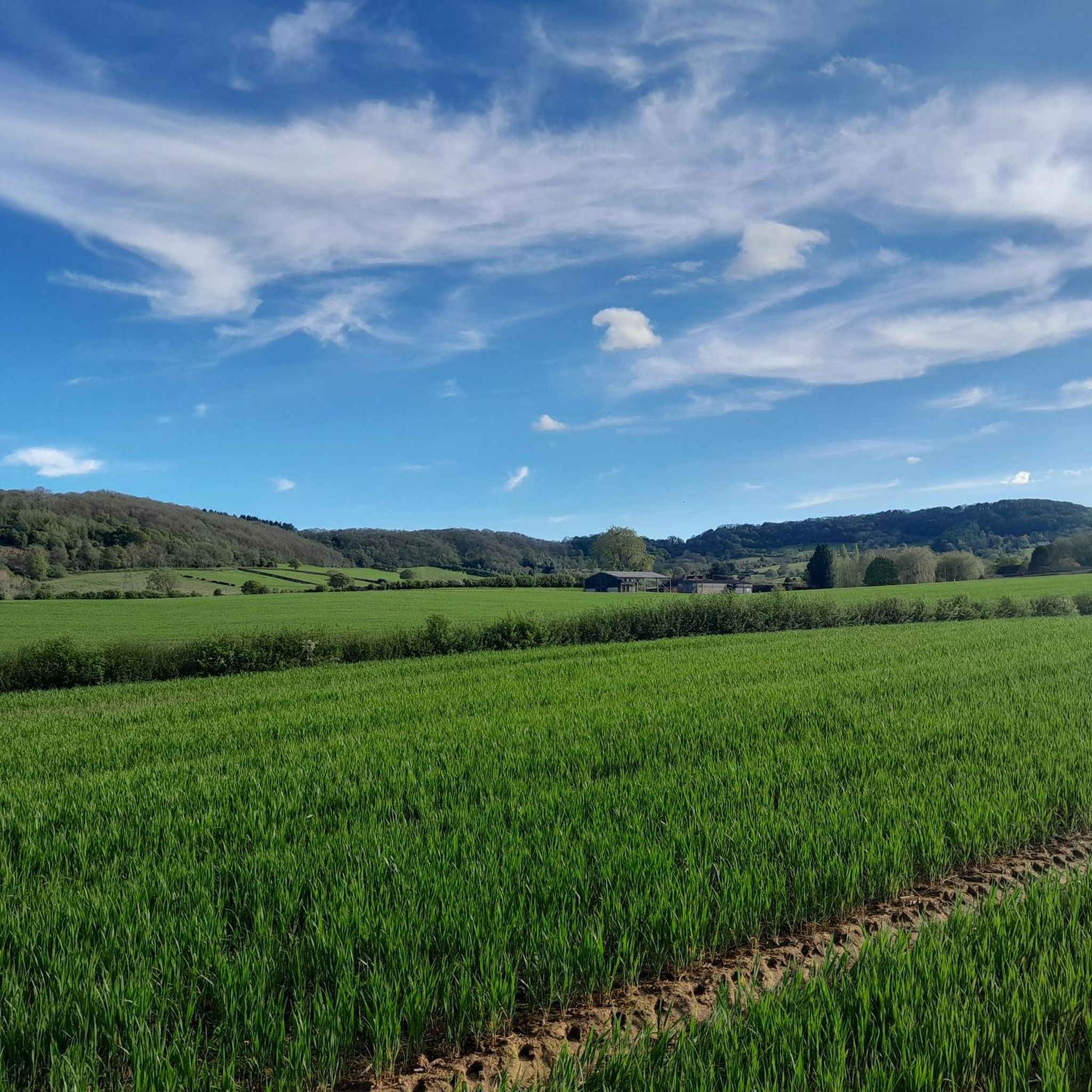
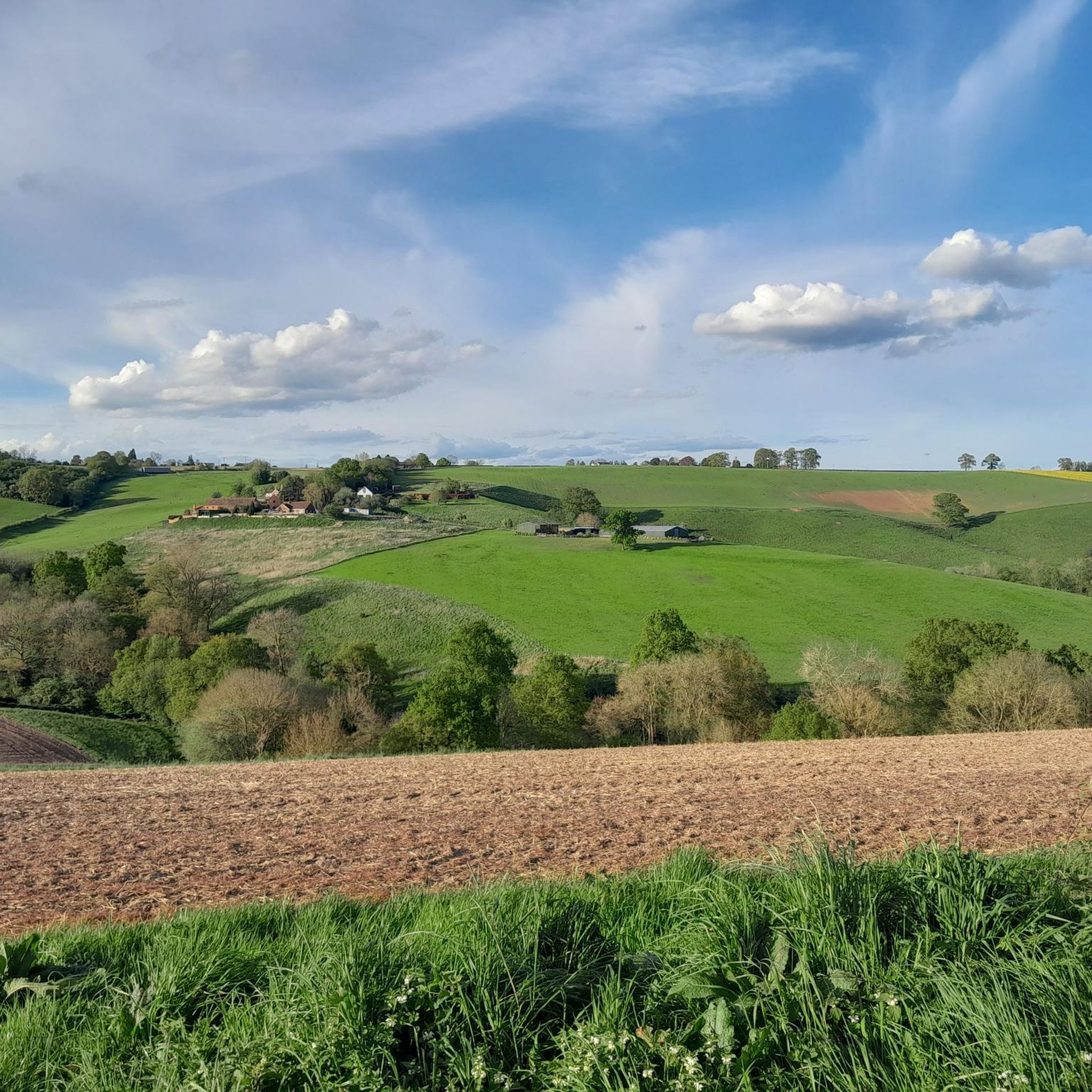
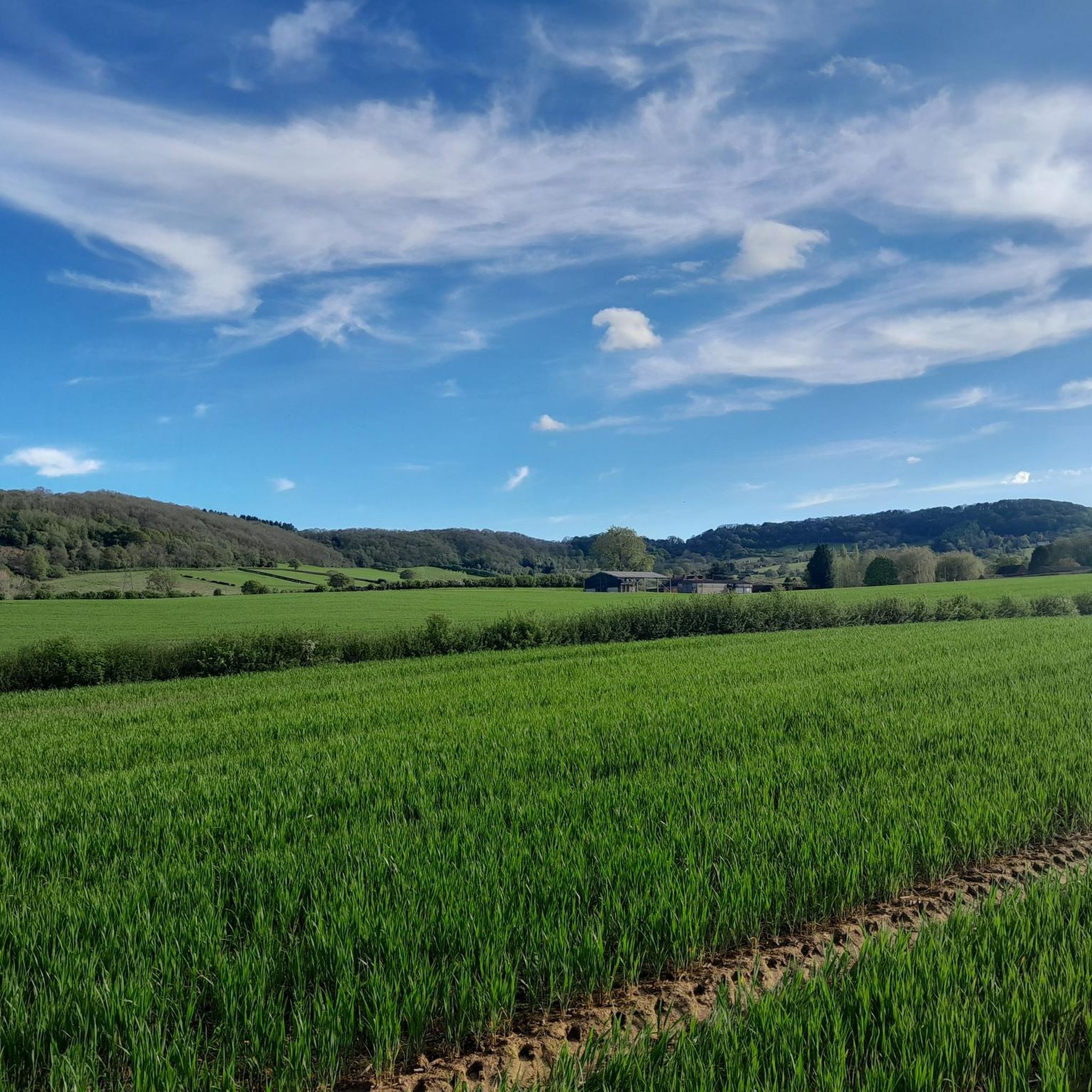
Fine footbridge across the brook that is part of the remains of an industrial settlement, now long gone.
0
0


Knowles Mill is the remains of an eighteenth-century water-powered grain mill, located in the Wyre Forest in Worcestershire, England. The mill has been owned by the National Trust since 1938. The mill and its surroundings feature extant machinery, as well as notable populations of adders and wood cranesbill. One of nine possible mills that historically worked on Dowles Brook, Knowles Mill was built in the eighteenth-century, and was later modified in the nineteenth-century. The surviving building is two storeys high and the site also preserves an overshot mill wheel made of iron and a great spur wheel, alongside other remnant machinery. The first record of a mill on the site dates to 1757 when it was listed as for sale in a local newspaper. However there is documentary evidence preceding 1757 that lists owners of the land that the mill was built on. These owners include Arthur Palmer, c.1661, Edward Wheeler, c.1693, Roger Hunt, c.1704, Antony Betts, c.1717, Edward Faulkner, c.1722 and Daniel Crun, c.1735. The first owner of the mill was William Crun, in 1757. It passed through a number of owners, including William and Mary Herbert, William Nicholls and Arthur Nott. The mill takes its name from the Knowles family who worked there from 1803 to the 1870s; earlier names included Coventry Mill and Upper Town Mill. The first member of the family to be listed as owner was James Knowles. The mill continued in use until 1891, when it became no longer financially viable. It was donated to the National Trust by Paul Cadbury in 1938, along with four acres of orchards. The property was visited by the historian James Lees-Milne during his work as a curator for the Trust. Source: Wikipedia
0
0
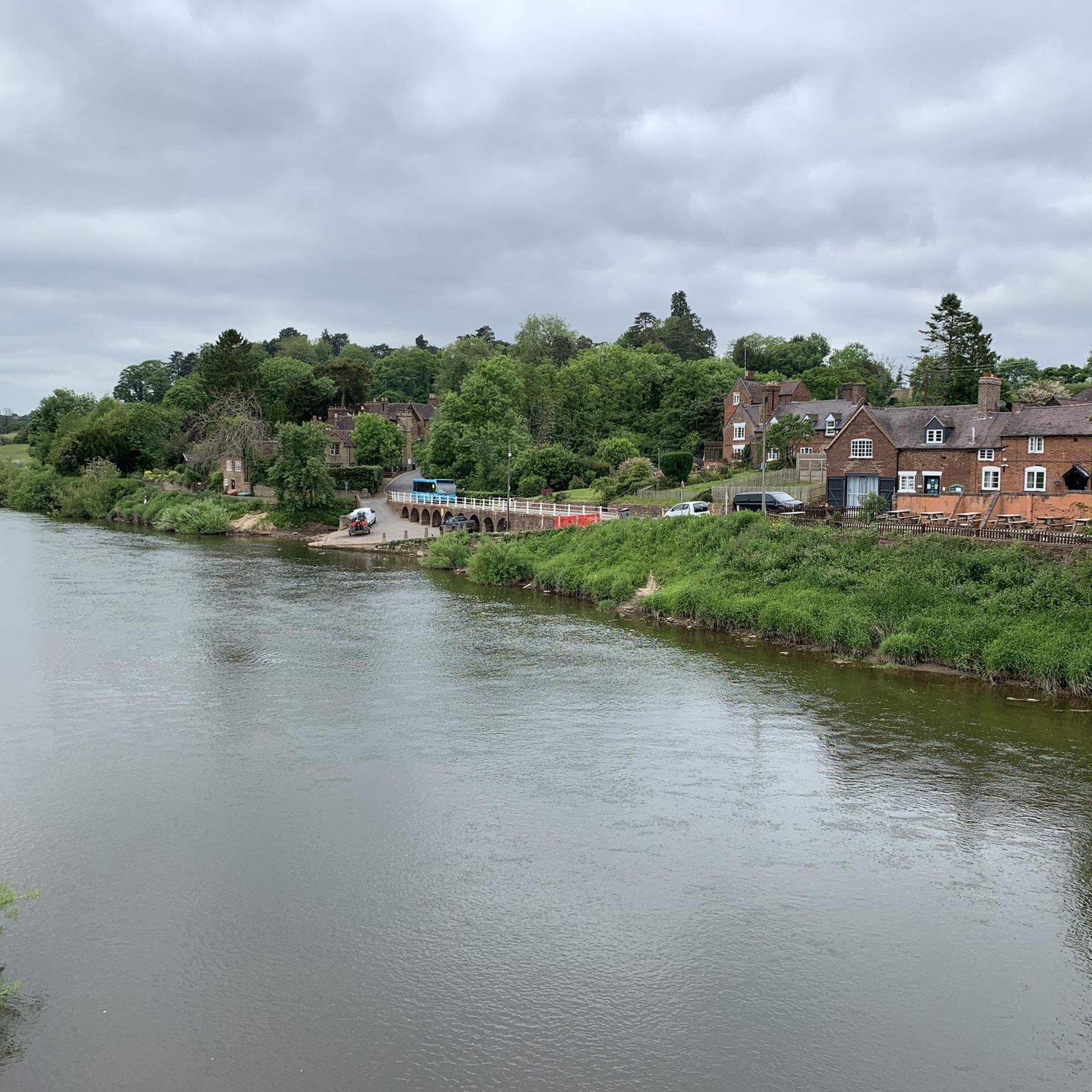
The bridge is a narrow, two arch structure built of local sandstone but with the arches lined with brick. The central pier forms a substantial cut-water, to deflect the water of the Borle Brook through the two arches. The narrow deck of the bridge shows that it was only ever intended for pedestrians or horses in single file and the alternative names for the bridge both reflect the local tradition that it was used for packhorses. The earliest map that shows Highley in any detail is a map of Shropshire drawn up in 1754 by a cartographer called Jean Roque. The bridge is marked on this and called the “New Bridge”. This suggests that it was built in the early 18th century; a date also suggested by its style (particularly the use of bricks, which do not seem to have been much used in this area until the end of the 17th century). There is an entry in the Poor Rates for 1742, noting that money was spent repairing Malpass Mill bridge (leading to Kinlet and long defunct) and the New Bridge. This is the earliest contemporary reference to the bridge. Writing at the start of the 19th century, the vicar of Kinlet, the Rev Blakeway, described the bridge as “very ancient and almost ruinous”, although it was still called the “New Bridge”. Blakeway preserves an intriguing story as to its origins. In 1709, the country was controlled by a Whig government; the Whigs were the ancestors of the Liberal party of today. In that year, a clergyman called Dr Henry Sacheverall preached two sermons attacking Government policy, particularly their tolerance of non-conformists. The Government arrested Sacheverall and put him on trial for seditious libel. The trial provoked riots in London and the House of Lords, whilst finding Sacheverall guilty, imposed a token sentence, preventing him from preaching for three years and ordering the public hangman to burn a copy of the offending sermons. The government was humiliated and, already unpopular for other reasons, soon fell to be replaced by a Tory administration. Sacheverall was offered a new post at Selattyn in North Shropshire and made what was effectively a triumphal procession from London to take up his benefice in 1710. Blakeway records how at Kinlet, the squire, Sir Lacon William Childe, invited him to stay. New Bridge was said to have been built for Sacheverall’s use and he was greeted by a crowd of 2000 on a flat space near the bridge. It is difficult to know how reliable this story is; presumably Blakeway obtained his information from the members of Childe family in his own day. There is no doubt that the family and much of the surrounding country would have been in sympathy with Sacheverall. Blakeway gave two examples of local people who were given the Christian name “Sacheverall”, apparently in honour of Dr Sacheverall. Regardless of the truth of the story, the bridge would have been used from the start by those who wished to cross the Borle Brook to reach riverside wharfs and crossings in Highley and Hampton Loade. As noted in an earlier article, there was no shortage of trade from the Rea Valley and the Clee Hills that needed to get to the Severn. It is possible to trace the old road, now a public footpath, that drops steeply down the hillside from Crumpsend Farm to Bind Brook and then follows this a short distance to the Donkey Bridge. On the Highley side, the path immediately from the end of the bridge seems to be on a causeway and there are traces of what may be a track going straight up the hillside. This may be the original road leading from the Bridge. On the Highley bank of the brook, next to the Donkey Bridge, are traces of stone blocks in the bank; it is possible that these represent an earlier bridge at this point.
0
0

Keep an eye out for forestry work and areas of protection.
0
0
Frequently Asked Questions
How many touring cycling routes are available around Rock?
There are over 170 touring cycling routes available around Rock, offering a wide variety of options for different skill levels and preferences. The komoot community has explored these routes over 1,100 times.
What is the typical terrain like for touring cyclists in the Rock area?
The terrain around Rock is primarily characterized by extensive woodlands, such as the Wyre Forest, and paths along former railway lines. You can expect generally gentle undulations, with some routes incorporating moderate climbs, providing a mix of natural landscapes and accessible paths.
Are there routes suitable for beginners or families?
Yes, Rock offers several easy touring cycling routes perfect for beginners and families. For instance, the Wyre Forest Wooden Bridge – Wyre Forest loop from Bliss Gate is an easy 4.7-mile (7.6 km) trail that takes about 40 minutes to complete. Another family-friendly option is the Butterfly Trail – Route 45 Old Railway Line loop from Bewdley, which is also rated as easy.
Can I find more challenging touring routes around Rock?
Yes, for those seeking a more challenging ride, Rock also has moderate and difficult touring cycling routes. There are 86 moderate and 61 difficult routes available. An example of a moderate route is the Wyre Forest – Wyre Forest Wooden Bridge loop from Pound Bank(K'minster)-Council Houses, which is 10.7 miles (17.3 km) long and explores varied landscapes.
Are there any circular touring routes in the Rock region?
Many of the touring cycling routes around Rock are designed as loops, allowing you to start and end at the same point. Examples include the Wyre Forest Wooden Bridge – Wyre Forest loop from Bliss Gate and the Wyre Forest Wooden Bridge – Bewdley Bridge loop from Stourport-on-Severn.
What kind of natural features or landmarks can I expect to see along the routes?
The Rock area is rich in natural beauty and historical landmarks. Along your rides, you might encounter natural monuments like the Worcestershire Natural Flood Management Project – Leaky Dams in Wyre Forest or the intriguing Redstone Caves. Other points of interest include Ruskin Land and Prior's Mill and Weir.
Are there good viewpoints along the cycling routes?
Yes, the region offers several spots with scenic views. One notable viewpoint is the Walsgrove Hill Summit View, which provides expansive vistas of the surrounding landscape, perfect for a break during your ride.
Is it possible to bring my dog on touring cycling routes near Rock?
While specific regulations for each route vary, many trails in natural areas like the Wyre Forest are generally dog-friendly, especially if dogs are kept on a lead. It's always recommended to check local signage or specific route descriptions for any restrictions before heading out with your canine companion.
What are the parking options for cyclists in the Rock area?
Parking is generally available at popular starting points for many routes, particularly near trailheads in areas like Wyre Forest and around towns such as Bewdley. Look for designated car parks which often cater to visitors exploring the natural attractions.
How can I reach the Rock area by public transport for cycling?
Public transport options to the Rock area typically involve bus services connecting from larger towns like Kidderminster or Bewdley. Some routes may be accessible directly from public transport stops, allowing you to start your ride without a car. Always check current timetables and bicycle carriage policies of local transport providers.
Are there cafes or pubs along the touring cycling routes?
Yes, you'll find various cafes and pubs in the towns and villages surrounding the cycling routes, such as Bewdley. Some routes may pass directly by establishments like the area around Bewdley Bridge, offering convenient stops for refreshments and meals.
What is the best time of year for touring cycling around Rock?
The spring and autumn months generally offer the most pleasant conditions for touring cycling around Rock, with milder temperatures and beautiful scenery as the woodlands change colors. Summer can also be enjoyable, though it can be busier. Winter rides are possible but require appropriate gear for colder, potentially wetter weather.
Do I need any permits for cycling in the Rock area?
Generally, no specific permits are required for touring cycling on public rights of way and designated cycle paths in the Rock area, including within the Wyre Forest. However, always respect private land and any specific local regulations or signage you may encounter.
What do other cyclists say about touring in Rock?
The touring cycling routes around Rock are highly rated by the komoot community, with an average score of 4.05 stars from over 70 reviews. Cyclists often praise the quiet, scenic woodlands, the well-maintained paths, and the variety of routes suitable for different abilities.
Most popular routes around Rock
Most popular attractions around Rock

Get inspired with the komoot mobile app


Explore more
Browse the best Cycling routes in other regions.
