Attractions and Places To See around Naunton Beauchamp - Top 20
Best attractions and places to see around Naunton Beauchamp include a mix of historical landmarks and natural features within Worcestershire. This area offers insights into local history through its ancient structures and provides opportunities to explore woodlands and green spaces. Visitors can discover sites with centuries of history and significant natural reserves.
Best attractions and places to see around Naunton Beauchamp
- The most popular attractions is Pershore Old Bridge, a historical site that served as a key crossing point for traders between London and Worcester. Originally built in the 1400s, it has undergone various repairs over centuries to form the grand structure seen today.
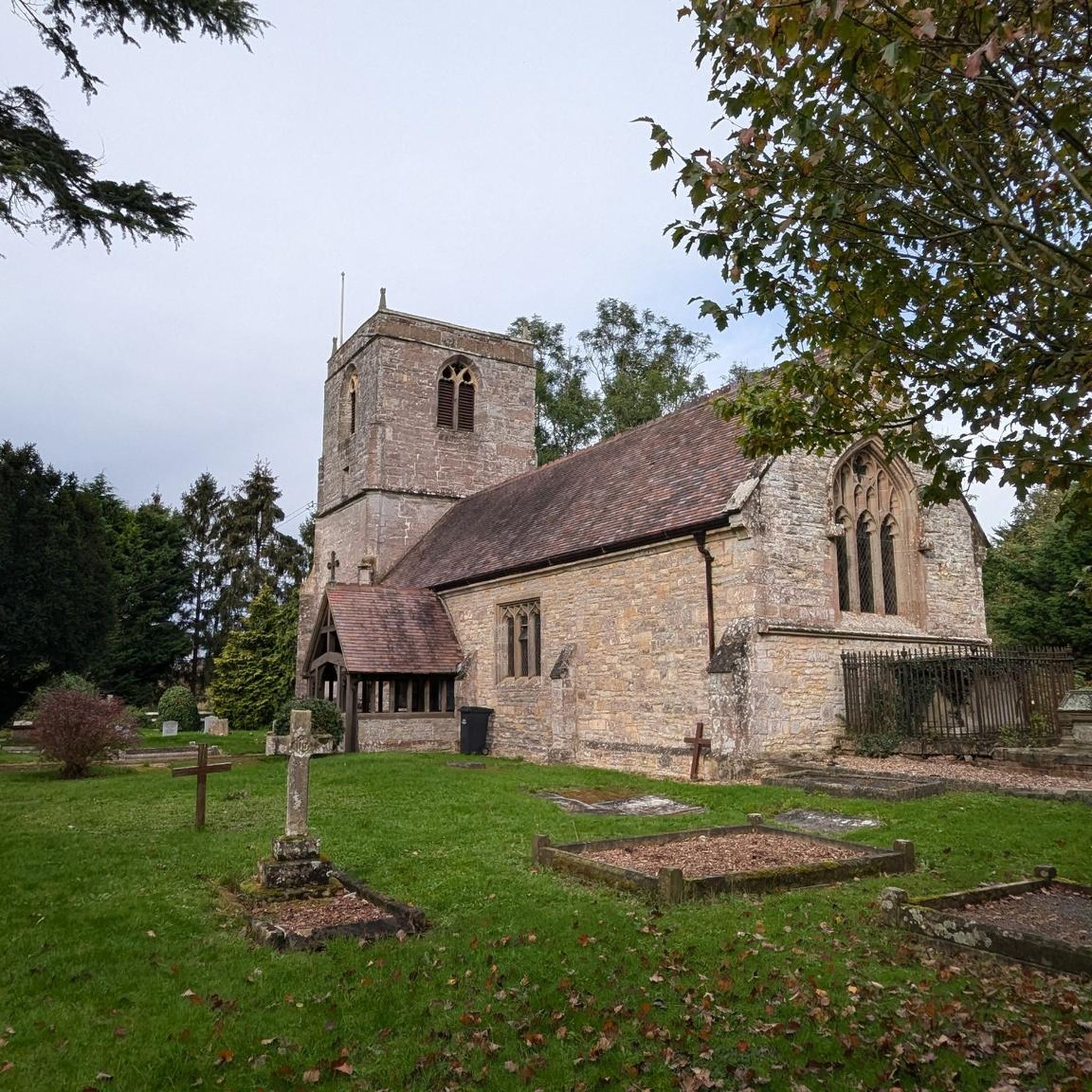
- Another must-see spot is St John the Baptist Church, Grafton Flyford, a historical site and religious building. Largely rebuilt in 1875, its tower dates back to the 14th century, and the chancel features a 15th-century east window.
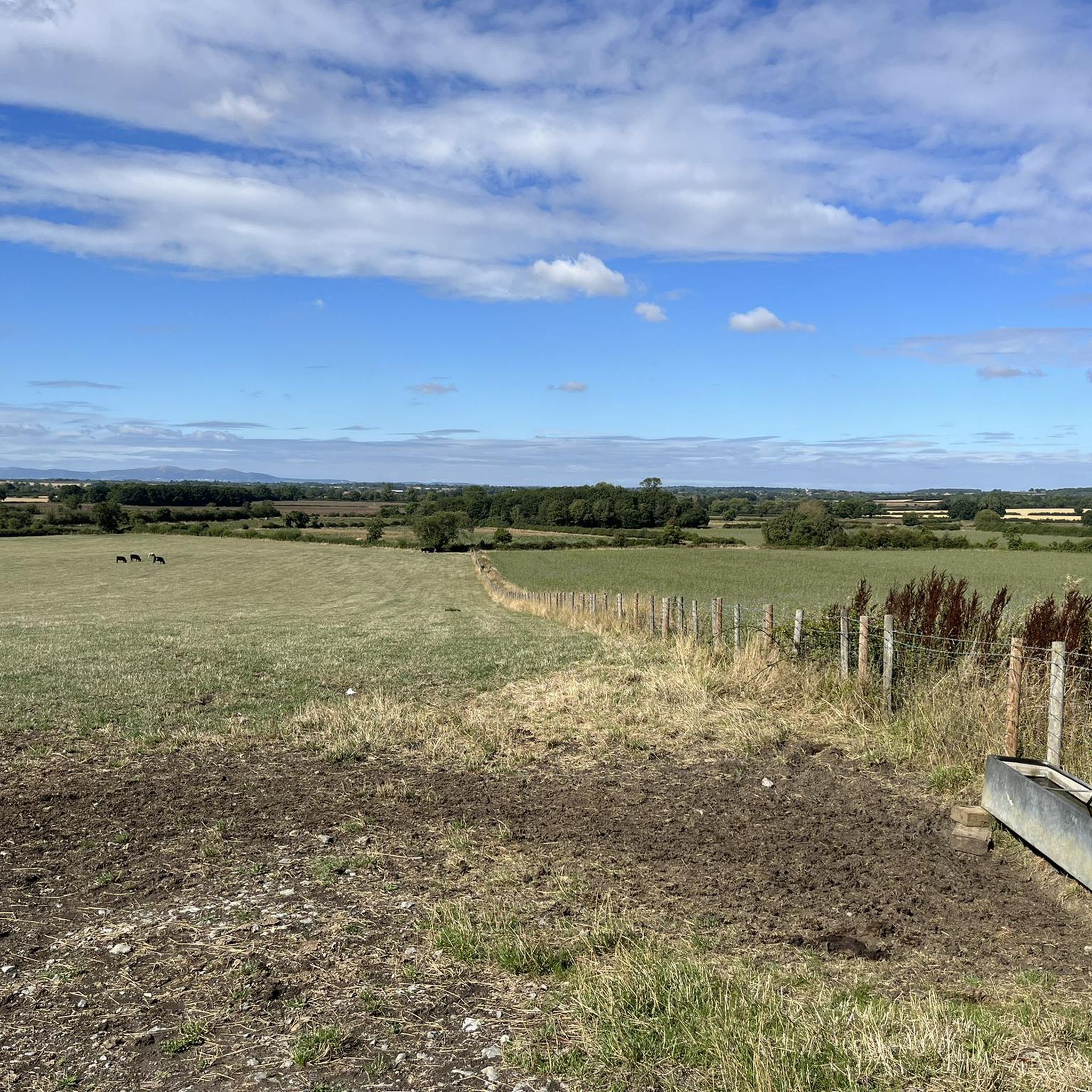
- Visitors also love Grafton Wood Nature Reserve, a significant natural monument and ancient woodland. It is known as the home of the only colony of brown hairstreak butterflies in the Midlands, with conservation efforts increasing their numbers.
- Naunton Beauchamp is known for its historical sites, religious buildings, and natural monuments. The area offers a variety of attractions to see and explore, from ancient bridges to protected woodlands.
- The attractions around Naunton Beauchamp are appreciated by the komoot community, with 47 upvotes and 17 photos shared by visitors.
Last updated: October 5, 2026
Pershore Old Bridge
Highlight • Historical Site
Tip by

Croome Court
Highlight • Historical Site
nationaltrust.org.uk/croome
Tip by

Sign up now to discover places like this
Get recommendations on the best single tracks, peaks, & plenty of other exciting outdoor places.
Eckington Bridge
Highlight • River
Tip by

St Peter's Church, Inkberrow
Highlight • Religious Site
The earliest remaining architectural feature in the church is the north doorway, which dates from the 13th century. When the north aisle was added to the church around 1480, the old doorway was moved outward and re-used.
The north aisle contains several wall monuments, and was originally shorter than its current length. A fellowship centre has been created, restoring the north aisle to the purpose for which it was originally built.
The north chapel, also called St Catherine's or the Lady Chapel, is part of the original church structure. It used to be fully enclosed, and was originally the vestry. The east wall contains remnants of a 15th century stained glass window. To the left of this window, beneath an 18th century wall monument, is a shallow recess for a figure.
The chapel contains a Tudor altar table, and the church's remembrance book.Early in the 16th century the north aisle was extended over the vestry and a wide archway opened into the chancel. The chancel was rebuilt in 1390. In 1887, the east and south walls were again rebuilt. The south wall was moved outward a few inches, the chancel arch was reconstructed using the old stones, and the roof was renewed.
The stained glass windows of St. Peter and St. Paul and St. Francis of Assisi and St Anne, date from 1899 and 1920 respectively.
Mr. Sneyd-Kynnersley was a churchwarden and trustee of the church charity, and the Hunt family were benefactors of the church.
The south transept may have been added as a chantry chapel shortly after 1357 to pray daily for the souls of members of the Colman family. It may have been the original St. Catherine's chapel.
Alternatively, it may have been built around 1390 by the Savage family of Dormston. Whatever its origins, only the original arch remains. The Chapel was rebuilt, and probably extended to its current size in 1784.
The altar tomb of painted white marble is to the memory of John Savage who in 1609 bought the manor of Edgioke just outside Inkberrow village but within the parish bounds. He died on the 22nd December 1631. On the base is his effigy in full armour. The hands and feet are missing, believed to have been vandalised by Cromwell's troops. On the sides of the base were the kneeling figures of his ten children, some of which have been removed. On top of the arched canopy are three small figures representing 'Time', 'Hope' and 'Faith', together with the Savage coat of arms.
The nave was part of the original structure, but was altered sometime between 1390 and 1420. The windows in the south wall are 15th century. The one nearest to the tower contains some stained glass of that period. In 1839, new box pews were installed bringing the seating capacity of the church to 504. By 1887, the church had become so damp that a complete restoration was required. The rotten wood of the floor was renewed, and several 17th and 18th century headstones were laid in the floor.
The font dates from around 1200 AD, and being square is typical of a late Norman font. In 1839, it was cleaned and placed under the arch linking the chancel to the south transept, near the pulpit. It was moved to its current position opposite the south door of the nave in 1887.
The tower is three storeys high and was built shortly after 1420 by the Dyson family. The west window which cannot be seen from inside the church, and the west doorway are 15th century. The organ is housed on a raised platform on the ground floor, with the clock and bell ringers' chamber on the second floor, and the church's six bells on the third. The tower was restored in 2000.
In 1887, the internal gallery was removed and the archway opened out to reveal the original 15th century west window. It was enclosed again in 1940 when the early 19th century organ was installed. The gallery was re-instated at the same time.
Legend refers to 'Intebors ting-tangs' (small bells) suggesting that the Saxon church had bells. The earliest mention of bells in the current church is in 1544, when Margaret Hunt bequeathed money for the casting of bells. The six bells were recast and made heavier in 1868, at a cost of £ 170. In 1658 20 shillings was provided for a person to ring the bells every Lord's day. This was equivalent to a labourer's wages for six weeks. In 1768, three shillings was spent to provide ale for the bell ringers, equivalent to around 125 pints.
A wooden board lists the parish vicars since 1268. Seven vicars of Inkberrow died during the years 1349, 1361, 1362 and 1369, the times that the Black Death ravaged England. Due to their vocation of visiting the sick, administering the last rites and burying the dead, many priests died during times of plague. In the diocese of Worcester, 80 clergymen died of plague between March and September 1349.
The original 13th century vestry was located where the current St. Catherine's chapel is. It was moved to its present position in 1968, and screened off using 17th century oak panelling. On the south side of the screen, Charles I is depicted in armour before the battle of Edgehill. It is interesting to note that Charles' head is severed from his body.
The stained glass in the window in the west wall of the vestry is 15thcentury, and depicts St. Catherine and another saint, crowned and holding a staff. Such fragments are rare. In 1547, following the Reformation, King Edward VI ordered that no images of saints should remain in churches, even in glass. Due to the cost of the wholesale removal of all stained glass windows of saints, they were only replaced once they had decayed.
Outside the main body of the church, the north porch was added during the 15th century. It contains a memorial stone to Thomas Dyson dated 1651. A wooden plaque to the right of the door commemorates the 1887 restoration.
The arch over the outer entrance has carved stops depicting human heads. The left hand gargoyle is holding a leather bottle typical of the period. The rest of the porch was re-built using the original stones in 1887. On the outer wall of the vestry, a straight line can be seen in the stone work (14) where the north aisle was added to the church in 1480.
It has been estimated that in excess of 20,000 bodies have been laid to rest in Inkberrow churchyard. Despite Kington and Dormston having their own ancient churches, where baptisms and marriages were performed, the dead from these parishes were buried at Inkberrow until 1837. In addition, the churchyard of St. Peter's served as the burial ground to St. Paul's, Cookhill, until the consecration of its burial ground in 1932. St. Peter's burialground was extended to the south-west in 1857 and to the north-east in 1945.
To the rear of the church, on the outer wall of the south transept, there is a "mass clock" (15). This is a semi-circular sun dial scratched on the wall. This was used to indicate the times of services in the days before mechanical clocks. Its position close to ground level suggests that it belongs to an earlier structure, which was re-used when the south transept was re-built in 1784. The engraved GH above the mass clock is the remnant of an inscription GH 1814, the significance of which is not known.
When the north aisle was extended over the original vestry around 1480, the vestry was rebuilt askew from the original foundations. This can be seen in the lower courses in the outside of the east wall of the north chapel (16).
To the front of the church, the lych-gate was erected in 1919 as a war memorial. It contains two plaques to the Inkberrow men who died in the first and second World Wars. The sundial close by is believed to be the one bought in 1705 to replace the previous sundial which had been stolen from the churchyard.
On 10th May 1645, King Charles I slept in the vicarage on a tour through Worcestershire. He left behind one of his map books, which is now in the custody of the vicar and stored in the County Record Office. His soldiers' wages were lost, buried somewhere in or near the village. In retribution for housing Charles, Cromwell is reputed to have burned the vicarage down.
Tip by

Inkberrow Millennium Green
Highlight • Viewpoint
Inkberrow is on the A422 main road about half way between Worcester and Stratford-upon-Avon in the English West Midlands.
The entrance can be found at the bottom of the hill down the lane past the church. In the centre of the village, by the village green, go towards the Old Bull Inn, past the lychgate entrance to St Peter's Church, and down the hill. (approx 250 yards from the A422).
The Millennium Green was officially opened in June 2000. It was supported by Inkberrow Parish Council, The Millennium Commission, English Heritage, The Countryside Agency, Worcestershire County Council and Aqua Vitae 21. It has since been designated a Special Wildlife Site and is now in the
Higher Level Stewardship scheme administered by Natural England.
The Green is some 8.3 acres in extent, divided into two fields. It is owned and managed as a charity - the Inkberrow Millennium Green Trust - with the land vested in the Official Custodian of Charities. The Trust deeds require that the Green be open and "be able to be enjoyed by people of all ages and physical abilities, be an attractive place for people to exercise, pursue leisure activities and pastimes consistent with shared enjoyment of the whole of the land" and to "include significant 'natural' areas where people can enjoy nature and wildlife at first hand".
The Green is managed by the Trustees to meet these objectives, including regular work to sustain, restore and enhance a variety of habitats with ecological and social benefits for the Inkberrow community. The Trustees work in conjunction with outside agencies, such as Historic England and Natural England to ensure compliance with requirements such as those contained in the Ancient Monuments and Archaeological Areas Act (1979) and the Higher Level Stewardship (HLS) agreement.
Tip by
Sign up for free to discover even more attractions around Naunton Beauchamp.
Already have an account?
Start today with a free account
Your next adventure awaits.
Tips from the Community


Wonderful house and gardens, which were designed by Capability Brown. I love this place in the evening when the crowds have gone home.
0
0
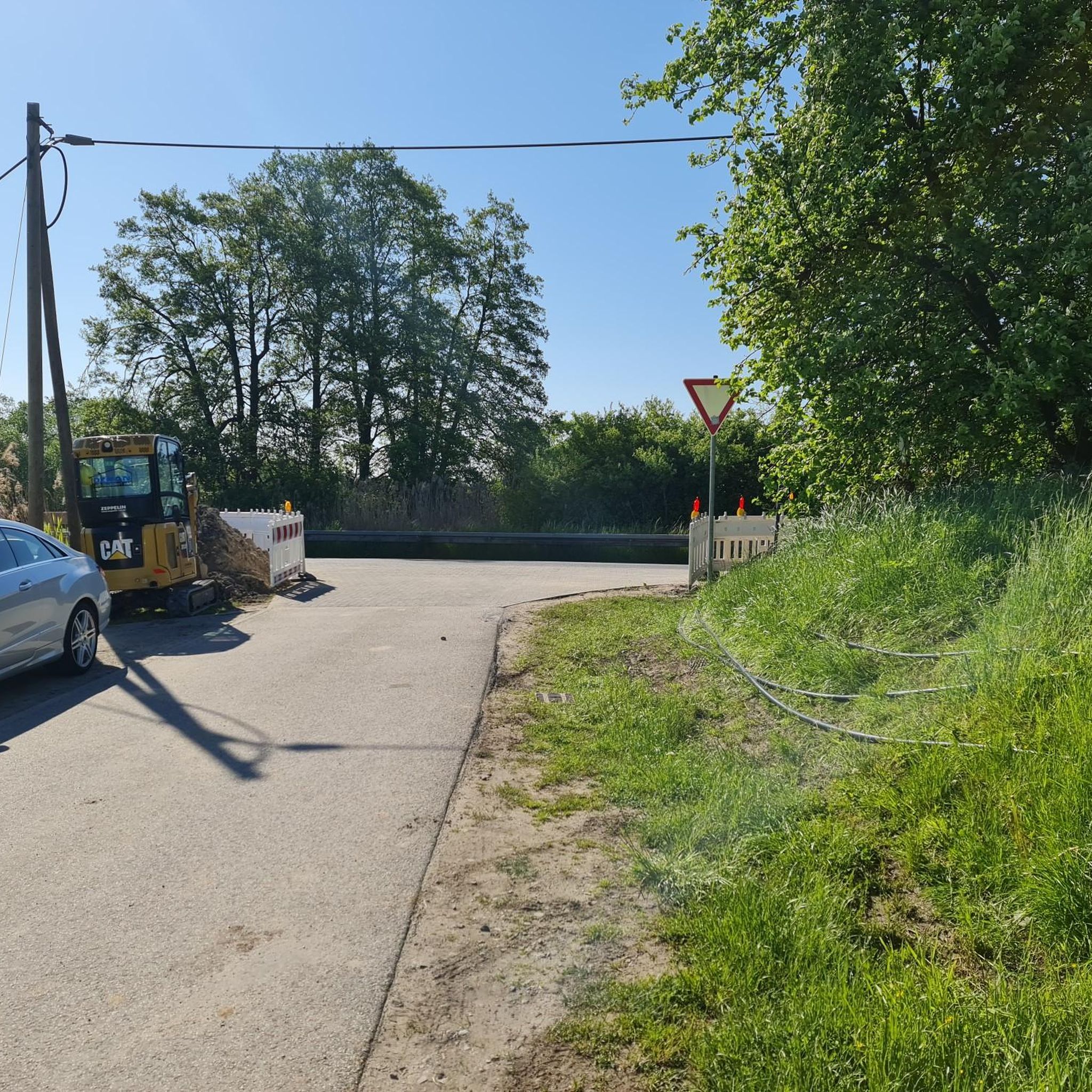
Lovely old Sandstone bridge that is so narrow it is single track only and so is controlled by traffic lights. Note there is a small car park on the Eckington side that can get full very quickly, some folk have taken to parking on the road partially blocking it - it is illegal to park on the road here due to the double white lines.
0
0

Beautiful medieval bridge over river Avon. Incredibly well preserved given its age.
0
0
The old bridge is picturesque, and its also a great place to while away an hour or two by the river.
0
0

Such a beautiful place full of wildflowers and ponds. It is a circular walk. With a slow pace and rest on the bench at the top, it will take you about 30 minutes to walk around. Surrounded by meadows and benches all over the place. Beautiful little village
0
0

A historical bridge with only one lane, which means you have to wait for a traffic light to cross the bridge with no options to stop on the bridge. However, you can visit picnic place, which is very close to it
0
0
Fantastic place near River Avon. Good as a quick rest place. Also, suitable for walking (one of Avon Valley walks goes along River Avon at this place and continues to the village).
0
0
Frequently Asked Questions
What historical landmarks can I visit near Naunton Beauchamp?
You can explore Pershore Old Bridge, a significant historical site that served as a crucial crossing point for traders between London and Worcester since the 1400s. It's also a popular picnic spot and the starting point for the Pershore Bridges Circular Walk.
Are there any notable churches or religious sites in the area?
Yes, two prominent religious sites are St John the Baptist Church, Grafton Flyford, which features a 14th-century tower and 15th-century windows despite being largely rebuilt, and St Peter's Church, Inkberrow, believed to have roots in Saxon times with a current structure dating from the 13th century.
Where can I experience nature or go for a walk near Naunton Beauchamp?
For nature lovers, Grafton Wood Nature Reserve is an ancient woodland known for its conservation efforts and unique wildlife. Another option is Inkberrow Millennium Green, offering a pleasant circular walk through wildflowers and ponds.
What kind of wildlife can I expect to see in the natural reserves?
Grafton Wood Nature Reserve is particularly famous as the home of the only colony of brown hairstreak butterflies in the Midlands. These elusive butterflies are typically seen in August and September. The reserve also supports other woodland butterflies like silver-washed fritillaries and white admirals, along with various birds and fungi.
Are there walking trails suitable for different difficulty levels?
Yes, the area offers a variety of walking trails. You can find easy hikes around Naunton Beauchamp, including routes like the 'St Peter's Church, Abberton – Wooden Bridge Near Flyford loop' or the 'Grafton Wood – Grafton Wood Nature Reserve loop'. For more options, explore the Easy hikes around Naunton Beauchamp guide.
What outdoor activities are available besides walking?
Beyond walking, you can explore mountain biking trails. There are several MTB routes around Naunton Beauchamp, such as the 'Pershore Old Bridge – Bredon Hill Summit loop' or the 'Inkberrow Millennium Green – St Peter's Church, Inkberrow loop'. More details can be found in the MTB Trails around Naunton Beauchamp guide.
Are there family-friendly attractions around Naunton Beauchamp?
Many attractions in the area are considered family-friendly. Both Pershore Old Bridge and St John the Baptist Church, Grafton Flyford offer historical interest, while Grafton Wood Nature Reserve provides an opportunity to explore ancient woodlands and spot butterflies, which can be engaging for families.
Are there any wheelchair-accessible trails or attractions?
Inkberrow Millennium Green is designed to be enjoyed by people of all ages and physical abilities, including those using wheelchairs. Its trust deeds specifically state it should be an attractive place for people to exercise and enjoy nature, with significant 'natural' areas.
When is the best time to visit Naunton Beauchamp for nature activities, especially butterfly spotting?
If you're interested in seeing the brown hairstreak butterflies at Grafton Wood Nature Reserve, the best time to visit is typically in August and September when they are on the wing.
What do visitors particularly enjoy about the attractions around Naunton Beauchamp?
Visitors appreciate the blend of historical significance and natural beauty. For instance, Pershore Old Bridge is enjoyed for its historical context and as a pleasant picnic spot. St John the Baptist Church, Grafton Flyford is noted as a great cycling stop with benches. The tranquility and wildlife, especially the butterflies, at Grafton Wood Nature Reserve are also highly valued.
Are there any hidden gems or lesser-known natural spots to discover?
Inkberrow Millennium Green, while accessible, offers a serene and beautiful experience with wildflowers and ponds, making it a lovely spot for a quiet circular walk away from more crowded areas. It's a designated Special Wildlife Site.
Most popular routes around Naunton Beauchamp

Get inspired with the komoot mobile app


Explore more
Still not found the Highlight you’re looking for? See guides of the top attractions in other regions:
