Attractions and Places To See around Sixhills - Top 20
Best attractions and places to see around Sixhills include a mix of historical sites and natural landscapes within the Lincolnshire Wolds. The area features ancient priory remains, historic churches, and natural reserves. Sixhills offers opportunities to explore reclaimed lakes, chalk escarpments, and significant historical landmarks.
Best attractions and places to see around Sixhills
- The most popular attractions is Donington on Bain Lakes, a natural area with lakes. These lakes, formed from old sand and gravel pits, have been reclaimed…
Last updated: May 4, 2026
St Helen's Church
Highlight • Religious Site
Tip by

Red Hill Nature Reserve
Highlight • Natural Monument
Tip by

Sign up now to discover places like this
Get recommendations on the best single tracks, peaks, & plenty of other exciting outdoor places.
Sign up for free
The King's Head, Tealby
Highlight • Restaurant
Tip by
RAF Stenigot Radar Tower
Highlight • Historical Site
WORLD WAR TWO CHAIN HOME STATION
The RAF base at this site had existed since the 1930’s, and was originally part of Britain’s communication network to …
Tip by

Donington on Bain Lakes
Highlight • Natural
Tip by

Sign up for free to discover even more attractions around Sixhills.
Sign up for free
Already have an account?
Start today with a free account
Your next adventure awaits.
Login or Signup

Tips from the Community


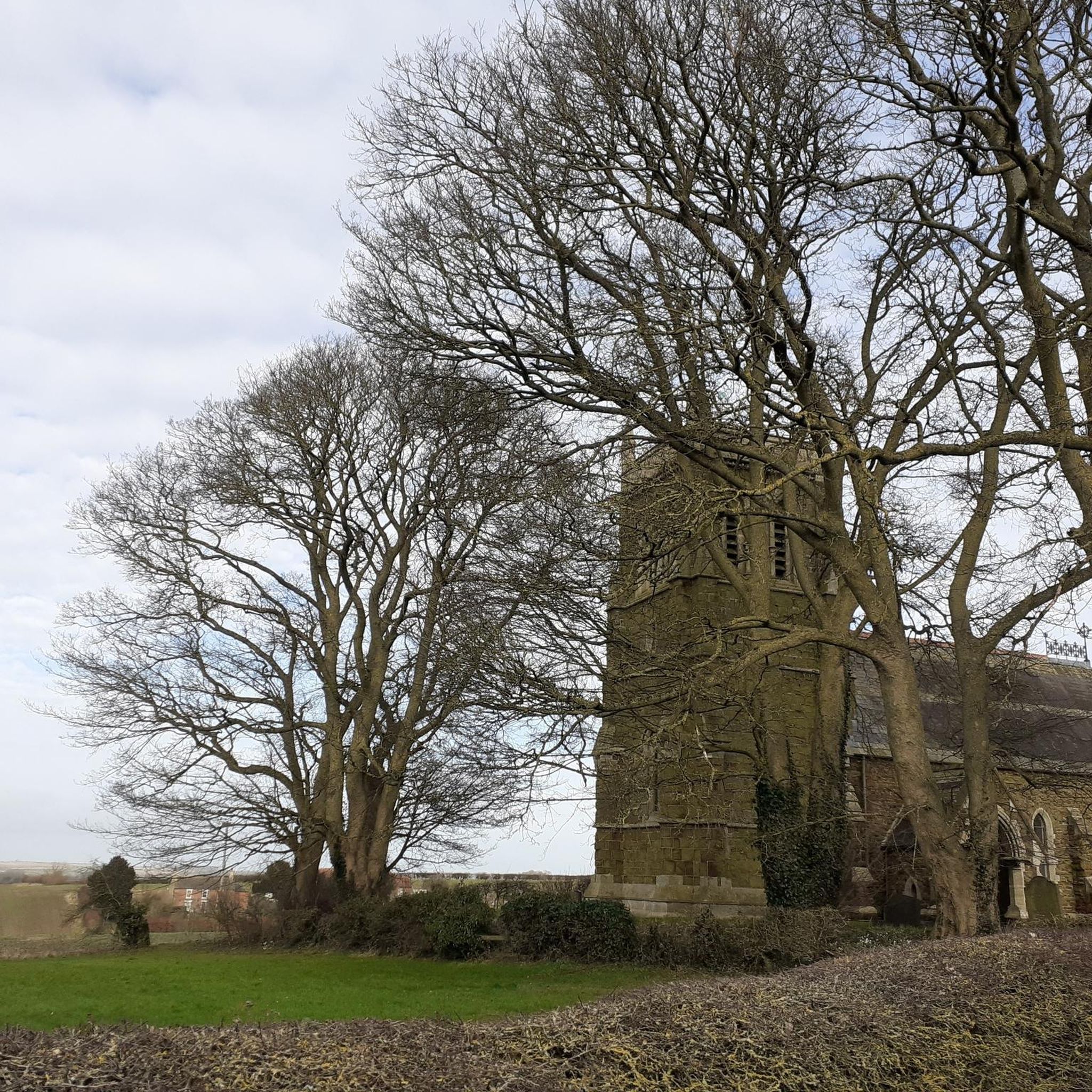
The patronage of this church takes us far back to the beginnings of Christianity in the third/fourth century. Saint HELEN was the mother of Emperor Constantine the Great (who recognized Christianity as a religion after his victory at the "Milvian Bridge" in front of Rome and ended the long period of persecution with the "Edict of Toleration" of Milan). In the early fourth century, she made a pilgrimage to the Holy Land (Israel/Palestine) and brought numerous relics back to Europe, including the "True Cross" on which Jesus Christ was crucified. She is therefore often depicted in paintings or as a statue with a cross as an attribute. The feast day of Saint Helena in the calendar of saints is August 18th.
0
0

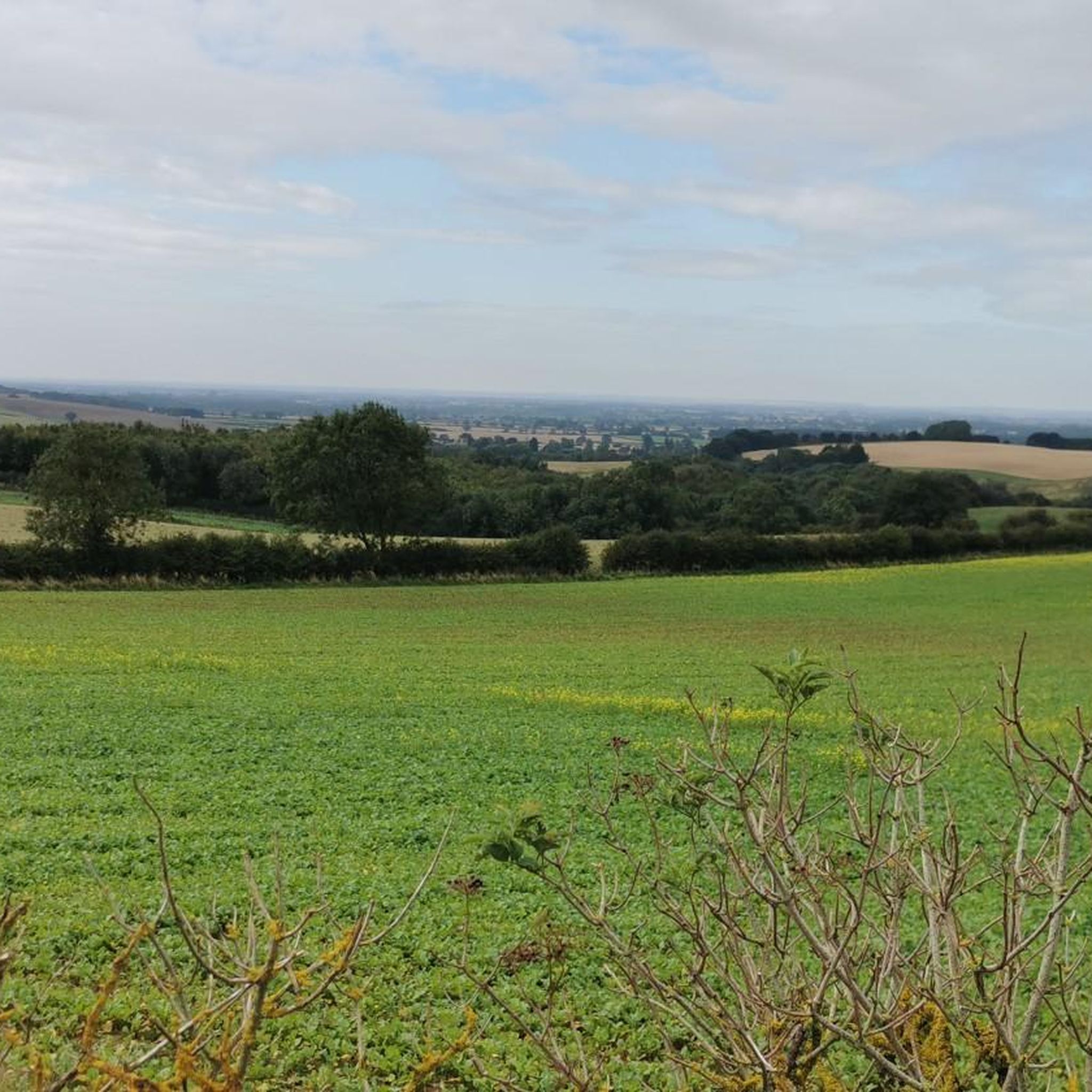
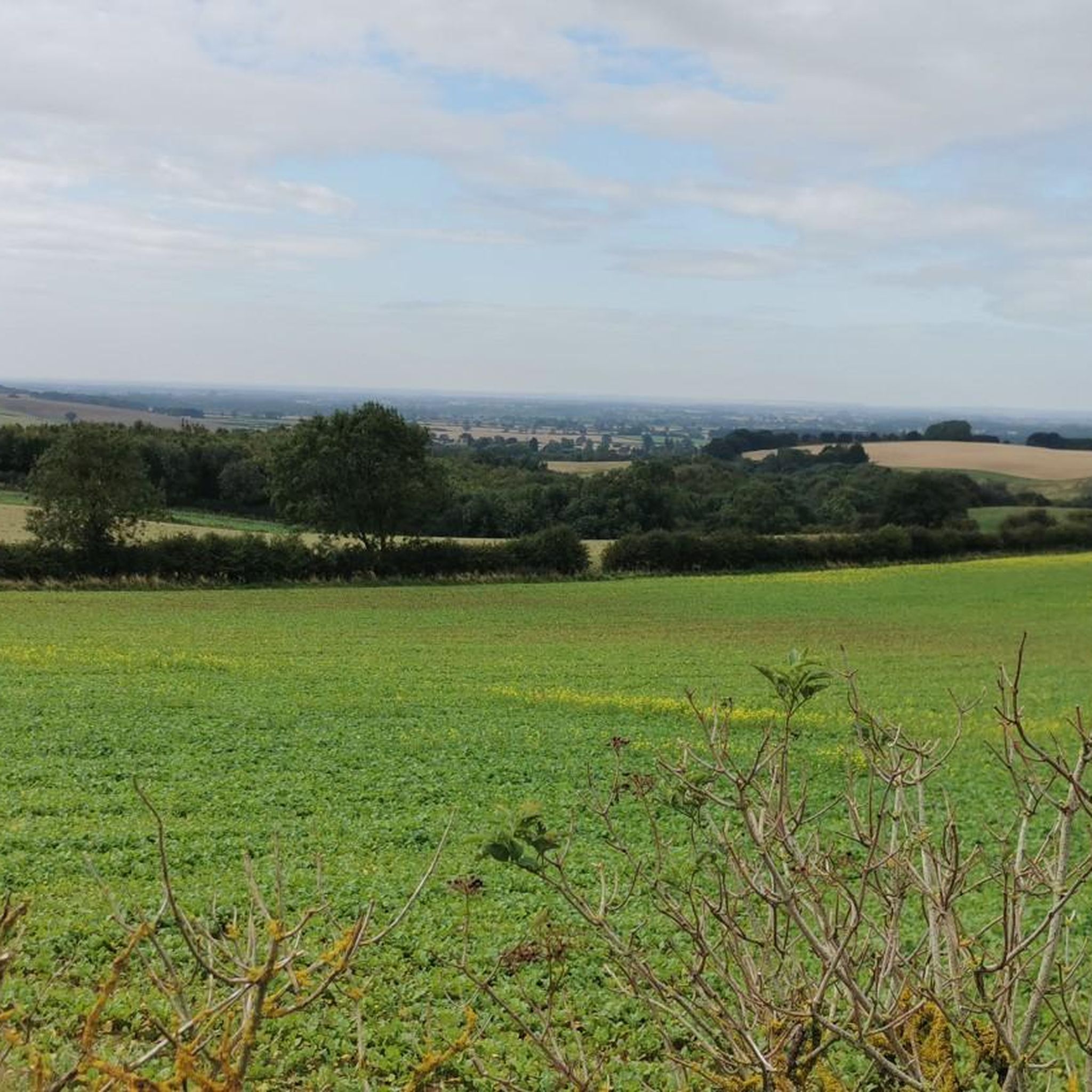
These small lakes formed in the working of old sand and gravel pits. Today nature has reclaimed the area, and it's a lovely mix of scrub and woodland, dotted with ponds. The Viking Way long distance trail follows this path on its 149 mile (240 km) journey from the River Humber through Lincolnshire and Leicestershire to Rutland.
1
1

Spoils scenery I think but it's obviously needed in the atea
0
0

The Kings Head is a beautiful, thatched-roof pub located in Tealby, and holds the impressive title of the oldest pub in Lincolnshire, being established since 1397. The pub is open daily from 12pm, and serves up a delicious range of local dishes in a cosy setting.
1
0
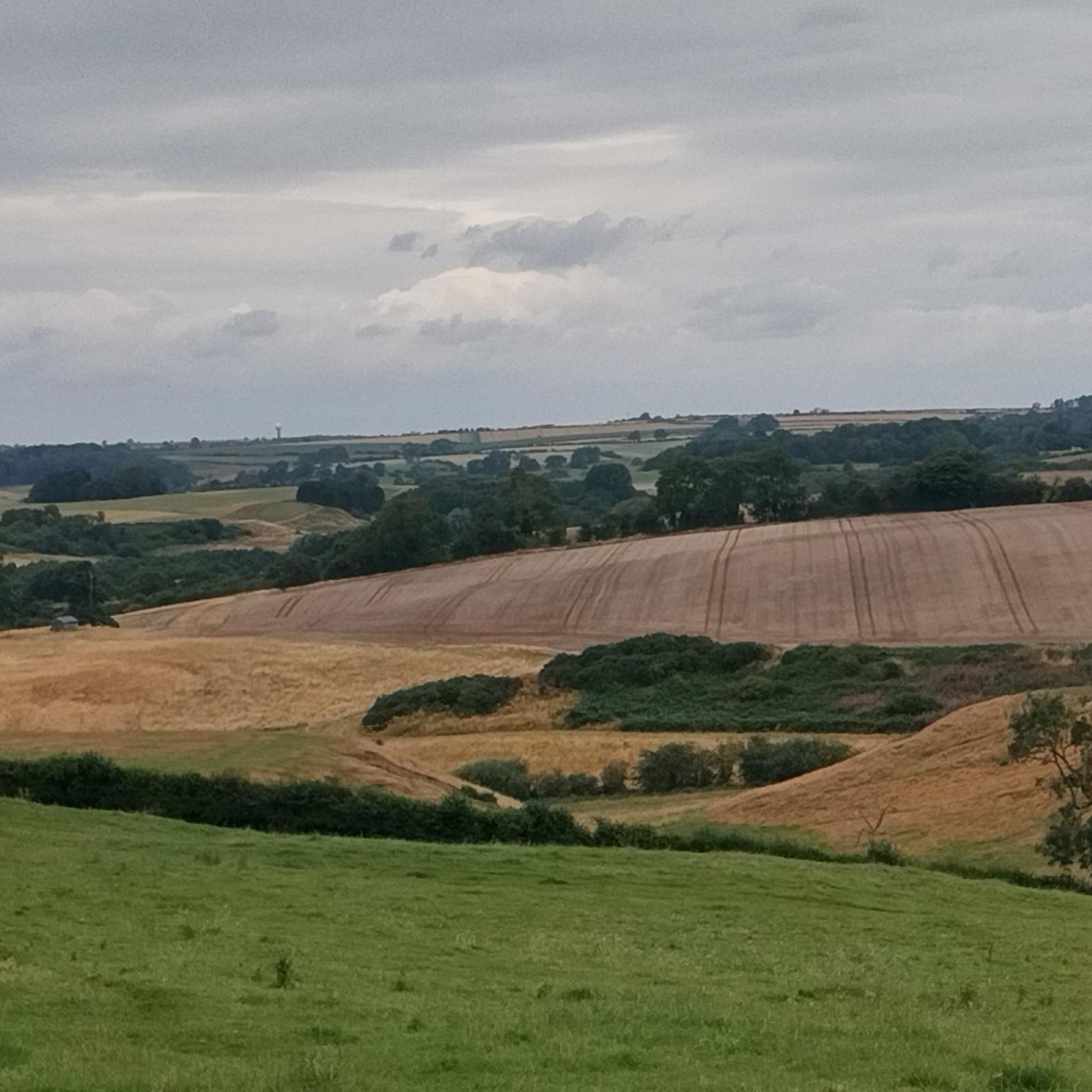
Red Hill Nature Reserve is a designated Site of Special Scientific Interest located in the Lincolnshire Wolds near Goulceby. The landscape is made up of chalk grasslands featuring wildflower meadows and a disused quarry famous for its exposed red chalk rich in fossils.
1
0
Frequently Asked Questions
What natural attractions can I explore around Sixhills?
Sixhills is situated within or near the beautiful Lincolnshire Wolds National Landscape, offering lush deciduous forests and colorful meadows. You can visit Donington on Bain Lakes, an area reclaimed by nature with a mix of scrub, woodland, and ponds, where the Viking Way passes through. Another notable natural site is Red Hill Nature Reserve, a chalk escarpment with wildflower meadows and a disused quarry known for its fossil-rich red chalk.
Are there any historical sites to visit near Sixhills?
Yes, the area boasts several historical points of interest. You can see the remains of Sixhills Priory, a medieval Gilbertine double house, which are visible as earthworks. St Helen's Church, built in 1847 in the Gothic style, is a Grade II-listed building with charming 19th-century stained glass. For a more unique historical experience, visit the RAF Stenigot Radar Tower, which played a crucial role in World War Two as a Chain Home Station and later in the Cold War as an ACE High communication relay station.
What are some family-friendly attractions around Sixhills?
Families can enjoy the natural beauty of Donington on Bain Lakes, which offers a pleasant environment for walks and exploring nature. For a meal out, The King's Head, Tealby, known as the oldest thatched pub in Lincolnshire, is family-friendly and has a beer garden.
Where can I find a historic pub or place to eat near Sixhills?
The most notable historic pub in the area is The King's Head, Tealby. Established around 1367, it holds the title of the oldest thatched pub in Lincolnshire and offers a beer garden for alfresco dining and refreshments. It serves a range of local dishes in a cozy setting.
Are there hiking trails near Sixhills?
Yes, there are several hiking opportunities. You can find easy hikes around Sixhills, including routes like 'The King's Head, Tealby – Kings Head loop from Tealby CP' or 'William Woods Pond and Stream loop from Market Rasen'. For more options, explore the Easy hikes around Sixhills guide.
What cycling routes are available around Sixhills?
Sixhills offers various cycling routes for different skill levels. Road cyclists can find routes such as 'The King's Head, Tealby – View from Walesby Top loop from Market Rasen' which is an easy ride, or more challenging options like 'Red Hill Nature Reserve – View from Tetford Hill loop from South Willingham'. Mountain biking trails are also available, including 'Willingham Woods to Walesby Moor trails and Linwood Warren loop'. You can find more details in the Road Cycling Routes around Sixhills guide and the MTB Trails around Sixhills guide.
What is the significance of Sixhills Priory?
Sixhills Priory was a medieval Gilbertine double house, founded between 1148 and 1154. Its remains can be seen as earthworks and some architectural elements incorporated into later buildings. It holds historical significance as a former nunnery where notable figures like Gwladys ferch Dafydd and Scottish princess Christina Bruce were once held.
Are there any unique natural features or viewpoints in the Sixhills area?
Beyond the Lincolnshire Wolds, Red Hill Nature Reserve is a unique chalk escarpment with exposed red chalk rich in fossils. The area also features the Tealby Beck Ford near Tealby village, offering another natural point of interest.
What is the Viking Way and does it pass through Sixhills?
The Viking Way is a 149-mile long-distance trail that passes through Lincolnshire and Leicestershire. It follows a path through the Donington on Bain Lakes area, offering a scenic route for walkers.
What is the historical context of the Six Hills in Stevenage, Hertfordshire?
The Six Hills in Stevenage are a collection of Roman barrows, classified as a Scheduled Ancient Monument. Dating from around 100 A.D., they represent the largest surviving Roman barrow group in England, believed to be burial mounds for a wealthy local family. They are a significant local landmark.
Is there a Site of Special Scientific Interest (SSSI) near Sixhills?
Yes, in Leicestershire, there is a Site of Special Scientific Interest known as Six Hills, 20 Acre Piece. This area features a mosaic of grassland, scrub, and woodland, known for interesting flora like Purple Moor-grass and Heath Spotted-orchid, as well as breeding warblers. A public footpath runs through the site.
What is the historical significance of Six Hills in Leicestershire?
Six Hills in Leicestershire was an important Anglo-Saxon moot site, serving as a meeting place for local administration. Its historical importance is also highlighted by its location at the crossroads of the Roman Fosse Way (now the A46) and the ancient Saltway (now the B676), with evidence of a prehistoric sacred site nearby.

Get inspired with the komoot mobile app


Explore more
Still not found the Highlight you’re looking for? See guides of the top attractions in other regions:
