Attractions and Places To See around Louth - Top 20
Best attractions and places to see around Louth include a variety of natural landscapes, historical sites, and religious buildings. The region features unique geological formations such as glacial channels and chalk escarpments, alongside significant architectural landmarks. Visitors can explore diverse environments, from river valleys to nature reserves, offering opportunities for outdoor activities and historical discovery. Louth provides a range of points of interest for those exploring the area.
Best attractions and places to see around Louth
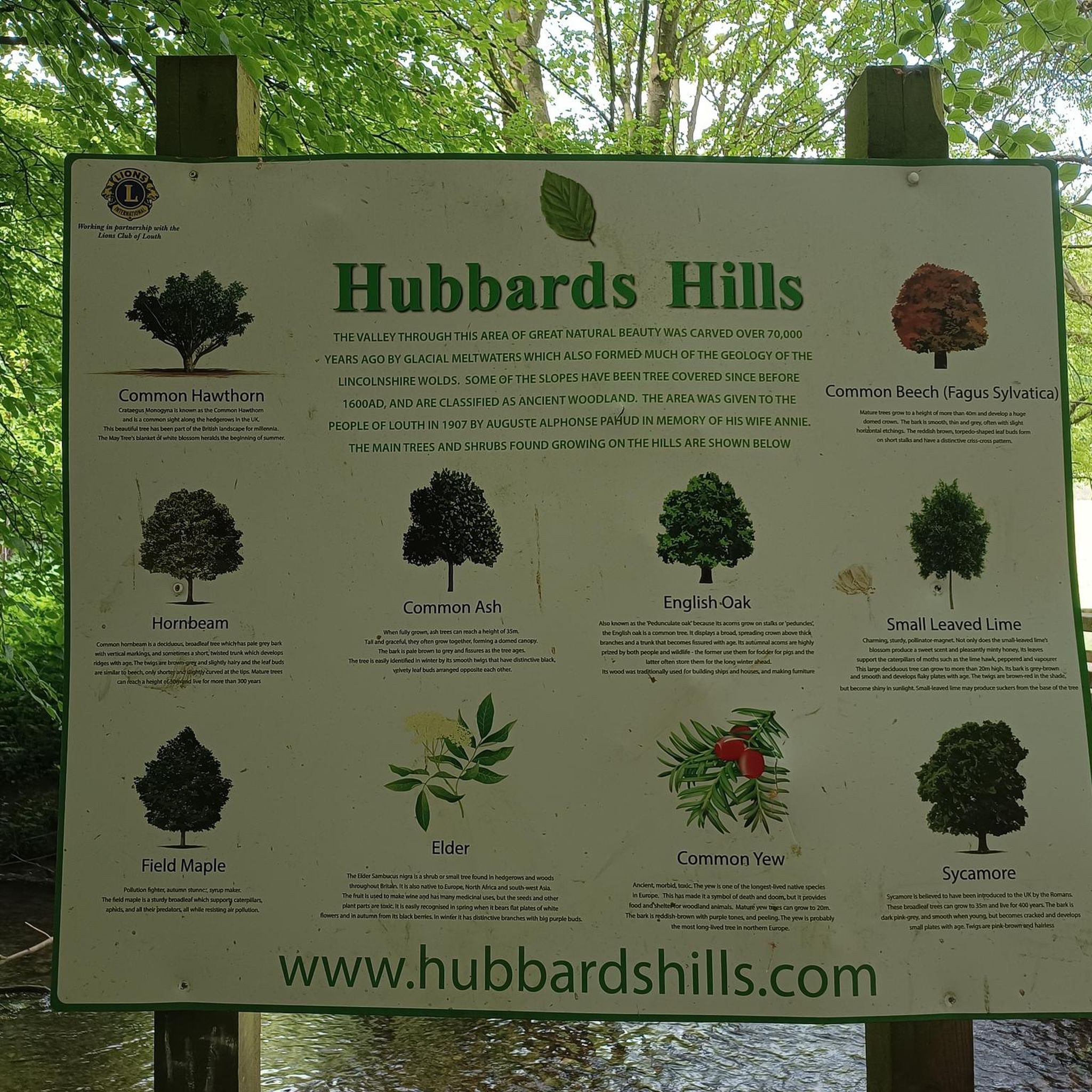
- The most popular attractions is Hubbard's Hills, a trail that features a glacial channel formed at the end of the last ice age. This area includes a 125-foot-deep valley carved by meltwater, through which the River Lud now flows.
- Another must-see spot is St Helen's Church, a religious building constructed in 1847 in the Gothic style. This Grade II-listed church, though disused, retains an atmospheric presence and features 19th-century stained glass.
- Visitors also love Red Hill Nature Reserve, a natural monument consisting of a chalk escarpment with plateaued wild landscape and wildflower meadows. It is also known for a disused quarry with exposed red chalk rich in fossils.
- Louth is known for its religious buildings, natural monuments, and trails. The area offers a variety of attractions to see and explore, from historical churches to unique geological features.
- The attractions around Louth are appreciated by the komoot community, with 45 upvotes and 22 photos shared by visitors.
Last updated: June 24, 2026
St Helen's Church
Highlight • Religious Site
Tip by

St James' Church, Louth
Highlight • Religious Site
Translated by Google •
Tip by

Sign up now to discover places like this
Get recommendations on the best single tracks, peaks, & plenty of other exciting outdoor places.
Sign up for free
Hubbard's Hills
Highlight • Trail
Tip by

Red Hill Nature Reserve
Highlight • Natural Monument
Tip by
RAF Stenigot Radar Tower
Highlight • Historical Site
WORLD WAR TWO CHAIN HOME STATION
The RAF base at this site had existed since the 1930’s, and was originally part of Britain’s communication network to detect incoming German bombers during World War Two. The base was originally a “Chain Home Station”; providing early warnings to Sheffield, Nottingham and the central Midlands on incoming enemy aircraft. This advanced system was the first early warning radar network in the world. This radar system watched the coastline of Britannia, detecting and tracking incoming aircraft from Germany. By the end of the war there were over forty stations included in the Chain Home Network. The radar station was pivotal during the crucial Battle of Britain.
COLD WAR ACE HIGH COMMUNICATION RELAY STATION
After the Second World War, RAF Stenigot continued to operate and played a part in the Cold War. This time the site was part of the “ACE High” radio communication system. The radar dishes were added at this time. They flanked a relay station which was added inside the base compound. Two dishes faced north, to pass signals towards the next relay station in Northumberland. The southern dishes sent information to Kent, the nearest southern relay in the network.
Tip by

Sign up for free to discover even more attractions around Louth.
Sign up for free
Already have an account?
Start today with a free account
Your next adventure awaits.
Login or Signup

Tips from the Community

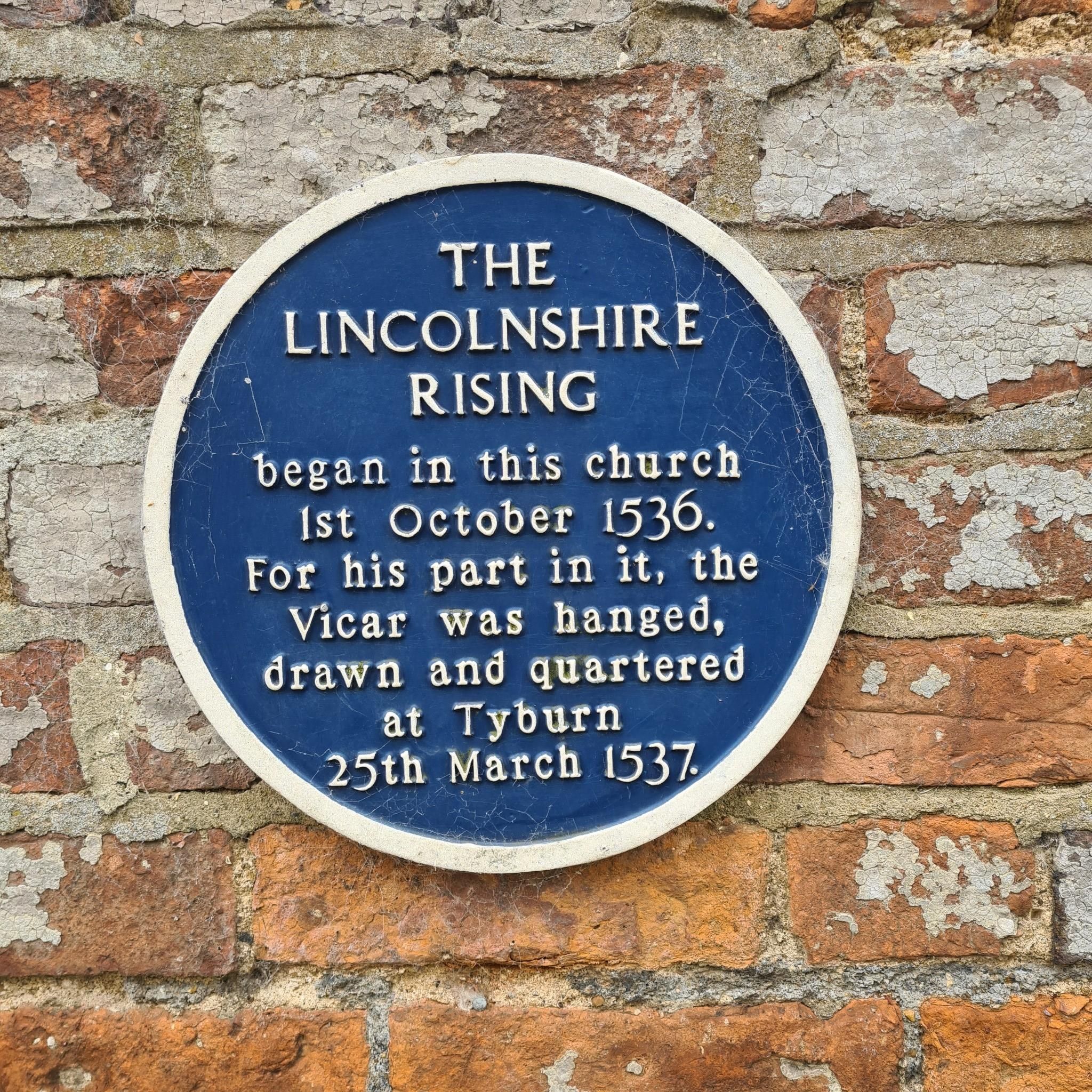
This church in Louth, a place of prayer for many centuries and dedicated to St. James as its patron saint, is closely intertwined with a very specific moment in English history that took place almost five centuries ago. In British history, this moment in October 1536 is known as the "Lincolnshire Rising." This uprising was a protest against King Henry VIII, particularly his actions following his separation from his wife, which led to the English Church splitting from the Roman Catholic Church.
0
0

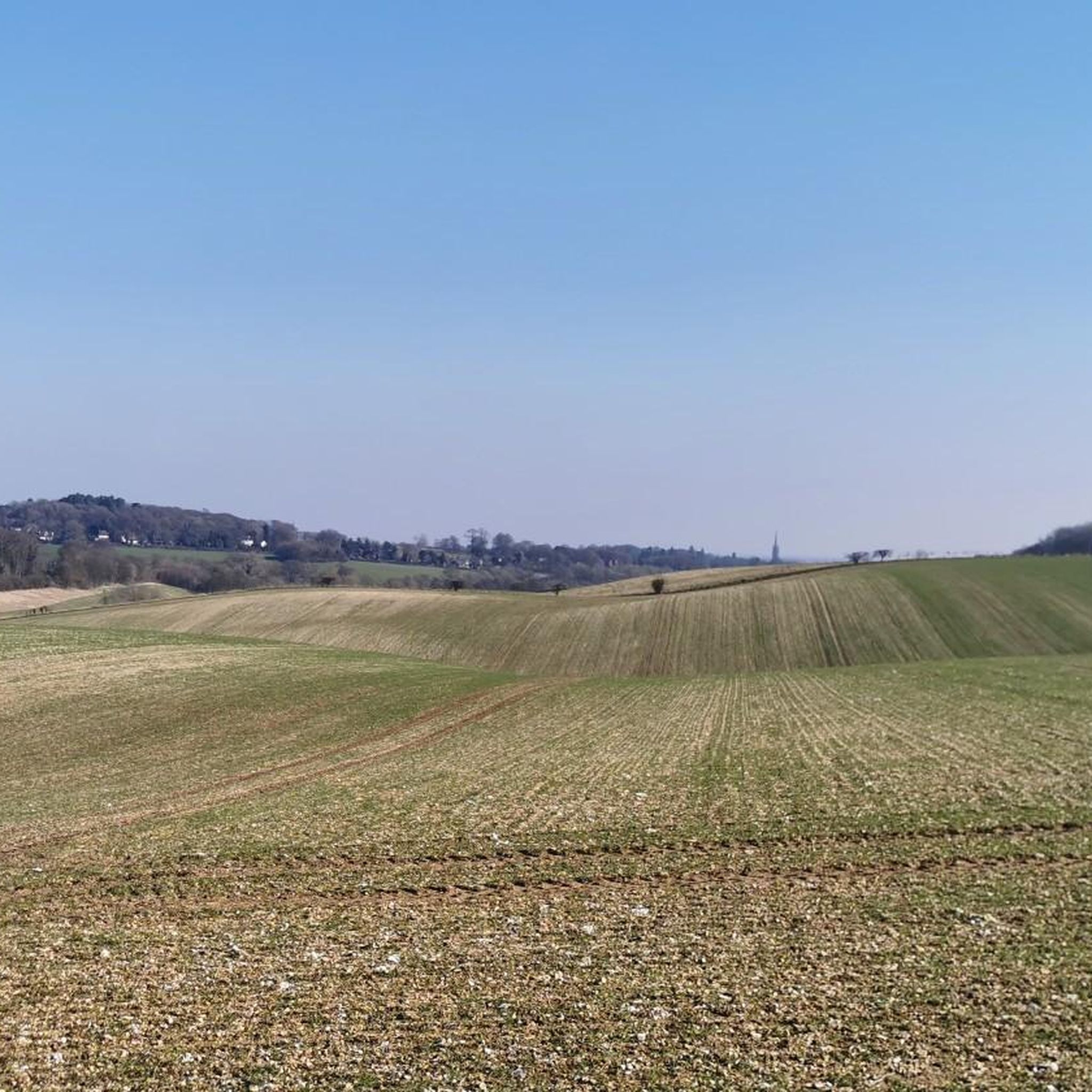
hubbards hill louth lincolnshire small walk some steps up to the top of the hill
1
0

The patronage of this church takes us far back to the beginnings of Christianity in the third/fourth century. Saint HELEN was the mother of Emperor Constantine the Great (who recognized Christianity as a religion after his victory at the "Milvian Bridge" in front of Rome and ended the long period of persecution with the "Edict of Toleration" of Milan). In the early fourth century, she made a pilgrimage to the Holy Land (Israel/Palestine) and brought numerous relics back to Europe, including the "True Cross" on which Jesus Christ was crucified. She is therefore often depicted in paintings or as a statue with a cross as an attribute. The feast day of Saint Helena in the calendar of saints is August 18th.
0
0

Bring some money for the pub at the end of walk as plenty of choice
1
0
James the Elder (the Latin 'Major' is not translated as 'great' in English), to whom this church in Louth was dedicated, belongs together with his brother to the inner circle of Jesus' disciples. In his version of the "Good News" (this is the meaning of the word "gospel"), the Evangelist Mark lists the apostles: "James, the son of Zebedee, and John, the brother of James - to whom he gave the surname Boanerges, that is, sons of thunder" (Mark 3:17). They are said to have been very temperamental, but were loyal followers of Jesus Christ, in whom they recognized the promised Messiah. According to the Acts of the Apostles, James was executed for his faith. His grave in Santiago de Compostela in Galicia (Spain) is one of the most famous and important pilgrimage destinations in the world.
2
0

Spoils scenery I think but it's obviously needed in the atea
0
0

Red Hill Nature Reserve is a designated Site of Special Scientific Interest located in the Lincolnshire Wolds near Goulceby. The landscape is made up of chalk grasslands featuring wildflower meadows and a disused quarry famous for its exposed red chalk rich in fossils.
1
0
Frequently Asked Questions
What kind of natural landscapes can I explore around Louth?
Louth offers a variety of natural landscapes, including unique geological formations and scenic areas. You can visit Hubbard's Hills, a glacial channel with a deep valley carved by meltwater, or explore Red Hill Nature Reserve, a chalk escarpment known for its wildflower meadows and fossil-rich disused quarry. The wider region also features the stunning Cooley Peninsula, Slieve Foye in the Cooley Mountains, and the picturesque Carlingford Lough.
Are there any notable hiking trails or scenic walks near Louth?
Yes, Louth and its surroundings offer several scenic walks. Hubbard's Hills provides a beautiful setting for a stroll along the River Lud. For more extensive hiking, the Cooley Peninsula and Slieve Foye in the Cooley Mountains offer rewarding trails with stunning views. You can also explore the Clogherhead Cliff Walk for coastal vistas or enjoy family-friendly rambles at Rathescar Lakeside Walk and Stephenstown Pond. For specific routes, check out the easy hikes around Louth guide.
What historical sites or ancient monuments are there to visit?
Louth is rich in history. You can visit the impressive St Helen's Church, a Grade II-listed Gothic church from 1847. In the wider region, explore the ruins of Carlingford Castle (King John's Castle), the ancient monastic site of Monasterboice with its high crosses and round tower, or the remains of Mellifont Abbey, Ireland's first Cistercian abbey. The mysterious Neolithic portal tomb, Proleek Dolmen, also offers a glimpse into ancient times.
Are there any significant religious buildings in the area?
Yes, Louth has several significant religious buildings. St James' Church, Louth is particularly notable for having one of the tallest spires in the United Kingdom and was a key site during the Lincolnshire Rising. You can also visit St Helen's Church, an atmospheric disused Gothic church. Further afield, St. Peter's Roman Catholic Church in Drogheda houses the preserved head of Saint Oliver Plunkett, and St. Brigid's Shrine in Faughart is a site of historical and religious significance.
What outdoor activities are available near Louth's attractions?
Beyond walking, the Louth area offers various outdoor activities. The Cooley Mountains and Carlingford Lough are excellent for hill-walking, mountain biking, sailing, and windsurfing. You can find numerous routes for cycling around Louth, including longer loops to the coast. For mountain biking enthusiasts, there are also dedicated MTB trails around Louth.
Are there family-friendly attractions around Louth?
Absolutely. Hubbard's Hills is a popular family-friendly spot for walks and picnics. Rathescar Lakeside Walk and Stephenstown Pond offer gentle rambles and birdwatching opportunities. Many of the historical sites, such as St James' Church, Louth, are also suitable for families. The nearby Brú na Bóinne Visitor Centre (for Newgrange and Knowth) and the Battle of the Boyne Visitor Centre provide engaging historical experiences for all ages.
Can I learn about local folklore or legends in the Louth area?
Yes, County Louth is rich in folklore. You can visit 'Ireland's Last Leprechaun Whisperer' in Carlingford for an experience focused on local stories. The mysterious 'Jumping Church' in Kildemock has a local legend about its moved wall, and 'The Long Woman's Grave' in the Cooley Mountains is an unusual landmark with a quirky tale. The 'Magic Hill' in Jenkinstown also offers a fun optical illusion.
What is the best time to visit Louth for outdoor activities?
The best time to visit Louth for outdoor activities generally depends on your preference. Spring and summer offer pleasant weather for hiking and exploring natural sites like Red Hill Nature Reserve and Hubbard's Hills, with wildflowers in bloom. Autumn provides beautiful foliage for walks. While some activities are possible year-round, always check local conditions and opening times, especially for historical sites, during the off-season.
What do visitors enjoy most about the attractions around Louth?
Visitors particularly appreciate the blend of natural beauty and rich history. The unique geological formations of Hubbard's Hills and the fossil-rich Red Hill Nature Reserve are highly rated. The atmospheric presence of historical churches like St Helen's Church and the impressive spire of St James' Church, Louth also receive positive feedback. The komoot community has shared 22 photos and given 45 upvotes for the attractions in the area, highlighting their appeal.
Are there any coastal attractions or beaches nearby?
Yes, the Louth area offers coastal attractions. The Clogherhead Cliff Walk provides spectacular views of Ireland's East Coast and the Mourne Mountains. Templetown Beach is a peaceful spot for a stroll along the shore. Carlingford Lough itself is a picturesque body of water bordered by mountains, offering scenic views and opportunities for water activities.
Where can I experience local culture and traditional Irish music?
Dundalk, a vibrant coastal town, is a great place to experience local culture. It has a lively arts scene and local craft markets. You can also find venues in Dundalk to enjoy traditional Irish music and dance performances. Carlingford Village, with its charming medieval streets and historic pubs, also offers a taste of local life and culture.
Are there any day trip options from Louth to other significant historical sites?
Yes, there are significant historical sites within easy day-trip distance. The Brú na Bóinne Visitor Centre, near Drogheda, is the gateway to the UNESCO World Heritage prehistoric passage tombs of Newgrange and Knowth, dating back to 3200 BC. Also near Drogheda is the Battle of the Boyne Visitor Centre, which tells the story of one of the most famous battles in Irish history.
Most popular routes around Louth

Get inspired with the komoot mobile app


Explore more
Still not found the Highlight you’re looking for? See guides of the top attractions in other regions:
