Attractions and Places To See around Wheatfield - Top 20
Best attractions and places to see around Wheatfield encompass a range of natural and historical sites. The region is characterized by its chalk grassland landscapes, ancient trackways, and converted railway paths, providing varied opportunities for exploration. These areas are known for their ecological significance, historical routes, and scenic viewpoints, making them suitable for outdoor activities.
Best attractions and places to see around Wheatfield
- The most popular attractions is Watlington Hill, a forest that is part of the Chiltern Escarpment,…
Last updated: May 9, 2026
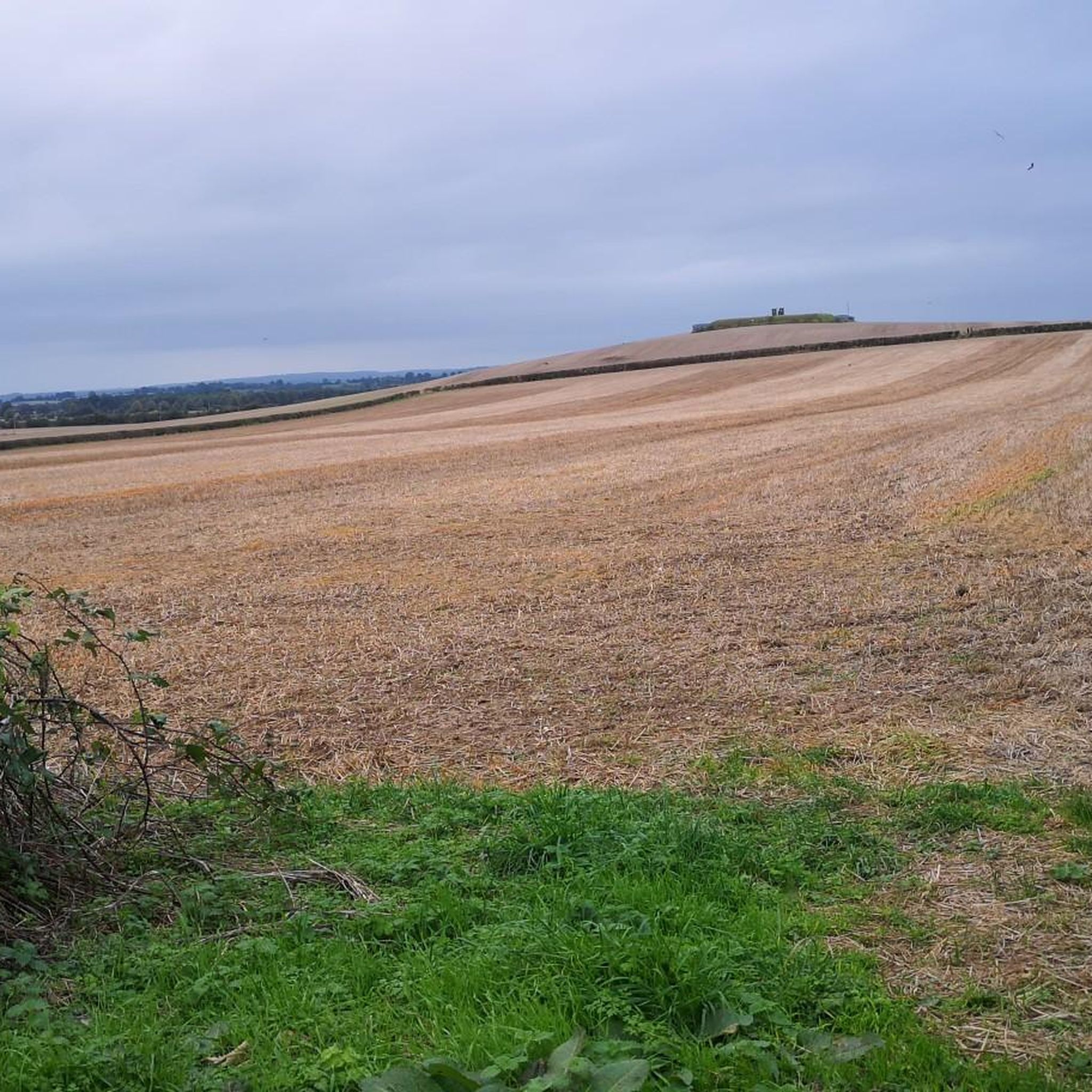
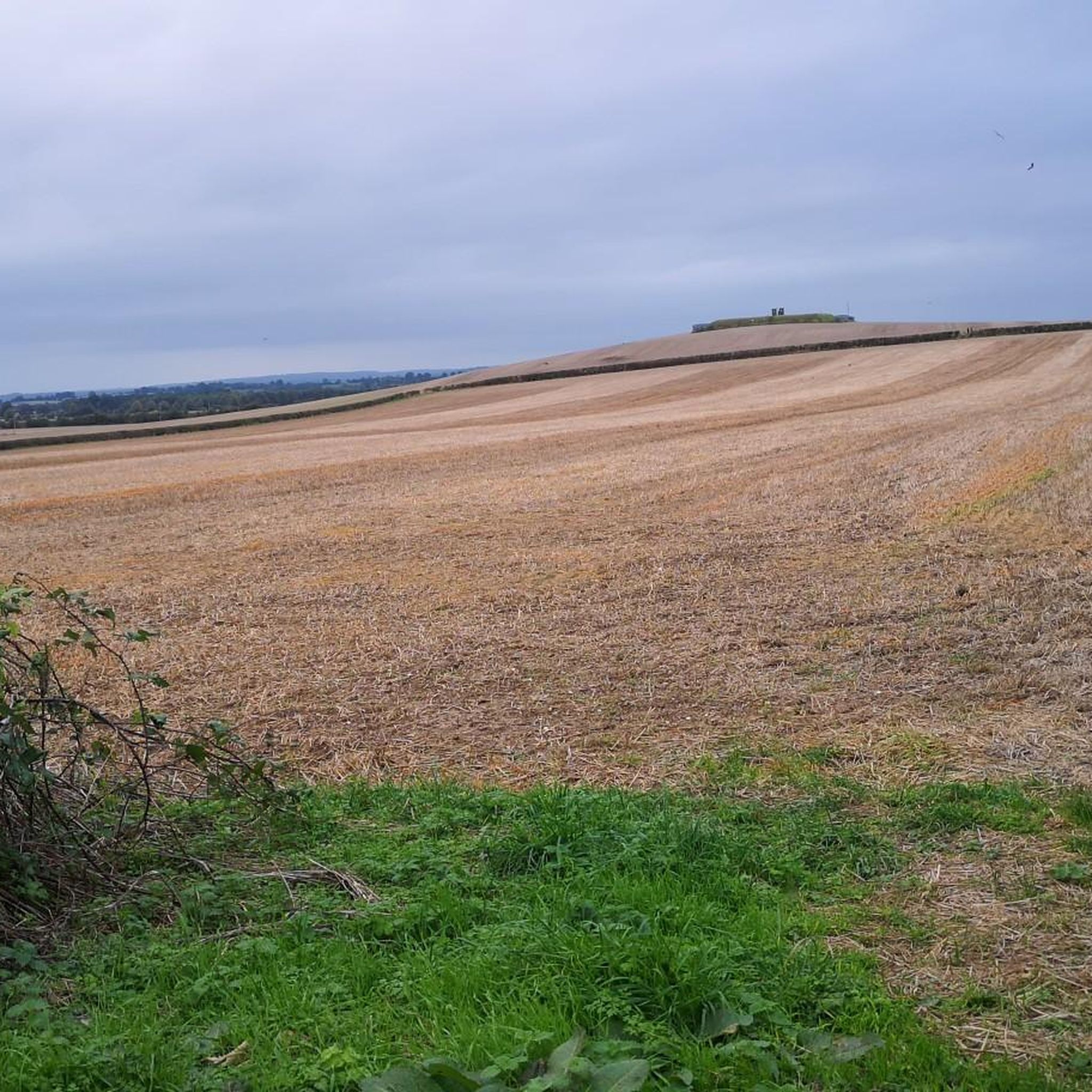
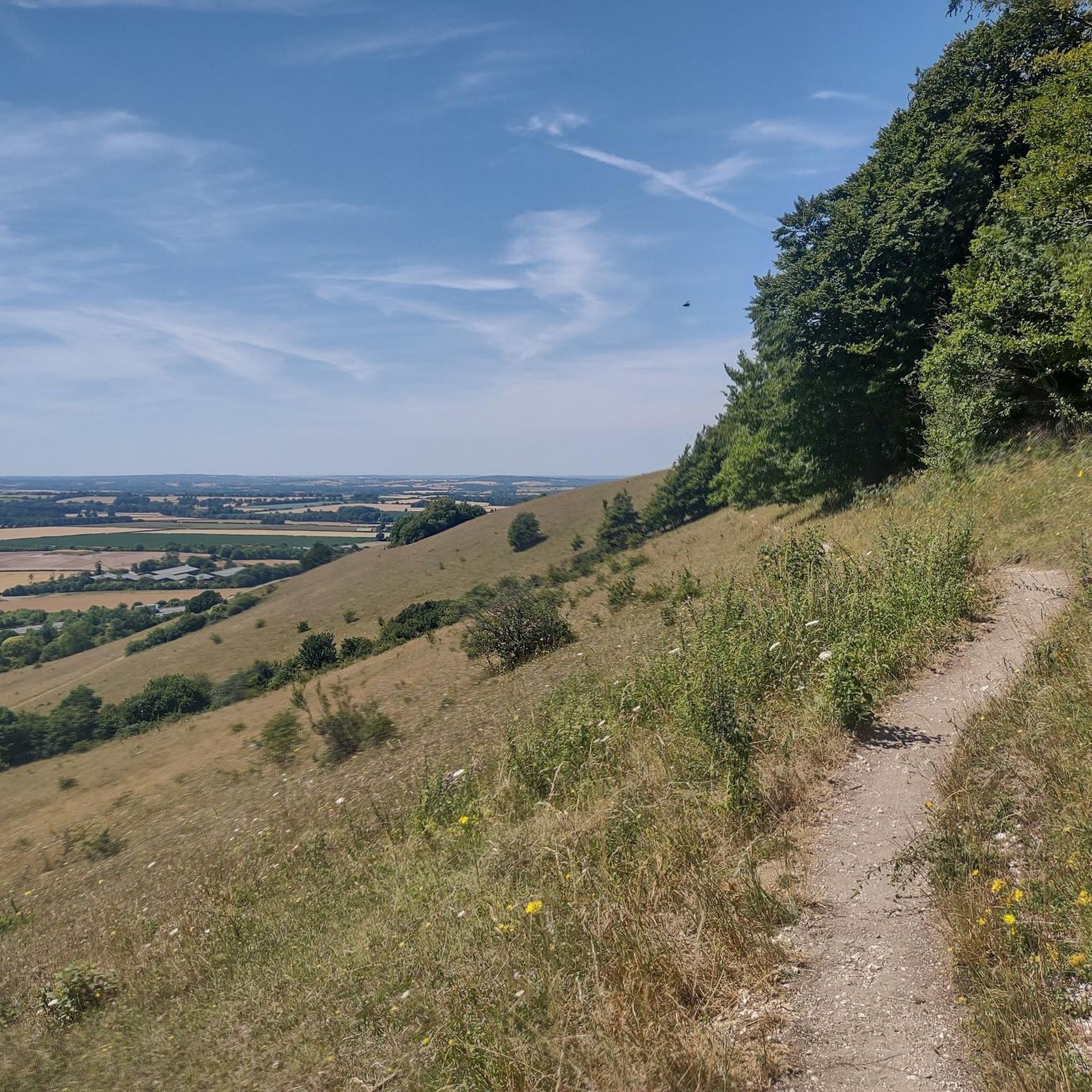
Watlington Hill
Highlight • Forest
Tip by

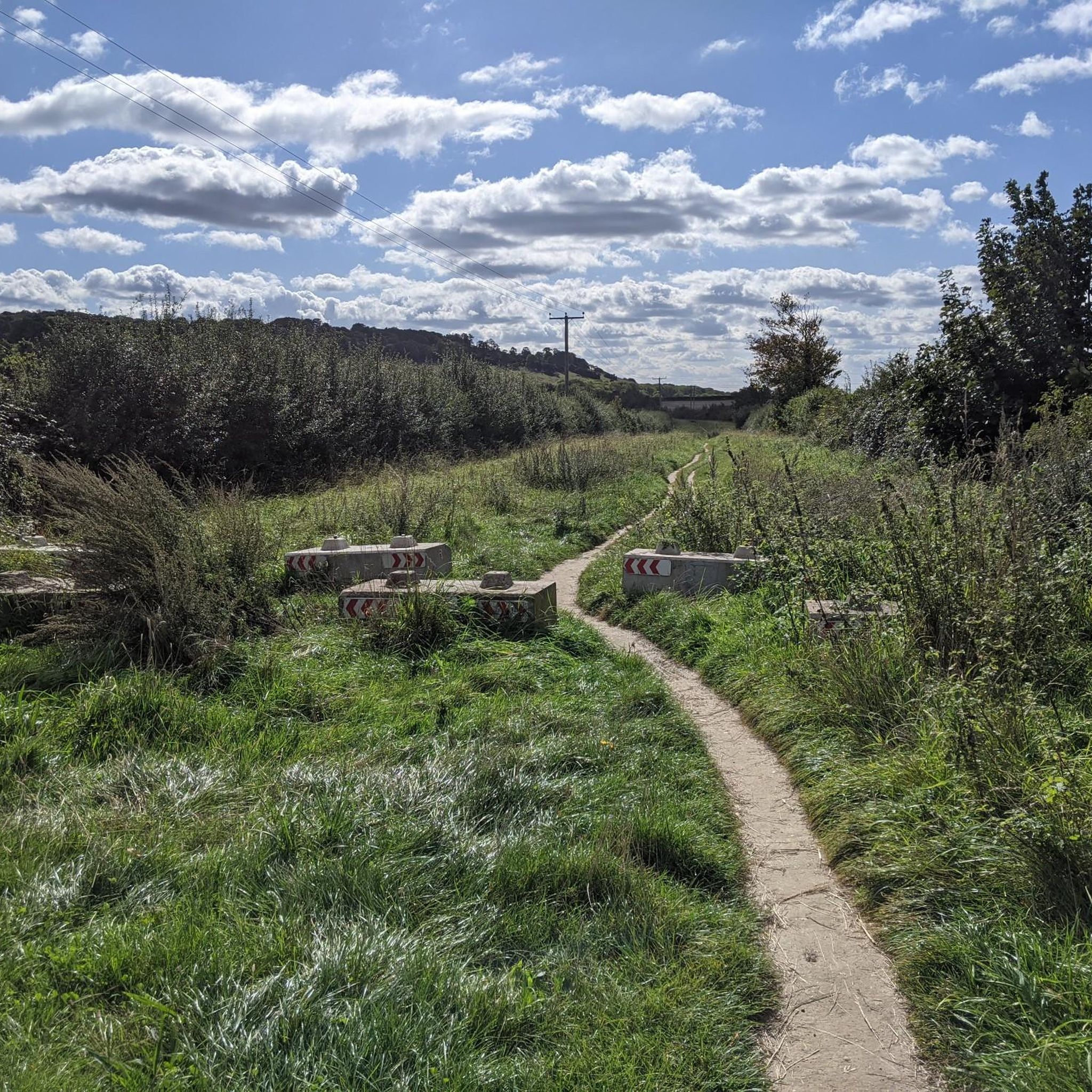
The Phoenix Trail
Highlight (Segment) • Cycleway
Tip by

Sign up now to discover places like this
Get recommendations on the best single tracks, peaks, & plenty of other exciting outdoor places.
Sign up for free
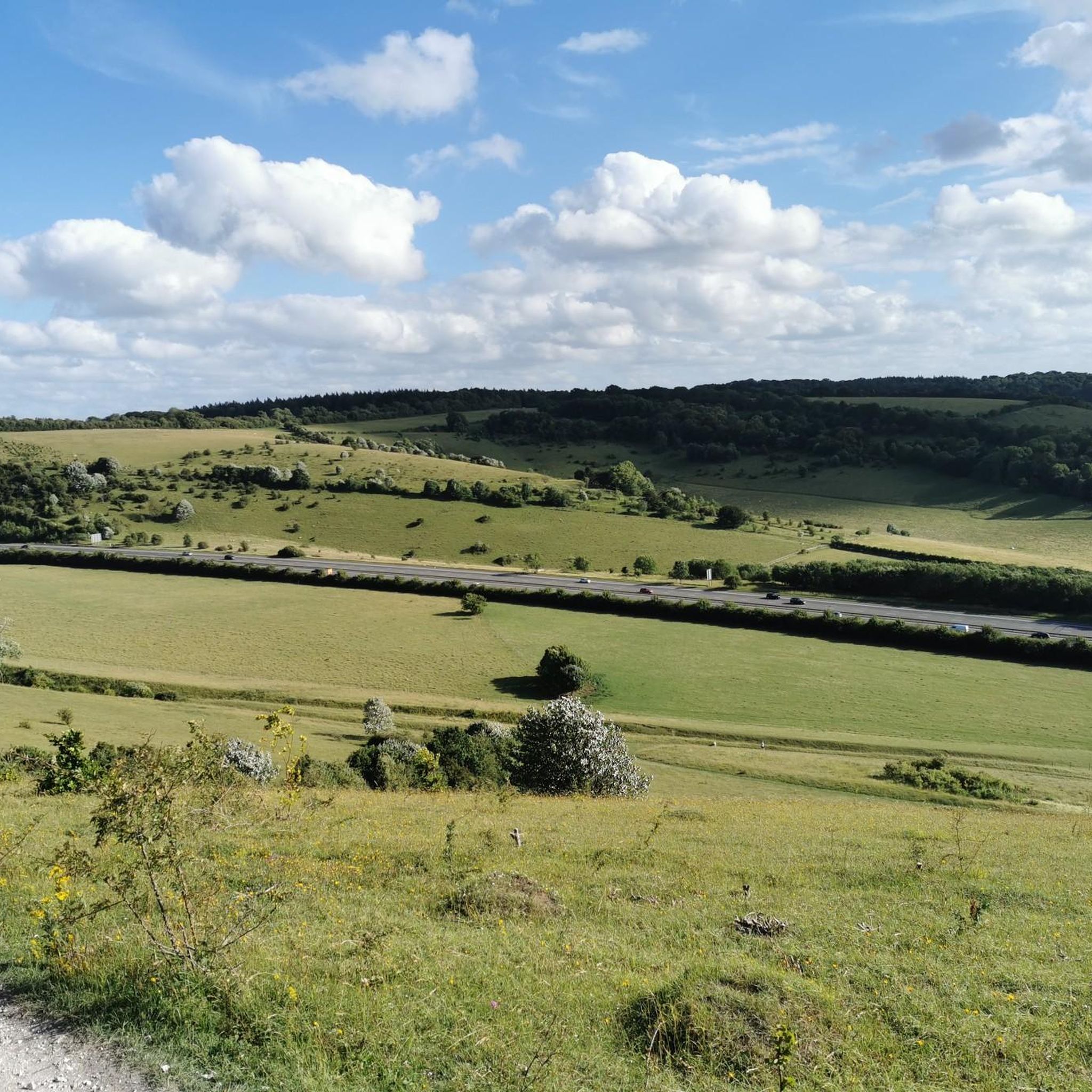
The Icknield Way
Highlight (Segment) • Trail
Tip by

Holy Trinity Church, Bledlow
Highlight • Religious Site
Tip by

Wormsley Walled Garden
Highlight • Structure
Tip by

Sign up for free to discover even more attractions around Wheatfield.
Sign up for free
Already have an account?
Start today with a free account
Your next adventure awaits.
Login or Signup
Tips from the Community

Holy Trinity is a Grade I listed building. This Romanesque church dates back to the 12th century (at least the preserved parts of it do). The tower has 8 bells, the south porch has Buckinghamshire's oldest doors (apparently!), and fragments of medieval paintings and 16th century texts are on the walls.
1
1

Unless we didn’t find the right entrance to this path at the Princes Risborough end, off Lower Icknield Way, there is no way this is a bike path for a while. Right next to Horsenden Farms is a Pink Route that goes over thick grass (not rideable) and as far as we could see, still on grass with thick thorny weeds - we decided to give up and turn back. The track leading to Horsenden Farm is signposted as not having access to Phoenix Trail. We did not find any signs pointing to the trail around where the maps say it is.
0
0


TwoKiller hills, not for a novice, but gets those lungs and thighs working.
0
0
Fantastic bit of packed dirt and gravel. Well away from the noise and the traffic.
2
0

This walled garden was developed in the mid-18th century by Richard Woods, a contemporary of Capability Brown. However, after falling into a state of ruin for almost a century, the gardens were restored to their former glory after Sir Paul and Lady Getty commissioned distinguished garden designer Penelope Hobhouse to reimagine the space.
4
0
Frequently Asked Questions
What natural features can I explore around Wheatfield?
Wheatfield is known for its chalk grassland landscapes and natural monuments. You can explore Watlington Hill, a nationally important wildlife area within the Chiltern Escarpment, home to diverse wildflowers, butterflies, and birds. It offers expansive views over Oxfordshire and ancient woodland.
Are there historical sites to visit in the Wheatfield area?
Yes, the area is rich in history. You can walk along The Icknield Way, an ancient trackway in southern England that follows the chalk escarpment, including the Chiltern Hills. Another historical site is Holy Trinity Church, Bledlow, a Grade I listed Romanesque church dating back to the 12th century, featuring medieval paintings and 16th-century texts.
What kind of outdoor activities can I do near Wheatfield's attractions?
The area around Wheatfield is excellent for outdoor activities, especially hiking and cycling. You can find numerous routes for gravel biking and hiking. For example, there are easy hikes like the "Watlington Chalk Pits – Spire & Spoke loop" or more challenging ones like the "Watlington Hill – Watlington White Mark loop." You can explore various routes for gravel biking and hiking.
Are there family-friendly attractions or trails in Wheatfield?
Yes, several attractions are suitable for families. Watlington Hill is considered family-friendly, offering opportunities to spot wildlife like rabbits and red kites. The Phoenix Trail, an old railway track converted into a cycle way, is also family-friendly with its packed dirt and gravel path and interesting sculptures along the route.
Are there any accessible trails for wheelchairs or strollers?
The Phoenix Trail is noted as being wheelchair accessible. Its packed dirt and gravel surface, being an old railway track, makes it suitable for a wider range of users, including those with strollers or wheelchairs.
What is The Phoenix Trail and what can I expect there?
The Phoenix Trail is a popular cycle way that follows an old railway track. It features sculptures and artwork along its route, offering a unique experience. The trail has a good stone hardpack surface of packed dirt and gravel, making it suitable for cycling and walking away from traffic.
What is special about Watlington Hill?
Watlington Hill is a significant part of the Chiltern Escarpment, managed by the National Trust. It's a nationally important wildlife site, known for its rare wildflowers, butterflies, and birds. The short chalk grassland turf, maintained by rabbits and deer, along with ancient ant-hills, woodlands, and scrub, creates a diverse habitat. You can also see a triangular white mark dug into the chalk from 1764.
What kind of views can I expect in the Wheatfield area?
The area offers stunning expansive views. From Watlington Hill, you can enjoy sweeping views over Oxfordshire. Wormsley Walled Garden also provides amazing views all around, complementing its historical garden design.
What do visitors enjoy most about the attractions around Wheatfield?
Visitors frequently praise the natural beauty and historical significance of the area. They enjoy the gorgeous walks at Watlington Hill, the historical journey along The Icknield Way, and the pleasant cycling experience on The Phoenix Trail. The diverse wildlife and stunning views are also highly appreciated.
Are there any notable gardens or historical estates to visit?
Yes, you can visit Wormsley Walled Garden. This mid-18th-century garden, once in ruins, was meticulously restored and reimagined by distinguished garden designers. It offers historical insights and beautiful surroundings with amazing views.
What is The Icknield Way and its significance?
The Icknield Way is an ancient trackway in southern England, considered one of Britain's oldest traceable routes. It follows the chalk escarpment, including the Chiltern Hills, and has been mentioned in Anglo-Saxon charters since 903. It offers a historical journey through the landscape.
What kind of wildlife can I spot around Wheatfield?
At Watlington Hill, a nationally important wildlife site, you can spot a large assemblage of wild flowers, butterflies, and birds, many of which are rare. Rabbits and deer help maintain the chalk grassland turf, and red kites are also a common sight in the area.
Most popular attractions around Wheatfield

Get inspired with the komoot mobile app


Explore more
Still not found the Highlight you’re looking for? See guides of the top attractions in other regions:
