The best cycling routes around Checkendon
4.5
(307)
4,175
riders
492
rides
Touring cycling routes around Checkendon are set within the Chiltern Hills, a designated Area of Outstanding Natural Beauty in South Oxfordshire. The landscape features rolling countryside, chalk slopes, and extensive beech forests that descend towards the Thames Valley. The area offers a variety of routes, including sections of the Chilterns Cycleway, with undulating terrain and some steep climbs characteristic of the region.
Best touring cycling routes around Checkendon
- The most popular touring cycling route is Goring-on-Thames village – Ipsden Wood…
Last updated: June 26, 2026
5.0
(1)
35
riders
78.9km
05:33
1,000m
1,000m
Hard bike ride. Very good fitness required. Mostly paved surfaces. Suitable for all skill levels.
4.7
(3)
22
riders
44.3km
02:48
430m
430m
Hard bike ride. Good fitness required. You may need to push your bike for some segments of this route.

Sign up for free
4.0
(2)
10
riders
35.9km
02:12
300m
300m
Moderate bike ride. Good fitness required. Mostly paved surfaces. Suitable for all skill levels.
5.0
(1)
8
riders
27.7km
01:47
300m
300m
Moderate bike ride. Good fitness required. Mostly paved surfaces. Suitable for all skill levels.
4.5
(2)
9
riders
Moderate bike ride. Good fitness required. Mostly paved surfaces. Suitable for all skill levels.
Get access to more routes and recommendations from other explorers.
Sign up for free
Already have an account?
Our route recommendations are based on thousands of hikes, rides, and runs completed by other people on komoot.
Start today with a free account
Your next adventure awaits.
Login or Signup
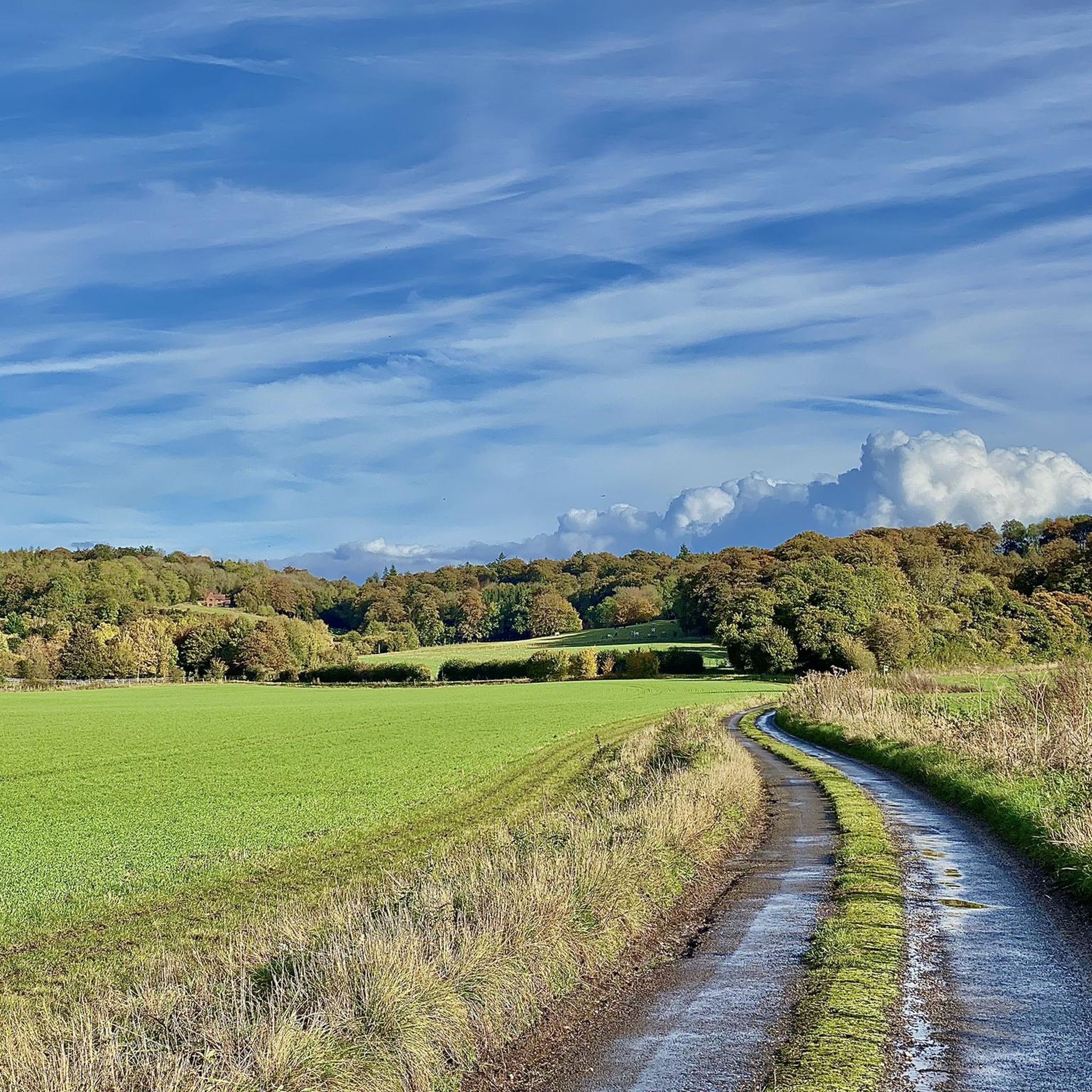
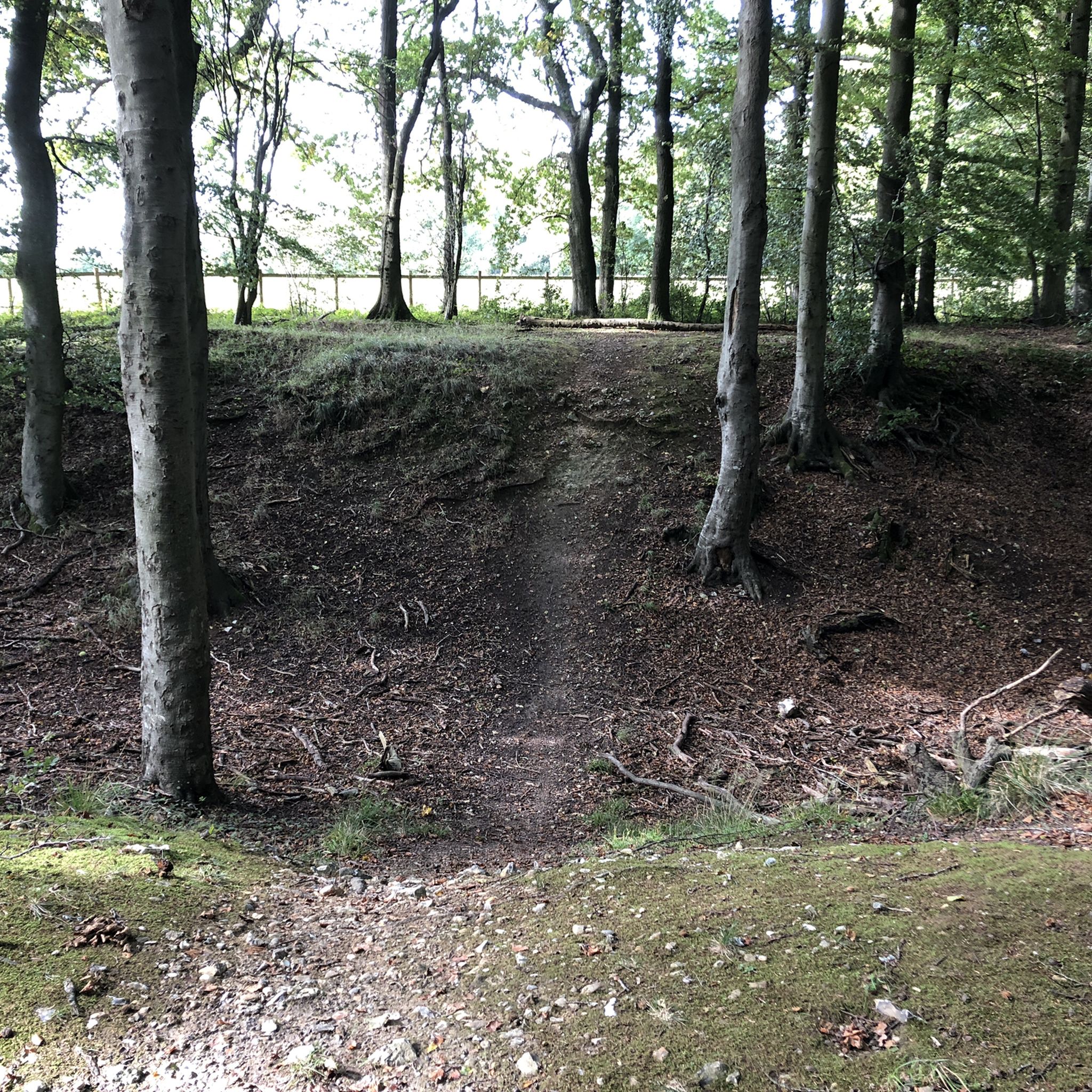
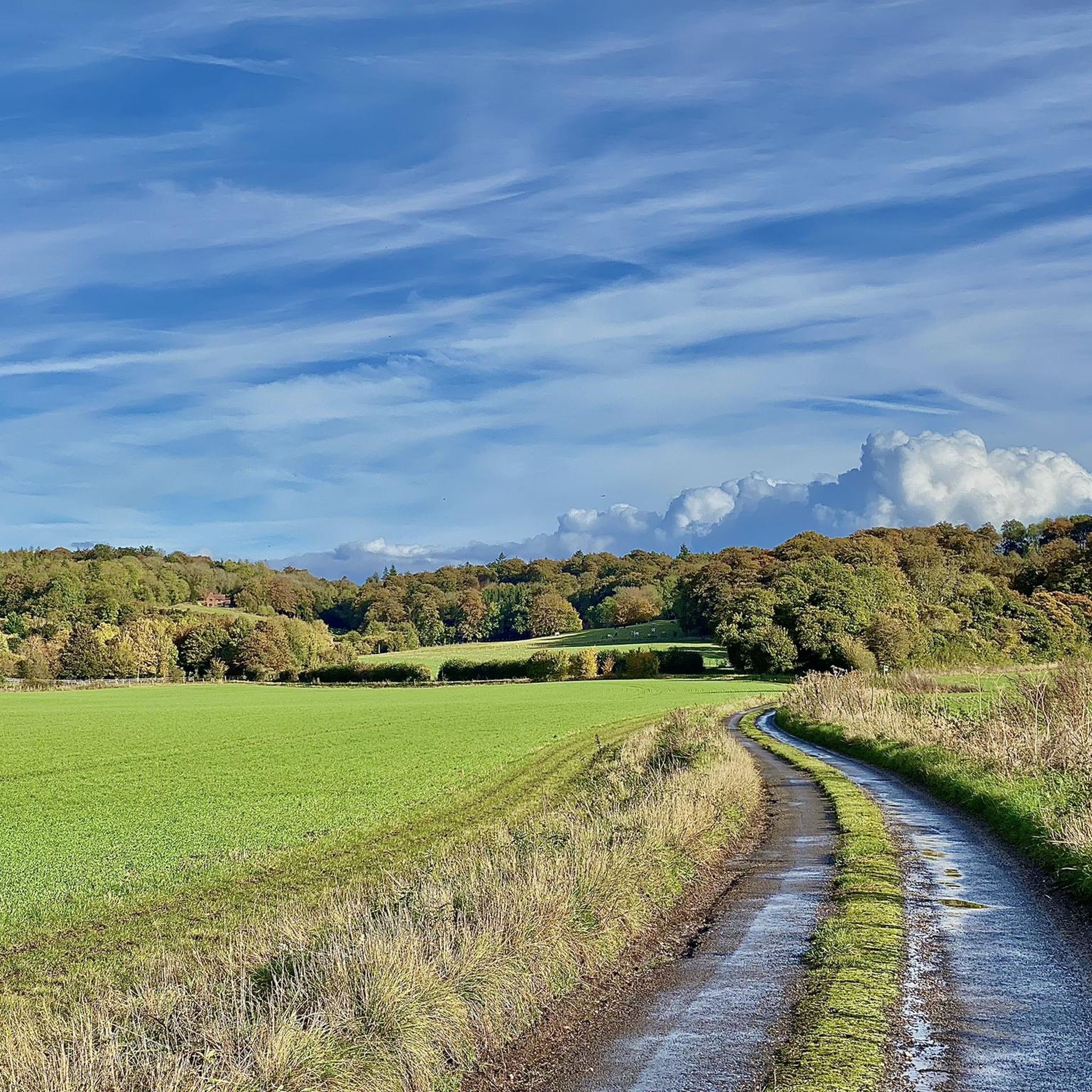
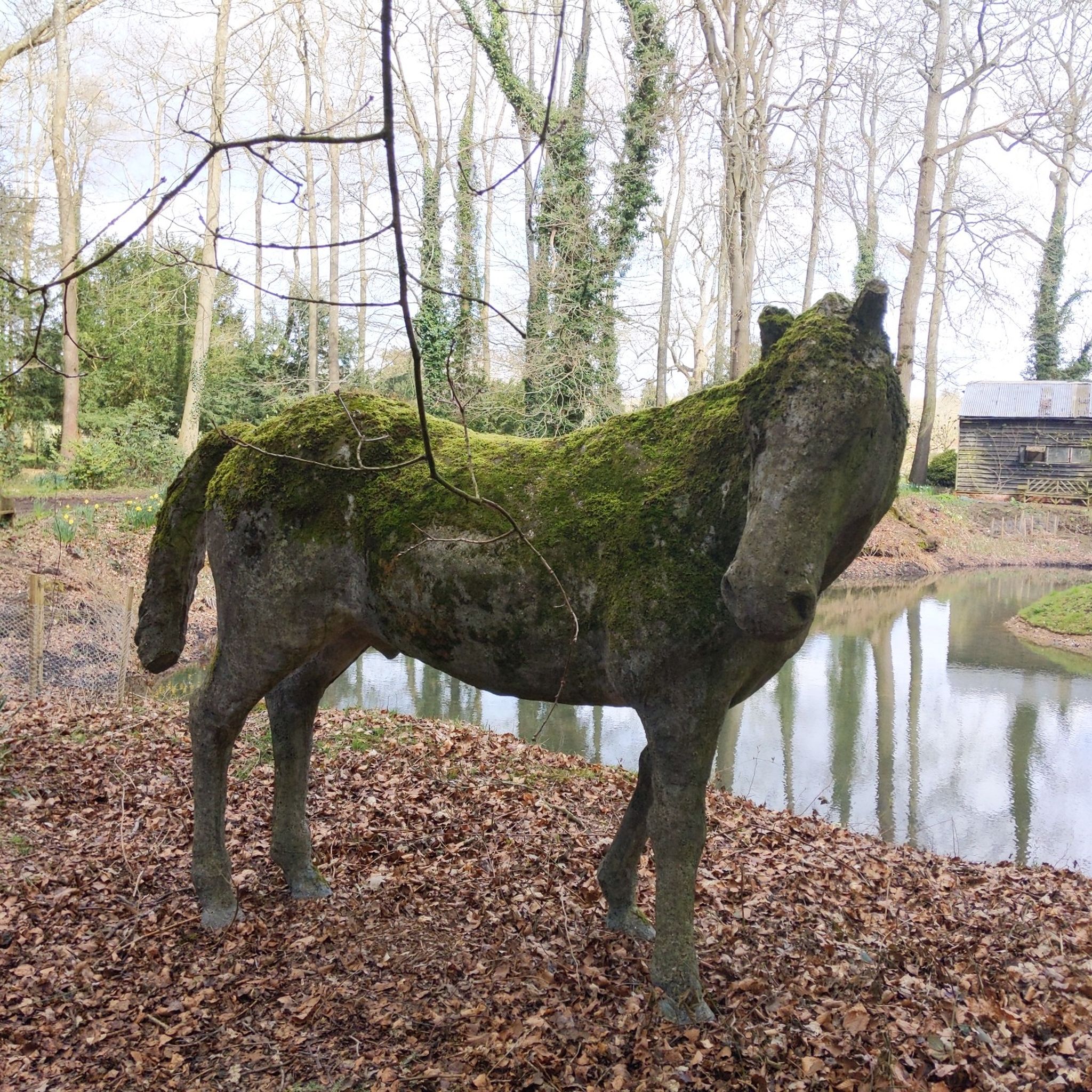
Tips from the Community

The given name John has been widespread since biblical times, so it should come as no surprise that over the two millennia of Christianity, a whole series of blessed and saints bear this name. At the threshold of the Old and New Testaments, we encounter John the Baptist, to whom the vast majority of churches dedicated to John are devoted. But one of the four men who wrote the New Testament Gospels also bears this name. This church in Stoke Row is dedicated to him, Saint John the Evangelist. "The Gospel of John exerts a peculiar fascination. It is difficult to escape its solemn, sometimes mystical language. It speaks to deep human needs and longings: hunger and thirst, the search for a fulfilled eternal life, the yearning for personal communion with God." (Franz-Josef Ortkemper)
0
0

Coffee & Cake Sandwiches & Deli open Monday-Saturday 9-4
0
0

Very accessible well in kidmore end. Low fitness required to get here
0
0
Quite a flat road and peaceful too. Perfect for beginners
0
0
This Church is very accessible from many roads leading to Kidmore end, leaving endless route possibilities
0
0

I arrived at the old station, having to ride out a few kilometers west to the Vastern Road area near the river in Tilehurst. The signage appeared to pretend this was a gateway to somewhere worth going. Stainless steel fixtures dulled by time, built in that sleek late-capitalist optimism style. Fake clean. Surveillance cameras blinked overhead — working or not, who knows. I pushed past the bins that no longer had lids, down the cracked concrete that once passed for a plaza, heading toward the river path. The concrete there was smooth once. Still is, in patches. But it’s slick with algae now, and streaked with goose scat. Probably goose. Definitely not rain. The roundabouts were relentlessly busy — or at least that’s how it felt. Zs in battered cars circled endlessly, tires scraping the cracked concrete like it was a ritual. But sometimes, between the noise and the haze, I caught glimpses of something else — distant echoes of old festival revellers, laughter and music bouncing off the concrete barriers, a fading pulse beneath the relentless circling. The lines between past and present blurred, the city’s decay tangled with memories of better days. The traffic spun on, a ceaseless loop of movement and stillness sharing the same broken rhythm. The goose scat got thicker past the bridge. Sometimes it’s dry and crunchy under tires. Sometimes it’s wet, and that’s worse. The path dips unexpectedly. Puddles collect. There’s no drainage. There’s no budget for real upkeep or sustainable transport improvements. No plan to make this path anything more than a patchwork for cyclists and pedestrians to navigate as best they can. But even along the Thames, there are occasional stretches that hint at something better — patches where the breeze is fresher, the water glimmers, and for a moment, the city’s weight feels a little less crushing. Ahead, the suspension bridge hung like a relic of better speeches. A millennium structure. Another optimistic gesture. It still worked. Locals crossed it daily — crackles, Zs, traders moving quietly, heads down, eyes flicking up just long enough to check you weren’t a threat. It’s a corridor now, not a landmark. A place to move through, not think about. I wasn’t there to scavenge. Not that day. This was about securing reliable wheels for the group. The vehicle was a pre-EV Golf — Mk7.5, diesel, with a recently renewed DSG transmission. Someone had actually taken care of it. That counted for something. The Golf was cached in a cul-de-sac just past the edge of the river path, in an old industrial area that had slipped into decay even before things broke down. Rusted loading bays and cracked tarmac replaced what might once have been a hive of activity. The map said number 12 — red brick, side garage. It was all still there. Tires a bit soft, one headlight lens fogged, but otherwise intact. Luck, or good planning. Hard to tell anymore. The tow ball rear Thule rack was still intact, making it easy to strap the pushbike recon unit on for the ride back. I checked the interior. No needles, no surprises. Just a stale whiff of diesel mixed with an old Halfords air freshener trying to remember what “Black Ice” was supposed to smell like. The keys were where they’d said — taped behind the fascia of the old electric meter box. I started the engine. It turned over like it had something left to prove. For the first time in a while, I wasn’t pushing a bike through river shit or dodging scooter gangs in shopping centre undercrofts. I was behind the wheel, with four functioning tires and a full tank of unknown provenance. That’s mobility. That’s currency. The Golf pulled away slow but steady. DSG shifted like a rumour — not smooth, but competent. I took the long route back through side streets and forgotten service roads, staying off-grid. Past boarded shops, sagging bus shelters, and those weird chalk sigils some of the smaller sects have started leaving on the kerbs. No one stopped me. No one even looked up. This wasn’t a supply run. This was infrastructure repair. Quiet, vital work. And for now, at least, we had wheels.
0
0


Lovely sausage rolls. Great coffee. Great hospitality.
0
0
Frequently Asked Questions
How many touring cycling routes are available around Checkendon?
There are over 500 touring cycling routes around Checkendon, catering to various skill levels. This includes a mix of easy, moderate, and difficult paths, ensuring options for every cyclist.
What kind of terrain can I expect on touring cycling routes in Checkendon?
The terrain around Checkendon is characteristic of the Chiltern Hills, featuring rolling countryside, chalk slopes, and extensive beech forests. You'll encounter undulating paths with some steep climbs and descents, as well as well-paved roads and some unsurfaced sections, bridleways, and towpaths, especially if you venture onto the Chilterns Cycleway.
Are there any easy touring cycling routes suitable for beginners or families in Checkendon?
Yes, Checkendon offers a good selection of easier routes. Out of over 500 routes, 142 are classified as easy. While specific family-friendly routes are not detailed, the presence of a village green with a playground in Checkendon suggests a welcoming environment. Look for routes with less elevation gain for a more relaxed experience.
What are some notable landmarks or attractions I can see along the cycling routes?
Cycling around Checkendon offers access to several historical and natural attractions. You can visit the 12th-century Norman Church of St. Peter and St. Paul in Checkendon village. Further afield, you might pass by Greys Court, a Tudor Manor, or the historic Wallingford Bridge over the River Thames. Natural highlights include Hartslock Nature Reserve and various ancient beech woodlands.
What is the best time of year to go touring cycling in Checkendon?
The Chilterns are beautiful year-round, but spring and autumn offer particularly scenic rides. In spring, the beech woods are adorned with bluebells, and in autumn, they display rich colors. The undulating terrain means some routes can be challenging in wet or icy conditions, so fair weather is generally preferred for touring cycling.
Are there any circular touring cycling routes around Checkendon?
Yes, many routes in the area are designed as loops. For example, the Chilterns National Landscape – Wallingford Bridge loop from Checkendon is a difficult 27.5-mile route, and the Ipsden Wood – River Thames loop from Checkendon is a moderate 22.7-mile option. These circular routes allow you to start and finish in the same location.
Can I bring my dog on the touring cycling routes in Checkendon?
While many outdoor areas in the Chilterns are dog-friendly, specific regulations for cycling with dogs can vary. Generally, dogs are welcome on bridleways and public rights of way, but it's always best to keep them under control, especially around livestock or in nature reserves. Some routes may include sections on roads where caution is advised.
Where can I find parking for touring cycling routes in Checkendon?
Checkendon is a village, and parking options may include designated village car parks or on-street parking where permitted. For routes starting from specific points, it's advisable to check the route details on komoot for suggested parking locations. Many routes also start from nearby towns or villages which may offer more extensive parking facilities.
Is public transport available to reach Checkendon for cycling?
Checkendon is a rural village, so public transport options might be limited. It's best to check local bus schedules for connections from larger towns like Reading or Henley-on-Thames. Cyclists often drive to the area or cycle in from nearby locations with better transport links.
Are there cafes or pubs along the touring cycling routes in Checkendon?
Checkendon itself is a pleasant village, and the surrounding Chilterns are dotted with charming pubs and cafes. While specific establishments aren't listed for every route, many routes pass through or near villages where you can find refreshments. It's a good idea to plan your route and check for amenities along the way.
What do other touring cyclists enjoy most about cycling in Checkendon?
The touring cycling routes around Checkendon are highly rated by the komoot community, with an average score of 4.5 stars from over 290 reviews. Cyclists often praise the varied terrain, the beauty of the rolling countryside and ancient beech woodlands, and the proximity to the River Thames, which offers scenic views and points of interest.
Are there any permits required for cycling in the Chilterns Area of Outstanding Natural Beauty?
Generally, no specific permits are required for cycling on public roads, bridleways, or byways within the Chilterns Area of Outstanding Natural Beauty. However, always respect private land and adhere to local signage. The Chilterns Cycleway primarily uses minor roads but does include some unsurfaced sections and bridleways where cycling is permitted.
Most popular routes around Checkendon
Most popular attractions around Checkendon

Get inspired with the komoot mobile app


Explore more
Browse the best Cycling routes in other regions.
