The best walks and hikes around Little Wilbraham
4.4
(501)
7,456
hikers
438
hikes
Hiking around Little Wilbraham explores a landscape of ancient fenland, rolling chalk grasslands, and historic pathways in Cambridgeshire, England. The region is characterized by wide-open spaces and a network of footpaths that cross farmland and nature reserves. With minimal elevation changes, the trails are generally accessible and follow features like the Little Wilbraham River and ancient earthworks.
Best hiking trails around Little Wilbraham
- The most popular hiking route is The Carpenters Arms loop from Little Wilbraham, a 5.3 miles…
Last updated: May 25, 2026
4.6
(5)
44
hikers
4.64km
01:11
10m
10m
Easy hike. Great for any fitness level. Easily-accessible paths. Suitable for all skill levels.
5.0
(5)
28
hikers
9.89km
02:31
30m
30m
Moderate hike. Good fitness required. Easily-accessible paths. Suitable for all skill levels.

Sign up for free
5.0
(4)
15
hikers
8.48km
02:09
20m
20m
Moderate hike. Good fitness required. Easily-accessible paths. Suitable for all skill levels.
13
hikers
9.62km
02:29
50m
50m
Moderate hike. Good fitness required. Easily-accessible paths. Suitable for all skill levels.
5.0
(1)
8
hikers
5.09km
01:18
10m
10m
Easy hike. Great for any fitness level. Easily-accessible paths. Suitable for all skill levels.
Get access to more routes and recommendations from other explorers.
Sign up for free
Already have an account?
Our route recommendations are based on thousands of hikes, rides, and runs completed by other people on komoot.
Start today with a free account
Your next adventure awaits.
Login or Signup

Tips from the Community

In 1934 Baron Fairhaven purchased the mill and added it to the Anglesey Abbey estate, and subsequently restored it to working order as a corn mill. It could no longer be worked when the National Trust took over the estate in 1966, but in 1978 the Trust with the Cambridgeshire Wind and Water Mill Society, began to restore the building and the equipment, and by 1992 it was again producing flour. The mill is conventional arrangement with a wide undershot wheel driving stones through a pit wheel, a wallower, a vertical shaft and a spur wheel. On the top floor is a hoist for raising sacks of grain that can be fed to the stones. The mill produces both wheat and oat flour that is sold in the mill shop.
0
0

A long straight road linking the Roman road with Fulbourn, most of it is very smooth, but there is a small part that has fallen into bad repair.
0
0

Fast connection between Fulbourn and the Roman Rd (off-road network) lined, which is relatively quiet on a Sunday morning, although traffic gets busier just before Fulbourn.
0
0

Links the main road to some of the bridleways and footpaths
0
0

A beautifully kept section of canal from the Lode Mill on the Anglesey Abbey site
0
0
Set in a National Trust Garden you have to pay for the privilege to enter but it certainly worth it. Its beautiful all year round
0
0

Working water mill. Check the opening hours and you will be able to see demonstration of how it works and even buy flour made there.
0
0
Frequently Asked Questions
Are there many circular walks available around Little Wilbraham?
Yes, the area is well-suited for circular walks. Many trails are designed as loops, starting and ending in convenient locations. These routes take you through a mix of open fenland, village paths, and nature reserves. A good example of a moderate loop is the The Carpenters Arms loop from Little Wilbraham, which combines field paths with village scenery.
Are the hiking trails around Little Wilbraham suitable for dogs?
Most of the trails in the area are great for walking with a dog, thanks to the wide-open spaces and extensive footpath network. However, be mindful that you will cross farmland, so it's important to keep your dog on a lead where livestock is present. Also, when walking through nature reserves like Fulbourn Fen, please follow local guidance to protect wildlife.
What are the walks through the fens like?
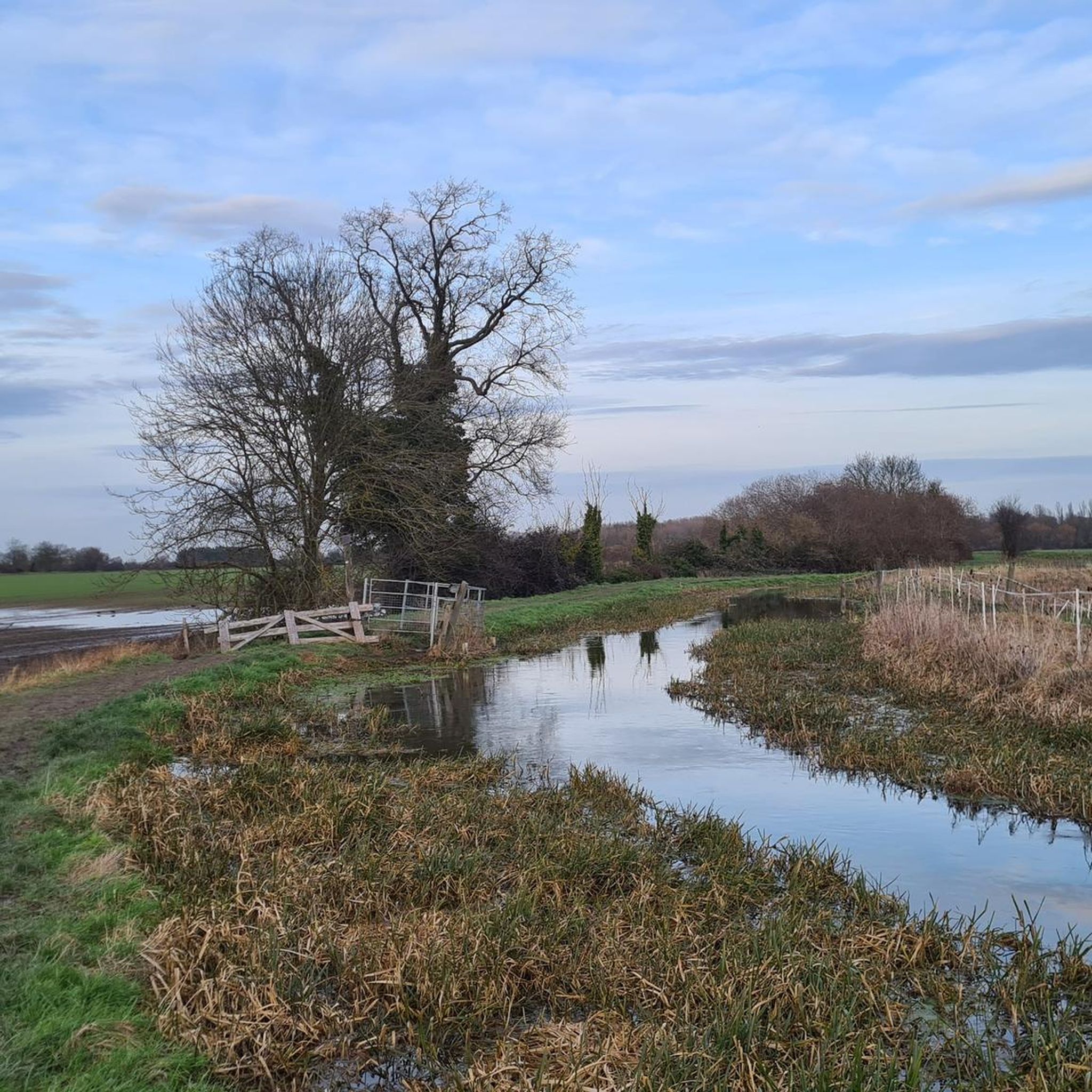
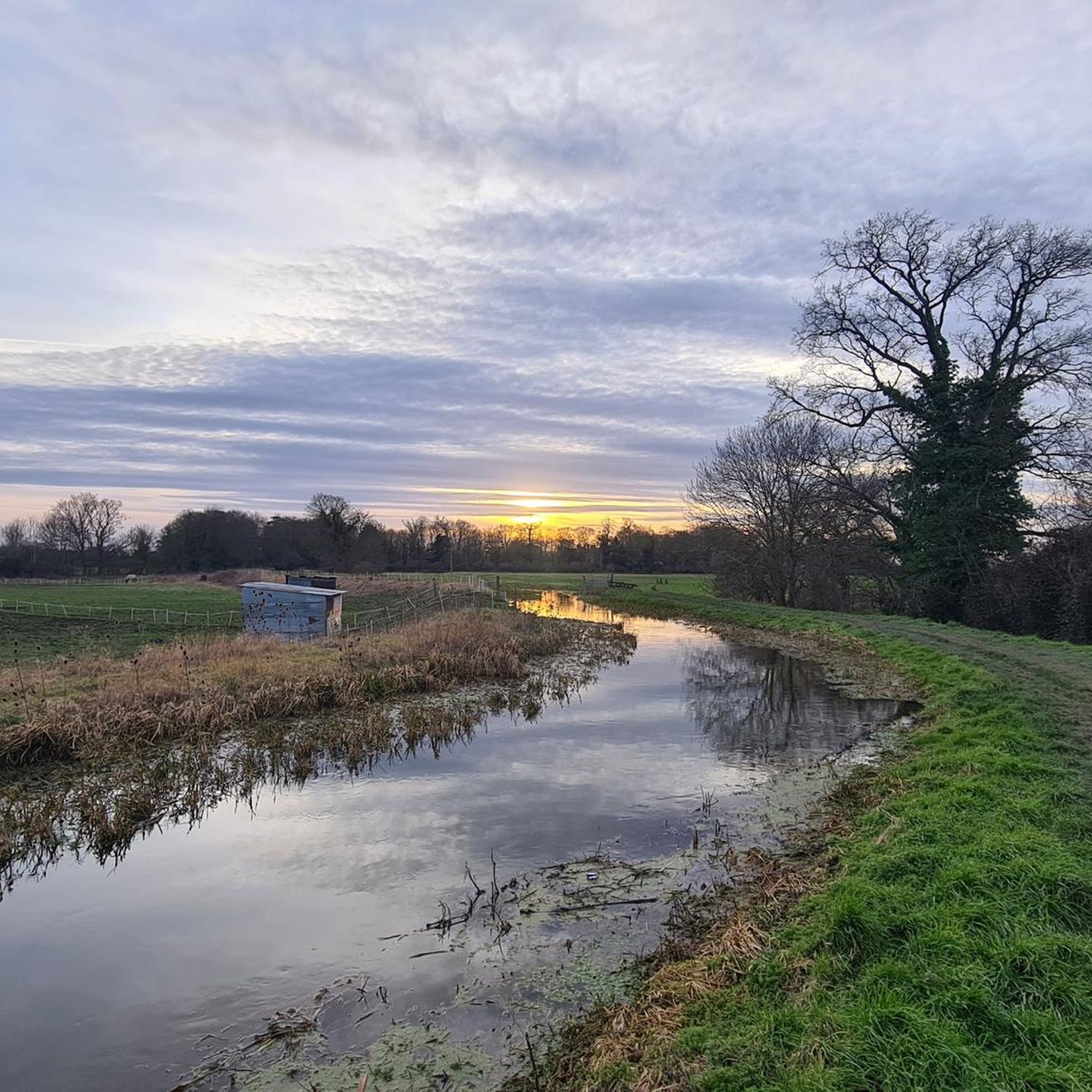
Walks through the fenlands around Little Wilbraham are characterized by flat terrain and expansive, open skies. These trails often follow rivers and drainage ditches, like the Little Wilbraham River and Caudle Ditch. The paths are typically grassy or earthen, offering a peaceful experience with opportunities for birdwatching. The Horse Pond loop from Stow-cum-Quy is a great example of a classic fenland walk.
Can I find any family-friendly hikes in the area?
Absolutely. The flat terrain makes many routes accessible for families. For a shorter, easy walk, consider the Hiking loop from Stow-cum-Quy. Nearby, you can also explore places like Cow Hollow Wood, a popular spot with families for its small, manageable trails and outdoor space for children.
Where can I find information about the Fleam Dyke and Roman Road walk?
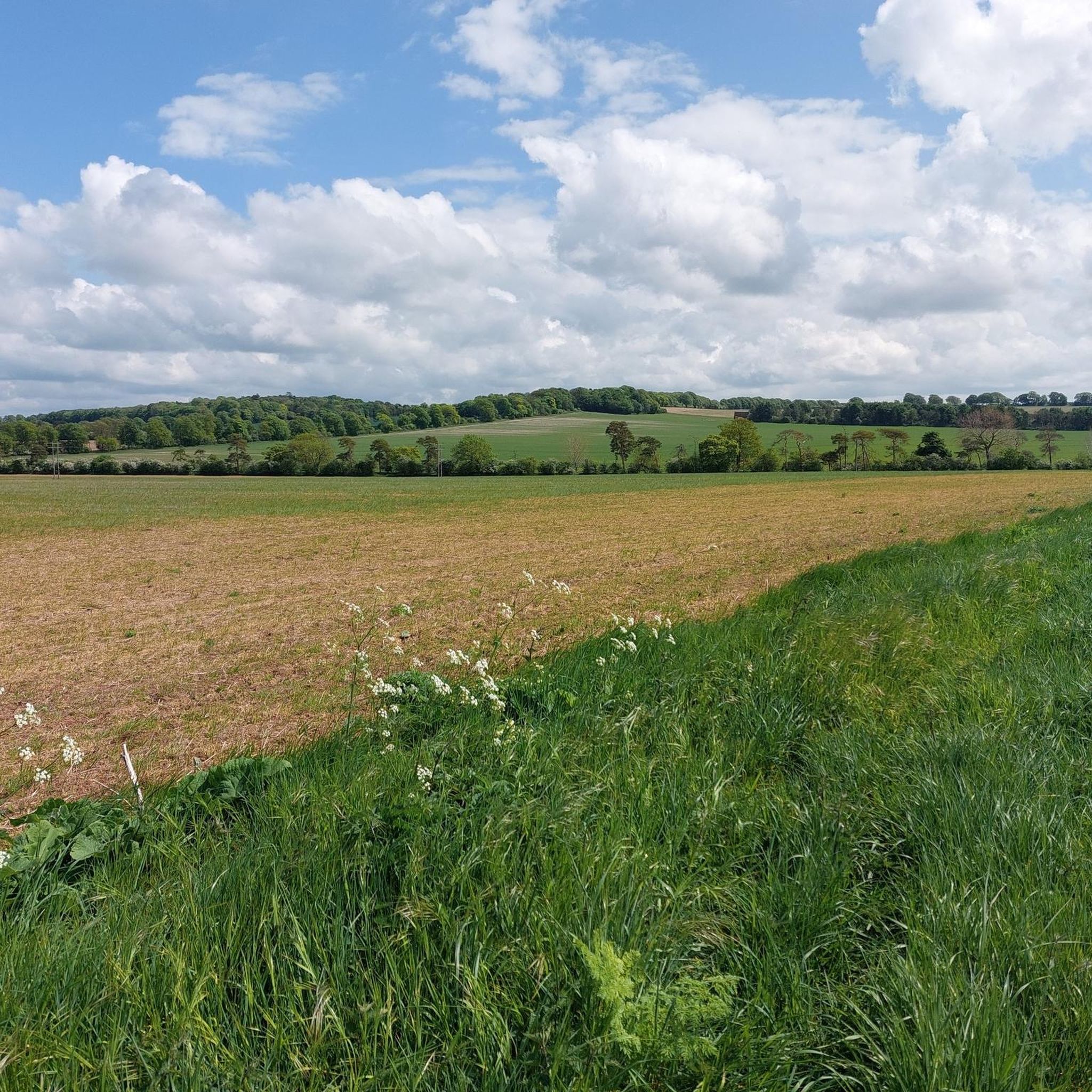
The Fleam Dyke and Roman Road is a significant ancient earthwork offering a unique walking experience with extensive views over the countryside. While it's a long-distance path, you can walk shorter sections of it. Many local routes incorporate parts of the dyke, taking you through chalk grassland habitats that are Sites of Special Scientific Interest (SSSI) and rich in wildflowers and butterflies during the summer.
What is the best place for nature and wildlife walks?
For a dedicated nature walk, the Fulbourn Fen Nature Reserve – The Carpenters Arms loop from Fulbourn Fen NR is an excellent choice. The reserve itself is managed by the Wildlife Trust and is known for its diverse habitats, including ancient meadows and woods. It's a fantastic spot for seeing orchids in spring and a variety of birds and insects year-round.
Where is the best place to park for a walk near Little Wilbraham?
Parking is generally available in the villages, but it can be limited. For many routes, on-street parking in Little Wilbraham, Great Wilbraham, or Fulbourn is the most common option. Some nature reserves, like Fulbourn Fen, have small dedicated car parks. Always park considerately and check for any local restrictions.
How long are the typical hiking routes?
The walks around Little Wilbraham vary in length to suit different preferences. You can find short, easy loops of around 4-6 km (2.5-4 miles) that take about an hour and a half. There are also more moderate hikes ranging from 8-11 km (5-7 miles), which can take between two and three hours to complete. The terrain is mostly flat, so the duration is mainly dependent on the distance you choose to cover.
Are there any pubs located on the walking routes?
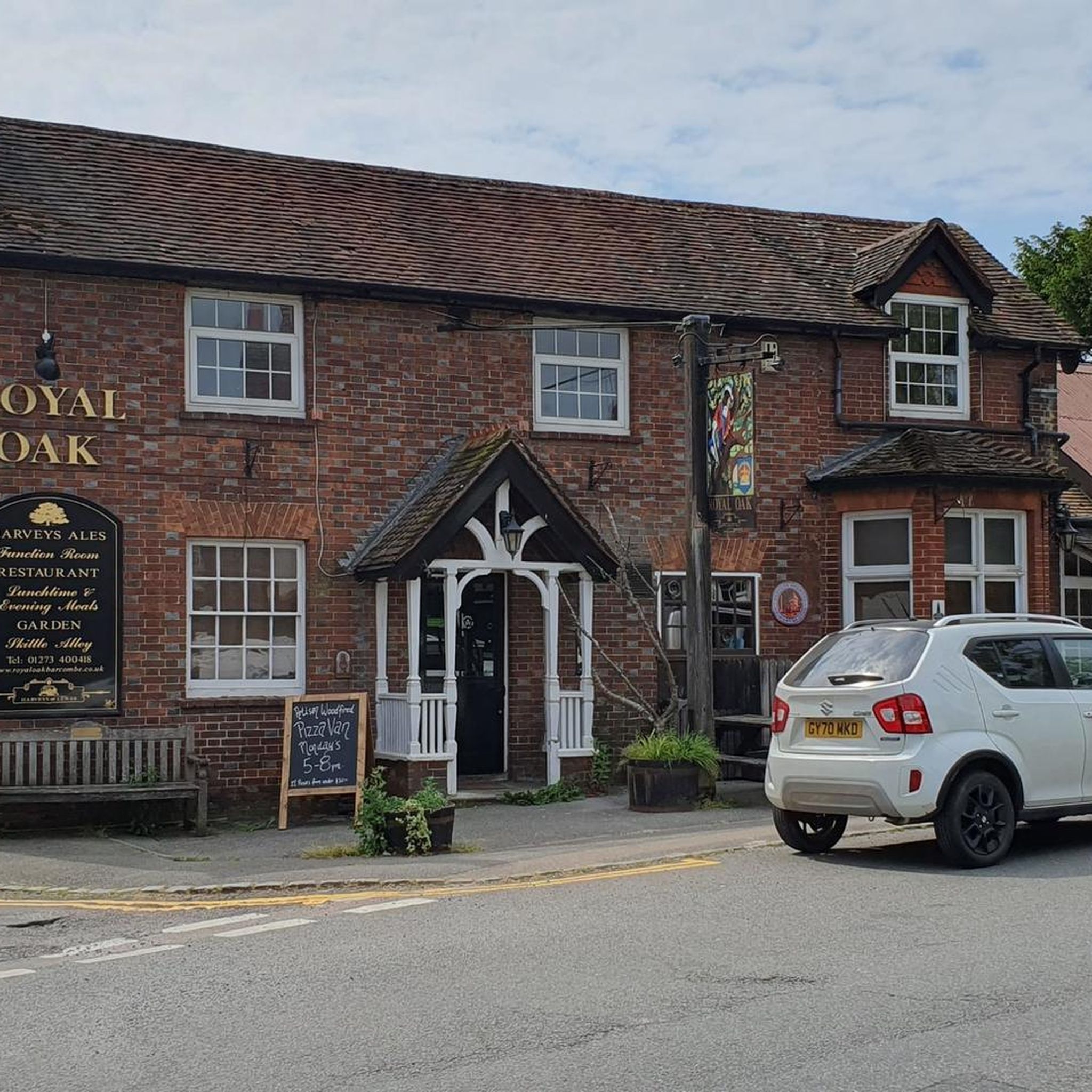
Yes, some routes are conveniently planned to pass by or near village pubs, which are perfect for a rest stop. For instance, The Carpenters Arms in Great Wilbraham is a feature on several popular circular walks in the area, making it an ideal destination for refreshments mid-hike or at the end of your walk.
What do other hikers say about the trails in Little Wilbraham?
The area is highly regarded by the komoot community, with an average rating of 4.5 stars. Hikers often praise the sense of peace and quiet found on the trails, the well-maintained footpaths, and the beautiful, wide-open landscapes of the fens and chalk grasslands. The variety of routes, from short village loops to longer nature reserve explorations, is also frequently highlighted.
Are there any hilly walks for a more challenging hike?
The landscape around Little Wilbraham is predominantly flat, defined by fenland and gentle chalk lowlands. You won't find significant hills or steep climbs here. The challenge comes from the distance of the walks rather than the elevation gain. For slightly more undulating terrain, you could explore routes that incorporate the ancient earthworks of Fleam Dyke.
What are some popular places for hiking near Little Wilbraham?
Besides the immediate village footpaths, several nearby parks and reserves are popular with walkers.
Wandlebury Country Park is a highly-rated nature reserve with miles of footpaths through woodland and wildflower meadows.
Beechwoods Nature Reserve is another local favourite, offering beautiful, short walks through a mature beech wood, which is especially stunning in autumn.
For a longer walk through a mix of habitats, the Fulbourn Fen NR – Memory Wood loop from Fulbourn Fen NR is a great option that explores the rich biodiversity of the area.
Most popular attractions around Little Wilbraham

Get inspired with the komoot mobile app


Explore more
Browse the best Hikes in other regions.
