The best cycling routes around Wolfern
4.4
(857)
6,023
riders
27
rides
Touring cycling around Wolfern offers diverse landscapes, characterized by rolling hills, rivers, and forests typical of Upper Austria. The region provides a blend of natural beauty and cultural richness, with routes often featuring well-paved surfaces. Cyclists can expect varied terrain, from gentle paths through agricultural areas to routes with panoramic vistas. The area's cycling infrastructure supports a range of abilities, making it suitable for different touring cycling preferences.
Best touring cycling routes around Wolfern
- The most popular touring cycling route…
Last updated: November 17, 2026
4.5
(4)
9
riders
18.9km
01:10
200m
200m
Moderate bike ride. Good fitness required. Mostly paved surfaces.
3.0
(1)
7
riders
16.5km
01:00
140m
130m
Easy bike ride. Mostly paved surfaces.

7
riders
18.9km
01:15
260m
260m
Moderate bike ride. Good fitness required. Mostly paved surfaces.
5
riders
Moderate bike ride. Good fitness required. Mostly paved surfaces.
6
riders
Moderate bike ride. Good fitness required. Mostly paved surfaces.
Get access to more routes and recommendations from other explorers.
Already have an account?
Our route recommendations are based on thousands of hikes, rides, and runs completed by other people on komoot.
Start today with a free account
Your next adventure awaits.
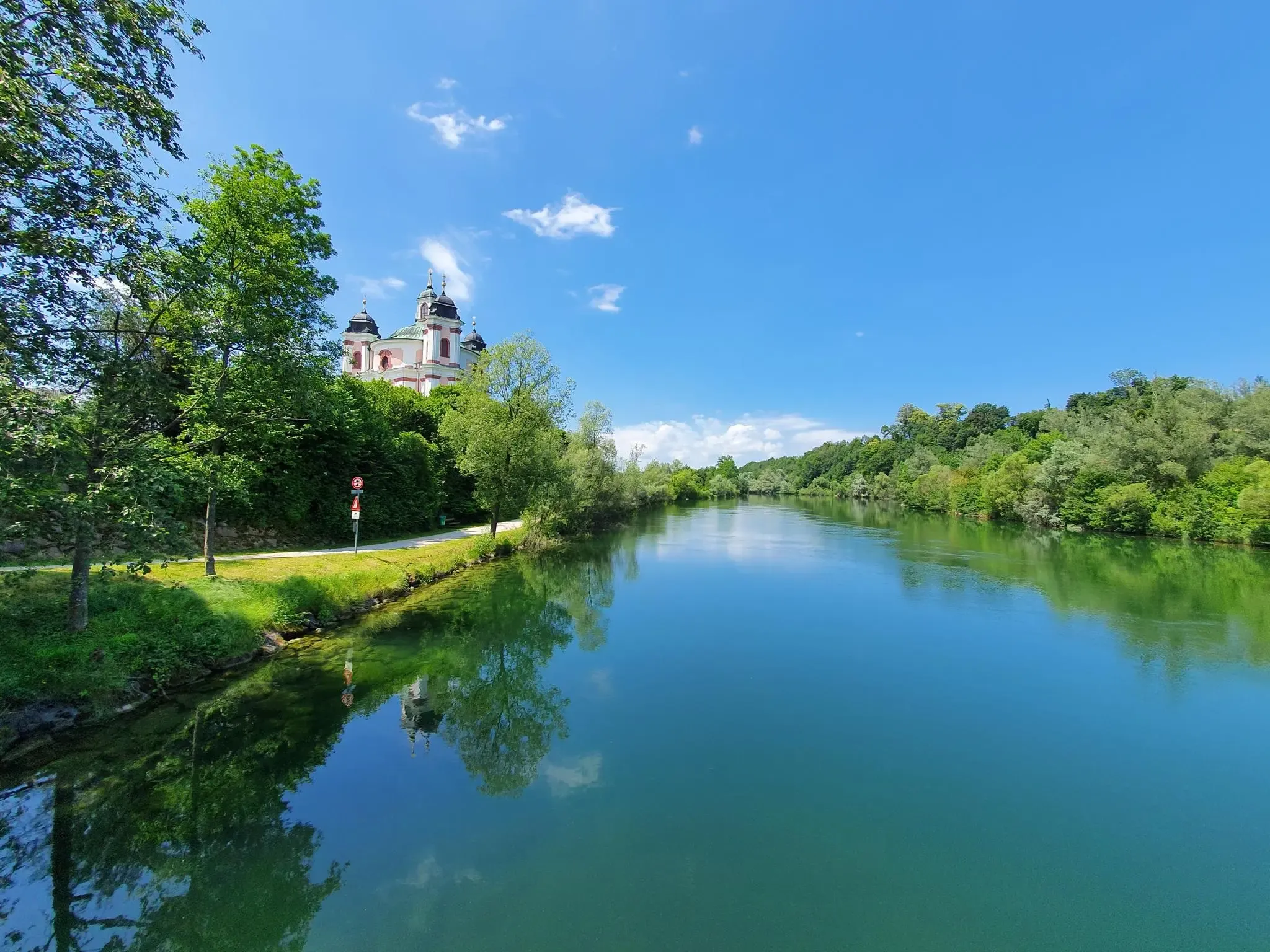
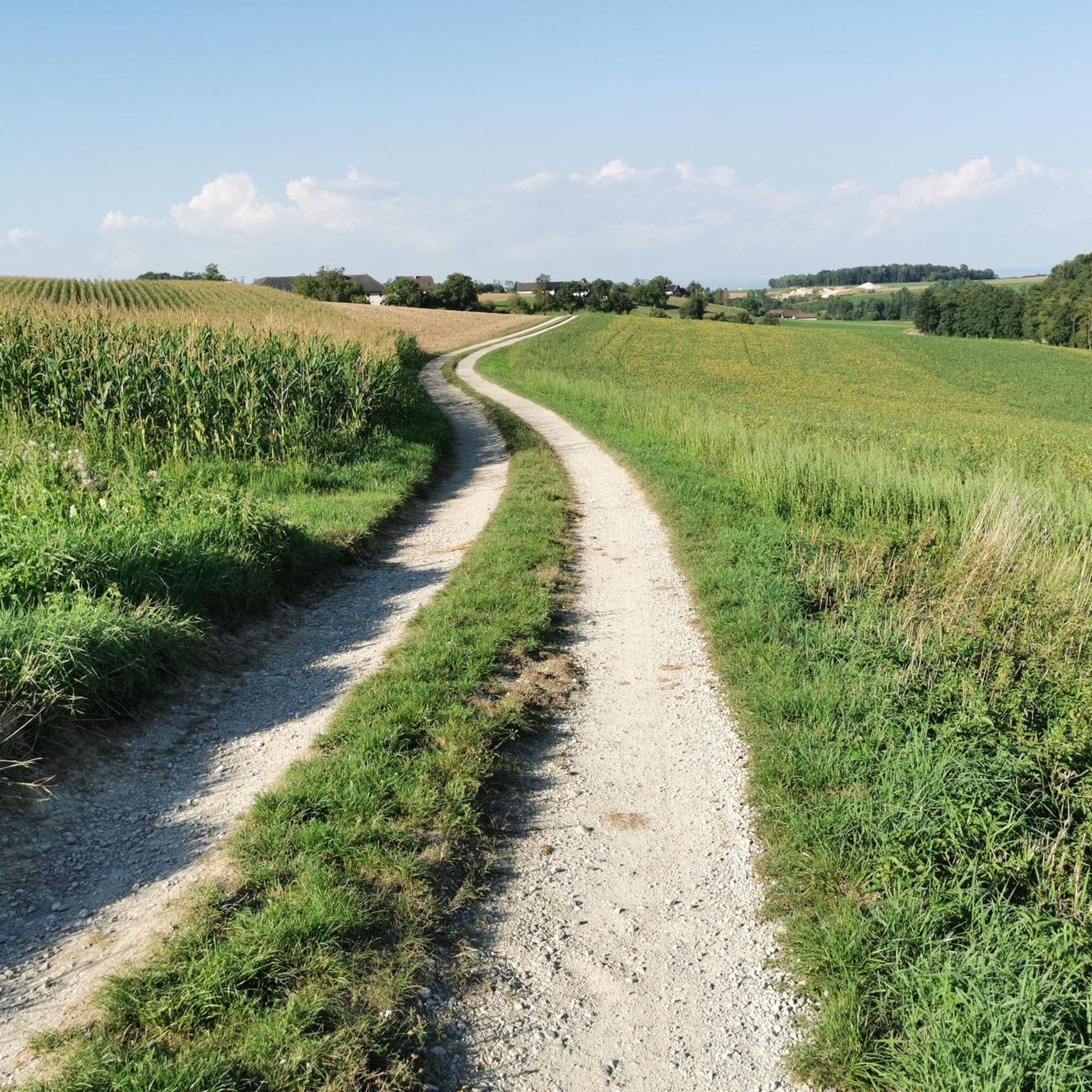
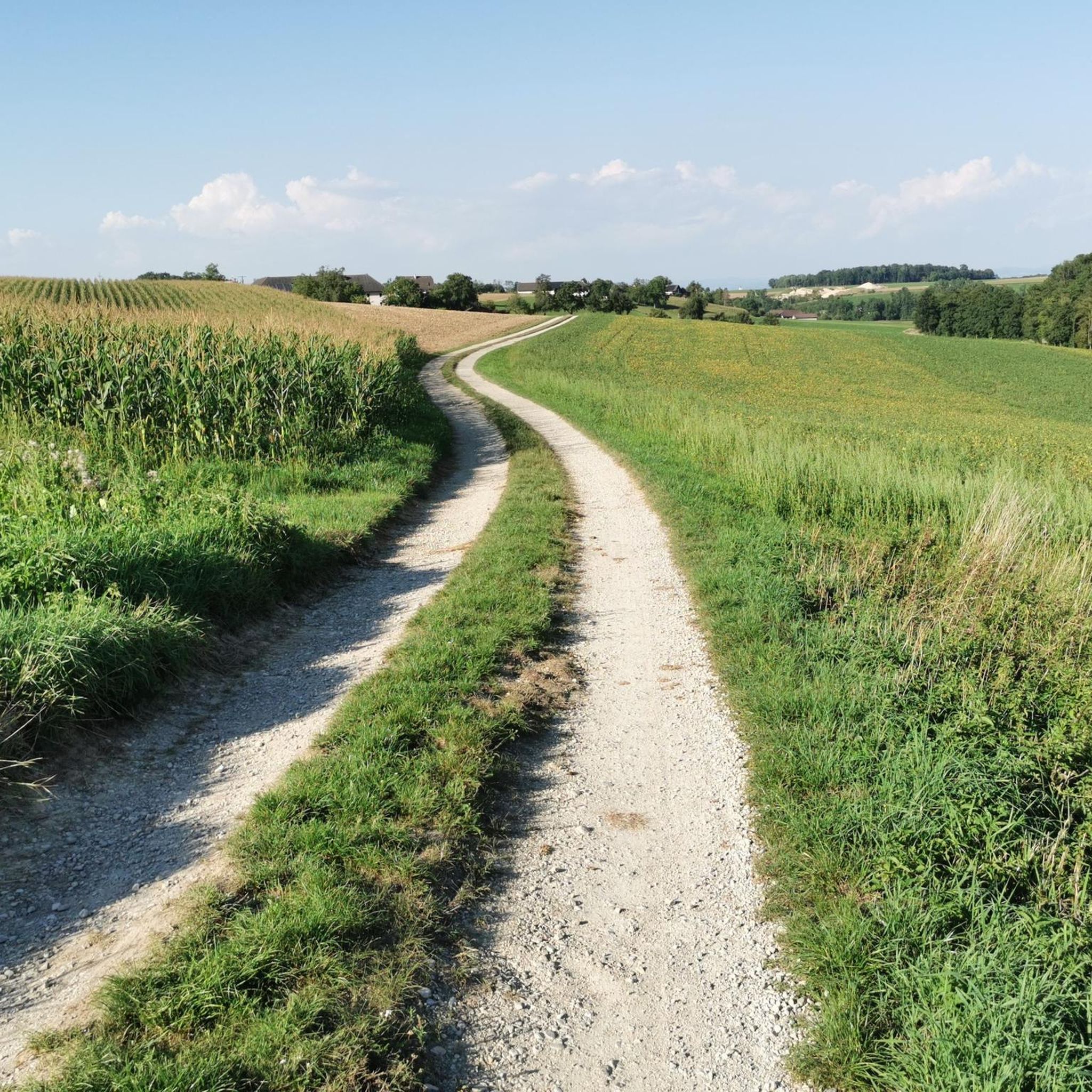
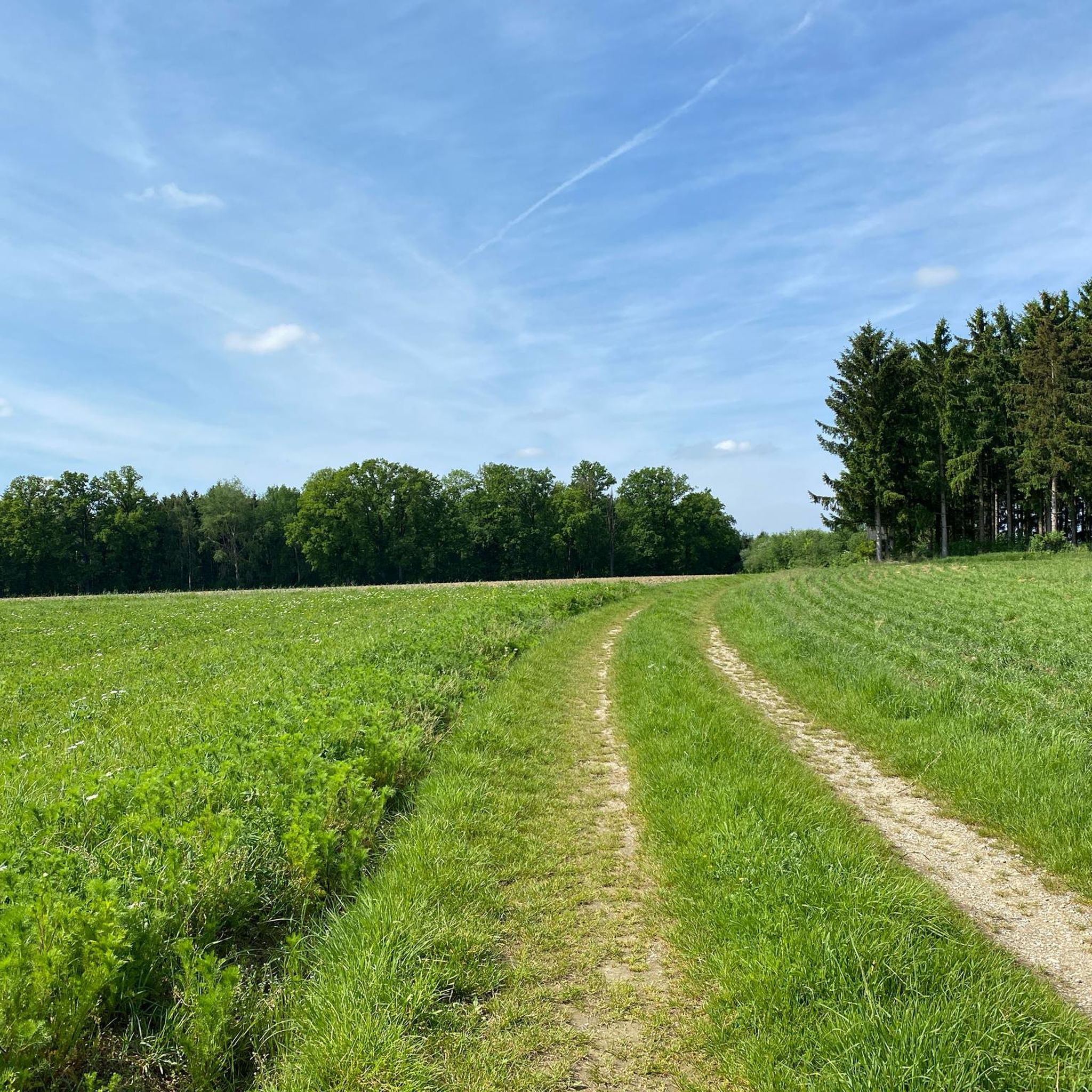
Other adventures around Wolfern

Tips from the Community

Renovation work is currently underway.
0
0

Shortly after the founding of Garsten Abbey, in the first quarter of the 12th century, the Benedictine Abbey of Gleink emerged from the Bamberg fiefdom of Glunich. The founders, Arnhalm I and his son Bruno, from the ministerial Gleink-Volkersdorf family, whose employers, the Styrian Otakars, co-founded the abbey, had the fortress converted into a monastery. The monastery complex, dedicated to the Apostle Andrew, already existed around 1120. The Romanesque monastery building was damaged by fire in the 13th century. In the first half of the 17th century, primarily due to looting during the Peasants' War of 1626, the monastery fell into dire straits. Under the following abbots, the great Baroque building period also began for Gleink. As part of the church reforms, Gleink was secularized on May 21, 1784. Parish pastoral care in Gleink was taken over by secular priests, and the monastery buildings were temporarily used as barracks. The bishops of the Diocese of Linz then happily used Gleink as a summer residence. In 1832, the Salesian Sisters came to Gleink from Vienna. At its peak, their monastery numbered up to 70 sisters. From around 1950 onwards, there were no new enrollments, and in 1977, it was finally dissolved. In 1950, the Order of the Missionaries of the Sacred Heart took over parish pastoral care and, until 1990, also operated a Caritas home, a feared reformatory for boys. Since 2022, the monastery building has served as the "cultural GUT storage" of the Diocese of Linz. The external depot of the Diocesan Archives houses archival materials from the parishes as well as the art and furniture depot with over 2,000 works of art and furniture.
0
0

Townscape fair in Wolfern 8.9.24
0
0

The Bründl is located on the north side of the building opposite the church
2
0

Bernhard von Losenstein had the current castle built in 1515 and gave it the name "Losensteinleiten". When a Turkish army under Kassim Pasha made the area unsafe in 1532, the castle suffered greatly. It is said that a hunter defended himself with many guns and shot a Turkish leader. This heroic act frightened the Turks and they fled. Between 1550 and 1570, the castle was enlarged by Georg Achaz von Losenstein. His wife was called Christina von Bergheim. The family died out with Franz Anton von Losenstein in 1692. The property passed to the Princes of Auersperg and their successors until 1950. From 1955 to 1993, Losensteinleiten Castle was owned by the Camillian Order, which ran a private high school with public rights until 1976. From 1978 to 1983, the Upper Austrian state government housed an agricultural college for girls. From 1985 to 1993, the Camillians ran the St. Kamillus retreat and education center in Losensteinleiten Castle, with a focus on the training and further education of people working in the service of the sick, especially in the denominational hospitals in Austria.
1
0
The exact start of construction of St. Martin's Church is not known, but the first documented mentions of the "Wolfarer Pharr" date back to 1318(?) and 1339. This period was marked by battles between the Catholics and the Waldensians. In the course of these unrests, the rectory was set on fire twice (1396 and 1397). After the tensions had calmed down, the parish church was extensively built. The beautiful Gothic main portal bears the year 1523. By this time, construction was completed - apart from minor additions. The church originally had a wooden tower, which was demolished in 1833 and a sacristy was built in its place in 1834. The current tower was built from Kremsmünster conglomerate stone in just six months. A new sacristy was finally added in 1880. In 1891 two new side altars in neo-Gothic style were added.
0
0
Because of its great distance, the Gleinkersee was temporarily given to the Spital am Pyhrn monastery in 1589 for a payment of 200 guilders. In 1608, the lake was finally ceded by Gleink for another 200 guilders.
0
0
The Benedictine monastery of Gleink was founded in the first quarter of the 12th century, soon after the founding of the Garsten monastery, from the Bamberg fiefdom of Glunich. The monastery complex dedicated to the Apostle Andrew already existed around 1120. Gleink was a daughter settlement of Garsten monastery, from which the first abbot Ulrich came. Ulrich was a relative of Saint Berthold of Garsten, the first abbot of Garsten monastery. The Romanesque monastery building was damaged by fires in 1220, 1275 and 1313. After the turbulent times, the monastery experienced a heyday under Abbot Gregor Grand (1504–1520) before the schism. His successor Thomas Amfeldt (1520–1539) had to watch as Turkish cavalry from Kasimsbeg's raiding corps devastated the area around Gleink and Dietach in September 1532. Due to the political, economic and religious conditions in the first half of the 17th century, especially the plundering during the Peasants' War in 1626, the monastery fell into great distress, from which it was only rescued by the abbots Cölestin Pestaluz (1658–1678) and Rupert I of Kimpflern (1678–1708). Under these abbots, the great Baroque building period began for Gleink, which ended under Abbot Rupert II Freysauf of Neudegg (1709–1735). Andreas von Schwandtner (1735–1762) was the penultimate abbot. In 1762, Wolfgang Holmayr, a professor from the University of Salzburg who was born in Steyr and famous as a preacher, was elected abbot. He led the monastery as Wolfgang III until it was dissolved. As part of the church reforms of Emperor Joseph II, Gleink was secularized on May 21, 1784. Soon after the dissolution, the monastery buildings were used as barracks. In 1791, Gleink was endowed to the Bishop of Linz. The bishops of Linz liked to use Gleink as a summer residence. After the dissolution of the monastery, parish pastoral care in Gleink was carried out by secular priests, and since 1950 by the Order of the Sacred Heart Missionaries. Since then, the order also ran a Caritas home (until 1990), a feared reformatory for boys.
0
0
Frequently Asked Questions
How many touring cycling routes are available around Wolfern?
There are over 20 touring cycling routes around Wolfern, catering to various skill levels. You'll find a good mix of easy, moderate, and challenging rides to explore the region.
What kind of terrain can I expect on touring cycling routes in Wolfern?
The touring cycling routes around Wolfern are characterized by diverse landscapes typical of Upper Austria, including rolling hills, river valleys, and agricultural areas. Many routes feature well-paved surfaces, offering a pleasant cycling experience through natural beauty and cultural richness.
Are there easy touring cycling routes suitable for beginners in Wolfern?
Yes, Wolfern offers several easy touring cycling routes perfect for beginners or those seeking a relaxed ride. For example, the View of Steyr and the Ötscher loop from Wolfern is an easy 7.8 km route that takes about 30 minutes to complete, offering scenic views with minimal elevation gain.
Are there any challenging touring cycling routes for experienced riders?
While most routes are easy to moderate, there is at least one challenging touring cycling route available for experienced riders looking for more demanding terrain. These routes typically feature greater elevation changes and longer distances.
What are some popular loop touring cycling routes in Wolfern?
Many routes in Wolfern are designed as loops, allowing you to start and end in the same location. Popular options include the Chapel Near Wickendorf – Pilgrimage Church Maria Laah loop from Wolfern, a moderate 18.9 km ride, and the Parish Church of Wolfern – Losensteinleiten Castle loop from Wolfern, an easy 16.5 km trail.
What historical sites or landmarks can I see along the touring cycling routes?
Wolfern's touring cycling routes often connect to significant historical and cultural attractions. You can cycle to destinations like the Losensteinleiten Castle, the Pilgrimage Church Maria Laah, or even extend your ride to the historic Steyr Old Town, known for its medieval architecture. The Historic Centre of Steyr – Steyr Old Town loop from Wolfern is a great option for this.
Are there any viewpoints along the touring cycling routes in Wolfern?
Yes, many routes offer scenic viewpoints. The region's rolling hills provide opportunities for panoramic vistas, including potential glimpses of the Ötscher mountain range, as highlighted by routes like the View of Steyr and the Ötscher loop from Wolfern.
What do other cyclists say about the touring routes in Wolfern?
The touring cycling routes in Wolfern are highly rated by the komoot community, with an average score of 4.4 stars from over 700 reviews. More than 5,000 touring cyclists have used komoot to explore the varied terrain, often praising the well-maintained paths and the blend of natural beauty with cultural landmarks.
Is it possible to access touring cycling trails in Wolfern using public transport?
Wolfern has public transport connections that can facilitate access to various starting points for touring cycling routes. It's advisable to check local bus or train schedules for specific routes and bike carriage policies to plan your journey effectively.
Are there any cafes or places to stop for refreshments along the touring cycling routes?
While specific cafes are not listed for every route, the region's well-developed infrastructure and proximity to towns like Steyr mean you'll often find opportunities for refreshments. Many routes pass through or near villages where you can stop for a break and a bite to eat.
What is the best time of year for touring cycling in Wolfern?
The best time for touring cycling in Wolfern is generally during the spring, summer, and early autumn months (April to October). During these periods, the weather is typically mild and pleasant, and the landscapes are at their most vibrant, making for ideal cycling conditions.
Are there any routes that pass by lakes or reservoirs?
Yes, some touring cycling routes in the broader Wolfern area can lead you to scenic water bodies. For instance, you might find routes that offer views of the Enns Reservoir near Haidershofen or other smaller ponds, providing picturesque spots for a break.
Most popular routes around Wolfern
Most popular attractions around Wolfern

Get inspired with the komoot mobile app


Explore more
Browse the best Cycling routes in other regions.
