Attractions and Places To See around Abbots Ripton - Top 20
Best attractions and places to see around Abbots Ripton include a mix of historical sites, natural landscapes, and cultural points of interest. This picturesque village in Cambridgeshire, located north of Huntingdon, features significant historical buildings and tranquil natural surroundings. Visitors can explore ancient monuments, extensive gardens, and a network of footpaths through local woodlands. The area offers diverse opportunities for those interested in history and outdoor exploration.
Best attractions and places to see around Abbots Ripton
- The most popular attractions is Houghton Mill, a historical site that is the last remaining working watermill on the River Great Ouse. This National Trust property has a history spanning nearly 1,000 years and offers knowledgeable guides.
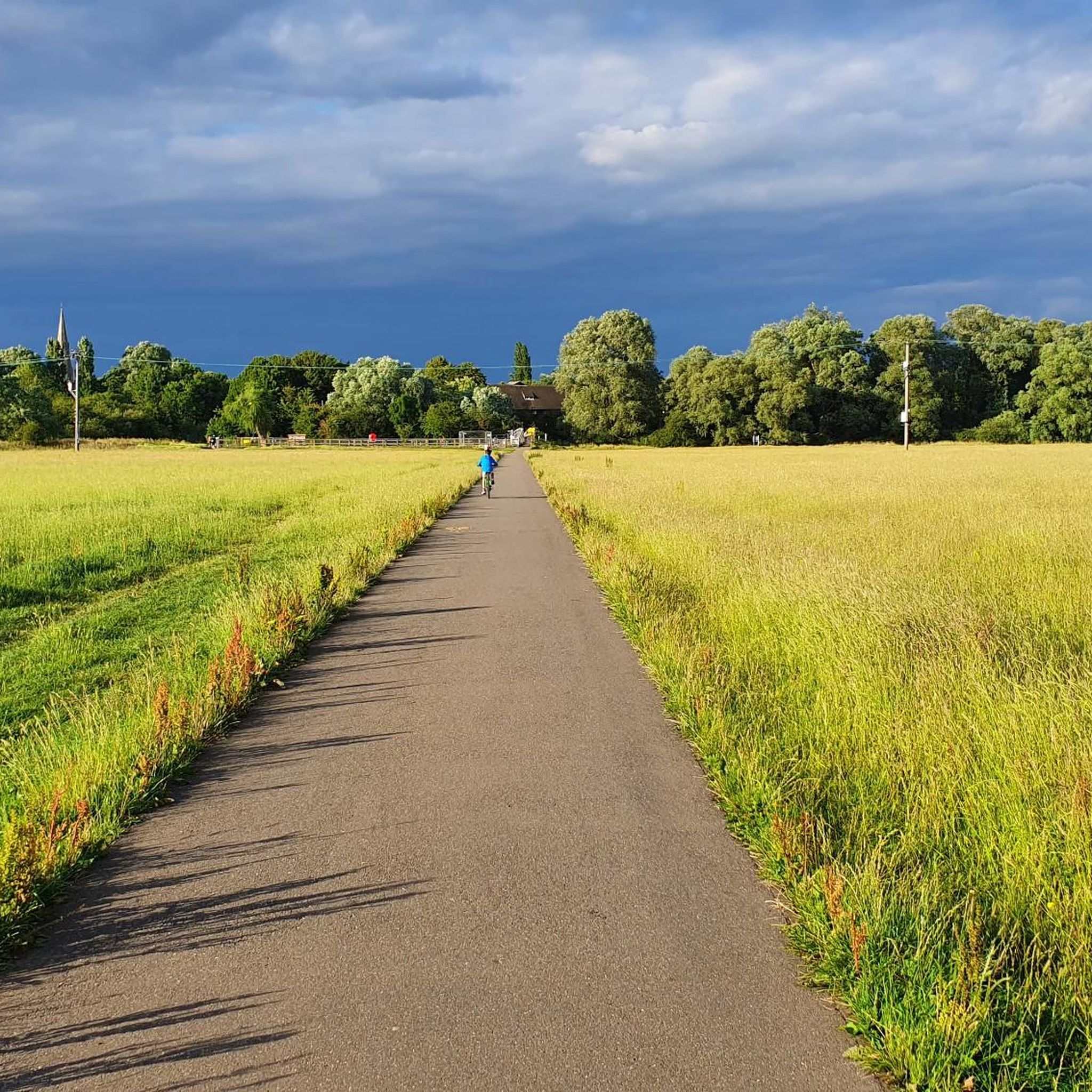
- Another must-see spot is Cambridge to St Ives Guided Busway Cycle Path, a cycle way. This former rail line provides a car-free connection through pleasant countryside and picturesque villages, suitable for families.
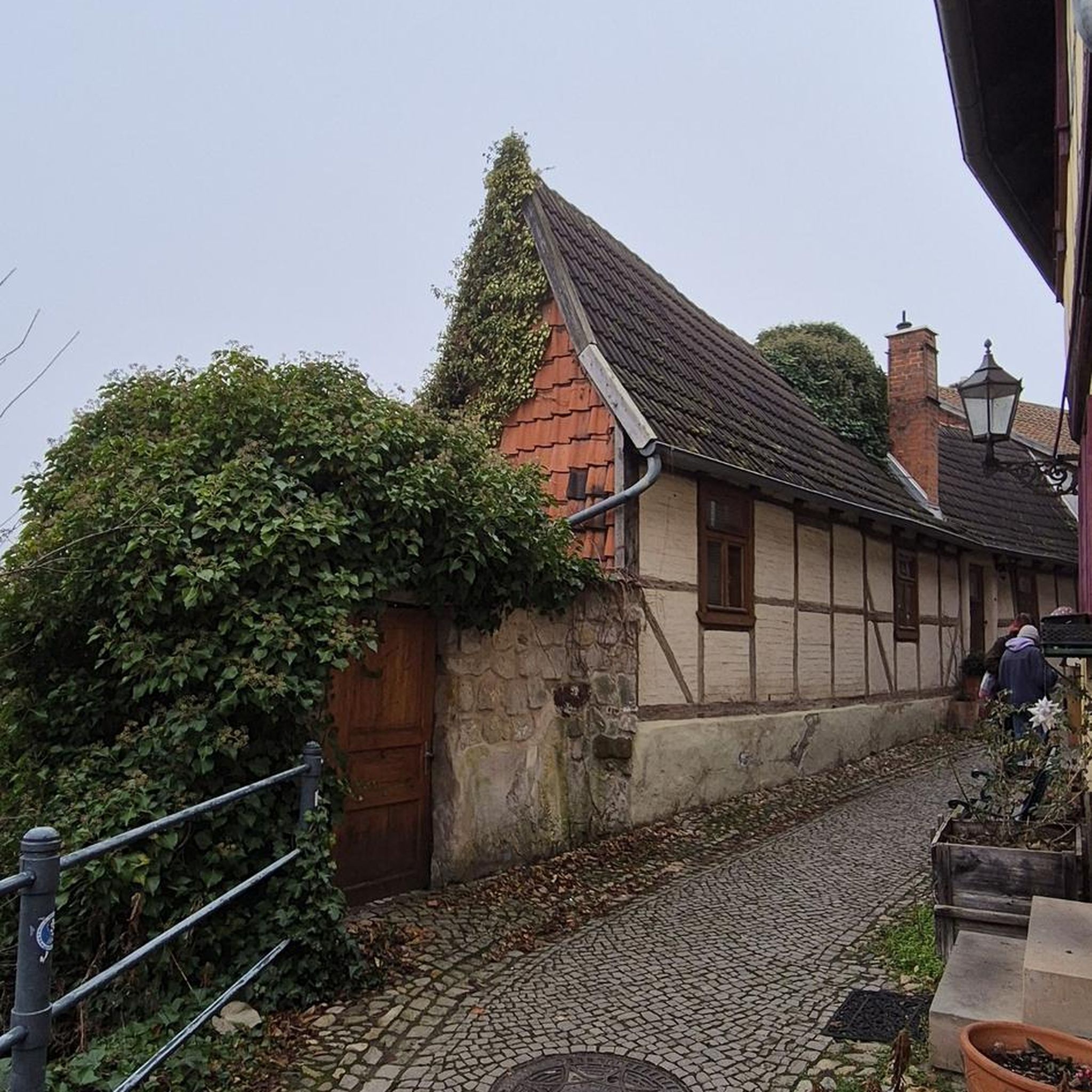
- Visitors also love St Ives Bridge and Chapel, a 15th-century bridge crossing the River Great Ouse. It is notable for being one of only four bridges in England to incorporate a chapel.
- Abbots Ripton is known for its historical sites, natural features, and cultural points of interest. The area offers a variety of attractions, including ancient monuments, extensive gardens, and walking routes through woodlands.
- The attractions around Abbots Ripton are appreciated by the komoot community, with more than 130 upvotes and 70 photos shared.
Last updated: October 9, 2026
Houghton Mill
Highlight • Historical Site
Tip by

Cambridge to St Ives Guided Busway Cycle Path
Highlight (Segment) • Cycleway
Tip by

Sign up now to discover places like this
Get recommendations on the best single tracks, peaks, & plenty of other exciting outdoor places.
Holme Posts
Highlight • Monument
Tip by

Buckden Towers and Gardens
Highlight • Historical Site
Historically, Buckden has played an unhappy role. Henry VIII's first wife Katherine of Aragon was locked up here for not producing a male heir. A few years after Katherine's death Henry, took his fifth wife, Catherine Howard there to escape the plague in London.
However, it was during their stay at Buckden that Henry accused his new young wife of adultery with Thomas Culpeper, eventually leading to her execution.
Buckden Towers are privately owned and have conference room and retreat facilities, self-catering apartments and a tea-room.
Tip by

St Ives Bridge and Chapel
Highlight • Bridge
Tip by
Sign up for free to discover even more attractions around Abbots Ripton.
Already have an account?
Start today with a free account
Your next adventure awaits.
Tips from the Community

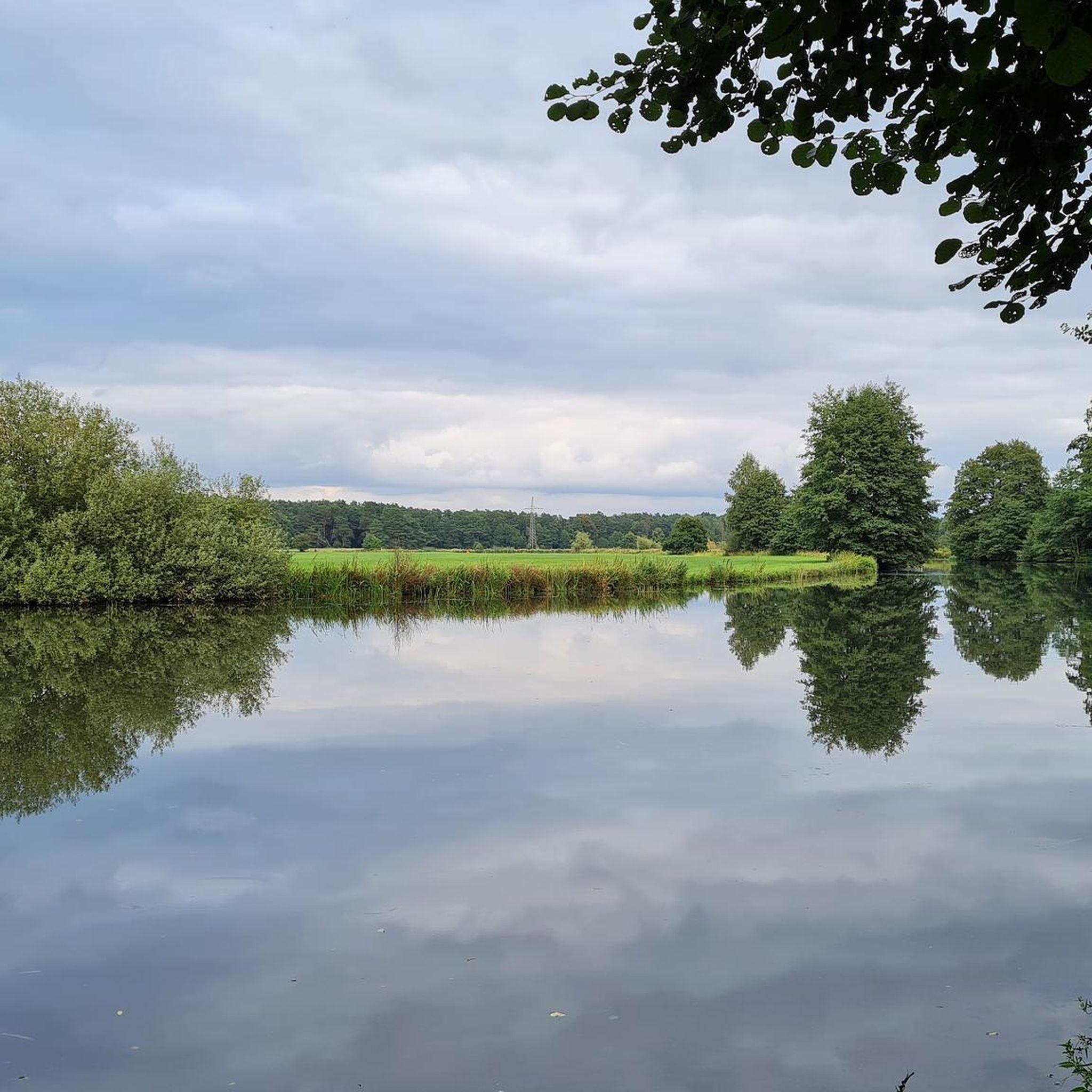
Have a chat to Oliver in the market Square or in Wellington Street.
0
0


Be careful when starting route 2 as the start can be easily missed going through the gate.
0
0

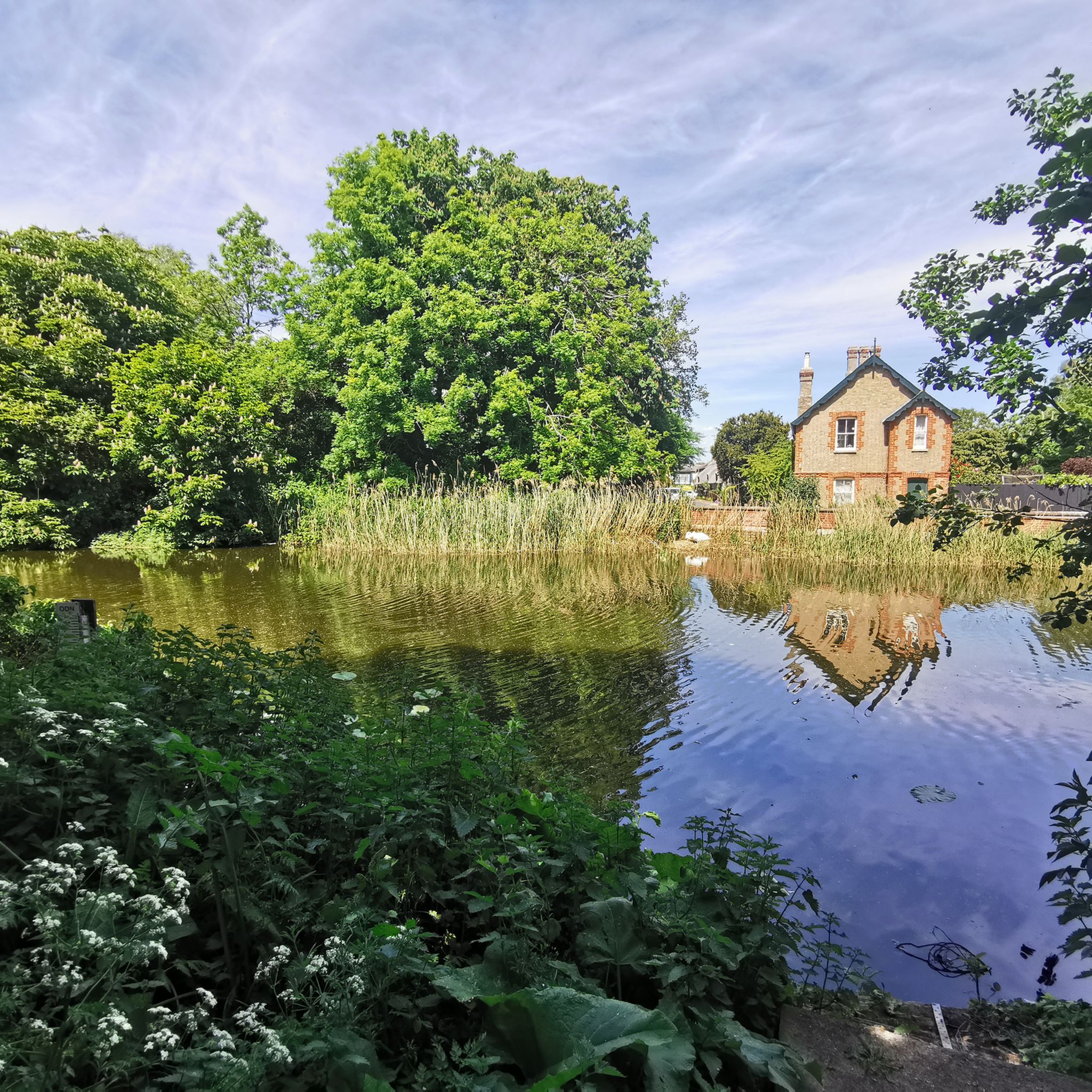
Not very visible from the road, hidden behind a tall brick wall. You can peep through the old gateway or else from the driveway at the far left of the wall.
0
0
It's also a bridleway so watch out for occasional piles of horse shit.
3
0

They may look like out of place lampposts but Holme Posts are part of history. The posts were buried in 1848 to measure how much the land sunk after Whittlesey Mere, once on this site, was drained. The peat lake floor had been soaked in water but after drainage, the peat shrank, as did the height of the land. The top of the posts, once level with the ground, are now around 4m above it. The posts are generally accepted to mark the lowest land point in Great Britain at 2.75m below sea level.
0
0
A mill has stood here for nearly 1000 years. Houghton Mill is the final working watermill on the River Great Ouse. The mill is in the care of the National Trust and is open to the public (entrance fee applies). Please see their website for more details https://www.nationaltrust.org.uk/visit/cambridgeshire/houghton-mill-and-waterclose-meadows
1
0
Frequently Asked Questions
What natural features can I explore around Abbots Ripton?
Abbots Ripton offers several natural attractions, including the extensive gardens and parkland of Abbots Ripton Hall, which feature an ornamental lake and rare trees. The northern part of the parish also includes several wooded areas like Wennington Wood, Holland Wood, and Hill Wood. Additionally, the Abbots Ripton Estate provides 14 miles of footpaths for exploring the local countryside.
Are there historical landmarks to visit in Abbots Ripton?
Yes, Abbots Ripton is rich in history. You can visit Houghton Mill, the last remaining working watermill on the River Great Ouse, or explore Buckden Towers and Gardens, the remains of a 15th-century palace with a significant history. The village itself is home to St Andrew's Church, with roots dating back to 1086, and the historic Elm Pub from the late 15th century.
What are some family-friendly attractions near Abbots Ripton?
Families can enjoy the Cambridge to St Ives Guided Busway Cycle Path, a car-free route through pleasant countryside. Houghton Mill is also a great family destination, offering insights into its nearly 1,000-year history. The footpaths around Abbots Ripton Estate provide opportunities for family walks through woodlands and gardens.
Where can I find walking routes around Abbots Ripton?
The Abbots Ripton Estate offers 14 miles of footpaths for visitors to enjoy. For structured routes, you can find several easy hikes, such as the 'Wennington Thatched Cottages loop from Abbots Ripton' or the 'Godmanchester Medieval Bridge – Chinese Bridge loop from Huntingdon'. More options are available in the Easy hikes around Abbots Ripton guide.
Are there any unique historical sites to discover in the area?
Beyond the main attractions, you can find a well-preserved Bowl Barrow, a scheduled ancient monument located about 1 mile south-east of the village. There's also a Moated Site at Bellamy's Grove, approximately 1 mile south of Abbots Ripton. Don't miss Holme Posts, which mark the lowest land point in Great Britain and tell a unique story of land subsidence.
What is the best time of year to visit Abbots Ripton?
The gardens of Abbots Ripton Hall are occasionally open to the public on selected days, often in spring or summer when the plantings are in full bloom. The local woodlands and footpaths are enjoyable throughout the warmer months, offering pleasant conditions for walking and exploring. Spring is particularly beautiful for viewing bluebells in areas like Lady's Wood.
Are there places to eat or drink in Abbots Ripton?
Yes, The Elm Pub, dating back to the late 15th century, is located in the picturesque village of Abbots Ripton. It offers a place to relax and is conveniently situated for those exploring local walks.
Can I bring my dog on walks around Abbots Ripton?
Many of the local footpaths and woodland areas around Abbots Ripton are suitable for dog walking. However, always check for specific signage regarding livestock or protected areas, and ensure dogs are kept under control, especially on the Abbots Ripton Estate's 14 miles of footpaths.
What kind of cycling opportunities are there near Abbots Ripton?
Cyclists can enjoy the Cambridge to St Ives Guided Busway Cycle Path. This former rail line offers a flat, car-free connection through pleasant countryside and picturesque villages, making it suitable for families and those looking for an easy ride.
What options are available for running trails near Abbots Ripton?
There are several running trails in the vicinity. You can find moderate routes like 'The Swale loop from Huntingdonshire' or 'The Swale – Prestley Wood loop from Huntingdonshire'. More detailed options are available in the Running Trails around Abbots Ripton guide.
What is the significance of Abbots Ripton Hall?
Abbots Ripton Hall is an 18th-century Grade II listed building and a central feature of the village. It is the seat of John Fellowes, 4th Lord De Ramsey, and its grounds include 8 acres of gardens and a 10-acre ornamental lake. While the Hall itself is a private residence, its gardens are occasionally open to the public. The estate also plays a significant role in heritage preservation and environmental contributions.
What is unique about St Ives Bridge and Chapel?
St Ives Bridge and Chapel is a 15th-century bridge crossing the River Great Ouse. It is particularly notable for being one of only four bridges in England to incorporate a chapel, which historically also served as a toll-house.
Are there any historical events associated with Abbots Ripton?
Abbots Ripton is known as the location of the 1876 Abbots Ripton railway disaster. This tragic event, where a Flying Scotsman train was wrecked during a blizzard, led to significant safety improvements in railway signaling across the country.
Most popular attractions around Abbots Ripton

Get inspired with the komoot mobile app


Explore more
Still not found the Highlight you’re looking for? See guides of the top attractions in other regions:
