The best walks and hikes around Wood Walton
4.3
(177)
1,104
hikers
92
hikes
Hikes around Wood Walton explore the flat, biodiverse landscape of the Cambridgeshire fenlands. The region is characterized by its network of tranquil waterways, expansive reedbeds, and ancient woodlands, particularly within the Woodwalton Fen National Nature Reserve. The predominantly level terrain makes for accessible walking suitable for a range of fitness levels.
Best hiking trails around Wood Walton
- The most popular hiking route is Holme Fen National Nature Reserve loop, a 3.9 mile (6.3 km) trail that takes about 1…
Last updated: May 12, 2026
4.4
(7)
23
hikers
6.29km
01:36
20m
20m
Easy hike. Great for any fitness level. Easily-accessible paths. Suitable for all skill levels.
4.3
(6)
13
hikers
5.96km
01:32
30m
30m
Easy hike. Great for any fitness level. Easily-accessible paths. Suitable for all skill levels.

Sign up for free
4.3
(4)
16
hikers
8.41km
02:08
30m
30m
Moderate hike. Good fitness required. Easily-accessible paths. Suitable for all skill levels.
4.7
(3)
20
hikers
3.90km
00:59
10m
10m
Easy hike. Great for any fitness level. Easily-accessible paths. Suitable for all skill levels.
4.5
(2)
15
hikers
6.66km
01:45
60m
60m
Easy hike. Great for any fitness level. Easily-accessible paths. Suitable for all skill levels.
Get access to more routes and recommendations from other explorers.
Sign up for free
Already have an account?
Our route recommendations are based on thousands of hikes, rides, and runs completed by other people on komoot.
Start today with a free account
Your next adventure awaits.
Login or Signup

Tips from the Community

Be careful when starting route 2 as the start can be easily missed going through the gate.
0
0

They may look like out of place lampposts but Holme Posts are part of history. The posts were buried in 1848 to measure how much the land sunk after Whittlesey Mere, once on this site, was drained. The peat lake floor had been soaked in water but after drainage, the peat shrank, as did the height of the land. The top of the posts, once level with the ground, are now around 4m above it. The posts are generally accepted to mark the lowest land point in Great Britain at 2.75m below sea level.
0
0
Holme Fen is a Site of Special Scientific Interest (SSSI) as well as a National Nature Reserve (NNR). It is in the location of Whittlesey Mere, once the biggest lake in England, which was drained in the mid 19th century so the land could be used for farming. This south western shore of the huge lake could not be made dry enough for farming.
0
0
They may look like strange green lampposts but Holme Posts are part of history. The posts were buried in 1848 to measure how much the land sunk after Whittlesey Mere, once on this site, was drained. The peat lake floor had been soaked in water but after drainage, the peat shrank, as did the height of the land. The top of the posts, once level with the ground, are now around 4m above it. The posts are generally accepted to mark the lowest land point in Great Britain at 2.75m below sea level.
0
0
Burnhams Mere was created when the area was cut for peat, resulting in this wildlife haven.
0
0
Holme Fen is a Site of Special Scientific Interest (SSSI) as well as a National Nature Reserve (NNR). It is in the location of Whittlesey Mere, once the biggest lake in England, which was drained in the mid 19th century so the land could be used for farming. This south western shore of the huge lake could not be made dry enough for farming.
0
0

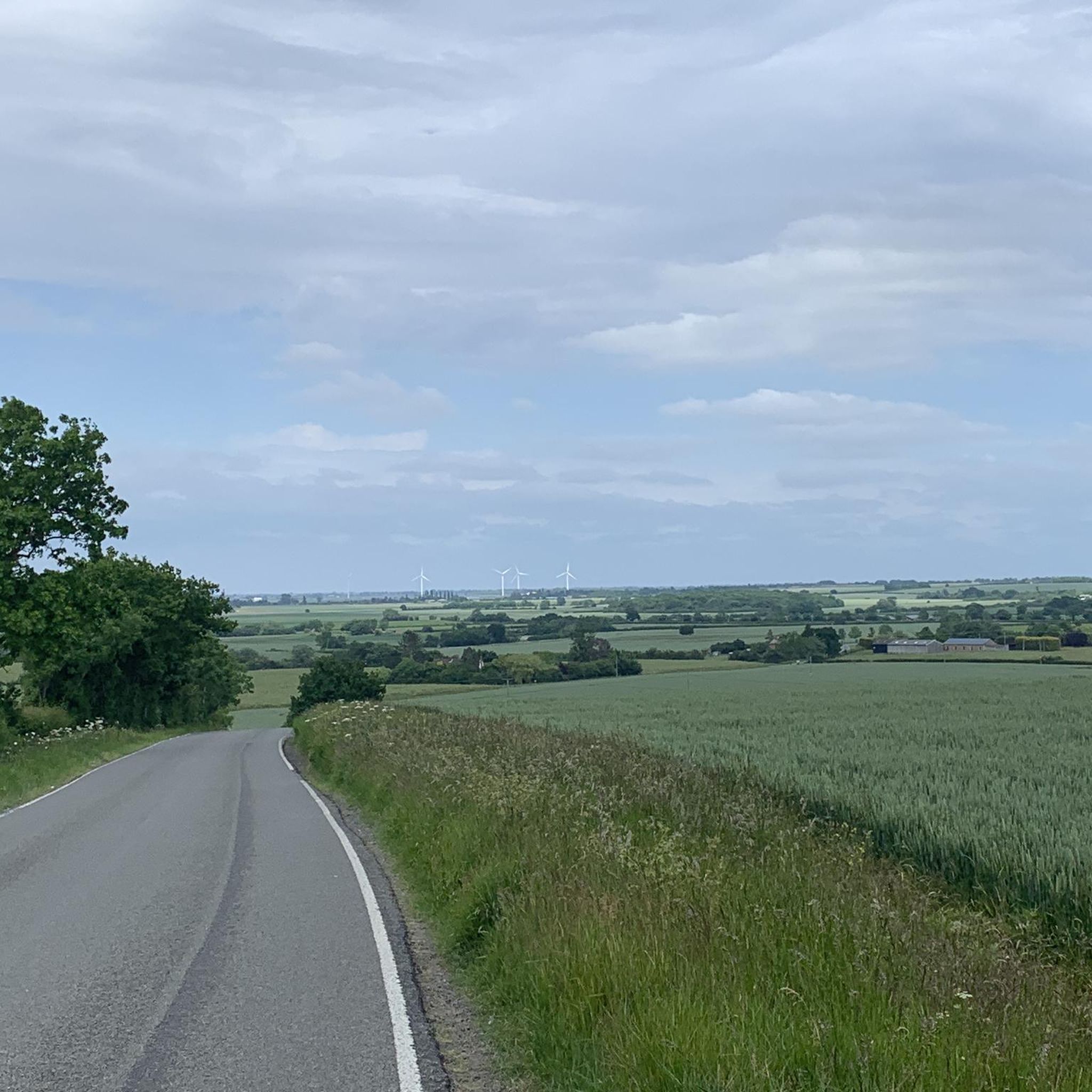
Quiet, narrow lane leading through Holme Fen nature reserve, the lowest point in the UK.
0
0
Congratulations, you are at the lowest point in the UK, 3m below sea level. The top of the iron posts marks ground level when the fen was first drained in 1850. Since then they have been progressively exposed by the shrinking peat until the tops now stand 4m above modern ground level.
0
0
Frequently Asked Questions
Are there many circular walks available around Wood Walton?
Yes, the area is well-suited for circular walks. The flat terrain of the fenlands makes it easy to create loops of various lengths without significant climbs. A great example is the Lady's Wood Bluebells loop from Woodwalton, which offers a pleasant 6.4 km circuit through local woodlands.
Can I bring my dog on hikes in this area?
Dogs are welcome on many trails, but it's important to be mindful of the local environment. In nature reserves like Woodwalton Fen and Waresley and Gransden Woods, dogs must be kept on a lead to protect the sensitive wildlife and ground-nesting birds. Always check local signage at trailheads for specific rules.
What are some good family-friendly or easy hikes near Wood Walton?
The region's predominantly flat landscape is ideal for families and those seeking an easy stroll. Most trails in Woodwalton Fen are accessible and gentle. For a very short and easy option, the Hiking loop from Yaxley is just under 4 km and provides a good introduction to the local scenery.
What is the hiking like in Woodwalton Fen National Nature Reserve?
Hiking in Woodwalton Fen offers a unique experience through one of the last remaining fragments of the ancient fenlands. You'll walk on wide, grassy paths that cross a mosaic of reedbeds, wildflower meadows, and tranquil waterways. The trails are well-marked and mostly flat, making it a peaceful and immersive nature walk.
Where can I find good opportunities for wildlife spotting?
Woodwalton Fen is a prime location for wildlife. The reserve is a sanctuary for rare birds, insects, and plants. For birdwatching, follow trails leading to the various bird hides, which offer excellent views over the reedbeds, especially for spotting marsh harriers. The ditches and waterways also host unique aquatic plants like water violet.
Are there any longer or more challenging hikes available?
While the area is known for its flat terrain, you can find moderately long walks. The Holme Posts – Holme Fen Forest Trail loop from Yaxley is a good choice, covering nearly 9 km. For a true long-distance challenge, you can connect local paths to sections of larger regional trails, though this requires more planning.
What do other hikers think of the trails around Wood Walton?
The trails are highly regarded by the komoot community, with an average rating of 4.3 stars. Hikers frequently praise the peaceful atmosphere of the fens, the rich biodiversity, and the well-maintained, flat paths that make it an accessible destination for connecting with nature.
Where is the best place to park for a walk?
Parking is available at the entrance to the Woodwalton Fen National Nature Reserve, which is the most convenient starting point for many trails. Other popular spots like Holme Fen also have dedicated parking areas. For walks starting from smaller woods or villages, you may need to use roadside parking, so please park considerately.
Are there any good pubs or cafes for after a hike?
The villages surrounding the nature reserves, such as Ramsey, Yaxley, and Holme, have a selection of traditional pubs and cafes. These are perfect for a post-hike meal or drink. It's best to check opening times in advance, especially if you are hiking on a weekday.
How many hiking trails are there around Wood Walton?
There is a wide variety of routes to explore, with over 90 trails mapped on komoot. These range from short, easy loops within the nature reserves to longer, moderate walks connecting different fens and woodlands, offering plenty of options for all fitness levels.
What kind of scenery can I expect on a hike?
The scenery is defined by the unique fenland landscape. Expect vast, open skies, expansive reedbeds swaying in the wind, and quiet waterways reflecting the sky. You'll also find pockets of ancient woodland, like the popular Thorpe Wood and Gamlingay Wood, which offer a different, more enclosed hiking experience, especially beautiful when bluebells are in season.
Most popular attractions around Wood Walton

Get inspired with the komoot mobile app


Explore more
Browse the best Hikes in other regions.
