Attractions and Places To See around Newton (Fenland) - Top 20
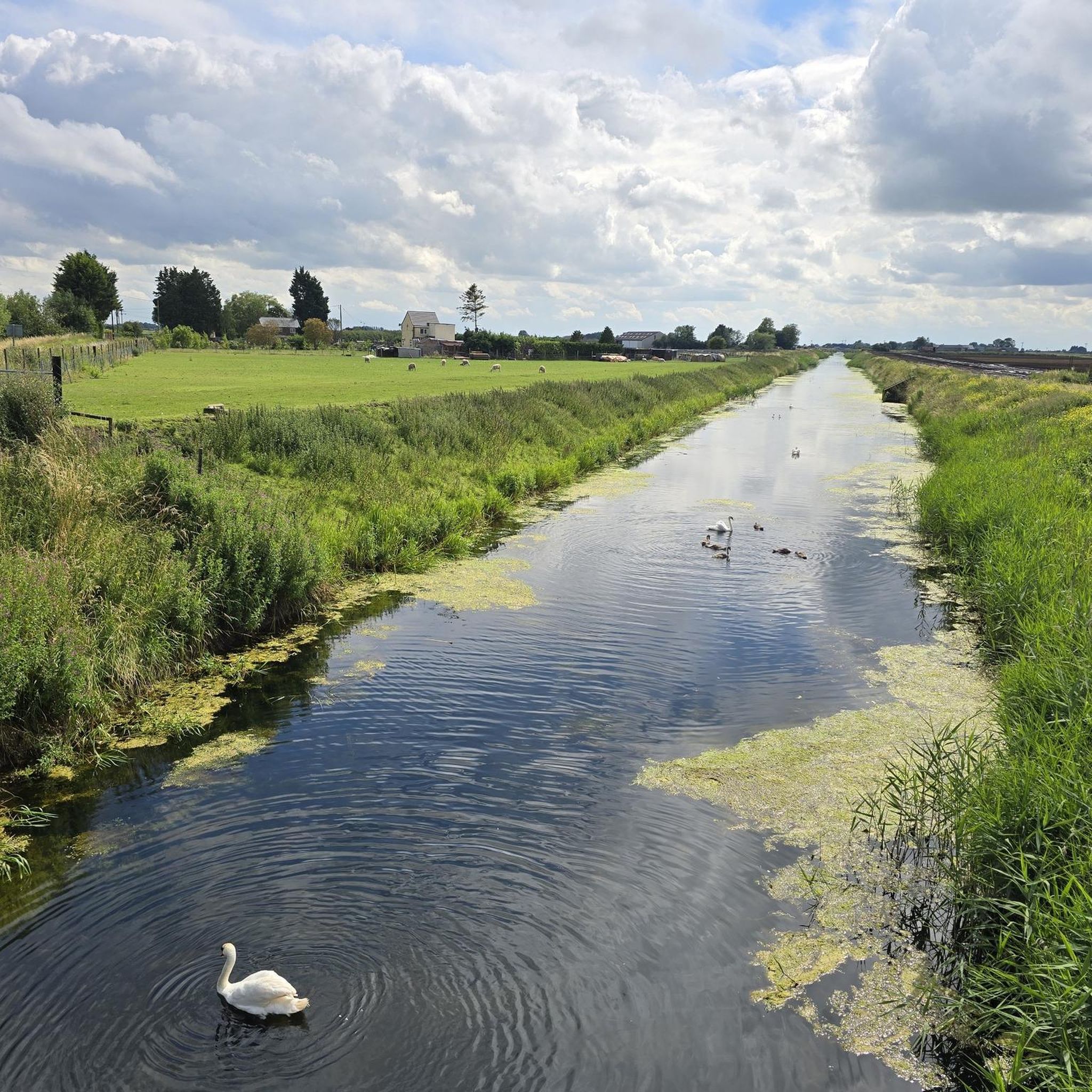
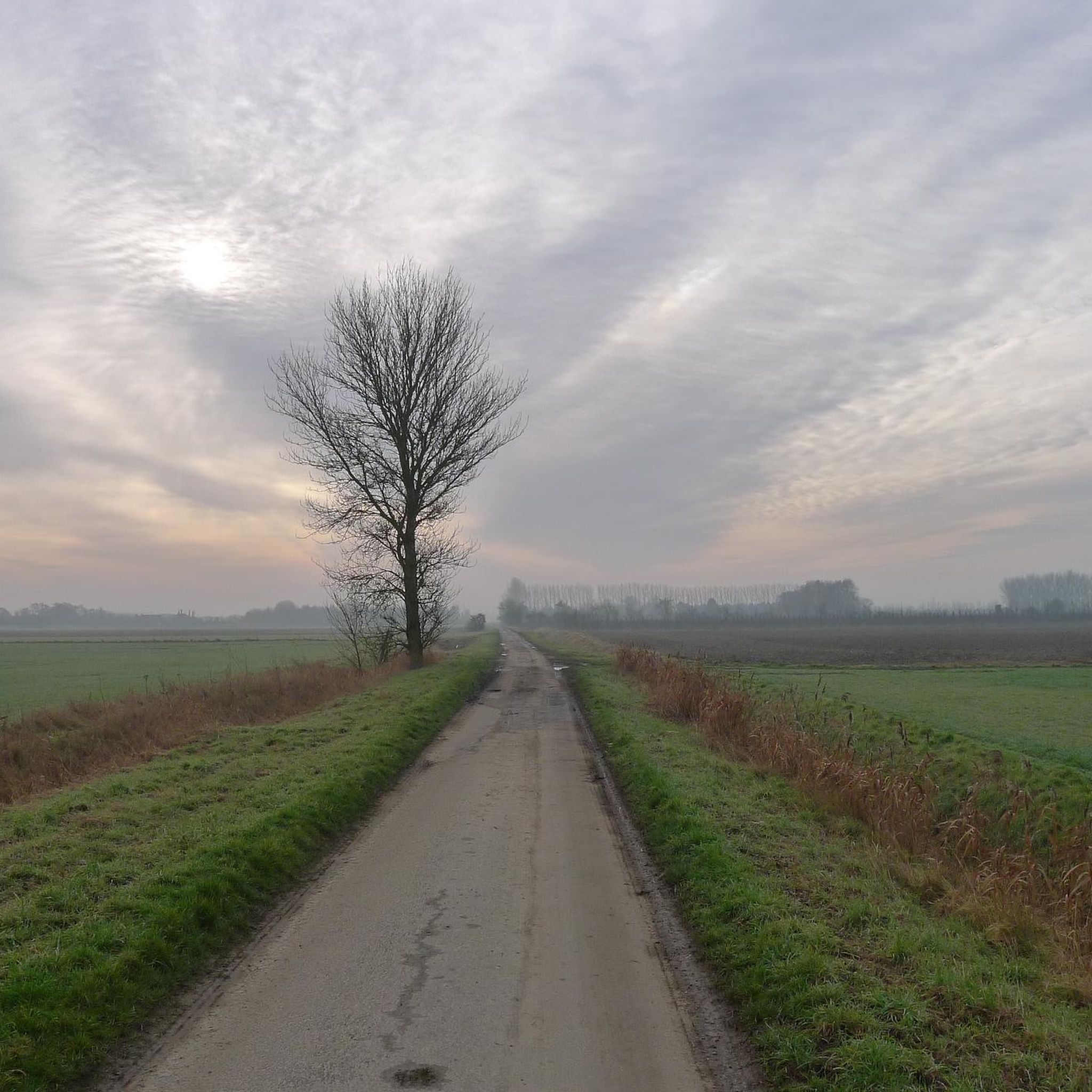
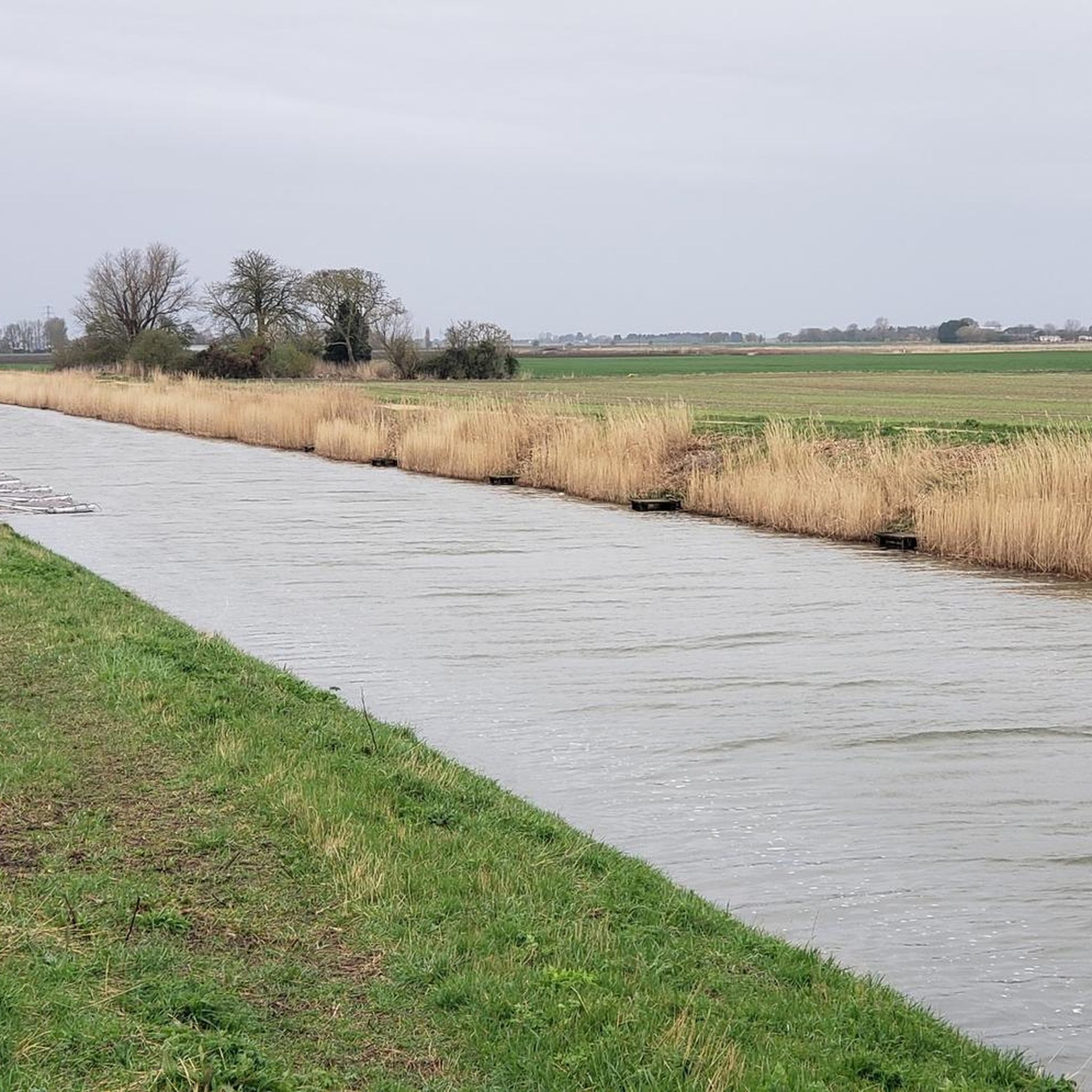
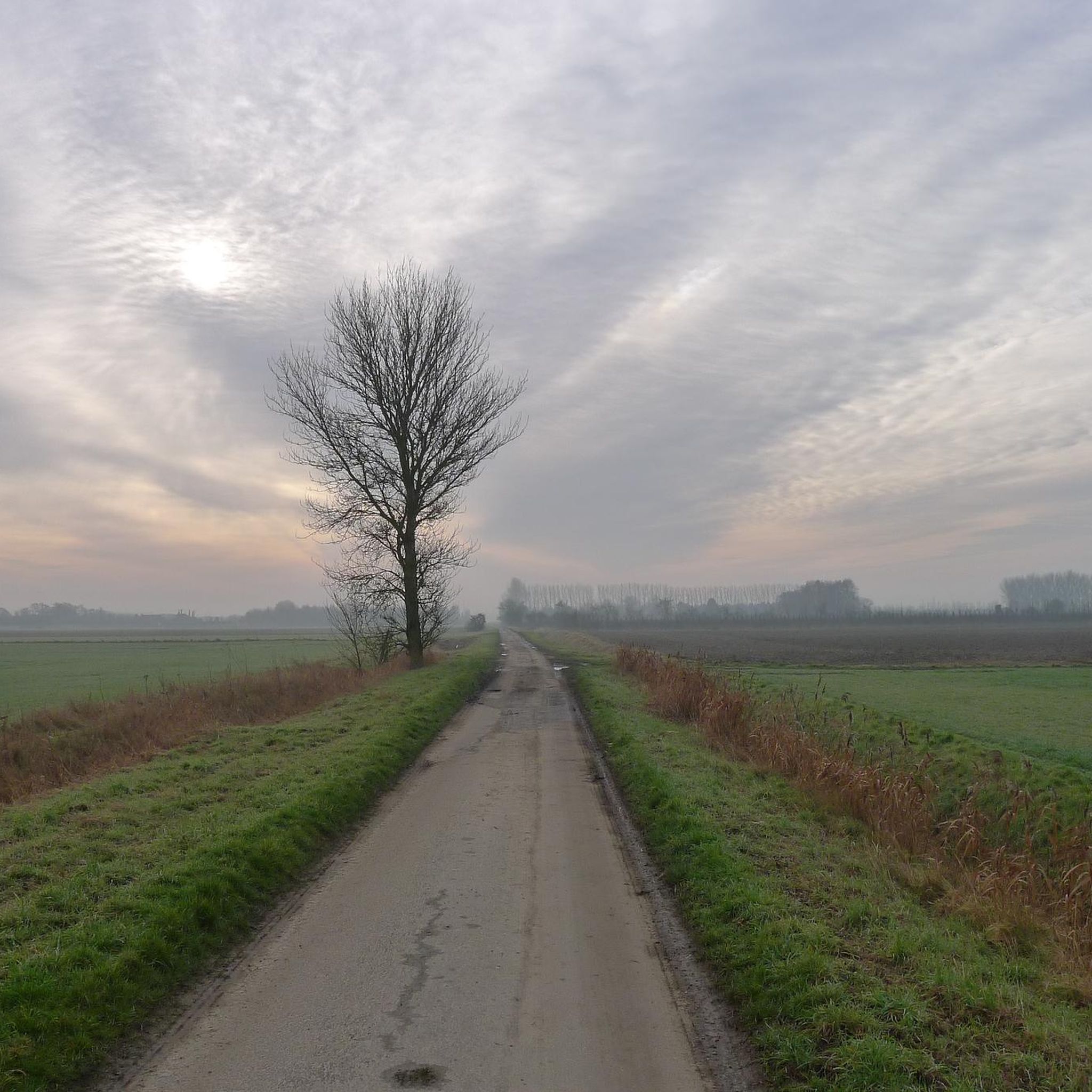
Best attractions and places to see around Newton (Fenland) include a unique landscape within the Fenland District of Cambridgeshire, England. This area is characterized by its flat, low-lying terrain, which forms part of the historic Fens, a distinctive wetland habitat largely shaped by centuries of drainage. The village itself offers a glimpse into local history, while the wider Fenland provides a variety of cultural and natural points of interest. Visitors can explore historical sites and experience the expansive skies and agricultural character of this unique region.
Best attractions and places to see around Newton (Fenland)
- The most popular attractions is Clarkson Memorial, Wisbech, a historical site that commemorates Thomas Clarkson, a central figure in the campaign against the slave trade. This 68-foot high memorial features bas-reliefs depicting key figures and a manacled slave.
- Another must-see spot is Wisbech Town Centre and St. Peter and St. Paul Church, a settlement with historical significance. Visitors can explore the market town, its museums, and the large church with gardens, offering a place for a rest stop.
- Visitors also love Cross Keys Bridge, a viewpoint and Grade II listed swing bridge. It spans the tidal River Nene, serving as a crucial crossing point and offering expansive views over the river.
- Newton (Fenland) is known for its historical sites, unique natural features, and cultural landmarks. The area offers a variety of attractions to see and explore, from ancient churches to significant memorials and distinctive landscapes.
- The attractions around Newton (Fenland) are appreciated by the komoot community, with 9 upvotes and 5 photos shared.
Last updated: July 2, 2026
Clarkson Memorial, Wisbech
Highlight • Historical Site
The whole structure is 68 feet (20.6 m) high. On three of the four sides are carved bas-reliefs, representing William Wilberforce and Granville Sharp, both prominent figures in the campaign against the slave trade, and a manacled slave. The fourth side bears an inscription to the memory of Clarkson.
Tip by

Elgood's Brewery & Gardens
Highlight • Structure
Tip by

Sign up now to discover places like this
Get recommendations on the best single tracks, peaks, & plenty of other exciting outdoor places.
Sign up for free
Cross Keys Bridge
Highlight • Viewpoint
It's the only crossing point for both traffic, pedestrians and cyclists over the river north of the Wisbech, 9 miles (14.5 km) to the south. For this reason it's a notorious bottleneck for vehicles.
On the north side is a separate bridge for cyclists and pedestrians, with expansive views over the tidal Nene.
Tip by

Wisbech Town Centre and St. Peter and St. Paul Church
Highlight • Settlement
Tip by

World War II Bunker on Old Railway Cycleway
Highlight • Historical Site
Tip by

Sign up for free to discover even more attractions around Newton (Fenland).
Sign up for free
Already have an account?
Start today with a free account
Your next adventure awaits.
Login or Signup
Tips from the Community

Cross Keys Bridge is a grade II listed swing bridge at Sutton Bridge which spans the tidal River Nene. It's the only crossing point for both traffic, pedestrians and cyclists over the river north of the Wisbech, 9 miles (14.5 km) to the south. For this reason it's a notorious bottleneck for vehicles. On the north side is a separate bridge for cyclists and pedestrians, with expansive views over the tidal Nene.
2
0
The North Brink Brewery was built in 1795 and bought by the Elgood family in 1878. It was extensively renovated in a Georgian style and first classic Georgian Breweries to be built outside London. The Hop Rooms and gardens are open to the public on scheduled open days. See https://www.elgoods-brewery.co.uk/ for more information.
1
0

It has a rich history dating back to 1795, making it one of the oldest family-owned breweries in the United Kingdom. Elgood's is well-known for its traditional brewing methods and a wide range of beers, including ales and speciality brews.
1
0

Unsurprisingly, most of the nearby pubs stock this stuff.
0
0
Grand landmark overlooking the riverside as you come into town.
0
0
Wisbech has really suffered lately. The town centre is a sea of empty or down at heel shops. Shame, as some of the local buildings show how grand this place used to be.
0
0
The cycleway on the old railway trackbed allows you to avoid the busy A17. The western entrance, accessed from the turning next to the Cross Keys Bridge, isn’t very obvious but it’s easy to find at the eastern end.
0
0

The Clarkson Memorial in Wisbech, commemorates Thomas Clarkson, a central figure in the campaign against the slave trade in the British empire, and a former native of Wisbech. It was erected in 1880–1881. The whole structure is 68 feet (20.6 m) high. On three of the four sides are carved bas-reliefs, representing William Wilberforce and Granville Sharp, both prominent figures in the campaign against the slave trade, and a manacled slave. The fourth side bears an inscription to the memory of Clarkson.
1
0
Frequently Asked Questions
What historical and cultural sites can I explore around Newton (Fenland)?
The area offers a rich history. You can visit the Clarkson Memorial, Wisbech, which commemorates Thomas Clarkson's anti-slavery efforts. The Wisbech Town Centre and St. Peter and St. Paul Church provides a glimpse into a historic market town. Within Newton itself, the medieval St James' Church, dating back to the 12th century, is a notable landmark. Additionally, the area was historically a center for woad production, and while no mills remain, you can learn about it at the Wisbech & Fenland Museum.
Are there any unique natural features or viewpoints in the Fenland area near Newton?
Yes, the Fenland landscape itself is a significant natural feature, characterized by its flat, low-lying terrain, vast skies, and unique wetland habitat. You can experience expansive views from Cross Keys Bridge, a Grade II listed swing bridge spanning the tidal River Nene. The wider Fens, a historic wetland, are criss-crossed with drainage ditches and dykes, offering a distinctive environment.
What outdoor activities, like hiking or cycling, can I do near Newton (Fenland)?
The Fenland area provides various outdoor opportunities. For hiking, you can find easy hikes around Newton (Fenland), including routes like the Clarkson Memorial loop from Wisbech. Cyclists can explore cycling routes around Newton (Fenland), such as the North Sea Cycle Route: Wisbech and King's Lynn Loop or the River Nene Loop. There are also running trails available, like the Leverington to Newton loop.
Are there family-friendly attractions or activities around Newton (Fenland)?
Several attractions are suitable for families. Elgood's Brewery & Gardens in Wisbech offers pleasant gardens to explore. The World War II Bunker on Old Railway Cycleway can be an interesting historical stop for families. The general flat terrain of the Fenland also makes many walking and cycling routes accessible for families.
What is the best time of year to visit Newton (Fenland) for outdoor activities?
The Fenland landscape can be enjoyed year-round, but for outdoor activities like hiking and cycling, spring and summer offer the most pleasant weather. During these seasons, the gardens at places like Elgood's Brewery & Gardens are particularly vibrant. The vast skies and open landscape are beautiful in all seasons, but can be exposed to wind and rain in autumn and winter.
Where can I find historical insights into the Fenland's past, beyond the main attractions?
Beyond the prominent landmarks, the Fenland itself tells a story of centuries of drainage and agricultural development. Newton was historically significant for growing and processing woad, a blue dye. While no woad mills remain, their history is preserved, and a model can be seen at the Wisbech & Fenland Museum. The remains of the College of St Mary by the Sea, a 15th-century pilgrimage site, are also believed to be within the grounds of Newton's old rectory.
Are there any places to see wildlife near Newton (Fenland)?
The Fens, despite significant drainage, remain a unique wetland habitat supporting diverse wildlife. You might spot various plant species, dragonflies, beetles, and birds such as wading birds, common cranes, and barn owls in the remaining fen fragments and along the numerous drainage ditches and dykes.
What are some lesser-known or 'hidden gems' to discover around Newton (Fenland)?
While not strictly 'hidden,' the historical significance of Newton as a woad processing center is a unique local detail. The remains of the College of St Mary by the Sea, a former 15th-century pilgrimage site, offer a glimpse into a long-lost part of the village's past. Exploring the quiet backroads and drainage channels of the Fens can also reveal unexpected views and a profound sense of solitude.
Is there parking available at attractions near Newton (Fenland)?
Parking availability varies by attraction. For places like Elgood's Brewery & Gardens and the Wisbech Town Centre, there are usually designated parking areas or public car parks nearby. For smaller, more rural sites like St James' Church in Newton, roadside parking might be available, but it's always advisable to check local signage.
Are there any dog-friendly walking options around Newton (Fenland)?
Many of the public footpaths and trails across the flat Fenland landscape are suitable for dog walking, provided dogs are kept under control, especially near livestock. The old railway cycleway, which features the World War II Bunker, offers a good, traffic-free option. Always remember to clean up after your dog.
What is the significance of the Fenland landscape itself?
The Fenland is a distinctive and historic wetland landscape, largely man-made through centuries of drainage to create fertile agricultural land. It was once the largest wetland area in England. Its unique character is defined by its flatness, vast skies, and the intricate network of drainage ditches, dykes, and rivers that criss-cross the region.
Are there any attractions that are wheelchair accessible near Newton (Fenland)?
The flat terrain of the Fenland makes some areas more accessible. Cross Keys Bridge has a separate bridge for cyclists and pedestrians, which may offer wheelchair access. When visiting specific attractions like museums or historical buildings, it's recommended to check their individual accessibility information beforehand.

Get inspired with the komoot mobile app


Explore more
Still not found the Highlight you’re looking for? See guides of the top attractions in other regions:
