The best road cycling routes around Windberg
4.3
(227)
2,636
riders
185
rides
Road cycling around Windberg features routes that traverse the Danube River valley and surrounding rural landscapes. The terrain includes gentle ascents and descents, with some routes offering views of the river and local villages. The region is characterized by a mix of open fields and forested sections, providing varied scenery for road cyclists.
Best road cycling routes around Windberg
- The most popular road cycling route is St. George's Church in Gmünd – Danube River loop from Hunderdorf, a 50.5…
Last updated: October 11, 2026
3.7
(3)
48
riders
81.3km
03:09
240m
240m
Moderate road ride. Good fitness required. Mostly well-paved surfaces and easy to ride.
4.7
(3)
45
riders
75.8km
03:09
360m
360m
Moderate road ride. Good fitness required. Some segments of this route may be unpaved and difficult to ride.

4.0
(2)
19
riders
29.7km
01:45
650m
650m
Moderate road ride. Good fitness required. Some segments of this route may be unpaved and difficult to ride.
5.0
(1)
22
riders
56.8km
02:13
190m
190m
Moderate road ride. Good fitness required. Mostly well-paved surfaces and easy to ride.
5.0
(1)
18
riders
27.2km
01:11
160m
160m
Moderate road ride. Great for any fitness level. Some segments of this route may be unpaved and difficult to ride.
Get access to more routes and recommendations from other explorers.
Already have an account?
Our route recommendations are based on thousands of hikes, rides, and runs completed by other people on komoot.
Start today with a free account
Your next adventure awaits.
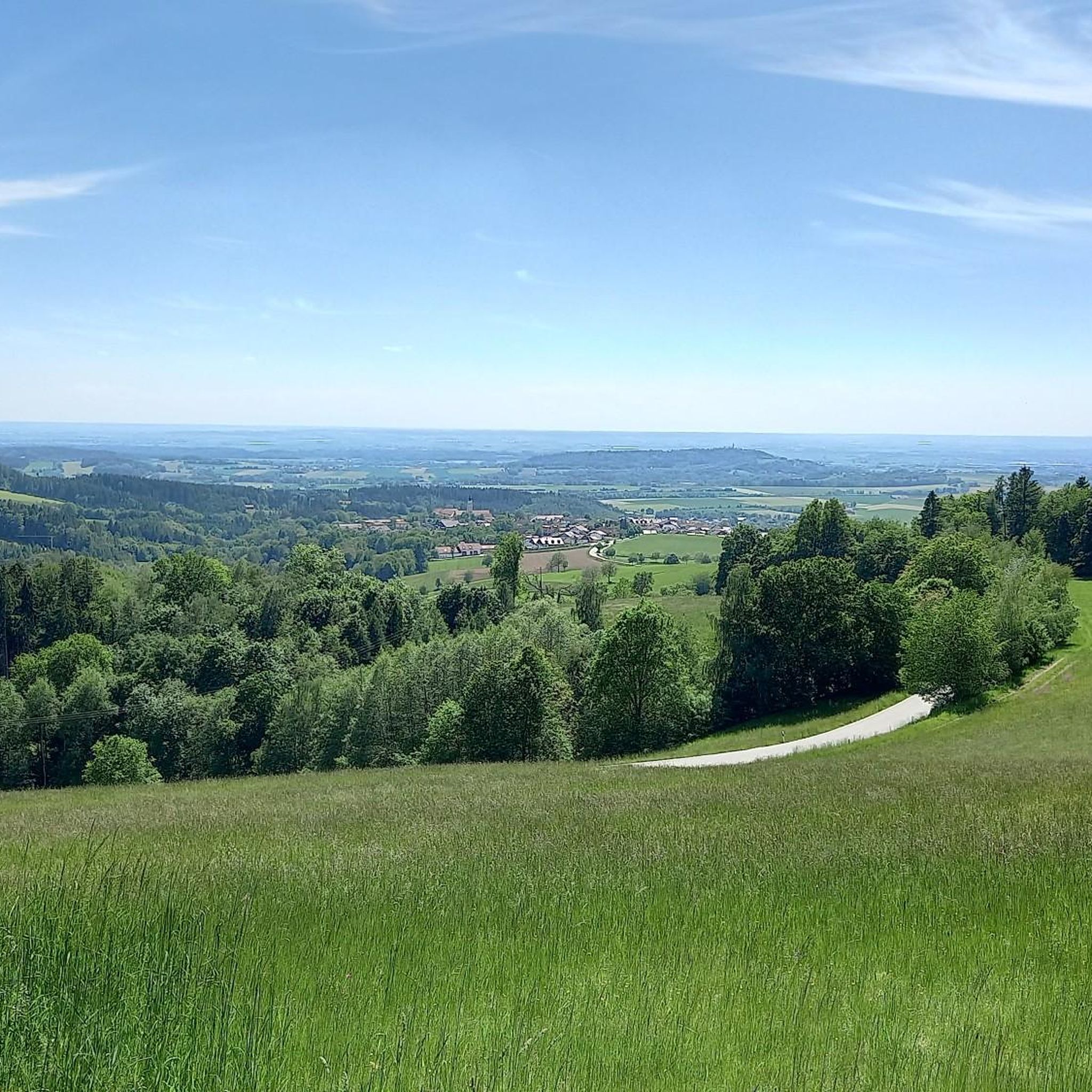
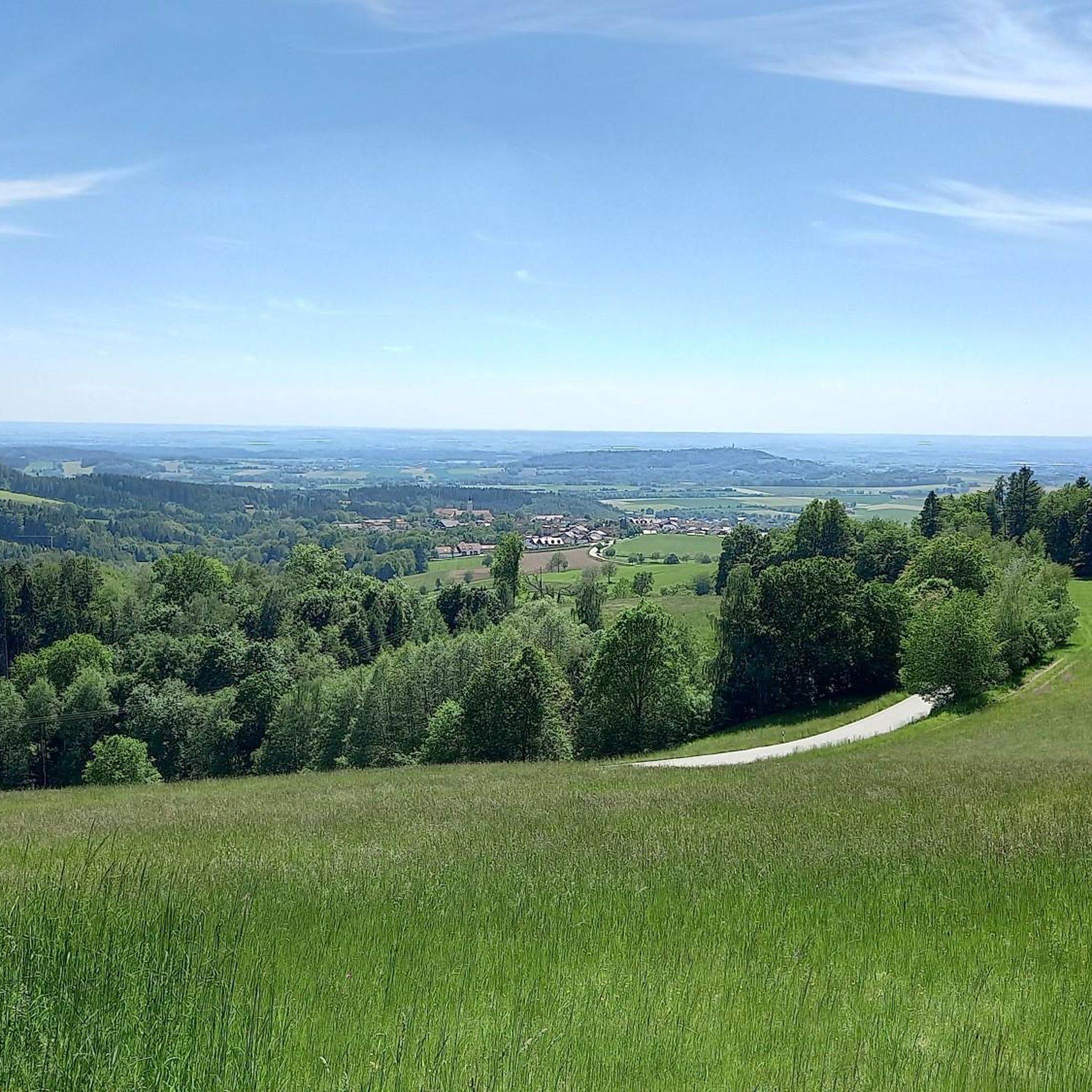
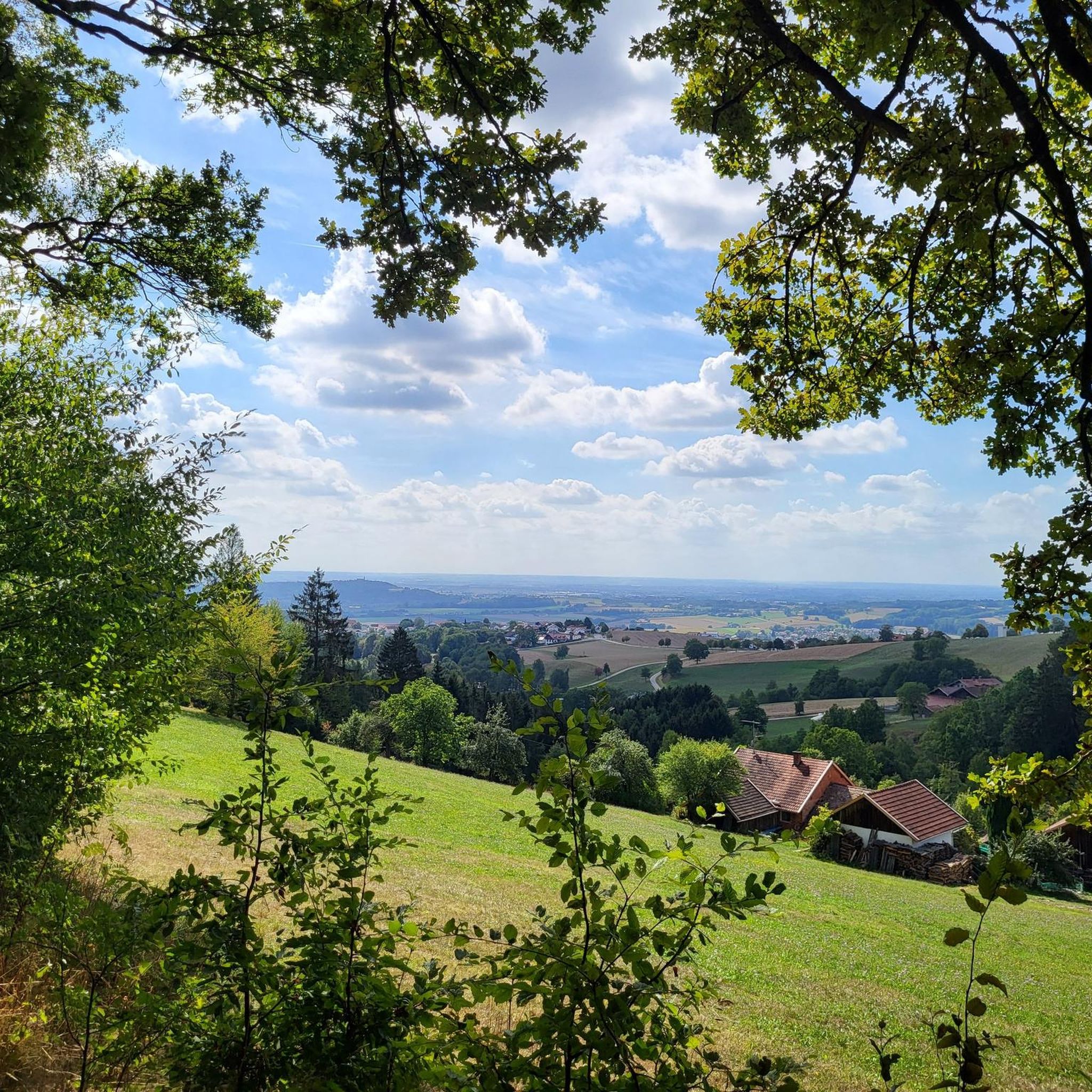
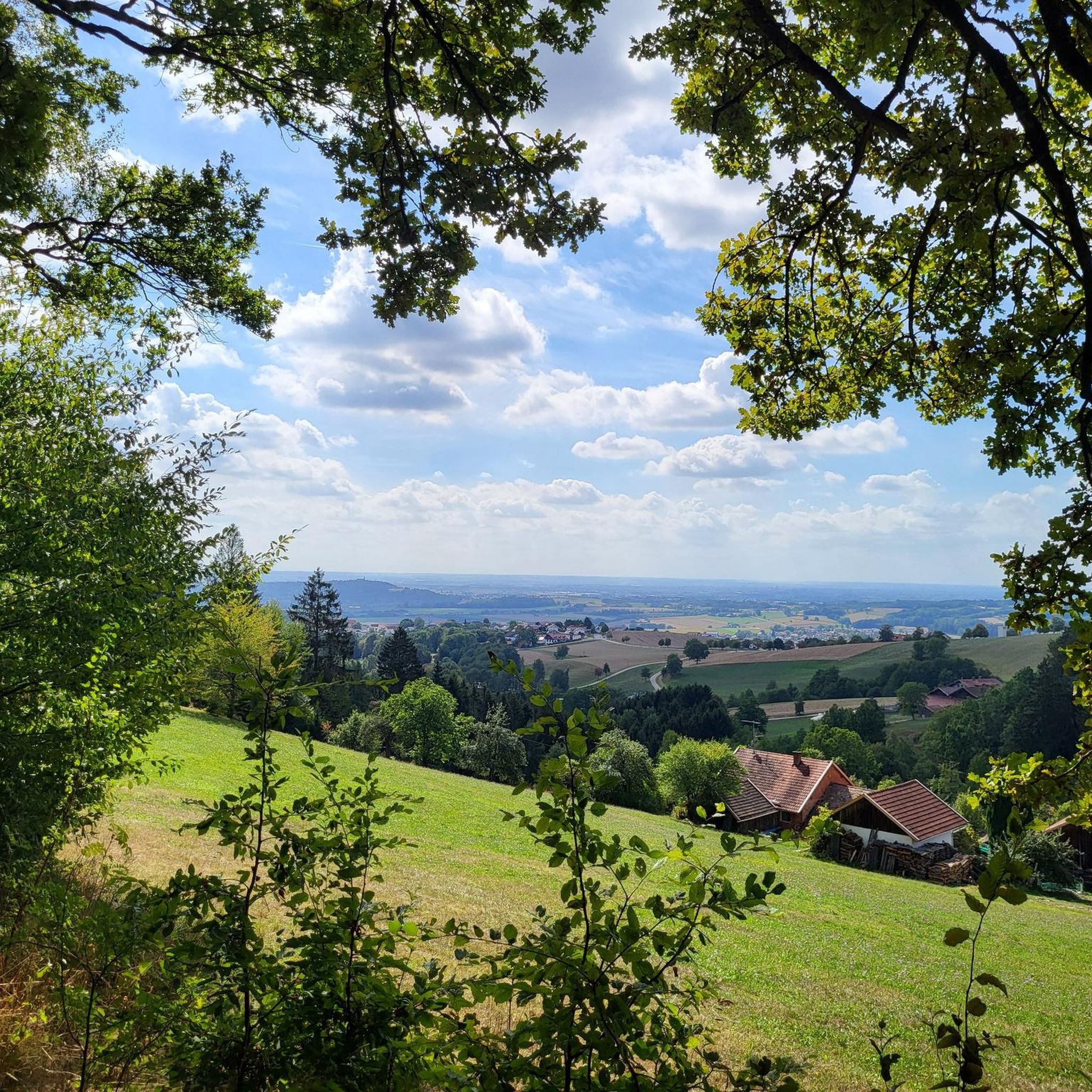

Tips from the Community


write something again? This view reveals: shortly before Herrmannsdorf: "Zur Pause" Schnaitter is within reach ;-)
0
0
a short prayer before departure - can't hurt, as they say.
0
0

gives some nice spots on the Danube to linger
0
0

The Bogenberg, often called the „Holy Mountain of Lower Bavaria“, is much more than just an elevation on the Danube. It is a historically significant pilgrimage site, an important natural monument, and the „cradle“ of one of the most famous Bavarian symbols. After the family line died out in 1242, their possessions and coat of arms passed to the Wittelsbachs. Thus, the lozenge coat of arms of Bogen became the Bavarian state symbol. You can learn more at the Kreismuseum Bogenberg, which is located directly on the mountain.
0
0

Currently a construction site, you have to push your bike.
0
0
our village should become more beautiful ;-)
0
0

At the moment, renovations and sprucing up are underway...
1
0
Frequently Asked Questions
How many road cycling routes are available around Windberg?
The Windberg region offers a wide selection of road cycling routes, with over 190 tours available on komoot. These routes cater to various skill levels, from easy to difficult.
What are the typical lengths and durations of road cycling routes in Windberg?
Route lengths vary significantly. For example, the moderate St. George's Church in Gmünd – Danube River loop from Hunderdorf is about 50.5 miles (81.3 km) and takes around 3 hours 9 minutes. Shorter options like the Village Square in Perasdorf – Wasserspiele Miniature Village loop from Neukirchen cover 18.7 miles (30.1 km) in about 1 hour 45 minutes.
Are there easy road cycling routes suitable for beginners or families in Windberg?
Yes, Windberg offers 29 easy road cycling routes. Many routes follow the Danube River valley, which often features gentler terrain. While specific family-friendly routes aren't highlighted, the region's mix of open fields and river sections can be suitable for less experienced riders.
Are there challenging road cycling routes for advanced cyclists in Windberg?
Absolutely. For those seeking more challenge, there are 51 difficult road cycling routes around Windberg. The Village Square in Perasdorf – Wasserspiele Miniature Village loop from Neukirchen, for instance, features rolling hills with an elevation gain of over 660 meters, providing a good workout.
What kind of scenery can I expect on road cycling routes in Windberg?
Road cycling around Windberg offers diverse scenery, including routes that traverse the Danube River valley, providing views of the river and local villages. You'll also encounter a mix of open fields and forested sections, characteristic of the rural landscapes.
What are some scenic viewpoints or landmarks I can see along the routes?
While cycling, you might encounter various points of interest. Notable summits and viewpoints in the broader region include Pröller summit cross, Hirschenstein, and Predigtstuhl Summit, offering panoramic views of the surrounding landscape.
Are there circular road cycling routes available in Windberg?
Many of the road cycling routes in Windberg are designed as loops, allowing you to start and end at the same point. Examples include the Oberalteich Church – Danube River loop from Neukirchen and the View of Donaupark Deggendorf – Metten Abbey loop from Windberg.
What is the best time of year for road cycling in Windberg?
The region's terrain, with its river valleys and rural landscapes, is generally enjoyable from spring through autumn. While specific weather conditions vary, these seasons typically offer the most pleasant temperatures for road cycling. Winter cycling is possible but may require checking road conditions due to potential ice or snow.
Are there opportunities for cafe stops or refreshments along the road cycling routes?
Given the routes often connect local villages and traverse rural areas, you can expect opportunities for cafe stops or places to grab refreshments. Many villages along the Danube River valley offer local eateries and bakeries.
What do other road cyclists enjoy most about road cycling in Windberg?
The area is highly rated by the komoot community, with an average score of 4.4 stars from over 160 reviews. Cyclists often praise the varied terrain, scenic views of the Danube River, and the well-maintained paths that connect charming local villages.
Where can I find parking for road cycling routes in Windberg?
While specific parking locations aren't detailed for every route, starting points in towns and villages like Hunderdorf or Neukirchen, as mentioned in routes like Roadbike loop from Neukirchen, typically offer public parking options suitable for accessing the trails.
Most popular routes around Windberg
Most popular attractions around Windberg

Get inspired with the komoot mobile app


Explore more
Browse the best Road cycling routes in other regions.
