Attractions and Places To See around Haslington - Top 20
Best attractions and places to see around Haslington include a mix of historical landmarks, local community spaces, and natural beauty. This charming village in Cheshire East, England, provides access to cultural sites and outdoor activities. Visitors can explore significant historical buildings and enjoy tranquil green spaces within the village and its surroundings.
Best attractions and places to see around Haslington
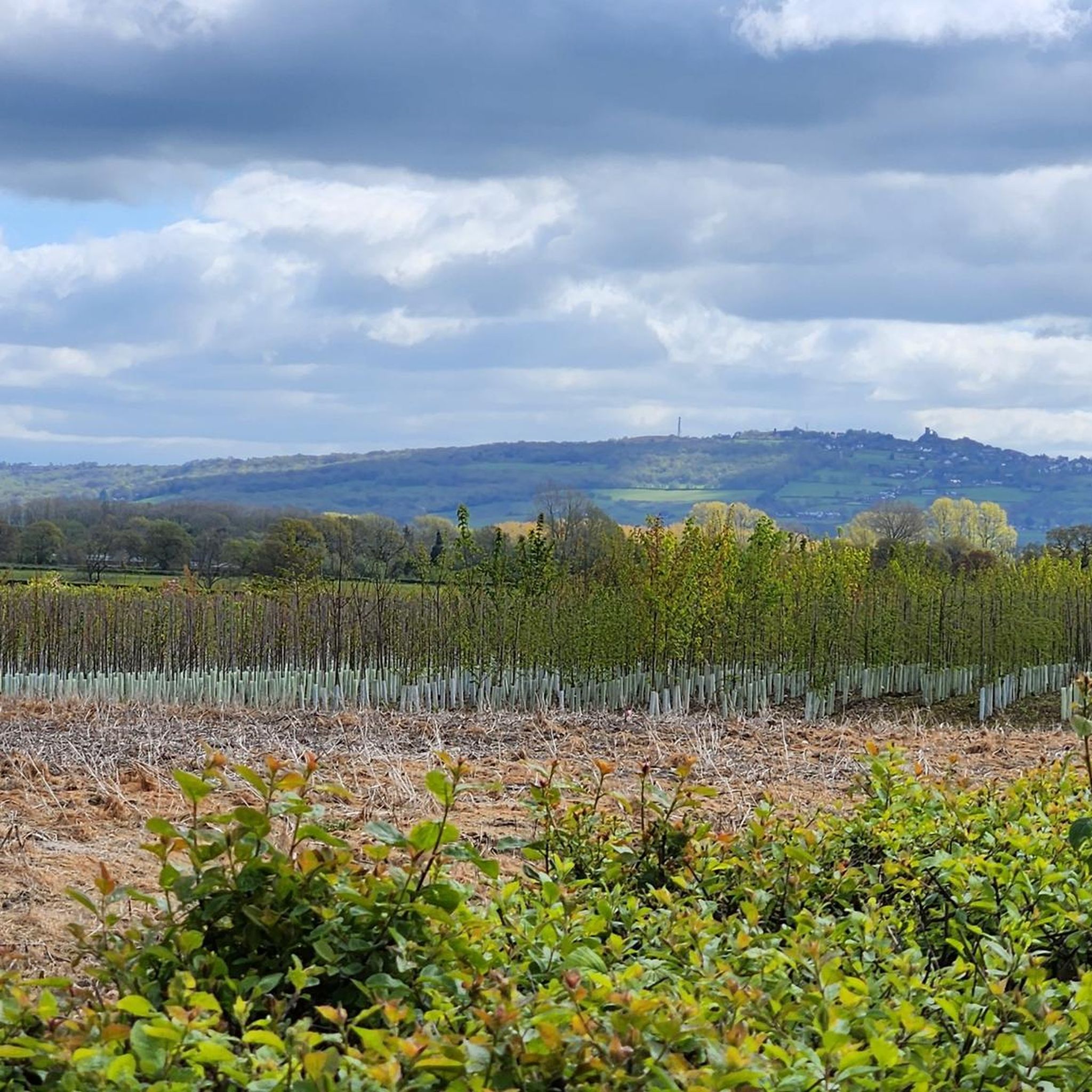
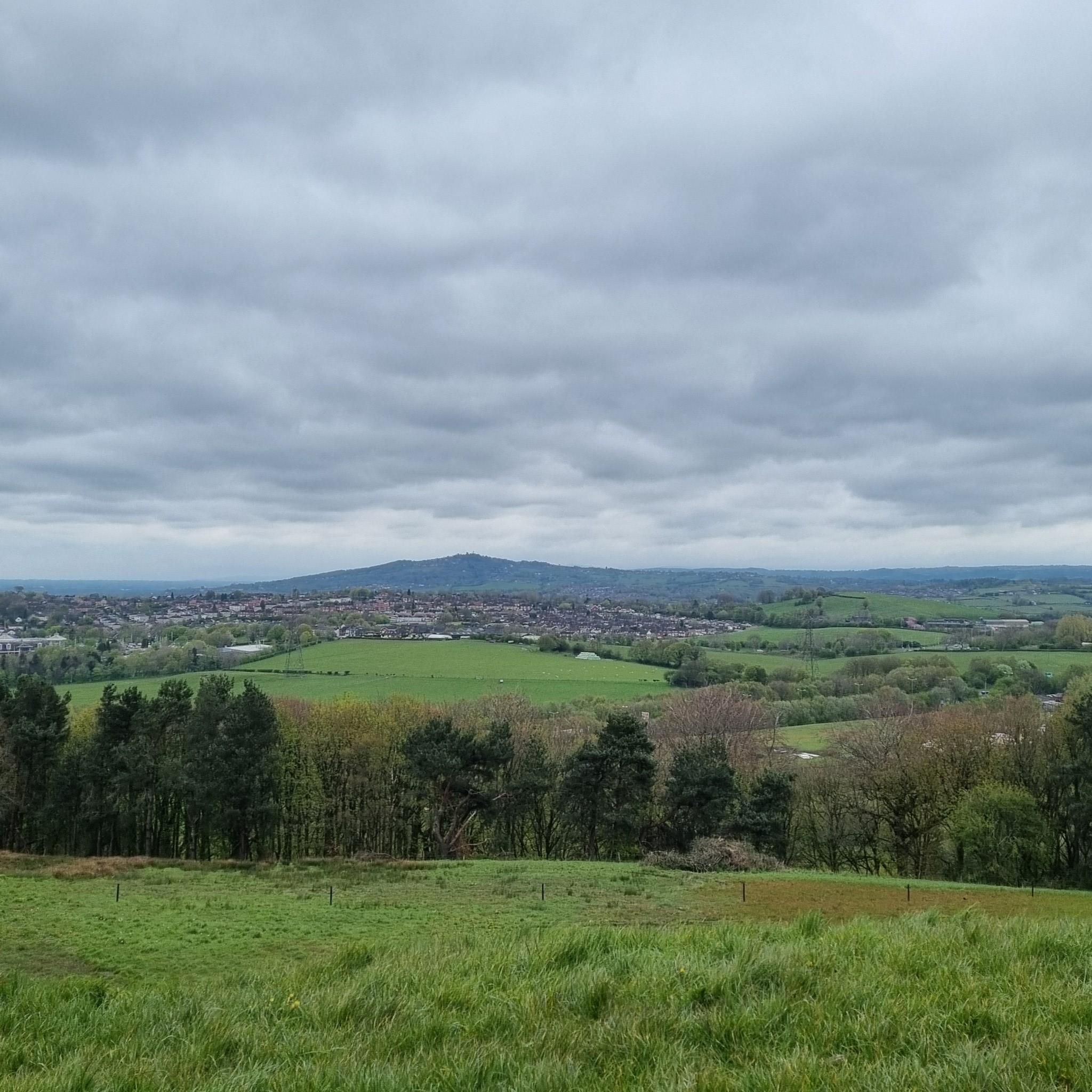
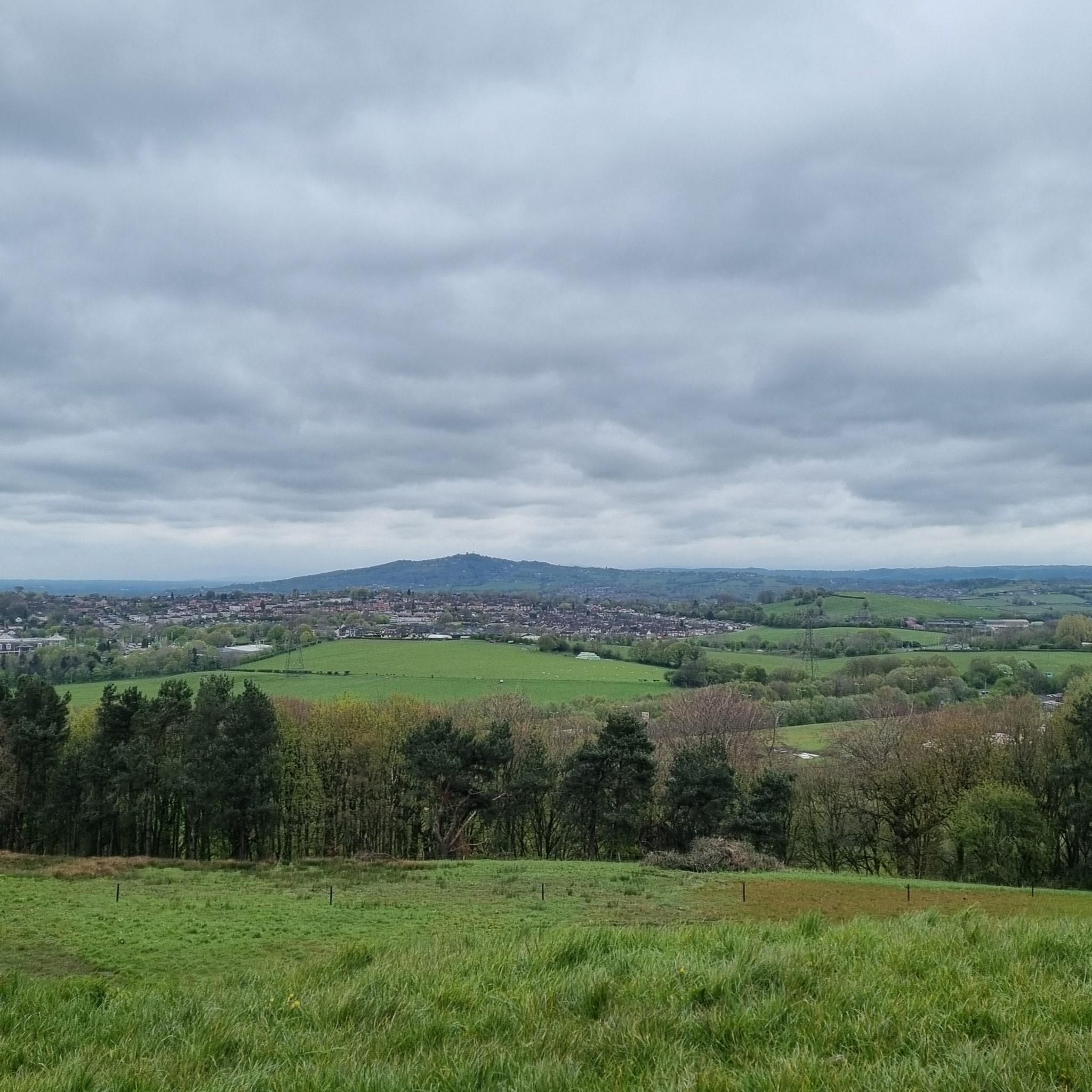
- The most popular attractions is Mow Cop Castle, a viewpoint that is a folly summerhouse built in 1754. It offers panoramic views of the Staffordshire moorlands and the Cheshire Plain.
- Another must-see spot is John Wedgwood Monument, Bignall Hill, a historical site dedicated to a former local employer. This Grade II listed monument provides sweeping 360-degree views across the Cheshire Plains, Peak District, and North Wales.
- Visitors also love Salt Line Trail Entrance, a cycle way that runs through farmland and woodlands. This trail is suitable for families and hikers, featuring diverse flora and fauna.
- Haslington is known for its historical sites, viewpoints, and walking trails. The area offers a variety of attractions to see and explore, from ancient monuments to natural paths.
- The attractions around Haslington are appreciated by the komoot community, with more than 170 upvotes and over 190 photos shared by visitors.
Last updated: August 16, 2026
Mow Cop Castle
Highlight • Viewpoint
Tip by

Salt Line Trail Entrance
Highlight • Cycleway
Tip by

Sign up now to discover places like this
Get recommendations on the best single tracks, peaks, & plenty of other exciting outdoor places.
Sign up for free
John Wedgwood Monument, Bignall Hill
Highlight • Historical Site
(NOT Josiah Wedgwood)
Wedgwood's monument was initially an obelisk erected in 1850.
Following storm damage in 1976 it was reduced to a quarter of its original size, although the base is still substantial.
The monument is a Grade II listed building.
The monument is today reachable by footpaths, and is the highest point in the area.
It affords sweeping 360-degree views: south to Cannock Chase and the city of Stoke-on-Trent; north across the Cheshire Plains to Jodrell Bank radio telescope; east to Mow Cop Castleand the Peak District; and west to the mountains of North Wales and Snowdonia.
Source: Wikipedia
Tip by

Sandbach Saxon Crosses
Highlight • Monument
Tip by

Little Moreton Hall
Highlight • Historical Site
Today, you can visit the beautiful house and its gardens. Moreton Hall has irregular opening hours so check their website before visiting. Tickets for adults cost £12. You can find more information, here: nationaltrust.org.uk/little-moreton-hall
Tip by

Sign up for free to discover even more attractions around Haslington.
Sign up for free
Already have an account?
Start today with a free account
Your next adventure awaits.
Login or Signup

Tips from the Community

„Today the Salt Line runs through farmland and woodlands, with streams, pools and rough grassland. Wild primroses brighten up the steep cutting at Roughwood Hollow while later in the year the delicate flowers of scabious and harebell can be seen on the banks. Areas of willow and hazel are coppiced regularly. This is an ancient woodland practice in which trees are cut every few years to produce timber that would have been traditionally used for thatching spars, barrel hoops, hurdles and baskets. Sheltered glades are created where flower and insects thrive, until the trees re-grow and the process begins again. Some areas are managed as wild flower meadows while others are left fairly wild and just cut back enough to keep the path clear. Look out for Bullfinches and Yellowhammers that feed on buds, berries and seeds along the Salt Line.“ Quelle: https://visitcheshire.com/trails/the-salt-line
0
0

Dogs cannot enter but seating outside small cafe and toilets lovely stop on route
1
0

A memorial monument erected in 1845 in memory of a local mine-owner John Wedgwood
0
0

From English Heritage : “These two massive Saxon stone crosses dominate the cobbled market square of Sandbach. They are elaborately carved with animals and Biblical scenes including the Nativity of Christ and the Crucifixion, and probably date from the 9th century. They were originally painted as well as carved, and they are among the finest surviving examples of Anglo-Saxon high crosses.”
0
0
English Heritage says “These two massive Saxon stone crosses dominate the cobbled market square of Sandbach. They are elaborately carved with animals and Biblical scenes including the Nativity of Christ and the Crucifixion, and probably date from the 9th century. They were originally painted as well as carved, and they are among the finest surviving examples of Anglo-Saxon high crosses.”
0
0
The plaque says “This is part of the ninth-century cross that was erected in 1578 to mark a charter granting Sandbach a weekly market. This piece survived Protestant extremists' attempts to destroy it and helped inspire the restoration of the crosses in 1810.”
0
0

Cyclists are asked to dismount on part of the trail due to rabbit burrows. Fabulous for families, and hikers too
0
0

Little Moreton Hall is an exquisite Tudor manor house nestled within the Cheshire countryside, just off the South Cheshire Way. This magnificent timber-framed structure, dating back to the 16th century, is renowned for its distinctive black-and-white façade and its charmingly crooked appearance.
2
0
Frequently Asked Questions
What historical landmarks can I explore within Haslington village?
Within Haslington village, you can discover several historical sites. Haslington Hall is a prominent Grade I listed timber-framed manor house dating back to 1480. The 17th-century Hawk Inn, a Grade II listed public house, is known for its carved woodwork. You can also see The Old House, another 17th-century building, and St. Matthew's Church, constructed in two phases in 1810 and 1909. The Old Smithy also stands as a charming landmark showcasing the village's heritage.
Are there any significant historical sites or monuments near Haslington?
Yes, the area surrounding Haslington offers several significant historical sites. You can visit Mow Cop Castle, a folly built in 1754 that provides panoramic views. The John Wedgwood Monument, Bignall Hill, a Grade II listed monument, offers sweeping 360-degree views. Further afield, you can explore the ancient Sandbach Saxon Crosses, dating back to the ninth century, and the stunning Tudor manor house, Little Moreton Hall, managed by the National Trust.
Where can I find scenic views or natural beauty spots around Haslington?
For scenic views, head to Mow Cop Castle, which offers panoramic vistas of the Staffordshire moorlands and the Cheshire Plain. The John Wedgwood Monument, Bignall Hill, also provides extensive 360-degree views across the Cheshire Plains, Peak District, and North Wales. Within Haslington, Haslington Park offers a tranquil space with lush greenery, and nearby Winterley Pool is an important refuge for mute swans.
What walking and hiking trails are available near Haslington?
There are various walking and hiking trails around Haslington. You can find easy routes like the Scenic Trail – White Poplar Trail loop or the Winterley Pool loop. For more options, explore the hiking guide for Haslington, which details several trails with varying distances and difficulties.
Are there options for cycling or mountain biking around Haslington?
Yes, the area offers opportunities for cycling and mountain biking. The Salt Line Trail Entrance is a cycle way that runs through farmland and woodlands, suitable for families and hikers. For mountain biking enthusiasts, you can find trails like the Wheelock Rail Trail – Winterley Pool loop. More detailed routes are available in the MTB Trails around Haslington guide.
Are there family-friendly attractions or activities in Haslington?
Haslington offers several family-friendly options. Haslington Park features a children's play area and is ideal for leisurely strolls and picnics. The Salt Line Trail is suitable for families, offering diverse flora and fauna. Nearby, Sandbach Saxon Crosses and Little Moreton Hall are also noted as family-friendly historical sites.
Are there any accessible trails or attractions for visitors with mobility considerations?
The Salt Line Trail Entrance is noted as wheelchair accessible, offering a path through farmland and woodlands. It's a good option for those seeking accessible outdoor experiences.
What is the best time of year to visit Haslington attractions?
The best time to visit Haslington attractions, especially for outdoor activities and enjoying the natural beauty, is typically during the spring, summer, and early autumn months (April to October). During these periods, the weather is generally milder and more conducive for exploring historical sites, parks, and trails. However, historical indoor attractions can be visited year-round.
Are there dog-friendly walking options near Haslington?
Yes, there are dog-friendly walking options. The John Wedgwood Monument, Bignall Hill, is explicitly listed as dog-friendly. Many of the local trails and parks, including those mentioned in the hiking guide for Haslington, are suitable for walks with dogs, though it's always advisable to check local signage for specific restrictions.
What do visitors enjoy the most about the attractions around Haslington?
Visitors particularly enjoy the diverse range of experiences, from the panoramic views at Mow Cop Castle and the John Wedgwood Monument to the tranquil walks along the Salt Line Trail. The historical significance of sites like Little Moreton Hall and the Sandbach Saxon Crosses is also highly appreciated. The komoot community has shared over 190 photos and given more than 170 upvotes, highlighting the area's appeal for both historical exploration and outdoor activities.
Are there any community spaces or local hubs in Haslington?
Yes, the Haslington Community Centre serves as a central hub for village life, hosting various social activities and events. It provides facilities for local groups, making it a focal point for community engagement and gatherings.
Can I find places to eat or drink near Haslington's attractions?
While specific cafes and pubs are not detailed for every attraction, Haslington village itself has local establishments. The 17th-century Hawk Inn is a historic public house within the village, offering a place for refreshments. Many walking routes around Haslington will likely pass through or near areas with local pubs and cafes.
Most popular routes around Haslington
Most popular attractions around Haslington

Get inspired with the komoot mobile app


Explore more
Still not found the Highlight you’re looking for? See guides of the top attractions in other regions:
