Attractions and Places To See around Dinnington St John'S - Top 20
Attractions and places to see around Dinnington St John'S, located in the Metropolitan Borough of Rotherham, South Yorkshire, offer a mix of historical sites and natural landscapes. The area, historically shaped by coal mining, now features revitalized green spaces and significant landmarks. Visitors can explore a variety of outdoor areas and cultural points of interest.
Best attractions and places to see around Dinnington St John'S
- The most popular attractions is Rother Valley Country Park, a country park that spans…
Last updated: May 21, 2026
Rother Valley Country Park
Highlight • Rest Area
Tip by

Langold Country Park Lake
Highlight (Segment) • Lake
Tip by

Sign up now to discover places like this
Get recommendations on the best single tracks, peaks, & plenty of other exciting outdoor places.
Sign up for free
Trans Pennine Trail: Brimington to Staveley Section
Highlight (Segment) • Cycleway
Tip by

Dead Man's Hole
Highlight • Natural Monument
Tip by

Roche Abbey Ruins
Highlight • Historical Site
Tip by

Sign up for free to discover even more attractions around Dinnington St John'S.
Sign up for free
Already have an account?
Start today with a free account
Your next adventure awaits.
Login or Signup


Tips from the Community

Ruins of a small Cistercian abbey in a dramatic valley with rocky limestone outcrops.
0
0
Langold Country Park was originally planned as a country house and park in the 18th century. The idea was revived in 1818 and although the house was never completed. By the 1890s a lake had been excavated and a weir with a single arch bridge had been constructed. During the early 20th century the area was developed for mining and the park became a leisure facility for the Langold miners, principally for fishing. In 1946 the coal mining industry was nationalised and the National Coal Board expanded the leisure facilities in the park. A lido or swimming pool was rebuilt in the early 1950s and a bandstand was added. In 1968 the mine closed and the park was taken over by the local authority. Mining equipment was moved and children's playgrounds and refreshment facilities were added.
0
0

Small elusive rock cave in the escarpment, just below the path. You will find it from the Top path via the semi-circle track. Supposedly haunted, it's popular with ghosthunters in the night. The cave was excavated in the 1960's which revealed ancient flint tools from the ice age and animal bones from animals such reindeer and hyena 12,000 years ago - That's Ten Thousand Years BC!
1
0
The park was formerly a mixture of meadows and marshy bullrush beds before the open cast excavation started. At the eastern side of the lake stands the Bedgrave Mill courtyard, where the visitor centre is located displaying the flood defence map and the original mill mechanism "flour into grain" exhibition from when it was a water mill. There is also a craft centre and "The Stables" cafe.
0
0
Small elusive rock cave in the escarpment, just below the path. You will find it from the Top path via the semi-circle track. Supposedly haunted, it's popular with ghosthunters in the night. The cave was excavated in the 1960's which revealed ancient flint tools from the ice age (more than 10,000 years ago) and animal bones from animals such as reindeer and hyena
1
0

Covering 300 acres of parkland and a Local Nature Reserve, the park links into Dyscarr Wood, a Site of Special Scientific Interest recognised as one of the best examples of a limestone ash-wych elm wood in Nottinghamshire. The park itself has woodlands, wildlife and butterfly meadows, grassy area, a lake, play areas, cafe and skate park, making it a great year-round day trip for all.
2
0

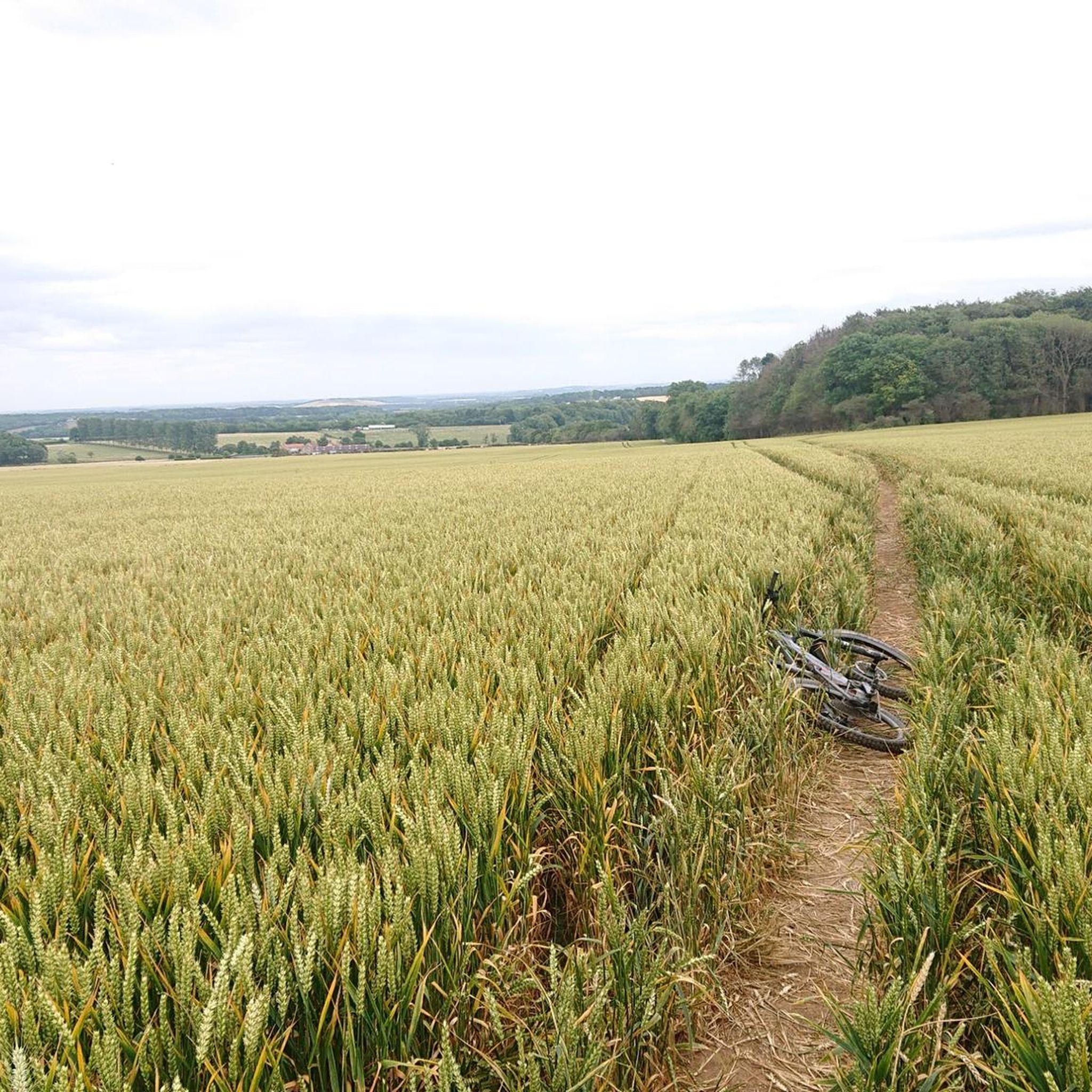
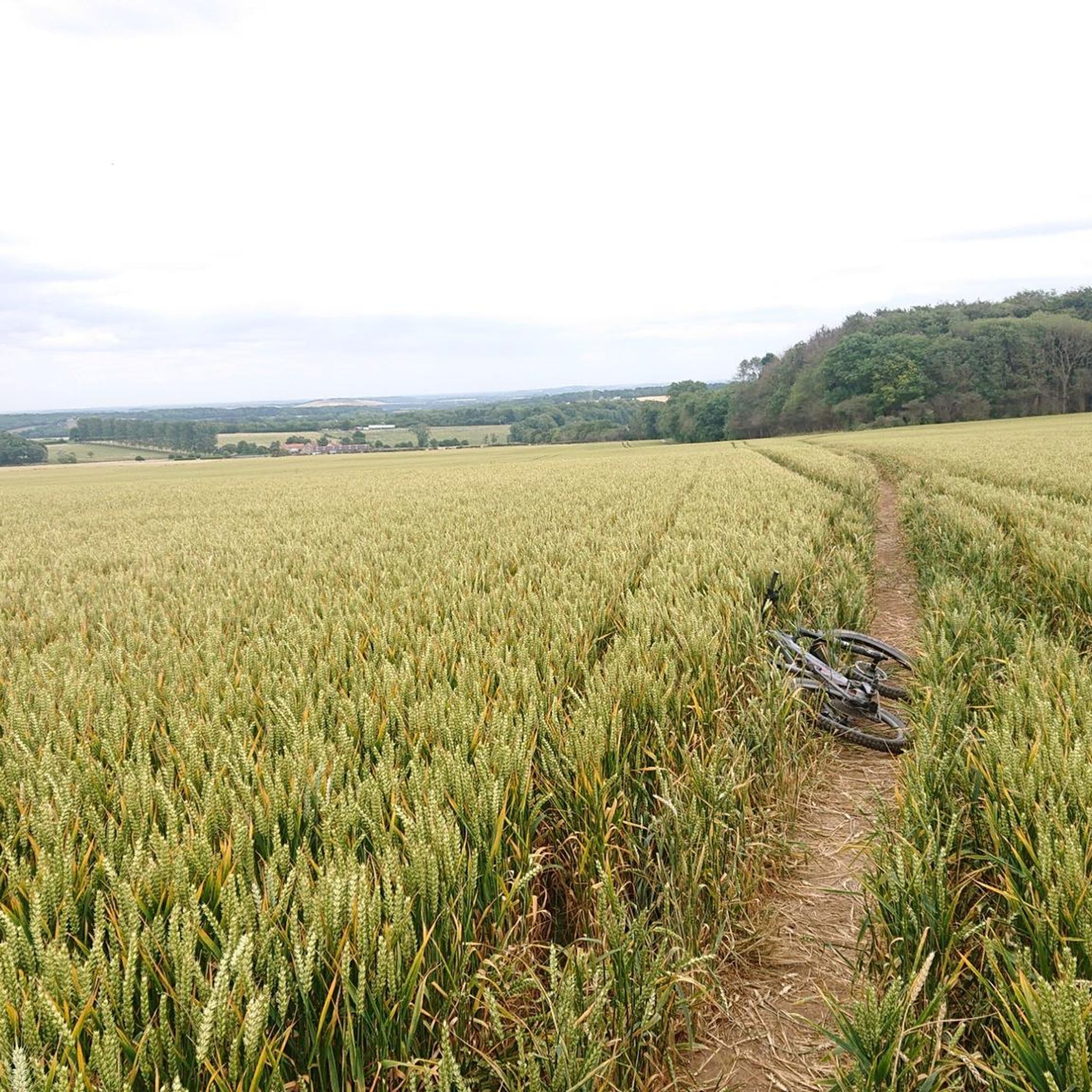
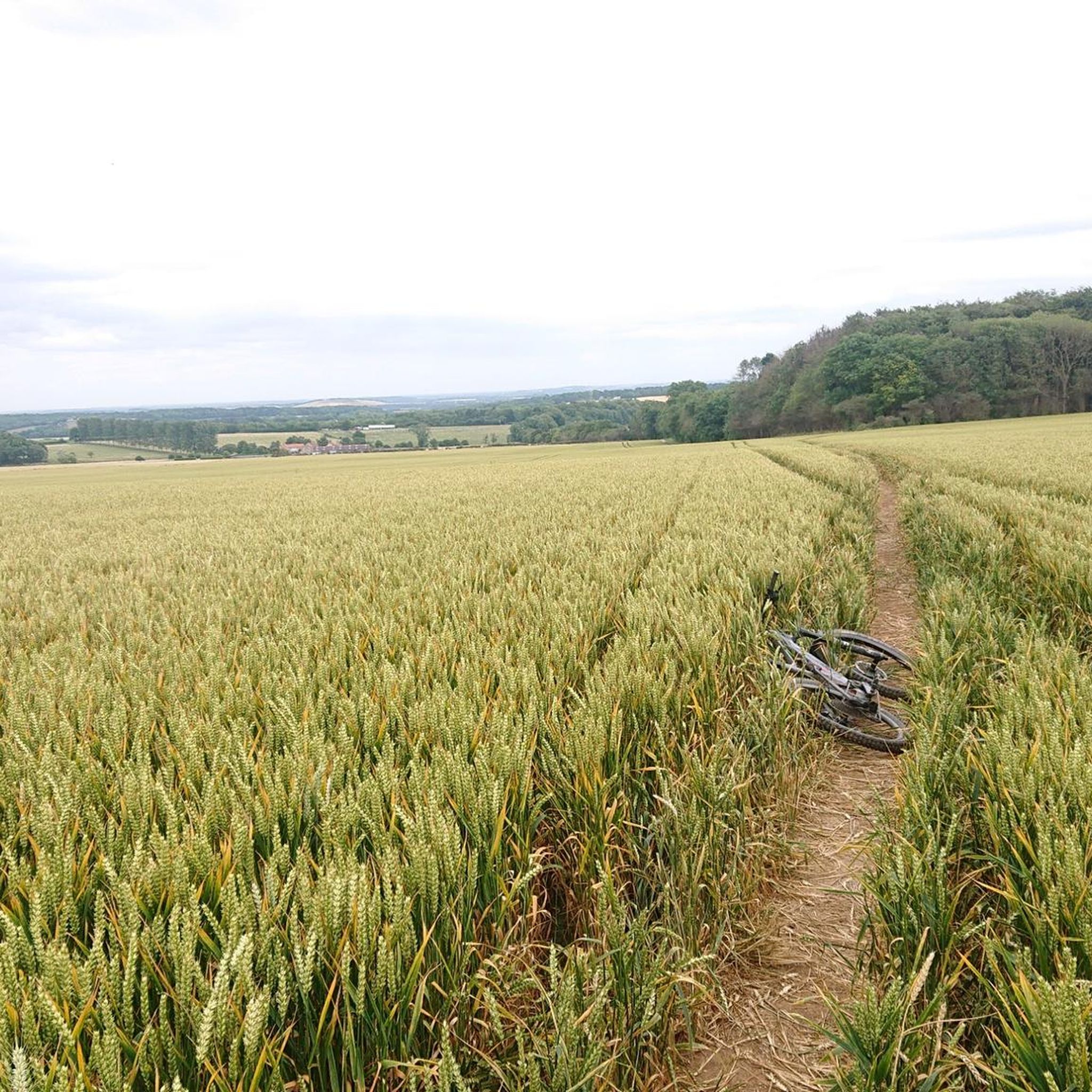
You have to drop off the path to the left to see this site.
0
0

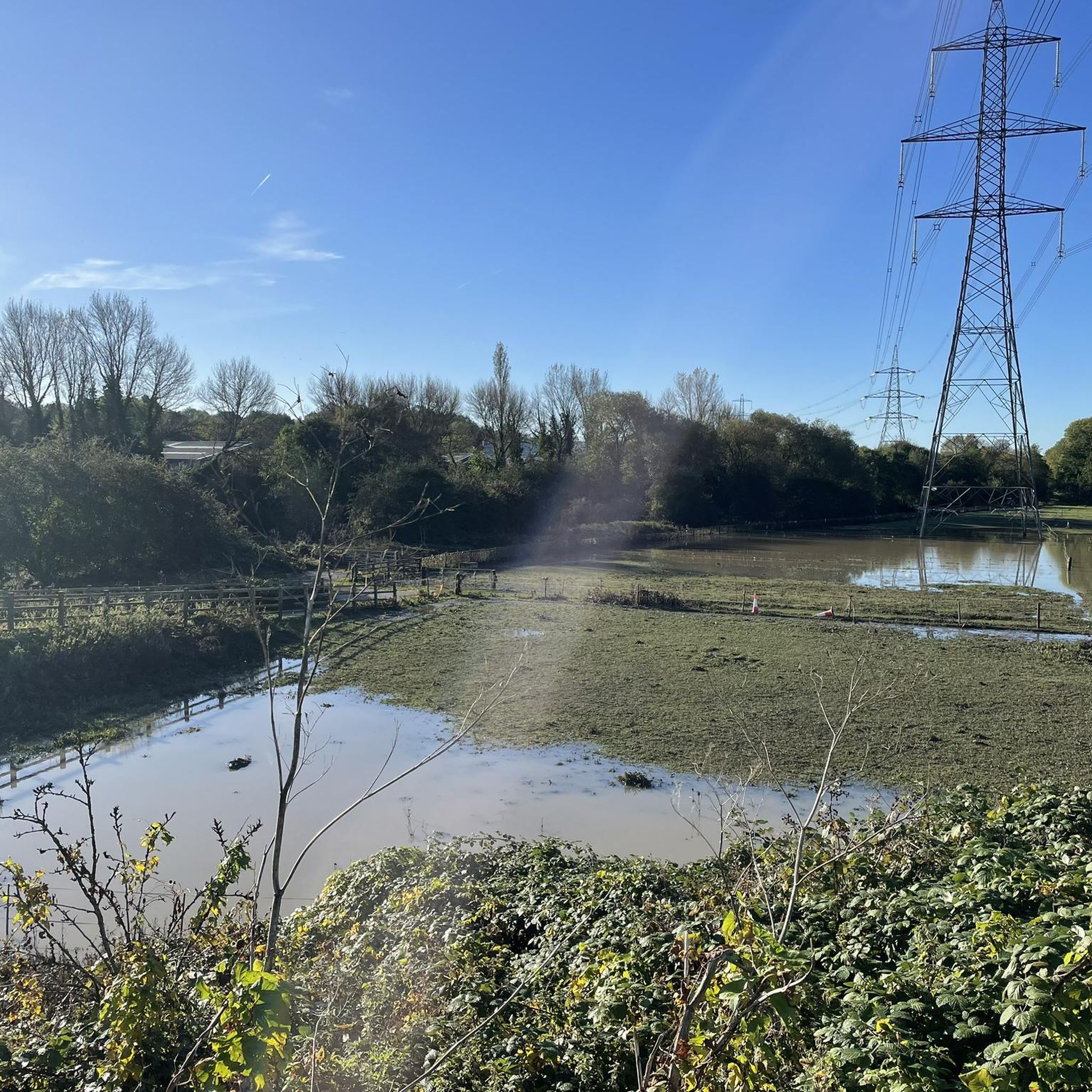
A 740-acre (300 ha) country park on the site of an old open-cast coal mine. The site cost £4 million to remediate with the four artificial lakes filling the old extraction sites. The River Rother was so polluted that water from The Moss was used to fill the lakes. The reed beds and remediation process has cleaned up the Rother and the lakes and country park also act as a flood prevention scheme, holding water and managing the flow downstream. It's also a popular leisure destination with cable water skiing and a narrow-gauge railway as well as a network of well-maintained paths. The visitor centre has information about the history of the site and the flood defence scheme. There are toilets and the Stables Cafe.
3
0
Frequently Asked Questions
What natural features can I explore around Dinnington St John's?
The area offers several natural attractions. You can visit Rother Valley Country Park, a 740-acre site with four artificial lakes, perfect for walking and cycling. Langold Country Park Lake features woodlands, wildlife meadows, and a lake, linking to Dyscarr Wood, a Site of Special Scientific Interest. Additionally, Dinnington Community Woodland, a former coal tip, has been transformed into a nature haven with footpaths through woodland, wetland, and meadows. You can also discover the elusive rock cave known as Dead Man's Hole.
Are there historical sites or landmarks to visit in the area?
Yes, Dinnington St John's is rich in history. The most notable historical site is Roche Abbey Ruins, a Cistercian abbey founded in 1147, set in a dramatic wooded valley. St John's Church, Throapham, is a Grade I listed building with Anglo-Saxon roots and 12th-century architecture. Coronation Park hosts the town's war memorial and the original pit wheel from the former Dinnington Colliery, alongside a Miners Memorial Wall and statue. Dinnington Hall, an 18th-century Grade II* listed building, is also a significant landmark.
What family-friendly activities are available around Dinnington St John's?
Many attractions cater to families. Rother Valley Country Park offers various leisure activities, including walking, cycling, and water sports, with well-maintained paths. Langold Country Park Lake has play areas, a skate park, and plenty of space for picnics and exploring woodlands. The Trans Pennine Trail, including the Brimington to Staveley Section, provides smooth, quiet paths suitable for family bike rides. For a unique experience, the Tropical Butterfly House Wildlife Conservation Park in nearby Anston features exotic animals.
Are there good walking or hiking trails nearby?
Absolutely. The region offers numerous walking and hiking opportunities. You can explore the extensive network of footpaths in Dinnington Community Woodland or enjoy leisurely strolls at Leys Lane Pocket Park. For more structured routes, consider trails like the 'Roche Abbey Ruins – Roche Abbey Tunnel Entrance loop from Dinnington' or the 'Dead Man's Cave – Dead Man's Hole loop from Anston'. You can find more hiking options in the Hiking around Dinnington St John'S guide.
Can I find trails suitable for cycling or mountain biking?
Yes, there are excellent options for cyclists. The Trans Pennine Trail: Brimington to Staveley Section is a smooth, relatively quiet path on an old railway line, ideal for family cycling. For mountain biking enthusiasts, routes like 'Thorpe Top Treble Lock – Orchard Tea Rooms loop from Wallingwells' and 'Langold Lakes – Hodsock MTB Trails loop from Dinnington' are available. Discover more trails in the MTB Trails around Dinnington St John'S guide.
What about running trails in the area?
Runners will find several suitable trails. Options include the 'Old Mineral Line Trail – Old Mineral Line Trail loop from Dinnington' and the 'Bookers Way loop from Dinnington'. These trails offer varying distances and difficulties. For a comprehensive list of running routes, refer to the Running Trails around Dinnington St John'S guide.
Are there any hidden gems or less-known spots worth visiting?
Beyond the main attractions, Roche Abbey Ruins is often described as a 'hidden gem' by visitors, offering a tranquil and historically rich experience. Dead Man's Hole, an elusive rock cave with ancient history, provides a unique and intriguing spot for those looking for something off the beaten path. St John's Church, Throapham, with its ancient Celtic roots and Anglo-Saxon fabric, is another less-frequented but historically significant site.
What is the best time of year to visit Dinnington St John's for outdoor activities?
The best time to visit for outdoor activities is generally during the spring, summer, and early autumn months (April to October). During these periods, the weather is typically milder and drier, making walking, cycling, and exploring parks more enjoyable. The natural landscapes, such as Dinnington Community Woodland and Langold Country Park, are particularly vibrant in spring and summer. Some trails might be boggy in adverse weather, so checking conditions is advisable for specific routes.
Are there dog-friendly places or walks?
Many of the outdoor spaces around Dinnington St John's are dog-friendly. Rother Valley Country Park and Langold Country Park Lake are popular choices for walks with dogs, offering expansive areas and trails. Dinnington Community Woodland also provides an extensive network of footpaths suitable for dog walking. Always remember to keep dogs under control and clean up after them.
Are there any accessible trails for wheelchairs or strollers?
Yes, some areas offer accessible paths. Rother Valley Country Park features a network of well-maintained paths that are generally suitable for wheelchairs and strollers. The Trans Pennine Trail, which uses surfaced paths and gentle gradients, is also a good option for accessibility. Greenlands Park in North Anston offers expansive grassy areas and flat paths ideal for leisurely strolls.
Where can I learn about the area's industrial past?
Dinnington St John's has a strong industrial heritage rooted in coal mining. You can learn about this past at Coronation Park, which features the original pit wheel from the former Dinnington Colliery, a Miners Memorial Wall, and a statue honoring those who worked there. The transformation of former industrial sites, like the Dinnington Community Woodland (a former coal tip) and Rother Valley Country Park (an old open-cast coal mine), into green spaces also tells the story of the region's industrial legacy and revitalization.
What do visitors enjoy most about the attractions here?
Visitors particularly enjoy the blend of historical significance and natural beauty. The tranquility and dramatic setting of Roche Abbey Ruins are frequently praised. The well-maintained paths and diverse activities at Rother Valley Country Park make it a popular choice for outdoor enthusiasts. The family-friendly facilities and varied landscapes of Langold Country Park Lake also receive high acclaim, making it a great year-round destination.
Are there places to relax and enjoy nature?
Absolutely. Rother Valley Country Park and Langold Country Park Lake both offer extensive green spaces, lakes, and woodlands perfect for relaxation. Dinnington Community Woodland provides a thriving nature haven with diverse habitats, while Leys Lane Pocket Park is specifically designed as a quiet place to relax and observe wildlife with views over the rolling countryside.
Most popular routes around Dinnington St John'S
Most popular attractions around Dinnington St John'S

Get inspired with the komoot mobile app


Explore more
Still not found the Highlight you’re looking for? See guides of the top attractions in other regions:
