The best walks and hikes around Little Cressingham
4.7
(188)
1,102
hikers
86
hikes
Hiking around Little Cressingham offers diverse landscapes characterized by unique geological formations and historical pathways. The region features distinctive natural attractions such as Thompson Common with its post-glacial pingos, alongside varied terrain including woodland trails, riverside paths, and open fields. The area is also traversed by the Peddars Way, an ancient Roman road, providing routes rich in history and scenic views. This part of Norfolk is known for its "big skies" and extensive vistas, creating a sense of open space…
Last updated: May 4, 2026
4.0
(1)
8
hikers
8.32km
02:10
60m
60m
Moderate hike. Good fitness required. Easily-accessible paths. Suitable for all skill levels.
5.0
(1)
9
hikers
4.56km
01:11
20m
20m
Easy hike. Great for any fitness level. Easily-accessible paths. Suitable for all skill levels.

Sign up for free
5.0
(1)
6
hikers
8.50km
02:13
60m
60m
Moderate hike. Good fitness required. Easily-accessible paths. Suitable for all skill levels.
5.0
(1)
4
hikers
10.9km
02:46
30m
30m
Moderate hike. Good fitness required. Easily-accessible paths. Suitable for all skill levels.
3
hikers
5.68km
01:28
30m
30m
Easy hike. Great for any fitness level. Easily-accessible paths. Suitable for all skill levels.
Get access to more routes and recommendations from other explorers.
Sign up for free
Already have an account?
Our route recommendations are based on thousands of hikes, rides, and runs completed by other people on komoot.
Start today with a free account
Your next adventure awaits.
Login or Signup
Tips from the Community


In 1604 the whole roof of All Saints church was carried away in a storm. In 1737 there was a restoration, with the nave walls being raised three feet. The chancel was re-roofed at a lower level than before, which left the east window in its ogee-gabled wall with nothing behind its upper tracery of 14th century reticulated pattern. It wasn’t until the beginning of the 20th century that the roof was restored to its full height. The church walls show many signs of old windows being blocked and new ones cut through in different places, and buttresses have been added. The tower is basically 12th century; in the 15th century an octagonal belfry replaced the earlier one. Near the top of the flint circular part is a band of stone and above that there are 19th century bricks inside, so maybe the belfry and parapet were restored then. On the west wall of the tower, at about ten feet high, is a slit window, with dressed stone for its frame and a single stone for its lintel, in which an arch is cut. More: https://www.roundtowerchurches.net/norfolk/norfolk-s-y/south-pickenham-2/
0
0

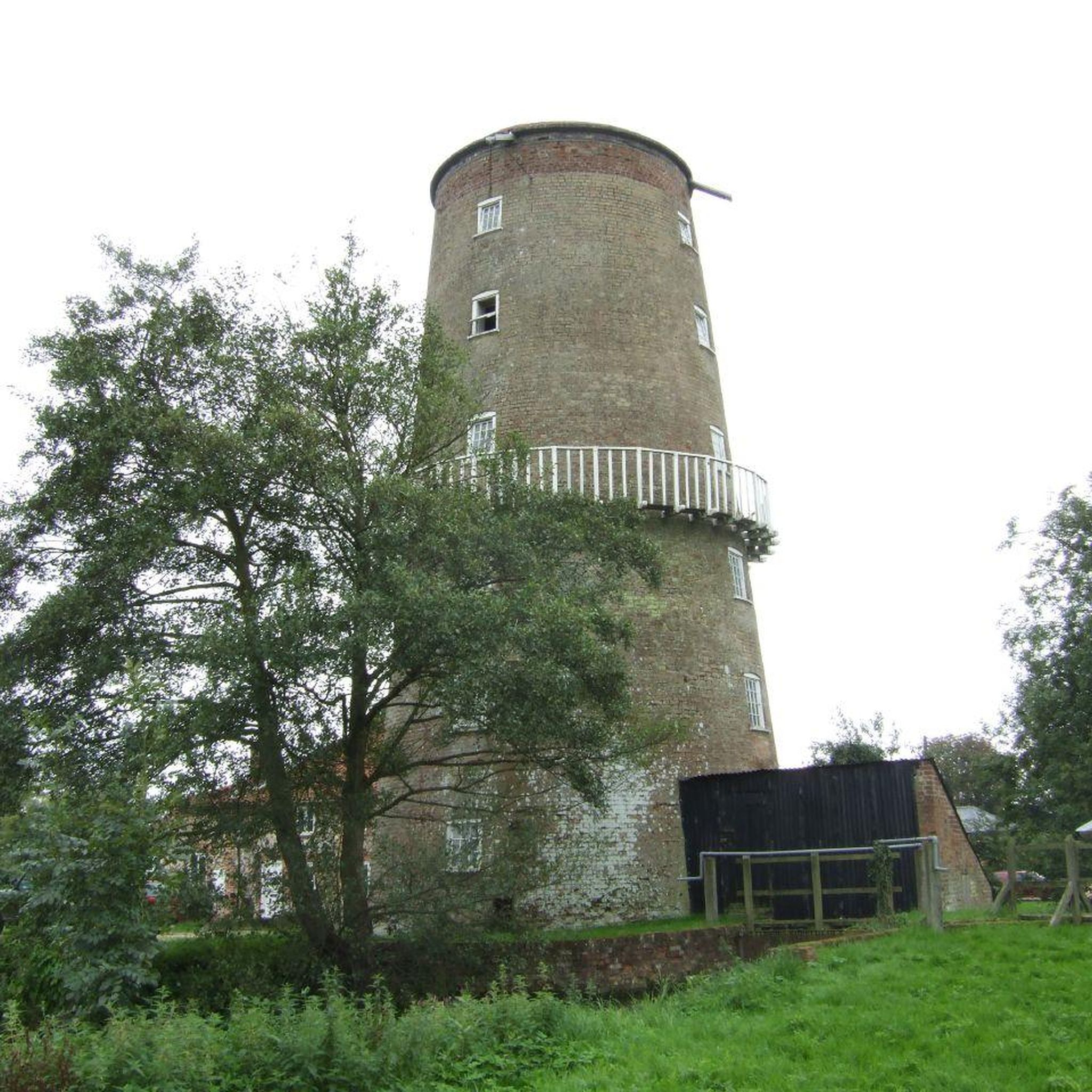
This combined wind and watermill is one-of-a-kind in Norfolk. Built in 1821 on the site of an earlier watermill, its water-wheel once turned two pairs of stones on the first floor whilst its sails turned two pairs of stones on the fourth floor. Unfortunately, the mill is not open to the public. However, it is still worth looking at the building from the outside and getting a photo.
0
0
This combined wind and watermill is one-of-a-kind in Norfolk. Built in 1821 on the site of an earlier watermill, its water-wheel once turned two pairs of stones on the first floor whilst its sails turned two pairs of stones on the fourth floor. Unfortunately, the mill is not open to the public. However, it's still worth admiring the building from the outside and getting a photo.
3
0
Be sure to check out this quirky little library in an old red telephone box.
2
0
Frequently Asked Questions
What are the typical hiking conditions and difficulty levels around Little Cressingham?
The hiking trails around Little Cressingham offer diverse landscapes, including woodland paths, riverside routes, and open fields. The terrain is generally gentle, with moderate elevation changes. You'll find a good mix of easy strolls and moderate excursions. Overall, there are over 80 routes, with 43 easy and 38 moderate options, making it accessible for various fitness levels.
What unique natural features can I expect to see on hikes near Little Cressingham?
Little Cressingham is renowned for its unique natural features, particularly the 'pingos' found at Thompson Common. These are rare post-glacial depressions, often appearing as small ponds, which are more commonly found in Arctic regions. The area is also rich in wildlife, including over 400 plant species and numerous dragonflies, damselflies, and butterflies. You can explore these unique features on trails like the Pingo Trail, or visit specific highlights such as Pingo Pond on the Pingo Trail or Thompson Common Pingos and Ponds.
Are there any historical landmarks or points of interest along the trails?
Yes, the area is rich in history. Little Cressingham is located on the Peddars Way, an ancient Roman road that offers historical context to your hike. The village itself features a rare combined wind and watermill built in 1821, and the medieval St Andrew's church. Nearby attractions include the Desert Rats Memorial and the Norfolk Songline Stone 1. Many routes also pass by ruins of priories, castles, and magnificent halls, with connections to Bronze Age history.
Are there family-friendly hiking trails suitable for children?
Absolutely. Many of the trails around Little Cressingham are suitable for families. For an easier option, consider the Shakers' Furze loop from Merton, which is an easy 2.8 miles (4.6 km) path through pleasant woodland. The gentle terrain and diverse natural features, like the pingos, can make for an engaging experience for younger hikers.
Can I bring my dog on the hiking trails around Little Cressingham?
Yes, many of the trails around Little Cressingham are dog-friendly. The varied landscape of woodlands, open fields, and riverside paths provides a great environment for walks with your canine companion. Always ensure your dog is under control, especially near livestock or wildlife, and check for any specific local signage regarding dog access.
Are there many circular hiking routes available?
Yes, circular routes are a popular option in the area. You'll find several well-regarded loops, such as the Hiking loop from Great Cressingham, which is 5.2 miles (8.3 km), or the Hiking loop from Little Cressingham, which covers 5.3 miles (8.5 km). These loops allow you to start and end at the same point, making them convenient for exploration.
Where can I find parking for trailheads near Little Cressingham?
Parking is generally available at or near the starting points of many popular trails. While specific car parks aren't detailed in the guide, routes often originate from villages like Little Cressingham, Great Cressingham, or Merton, where local parking facilities or roadside parking may be available. It's advisable to check local maps or komoot tour details for specific trailhead parking information before you go.
What is the best time of year to go hiking in Little Cressingham?
The Norfolk countryside around Little Cressingham offers pleasant hiking experiences throughout much of the year. Spring and autumn provide comfortable temperatures and beautiful scenery, with spring bringing wildflowers and autumn showcasing vibrant foliage. Summer is also popular, though trails can be busier. Even winter offers opportunities for crisp, quiet walks, especially through woodlands.
Are there places to eat or drink near the hiking trails?
While Little Cressingham itself is a small village, nearby areas and villages like Great Cressingham and Merton may offer pubs or cafes. It's a good idea to check local establishments in these villages for refreshments before or after your hike. Many hikers also enjoy bringing a picnic to enjoy amidst the scenic landscapes.
What do other hikers enjoy the most about hiking in Little Cressingham?
The area is highly rated by the komoot community, with an average score of 4.7 stars from over 180 reviews. Hikers often praise the unique natural features like the pingos, the sense of open space provided by the 'big skies,' and the historical elements along routes like the Peddars Way. The diverse terrain, from woodlands to open fields, also receives positive feedback for offering varied and engaging walks.
How many hiking trails are available around Little Cressingham?
There are over 80 hiking routes available around Little Cressingham. This includes a wide range of options, from easy strolls through woodlands to more moderate excursions across varied landscapes, ensuring there's something for every hiker.
Most popular attractions around Little Cressingham

Get inspired with the komoot mobile app


Explore more
Browse the best Hikes in other regions.
