Attractions and Places To See around Holme-Next-The-Sea - Top 20
Best attractions and places to see around Holme-Next-The-Sea, a village on the North Norfolk Coast, are characterized by its location where The Wash meets the North Sea. The area features natural beauty, historical sites, and serene landscapes. It serves as a base for exploring the Norfolk Coast Area of Outstanding Natural Beauty. The region offers a blend of coastal environments and historical intrigue.
Best attractions and places to see around Holme-Next-The-Sea
- The most popular attractions is Old Hunstanton Lighthouse, a lighthouse that is an iconic building located on the cliffs between Hunstanton and Old Hunstanton. The current lighthouse was built in 1840, with a lighthouse present on the site since 1665.
- Another must-see spot is Sea Wall and Groynes at Sandbanks, a viewpoint offering views over the coast and its sandbanks and sea defences. This stretch features seaside cottages and opportunities to observe activities like kite surfing.
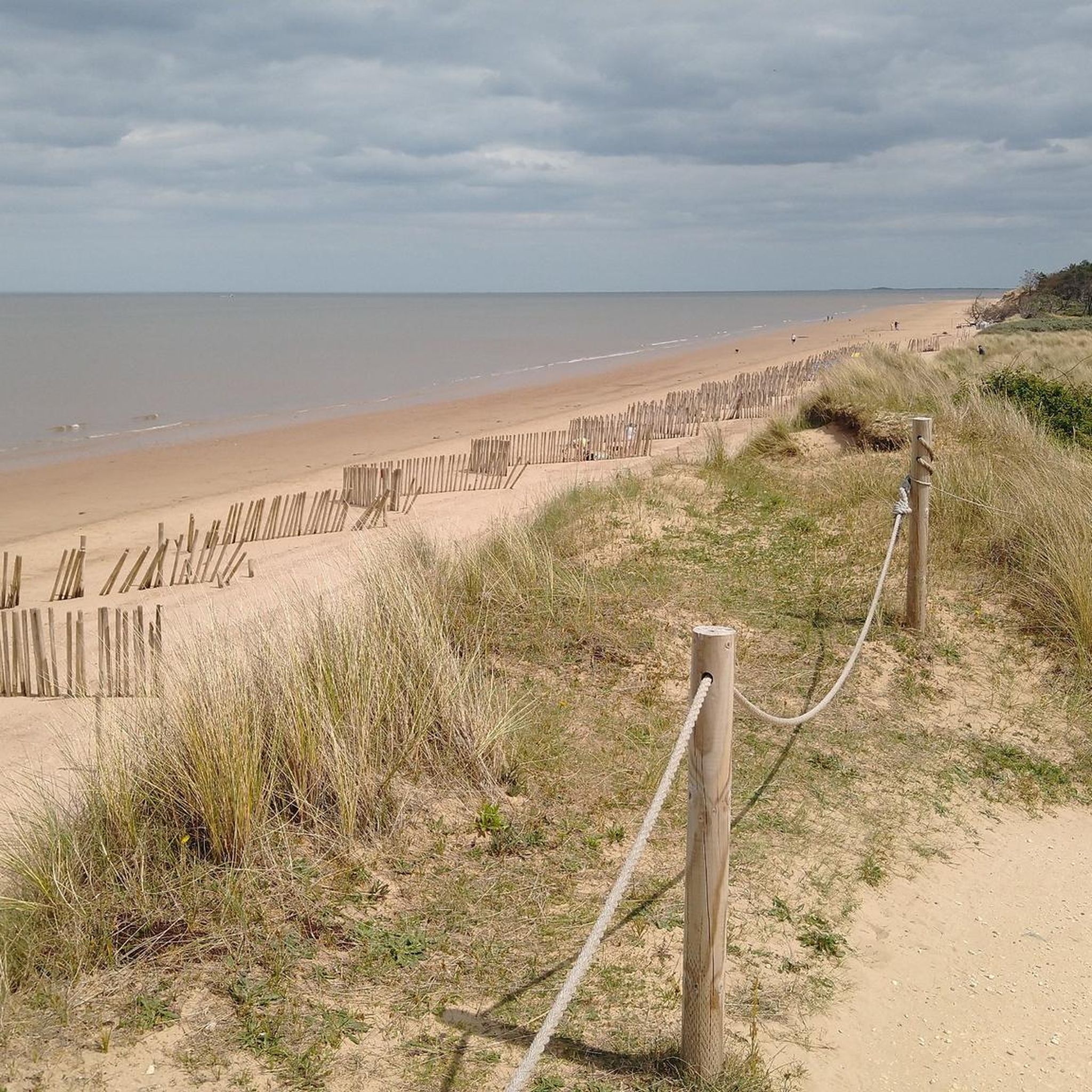
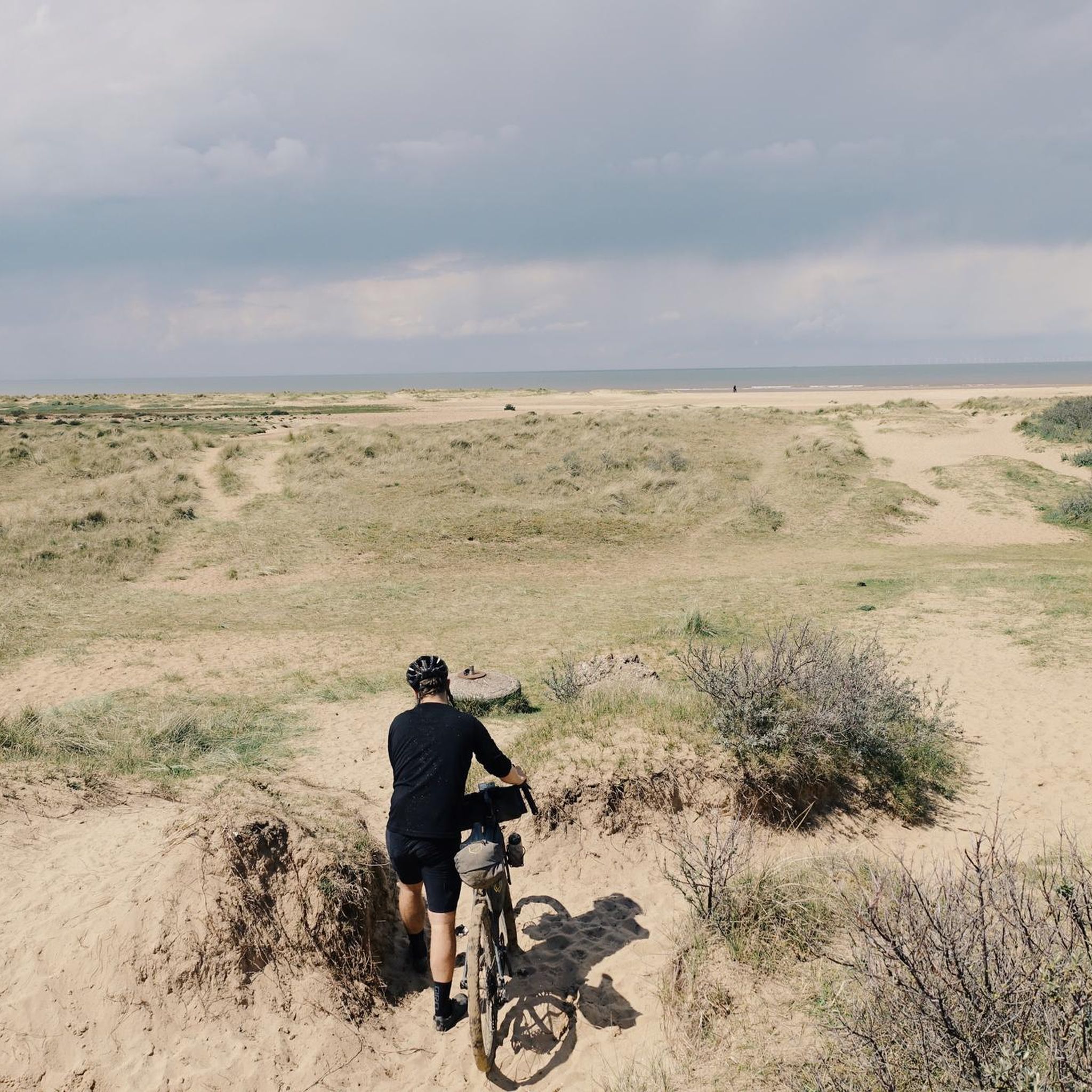
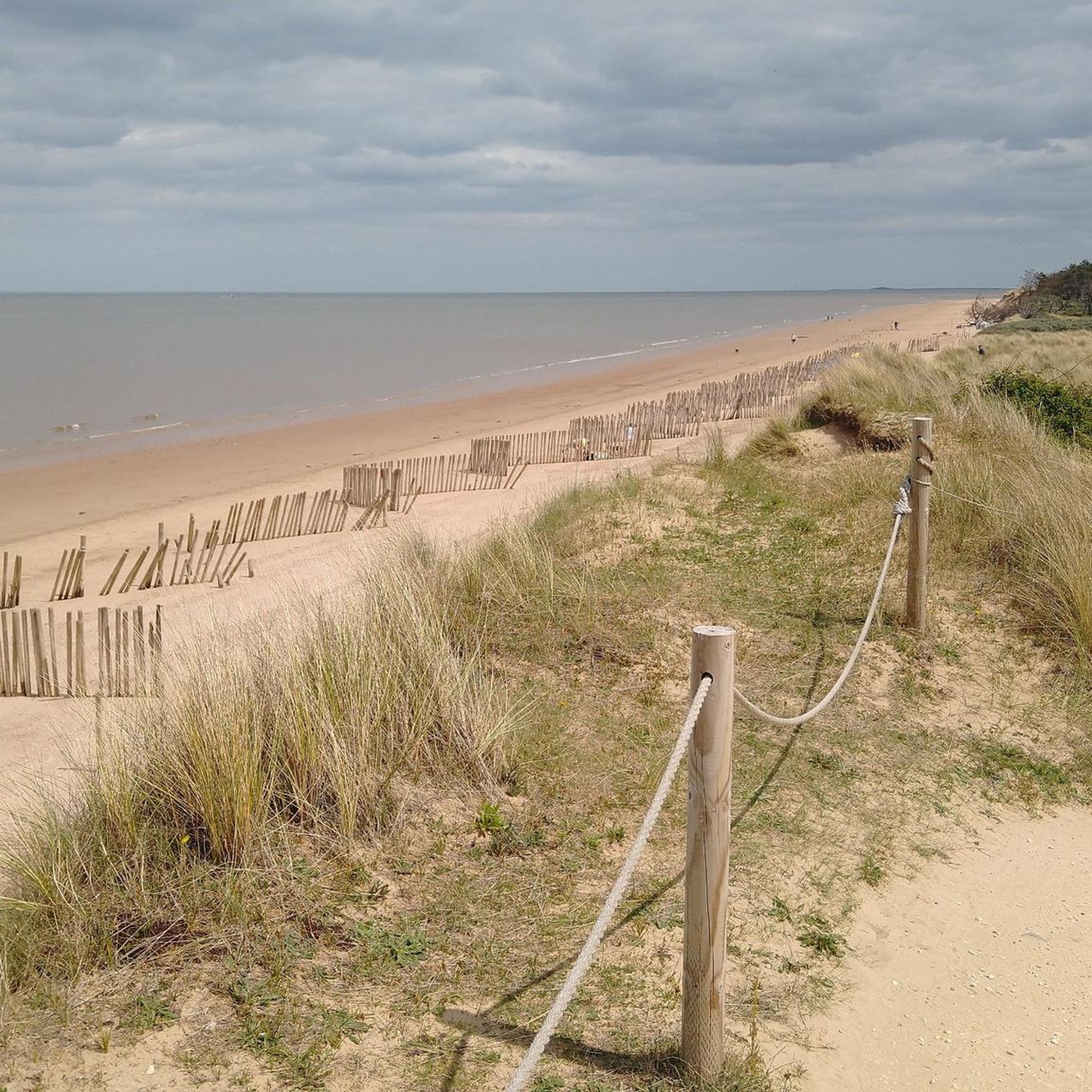
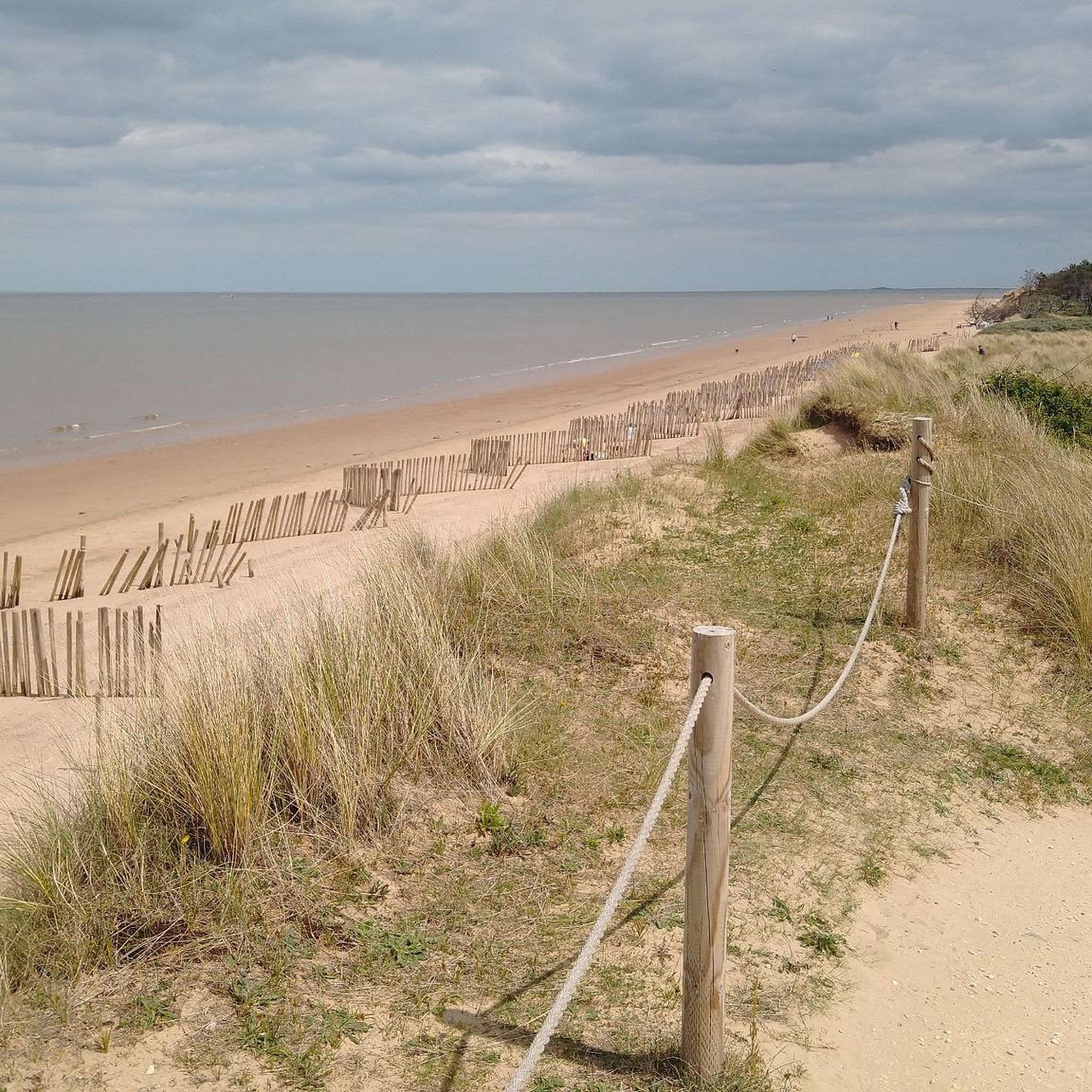
- Visitors also love Holme Dunes National Nature Reserve, which attracts thousands of migrating birds and diverse wildlife. Located on the northwest tip of Norfolk, it also contains historical sites such as remnants of a target-railway.
- Holme-Next-The-Sea is known for its historical sites, nature reserves, and coastal paths. The area offers a variety of natural features and cultural landmarks to explore.
- The attractions around Holme-Next-The-Sea are appreciated by the komoot community, with 76 upvotes and 37 photos shared by visitors.
Last updated: July 2, 2026
Old Hunstanton Lighthouse
Highlight • Monument
Tip by

St Edmund's Chapel Ruins
Highlight • Religious Site
Tip by

Sign up now to discover places like this
Get recommendations on the best single tracks, peaks, & plenty of other exciting outdoor places.
Sign up for free
Holme Dunes National Nature Reserve
Highlight • Natural
The reserve also has plenty of interesting historical sites. In 1998, a well-preserved Bronze Age timber circle which was dubber 'Seahenge' was uncovered here. Seahenge is now housed in the King's Lynn Museum. You will also see military remains from WWII such as the remnants of a target-railway.
You can find more information, here: norfolkwildlifetrust.org.uk
Tip by

Coastguard Lookout and Old Marconi Wireless Station
Highlight • Other
The Second World War saw the building continue as a signal station and was visited by his Majesty King George VI and Queen Elizabeth in 1943, together with Princesses Elizabeth (Queen Elizabeth II) and Margaret, who spent time with the Coastguard and all four signed their royal insignias in the coastguard’s log book. This is an event remembered by a proudly-displayed commemmorative plaque on the side of the building.
Tip by
Sea Wall and Groynes at Sandbanks
Highlight (Segment) • Viewpoint
Tip by

Sign up for free to discover even more attractions around Holme-Next-The-Sea.
Sign up for free
Already have an account?
Start today with a free account
Your next adventure awaits.
Login or Signup


Tips from the Community

Impressive landmark on the northern approach to Hunstanton.
0
0

Now self catering accommodation, the lighthouse at Old Hunstanton sits atop the highest point of Hunstanton Cliffs and was used to guide ships into The Wash. Built in 1840 to replace a previous structure from the 17th century. Before the lighthouses, it is thought that a light was displayed in St Edmund's Chapel, the ruins of which are next door.
0
0

The Old Hunstanton Lighthouse is a truly iconic building on the cliffs between Hunstanton and Old Hunstanton. The current lighthouse was built in 1840, however, there has been a lighthouse on the site since 1665. The lighthouse isn't open to the public but makes for a rather memorable holiday let accommodation. More details: norfolkcoastholidaycottages.co.uk/the-lighthouse-old-hunstanton
1
0


The chapel, now in ruins, was erected in 1272 in memory of St Edmund who landed at Hunstanton in 855 to be crowned King of East Anglia. He led an army against Viking invaders but was defeated, captured and martyred. He became the first patron saint of England.
4
0
Originally built as a Marconi Wireless Station back in 1906, the Coastguard Lookout played an important part in both World Wars, intercepting German radio transmissions and tracing the German fleet. The Second World War saw the building continue as a signal station and was visited by his Majesty King George VI and Queen Elizabeth in 1943, together with Princesses Elizabeth (Queen Elizabeth II) and Margaret, who spent time with the Coastguard and all four signed their royal insignias in the coastguard’s log book. This is an event remembered by a proudly-displayed commemmorative plaque on the side of the building.
3
0

Chapel The chapel was built in 1272 in memorial to a martyred king of East Anglicans and one time patron saint of England. St Edmund and Hunstanton Edmund was born into the Wuffing (old english wolf) family he spent his youth in Saxony. It is said that he returned just below the Hunstanton cliffs in 855AD. Shortly afterwards he became king at the age of 14. After a battle with Vikings at Thetford he refused to give up his Christian religion, live under Dane Law and thus was martyred. Legend has it his supporters sought the location of his head to reunite with the body. They heard a voice calling and discovered a wolf with the kings head unharmed.
0
0

A segment with lots of character - the beautiful sea contrasting with the concrete promenade and the trailer park dwellings on the other side. Probably not everyone's cup of tea, but I love it.
0
0
Frequently Asked Questions
What kind of natural attractions can I explore around Holme-next-the-Sea?
The area is rich in natural beauty. You can visit Holme Dunes National Nature Reserve, a haven for diverse wildlife and thousands of migrating birds, including avocets and barn owls. Holme Beach offers expansive golden sands, and at low tide, you might spot the fossilized remains of a prehistoric forest. Gore Point, the north-easterly point of The Wash, is also within the parish, and the internationally significant River Hun chalk stream runs nearby.
Are there historical sites to visit in Holme-next-the-Sea?
Yes, Holme-next-the-Sea has several historical points of interest. The unique Bronze Age timber circle, Seahenge, was uncovered on Holme Beach, and while the original is at the Lynn Museum, a second henge occasionally becomes visible at very low tides. You can also see the Coastguard Lookout and Old Marconi Wireless Station, which played a significant role in both World Wars. St. Mary's Church, dating back to the 15th century, is another notable landmark with historical features like the Nottingham Brass.
What outdoor activities are popular around Holme-next-the-Sea?
Holme-next-the-Sea is a fantastic base for outdoor activities. It's the meeting point for the Peddars Way and Norfolk Coast Path, offering extensive walking opportunities. Bird watching is a prime activity, especially during migration periods, with the Holme Dunes National Nature Reserve being a key spot. For those interested in cycling, there are various gravel biking routes available, such as those found in the Gravel biking around Holme-Next-The-Sea guide.
Are there family-friendly attractions near Holme-next-the-Sea?
Many attractions around Holme-next-the-Sea are suitable for families. Holme Beach is perfect for sunbathing and building sandcastles. The Holme Dunes National Nature Reserve offers trails and wildlife spotting that children often enjoy. Nearby, the Old Hunstanton Lighthouse and Sea Wall and Groynes at Sandbanks provide interesting sights and coastal views for all ages.
Where can I go for a walk or hike near Holme-next-the-Sea?
The area offers excellent walking and hiking opportunities. You can explore sections of the Norfolk Coast Path or the Peddars Way, both of which converge in Holme-next-the-Sea. For easier walks, consider routes like 'Norfolk Coast Path: Thornham to Titchwell Marsh' or 'Old Hunstanton Beach – End of the Peddars Way loop from Holme next the Sea', which are detailed in the Easy hikes around Holme-Next-The-Sea guide. More moderate options include the 'View of the Norfolk Coast – Holme Dunes Nature Reserve loop' found in the Hiking around Holme-Next-The-Sea guide.
What is Seahenge and where can I see it?
Seahenge is a unique Bronze Age timber circle, over 4,000 years old, discovered on Holme Beach in 1998. While the original central stump and many posts are preserved and displayed at the Lynn Museum in King's Lynn, a second henge occasionally becomes visible off Holme Beach at very low tides.
Are there any good places for bird watching in the area?
Holme-next-the-Sea is a premier location for bird watching. The Holme Dunes National Nature Reserve is particularly renowned, attracting thousands of migrating birds during spring and autumn. You can spot species like avocets, barn owls, and various warblers and wheaters. The reserve features hides overlooking pools and grazing marshes, enhancing the bird-watching experience.
What are some lesser-known historical landmarks in Holme-next-the-Sea?
Beyond the more prominent sites, you can explore the village architecture, admiring cottages built from local flint, Norfolk red brick, and stone types like Clunch and Carrstone. The remnants of a target railway from WWII can also be found within the Holme Dunes National Nature Reserve, offering a glimpse into the area's wartime history.
Can I find places to eat or drink in Holme-next-the-Sea?
Yes, the village offers local establishments where you can enjoy a meal or a drink. The White Horse Pub is a well-known local spot where visitors can enjoy pub lunches or evening meals.
What makes Holme Beach unique?
Holme Beach is notable for its expansive golden sands, ideal for traditional seaside activities. Its uniqueness lies in the occasional visibility of a second 'Seahenge' at very low tides, alongside the fossilized remains of a prehistoric forest. It also serves as a starting point for long-distance footpaths, connecting it to wider coastal exploration.
What is the best time of year to visit Holme-next-the-Sea for nature and wildlife?
The area is particularly vibrant during spring and autumn. These seasons are prime for bird watching, as thousands of migratory birds pass through the Holme Dunes National Nature Reserve. The milder weather also makes it ideal for exploring the coastal paths and enjoying the natural landscapes.
Are there any golf courses nearby?
Yes, for golf enthusiasts, Hunstanton Golf Club is located adjacent to the beach. It offers a championship links course, providing a scenic and challenging experience for players.
Most popular routes around Holme-Next-The-Sea
Most popular attractions around Holme-Next-The-Sea

Get inspired with the komoot mobile app


Explore more
Still not found the Highlight you’re looking for? See guides of the top attractions in other regions:
