Attractions and Places To See around Barton Turf - Top 20
Best attractions and places to see around Barton Turf include a blend of natural beauty and historical landmarks within the tranquil Norfolk Broads. This area is characterized by its broads, waterways, and peaceful countryside. Visitors can explore significant historical sites and enjoy scenic natural features. The region offers opportunities for quiet exploration and a glimpse into local heritage.
Best attractions and places to see around Barton Turf
- The most popular attractions is Horsey Windpump, a historical site that offers…
Last updated: May 4, 2026
Horsey Windpump
Highlight • Historical Site
Tip by

Sea Palling Beach
Highlight • Natural
Tip by
Sign up now to discover places like this
Get recommendations on the best single tracks, peaks, & plenty of other exciting outdoor places.
Sign up for free
Horstead Mill
Highlight • Historical Site
Tip by

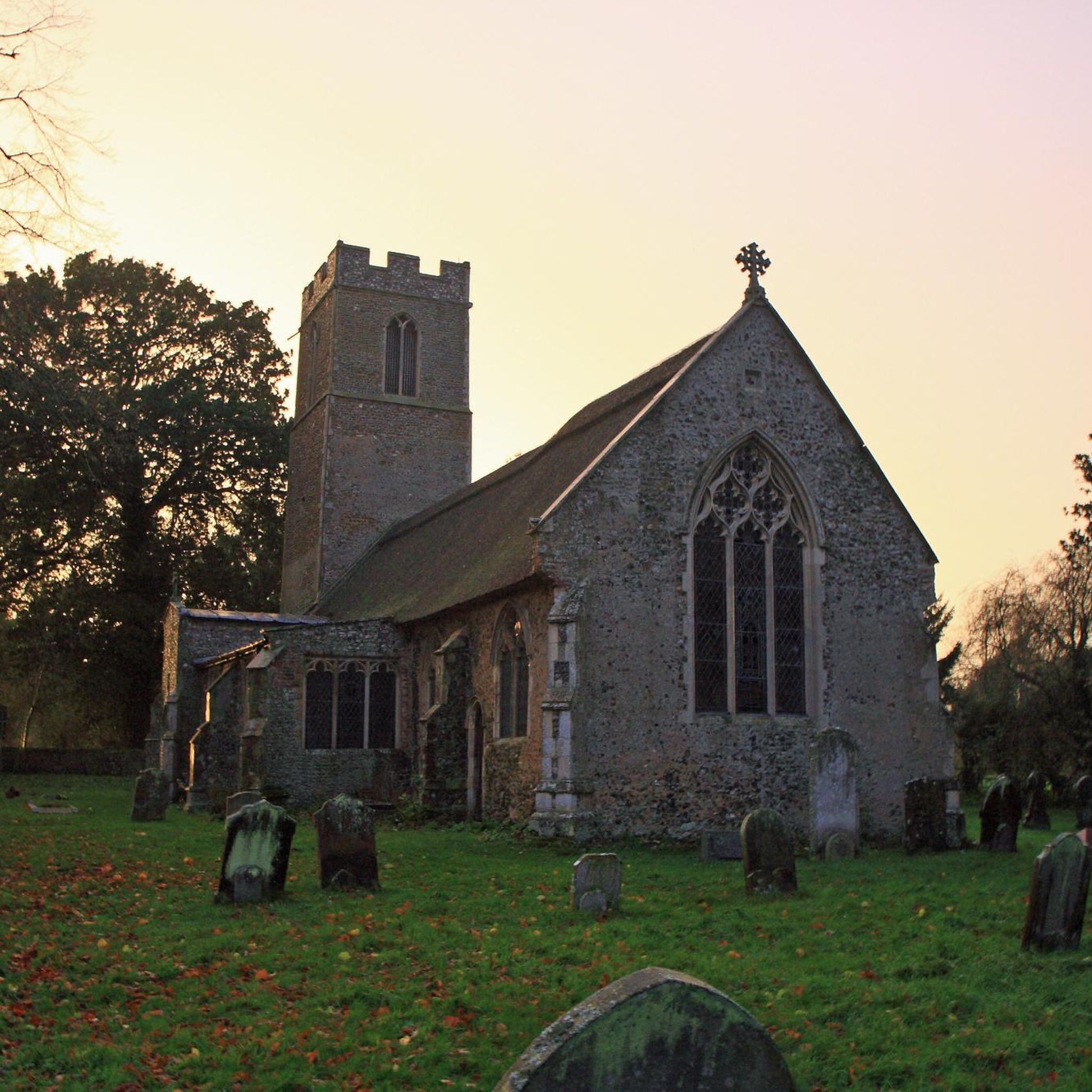
St Mary's Church, Fishley
Highlight • Religious Site
Tip by
Happisburgh Lighthouse
Highlight • Monument
Tip by

Sign up for free to discover even more attractions around Barton Turf.
Sign up for free
Already have an account?
Start today with a free account
Your next adventure awaits.
Login or Signup


Other adventures around Barton Turf

Tips from the Community

Using the power of moving water to drive a mill wheel is an ancient invention of the human spirit of discovery, the origins of which can be traced back to times long past. Thanks to such a construction, a watercourse - natural or artificial - could simply replace human or animal muscle power with the power of the natural elements, for example to grind grain into corn or to press oil from fruit. There are essentially two different ways of driving watermills: * Either the flowing water simply hits the blades of the water wheel from below to set it in motion; or * the water is guided - usually through a so-called "mill channel" - above the wheel and falls onto the blades; this type of construction is more efficient due to natural gravity.
1
0

National Trust-run windmill in the middle of the wide, flat broads landscape. Cafe and toilets for a refreshment stop as well.
0
0
Great view from the top of the ramp over the sea embankment, and plenty of refreshment options just below it.
0
0

There is a car park here, which is managed by the National Trust. There are lovely hiking trails all around through the Broads and to the North Sea coast. You can see several colonies of seals on the coast.
0
0
The National Trust maintains a car park right next to the mill. You can also get tickets to the mill there. It's worth a visit, as you'll not only learn details about the mill, but also gain an insight into the miller's life.
0
0

It's thought that there had been a mill here since at least Saxon times. The 18th-century incarnation of Horstead Mill was once one of the most photographed in Britain, a fine sight on the River Bure. However, it burned down in 1963 and, today, only the lower parts of the building remain.
0
0

Good family beach. Clean toilets. Lifeguard. Windsurfers further along to the right. Parking £1.50 per hour August 2023.
0
0

Horstead watermill was burnt down in 1963 and all that remains is the lower section of the mill building. It was one of the biggest and most photographed mills in the country.
2
0
Frequently Asked Questions
What natural features can I explore around Barton Turf?
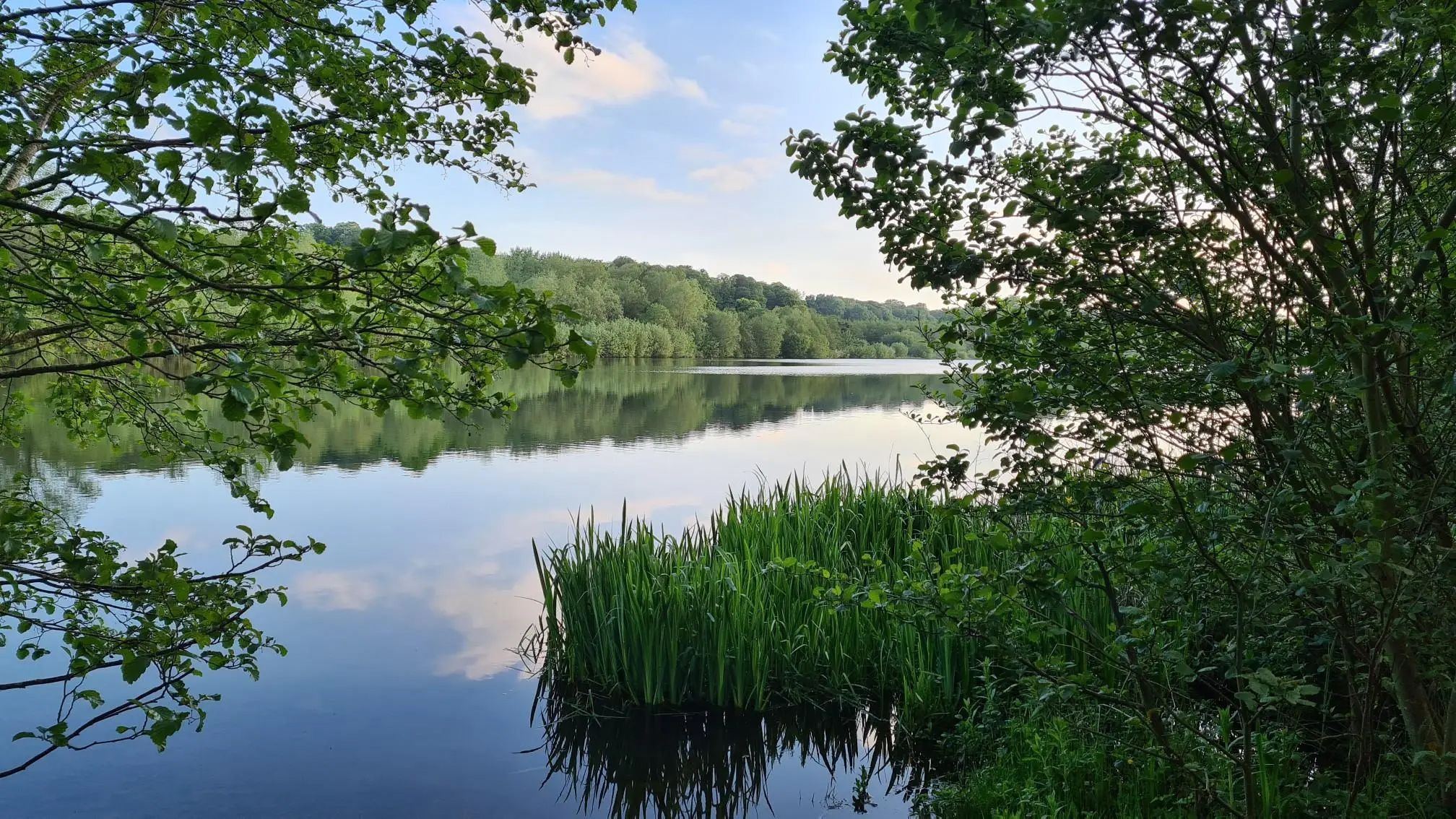
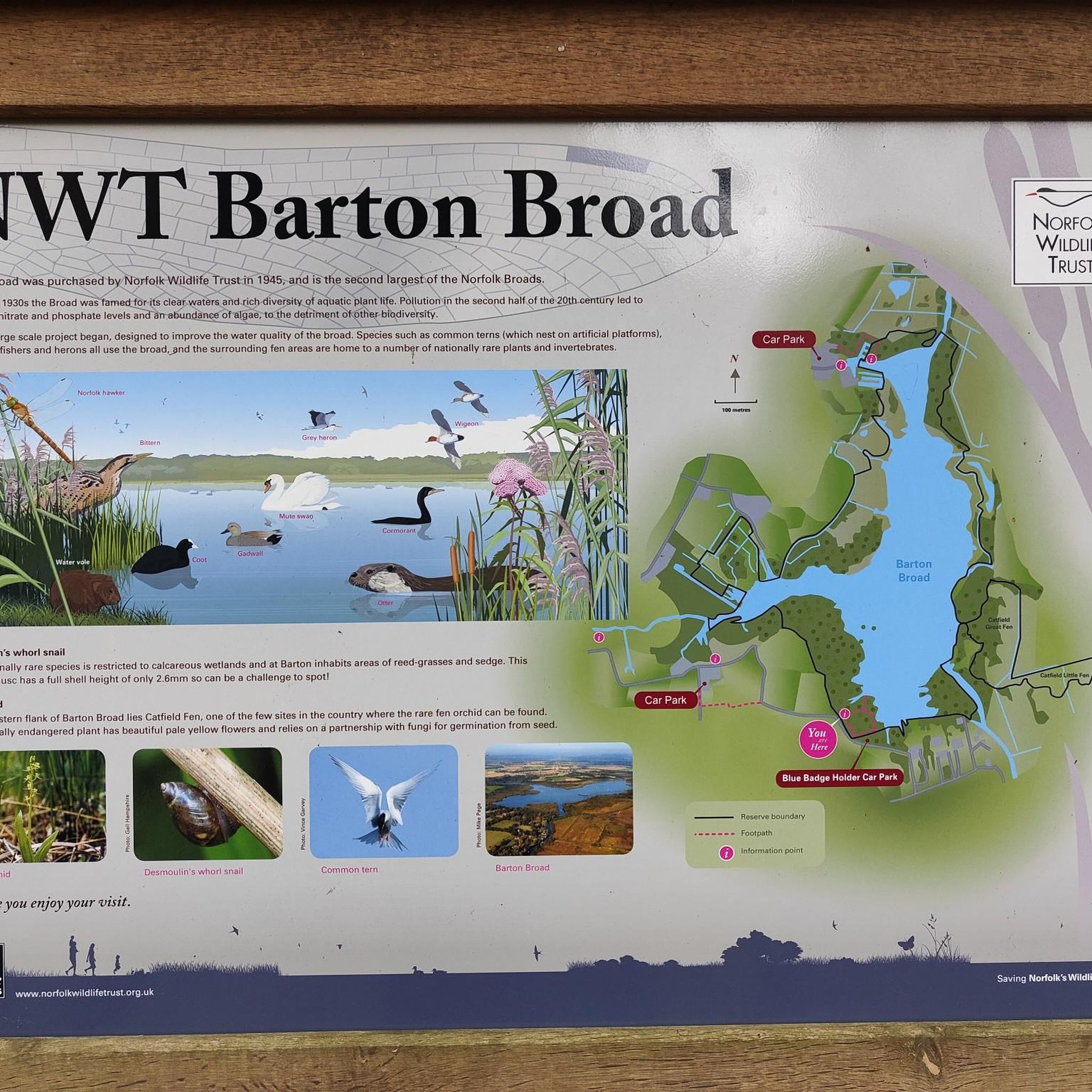
Barton Turf is nestled within the Norfolk Broads, offering a rich natural landscape. A significant feature is Barton Broad, the second largest of the Norfolk Broads and a National Nature Reserve. You can experience it via the Barton Broad Boardwalk, which leads to a viewing platform. Additionally, Sea Palling Beach, with its man-made coastal defense reefs, offers calm waters and opportunities for wildlife spotting.
Are there historical sites to visit near Barton Turf?
Yes, the area is rich in history. You can visit Horsey Windpump, a restored historical site offering panoramic views and insights into a miller's life. Another significant landmark is Happisburgh Lighthouse, built in 1790 and the oldest working light in East Anglia. St Michael and All Angels Church, a 14th-century church with a rare medieval painted rood screen, is also nearby. While privately owned, Barton Hall, a 17th-century country house once home to Admiral Horatio Nelson's sister, is a notable historical residence.
What activities are available for families in Barton Turf?
Families can enjoy several attractions. The Barton Broad Boardwalk is fully accessible and offers an easy walk through swampy woodland to a viewing platform, with information boards for learning about wildlife. Sea Palling Beach is a Blue Flag beach known for its calm waters, perfect for a relaxed family day. The Barton Turf Adventure Centre, located behind the staithe, offers sailing experiences on the Broads for all ages.
Are there opportunities for walking or hiking around Barton Turf?
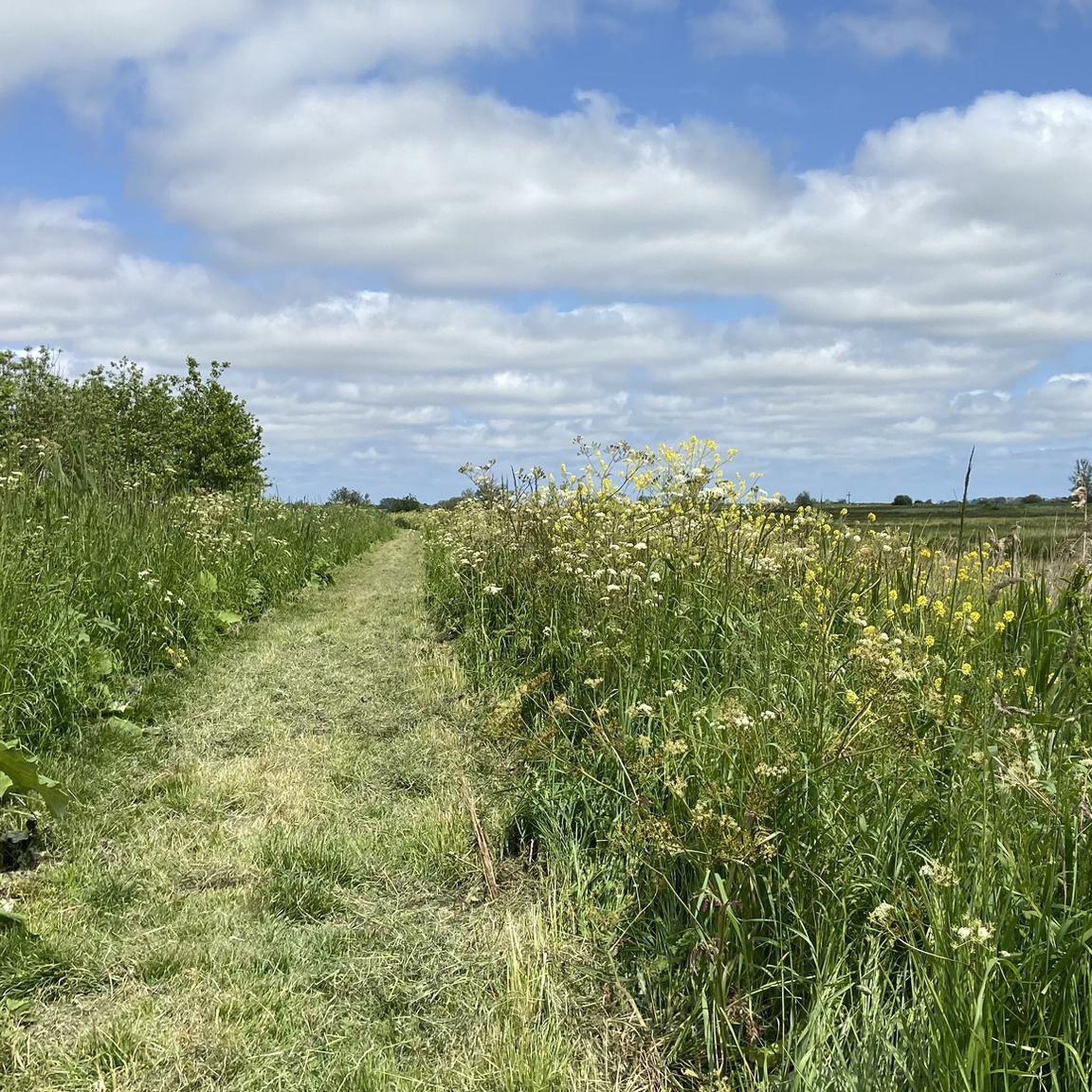
The countryside around Barton Turf provides numerous scenic walking opportunities. You can explore quiet country lanes or take circular walks in the broads area, such as those encompassing the Middle Marsh and the River Ant. For specific routes, consider exploring the hiking guide for Barton Turf, which includes routes like the easy Barton Boardwalk loop from Irstead.
Can I go cycling near Barton Turf attractions?
Yes, the area is well-suited for cycling on its quiet country lanes. You can find various routes for different types of cycling. For gravel biking, explore the gravel biking guide for Barton Turf. If you prefer mountain biking, the MTB trails guide for Barton Turf offers options like the Walsham to Hoveton loop.
What is the best time of year to visit Barton Turf?
Barton Turf offers beauty throughout the year, but the warmer months, typically spring to early autumn, are ideal for enjoying outdoor activities like walking, cycling, and sailing on the Broads. This period also offers the best chance for wildlife spotting and pleasant weather for visiting attractions like Sea Palling Beach.
Are there any accessible attractions in the area?
Yes, the Barton Broad Boardwalk is fully accessible, winding through swampy woodland and leading to a viewing platform over Barton Broad. It features information boards, some with Braille signs, making it suitable for a wide range of visitors.
Where can I find amenities like shops or pubs near Barton Turf?
Barton Turf itself maintains a peaceful atmosphere without shops or pubs. However, the nearby village of Neatishead offers amenities such as a shop and a pub, The White Horse Inn, which is within walking distance.
Can I spot wildlife around Barton Broad?
Barton Broad is a National Nature Reserve and a prime location for wildlife observation. Following a major environmental restoration project, the broad now boasts clear water and is rich in rare plants and animals. The Barton Broad Boardwalk offers an excellent vantage point for observing the local fauna and flora.
What is the significance of Horstead Mill?
Horstead Mill was once one of the biggest and most photographed mills in the country, with a history dating back to at least Saxon times. Although the 18th-century structure burned down in 1963, only the lower section of the mill building remains, serving as a historical reminder of the region's industrial heritage and the power of water.
Are there any unique architectural features in Barton Turf?
Yes, the village features the quirky Coronation Cottages, built in 1953 during Queen Elizabeth II's coronation year. Their roofline is uniquely shaped to resemble a crown. The village green also features a wrought-iron village sign from 1953, depicting a Norfolk Wherry.
Most popular attractions around Barton Turf

Get inspired with the komoot mobile app


Explore more
Still not found the Highlight you’re looking for? See guides of the top attractions in other regions:
