Top 11 Lakes around Hickling
Best lakes around Hickling are part of the Norfolk Broads, an extensive network of waterways and natural landscapes. This area is characterized by broads, meres, and rivers, offering diverse natural features. The region is a significant natural haven for wildlife, including rare birds and insects. Visitors can explore expansive water bodies, reedbeds, and marshes, providing opportunities for nature observation and outdoor activities.
Best lakes around Hickling
- The most popular lakes is Horsey Mere, a natural monument regarded as one…
Last updated: August 11, 2026
Ranworth Broad Village and Waterfront
Highlight • Rest Area
The village has moorings, a pub and village …
Tip by

Heigham Sound
Highlight • Natural
Tip by

Sign up now to discover places like this
Get recommendations on the best single tracks, peaks, & plenty of other exciting outdoor places.
Sign up for free
Martham Broad Nature Reserve
Highlight • Lake
Tip by
South Walsham Broad
Highlight • Lake
Tip by
Upton Broad and Marshes Nature Reserve
Highlight • Lake
Tip by

Sign up for free to discover even more lakes around Hickling.
Sign up for free
Already have an account?
Start today with a free account
Your next adventure awaits.
Login or Signup


Tips from the Community

A gorgeous reserve in the heart of the Broads, Upton Broad and Marshes hosts several distinctive habitats. Its mix of alder carr woodland, fen, reedbed and grazing marsh makes it a haven for some of the region's most coveted wildlife, including the swallowtail butterfly. You might also see water voles, otters and a huge range of dragonflies, with over 20 recorded species.
0
0

Very scenic spot, ideal for a cafe stop. Granary Stores shop and cafe is open 8.30-9pm 7 days a week!
0
0

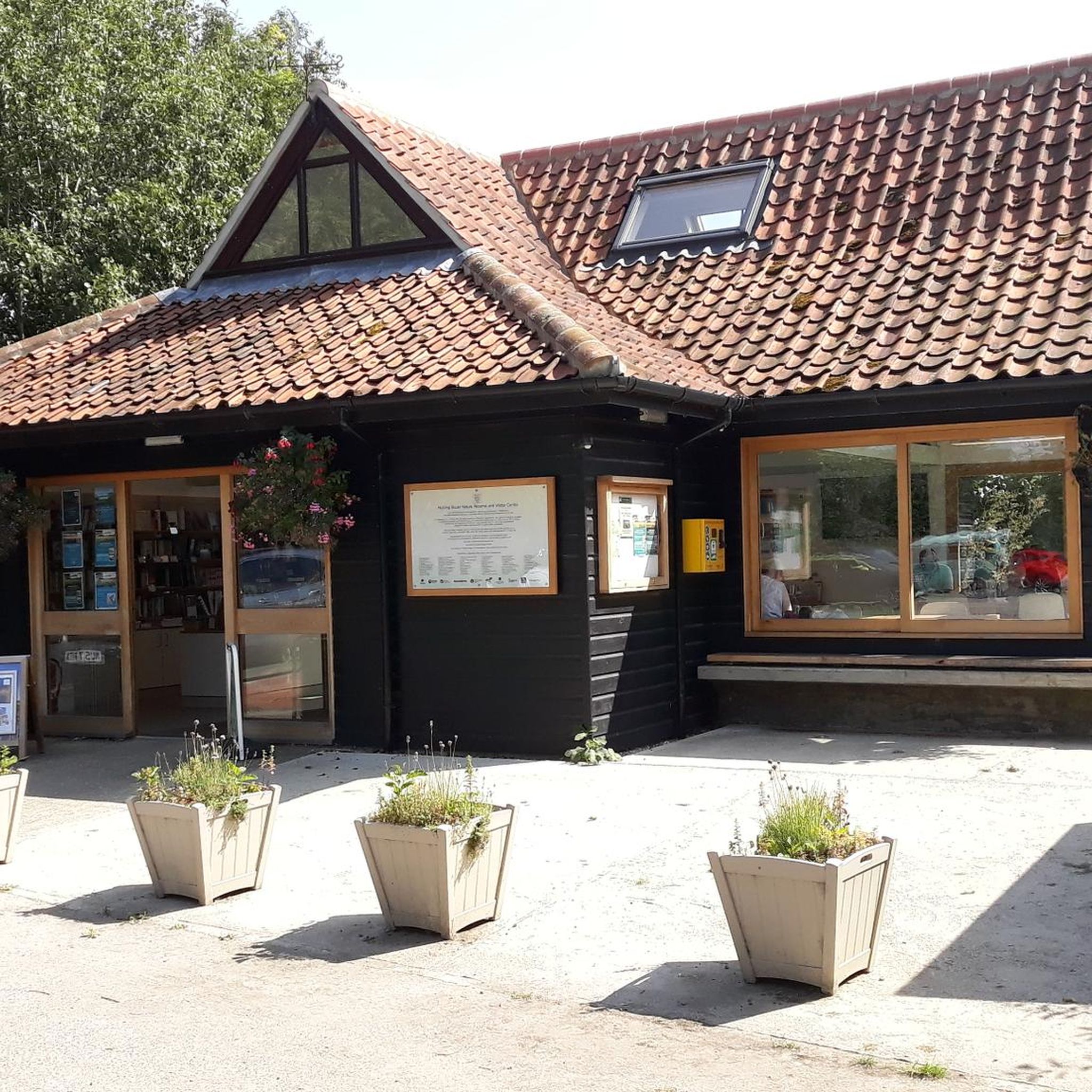
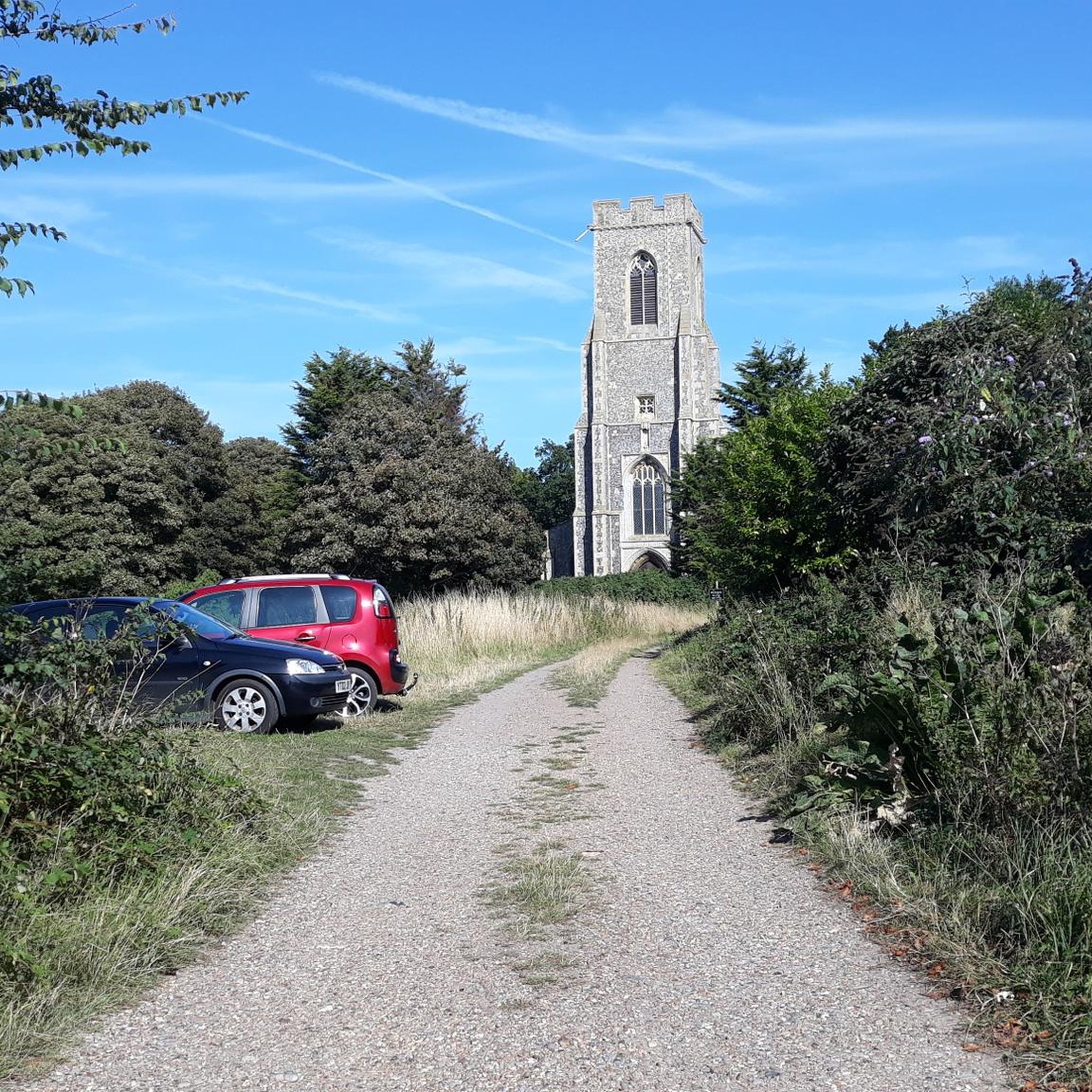
Ranworth is a picture postcard village in the heart of the Broads alongside Ranworth and Malthouse Broad just off the River Bure. The village has moorings, a pub and village store and the church is known for exceptional views once you have climbed the tower, with a huge area of the Broads visible from the top. The National Trust has a floating Broads Wildlife Centre that is reached by a boardwalk from the village and has a panoramic vista across the water. .
1
0

Great place have a break, several public benches &picnic tables, drinking water tap (intended for boaters but available to all), cafe and shop.
0
0

In the winter months this area can become quite water logged. Remember to close any gates behind you to ensure the Konik Ponies don't escape when they are in the reserve.
1
0

South Walsham Broad is a beautiful place to be. With the sounds of birdsong and gently lapping water blowing in the wind, it is a serene lake that is perfect to stop and take a moment at.
2
0
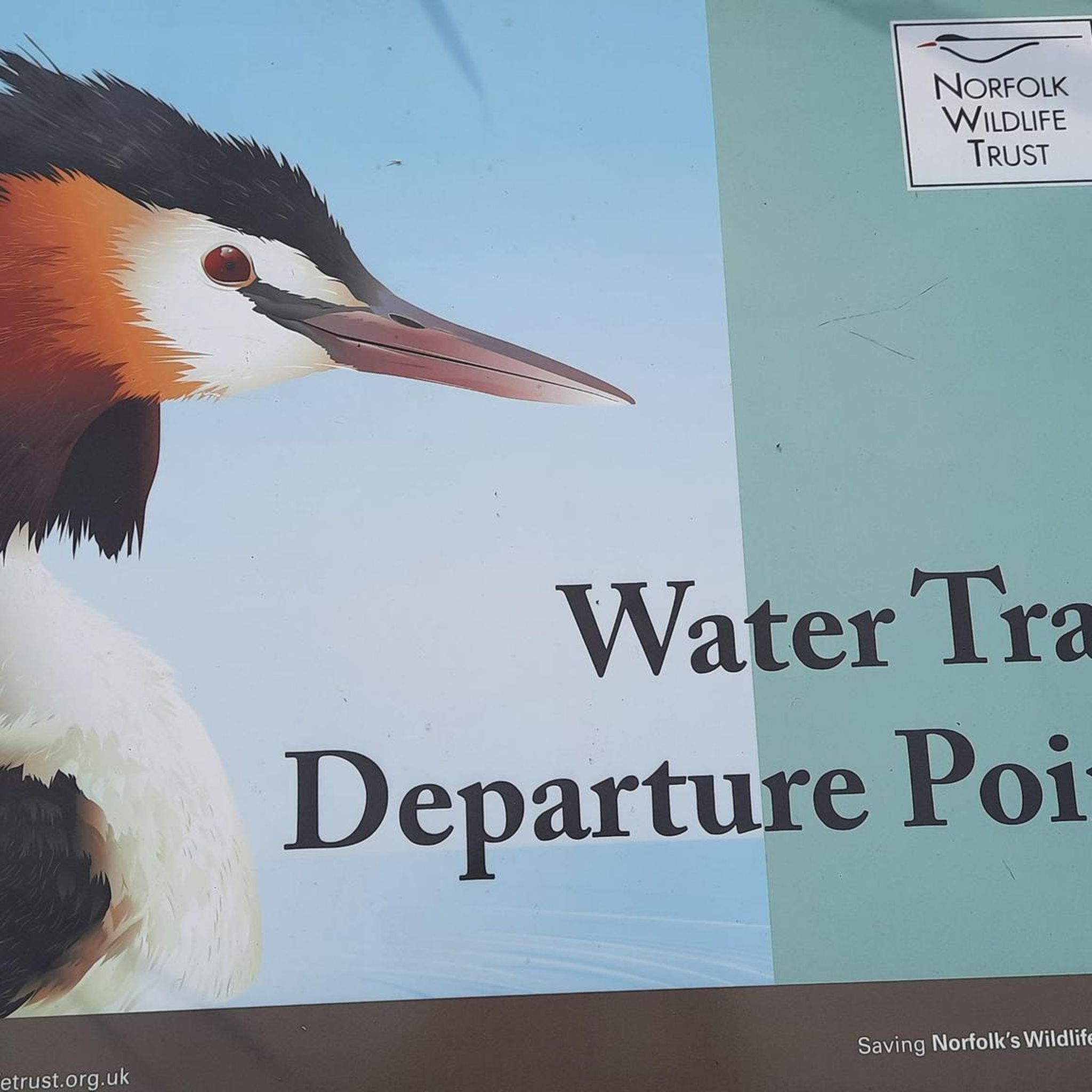
Managed by Norfolk Wildlife Trust, Martham Broad is a magnificent place to visit. The nature reserve is home to breeding birds including bittern, bearded tit, common tern, Cetti’s warbler and marsh harrier. Stately common cranes use the reserve and the site is excellent for swallowtails and many other invertebrates. Otters and Chinese water deer are relatively easily observed here, too.
0
0
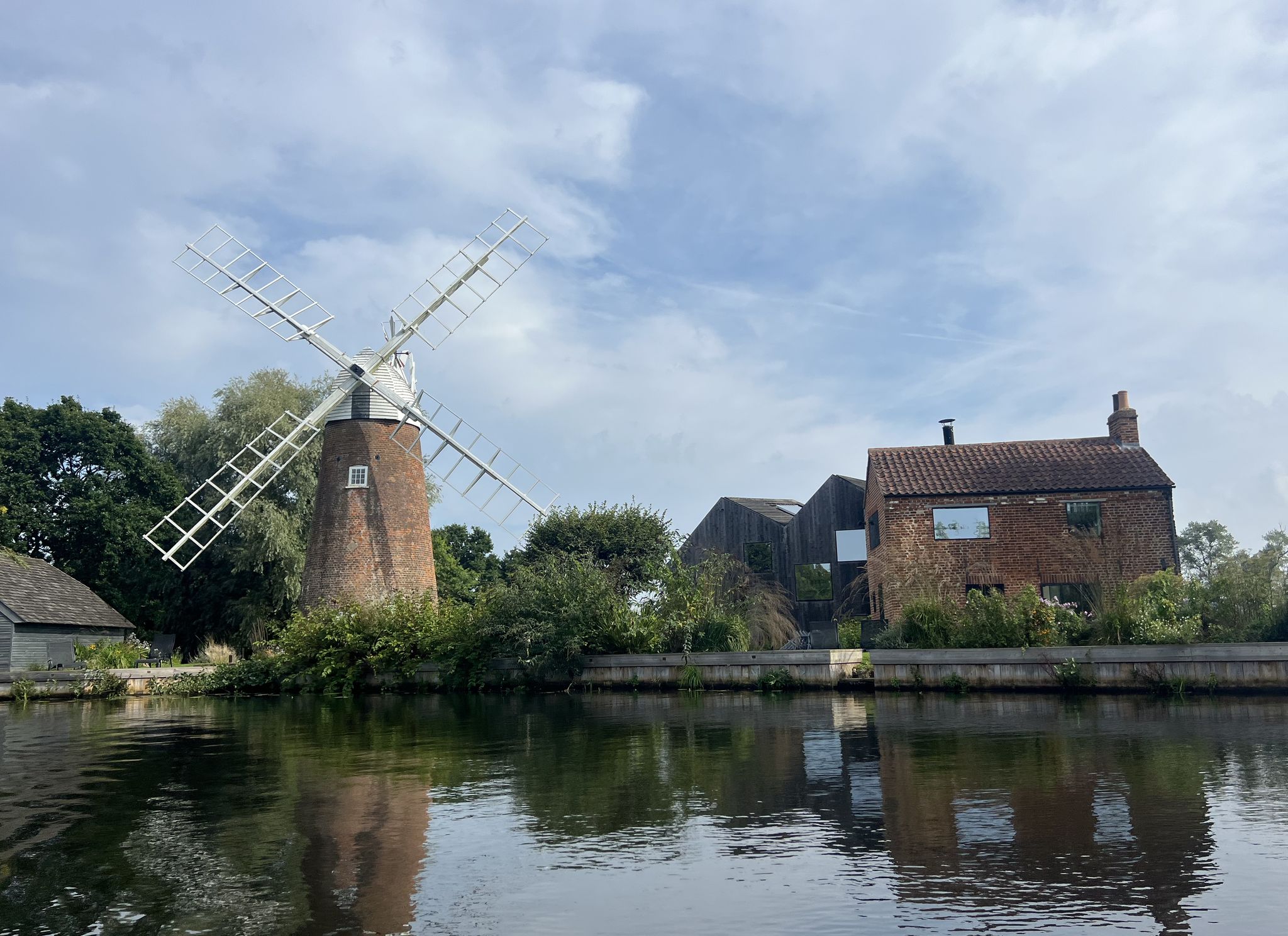
Heigham Sound is a clear lake that's popular with sailors and boaters. It's home to an abundance of rare birds and insects at all times of year, too. At this spot, between meadows and Heigham Sound, with boats floating on the water and the sound of birdsong flowing through the air, you can experience a slice of Norfolk’s rural idyll.
1
0
Frequently Asked Questions
What natural features can I expect to see around Hickling's lakes?
The lakes around Hickling, particularly Hickling Broad, are characterized by expansive water, extensive reedbeds, woodlands, and unspoiled marshes. You'll find wide-open skies and picturesque scenery. Other notable features include the clear waters of Heigham Sound, popular with sailors, and the reed beds and grazing marshes of Horsey Mere.
When is the best time to visit the lakes around Hickling?
Hickling Broad offers unique experiences throughout the year. Spring is excellent for hearing booming bitterns, while early summer is ideal for spotting the swallowtail butterfly. Migrating birds use Hickling as a staging post in late summer and early autumn. Winter provides opportunities for observing a wide variety of wildfowl. Guided wildlife boat trips run from Easter to October, with special winter tours also available.
What kind of wildlife can I see around Hickling Broad?
Hickling Broad is a haven for diverse wildlife. It's famous for booming bitterns and is a stronghold for common cranes. Marsh harriers are frequently spotted, along with winter wildfowl, great crested grebes, and spoonbills. The area is home to Britain's largest butterfly, the swallowtail, Norfolk hawker dragonflies, and the fen mason wasp. Rare aquatic plants like the holly-leaved naiad and various stoneworts also thrive here.
Are there walking trails around Hickling's lakes?
Yes, there are signposted footpaths, including raised grass banks and boardwalks, that lead through dykes and reedbeds to several bird hides and observation points. The 'Swallowtail trail' at Hickling Broad is wheelchair accessible. For more extensive walking options, you can explore routes like the 'Horsey Mere and Dunes' or 'Potter Heigham to Hickling Broad' by checking the Hiking around Hickling guide.
Are the lakes around Hickling suitable for families?
Absolutely. Many areas are family-friendly, including Horsey Mere and South Walsham Broad. The Norfolk Wildlife Trust visitor centre at Hickling Broad offers family-friendly events like pond dipping and bird walks. The 'Swallowtail trail' is also wheelchair accessible, making it suitable for families with strollers.
Are there accessible trails around Hickling's lakes?
Yes, the 'Swallowtail trail' at Hickling Broad is specifically designed to be wheelchair accessible, allowing visitors of all mobilities to enjoy the natural environment and observe wildlife.
What outdoor activities can I do near these lakes?
Beyond walking, you can enjoy guided wildlife boat trips, canoeing, and paddleboarding on Hickling Broad. Fishing is also popular, with species like roach, rudd, and pike. For other outdoor activities, explore the Running Trails around Hickling or the Cycling around Hickling guides for routes like 'Horsey Mere loop' or 'Stalham and Honing loop'.
Where are the best viewpoints around Hickling's lakes?
At Hickling Broad, a 60-foot tree tower offers panoramic views during guided boat trips. Ranworth Broad Village and Waterfront features a floating Broads Wildlife Centre with a boardwalk that provides a panoramic vista across the water. Horsey Mere also has a viewing area with benches overlooking the mere.
Are there places to eat or drink near the lakes?
Yes, Ranworth Broad Village and Waterfront is a facilities hub with a pub and a village store, including a cafe. The Norfolk Wildlife Trust visitor centre at Hickling Broad also provides refreshments. Additionally, there are pubs and cafes in the surrounding villages.
Can I go wild swimming in Hickling Broad?
While canoeing and paddleboarding are popular activities on Hickling Broad, the region research does not explicitly mention wild swimming as a recommended activity. It's always best to check local regulations and safety guidelines before attempting wild swimming in any natural body of water.
What do visitors enjoy most about the lakes around Hickling?
Visitors appreciate the tranquility and natural beauty of the area, often highlighting the serene atmosphere of places like South Walsham Broad with its birdsong and gently lapping water. The exceptional wildlife, particularly the rare birds and insects, is a major draw. The opportunity for quiet observation of nature, whether from boat trips or walking trails, is also highly valued.
Most popular attractions around Hickling

Get inspired with the komoot mobile app


Explore more
Still not found your perfect lake around Hickling? Check out the guides of these regions to see even more beautiful places.
