The best walks and hikes around Wernberg-Köblitz
4.8
(218)
907
hikers
148
hikes
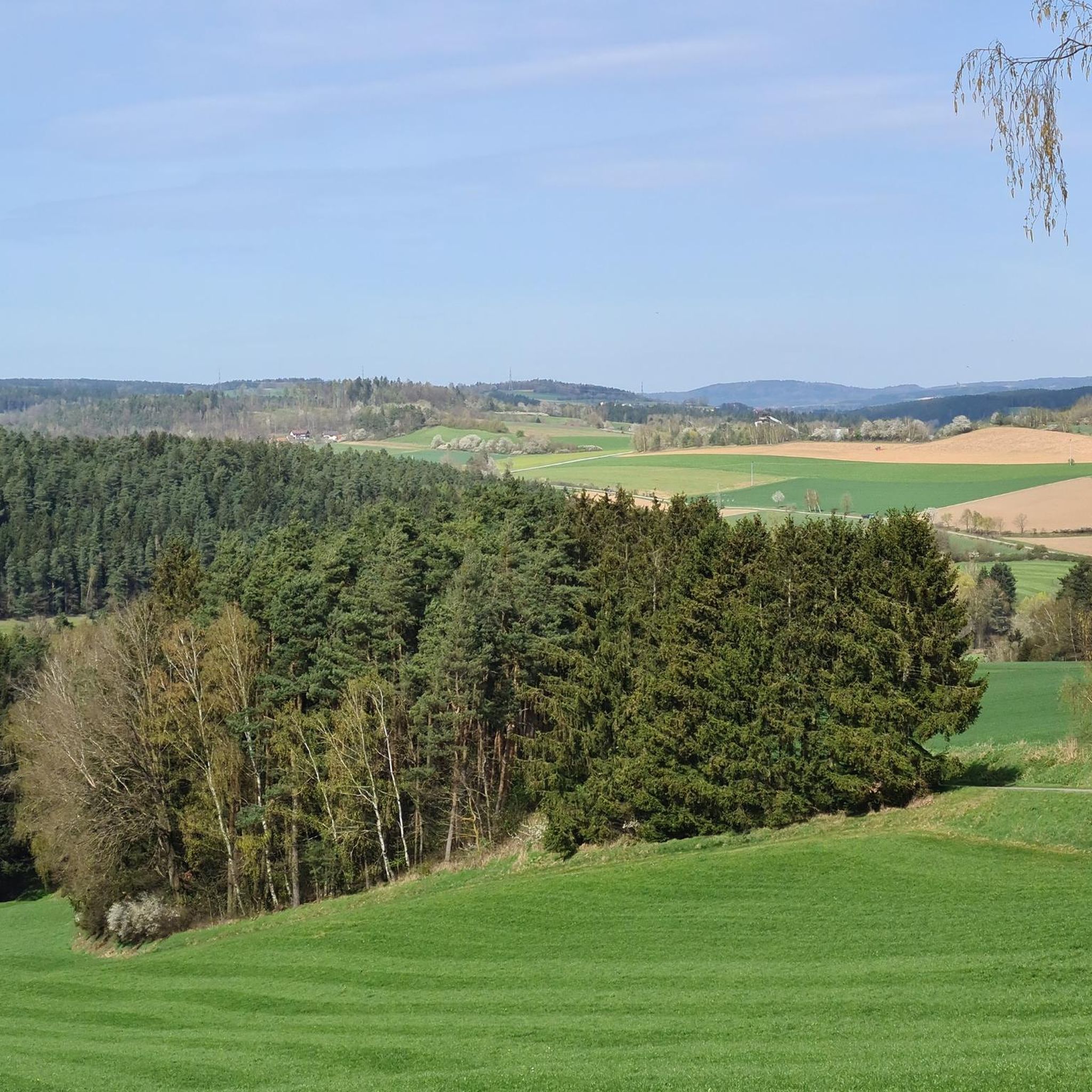
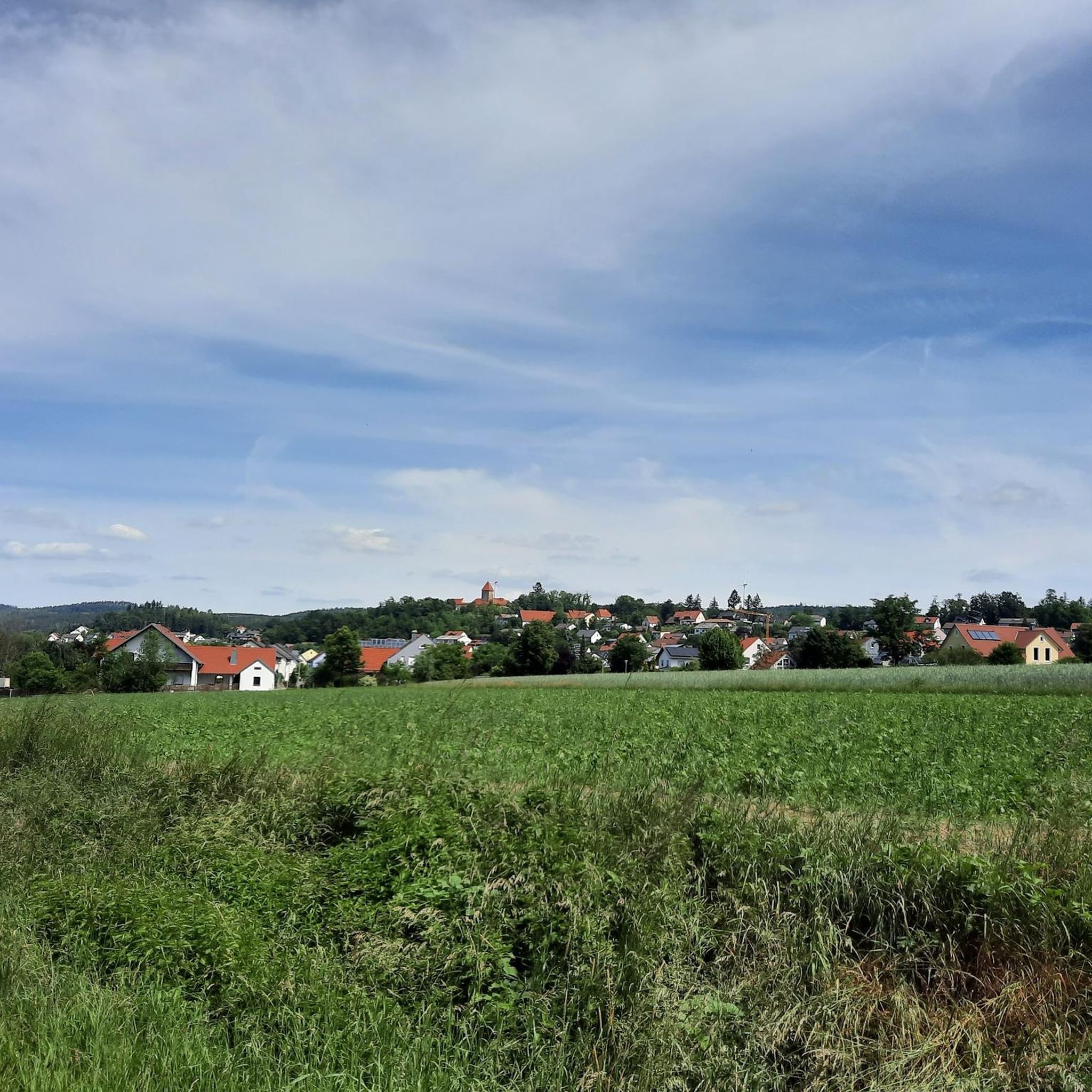
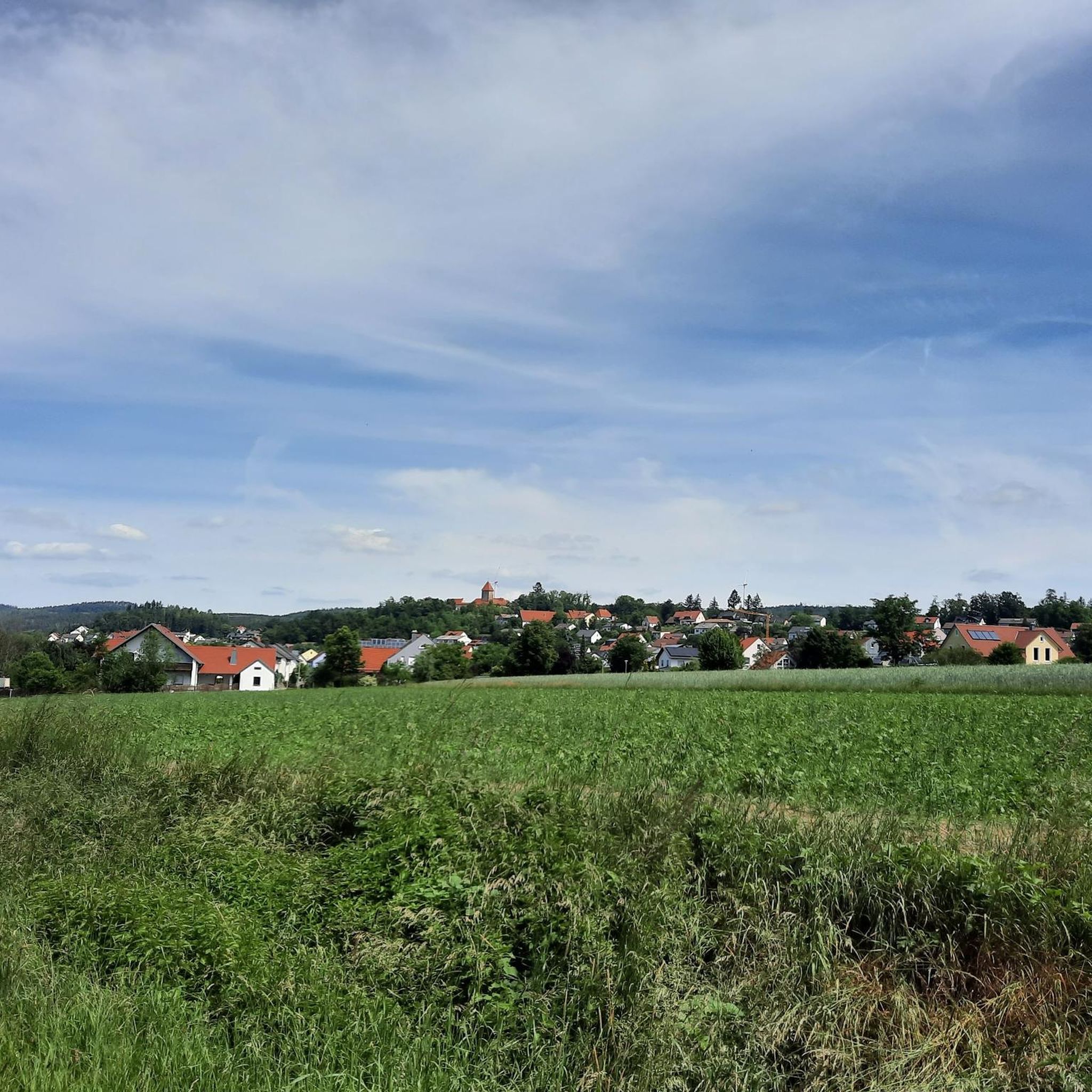
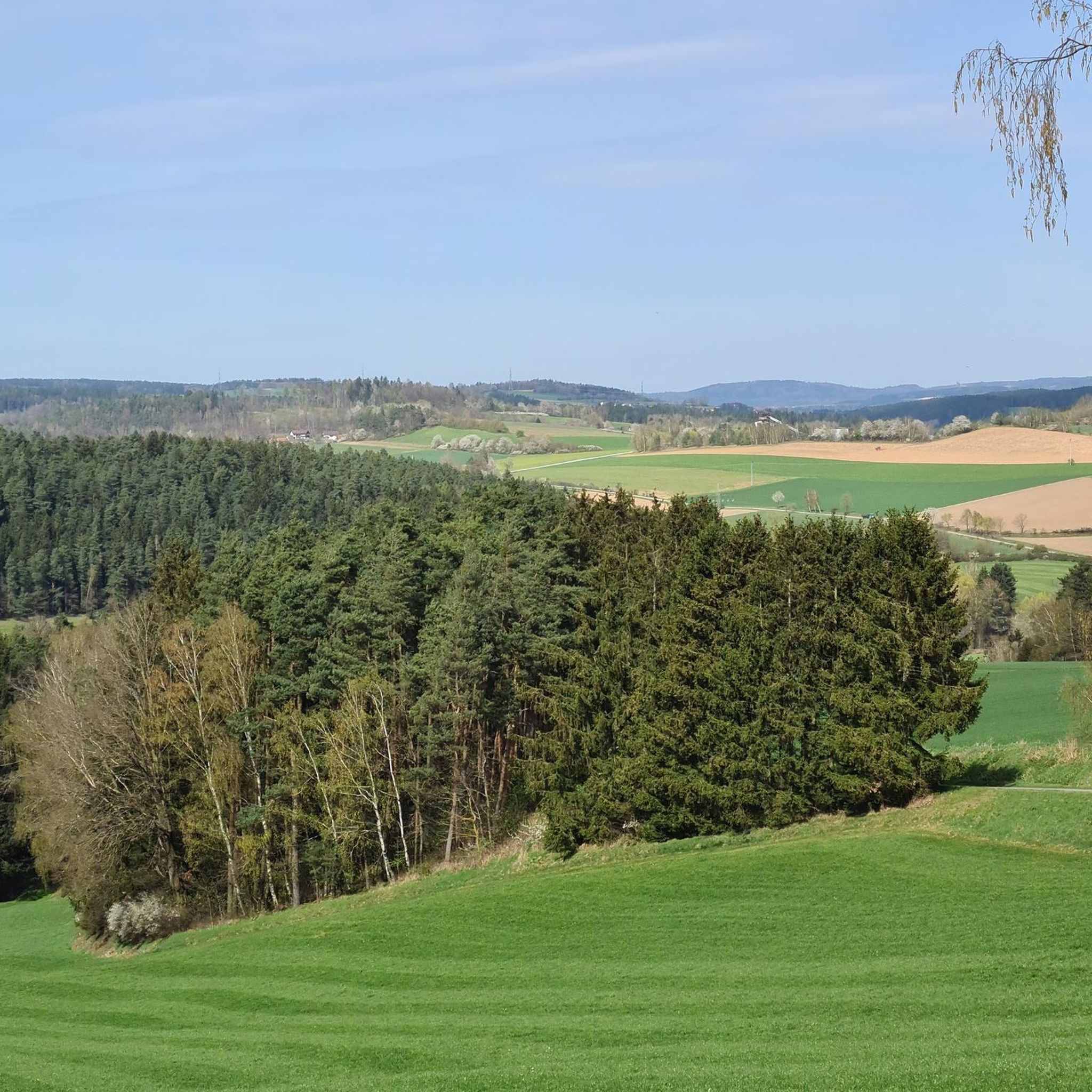
Hiking around Wernberg-Köblitz offers diverse experiences within the Upper Palatinate Forest, characterized by rolling hills and idyllic lakes. The region features the Naab and Schilternbach valleys, along with the rugged Lerau Valley. Notable natural features include the rock formation known as "The Devil's Churn." The municipality maintains approximately 80 kilometers of marked hiking trails.
Best hiking trails around Wernberg-Köblitz
- The most popular hiking route is Wenzlsteig – Felsenquelle (Rock Spring) loop from Wernberg-Köblitz, a 7.8 miles (12.6 km) trail…
Last updated: July 4, 2026
4.6
(14)
70
hikers
Easy hike. Great for any fitness level. Easily-accessible paths. Suitable for all skill levels.
4.5
(11)
39
hikers
12.6km
03:23
140m
140m
Moderate hike. Good fitness required. Mostly accessible paths. Sure-footedness required.

Sign up for free
4.7
(15)
41
hikers
9.78km
02:46
210m
210m
Moderate hike. Good fitness required. Easily-accessible paths. Suitable for all skill levels.
4.4
(7)
38
hikers
3.80km
01:02
60m
60m
Easy hike. Great for any fitness level. Easily-accessible paths. Suitable for all skill levels.
4.0
(3)
13
hikers
6.96km
01:54
80m
80m
Moderate hike. Great for any fitness level. Mostly accessible paths. Sure-footedness required.
Get access to more routes and recommendations from other explorers.
Sign up for free
Already have an account?
Our route recommendations are based on thousands of hikes, rides, and runs completed by other people on komoot.
Start today with a free account
Your next adventure awaits.
Login or Signup
Tips from the Community

Wonderful landscape, here is a place of peace and relaxation
1
0

Banneux Chapel, Schilternbach Sixty years ago, the small Chapel of the Virgin Mary was built east of Wernberg – tucked away between forest and meadows at the confluence of the Kötschdorfer Bach and Schilterbach streams. It was sometimes called "Madonna im Wiesengrund" or "Maria im Firn" (Our Lady of the Meadows) or "Mary in the Pine Trees." The open, circular structure is dedicated to Our Lady of Banneux. During the Rosary Service on October 27, 1955, hundreds of believers marched in a candlelight procession with the statue of the Virgin Mary from the parish church of St. Anna to the newly built chapel on the Schilterbach stream to dedicate it to the Blessed Virgin of the Poor and Sick. The chapel was donated by Sophie Breu. Sophie Breu, director of the Schlenz sanatorium St. Michael, was a great admirer of the apparitions of the Virgin Mary at Banneux in Belgium. According to the report, Joan Jacob, the pastor of Banneux, where Our Lady is said to have appeared eight times to twelve-year-old Mariette Beco between January 15 and March 2, 1933, traveled specifically for the consecration and brought the statue with him. For many years, the Wernberg Chapel on the Schilterbach stream was a frequent meeting place for May devotions, October rosaries, and supplication processions. The construction of several chapels and the emergence of Marian veneration sites can be traced back to the initiative of Sister Sophie Breu. She ran the well-known Schlenz sanatorium in Wernberg. The many letters of thanks from her patients, which still exist today, testify to her many successful healings. The advertising slogan was "Operation without knife and blood." Sophie Breu, a native of Wernberg, joined the Order of the Sisters of Mercy in 1928 after training as a nurse and nurse. She learned the methods of medicinal herbal and hyperthermic baths from Maria Schlenz. From humble beginnings, she began her own business in 1937 and worked with perseverance and tenacity toward her life's goal of helping the sick with this method. The chapel is owned by the Regensburg Episcopal Administration. Source: Excerpts from www.onetz.de/deutschland-und-die-welt-r/lokales/zur-madonna-im-wiesengrund-d1014170.html
3
0
Wernberg Castle The earliest documented mention of the castle "Werdenberch", which was founded by the Landgraves of Leuchtenberg, dates back to 1280, when the castle came into the possession of Konrad von Paulsdorf. The following year, his daughter brought Wernberg into the possession of the Nothaft family through marriage, who lived here until the 16th century. In 1367, Heinrich I Nothaft gave his free Wernberg Castle to the Kingdom of Bohemia as a fief. In 1509, Georg, Kaspar, Heinrich, Hans and Bernhard Nothaft sold Wernberg Castle to Georg Wispeck von Velburg. In 1530, Johann IV, Landgrave of Leuchtenberg, acquired the castle, which came to the Electorate of Bavaria when the Leuchtenberg family died out in 1647 and became the seat of the custodianship for the Upper Palatinate from 1704 to 1803. During the Thirty Years' War, Wernberg Castle was occupied and plundered by Mansfeld troops in 1621, Swedish troops in 1634, and then imperial troops. At the end of the war, the castle was in a desolate state. From 1856/57 to 1859, the castle served as a forced labor house and from 1861 as a "rescue center for fallen women and neglected girls." In 1918, Wernberg passed to Andreas Graf Schall-Riacour, who rented it out as a home for asylum seekers. From 1804, Wernberg temporarily degenerated into a penal institution. In 1992, the municipality, the state, and Klaus Conrad, owner of the Conrad electronics group, raised a total of 27 million DM to fundamentally renovate the partially ruined castle. First, the castle became a modern hotel and conference center with Michelin-star cuisine, then a private clinic in 2019. Since then, it has been closed to visitors. This means that a unique medieval building is unfortunately hidden from the public. The Wernberg Castle, built in the middle of the 13th century, included the mighty square keep, the palace in the north and the ring wall. The Nothafts increased the density of the buildings and built, among other things, the castle chapel of St. George, which was consecrated in 1401 and then remodeled in the Baroque style in 1712. The south wing was built in 1478, and the north wing was remodeled at the same time. The front moat and the castle gate, which was fortified by a drawbridge, probably also date from this period. The inner courtyard with its two-storey arcades and the stair tower clearly exudes the Renaissance style. In 1731, further repairs were necessary. In 1920, under Andreas Graf Schall-Riacour, the south wing was rebuilt, but it partially burned down in 1942. Source: www.hdbg.eu/burgen/detail/burg-wernberg/98
4
0


always worth a visit because of the route.
2
0
Nice starting point for tours around the Feistelberg or along the Naab
0
0
Always a nice experience to drive to the wind turbines
2
0
Frequently Asked Questions
How many hiking trails are available in Wernberg-Köblitz?
Wernberg-Köblitz offers a comprehensive network of approximately 80 kilometers of well-maintained and marked hiking trails. On komoot, you can find over 150 routes, with options ranging from easy strolls to more challenging hikes.
What kind of terrain can I expect on the hiking trails around Wernberg-Köblitz?
The region is characterized by diverse terrain, including rolling hills, picturesque river valleys like the Naab and Schilternbach, and dense woodlands. You'll encounter varied surfaces, from well-trodden paths to more rugged sections, especially in areas like the Lerau Valley.
Are there any family-friendly hiking options in Wernberg-Köblitz?
Yes, Wernberg-Köblitz has many easy trails suitable for families. An excellent option is the Schilternbach valley – Wernberg Castle loop, an easy 4.1 km route that takes about an hour to complete and passes by the historic Wernberg Castle. You can find more details about this route here: Schilternbach valley – Wernberg Castle loop.
Can I bring my dog on the hiking trails in Wernberg-Köblitz?
Most hiking trails in Wernberg-Köblitz are dog-friendly, allowing you to explore the beautiful landscapes with your canine companion. It's always recommended to keep dogs on a leash, especially in nature reserves or near wildlife, and to respect local regulations.
Are there any circular hiking routes in the area?
Yes, Wernberg-Köblitz offers numerous circular routes. A popular moderate option is the Wenzlsteig – Felsenquelle (Rock Spring) loop from Wernberg-Köblitz, which is 12.6 km long and features varied terrain. Another great choice is the Feistelberg Chapel – Wind Turbine 3, Feistelberg loop, a 9.8 km moderate path with over 210 meters of elevation gain.
What interesting natural attractions can I see while hiking?
The region boasts several notable natural features. You can explore the wild Naab and Schilternbach valleys, or the rugged Lerau Valley. A significant natural monument is The Devil's Churn, a distinctive rock formation. The Pfreimdtal Riverside Trail also offers scenic routes along the water.
Are there any historical sites or castles to visit along the trails?
Absolutely. Wernberg-Köblitz is rich in history. You can visit the majestically situated Wernberg Castle, which offers breathtaking views. Although the interior is not accessible, a walk around the castle, its chapel, and courtyard is highly recommended. Other significant landmarks include Köblitz Castle with its magnificent Baroque garden, and the impressive Leuchtenberg Castle Ruins, considered one of the most important and well-preserved castle complexes in the Upper Palatinate.
Where can I find panoramic views during my hike?
For stunning panoramic views, consider hiking to the Vierling Tower. This beautifully situated lookout tower often has a nearby hut for refreshments. Another route, the Kulm Area and Viewpoint loop from Friedersdorf, also offers great vistas.
What do other hikers say about the trails in Wernberg-Köblitz?
The routes in Wernberg-Köblitz are highly rated by the komoot community, with an average score of 4.7 stars from over 200 reviews. Hikers frequently praise the diverse natural scenery, the well-maintained paths, and the variety of options for all ability levels.
Are there any long-distance hiking connections from Wernberg-Köblitz?
Yes, Wernberg-Köblitz serves as a gateway to longer adventures. The Goldsteig-Zuweg Nr. 8 connects through the Schilternbachtal into the Pfreimdtal, linking to the renowned long-distance Goldsteig trail, offering opportunities for extended hikes.
Are there places to eat or stay near the hiking trails?
Wernberg-Köblitz and its surrounding villages offer various options for refreshments and accommodation. You'll find local cafes, pubs, and restaurants to refuel after your hike, as well as guesthouses and hotels for overnight stays. Some routes, like the Kulm Area and Viewpoint loop, even pass by establishments like Gasthof Zum Kulm.
What is the best time of year to go hiking in Wernberg-Köblitz?
Wernberg-Köblitz is a great hiking destination throughout much of the year. Spring and autumn offer pleasant temperatures and beautiful scenery with blooming flowers or vibrant fall foliage. Summer is also popular, especially for shaded forest trails. While winter hiking is possible, be prepared for colder conditions and potential snow or ice on paths.
Most popular routes around Wernberg-Köblitz
Most popular attractions around Wernberg-Köblitz

Get inspired with the komoot mobile app


Explore more
Browse the best Hikes in other regions.
