Attractions and Places To See around Horning - Top 20
Attractions and places to see around Horning include a variety of historical sites and natural features within the Norfolk Broads. The village is situated on the northern bank of the River Bure, offering a waterside setting. This area provides opportunities for exploring wetlands, rivers, and traditional Broads scenery. It is known for its blend of cultural heritage and natural landscapes.
Best attractions and places to see around Horning
- The most popular attractions is Horsey Windpump, a historical site that was restored after being struck by lightning. It offers panoramic views of the Norfolk countryside and Horsey Mere from its top.
- Another must-see spot is Horstead Mill, a historical site where only the lower section of the mill building remains. It was once one of the most photographed mills in Britain before burning down in 1963.
- Visitors also love St Mary's Church, Fishley, a religious building with a 12th-century round tower. This church stands in isolation overlooking marshes and is steeped in history and tranquility.
- Horning is known for its historical sites, religious buildings, and man-made monuments. The area offers a variety of attractions to see and explore, from restored windmills to ancient church ruins.
- The attractions around Horning are appreciated by the komoot community, with 4 highlights, 37 photos, and 125 upvotes.
Last updated: July 2, 2026
Horsey Windpump
Highlight • Historical Site
Tip by

Horstead Mill
Highlight • Historical Site
Tip by

Sign up now to discover places like this
Get recommendations on the best single tracks, peaks, & plenty of other exciting outdoor places.
Sign up for free
St Mary's Church, Fishley
Highlight • Religious Site
Tip by
Turf Fen Drainage Mill
Highlight • Structure
Tip by

Ruins of St Mary's Church, East Somerton
Highlight • Religious Site
Tip by
Sign up for free to discover even more attractions around Horning.
Sign up for free
Already have an account?
Start today with a free account
Your next adventure awaits.
Login or Signup

Other adventures around Horning

Tips from the Community

Using the power of moving water to drive a mill wheel is an ancient invention of the human spirit of discovery, the origins of which can be traced back to times long past. Thanks to such a construction, a watercourse - natural or artificial - could simply replace human or animal muscle power with the power of the natural elements, for example to grind grain into corn or to press oil from fruit. There are essentially two different ways of driving watermills: * Either the flowing water simply hits the blades of the water wheel from below to set it in motion; or * the water is guided - usually through a so-called "mill channel" - above the wheel and falls onto the blades; this type of construction is more efficient due to natural gravity.
1
0

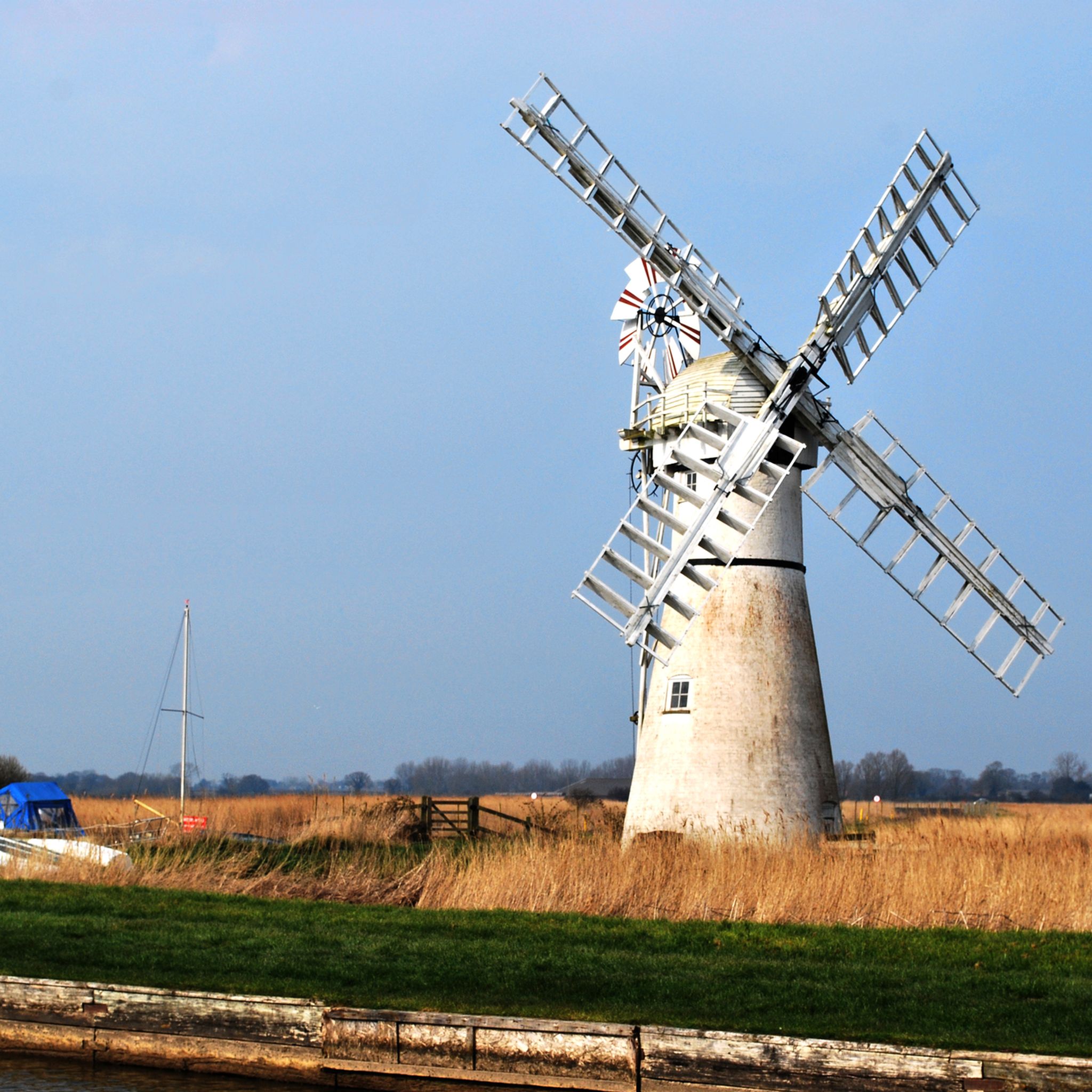
National Trust-run windmill in the middle of the wide, flat broads landscape. Cafe and toilets for a refreshment stop as well.
0
0

There is a car park here, which is managed by the National Trust. There are lovely hiking trails all around through the Broads and to the North Sea coast. You can see several colonies of seals on the coast.
0
0
The National Trust maintains a car park right next to the mill. You can also get tickets to the mill there. It's worth a visit, as you'll not only learn details about the mill, but also gain an insight into the miller's life.
0
0

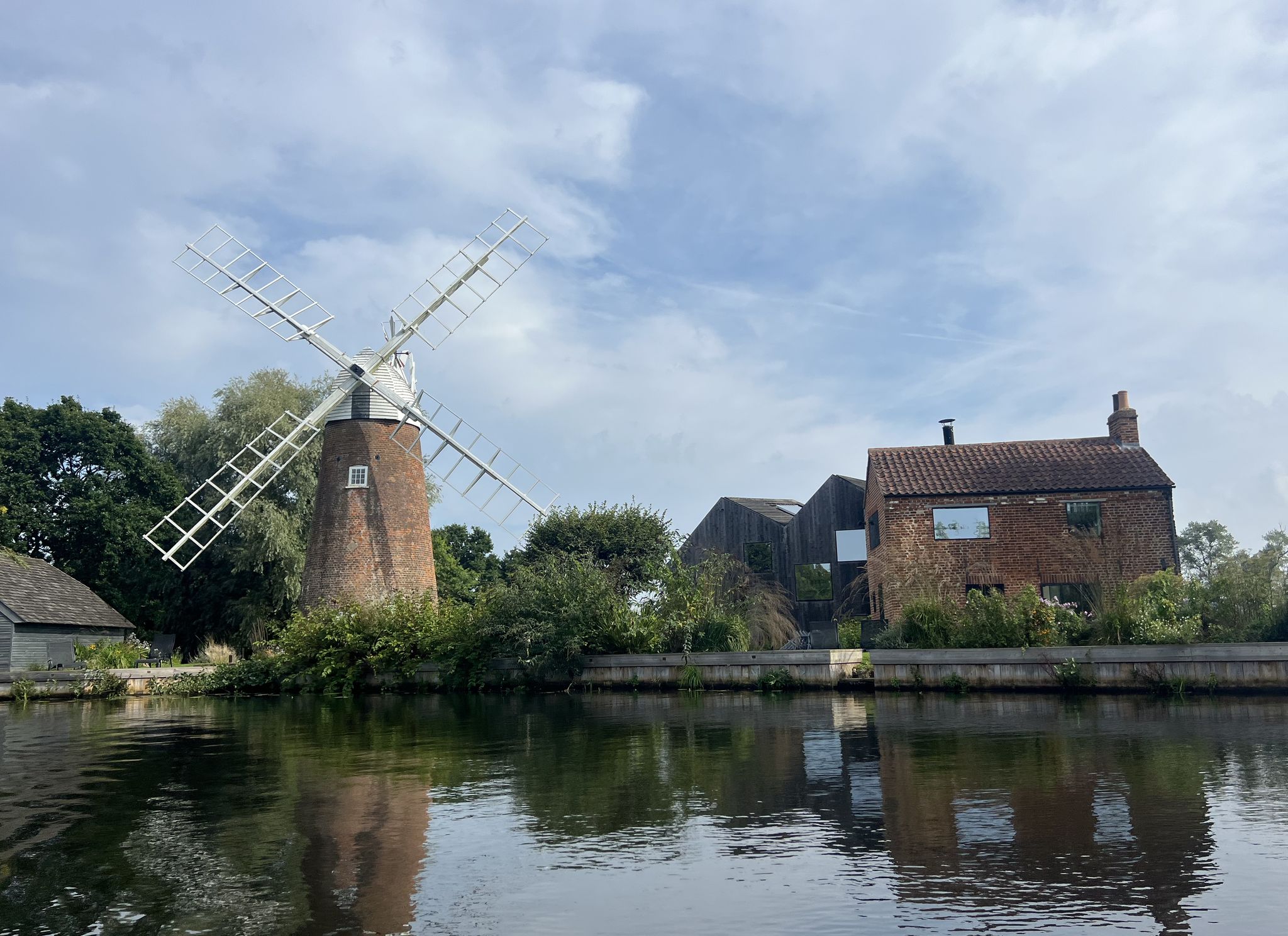
It's thought that there had been a mill here since at least Saxon times. The 18th-century incarnation of Horstead Mill was once one of the most photographed in Britain, a fine sight on the River Bure. However, it burned down in 1963 and, today, only the lower parts of the building remain.
0
0

Horstead watermill was burnt down in 1963 and all that remains is the lower section of the mill building. It was one of the biggest and most photographed mills in the country.
2
0
In the woods of East Somerton are the ruins of St Mary’s church, with glassless windows, tumbling walls, and a tower where you can look up into the open sky. From the 15th-century, St Mary’s went from serving its own parish to becoming part of the larger parish of West Somerton. It fell into disuse in the 17th-century and has remained abandoned. The most striking feature is a tree in the centre of the ruins, known as “The Witch’s Leg.”
0
0

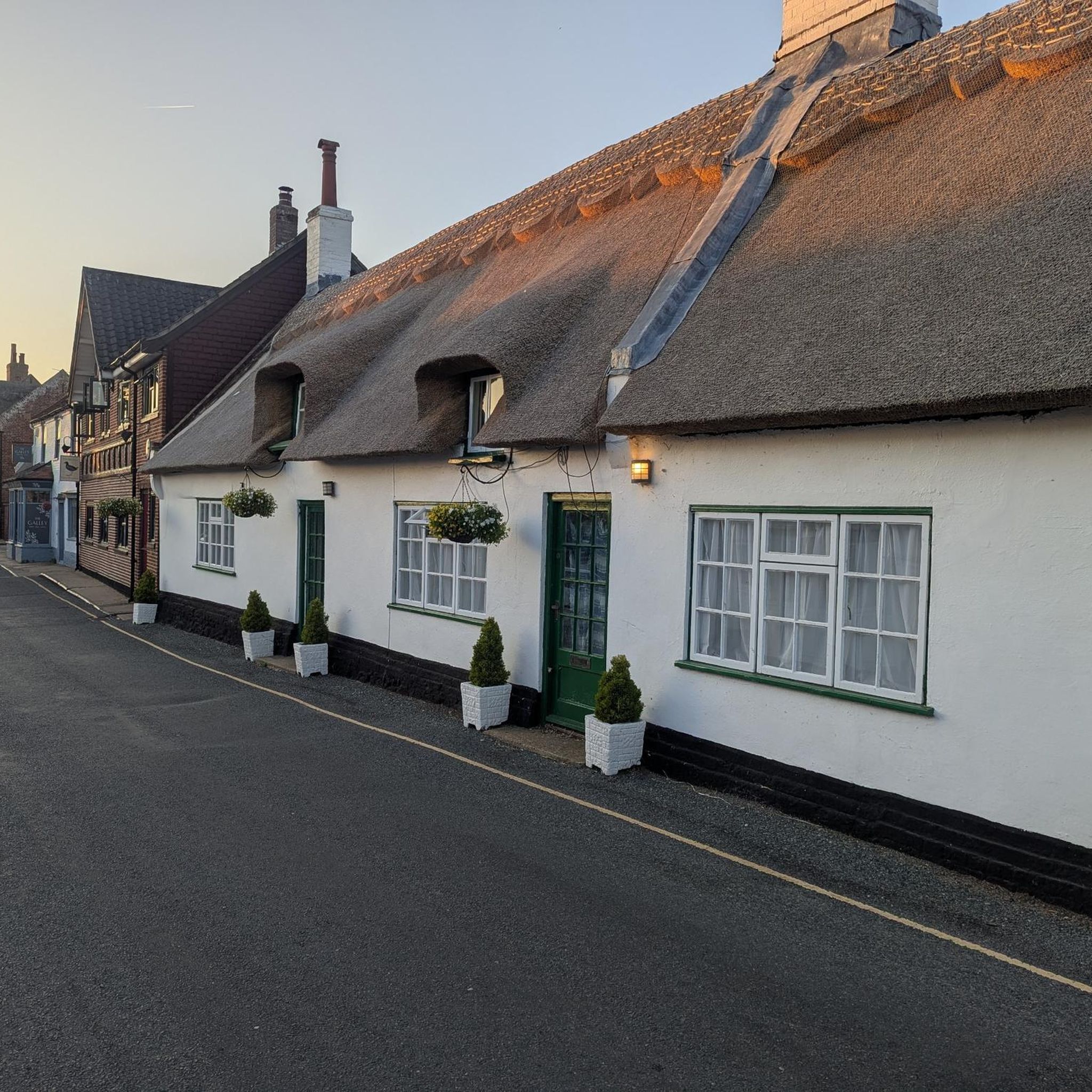
Things to know: First of all, it is a delightful walk. If you begin at Ludham Bridge, there are plenty of places to park along the road. They are free parking pull-outs, so you're not exposed to parking on a narrow street. There is a bakery and public toilets. Although the walk parallels the river, you're not really next to it, except for a couple of spots. Nonetheless it's still very picturesque. Most of the path was easy to navigate accept for one short stretch where the tall grass had obscured the trail. It was very short, and if you look to your left, you'll see the posts of a short bridge, so just aim for that. At about the halfway point is How Hill Estate. It's rather a dramatic building with a thatched roof. Unusual for a building that size. I think you can get a room there if you're not from the area. There's a large lawn there, a place to watch the boats and, most importantly, public toilets and take-away café. It can be busy on the weekends so pick your day. Although we were there on a Sunday in July and it wasn't bad. Then it's back the way you came. FYI The Dog pub is just a short, safe, walk up the road from the start/end of the walk, in case you're interested.
0
0
Frequently Asked Questions
What historical sites can I explore around Horning?
Horning and its surroundings are rich in history. You can visit the medieval ruins of St Benet's Abbey, which uniquely survived the Dissolution of the Monasteries. Another significant site is Horstead Mill, where only the lower section remains of what was once one of Britain's most photographed mills. Don't miss the attractive 13th-century St Benedict's Church right by the River Bure, or the restored 19th-century Horsey Windpump, offering panoramic views.
Are there any family-friendly attractions in the Horning area?
Yes, families can enjoy several attractions. Horsey Windpump is considered family-friendly and offers a tea room. Just outside Horning, Bewilderwood is a popular outdoor adventure park with treetop walks and zip wires. The Southern Comfort Paddle Steamer, moored in Horning, offers a unique and relaxing way to see the Broads, which is also suitable for families.
What natural features define the landscape around Horning?
Horning is nestled in the heart of the Norfolk Broads, dominated by the River Bure, which is navigable from the North Sea. The area is characterized by its extensive network of rivers and lakes. Across the River Bure, you'll find the Bure Marshes National Nature Reserve, a haven for wildlife. Nearby Broads like Barton, Alderfen, and Burntfen also contribute to the tranquil wetland landscape.
Can I find opportunities for outdoor activities like cycling or mountain biking near Horning?
Absolutely. The area around Horning offers various routes for cycling and mountain biking. For cycling, you can explore routes like the 'Ferry Inn on the River Bure – River Bure at Horning loop from St Benet's Abbey' or the 'River Bure at Horning – Wroxham Bridge loop from Ludham'. Mountain biking enthusiasts can try routes such as the 'River Bure at Horning – River Bure at Horning loop from Hoveton and Wroxham'. You can find more details and routes on the Cycling around Horning or MTB Trails around Horning guide pages.
Where can I experience the unique wetland environment of the Norfolk Broads near Horning?
Horning is perfectly situated for experiencing the Broads. The River Bure itself offers excellent views, especially from a boat. The Bure Marshes National Nature Reserve, located across the river, is ideal for observing the wetland ecosystem and its wildlife. Exploring the nearby Barton, Alderfen, and Burntfen Broads also provides a deeper immersion into this unique landscape.
Are there any unique or less-known attractions worth visiting near Horning?
For a truly unique experience, visit the Ruins of St Mary's Church, East Somerton. This magical place has been reclaimed by nature, with a large oak tree growing within its walls, giving it the nickname 'The Witch's Leg'. Another less-known gem is Turf Fen Drainage Mill, an attractive 19th-century windmill only reachable by boat across the River Ant, restored by the Norfolk Windmills Trust.
What are some popular spots for wildlife viewing or photography around Horning?
The Bure Marshes National Nature Reserve is a prime location for wildlife, home to marsh harriers, grey herons, and various butterflies. The general area of the Norfolk Broads, particularly around the quieter Broads like Barton, Alderfen, and Burntfen, offers ample opportunities for birdwatching and capturing the serene wetland scenery. Horsey Mere, visible from Horsey Windpump, is also known for its wildlife.
What is the best way to experience the River Bure in Horning?
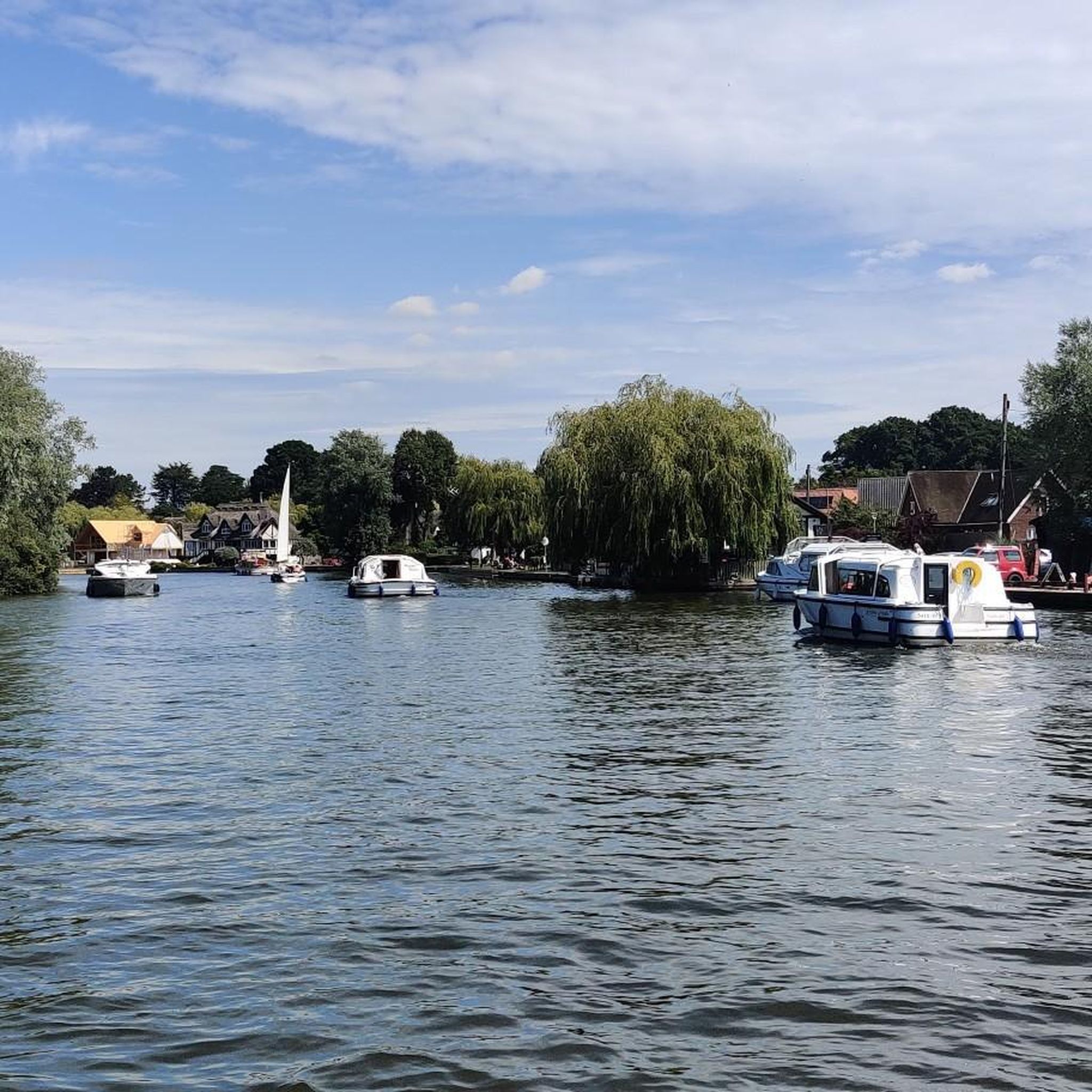
The best way to experience the River Bure is by boat. You can take a trip on the Southern Comfort Paddle Steamer, which offers regular excursions from Horning. Alternatively, you can hire a boat or enjoy the views from Horning Staithe, a lovely spot to relax and watch the boats pass by. The village's waterside properties and scenery are particularly picturesque from the river.
Are there any ancient religious sites to visit near Horning?
Yes, the area features several ancient religious sites. The ruins of St Benet's Abbey are a significant historical and religious landmark. You can also visit the 13th-century St Benedict's Church in Horning. Further afield, St Mary's Church, Fishley, with its 12th-century round tower, stands in isolation overlooking marshes and offers a sense of history and tranquility. The Ruins of St Mary's Church, East Somerton, though abandoned, also hold a unique historical and spiritual atmosphere.
What do visitors particularly enjoy about the attractions near Horning?
Visitors appreciate the blend of historical significance and natural beauty. Many enjoy the panoramic views from the top of Horsey Windpump and the insight into the miller's life. The tranquility and rich history of sites like St Mary's Church, Fishley, are also highly valued. The unique, nature-reclaimed atmosphere of the Ruins of St Mary's Church, East Somerton, is often described as magical.
What are some good places to eat or relax by the water in Horning?
Horning offers several waterside pubs and restaurants perfect for relaxing. The Swan Inn, a majestic 19th-century building with parts dating back to 1696, is a distinctive landmark on the River Bure. The Ferry Inn, located beside the ancient foot ferry crossing, is another popular gathering place with a long history. Both offer a great atmosphere to enjoy a meal or a drink with views of the water.
When is the best time of year to visit Horning for outdoor activities and sightseeing?
The warmer months, typically from late spring to early autumn (May to September), are generally considered the best time to visit Horning. During this period, the weather is more favorable for boating, cycling, walking, and enjoying the outdoor attractions of the Norfolk Broads. Wildlife is also more active, and the longer daylight hours allow for more extensive exploration.
Most popular routes around Horning
Most popular attractions around Horning

Get inspired with the komoot mobile app


Explore more
Still not found the Highlight you’re looking for? See guides of the top attractions in other regions:
