Attractions and Places To See around Congham - Top 20
Best attractions and places to see around Congham include a blend of historical sites, natural beauty, and cultural attractions. Congham is a tranquil village in Norfolk, England, offering a peaceful atmosphere. The area provides access to significant points of interest, ranging from ancient landmarks to expansive natural reserves.
Best attractions and places to see around Congham
- The most popular attractions is Bircham Windmill, a historical site that is a well-preserved working windmill. It gives insight into how mills operated a century ago and is open to the public.
- Another must-see spot is Castle Rising Castle, a ruined medieval fortification. It has witnessed centuries of history and is considered one of the largest and best-preserved keeps in England.
- Visitors also love Sandringham House and Gardens, a private country retreat of the Royal Family since 1862. The estate features 20,000 acres of gardens, parks, and woodlands.
- Congham is known for its historical sites, natural features, and cultural attractions. Visitors can explore ancient landmarks, tranquil nature reserves, and unique local events.
- The attractions around Congham are appreciated by the komoot community, with over 125 upvotes and 8 photos shared.
Last updated: August 25, 2026
Sandringham House and Gardens
Highlight • Settlement
You can visit the house, museum and gardens from April to mid-October from 11am until 5pm. Tickets cost £17.50 for adults. You can find more information, here: sandringhamestate.co.uk
Tip by

Castle Rising Castle
Highlight • Castle
In 1544, the Howard family became guardians of the castle and they remain the current owners today.
You can visit the castle with its surrounding motte and impressive towers daily from 10am - 6pm (April to November) and 10am - 4pm Wednesday to Sunday in winter. Tickets for adults cost £4.50. You can find more information, here: castlerising.co.uk
Tip by
Sign up now to discover places like this
Get recommendations on the best single tracks, peaks, & plenty of other exciting outdoor places.
Sign up for free
King's Lynn Minster
Highlight • Historical Site
Tip by

Sandringham House
Highlight • Historical Site
Tickets to see the house, museum and garden cost £17.50 per adult and £8.50 per child. For museum and gardens only, it costs £11.50 and £10, respectively. For opening times and more information, visit: sandringhamestate.co.uk
Tip by
Bronze Age Barrows on Harpley Common
Highlight • Historical Site
Local tradition has it that treasure is buried here and it is said that rabbits will not burrow in it, or if they do they soon come out! Strangely enough there are very few rabbit burrows. Please don't dig for treasure here, as it's protected as a national monument.
Tip by

Sign up for free to discover even more attractions around Congham.
Sign up for free
Already have an account?
Start today with a free account
Your next adventure awaits.
Login or Signup
Tips from the Community

22.80 pounds per adult, plus 5 pounds for parking. This needs careful consideration!
0
0


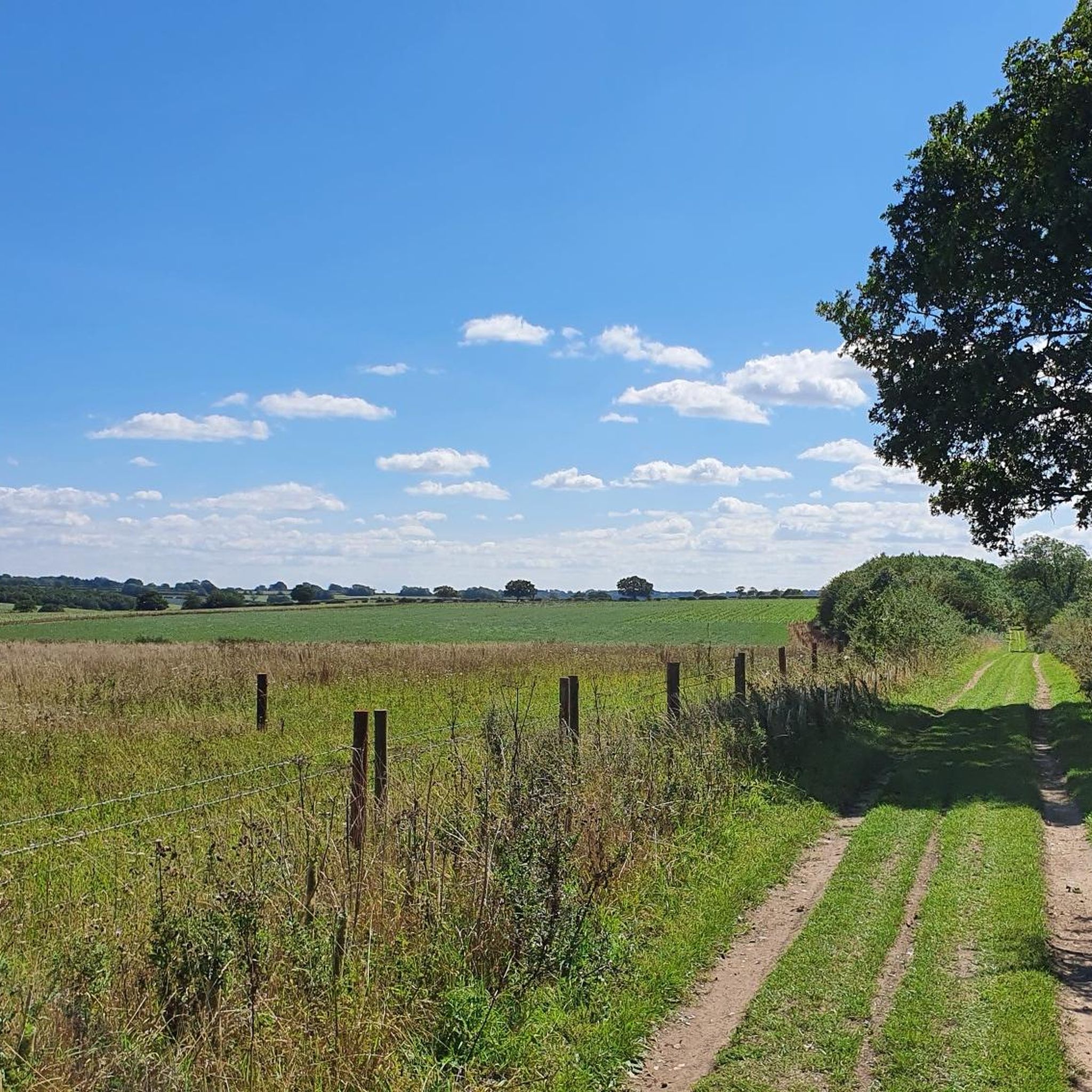
Beautiful examples of Barrow's that have survived quite well mainly due to how flat the landscape is here. They stand proud of the landscape and are particularaly atmospheric at dusk.
0
0

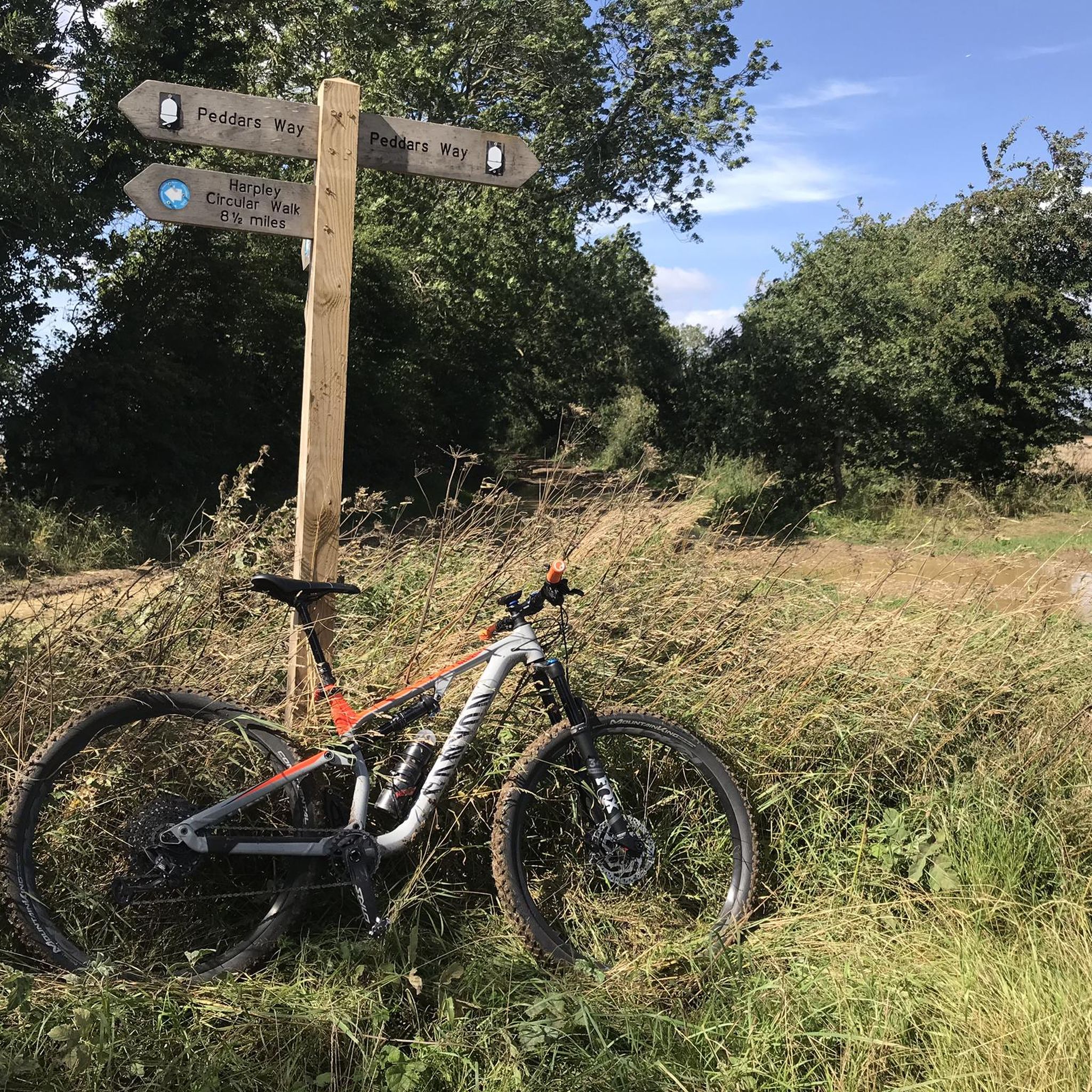
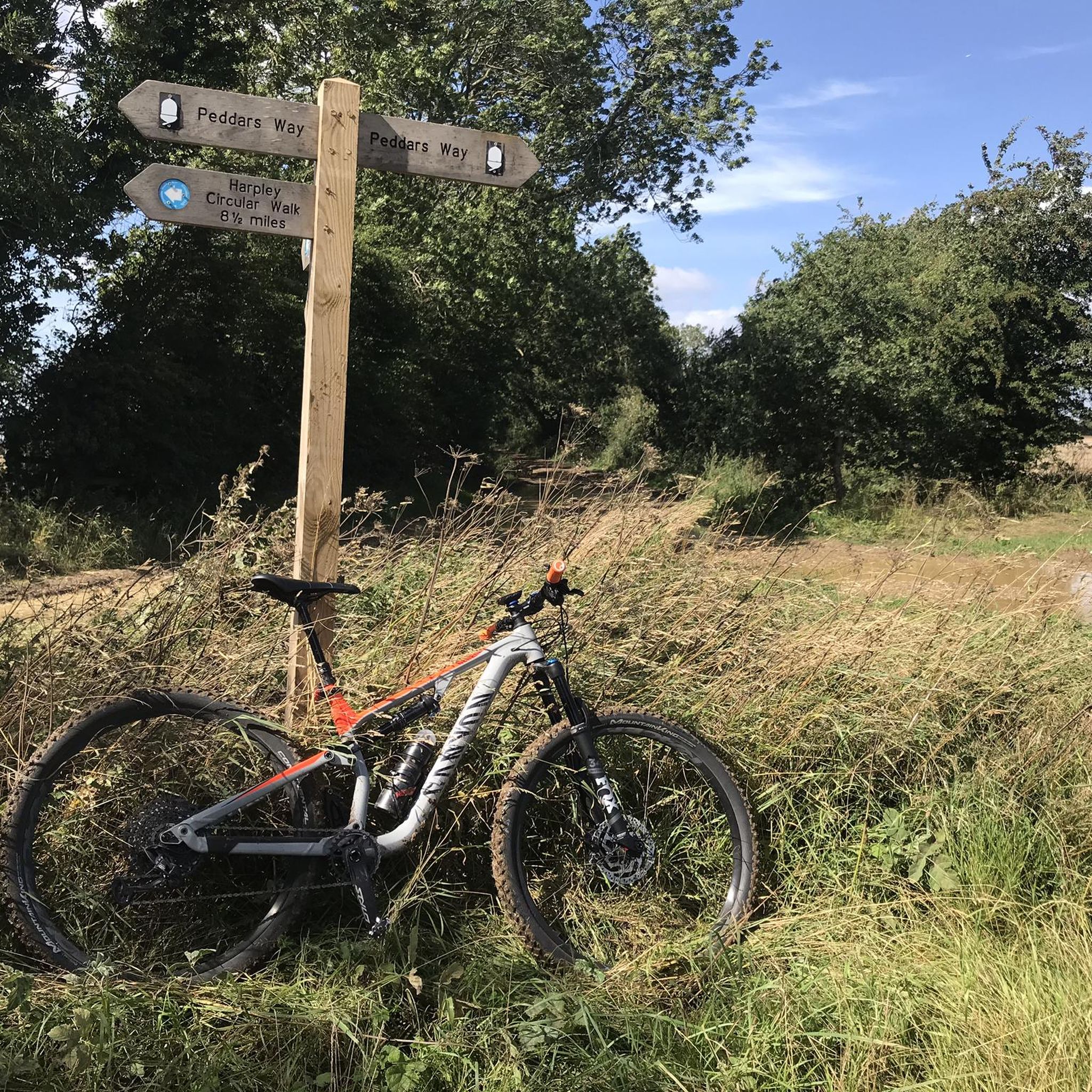
Sitting near the route of the old Peddars Way trackway. Amazing to think that these barrows have seen the Romans, Angles, Vikings and Normans all go by, standing inviolable and immutable.
0
0

Castle Rising in Norfolk is one of the most famous 13th century castles in the whole of England. The stones used to build the castle were produced around 1140D and are beautifully preserved. The castle holds a rich history and the grounds are open to the public to explore for a small fee. There is some more information regarding opening times, prices and events here http://castlerising.com/visit-us/
2
1

Opposite the entrance there is a grassy area with shade which is ideal for a picnic stop
1
0
Frequently Asked Questions
What historical sites can I explore in and around Congham?
Congham and its surroundings are rich in history. You can visit the thirteenth-century St. Andrew's Church in Congham, explore the site of the former Congham Oil Mill, or see the innovative Congham Railway Bridge. Nearby, discover the impressive Castle Rising Castle, a well-preserved medieval fortification, or the historic King's Lynn Minster. Don't miss Bircham Windmill, a working mill offering insight into the past, and the ancient Bronze Age Barrows on Harpley Common.
Are there any natural features or nature reserves to visit near Congham?
Yes, Congham offers several natural attractions. Within the village, you can explore Congham Heath Nature Reserve, known for its diverse wildlife and walking trails. The River Cong rises nearby. Just a short distance away, Grimston Warren and Roydon Common offer expansive heathland where you might spot Dartmoor ponies, British white cattle, and various bird species. For birdwatching and coastal scenery, RSPB Titchwell Marsh is also a lovely green space to explore.
What family-friendly attractions are available around Congham?
Families visiting Congham have several excellent options. Sandringham House and Gardens offers extensive grounds and a museum suitable for all ages. Castle Rising Castle provides an engaging historical experience for children. Bircham Windmill is a working museum with a bakery and tea room that appeals to families. Further afield, SEA LIFE Hunstanton is an aquarium, and Snettisham Park is a working farm offering deer safaris.
Where can I find walking trails near Congham?
There are many walking opportunities around Congham. Congham Heath Nature Reserve has several trails. An easy, three-mile self-guided walk from Congham Hall takes you through Grimston Warren and Roydon Common. For more structured routes, you can find various easy hikes around Congham, including loops around Castle Rising Castle and the Sandringham Estate.
What cycling routes are available near Congham?
Cyclists can enjoy the scenic Norfolk countryside around Congham. There are gravel biking routes that explore areas like Houghton Hall and Castle Acre. For road cyclists, a variety of road cycling routes around Congham are available, ranging from easy to moderate, taking you through picturesque villages and past landmarks like the Sandringham Estate.
What is the best time of year to visit Congham and its attractions?
The best time to visit Congham largely depends on your interests. Spring and summer (April to September) are ideal for enjoying the natural beauty of Congham Heath Nature Reserve and the extensive gardens of Sandringham House. Many attractions, like Castle Rising Castle and Bircham Windmill, have extended opening hours during these months. Autumn offers beautiful foliage, while winter can be peaceful for walks, though some attractions may have reduced hours.
Are there any unique local events in Congham?
Yes, Congham is known for its quirky and unique annual event. Since the 1960s, the village has hosted an Annual Snail Race, which is a distinctive local tradition and a fun community gathering.
Can I visit the Royal Family's private country retreat near Congham?
Yes, the private country retreat of the Royal Family, Sandringham House and Gardens, is located near Congham. The estate, with its 20,000 acres of gardens, parks, and woodlands, has been open to the public since 1977. Visitors can explore the house, museum, and gardens during its open season, typically from April to mid-October.
What is Congham Hall Hotel known for?
While primarily a luxurious country house hotel, Congham Hall Hotel is set within 30 acres of parkland and is notable for its award-winning restaurant and spa. The historic manor house dates back to the late 18th century, and its herb garden, featuring 700 different herbs, is a significant feature that guests and visitors can appreciate.
What kind of wildlife can I expect to see in the Congham area?
The Congham area offers good opportunities for wildlife spotting. At Congham Heath Nature Reserve, you can observe diverse birds, butterflies, and dragonflies. In Grimston Warren and Roydon Common, look out for Dartmoor ponies, British white cattle, hares, and various raptors like Hen Harriers and Merlins. RSPB Titchwell Marsh is also excellent for birdwatching, especially for coastal and wetland species.
Are there any ancient Roman or Bronze Age sites near Congham?
Yes, the area has ancient historical significance. Remains of a Roman villa were discovered near Congham in 1973, with artifacts now displayed in the King's Lynn Museum. Additionally, you can visit the Bronze Age Barrows on Harpley Common, a cluster of ancient burial mounds, some up to 3 meters high, where pottery, bone, and charcoal fragments have been found.
Most popular routes around Congham

Get inspired with the komoot mobile app


Explore more
Still not found the Highlight you’re looking for? See guides of the top attractions in other regions:
