The best walks and hikes around Ludham
4.6
(844)
4,665
hikers
29
hikes
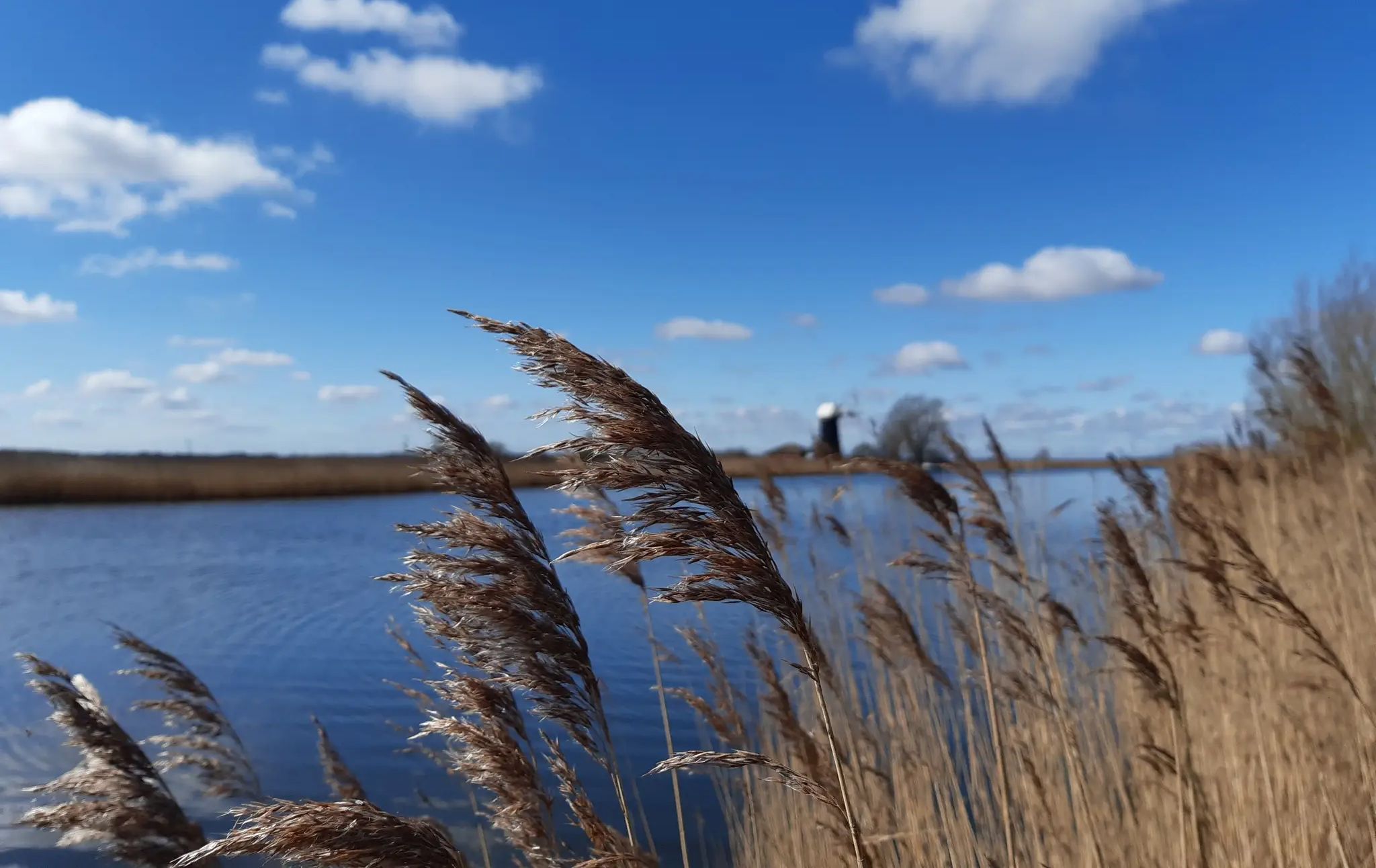
Hikes around Ludham explore the flat landscape of the Norfolk Broads, a region defined by its network of rivers and wetlands. The area is characterized by paths that follow the banks of the River Ant and River Thurne, often crossing through marshland and open fields. The terrain is predominantly level, making it accessible for walks of various lengths and abilities.
Best hiking trails around Ludham
- The most popular hiking route is River Ant loop from Ludham, a 6.4 mile…
Last updated: August 12, 2026
4.2
(23)
97
hikers
10.2km
02:36
30m
30m
Hike the River Ant loop from Ludham for a moderate 6.4-mile (10.2 km) journey through the flat, picturesque Norfolk Broads. This route offers continuous riverside views, winding through fen landscapes…
4.4
(12)
87
hikers
10.7km
02:43
30m
30m
Moderate hike. Good fitness required. Easily-accessible paths. Suitable for all skill levels.

Sign up for free
4.8
(15)
74
hikers
7.51km
01:54
20m
20m
Easy hike. Great for any fitness level. Easily-accessible paths. Suitable for all skill levels.
4.8
(8)
60
hikers
7.05km
01:47
20m
20m
Easy hike. Great for any fitness level. Easily-accessible paths. Suitable for all skill levels.
5.0
(2)
32
hikers
14.8km
03:46
30m
30m
Moderate hike. Good fitness required. Easily-accessible paths. Suitable for all skill levels.
Get access to more routes and recommendations from other explorers.
Sign up for free
Already have an account?
Our route recommendations are based on thousands of hikes, rides, and runs completed by other people on komoot.
Start today with a free account
Your next adventure awaits.
Login or Signup



Tips from the Community

Owned by the Norfolk Archaeological Trust, the ruin of St Benet's Abbey is an evocative sight. At the height of the 12th century, this monastery would have been a major force in the region. Today, the remains stand silent on the banks of the River Bure, testament to a former glory.
1
0
One of three official visitor centres in the Broads, Toad Hole Cottage is full of information regarding the national park. This delightful marshman's cottage was inhabited during Victorian times and has been left in its original state, allowing visitors to imagine what it was like to live and work here. You can also buy tickets for a local wildlife walking trail.
0
0

Things to know: First of all, it is a delightful walk. If you begin at Ludham Bridge, there are plenty of places to park along the road. They are free parking pull-outs, so you're not exposed to parking on a narrow street. There is a bakery and public toilets. Although the walk parallels the river, you're not really next to it, except for a couple of spots. Nonetheless it's still very picturesque. Most of the path was easy to navigate accept for one short stretch where the tall grass had obscured the trail. It was very short, and if you look to your left, you'll see the posts of a short bridge, so just aim for that. At about the halfway point is How Hill Estate. It's rather a dramatic building with a thatched roof. Unusual for a building that size. I think you can get a room there if you're not from the area. There's a large lawn there, a place to watch the boats and, most importantly, public toilets and take-away café. It can be busy on the weekends so pick your day. Although we were there on a Sunday in July and it wasn't bad. Then it's back the way you came. FYI The Dog pub is just a short, safe, walk up the road from the start/end of the walk, in case you're interested.
0
0

Only reachable by boat across the River Ant, Turf Fen Drainage Mill is an attractive 19th-century windmill. It was built to drain the marsh behind it so that livestock could graze on the land. It has been restored by the Norfolk Windmills Trust, after falling out of use in 1920.
0
0

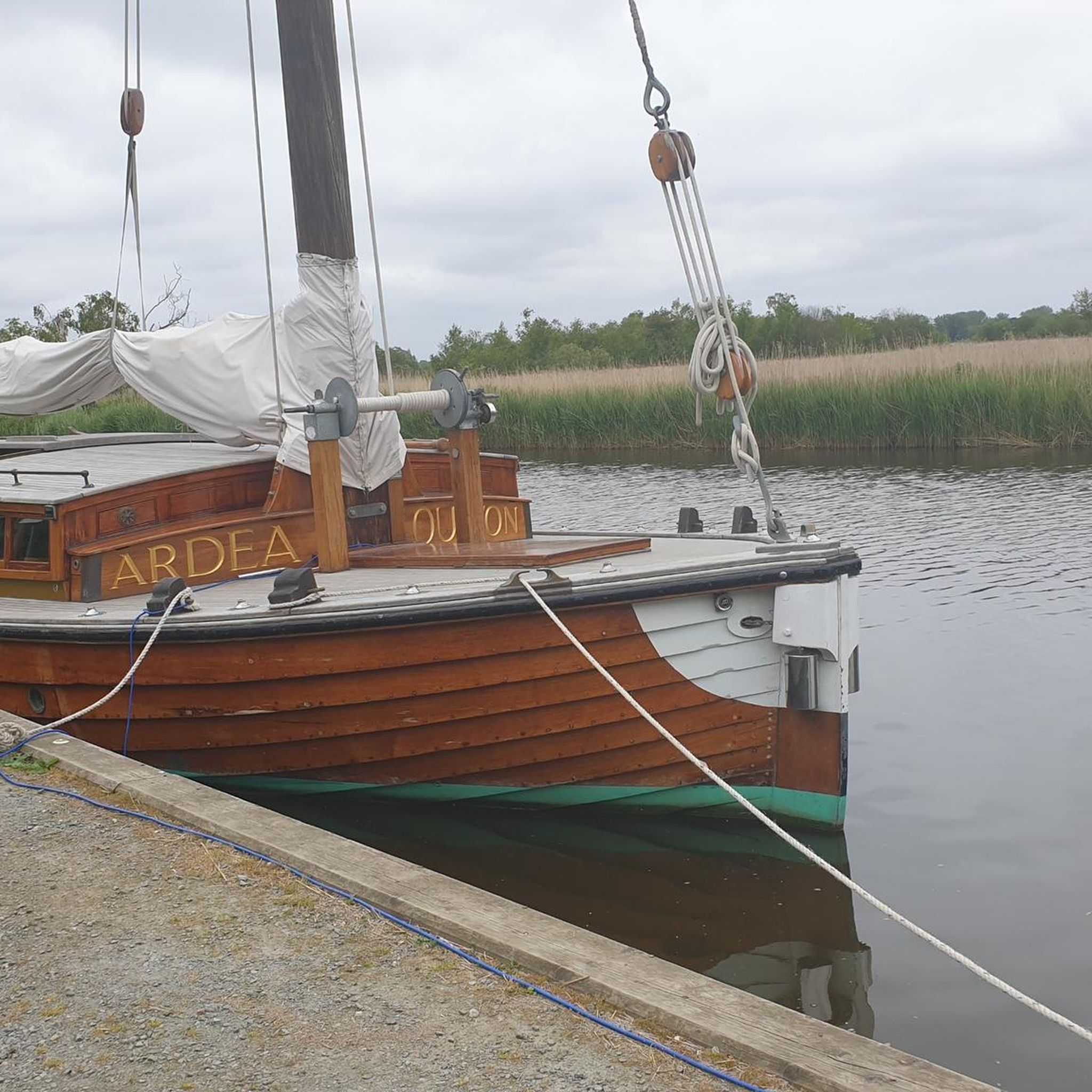
Little gem of a pretty mooring, great little shop and boat hire
0
0

Lovely hidden gem with superb views, a great tea room and delightful gardens. There's also Toad Hole Cottage Museum by the River Ant, which offers excellent walks and has several windmills to admire. https://howhilltrust.org.uk/
0
0

In 1019, King Canute granted the manors of Horning, Ludham and Neatishead to a group of monks to establish an Abbey. One thousand years later, St Benet’s Abbey is still an iconic site for people visiting the area. Hailed for its beauty, serenity and history, the ruins are a must-see if you are nearby.
1
0
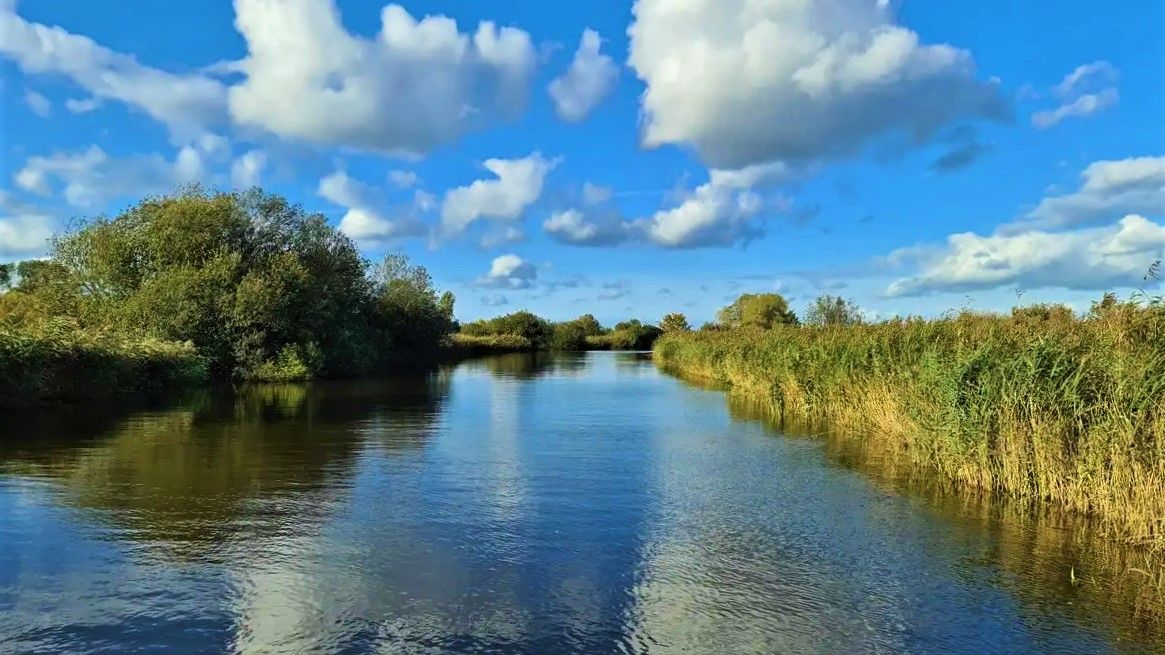
At just 17 miles (27 kilometres) long, the River Ant is one of the shortest, and narrowest, rivers in The Broads. Don't let its size put you off, though. When you hike along this divine stretch of the river, with sunshine reflecting in the crystal clear waters and the occasional boaters drifting past, it really is a slice of rural idyll. There are plenty of spots to relax along the banks, too.
3
0
Frequently Asked Questions
What is the typical terrain like on walks around Ludham?
The landscape around Ludham is characteristic of the Norfolk Broads, featuring predominantly flat terrain. Most walks follow riverside paths along the River Ant and River Thurne, cross through open fields, and traverse expansive wetlands and marshes. You can expect well-maintained paths and some boardwalks, making it accessible for most fitness levels.
Are the walking trails around Ludham suitable for dogs?
Yes, many of the trails are dog-friendly. The flat, open landscape is great for walking with dogs. However, you will be walking through farmland with livestock and sensitive nature reserves. It's essential to keep your dog on a lead and under control, especially during bird nesting season (spring and early summer).
Are there any easy, family-friendly walks available?
Certainly. The flat nature of the region makes it ideal for family outings. There are over 15 easy-rated routes to choose from. A good option is the River Ant in The Broads – Turf Fen Drainage Mill loop from Thurne, which is a relatively short walk offering classic Broads scenery.
Where can I find parking for walks starting in or near Ludham?
Parking is available in Ludham village, which is a good starting point for many circular walks. For routes exploring the How Hill estate, there is a car park at the How Hill National Nature Reserve, where a donation is requested. You can also find parking at Ludham Bridge, which provides access to riverside paths.
Are there any good pub walks in the Ludham area?
Yes, the area is well-suited for pub walks. Many routes start or pass through villages with traditional pubs. You can plan a walk that begins or ends in Ludham village itself, or near Ludham Bridge, both of which have pubs for refreshments after your hike.
What kind of wildlife might I see while hiking?
The Norfolk Broads are a haven for wildlife, especially birdlife. As you walk along the rivers and through the marshes of the Ludham – Potter Heigham National Nature Reserve, look out for waterfowl like ducks and geese, as well as herons and marsh harriers. The waterways are also home to otters, though they can be elusive.
Are there any walks that feature historical sites?
Yes, the region is rich in history. A popular destination is the atmospheric ruins of St Benet's Abbey, which can be reached on foot. The St Benet's Abbey Ruins loop from Horning is a great way to explore this medieval site. The landscape is also dotted with historic drainage mills which are often highlights of local trails.
What makes Ludham a good base for a walking trip?
Ludham's central location in the Norfolk Broads, combined with its variety of accessible, flat trails, makes it an excellent base. The village offers amenities like pubs and shops, and it serves as a starting point for numerous routes exploring rivers, marshes, and historic sites without needing to travel far.
How many hiking trails are there to choose from around Ludham?
There are nearly 30 curated hiking routes available around Ludham on komoot. These range from short, easy strolls to more moderate, longer rambles, ensuring there's a walk to suit every ability and interest.
What do other hikers say about the trails in this area?
The trails around Ludham are highly rated by the komoot community, with an average score of 4.5 stars. Hikers often praise the peaceful riverside paths, the unique wetland scenery, and the abundance of wildlife.
Are there any circular walks available?
Yes, circular walks are very common in the area, allowing you to start and end in the same place without retracing your steps. The Turf Fen Drainage Mill – River Ant in The Broads loop from Irstead Street is a fantastic example of a circular route that showcases the iconic Broads landscape.
What are some popular places to visit while hiking near Ludham?
A highly regarded destination is the How Hill National Nature Reserve. It's a popular spot with beautiful gardens and walking trails that connect to the wider path network. The historic ruins of St Benet's Abbey are another key landmark that many walkers visit.
Most popular attractions around Ludham

Get inspired with the komoot mobile app


Explore more
Browse the best Hikes in other regions.
