Attractions and Places To See around Cawston - Top 20
Attractions and places to see around Cawston, Norfolk, offer a blend of historical sites and natural landscapes. This area in England provides opportunities to explore rural charm and local heritage. Visitors can discover a variety of points of interest, from ancient churches to nature reserves. The region is characterized by its historical significance and accessible green spaces.
Best attractions and places to see around Cawston
- The most popular attractions is Sparham Pools Nature Reserve, a wetland nature reserve that is rich in wildlife. It is fed by clear chalk streams and is home to various duck species.
- Another must-see spot is Marriott's Way, a cycle way and trail. This traffic-free path runs for over 39 km from Norwich to Aylsham, following an old railway route suitable for walkers, cyclists, and horse riders.
- Visitors also love St Edmund's Church, Taverham, a historical site. This Grade-I listed church, mentioned in the Doomsday book, features a striking round tower and pre-Norman origins.
- Cawston is known for its historical sites, nature reserves, and multi-use trails. These attractions around Cawston offer diverse experiences for those interested in history and outdoor activities.
- The attractions around Cawston are appreciated by the komoot community, with 9 upvotes and 14 photos shared by visitors.
Last updated: August 25, 2026
Sparham Pools Nature Reserve
Highlight • Natural
Tip by

Marriott's Way
Highlight • Cycleway
Tip by

Sign up now to discover places like this
Get recommendations on the best single tracks, peaks, & plenty of other exciting outdoor places.
Sign up for free
St Edmund's Church, Taverham
Highlight • Historical Site
Tip by
Bure Valley Railway Path
Highlight (Segment) • Cycleway
Tip by

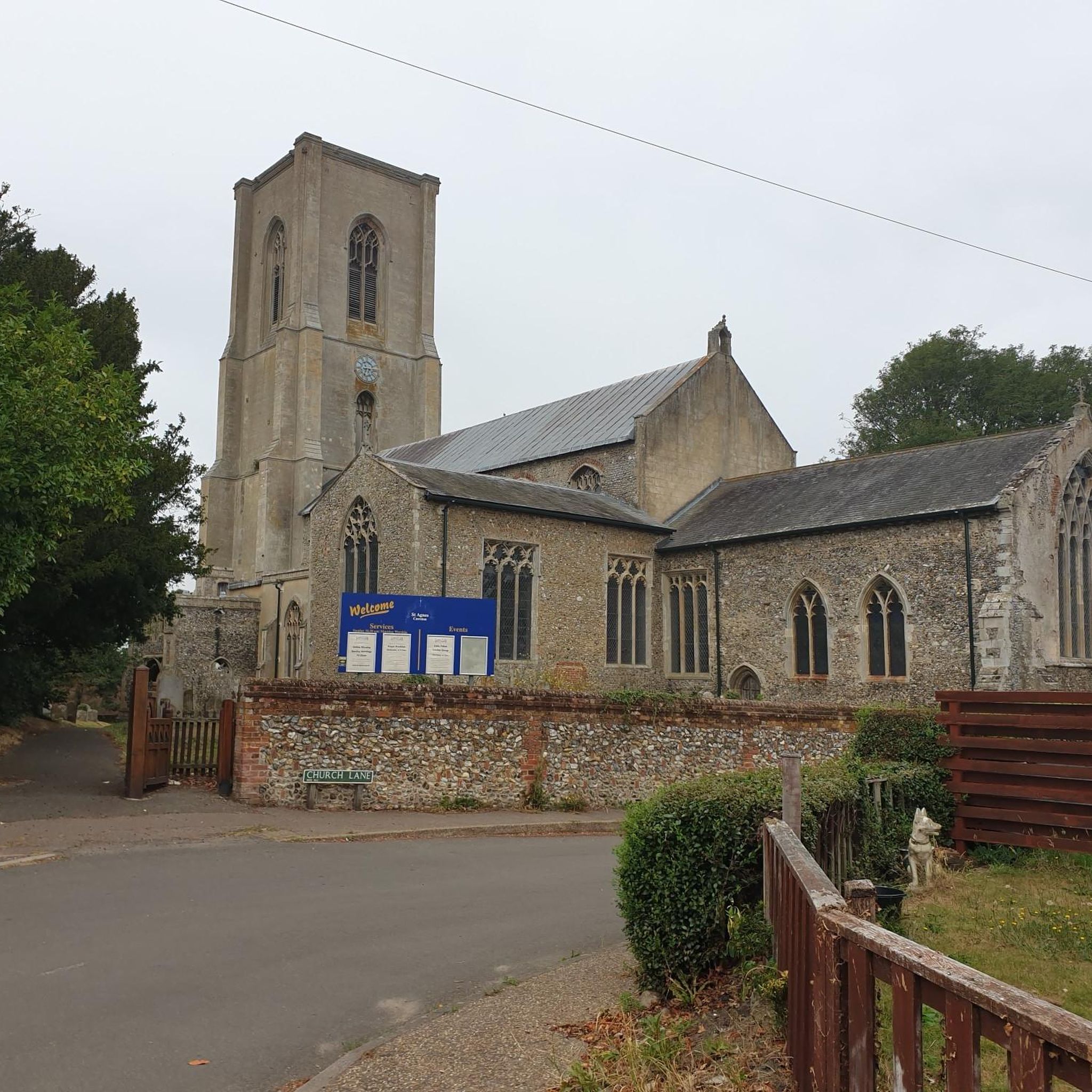
St Agnes' Church, Cawston
Highlight • Religious Site
Tip by

Sign up for free to discover even more attractions around Cawston.
Sign up for free
Already have an account?
Start today with a free account
Your next adventure awaits.
Login or Signup



Tips from the Community

Great cycle path along the tracks, a must for railway and steam train enthusiasts. The cycle path is gravelled, there is a fence between the tracks and the cycle path. It is quite narrow, so you have to stop if there is oncoming traffic. During our visit at the end of July 2026, thorny branches had grown over the path in a few places, so we had to stop to get past them. We parked the car in Alysham, cycled to Wroxham, left the bikes there, took the train back and picked up the bikes with the car. A great excursion!
0
0

Sparham Pools is a wetland nature reserve in a former gravel quarry. The chalk streams that feed the ponds are clear and clean and the area is now rich in wildlife. Look out for a variety of duck species, including Shoveler, Gadwall, Pochard, and Tufted duck, as well as the less common Goldeneye and Goosander.
0
0

A walk along Wensum Way offers a delightful experience filled with beautiful scenery, diverse wildlife, and charming views. Here are some highlights you can expect: 1. **Picturesque Landscapes**: The Wensum Way winds through varied landscapes, including woodlands, meadows, and riverside paths, providing picturesque views of the Norfolk countryside. 2. **Rich Wildlife**: As you stroll along the path, you'll have the opportunity to spot a variety of wildlife, such as deer, hares, otters, and a wide range of bird species. 3. **Tranquil Rivers**: The walk follows the River Wensum, offering peaceful riverside views and the soothing sounds of flowing water. 4. **Historic Sites**: Along the way, you'll encounter historic sites, including medieval churches, old mills, and charming villages, providing insight into the region's rich history and culture. 5. **Relaxation and Exercise**: The Wensum Way offers a relaxing and enjoyable walk, allowing you to connect with nature while engaging in physical activity.
0
0

As of 9th May 2023, parts of Marriotts Way north of Drayton are a total mudbath and only suitable for MTBs. The surface coming into Norwich is worn out and bumpy but at least dry.
0
0

St Edmund’s church in Taverham has an unusual outer appearance with its thatched chancel which looks slightly higher than the nave. The tower here has 11th century origins, with a lower, west slit window having a flint frame. Higher up on the south side is a stone-framed window, which indicates later 11th century work. It is reported that there was a lightning strike in 1459, causing much damage to the tower, nave and chancel. More: https://www.roundtowerchurches.net/norfolk/norfolk-s-y/taverham-2/
0
0
Check the path/cycle track is open when I rode it 2mths ago (june22) part was closed for upgrade to the surface (the Wroxham end)
1
0

The Bure Valley railway is a narrow gauge steam railway. It runs all year round (except Christmas and Boxing day). Starting from Aylesham, it them follows the River Bure to Wroxham on the Norfolk Broads. The journey is 18 miles long and takes approximately 45 minutes.
0
0

Frequently Asked Questions
What natural attractions can I explore around Cawston?
The area around Cawston offers several natural highlights. You can visit Sparham Pools Nature Reserve, a wetland reserve known for its diverse birdlife, including various duck species. The reserve is fed by clean chalk streams and offers picturesque landscapes along the Wensum Way. Additionally, the Marriott's Way, a multi-use trail, provides opportunities to enjoy the Norfolk countryside.
Are there any historical churches or sites to visit in Cawston?
Yes, Cawston and its surroundings are rich in historical churches. You can explore St Agnes' Church, Cawston, an impressive flint church with parts dating back to 1300, featuring notable gargoyles, a hammerbeam roof, and a 15th-century rood screen. Nearby, St Edmund's Church, Taverham, mentioned in the Doomsday Book, boasts a striking pre-Norman round tower.
What kind of trails are available for walking, cycling, or horse riding?
The most prominent trail is Marriott's Way, a 39.5 km (24.6 miles) traffic-free path connecting Norwich to Aylsham. It follows an old railway route and is suitable for walkers, cyclists, and horse riders. Be aware that parts of the trail, especially north of Drayton, can become muddy after rain, making mountain bikes more suitable in those conditions.
Are there family-friendly activities or attractions near Cawston?
Yes, several attractions are considered family-friendly. Sparham Pools Nature Reserve is a great spot for families to observe wildlife. Both St Agnes' Church, Cawston and St Edmund's Church, Taverham offer historical insights in an accessible setting. The Marriott's Way also provides a safe, traffic-free environment for family walks or bike rides.
What is the best time of year to visit Cawston for outdoor activities?
The best time to visit Cawston for outdoor activities largely depends on your preferences. Spring and summer offer pleasant weather for exploring trails like the Marriott's Way and enjoying wildlife at Sparham Pools Nature Reserve. However, be prepared for potential mud on trails during wetter periods, especially in autumn and winter, when waterproof boots are recommended for places like Sparham Pools.
Where can I learn more about the local history of Cawston?
Beyond the historical churches, you can delve deeper into local history at the Cawston Heritage Room, located in the Village Hall. It preserves local history through memorabilia, photos, newspaper clippings, documents, and family histories. For more information, you can visit cawstonheritage.co.uk.
Are there any circular walking routes near Cawston?
While the Marriott's Way is primarily a linear path, it features an intriguing curve known as the Themelthorpe Loop around Reepham. This section can be made into a circular hike of approximately 10 km (six miles), offering a varied walking experience.
What kind of wildlife can I expect to see at Sparham Pools Nature Reserve?
At Sparham Pools Nature Reserve, you can observe a rich variety of wildlife, particularly numerous duck species. Look out for Shoveler, Gadwall, Pochard, Tufted duck, and the less common Goldeneye and Goosander. The clear chalk streams and wetland environment support a diverse ecosystem.
What are some unique architectural features of St Agnes' Church in Cawston?
St Agnes' Church, Cawston, is notable for its construction of flint and features interesting gargoyles below the parapets. Inside, you'll find a hammerbeam roof in the nave with carved angels, a 15th-century rood screen with original painted panels, medieval stained glass, poppy-headed benches, a 15th-century pulpit, and a medieval alms box.
What is the significance of the Marriott's Way trail?
The Marriott's Way is significant as a traffic-free path that follows the route of a railway line that operated until 1985. It stretches for 39.5 km (24.6 miles) between Norwich and Aylsham, providing a green corridor for recreation and connecting communities, while preserving a piece of local transport history.
Are there any specific considerations for visiting Sparham Pools Nature Reserve in winter?
If you plan to visit Sparham Pools Nature Reserve during the winter months, it's important to note that the area can get flooded. Waterproof boots are highly recommended to ensure a comfortable visit and to navigate any wet sections of the trails.
Most popular routes around Cawston

Get inspired with the komoot mobile app


Explore more
Still not found the Highlight you’re looking for? See guides of the top attractions in other regions:
