Attractions and Places To See around Thornham - Top 20
Best attractions and places to see around Thornham include a blend of natural beauty, historical landmarks, and cultural points of interest along the North Norfolk coast. This tranquil village offers opportunities for coastal walks and birdwatching in a serene environment. The area is characterized by its expansive beaches, marshlands, and significant historical sites.
Best attractions and places to see around Thornham
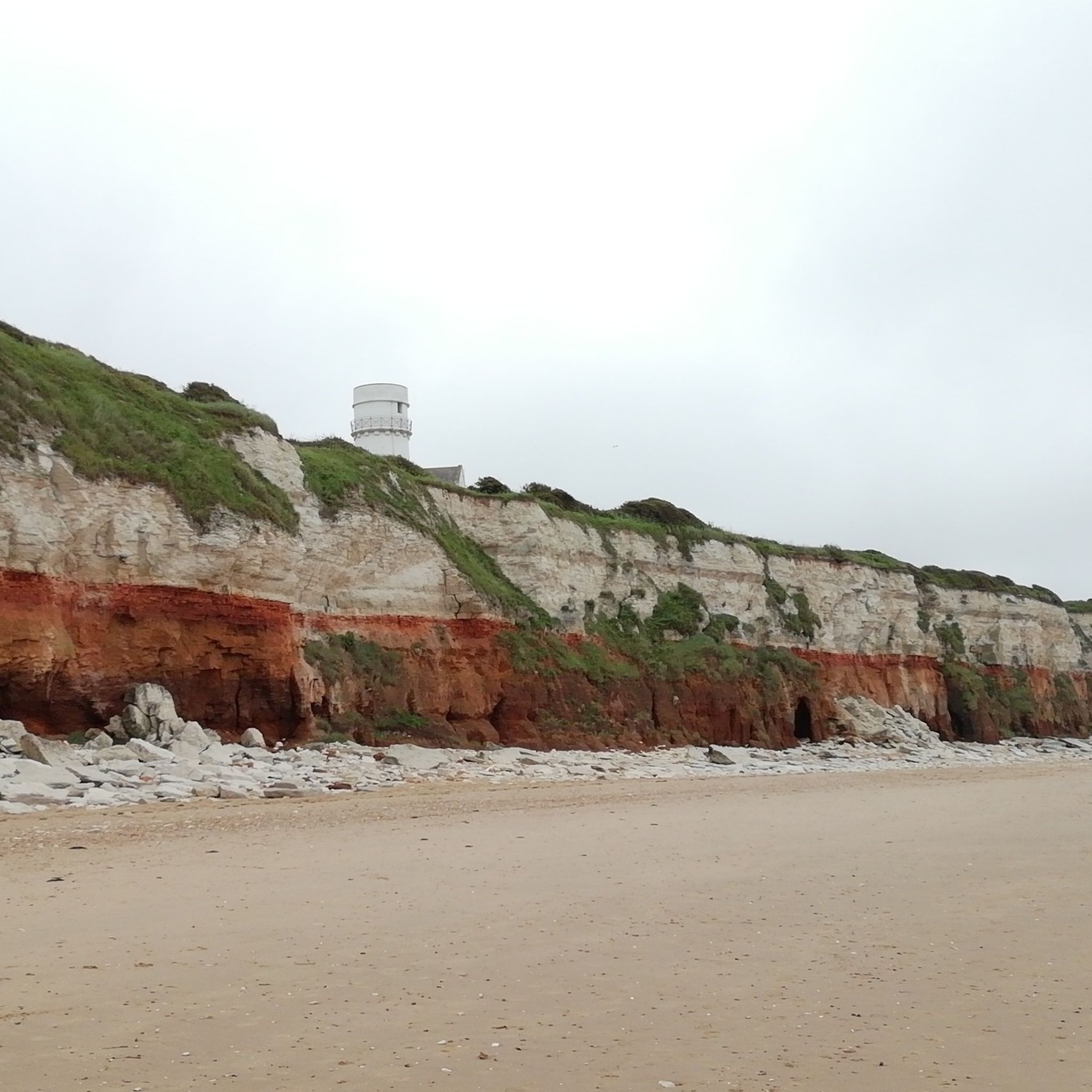
- The most popular attractions is Old Hunstanton Lighthouse, a man-made monument that has stood on the cliffs since 1665, with the current structure built in 1840. It offers views over the sea.
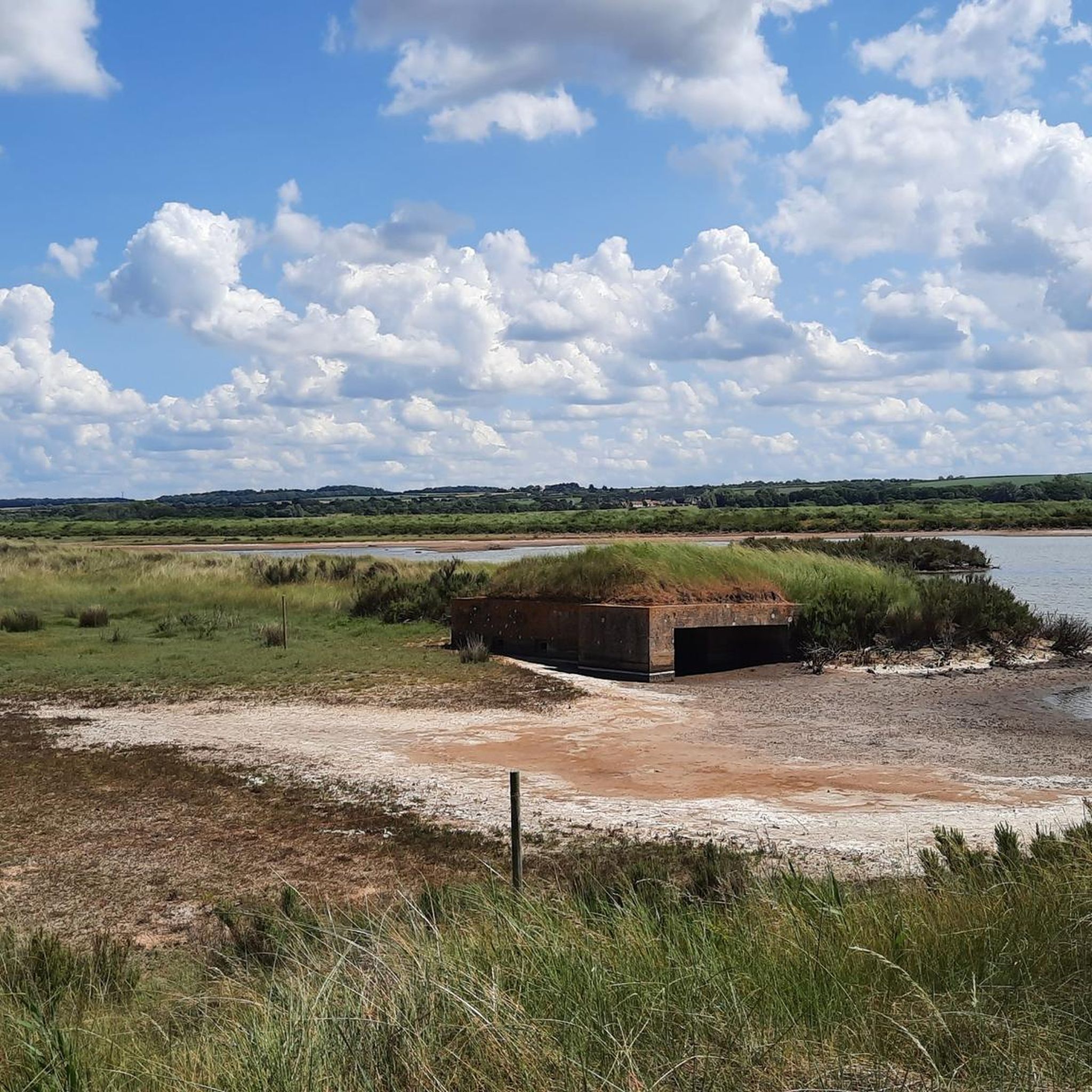
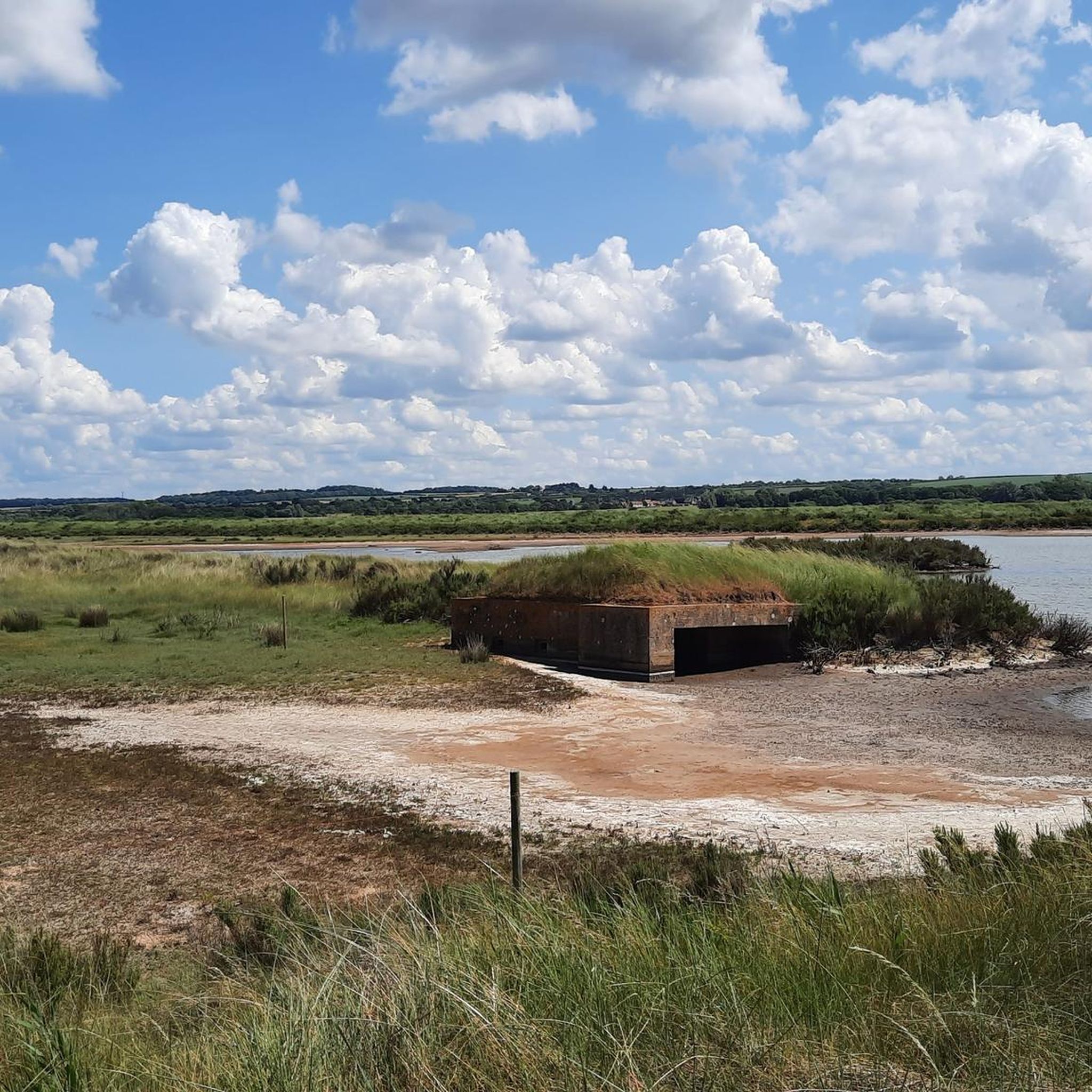
- Another must-see spot is Holme Dunes National Nature Reserve, a natural reserve located where The Wash meets the North Sea. It attracts thousands of migrating birds and diverse wildlife, and contains historical sites including remnants of WWII structures.
- Visitors also love Coastguard Lookout and Old Marconi Wireless Station, a historical site originally built in 1906. This building played a role in both World Wars by intercepting German radio transmissions.
- Thornham is known for its natural reserves, historical sites, and coastal paths. Visitors can explore a variety of attractions, from ancient ruins to modern cultural spots.
- The attractions around Thornham are appreciated by the komoot community, with more than 70 upvotes and 30 photos shared by visitors.
Last updated: July 2, 2026
Old Hunstanton Lighthouse
Highlight • Monument
Tip by

St Edmund's Chapel Ruins
Highlight • Religious Site
Tip by

Sign up now to discover places like this
Get recommendations on the best single tracks, peaks, & plenty of other exciting outdoor places.
Sign up for free
Burnham Overy Watermill and Windmill
Highlight • Monument
Tip by

Holme Dunes National Nature Reserve
Highlight • Natural
The reserve also has plenty of interesting historical sites. In 1998, a well-preserved Bronze Age timber circle which was dubber 'Seahenge' was uncovered here. Seahenge is now housed in the King's Lynn Museum. You will also see military remains from WWII such as the remnants of a target-railway.
You can find more information, here: norfolkwildlifetrust.org.uk
Tip by

Coastguard Lookout and Old Marconi Wireless Station
Highlight • Other
The Second World War saw the building continue as a signal station and was visited by his Majesty King George VI and Queen Elizabeth in 1943, together with Princesses Elizabeth (Queen Elizabeth II) and Margaret, who spent time with the Coastguard and all four signed their royal insignias in the coastguard’s log book. This is an event remembered by a proudly-displayed commemmorative plaque on the side of the building.
Tip by
Sign up for free to discover even more attractions around Thornham.
Sign up for free
Already have an account?
Start today with a free account
Your next adventure awaits.
Login or Signup


Tips from the Community

Impressive landmark on the northern approach to Hunstanton.
0
0
If heading west, it's at the foot of a fast drop-down taking you into two right-angled corners, first a left then a right. Now a National Trust holiday let.
0
0

Now self catering accommodation, the lighthouse at Old Hunstanton sits atop the highest point of Hunstanton Cliffs and was used to guide ships into The Wash. Built in 1840 to replace a previous structure from the 17th century. Before the lighthouses, it is thought that a light was displayed in St Edmund's Chapel, the ruins of which are next door.
0
0
The mill has been holiday accommodation since 1926. It was built in 1827 and enjoyed just shy of 100 years as a working mill. The National Trust wished to restore it to a working mill in the 1970s but their planning application was rejected.
0
0

Burnham Overy Lower Watermill was originally built around 1790.The building was gutted by fire in 1959, so the roof and much of the interior date to 1960. What remained of the mill machinery, with the exception of the waterwheel, was removed in 1989. Owned since 1939 by the National Trust, the buildings have now been converted to residential use.
1
0
The Old Hunstanton Lighthouse is a truly iconic building on the cliffs between Hunstanton and Old Hunstanton. The current lighthouse was built in 1840, however, there has been a lighthouse on the site since 1665. The lighthouse isn't open to the public but makes for a rather memorable holiday let accommodation. More details: norfolkcoastholidaycottages.co.uk/the-lighthouse-old-hunstanton
1
0


The chapel, now in ruins, was erected in 1272 in memory of St Edmund who landed at Hunstanton in 855 to be crowned King of East Anglia. He led an army against Viking invaders but was defeated, captured and martyred. He became the first patron saint of England.
4
0
Frequently Asked Questions
What natural features and wildlife can I experience around Thornham?
Thornham is rich in natural beauty, offering expansive soft sands and dunes at Thornham Beach. You can also explore the Holme Dunes National Nature Reserve, a haven for thousands of migrating birds and diverse wildlife, including avocets, barn owls, and natterjack toads. The Thornham Marshes are also excellent for birdwatching, with opportunities to see waders and wildfowl.
Are there good walking or hiking trails near Thornham's attractions?
Yes, Thornham lies directly on the Norfolk Coast Path, offering stunning coastal walks. For specific routes, you can find various hiking trails, including the 'Thornham Circular Walk' and 'Norfolk Coast Path: Thornham to Titchwell Marsh', which are available on komoot. You can explore more options on the Hiking around Thornham guide.
What historical sites can I explore near Thornham?
The area boasts several historical sites. You can visit the ruins of St Edmund's Chapel Ruins, erected in 1272. The Holme Dunes National Nature Reserve also contains remnants of WWII military structures and was where 'Seahenge' was uncovered. Additionally, the Coastguard Lookout and Old Marconi Wireless Station played a significant role in both World Wars.
Are there any notable landmarks or architectural sites to see?
Absolutely. The iconic Old Hunstanton Lighthouse, built in 1840, stands atop the highest point of Hunstanton Cliffs. You can also see the Burnham Overy Staithe Windmill, a Grade II listed building from 1816. In Thornham village, All Saints Church has Norman origins, and Thornham Hall is a distinct Neo-Classical house built around 1780.
Is Thornham a good place for birdwatching?
Yes, Thornham is an excellent base for birdwatching enthusiasts. Its location between RSPB Titchwell Marsh Nature Reserve and Holme Dunes National Nature Reserve means you're surrounded by prime birdwatching spots. The Thornham Marshes are also ideal for spotting waders, wildfowl, and birds like marsh harriers.
Are there family-friendly attractions or activities in Thornham?
Many attractions around Thornham are suitable for families. The expansive Thornham Beach is great for walks and enjoying the sea air. Nature reserves like Holme Dunes National Nature Reserve offer opportunities to spot wildlife. Drove Orchards allows visitors to pick their own produce, which can be a fun activity for children.
What cultural points of interest does Thornham offer?
Beyond its natural and historical sites, Thornham has cultural spots like the Thornham Deli, which offers stylish homewares and a restaurant. The Thornham Village Hall also hosts live theatre via satellite from the Royal Shakespeare Company, providing a unique cultural experience.
What is the best time of year to visit Thornham for outdoor activities?
Thornham is appealing year-round, but for coastal walks and birdwatching, spring and autumn are particularly good. These seasons offer pleasant temperatures for outdoor activities and are peak times for migrating birds at the local nature reserves.
Can I bring my dog to attractions or on walks around Thornham?
Many of the outdoor areas around Thornham, including Thornham Beach and sections of the Norfolk Coast Path, are dog-friendly. However, specific nature reserves or indoor attractions may have restrictions, so it's always best to check individual policies before visiting.
Where can I find places to eat or drink in Thornham?
Thornham offers several traditional pubs and restaurants that contribute to the village's character. The Lifeboat Inn, The Chequers, and The Orange Tree are popular choices. The Lifeboat Inn is particularly noted for its views over the marshland and sea. The Thornham Deli also features a restaurant.
Are there any easy walking trails suitable for all abilities?
Yes, the 'Norfolk Coast Path: Thornham to Titchwell Marsh' is an easy-grade hiking route available on komoot, suitable for those looking for a less strenuous walk. Many sections of the Norfolk Coast Path are relatively flat, offering accessible options for various abilities. You can find more details on the Hiking around Thornham guide.
Are there any unique or 'hidden gem' spots worth discovering in Thornham?
Beyond the well-known sites, the Old Coal Barn on the quayside, an 18th or 19th-century brick and flint building, offers a glimpse into Thornham's past as a trading hub and was famously used as a BBC filming location. Beacon Hill, south of the village, was a medieval beacon site recorded in 13th-century documents, offering a historical curiosity.
Most popular routes around Thornham
Most popular attractions around Thornham

Get inspired with the komoot mobile app


Explore more
Still not found the Highlight you’re looking for? See guides of the top attractions in other regions:
