Attractions and Places To See around Cromer - Top 20
Best attractions and places to see around Cromer include a blend of traditional seaside charm, historical landmarks, and natural beauty along the Norfolk Coast. The area features sandy beaches, clifftop trails, and significant geological sites like the Cromer Shoal Chalk Bed. Visitors can explore a variety of cultural sites and natural features, offering diverse experiences.
Best attractions and places to see around Cromer
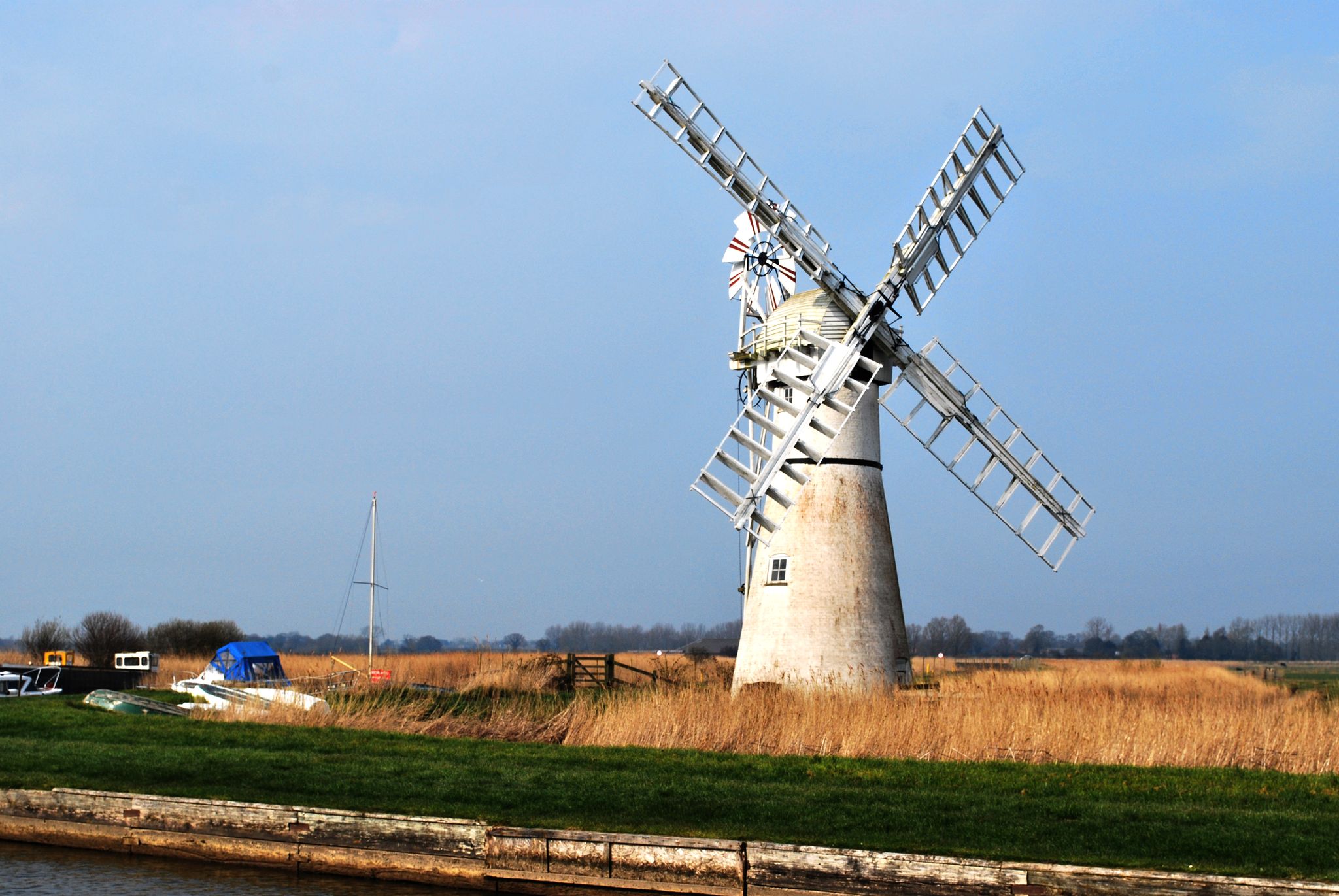
- The most popular attractions is Weybourne Station – North Norfolk Railway, a historical site that has been carefully restored and operates with historical steam and diesel trains. It offers a glimpse into railway heritage with a souvenir shop, bookshop, and buffet.
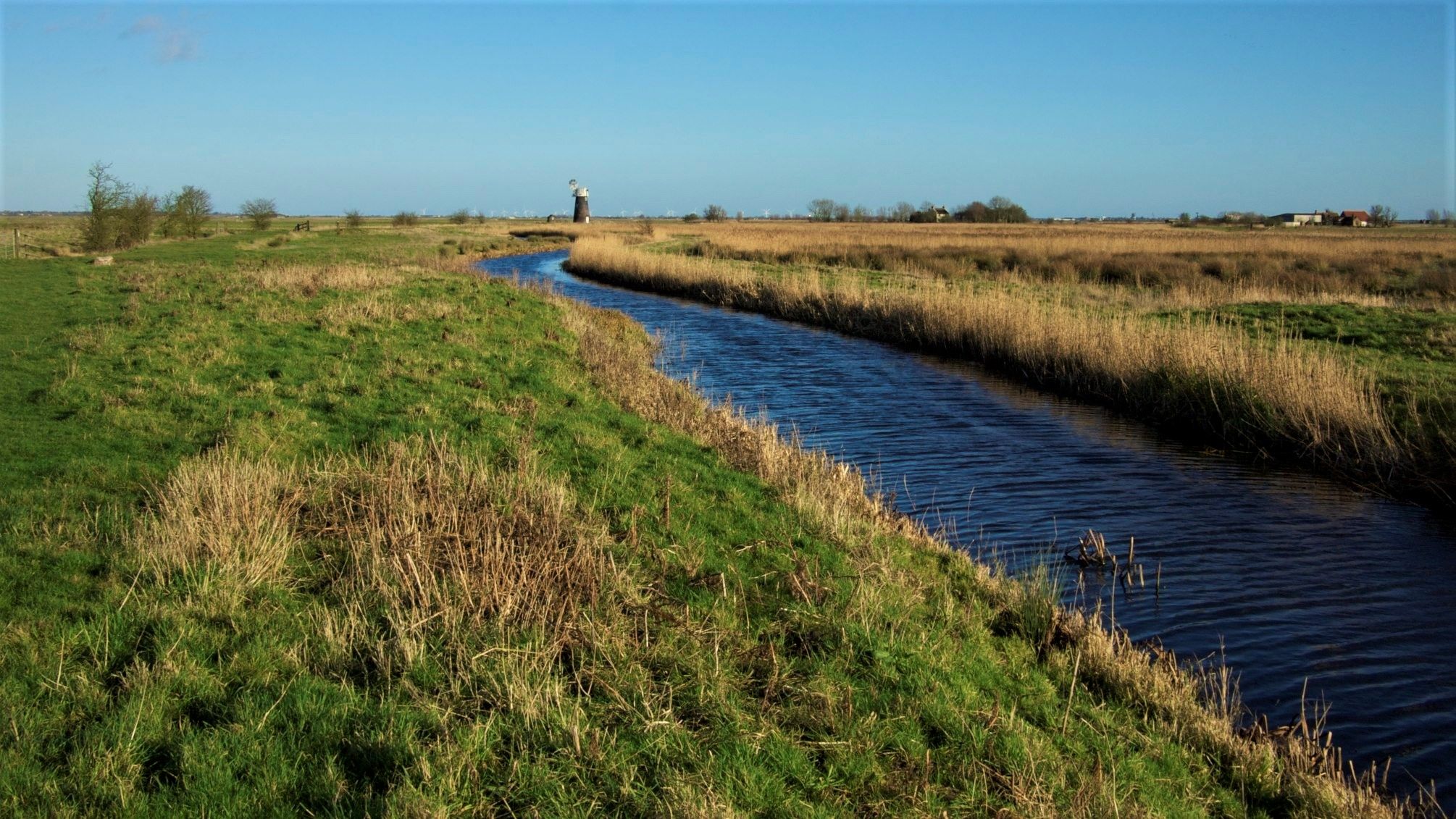
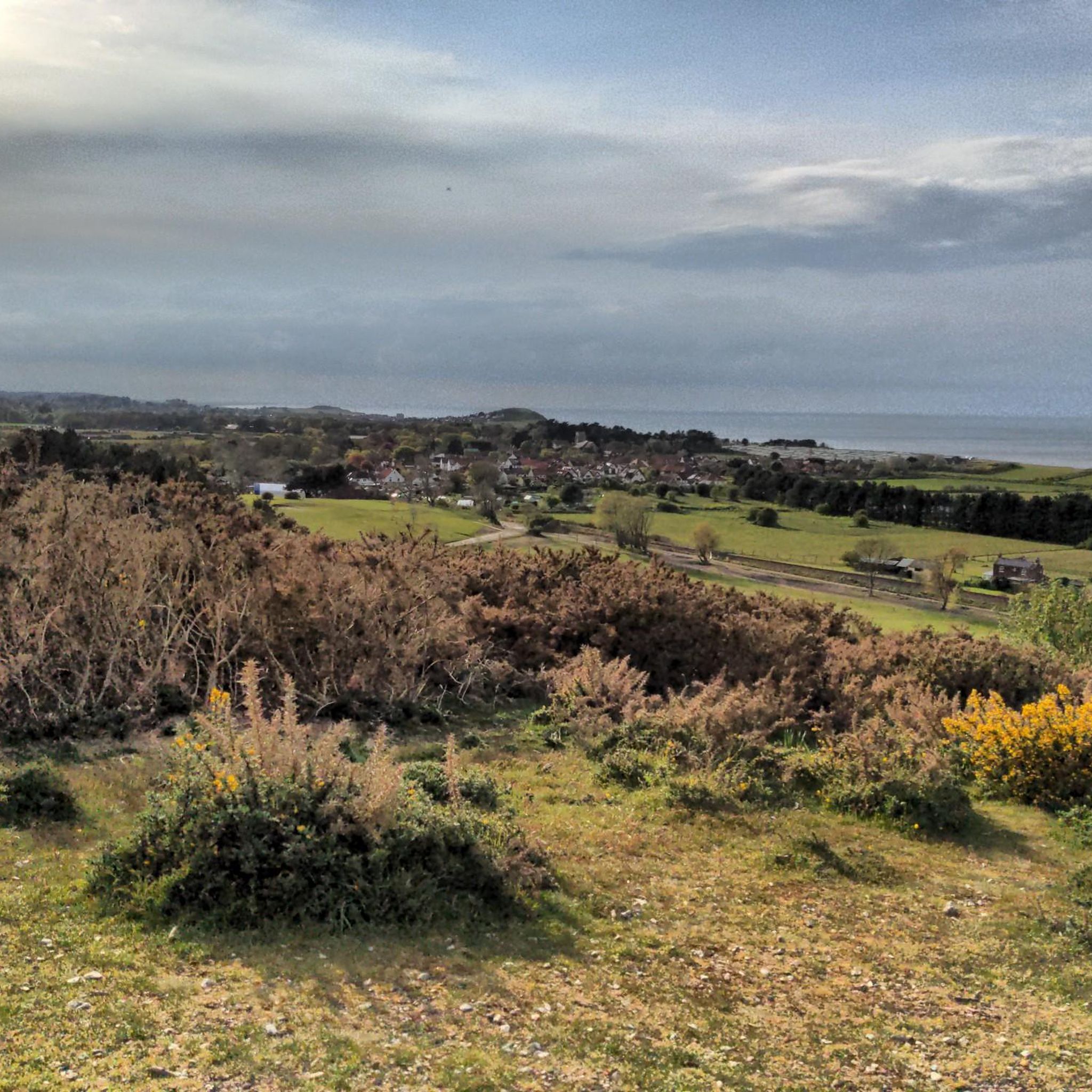
- Another must-see spot is Sheringham Park Rhododendron and Azalea Gardens, a forest and natural monument. Visitors can explore a landscape park and gardens known for their collection of rhododendrons and azaleas, with views of the North Norfolk coast.
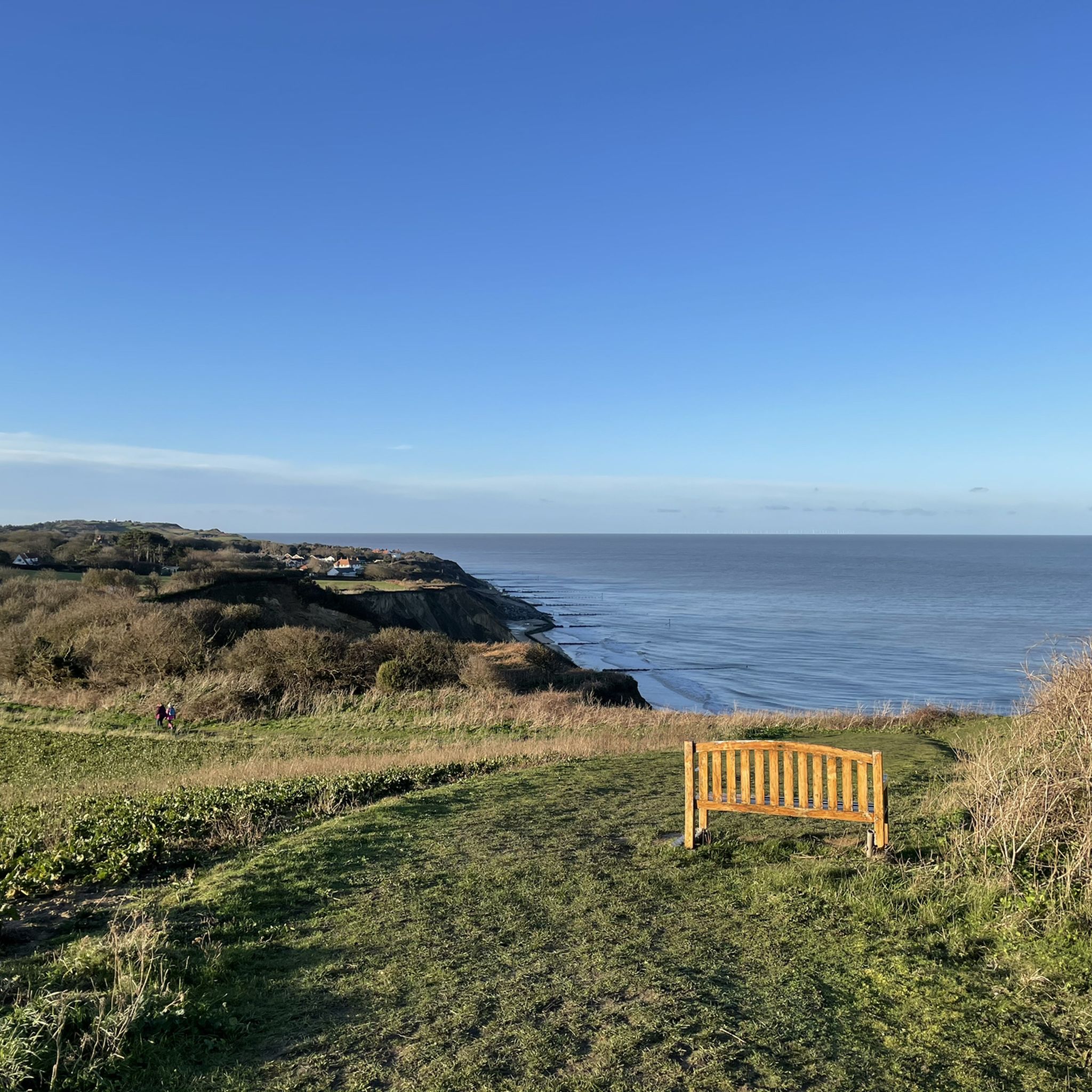
- Visitors also love Felbrigg Hall, a 17th-century country house and historical site. This National Trust property features Jacobean architecture, Georgian interiors, and extensive woodlands and orchards for exploration.
- Cromer is known for its historical sites, natural landscapes, and cultural attractions. The region offers a variety of places to see, from preserved railway stations and stately homes to coastal parks and beaches.
- The attractions around Cromer are appreciated by the komoot community, with more than 70 upvotes and over 50 photos shared by visitors.
Last updated: August 12, 2026
Weybourne Station – North Norfolk Railway
Highlight • Historical Site
Tip by

Sheringham Park Rhododendron and Azalea Gardens
Highlight • Forest
Tip by

Sign up now to discover places like this
Get recommendations on the best single tracks, peaks, & plenty of other exciting outdoor places.
Sign up for free
Felbrigg Hall
Highlight • Historical Site
The estate originally belonged to the Felbrigg family before passing to John Wyndham's family who owned the house for centuries before it was given to the National Trust. Robery Wyndham Ketton-Cremer, who left the estate to the National Trust, was the author of a number of books on the estate and Norfolk.
During winter, the parkland is open from dawn to dusk but the house is closed, tickets cost £7.85. Tickets to the full estate in summer cost £12.40.
You can find more information, here: nationaltrust.org.uk/felbrigg-hall-gardens-and-estate
Tip by

Mundesley Beach Huts
Highlight • Beach
Tip by

Baconsthorpe Castle
Highlight • Monument
Tip by

Sign up for free to discover even more attractions around Cromer.
Sign up for free
Already have an account?
Start today with a free account
Your next adventure awaits.
Login or Signup



Tips from the Community

Sheringham Park was designed by the 19th-century landscaper Humphry Repton and his son John Adey Repton.
0
0


looks like this station is still stuck in the steam engine era
0
0

Authentically restored heritage railway station - you get a great view from the adjacent road bridge. Appeared in Dad's Army as Walmington-on-Sea station.
0
0
Impressive country house, run by the National Trust but the driveway through the grounds is open to cyclists without charge.
2
0

Well worth seeing! Extensive parkland with marked hiking trails, a walled garden with many flowering plants and a dovecote and of course the manor house with its exquisite furnishings of valuable paintings and furniture. The property is managed by the National Trust.
1
0


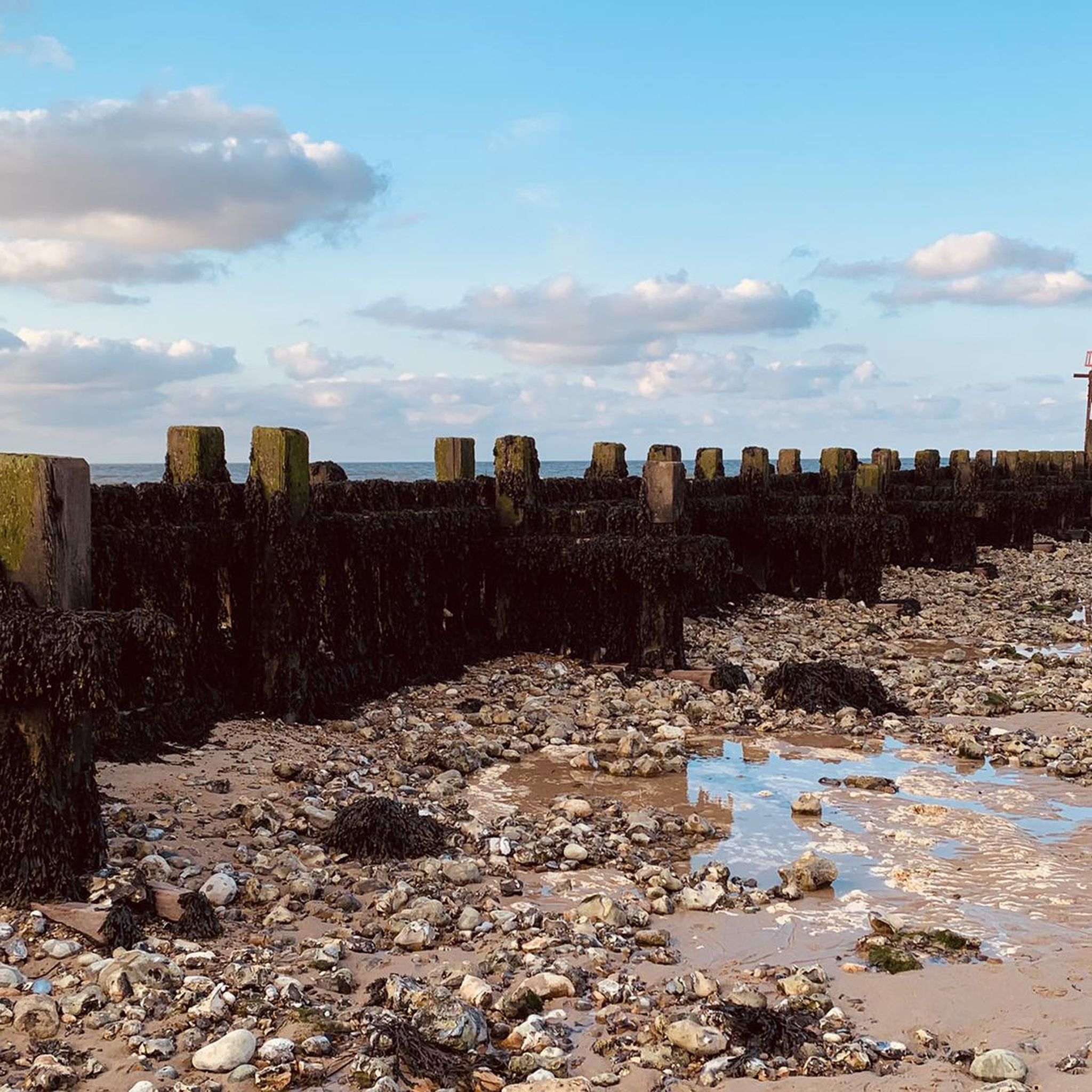
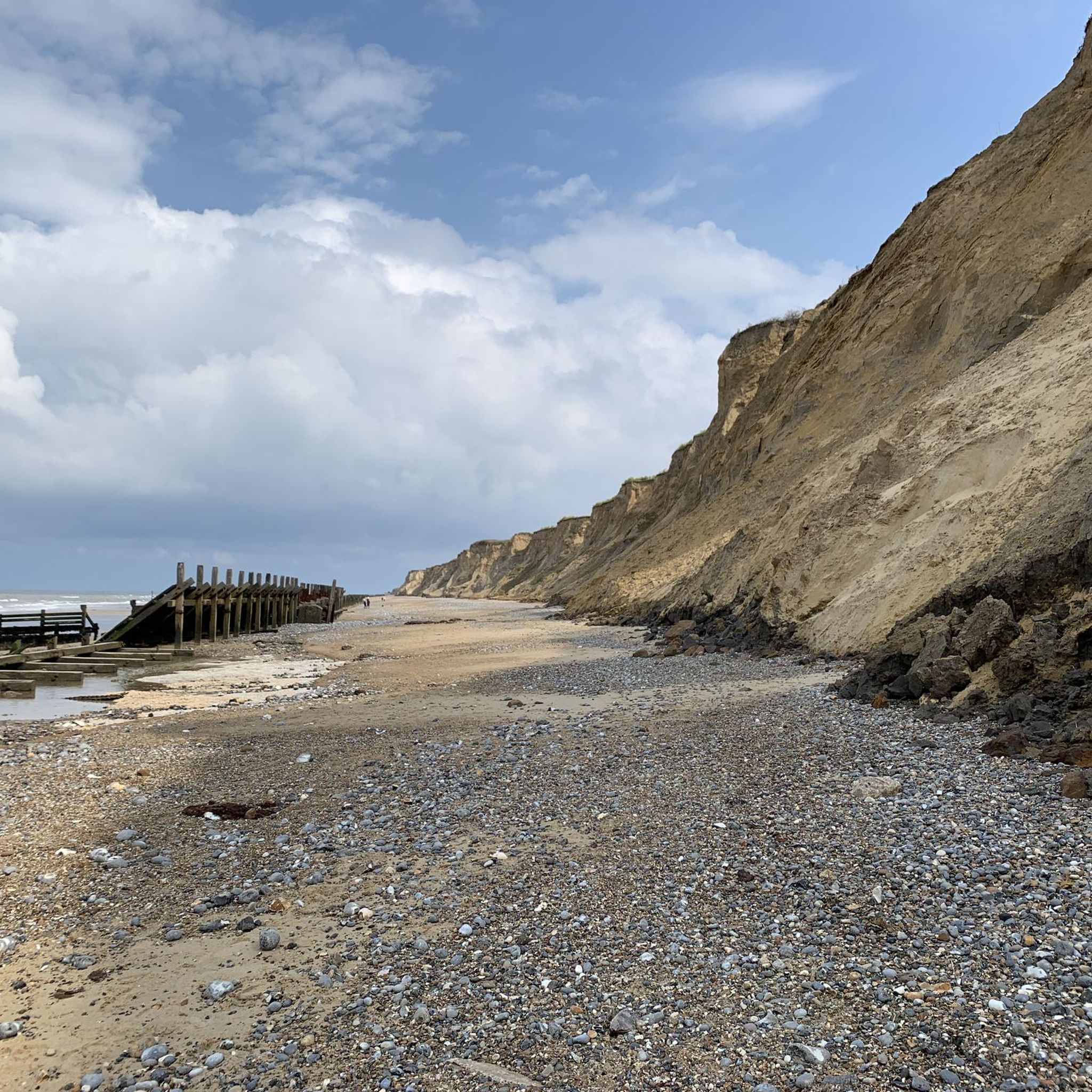
Mundesley is a seaside village featuring coloured beach huts, a long stretch of sandy beach, a number of eateries, and a pub. It's a popular spot for holidaymakers looking to enjoy a traditional break away from the hustle and bustle.
2
0
Frequently Asked Questions
What unique historical sites can I visit around Cromer?
Cromer boasts a rich history with several notable sites. You can explore the ruins of Baconsthorpe Castle, a 15th-century fortified manor house that tells the story of the Heydon family. Another significant historical site is Weybourne Station – North Norfolk Railway, a beautifully restored heritage railway station operating with historical steam and diesel trains. The town also features the historic 14th-century Cromer Parish Church (St Peter and St Paul) with its tall tower, and the RNLI Henry Blogg Museum, dedicated to Cromer's proud lifesaving heritage.
Are there any notable natural landscapes or features to explore near Cromer?
Absolutely. Cromer is surrounded by stunning natural beauty. You can visit Sheringham Park Rhododendron and Azalea Gardens, a magnificent landscape park known for its vibrant flora and coastal views. The Norfolk Coast Path offers breathtaking clifftop trails. Don't miss the Cromer Ridge, the highest coastal area in East Anglia, featuring wooded topography and heather areas. The unique Cromer Shoal Chalk Bed, often called 'Britain's Great Barrier Reef,' is remarkably close to shore and teems with marine life.
What family-friendly attractions are available in Cromer?
Cromer offers several family-friendly options. The iconic Cromer Pier is perfect for strolls, crabbing, and enjoying the Pavilion Theatre's shows. Children will love exploring the rock pools at Cromer Beach at low tide or building sandcastles. For animal lovers, Amazona Zoo is home to over 200 animals from South America. Many of the historical sites like Weybourne Station – North Norfolk Railway and Felbrigg Hall also have facilities and grounds suitable for families.
Can I find places to enjoy the coast and beaches in Cromer?
Yes, Cromer is renowned for its coastal charm. Cromer Beach offers sandy and shingle stretches ideal for paddling, sandcastles, and rock pooling. Surfing and paddleboarding are also popular activities. Just a short distance away, Mundesley Beach Huts provide a picturesque setting with a long sandy beach, perfect for a traditional seaside experience.
What kind of outdoor activities, like hiking or cycling, can I do around Cromer?
The area around Cromer is excellent for outdoor enthusiasts. You can find numerous hiking trails, including easy options like the "Cromer & Overstrand loop" or the "Henry Blogg Memorial – Cromer Pier loop." For more challenging hikes, consider the "Sheringham, Beacon Hill & Sheringham Park loop." Gravel biking is also popular, with routes like the "Roman Camp Viewpoint loop." You can explore more options for easy hikes, general hiking, and gravel biking around Cromer.
Are there any National Trust properties worth visiting near Cromer?
Yes, there are two significant National Trust properties nearby. Felbrigg Hall is a beautiful 17th-century country house with Jacobean architecture, Georgian interiors, and extensive woodlands and orchards. Sheringham Park Rhododendron and Azalea Gardens, designed by Humphry Repton, offers stunning coastal views and beautiful trails, especially known for its rhododendron and azalea collections. Both provide excellent opportunities for walks and exploring historic estates.
What is the best time of year to visit Cromer Pier?
Cromer Pier is a year-round attraction, but the best time to visit often depends on your preference. During the summer months (June-August), the pier is bustling with activity, and the Pavilion Theatre hosts its famous end-of-the-pier variety show. The weather is generally warmer, making it ideal for leisurely strolls and crabbing. However, visiting in the shoulder seasons (spring or autumn) can offer a quieter experience with pleasant weather, while winter provides a dramatic, windswept atmosphere, though some facilities might have reduced hours.
Are there any attractions open during the winter months in Cromer?
Many of Cromer's attractions remain open or accessible during winter. Cromer Pier is open for walks, and the Pavilion Theatre often has a Christmas show. The RNLI Henry Blogg Museum and Cromer Museum typically operate with winter hours. National Trust properties like Felbrigg Hall and Sheringham Park have their parklands open from dawn to dusk, though the houses themselves might be closed or have limited access. The beaches and coastal paths are always accessible for bracing winter walks.
Where can I learn about Cromer's maritime history and famous figures?
To delve into Cromer's rich maritime history, visit the RNLI Henry Blogg Museum. It's dedicated to Henry Blogg, the most decorated lifeboatman in history, and showcases Cromer's proud lifesaving heritage, including the Cromer Lifeboat H F Bailey III. The Cromer Museum, housed in former fishermen's cottages, also provides insights into the town's fishing trade and local geology.
Are there any hidden gems or less-known spots to discover in the Cromer area?
Beyond the main attractions, you can seek out some hidden gems. The Cromer Forest-Bed Formation and Deep History Coast, stretching along the North Norfolk coast, is a fascinating area rich in fossils, including the West Runton Mammoth, offering insights into prehistoric life. Keep an eye out for the Banksy artwork that appeared in Cromer in 2021. Exploring the irregular, undulating wooded topography of Cromer Ridge can also lead to unique discoveries.
Are there options for scenic walks with historical landmarks or viewpoints?
Yes, the area around Cromer is perfect for such walks. The Norfolk Coast Path offers stunning clifftop scenery and leads to viewpoints like those found in Sheringham Park. You can combine natural beauty with history by walking towards Cromer Lighthouse on the cliffs or exploring the grounds of Felbrigg Hall, which features woodlands and historic architecture. The "Cromer & Felbrigg loop" is a moderate hike that combines both scenic views and historical sites.
What about public transport options to reach attractions outside the town center?
Public transport options are available to help you reach attractions beyond Cromer's immediate town center. Local bus services connect Cromer to nearby villages and towns, which can provide access points for coastal walks or sites like Weybourne Station – North Norfolk Railway. For National Trust sites like Felbrigg Hall and Sheringham Park, it's advisable to check their official websites for specific public transport directions, as some may require a short walk from the nearest bus stop.
Are there any dog-friendly places or activities in Cromer?
Cromer is generally dog-friendly, especially for outdoor activities. Many of the coastal paths and walking trails, including sections of the Norfolk Coast Path, welcome dogs. While some beaches have seasonal restrictions for dogs, there are often designated areas or times when dogs are permitted. It's always best to check local signage for specific beach rules. The parklands of National Trust properties like Felbrigg Hall and Sheringham Park are also great for dog walks, usually requiring dogs to be on leads in certain areas.
Most popular routes around Cromer
Most popular attractions around Cromer

Get inspired with the komoot mobile app


Explore more
Still not found the Highlight you’re looking for? See guides of the top attractions in other regions:
