The best road cycling routes around Weißenkirchen in der Wachau
4.4
(395)
11,004
riders
15
rides
Road cycling around Weißenkirchen in der Wachau offers diverse terrain within the UNESCO World Heritage-listed Wachau Valley. The region is characterized by the Danube River, terraced vineyards, and apricot orchards, with routes winding through picturesque villages and offering varying elevations. Cyclists can explore paths along both banks of the Danube, encountering both gentle riverside stretches and challenging uphill climbs. The landscape features a mix of river scenery, cultivated vineyards, and forested hills.
Best road cycling routes around Weißenkirchen in der…
Last updated: September 29, 2026
40
riders
53.4km
02:54
1,040m
1,040m
Hard road ride. Very good fitness required. Some segments of this route may be unpaved and difficult to ride.
5.0
(1)
42
riders
Moderate road ride. Good fitness required. Some segments of this route may be unpaved and difficult to ride.

5.0
(1)
30
riders
Easy road ride. Great for any fitness level. Mostly well-paved surfaces and easy to ride.
3.0
(1)
16
riders
89.3km
04:25
1,270m
1,270m
Hard road ride. Very good fitness required. Some segments of this route may be unpaved and difficult to ride.
1.0
(1)
17
riders
Moderate road ride. Good fitness required. Mostly well-paved surfaces and easy to ride.
Get access to more routes and recommendations from other explorers.
Already have an account?
Our route recommendations are based on thousands of hikes, rides, and runs completed by other people on komoot.
Start today with a free account
Your next adventure awaits.
Popular around Weißenkirchen in der Wachau

Wachau World Heritage Trail – Danube Valley and Wachau wine country
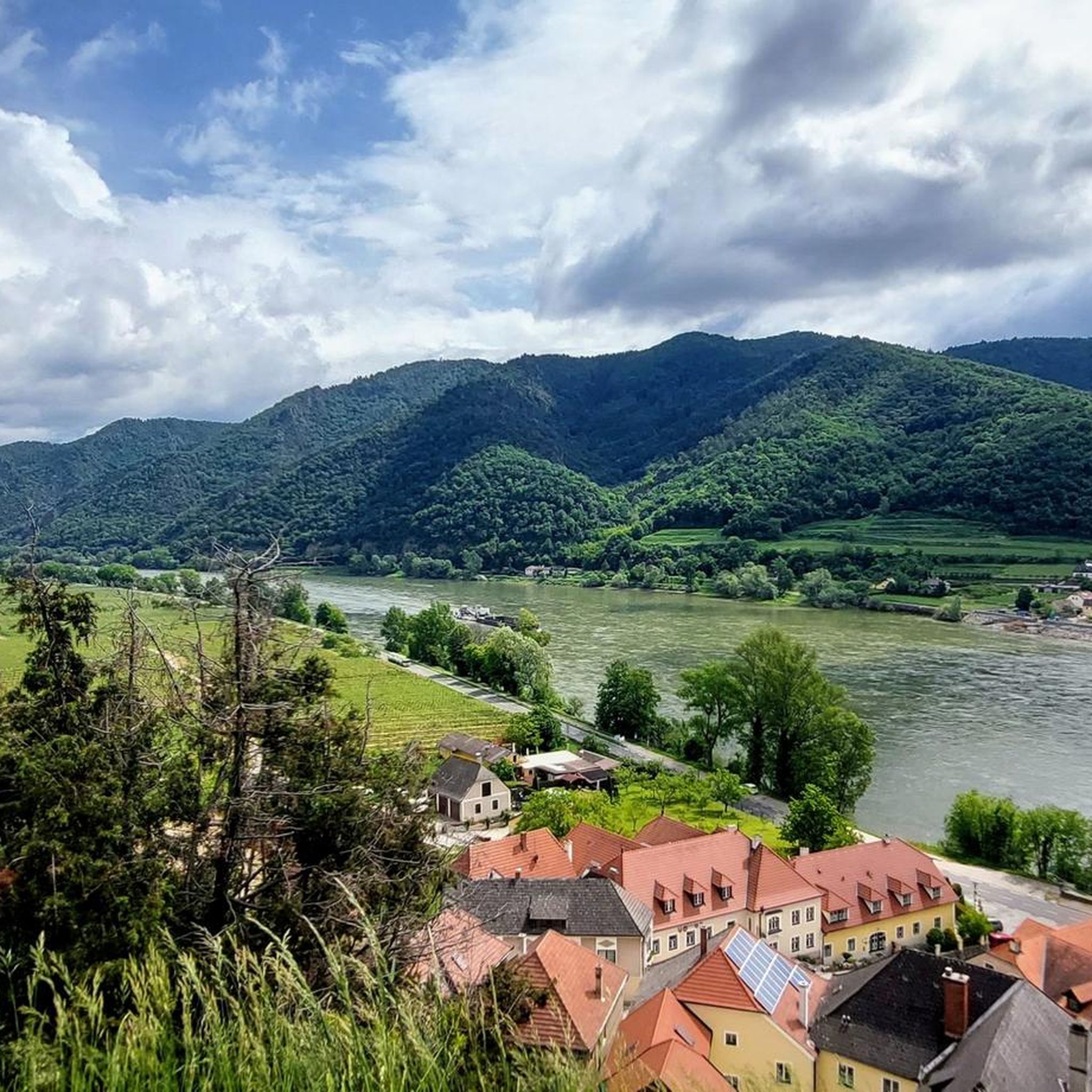
Hiking around Weißenkirchen in der Wachau
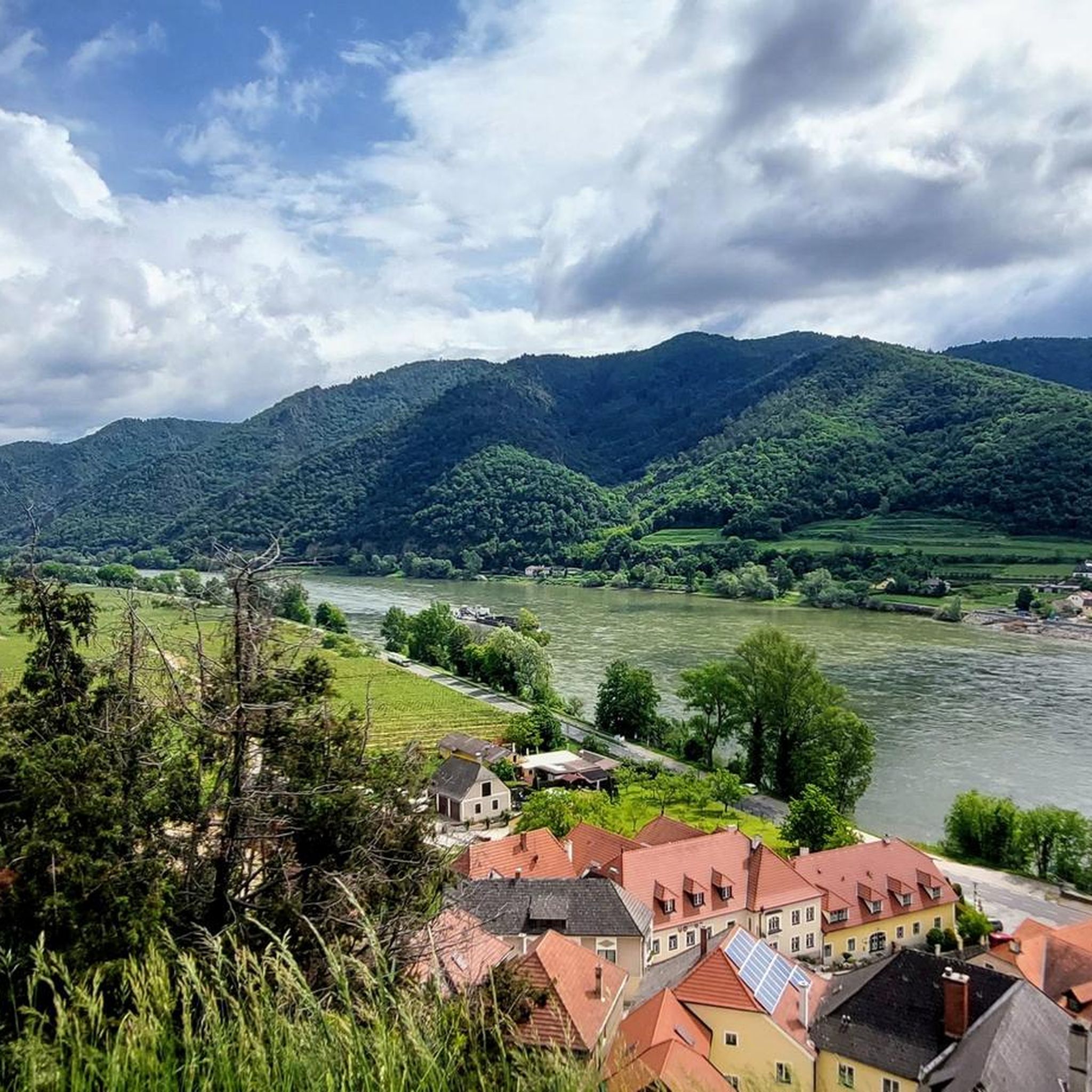
Cycling around Weißenkirchen in der Wachau
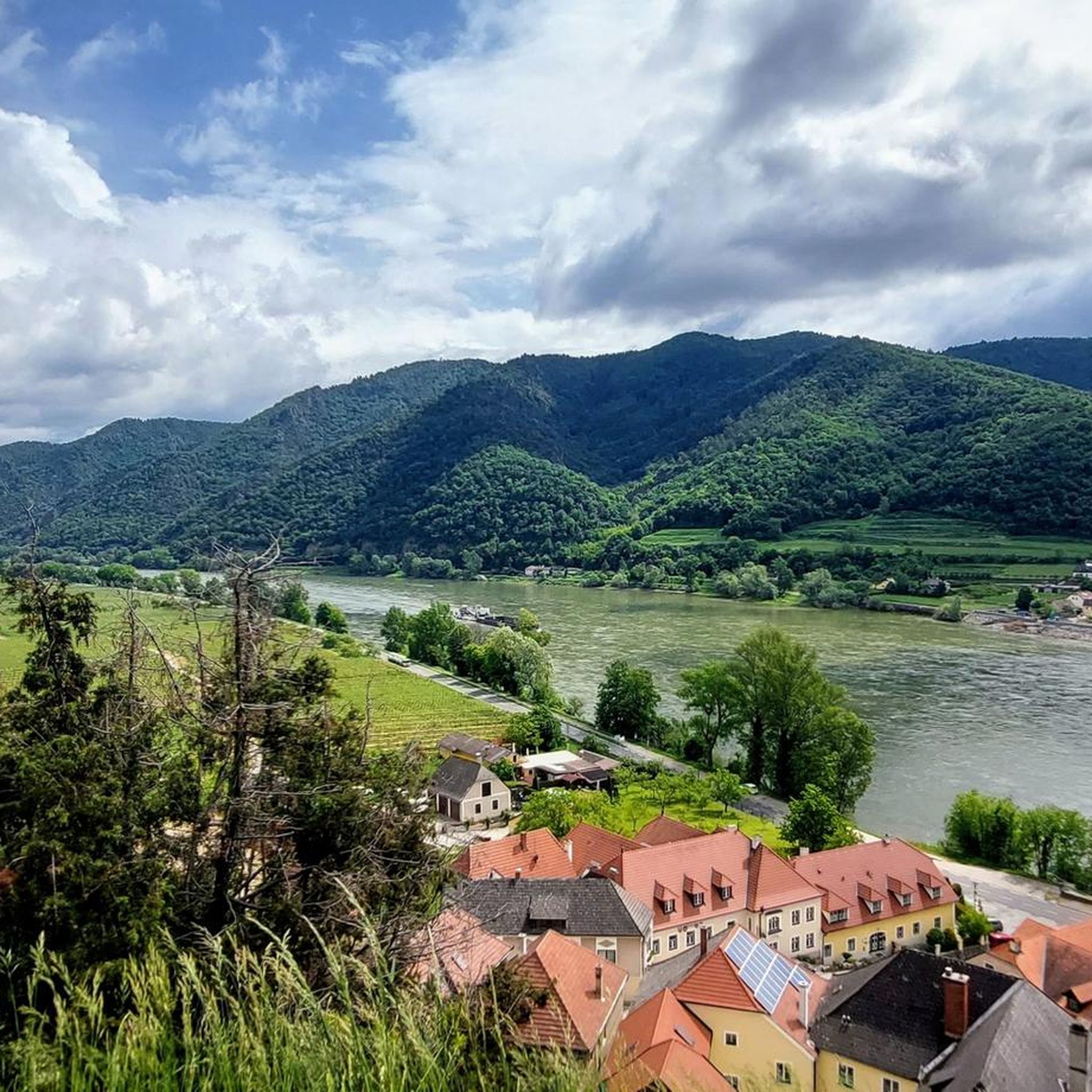
MTB Trails around Weißenkirchen in der Wachau
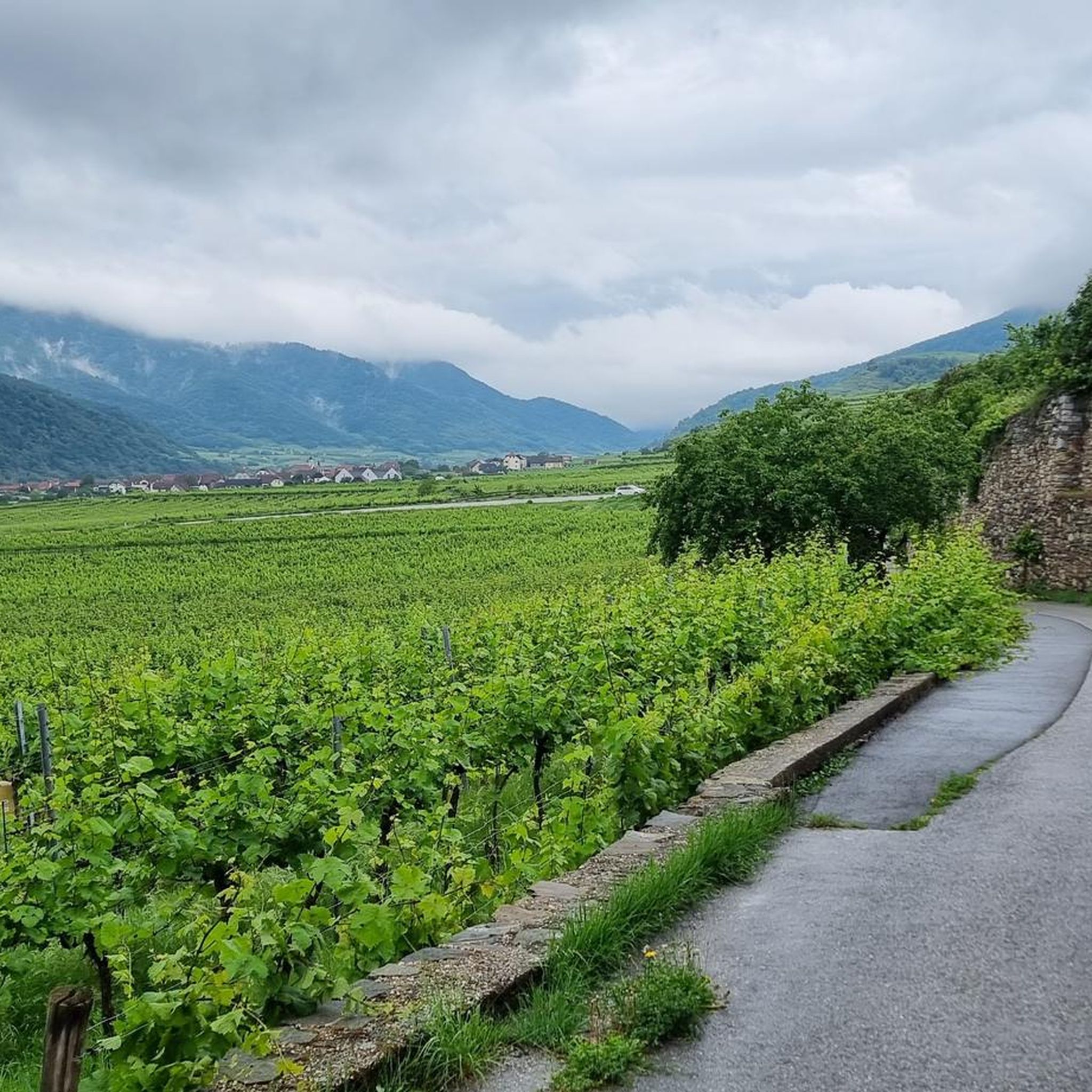
Running Trails around Weißenkirchen in der Wachau
Gravel biking around Weißenkirchen in der Wachau
Mountain Hikes around Weißenkirchen in der Wachau
Other adventures around Weißenkirchen in der Wachau

Tips from the Community

Very good Heuriger with friendly service and good wines
0
0
beautiful church on the main square of Spitz
0
0
The vineyards in the Wachau are a beautiful sight.
0
0

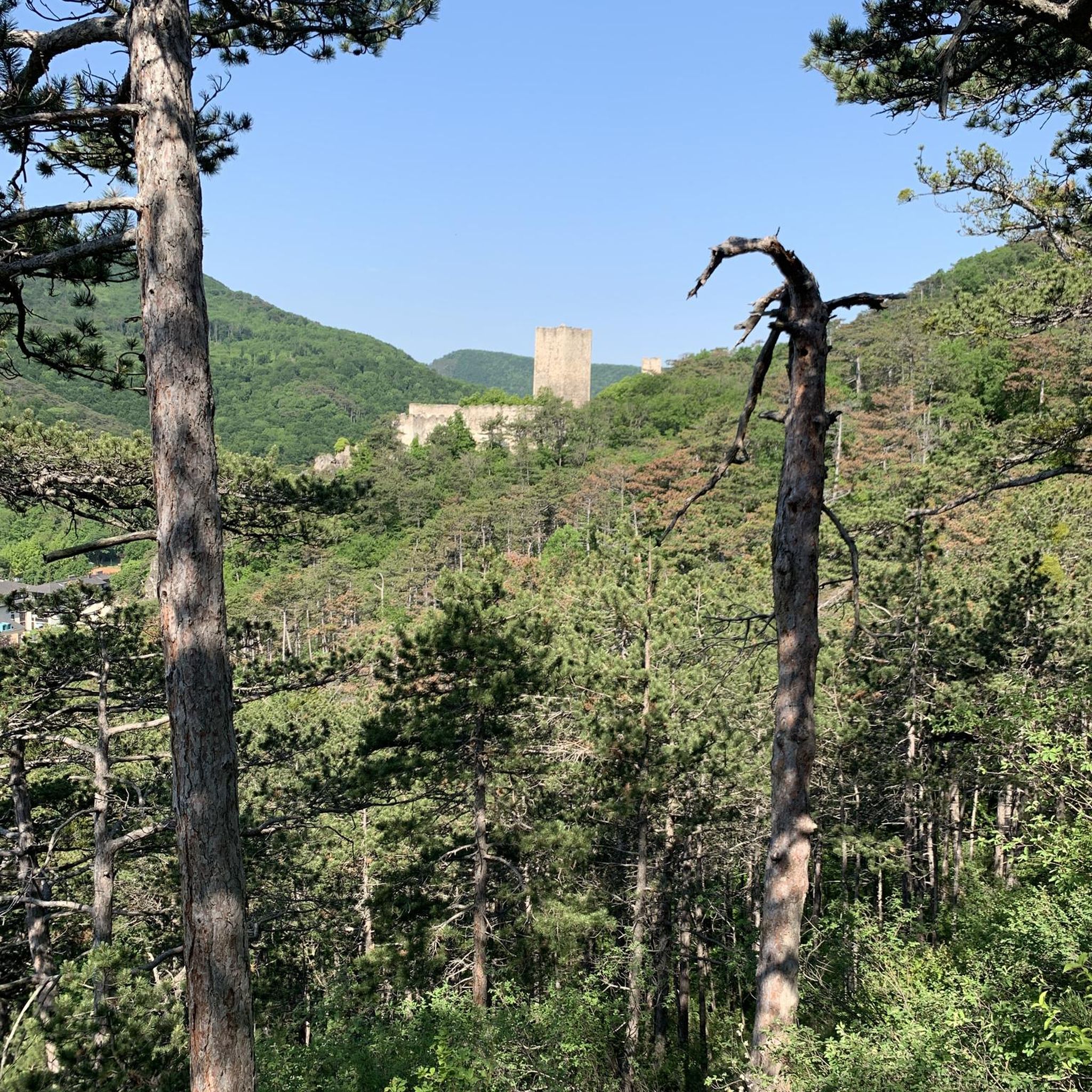
The Hinterhaus ruin, also called Oberhaus, is an almost thousand-year-old defensive structure in Spitz an der Donau, on an offshoot of the Jauerling. It was first mentioned in 1243. The ruin, located in the Wachau region, is situated near the "Tausendeimerberg", a vineyard that yields a certain amount of grapes each year, and on a rocky ridge of the so-called Hausberg, a part of the Jauerling massif.
0
0
In 1163, a Romanesque wooden chapel stood in the place, which was consecrated to the patron of the Niederalteich monastery. The present-day church is a significant work of the late Gothic period and rises with its mighty west tower on the present-day church square.
0
0
The parish church of Spitz, consecrated to Saint Mauritius, is a significant religious and cultural landmark of the region. This impressive church invites visitors to discover its magnificent architecture and rich history. Dedicated to Saint Mauritius, the parish church radiates an atmosphere of peace and spirituality that has impressed visitors for centuries.
0
0
The cycle path on the right bank of the Danube is nicer than the one on the left bank. And you have many nice views over the Danube.
0
0
Very beautiful place with a very interesting fortified church.
0
0
Frequently Asked Questions
What types of road cycling routes can I find in Weißenkirchen in der Wachau?
Weißenkirchen in der Wachau offers a diverse range of road cycling routes. You'll find easy, flat paths along the Danube River, scenic routes winding through terraced vineyards, and challenging uphill climbs for more experienced cyclists. The region features 2 easy, 3 moderate, and 15 difficult routes, catering to various fitness levels.
Are there any family-friendly road cycling routes in the Wachau Valley?
Yes, the Danube Cycle Path (Donauradweg) which passes directly through Weißenkirchen, is largely paved and well-maintained, making it ideal for families. It offers a relaxed ride along the river, connecting charming towns like Dürnstein and Spitz. A particularly easy option is the Weißenkirchen in the Wachau – Dürnstein Old Town loop, which is just over 11 km with minimal elevation.
What are the best routes for experienced road cyclists looking for a challenge?
For experienced road cyclists, the region offers several demanding routes with significant elevation gain. The Jauerling Observation Tower – Hinterhaus Castle Ruins loop is a difficult 30 km trail with over 780 meters of ascent, offering panoramic views. Another challenging option is the Weißenkirchen in the Wachau – Vineyard Route in the Wachau loop, a 58 km route with nearly 1000 meters of climbing through expansive vineyards.
Can I find circular road cycling routes starting from Weißenkirchen in der Wachau?
Absolutely. Many routes in the region are designed as loops, allowing you to start and end in Weißenkirchen. For example, the Weißenkirchen in the Wachau – Parish Church of Weißenkirchen loop is an easy 25 km circular path, while the Parish Church of Weißenkirchen loop from Trockenrasen St. Michael - West offers a moderate 23 km circuit with over 500 meters of elevation.
What natural features and landmarks can I see along the road cycling routes?
Road cycling routes in Weißenkirchen in der Wachau are rich with scenic beauty and historical sights. You'll cycle through the UNESCO World Heritage-listed Wachau Valley, past dramatic terraced vineyards, apricot orchards, and along the Danube River. Notable landmarks include the fortified 14th-century Gothic Pfarrkirche Mariä Himmelfahrt (Parish Church of the Assumption), historic vintner houses, and the Teisenhoferhof / Wachau Museum. Elevated viewpoints like Seekopf offer panoramic vistas of the valley.
Are there any interesting caves or huts to explore near the cycling routes?
Yes, the region around Weißenkirchen in der Wachau features several interesting natural and historical sites. You can find caves such as the Gudenus Cave or the Steinerner Saal Rock Shelter. For a break, there are also huts like the Fessl Hut or the Schwarzalm Krems Mountain Inn, which can be found in the surrounding hills.
What is the best time of year for road cycling in Weißenkirchen in der Wachau?
The Wachau Valley is particularly beautiful in spring when the apricot orchards bloom, and in autumn during the grape harvest, offering vibrant colors. The weather is generally pleasant for cycling from spring through early autumn. Summer can be warm, but riverside routes often provide a refreshing breeze. Always check local weather forecasts before heading out.
What do other road cyclists say about the routes in Weißenkirchen in der Wachau?
The road cycling routes in Weißenkirchen in der Wachau are highly rated by the komoot community, with an average score of 3.7 stars from over 3 reviews. Cyclists often praise the stunning scenery, the variety of terrain from flat riverside paths to challenging vineyard climbs, and the well-maintained routes that allow for exploration of the UNESCO World Heritage site.
Is there parking available for road cyclists in Weißenkirchen in der Wachau?
Weißenkirchen in der Wachau, being a popular tourist destination, offers various parking options. You can typically find designated parking areas within the village, often near the Danube or key attractions. It's advisable to check local signage for specific parking regulations and fees upon arrival.
How can I access different parts of the Wachau Valley by public transport or ferry while cycling?
The Wachau Valley is well-connected. The Danube Cycle Path allows you to cycle between towns. Ferries are readily available in Weißenkirchen, Spitz, and Dürnstein, making it easy to cross the Danube and access cycling opportunities on both banks. This provides flexibility for creating varied routes and exploring more of the region without having to cycle back on the same side of the river.
Are there places to stop for refreshments or wine tastings along the routes?
Yes, Weißenkirchen is the largest winegrowing community in the Wachau, and the region is dotted with numerous wineries and traditional wine cellars (Kellergasse) that invite visitors for breaks and wine tastings. Many charming villages along the Danube Cycle Path also offer cafes and restaurants where you can refuel during your ride.
Most popular routes around Weißenkirchen in der Wachau
Most popular attractions around Weißenkirchen in der Wachau

Get inspired with the komoot mobile app


Explore more
Browse the best Road cycling routes in other regions.
