Attractions and Places To See around Blyth - Top 20
Best attractions and places to see around Blyth offer a blend of natural landscapes and historical sites. The region features diverse parklands, ancient ruins, and canal paths suitable for exploration. Visitors can discover areas with significant historical depth and natural beauty. This area provides opportunities for outdoor activities and cultural engagement.
Best attractions and places to see around Blyth
- The most popular attractions is Roche Abbey Ruins, a historical site that features the ruins of a Cistercian Monastery founded in 1147. The site is surrounded by extensive woods, offering walking loops.
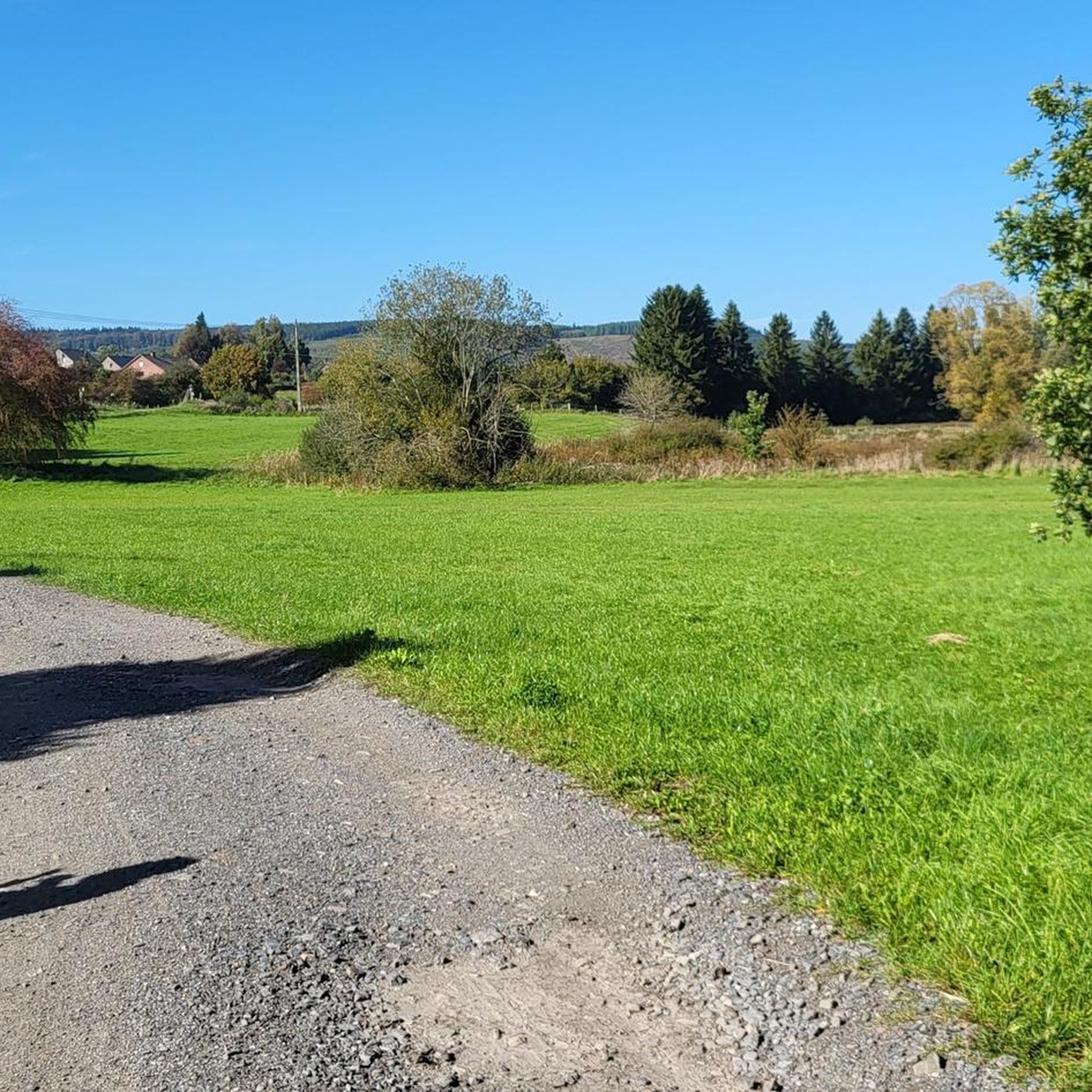
- Another must-see spot is Langold Country Park Lake, a lake within a 300-acre parkland and Local Nature Reserve. Visitors can expect woodlands, wildlife meadows, play areas, and a cafe, making it suitable for a day trip.
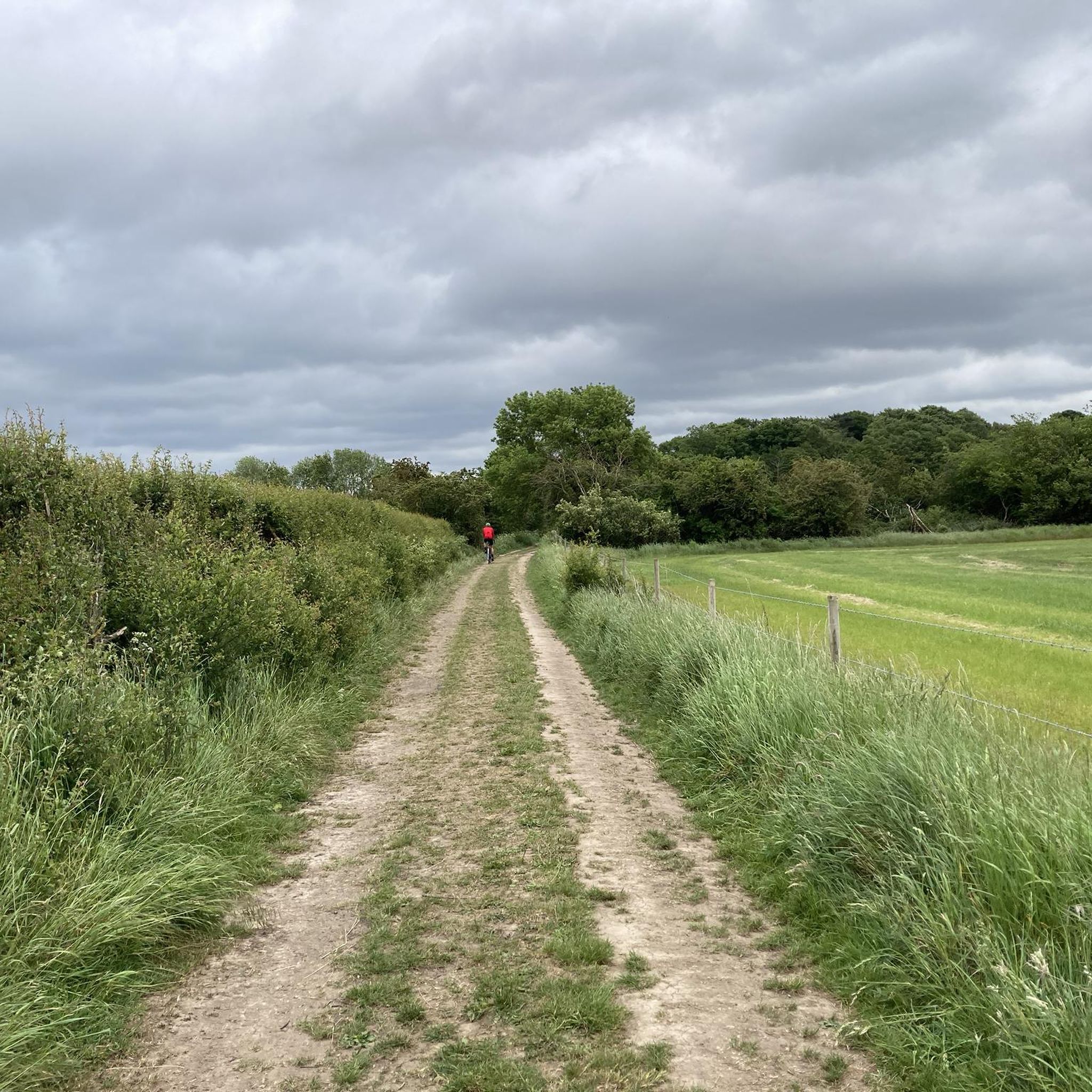
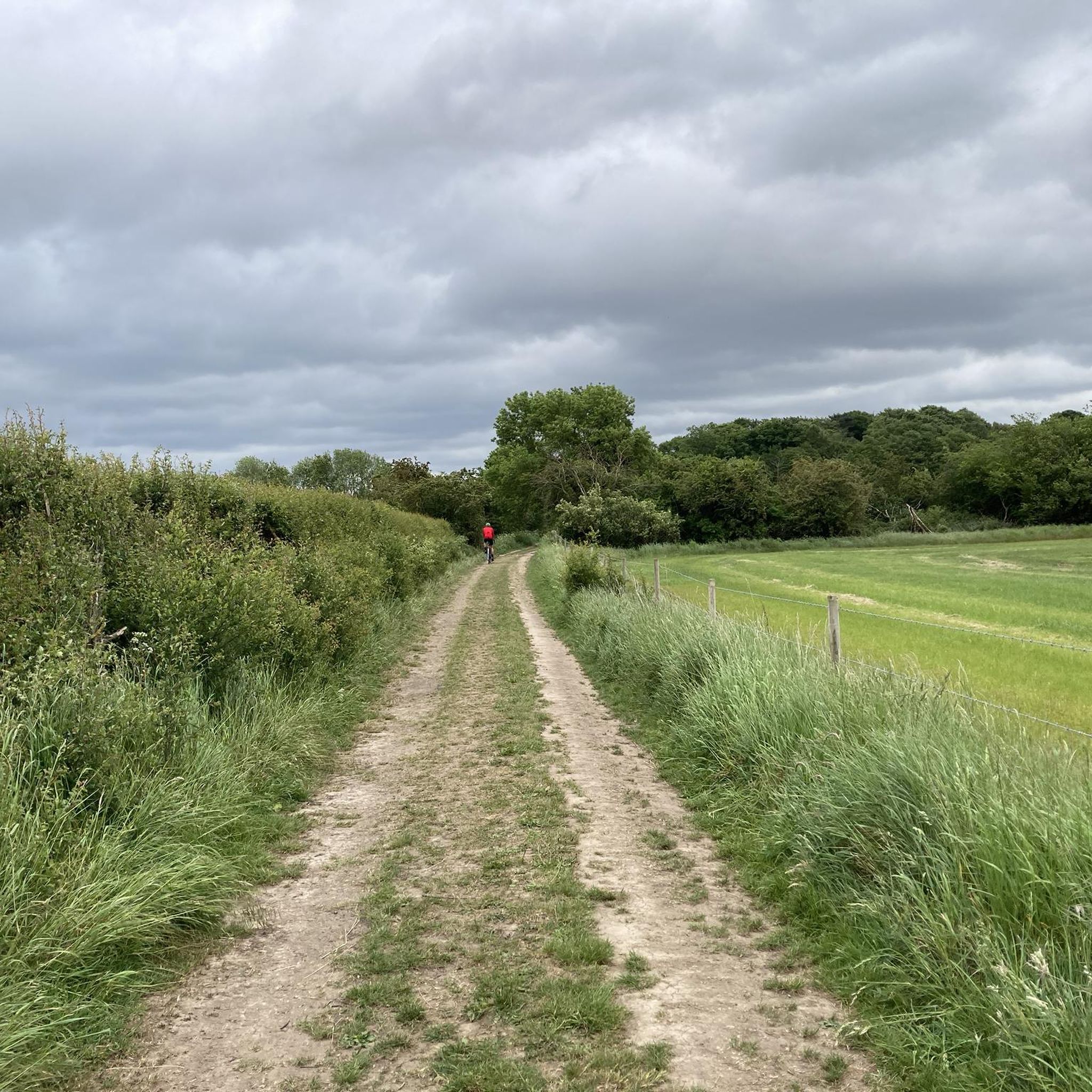
- Visitors also love Chesterfield Canal Towpath, a cycle way with a gravel track along the canal. This path features numerous locks and low bridges, providing scenic views and opportunities for cycling or walking.
- Blyth is known for historical sites, natural parks, and scenic canal routes. The area offers a variety of attractions to see and explore, from ancient ruins to family-friendly parklands.
- The attractions around Blyth are appreciated by the komoot community, with more than 30 upvotes and 30 photos shared by visitors.
Last updated: August 30, 2026
Langold Country Park Lake
Highlight (Segment) • Lake
Tip by

Roche Abbey Ruins
Highlight • Historical Site
Tip by

Sign up now to discover places like this
Get recommendations on the best single tracks, peaks, & plenty of other exciting outdoor places.
Sign up for free
Chesterfield Canal Towpath
Highlight (Segment) • Cycleway
Tip by

Dead Man's Hole
Highlight • Natural Monument
Tip by

Turnerwood Locks, Chesterfield Canal
Highlight • Structure
Tip by

Sign up for free to discover even more attractions around Blyth.
Sign up for free
Already have an account?
Start today with a free account
Your next adventure awaits.
Login or Signup

Tips from the Community

Ruins of a small Cistercian abbey in a dramatic valley with rocky limestone outcrops.
0
0
Langold Country Park was originally planned as a country house and park in the 18th century. The idea was revived in 1818 and although the house was never completed. By the 1890s a lake had been excavated and a weir with a single arch bridge had been constructed. During the early 20th century the area was developed for mining and the park became a leisure facility for the Langold miners, principally for fishing. In 1946 the coal mining industry was nationalised and the National Coal Board expanded the leisure facilities in the park. A lido or swimming pool was rebuilt in the early 1950s and a bandstand was added. In 1968 the mine closed and the park was taken over by the local authority. Mining equipment was moved and children's playgrounds and refreshment facilities were added.
0
0

Small elusive rock cave in the escarpment, just below the path. You will find it from the Top path via the semi-circle track. Supposedly haunted, it's popular with ghosthunters in the night. The cave was excavated in the 1960's which revealed ancient flint tools from the ice age and animal bones from animals such reindeer and hyena 12,000 years ago - That's Ten Thousand Years BC!
1
0
Small elusive rock cave in the escarpment, just below the path. You will find it from the Top path via the semi-circle track. Supposedly haunted, it's popular with ghosthunters in the night. The cave was excavated in the 1960's which revealed ancient flint tools from the ice age (more than 10,000 years ago) and animal bones from animals such as reindeer and hyena
1
0

Turner wood is a particularly picturesque place with the canal side cottages and the locks, there also seems to be a couple of resident Swan families too, a lovely place to ride or walk but there is a dismount sign in front of the cottages so please respect this 🙏🙏
2
0

Covering 300 acres of parkland and a Local Nature Reserve, the park links into Dyscarr Wood, a Site of Special Scientific Interest recognised as one of the best examples of a limestone ash-wych elm wood in Nottinghamshire. The park itself has woodlands, wildlife and butterfly meadows, grassy area, a lake, play areas, cafe and skate park, making it a great year-round day trip for all.
2
0

This small ‘pop up’ cafe is open during late Spring & Summer time. She’s closed during the cold wet months of winter. Find more details on Facebook. https://www.facebook.com/profile.php?id=100043413387249
1
0

You have to drop off the path to the left to see this site.
0
0
Frequently Asked Questions
What natural attractions can I explore around Blyth?
Blyth offers a mix of natural beauty. You can visit Langold Country Park Lake, a 300-acre parkland with woodlands, wildlife meadows, and a lake. Blyth Beach is popular for its wide sandy shores, coastal walks, and opportunities for bird and wildlife spotting, including dolphins and seals. Ridley Park provides green space with play areas, and the River Blyth estuary offers picturesque scenery.
Are there historical sites to visit in Blyth?
Yes, Blyth has a rich history. Explore the ruins of a Cistercian Monastery at Roche Abbey Ruins, founded in 1147. The Dead Man's Hole is a small rock cave where ancient flint tools and animal bones from the Ice Age were discovered. Don't miss the Blyth Battery, a volunteer-run World War One coastal defence site, or the historic Bath Terrace Lighthouse, dating back to 1788.
What outdoor activities are available near Blyth?
You can enjoy various outdoor activities. The Chesterfield Canal Towpath is excellent for cycling or walking along a gravel track with scenic views and numerous locks. For hiking, there are routes like the 'Langold Lakes – Langold Country Park Cafe loop' or 'The White Hart loop'. You can find more details on hiking around Blyth. Road cycling and gravel biking routes are also available, with guides such as Road Cycling Routes around Blyth and Gravel biking around Blyth.
Are there family-friendly attractions in Blyth?
Absolutely. Langold Country Park Lake features play areas and a cafe, making it ideal for a day trip. Ridley Park offers a water splash area, play parks with climbing areas, and a zip wire. Blyth Beach is also a great family spot for relaxation and watersports. The Turnerwood Locks, Chesterfield Canal area is also considered family-friendly.
Where can I find cultural experiences in Blyth?
Blyth offers several cultural points of interest. The Phoenix Playhouse (or Phoenix Theatre) hosts various performances throughout the year. The new Market Pavilion serves as a cultural hub with cinema screens, a café, and spaces for workshops and events. You can also discover public art like the Fisherman Door Art and the Robbie Dale Mural.
What unique landmarks should I look out for in Blyth?
Keep an eye out for the 'Spirit of the Staithes', a 50-foot public art piece at Blyth Quayside commemorating the town's industrial past. The Blyth Rocket House is a historic building that once housed rescue apparatus for stranded ships. The Wallaw Cinema, now a Wetherspoon pub, is also considered a local landmark with a unique setting.
Are there places to eat or get refreshments near the attractions?
Yes, several spots offer refreshments. Langold Country Park Lake has a cafe. Along the Chesterfield Canal Towpath, you might find a lady selling refreshments from her shed, particularly near Turnerwood Locks during late spring and summer. The Wallaw Cinema (Wetherspoon pub) and the Market Pavilion also offer food and drink options.
What kind of wildlife can be spotted in the Blyth area?
The Blyth area is good for wildlife spotting. At Blyth Beach, you might see dolphins and seals. The River Blyth estuary is also a good location for bird and wildlife watching. Langold Country Park Lake, a Local Nature Reserve, features woodlands and wildlife meadows, including various butterfly species.
What is the significance of the Bath Terrace Lighthouse?
The Bath Terrace Lighthouse, also known as 'High Light', is a significant historical structure in Blyth. Dating back to 1788, it originally used coal for its light and later transitioned through oil, gas, and electricity before being decommissioned in 1985. It stands inland in Bath Terrace and is now a listed historic monument.
Can I visit Seaton Delaval Hall from Blyth?
Yes, Seaton Delaval Hall is a stately home located just outside Blyth. Built between 1718 and 1728, it's a notable historical site worth visiting for its architecture and grounds.
What do visitors enjoy most about the attractions around Blyth?
Visitors appreciate the blend of natural landscapes and historical sites. Many enjoy the extensive woods and walking loops around Roche Abbey Ruins, often calling it a 'hidden gem'. The scenic views and opportunities for cycling or walking along the Chesterfield Canal Towpath are also highly rated, as are the family-friendly facilities at Langold Country Park Lake.
Most popular attractions around Blyth

Get inspired with the komoot mobile app


Explore more
Still not found the Highlight you’re looking for? See guides of the top attractions in other regions:
