Attractions and Places To See around Lowdham - Top 20
Best attractions and places to see around Lowdham include a blend of historical landmarks, natural beauty, and local charm within the village and its surroundings in Nottinghamshire, England. The area features significant cultural sites and offers diverse natural landscapes. Visitors can explore historical buildings, engage in outdoor activities, and enjoy scenic views.
Best attractions and places to see around Lowdham
- The most popular attractions is Southwell Minster, a religious building that is one of the smallest cathedrals in the country, noted for its interesting architecture and historical significance. The Norman reconstruction of the church began in 1108, and it is known for its architectural interest.
- Another must-see spot is Watchwood Berms MTB Trail, an mtb park with berms and optional jumps, suitable for practicing cornering. It offers a fun experience for mountain biking enthusiasts, with various routes available.
- Visitors also love Oxton Bank Climb, a climb described as the biggest hill in this part of Nottinghamshire. It presents a challenging ascent, either as a long drag from Southwell or a steep ramp from Oxton.
- Lowdham is known for historical landmarks, natural features, and trails. The area offers a variety of options for outdoor activities, including walking, cycling, and exploring cultural sites.
- The attractions around Lowdham are appreciated by the komoot community, with more than 50 upvotes and 3 photos shared.
Last updated: October 5, 2026
Oxton Bank Climb
Highlight (Segment) • Climb
Tip by

Southwell Minster
Highlight • Religious Site
Tip by

Sign up now to discover places like this
Get recommendations on the best single tracks, peaks, & plenty of other exciting outdoor places.
Watchwood Berms MTB Trail
Highlight (Segment) • MTB Park
Tip by

Maythorne Mill
Highlight • Monument
Tip by

Ruins of St John the Baptist Church
Highlight • Monument
source: travellerj.com/2018/12/18/ruins-of-st-johns-church
Tip by

Sign up for free to discover even more attractions around Lowdham.
Already have an account?
Start today with a free account
Your next adventure awaits.
Tips from the Community

The Domesday Book records a church and priest at Colwick in 1086. The church that now stands in ruins was largely built by Sir John Byron in the 16th Century but incorporates 14th and 15th Century sections from an earlier church. The building at that time probably had a spire not a plain tower. By 1912 the roof of the church was in a poor state. Although repairs made the building serviceable again for a few years, the condition of the church continued to deteriorate and by 1920 some of the services were being held in the Schoolrooms in wintertime and later in a newly built Parish Hall. From 1923 some marriages were conducted in the Parish Hall. In Mar 1924, the down-pipes were repaired and the walls pointed. The roof was again repaired but its condition continued to give concern and in 1933 the church was abandoned as dangerous. It was finally closed as being unsafe in March 1936, and in November 1936, the principal beam of the roof gave way.
0
0
The former Maythorne Mill, its former workers’ cottages and its ancillary buildings, plus a farm, form the greater part of this small hamlet. It was a cotton mill built in 1785 to supply the framework knitting industry with yarns. The speculator that built Maythorne was a Southwell hop merchant. In the early C19th the mill was adapted to produce silk and lace thread. There was also a Mission Hall, a pub & general store. The mainly female workforce was required to wind silk on bobbins, form it into shanks before it was finally washed and pressed and despatched to Nottingham. However, yarn & thread products were not the only items produced here as osier beds provided willow for basket-making and hops were also grown locally. From 1939-45 the mill was used to billet soldiers and in 1948 the land & buildings were put to agricultural use. the mill building has been converted into residential flats & some workshops in various outbuildings. The mill wheel was powered by the River Greet.
0
0
The earliest church on the site is believed to have been founded in 627 by Paulinus, the first Archbishop of York, when he visited the area while baptising believers in the River Trent. The legend is commemorated in the Minster's baptistry window. In 956 King Eadwig gave land in Southwell to Oskytel, Archbishop of York, on which a minster church was established. The Domesday Book of 1086 recorded the Southwell manor in great detail. The Norman reconstruction of the church began in 1108, probably as a rebuilding of the Anglo-Saxon church, starting at the east end so that the high altar could be used as soon as possible and the Saxon building was dismantled as work progressed. Many stones from this earlier Anglo-Saxon church were reused in the construction. The church was originally attached to the Archbishop of York's Palace which stood next door and is now ruined.
0
0

The now derelict St John the Baptist Church was built by Sir John Byron in the 16th century, incorporating 14th and 15th century sections from an earlier church. It was restored again in 1684 by Sir John Musters and was in use until the mid-1930s when it was no longer repaired, the nave roof collapsed and it was abandoned as dangerous and left to ruin. source: https://travellerj.com/2018/12/18/ruins-of-st-johns-church/
1
0

Features now restored in the middle of the wood, including small gap-jumps with chicken line, flowing great (April 2022).
2
0
Unfortunately the Forestry Commission have been into Watchwood and removed all the man-made features (jumps) from the downhill runs. However the trails are still rideable & fun, plenty of berms still in place. (July 2021)
2
0


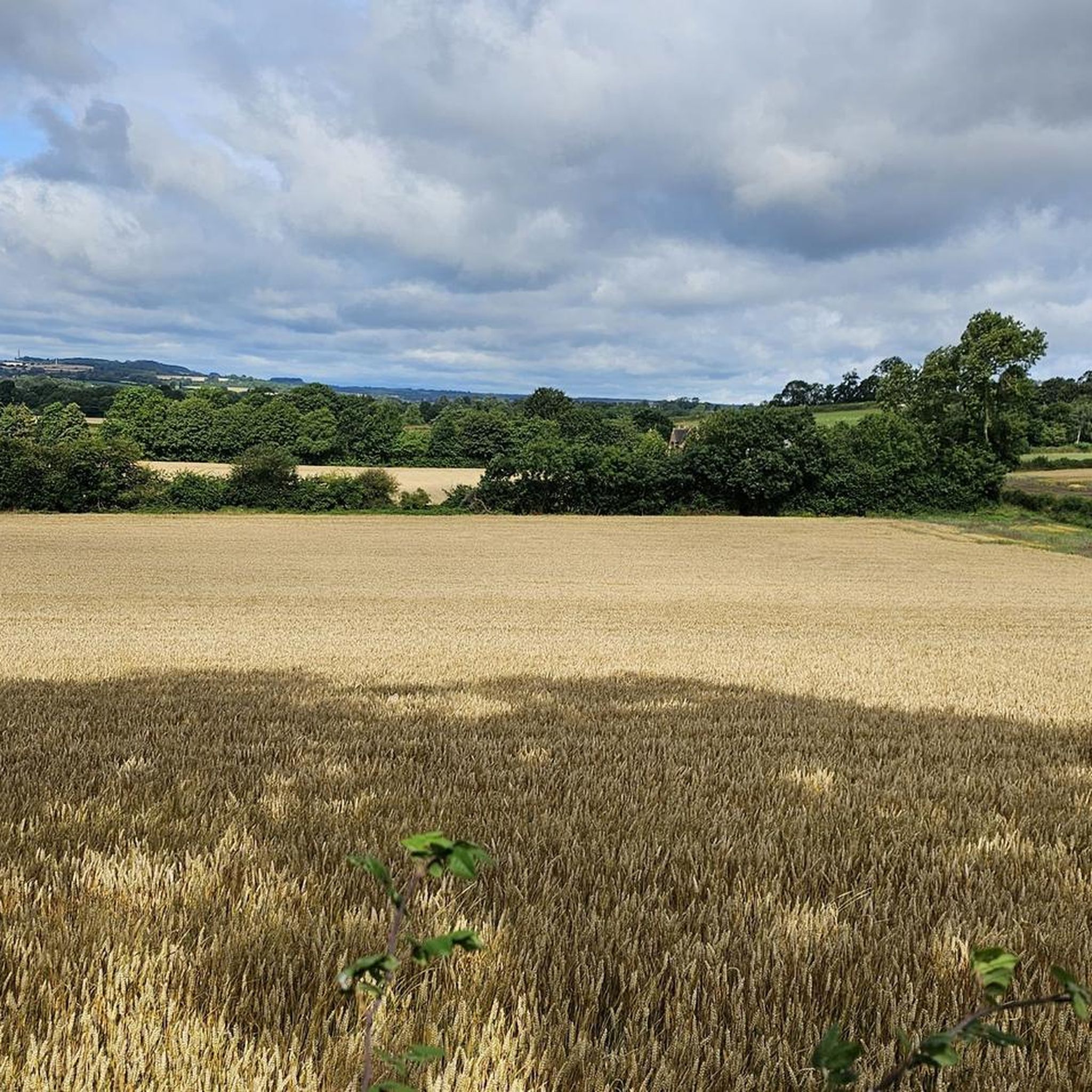
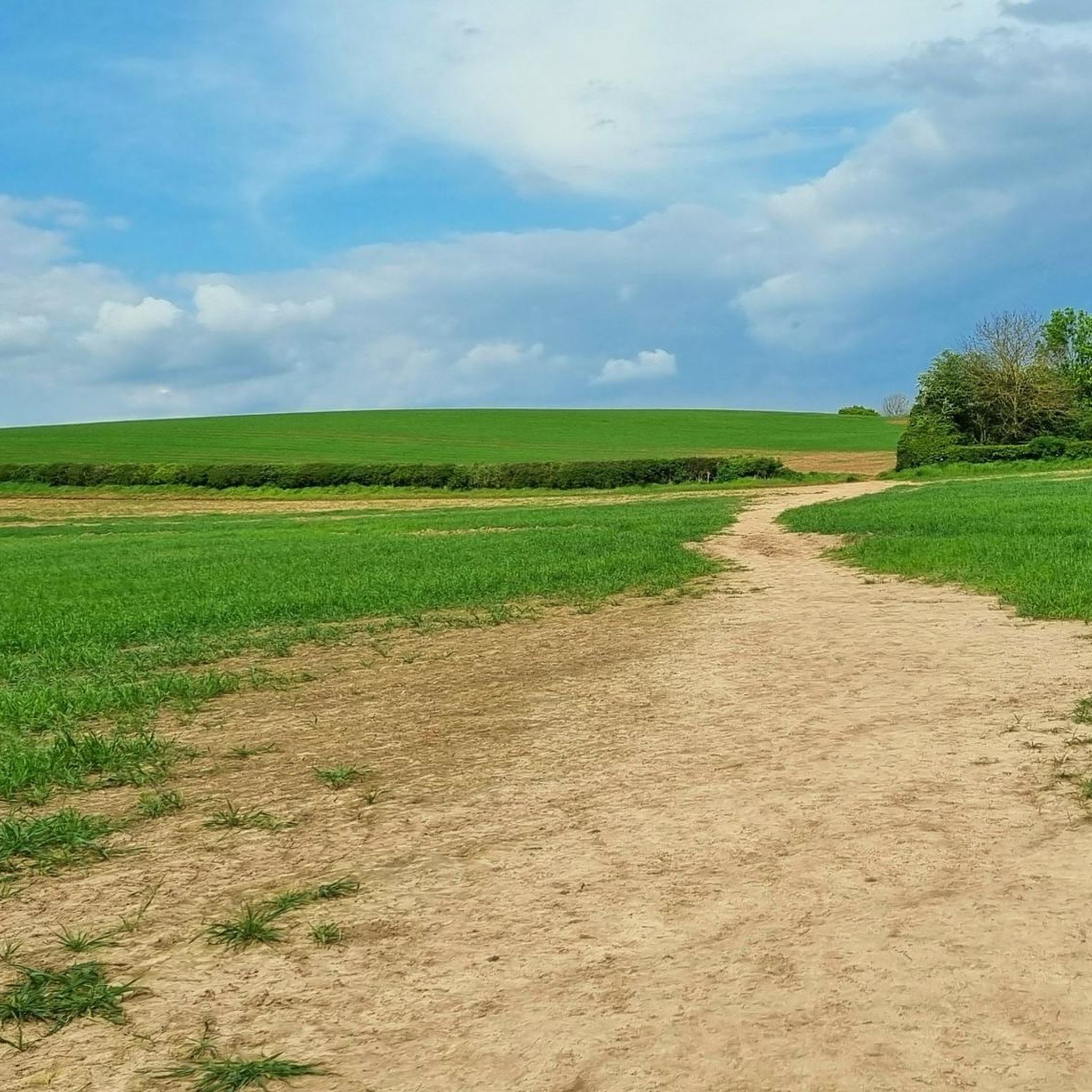
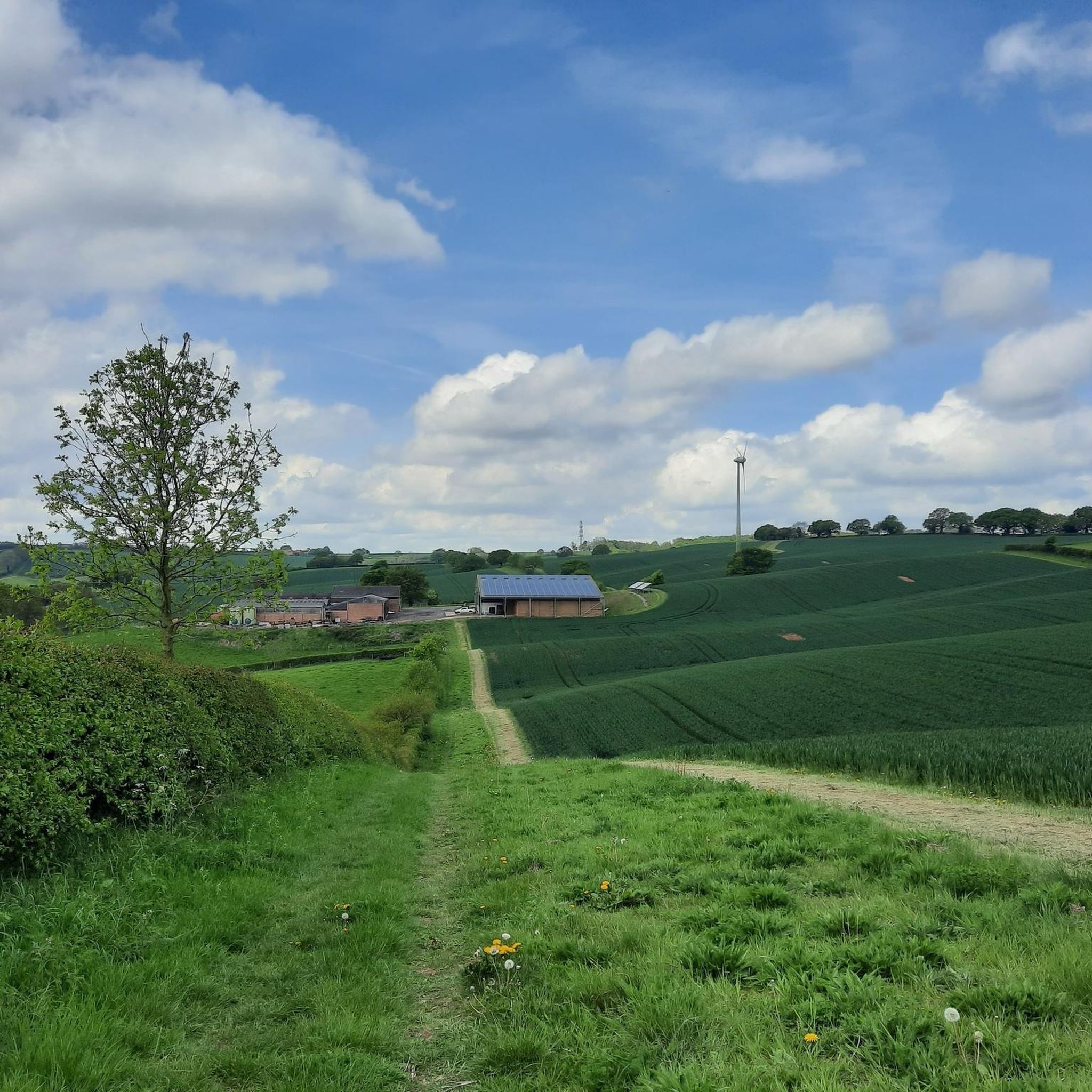
Absolutely worth the slog is the downhill charge into Southwell. This climb is featured in Simon Warren’s greatest climbs series. It’s tough but doable.
0
0
Frequently Asked Questions
What historical landmarks can I explore in Lowdham?
Lowdham offers several historical sites. You can visit St Mary's Church, which dates back to the 13th century, or see The Old School Clock, a prominent village landmark added in 1911. The War Memorial is also a significant site. Additionally, the village has an Old Hall with a castle mound in its grounds. For a broader historical experience, consider a visit to Southwell Minster, a cathedral with origins believed to be from 627 AD, located just a short distance away.
Are there any good places for mountain biking near Lowdham?
Yes, mountain biking enthusiasts can enjoy the Watchwood Berms MTB Trail. It's known for its fun berms and optional jumps, making it a great spot to practice cornering. The trail offers various routes and is suitable for different skill levels.
Where can I find challenging cycling climbs in the Lowdham area?
For those seeking a challenge, the Oxton Bank Climb is described as the biggest hill in this part of Nottinghamshire. It offers a long, slow drag if approached from Southwell, or a punchy, steep ramp from Oxton, appealing to cyclists who enjoy demanding ascents.
What outdoor activities are available around Lowdham?
Lowdham is excellent for outdoor activities. You can explore the Southwell Trail, a converted railway line popular with walkers, cyclists, and horse riders. There are also numerous walking and cycling routes throughout the scenic countryside, including options for dog walks and family outings. For more specific routes, you can find various gravel biking, road cycling, and running trails in the area.
Are there family-friendly attractions near Lowdham?
Absolutely. For family fun, Floralands Farm Park and Ferry Farm Park are located within a few miles of Lowdham. These children's farms offer engaging entertainment. Additionally, Southwell Minster and Ye Olde Trip to Jerusalem are also considered family-friendly destinations.
What is the oldest pub in England near Lowdham?
You can visit Ye Olde Trip to Jerusalem, which claims to be the oldest inn in England. It offers a unique cultural and historical experience, complete with a cozy atmosphere and a lovely beer garden.
Can I find any unique local features in Lowdham village itself?
Yes, Lowdham village has a few unique features. Outside the Post Office, you'll find a Gold Pillar Box, which honors Paralympic sprinter and local native Richard Whitehead MBE. The village center also boasts various shops and independent retailers.
What kind of natural scenery can I expect around Lowdham?
The area around Lowdham is characterized by scenic countryside landscapes. You can enjoy views of the River Trent and explore various trails that wind through natural settings, offering opportunities for peaceful walks and rides.
Is there a historical church to visit in the wider Lowdham area?
Beyond St Mary's in Lowdham, you can also visit St. Michael's Church in Farnsfield. This church dates from the 15th century, though it was largely rebuilt in the mid-19th century after a fire, retaining a fragment of its original tower.
What do visitors particularly enjoy about the attractions near Lowdham?
Visitors appreciate the blend of historical significance and natural beauty. For instance, Southwell Minster is highly regarded for its architectural interest and historical depth. The Watchwood Berms MTB Trail is loved for its fun and challenging features, while the Oxton Bank Climb is valued by cyclists for its demanding ascent and rewarding views.
Are there any listed buildings in Lowdham?
Yes, Lowdham is home to several listed buildings, including the Old Hall. For a comprehensive list and more details, you can refer to the official records of listed buildings in Lowdham.
Most popular routes around Lowdham
Most popular attractions around Lowdham

Get inspired with the komoot mobile app


Explore more
Still not found the Highlight you’re looking for? See guides of the top attractions in other regions:
