Attractions and Places To See around Screveton - Top 20
Best attractions and places to see around Screveton, a village in Nottinghamshire, offer a blend of historical landmarks and rural landscapes. The area is characterized by its peaceful countryside and notable cultural sites. Visitors can explore a conservation area with listed buildings and experience the tranquil setting of the surrounding region. The village provides a glimpse into its heritage through various points of interest.
Best attractions and places to see around Screveton
- The most popular attractions is Gunthorpe Riverside and…
Last updated: July 6, 2026
Southwell Minster
Highlight • Religious Site
Tip by

Gunthorpe Riverside and The Unicorn Hotel
Highlight • Settlement
Tip by

Sign up now to discover places like this
Get recommendations on the best single tracks, peaks, & plenty of other exciting outdoor places.
Sign up for free
Caudwell's Mill
Highlight • Monument
When Charles Caudwell, whose family originated from Derbyshire, bought the mill in 1851 he made …
Tip by

Netherfield Lagoons Nature Reserve
Highlight • Viewpoint
The Netherfield Lagoons, Local Nature Reserve is situated on the Trent Valley Flood Plain in Nottinghamshire and has been partly used as a dump …
Tip by

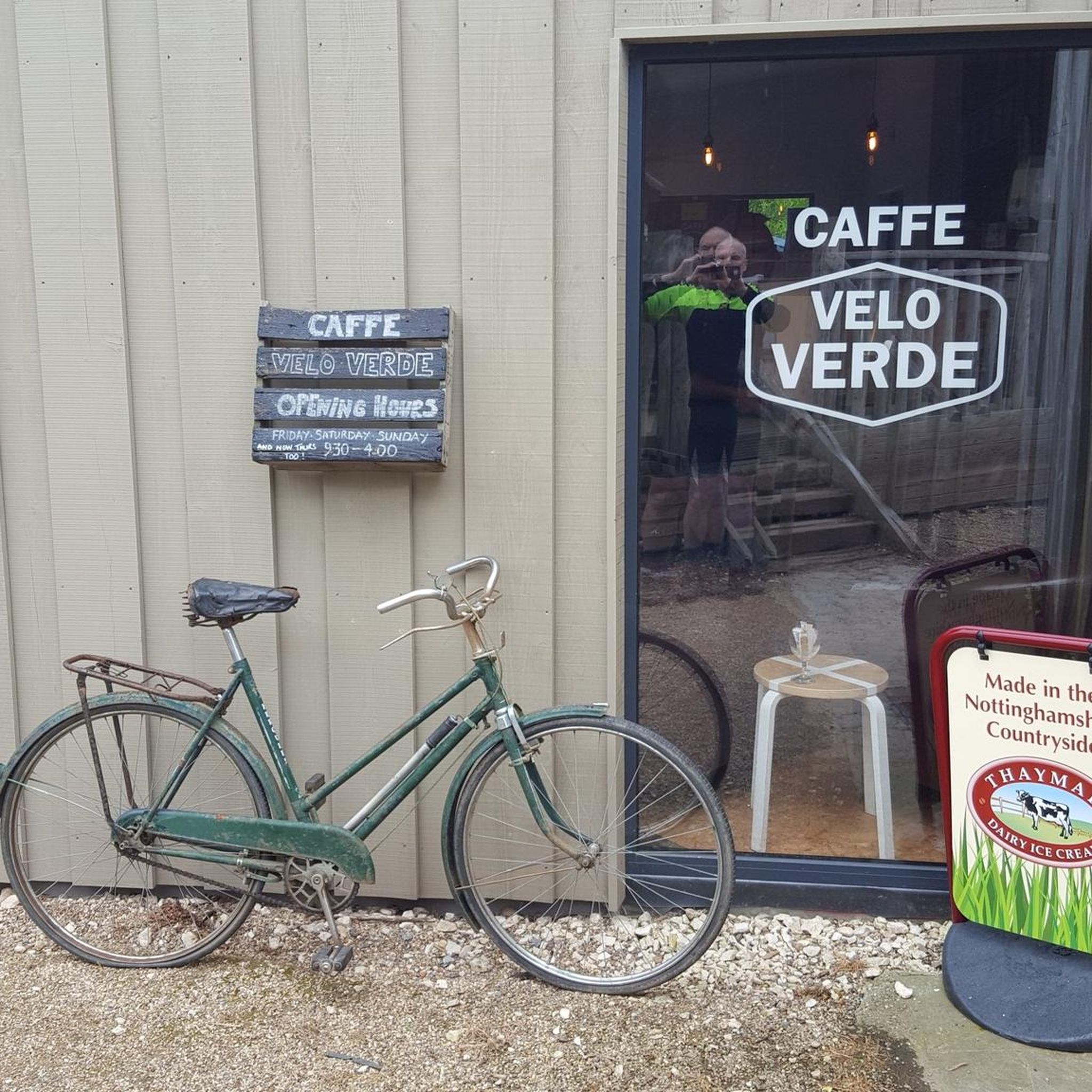
Caffe Velo Verde
Highlight • Cafe
Tip by

Sign up for free to discover even more attractions around Screveton.
Sign up for free
Already have an account?
Start today with a free account
Your next adventure awaits.
Login or Signup
Tips from the Community

Caudwell's Mill stands on the River Greet on the site of Southwell’s mediaeval Burgage mill. When Charles Caudwell, whose family originated from Derbyshire, bought the mill in 1851 he made changes, thus greatly increasing the mill’s capacity. Wheat was transported to the mill by road, rail and water. Local corn arrived by horse and cart, supplies from further afield came from the R.Trent by barge to a wharf at Fiskerton which still stands. The mill suffered serious fires on three occasions in 1867, 1893 and 1917. On each occasion the opportunity was taken to modernise the plant. Local bakers took their supply of flour from the mill, best known was ‘Mosedale’s’ Bakery and Caudwell’s ‘Greet Lily Flour’ won the Nottinghamshire’s Bakers Cup in 1907, 1908, 1909, 1912 and 1914. The mill was taken over by Associated British Foods, who closed it in 1977 and in 1989 the mill was converted into residential apartments.
0
0
The earliest church on the site is believed to have been founded in 627 by Paulinus, the first Archbishop of York, when he visited the area while baptising believers in the River Trent. The legend is commemorated in the Minster's baptistry window. In 956 King Eadwig gave land in Southwell to Oskytel, Archbishop of York, on which a minster church was established. The Domesday Book of 1086 recorded the Southwell manor in great detail. The Norman reconstruction of the church began in 1108, probably as a rebuilding of the Anglo-Saxon church, starting at the east end so that the high altar could be used as soon as possible and the Saxon building was dismantled as work progressed. Many stones from this earlier Anglo-Saxon church were reused in the construction. The church was originally attached to the Archbishop of York's Palace which stood next door and is now ruined.
0
0

A Local Nature Reserve in Nottinghamshire The Netherfield Lagoons, Local Nature Reserve is situated on the Trent Valley Flood Plain in Nottinghamshire and has been partly used as a dump for coal slurry but with two remaining gravel ponds. The two slurry pits are separated by a raised causeway, which is elevated some 50 feet (15 m) above the pits, giving a commanding view of the area. The largest tank is virtually full but retains some water, with muddy edges attractive to waders and roosting gulls and terns. The smaller tank is mainly deep water, attracting good numbers of wildfowl, with smaller birds, especially warblers, feeding and breeding around the tank edges. The site consists roughly of three compartments, the Slurry Lagoon, the Deep Pit and the two Gravel Pits. (source: https://www.gedlingconservationtrust.org/netherfield-lagoons/)
1
0

Bike parking, plenty of space, its surprising who you bump into when your sat refueling! Cakes and sausage sandwiches are great ( They do other things that look good but I'm a simple man) and I always enjoy the coffee.
0
0

They provide lots of bike parking and can even supply locks should you forget yours. The food and drink is awesome too (their bacon rolls rock).
0
0

Great food with a great setting, well worth a visit because I really can’t fault the place!
0
0

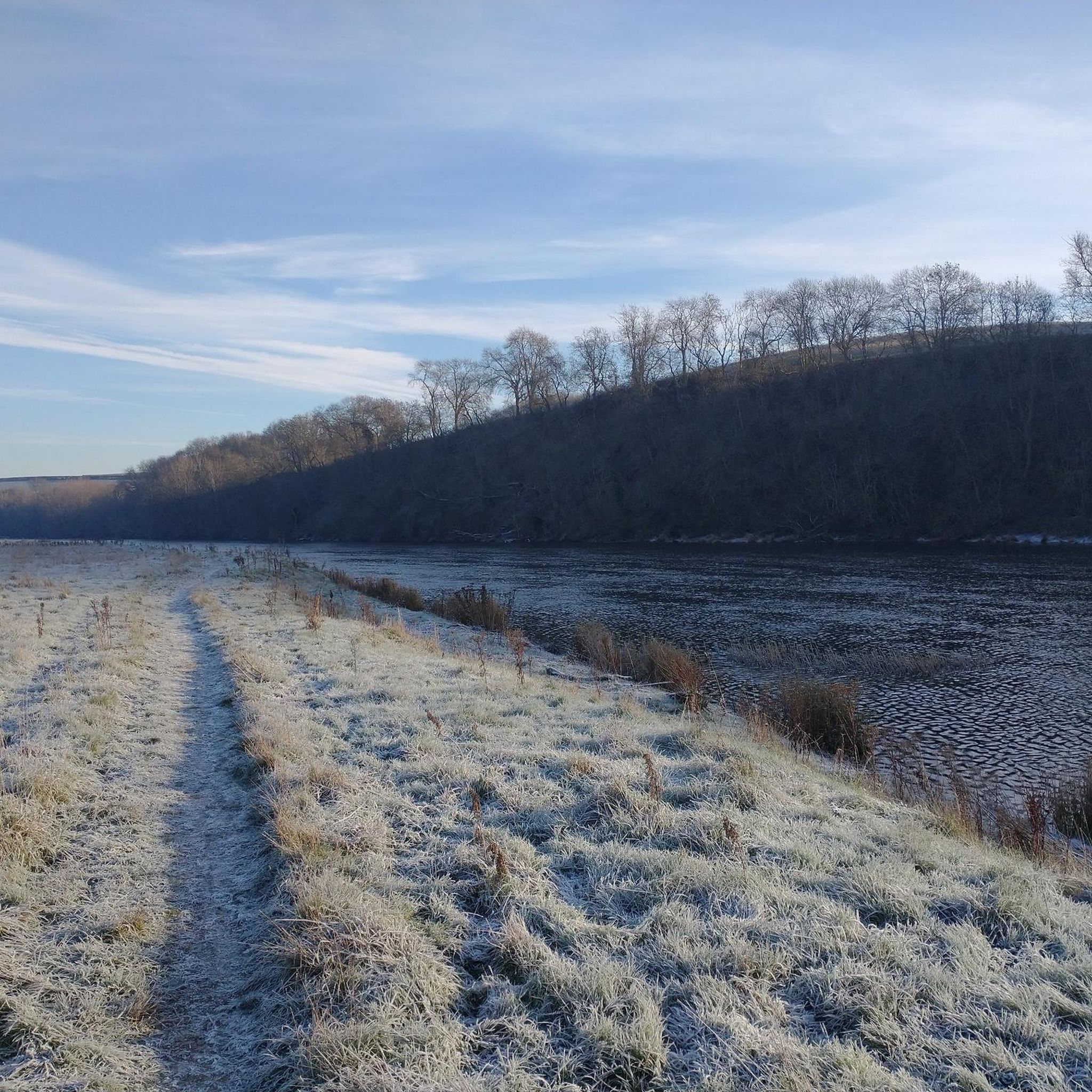
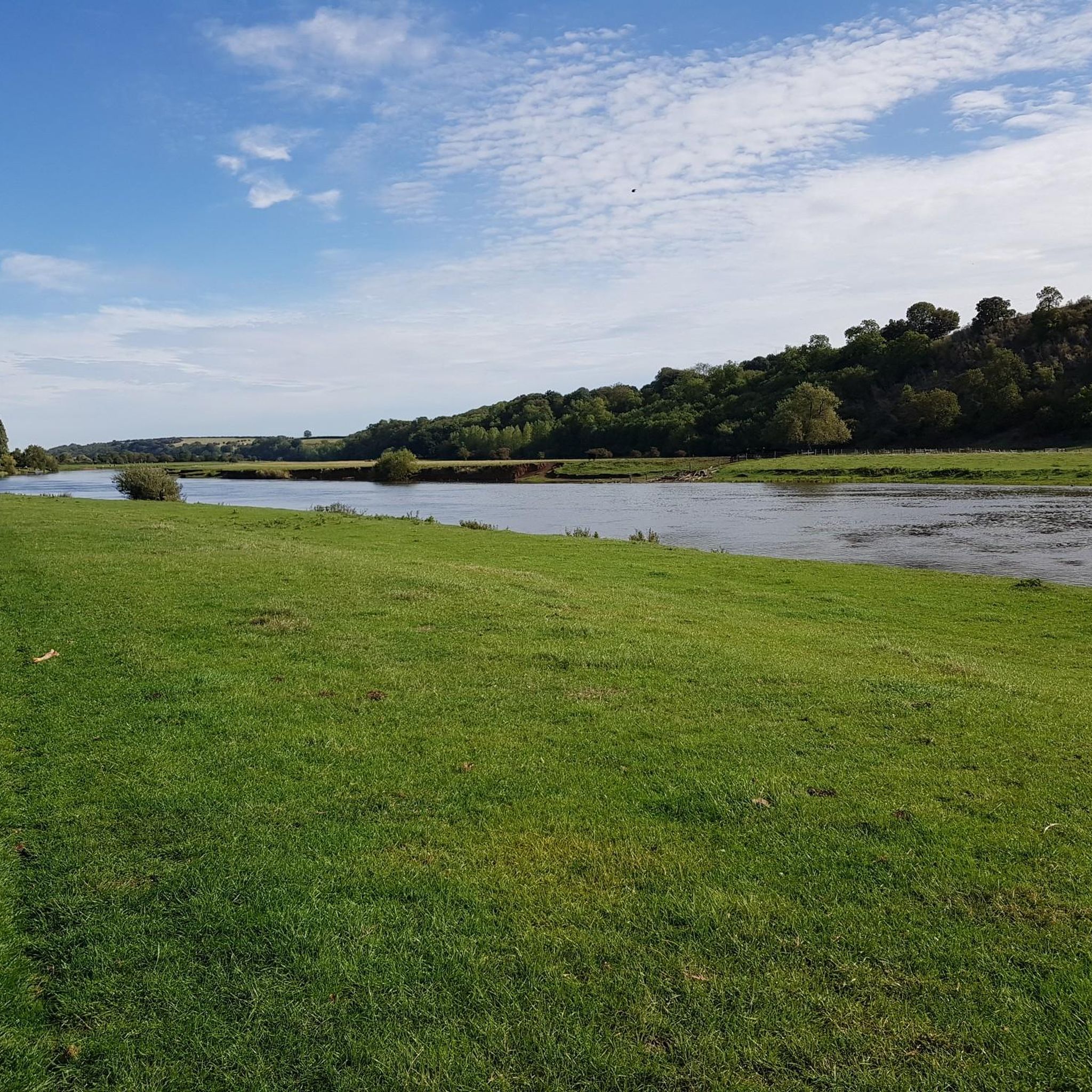
Lovely location on the Trent. Lots of easy, flat, traffic-free roads around here. Regularly use this as a lunch stop on rides in the southern half of the Vale of Belvoir. There is an easy 30 mile loop to Newark and back, going through quiet lanes up one side of the Trent and back down the other. I have used the riverside Unicorn pub as an overnight base for cycle-touring in this area.
0
0

Very nice village next to the Trent. Easily accessed by the cycle way. Suitable for all riders.
0
0
Frequently Asked Questions
What historical sites can I visit in Screveton?
Screveton is rich in history. You can explore St Wilfrid's Church, a Grade I listed building from the 13th century, featuring an alabaster monument to Richard Whalley. The village also boasts the Grade II listed Old Priest's House, dating from 1607, and several other historic buildings within the Screveton Conservation Area.
Where can I experience nature around Screveton?
While Screveton itself is a small village, the surrounding rural landscape offers tranquil settings. A notable natural attraction nearby is Netherfield Lagoons Nature Reserve, a Local Nature Reserve on the Trent Valley Flood Plain with two gravel ponds, offering commanding views and opportunities for birdwatching.
Are there any unique historical features in Screveton?
Yes, Screveton features a distinctive circular pinfold, which has been restored and converted into a garden. Additionally, a poignant World War II Air Crash Memorial on Flintham Lane commemorates the eleven men who died in a mid-air collision in 1944, having steered their aircraft away from the village to save lives.
What outdoor activities can I do near Screveton?
The area around Screveton offers various outdoor activities. You can find numerous road cycling routes, mountain biking trails, and easy hiking paths. For example, there are easy hikes like the 'Gunthorpe Lock and Weir loop from Gunthorpe' and cycling routes such as 'Belvoir Castle – Terrace Hill loop from Aslockton'. You can explore more options on the Road Cycling Routes around Screveton, MTB Trails around Screveton, and Easy hikes around Screveton guide pages.
Are there family-friendly attractions in Screveton?
Yes, several attractions around Screveton are considered family-friendly. Gunthorpe Riverside and The Unicorn Hotel offers a charming village setting by the river, perfect for a family stroll. Netherfield Lagoons Nature Reserve is also suitable for families looking to enjoy nature and views. Additionally, Southwell Minster provides an engaging historical experience for all ages.
Where can I find a good cafe or pub near Screveton?
For a delightful stop, visit Caffe Velo Verde, located at Farmeco. It's a highly-rated, cycle-friendly cafe known for its excellent coffee, cakes, and breakfast sandwiches, with plenty of indoor and outdoor seating. If you're looking for a pub, The Unicorn Hotel at Gunthorpe Riverside offers a pleasant setting by the water.
What is the Screveton Conservation Area?
The Screveton Conservation Area encompasses most of the village's built-up part and was designated in 2026. It protects nine listed buildings and contributes significantly to preserving Screveton's historical and cultural character. You can find more details about the conservation area on the Rushcliffe Borough Council website.
What do visitors particularly enjoy about the attractions around Screveton?
Visitors appreciate the blend of historical depth and natural beauty. Highlights like Southwell Minster are praised for their architectural significance and historical context. The charm of Gunthorpe Riverside, with its beautifully maintained village and riverside setting, is also a favorite. The tranquil views and wildlife at Netherfield Lagoons Nature Reserve are also highly rated.
Are there any unique agricultural projects or features in the area?
Yes, Farmeco is a sustainable farming project managing 45 acres of land near Screveton. It incorporates agroforestry, arable crops, fruit and nut trees, and livestock. Farmeco is also home to unique 'green giant' topiary sculptures, including a 23-foot-tall 'Screveton Sweeper' woman, which adds a distinctive artistic touch to the rural landscape.
Can I visit a historic mill near Screveton?
Yes, Caudwell's Mill, located on the River Greet, has a rich history dating back to 1851. While it was converted into residential apartments in 1989, its historical significance as a former flour mill that supplied local bakers for decades makes it an interesting site to learn about the region's industrial past.
Is there a significant religious building to visit near Screveton?
Absolutely. Southwell Minster is a must-see religious building known for its architectural significance and historical depth. Parts of this minster date back to the 12th century, and it is considered one of the most architecturally interesting cathedrals in the country, with a history stretching back to 627 AD.
Most popular attractions around Screveton

Get inspired with the komoot mobile app


Explore more
Still not found the Highlight you’re looking for? See guides of the top attractions in other regions:
