Top 20 Natural Monuments around Ashover
Best natural monuments around Ashover include a variety of geological formations, ancient sites, and scenic viewpoints within a diverse landscape. The area features prominent gritstone outcrops, limestone valleys, and moorland habitats. These natural features offer opportunities for exploration and provide expansive views of the surrounding countryside. Ashover's location in Derbyshire makes it a central point for accessing these natural attractions.
Best natural monuments around Ashover
- The most popular natural monuments is The River Lathkill in Lathkill Dale, a river…
Last updated: August 19, 2026
Nine Ladies Stone Circle
Highlight • Historical Site
Tip by

Cork Stone
Highlight • Climb
Tip by
Sign up now to discover places like this
Get recommendations on the best single tracks, peaks, & plenty of other exciting outdoor places.
Sign up for free
High Tor and Giddy Edge
Highlight (Segment) • Viewpoint
Tip by

Stanton Moor Trig Point
Highlight • Viewpoint
Tip by
The River Lathkill in Lathkill Dale
Highlight • Viewpoint
Tip by
Sign up for free to discover even more natural monuments around Ashover.
Sign up for free
Already have an account?
Start today with a free account
Your next adventure awaits.
Login or Signup
Tips from the Community

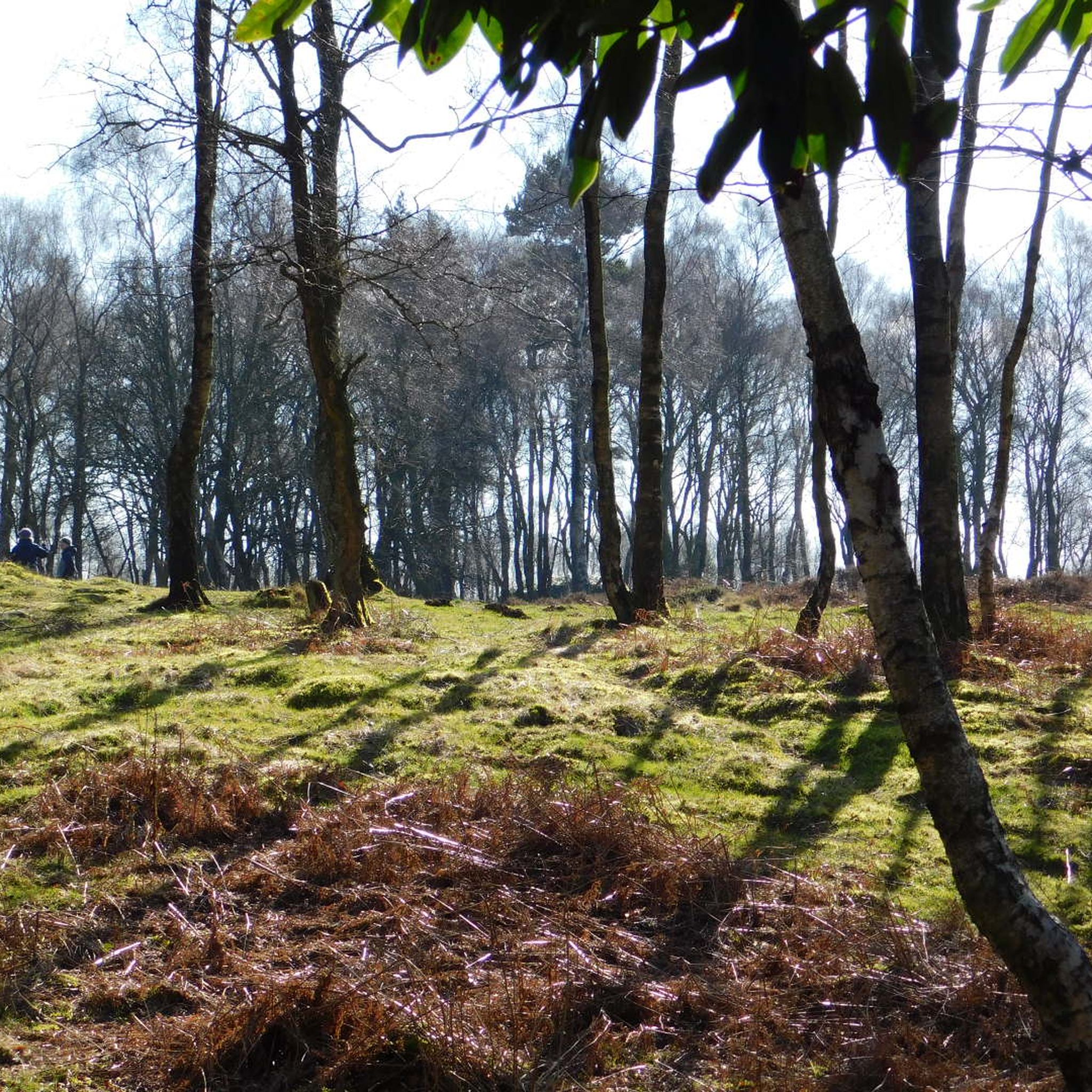
Cork Stone is one of several interesting standing stones on Stanton Moor. It is 5m tall piece of weathered sandstone located above the remnants of a quarry site. At some point hollowed out steps and metal rings were added to allow people (kids and their grownups!) to climb to the top
0
0

This stone circle from the Bronze Age, built thousands of years before the beginning of the Christian era, is neither as large nor nearly as famous as the legendary "Stonehenge" on the plains near Amesbury (which is, after all, a UNESCO World Heritage Site; if you're interested, see =>> https://www.komoot.com/de-de/highlight/960007 ), but this one can be visited without much tourist hustle and bustle, and it also has a much more interesting-sounding name...
0
0


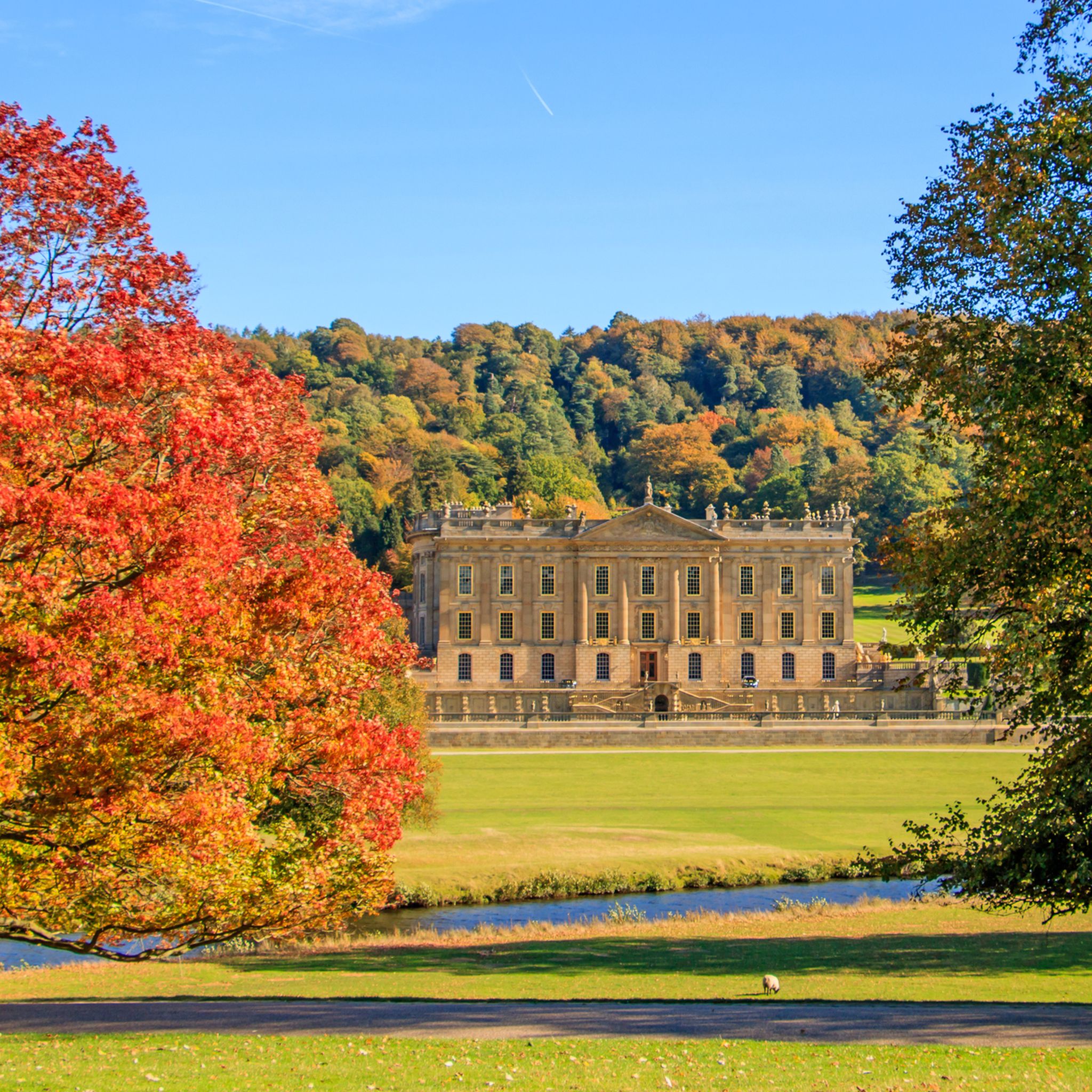
19th century pleasure ground which exploited the dramatic qualities of the Derwent valley. Peter Arkwright of Willersley Castle enclosed the grounds c 1860 and constructed pedestrian paths from a new entrance on the south side approached from the bridge to Matlock Bath railway station. The entrance from Starkholmes Road was retained and could be used by carriages. A pathway was formed through Fern Cave (scheduled ancient monument) and another on a narrow ledge along part of the cliff face. In 1879 the grounds were leased to the Matlock and High Tor Recreation Grounds Company Ltd and Milner of London was retained to supervise landscaping. Arkwright's Grand Walk, also used by carriages, was created, leading south to the summit from a gateway in Pig Tree Lane, now Pic Tor Lane. A refreshment room was erected near the summit, tennis and quoit or skittle grounds were constructed close to a modified southern entrance and additional paths put in with a broad flight of steps.
0
0

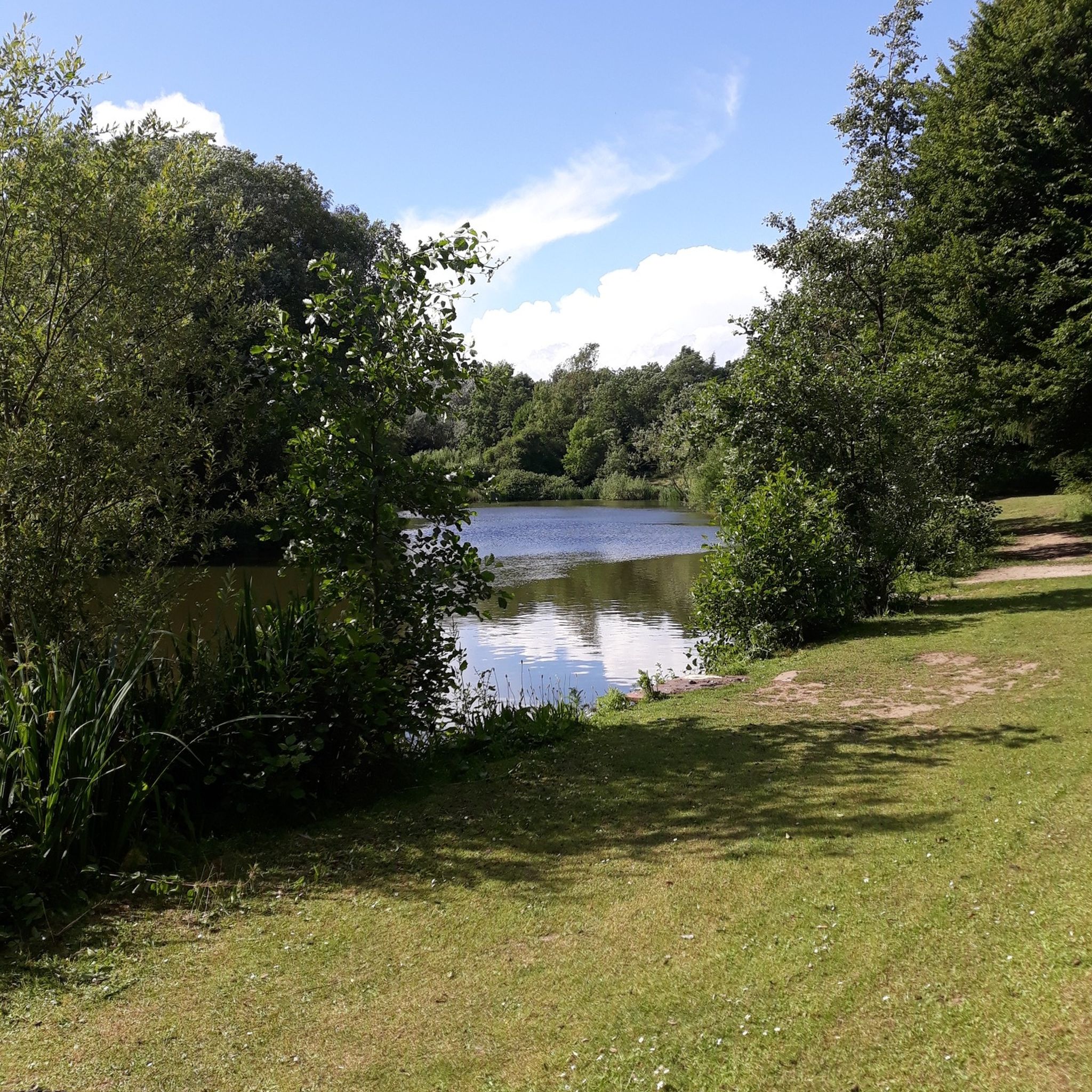
Lathkill Dale is absolutely gorgeous with it’s crystal clear water that’s so clear it’s like looking into an aquarium, there is an abundance of wildlife with Swans, Ducks, Dippers and Kingfisher’s above the surface with Otters, Brown Trout and rainbow Trout below the surface, be careful if you fancy a sit down on a raised stone as the Otters leave their spraint on them 😁 I nearly sat in one, there are many places to start walking this Dale but a great one is to park in Alport village and walk to Lathkill Dale proper.
2
2


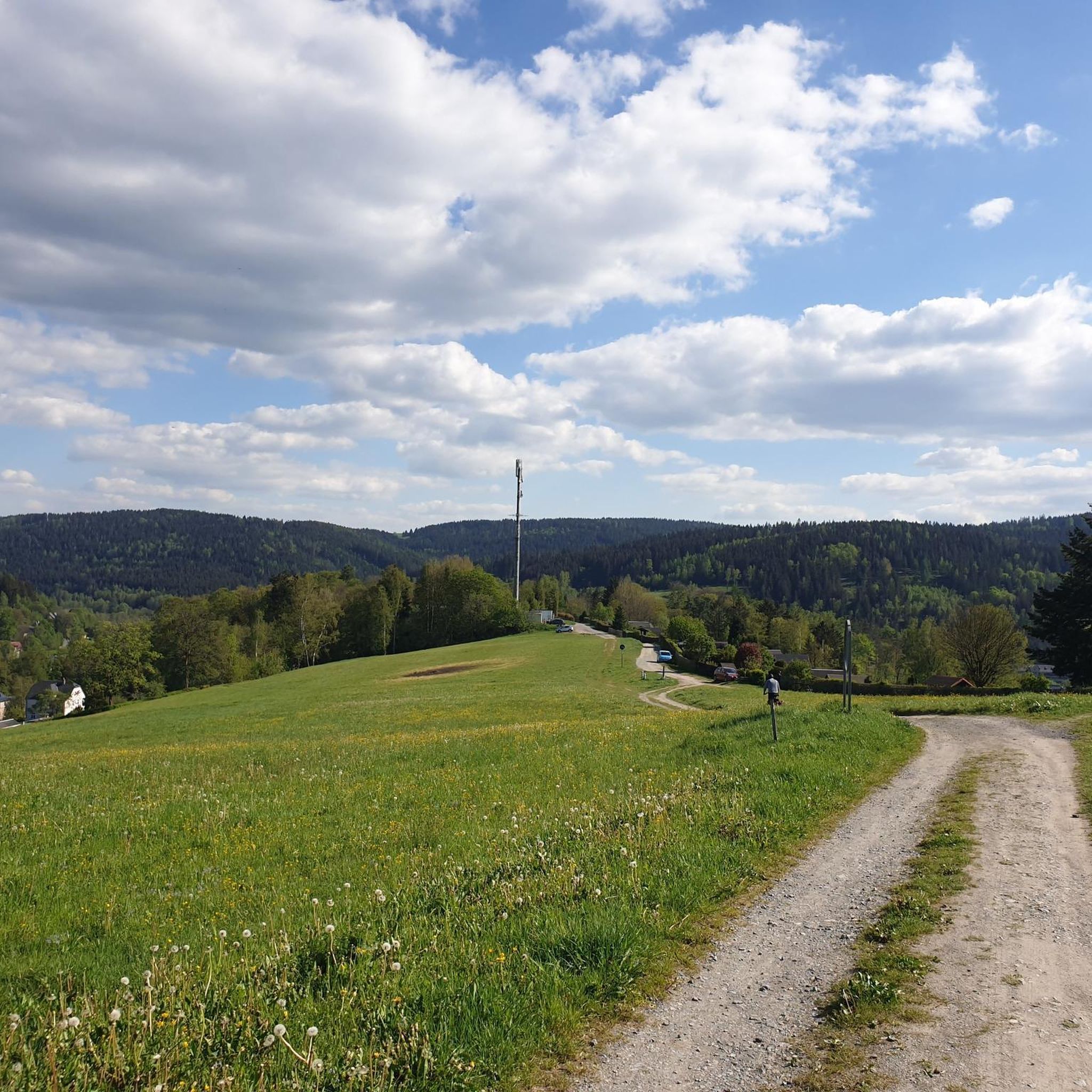
The footpath along the summit is commonly known as Giddy Edge, unfenced and not recommended for small children . There is a small metal handrail afixed to the inside edge (of the cliff) totally spectacular.
5
0

High Tor is the last place in England where eagles nested and is a stunning limestone escarpment which is the site of former lead mines.
0
0
Frequently Asked Questions
What are some of the most prominent natural monuments to visit around Ashover?
The Ashover area boasts several notable natural monuments. Among them are the ancient Nine Ladies Stone Circle on Stanton Moor, the unique Cork Stone also on Stanton Moor, and the stunning River Lathkill in Lathkill Dale, known for its exceptionally clear waters. Ashover Rock, locally known as 'The Fabrick', is another prominent landmark offering panoramic views.
Are there any ancient historical sites among the natural monuments near Ashover?
Yes, the Nine Ladies Stone Circle on Stanton Moor is an early Bronze Age stone circle steeped in local folklore. Legend says the nine stones are ladies turned to stone for dancing on a Sunday, with a 'fiddler stone' nearby. This site offers a magical experience within an atmospheric moorland setting.
What kind of geological features can I expect to see in the Ashover area?
The region is rich in diverse geological formations. You'll find prominent gritstone outcrops like Ashover Rock, which is part of the Ashover anticline. Stanton Moor features weathered sandstone formations such as the Cork Stone. Additionally, Lathkill Dale is a beautiful limestone valley, and High Tor is a significant limestone escarpment.
Are there family-friendly natural monuments suitable for children around Ashover?
Many natural monuments in the area are suitable for families. The Nine Ladies Stone Circle and the Cork Stone on Stanton Moor are popular choices, with the Cork Stone offering a fun, slightly challenging climb. Ashover Rock also provides open access land for exploration. When visiting High Tor and Giddy Edge, be aware that parts of the footpath are unfenced and require extra caution with children.
Can I bring my dog to the natural monuments and walking trails near Ashover?
Generally, dogs are welcome on leads at most natural monuments and walking trails around Ashover, including areas like Stanton Moor and Ashover Rock. Lathkill Dale is also a popular spot for dog walkers. Always ensure your dog is under control, especially around wildlife and livestock, and follow any local signage regarding dog access.
What are the best times of year to visit the natural monuments around Ashover?
Spring and summer are ideal for experiencing the vibrant flora, especially in limestone grasslands like Lathkill Dale, which burst with color. The clear waters of the River Lathkill are particularly inviting during warmer months. Autumn offers beautiful foliage, while winter can provide dramatic, crisp views, though some paths might be muddy or icy. Always check weather conditions before your visit.
Are there opportunities for challenging walks or climbs at these natural monuments?
Yes, for those seeking a challenge, the Cork Stone on Stanton Moor offers a unique climbing experience with carved steps and handholds. The walk along Giddy Edge at High Tor is exhilarating, offering spectacular views from an unfenced footpath along the summit, making it a challenging and dramatic experience.
Where can I find panoramic views of the surrounding countryside?
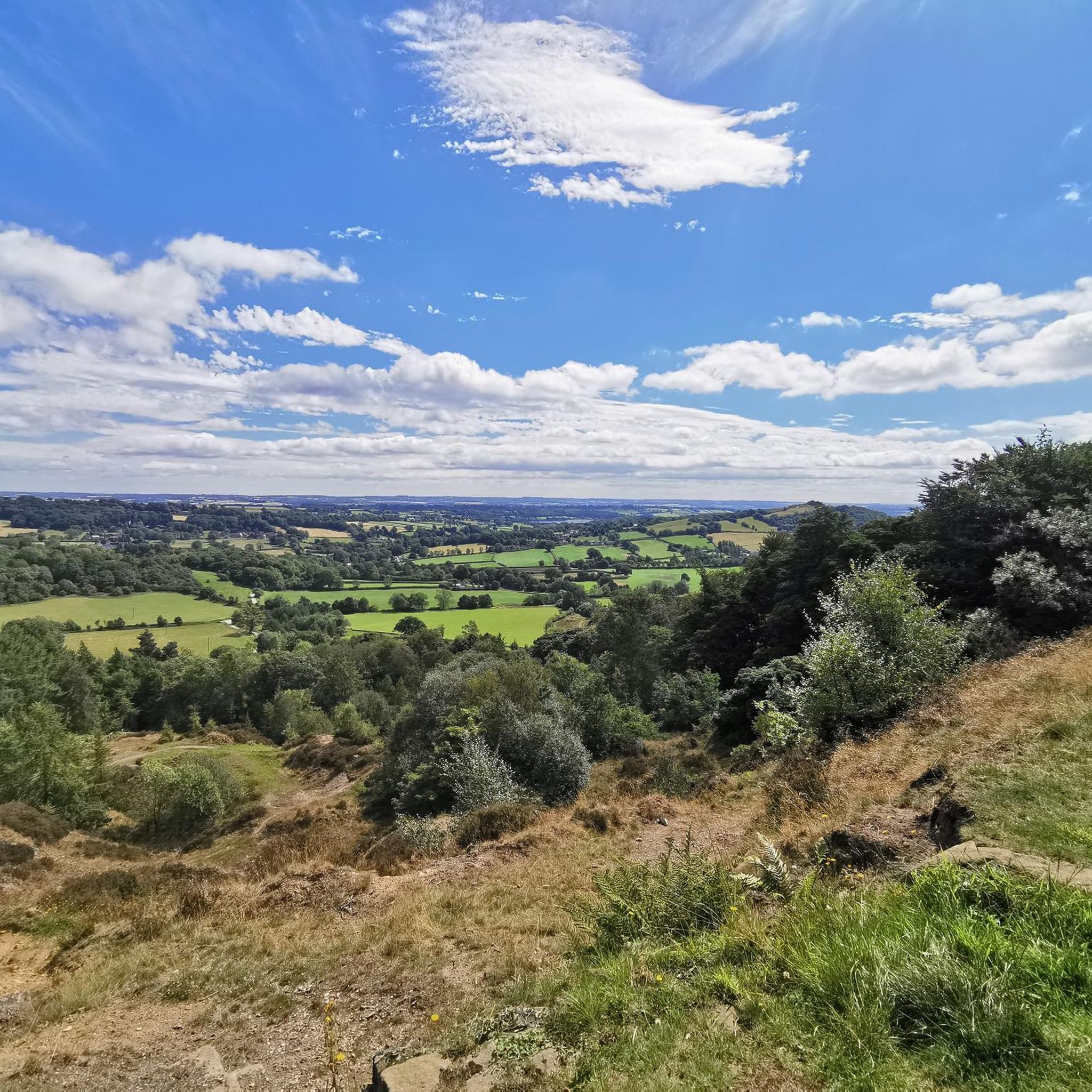
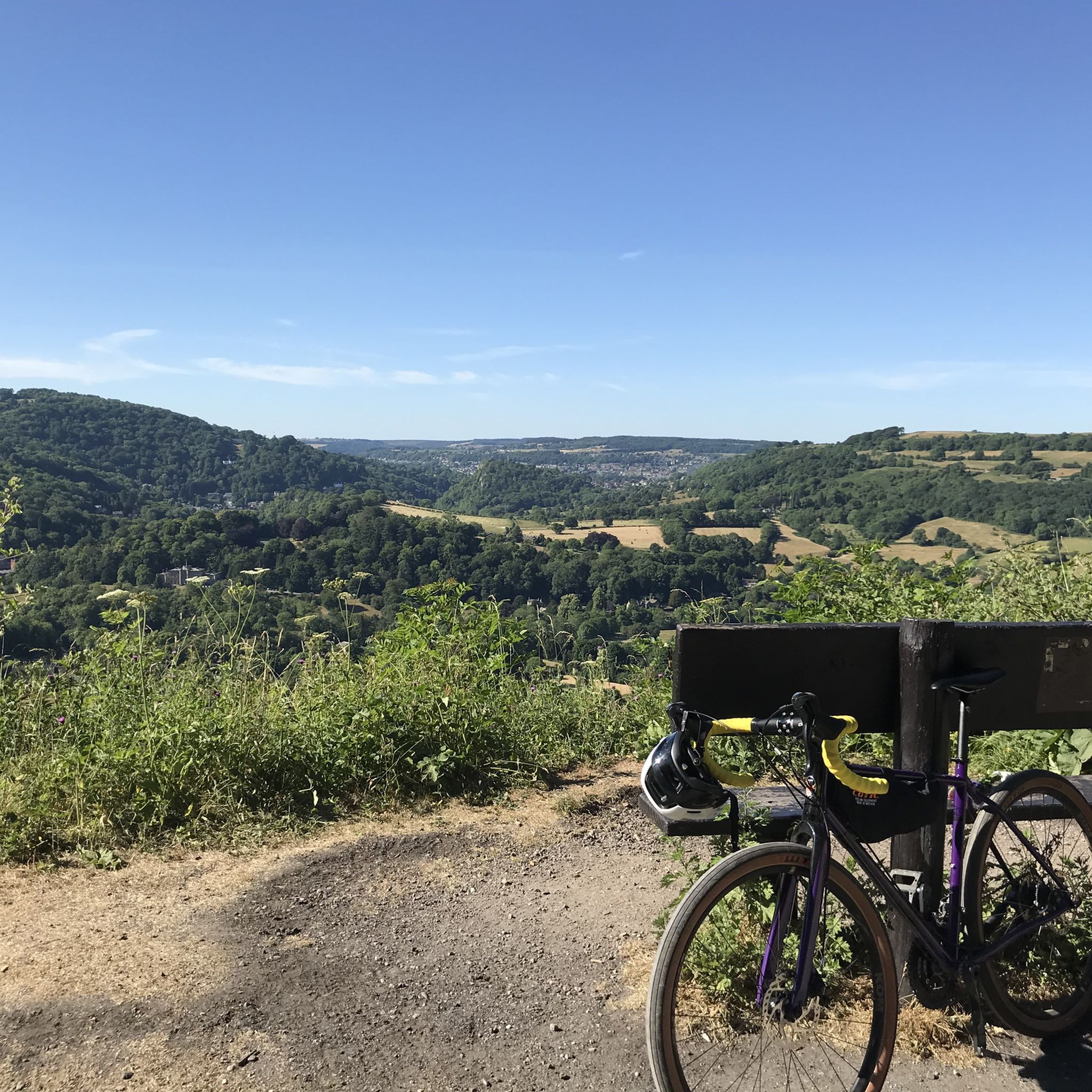
Ashover Rock, also known as 'The Fabrick', provides exceptional panoramic views from its heathland summit. On Stanton Moor, the Stanton Moor Trig Point and other rocks on the edge of the moor offer breathtaking vistas overlooking Bakewell and Matlock. High Tor and Giddy Edge also provide dramatic and extensive views over Matlock Bath.
What kind of wildlife can I observe at the natural monuments near Ashover?
The area is rich in wildlife. Lathkill Dale is particularly notable, with otters, brown trout, rainbow trout, swans, ducks, dippers, and kingfishers. The heathland around Ashover Rock supports a variety of wildlife, and Stanton Moor is also known for its diverse fauna. Keep an eye out for birds and other small mammals throughout the region's varied habitats.
Are there walking routes available that incorporate these natural monuments?
Yes, there are numerous walking routes that allow you to explore the natural monuments. For instance, you can find moderate hiking routes like the 'Ashover Rock (The Fabrick) – Fall Hill Quarry loop from Ashover CP' or the 'Ogston Reservoir – Ashover Rock (The Fabrick) loop'. You can discover more hiking options and detailed routes on the Hiking around Ashover guide.
How can I access Ashover Rock, also known as The Fabrick?
Ashover Rock is situated on a heathland near Ashover village and is open to the public. It's accessible via various walking paths. For more detailed information on accessing the Ashover Rock Local Nature Reserve and its surrounding heathland, you can refer to resources provided by the local council, such as the Derbyshire County Council website.
What other outdoor activities can I do near the natural monuments in Ashover?
Beyond hiking, the Ashover area offers excellent opportunities for cycling and gravel biking. You can find various routes, from moderate to difficult, that explore the scenic countryside. For cycling enthusiasts, check out the Cycling around Ashover guide, and for gravel biking, explore the Gravel biking around Ashover guide.
What makes the River Lathkill in Lathkill Dale a must-visit natural monument?
The River Lathkill in Lathkill Dale is renowned for its exceptionally clear waters, often described as being like an aquarium. This enchanting limestone valley transitions from narrow, rocky sections to expansive river meadows, supporting abundant wildlife and showcasing vibrant limestone grasslands in spring and summer. It's a serene spot perfect for nature lovers.
Is there any specific advice for visiting High Tor and Giddy Edge?
When visiting High Tor and Giddy Edge, be aware that the footpath along the summit, known as Giddy Edge, is unfenced in places and features significant drops. While some sections have handrails, extreme caution is advised, especially with children. The views are spectacular, but safety should be your top priority on this challenging ridge walk.
Where can I find more information about the Ashover heathland habitat?
The heathland around Ashover Rock is an important habitat. For detailed information about the Ashover Heathland, its ecological significance, and management, you can consult resources provided by local authorities. A specific leaflet on the Ashover Heathland is available from the Derbyshire County Council.
Most popular routes around Ashover
Most popular attractions around Ashover

Get inspired with the komoot mobile app


Explore more
Extend your search for the best caves by checking out these guides of the top ones around Ashover:
