Top 9 Caves around Hognaston
Best caves around Hognaston are found within Derbyshire, a region renowned for its extensive cave systems, particularly in the Peak District. While Hognaston itself does not feature prominent named caves directly within its boundaries, visitors have access to several remarkable caves and caverns within a reasonable distance. These sites offer diverse experiences, from archaeological exploration to geological wonders, showcasing the area's rich subterranean landscape. The region's limestone geology has created numerous natural formations worth exploring.
Best caves around Hognaston
- The…
Last updated: June 29, 2026
High Tor and Giddy Edge
Highlight (Segment) • Viewpoint
Tip by

Dove Holes Caves
Highlight • Historical Site
Tip by

Sign up now to discover places like this
Get recommendations on the best single tracks, peaks, & plenty of other exciting outdoor places.
Sign up for free
Reynard’s Cave and Natural Arch
Highlight • Cave
Tip by
Ilam Rock
Highlight • Natural
Tip by

Mill Dale Caves
Highlight • River
Tip by

Sign up for free to discover even more caves around Hognaston.
Sign up for free
Already have an account?
Start today with a free account
Your next adventure awaits.
Login or Signup
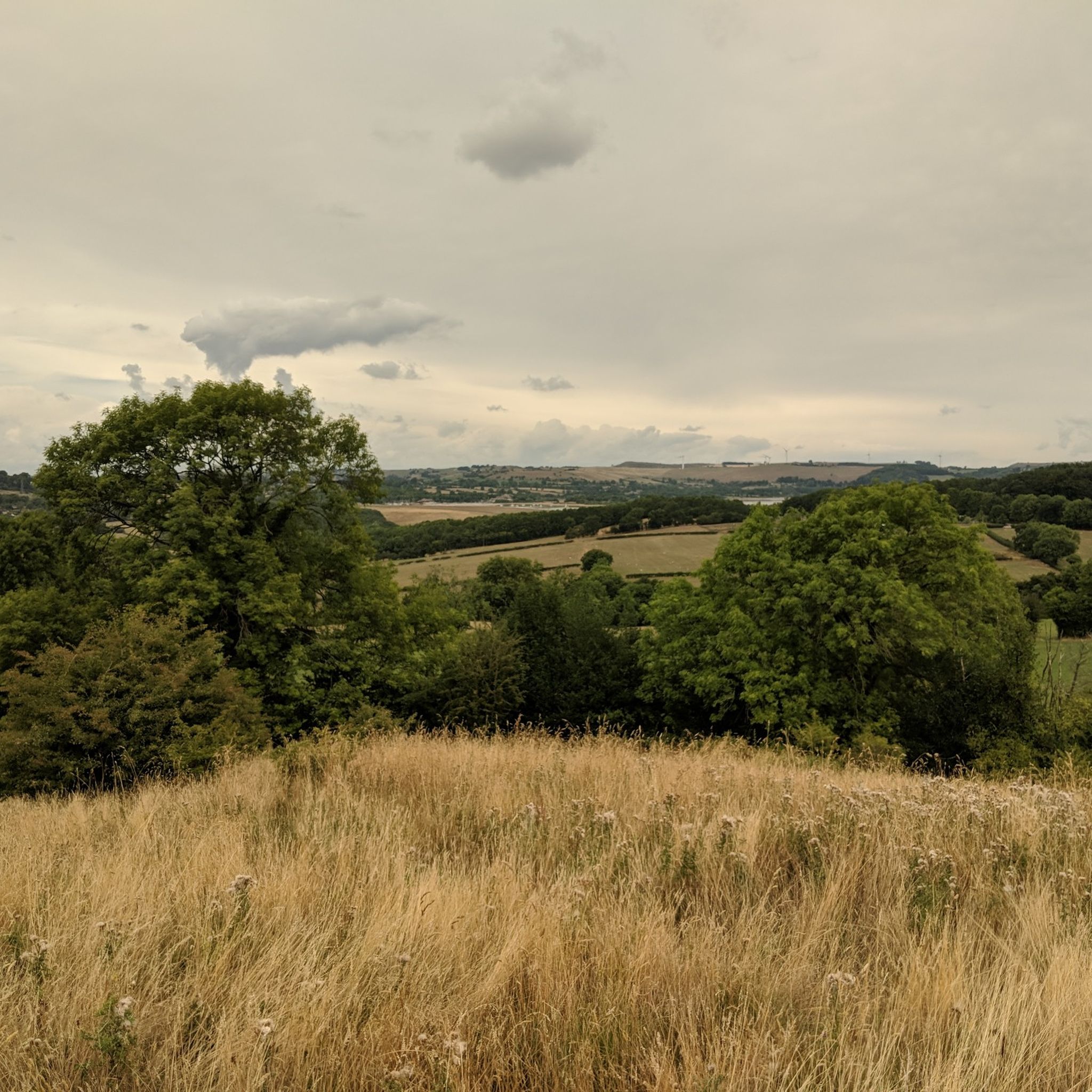
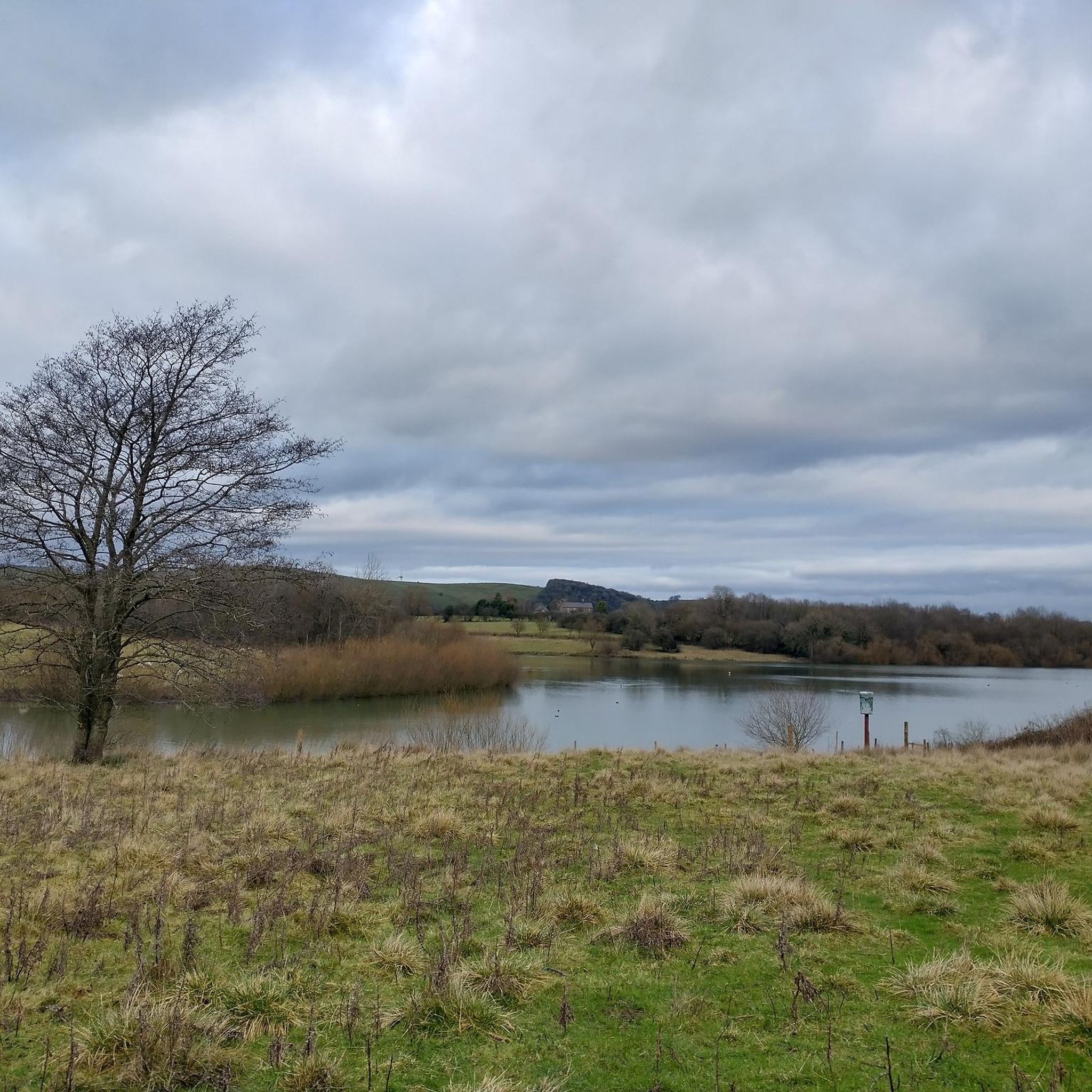
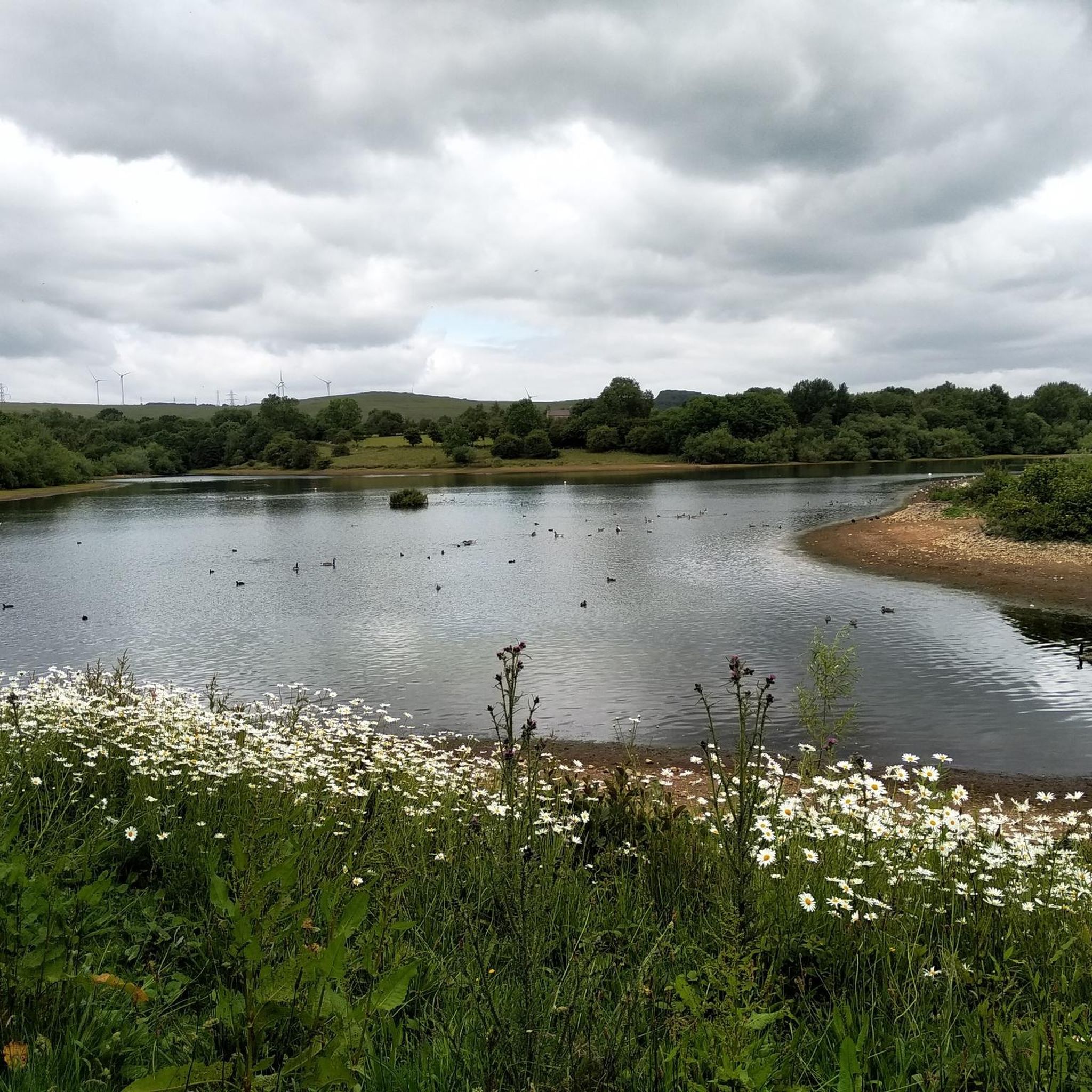
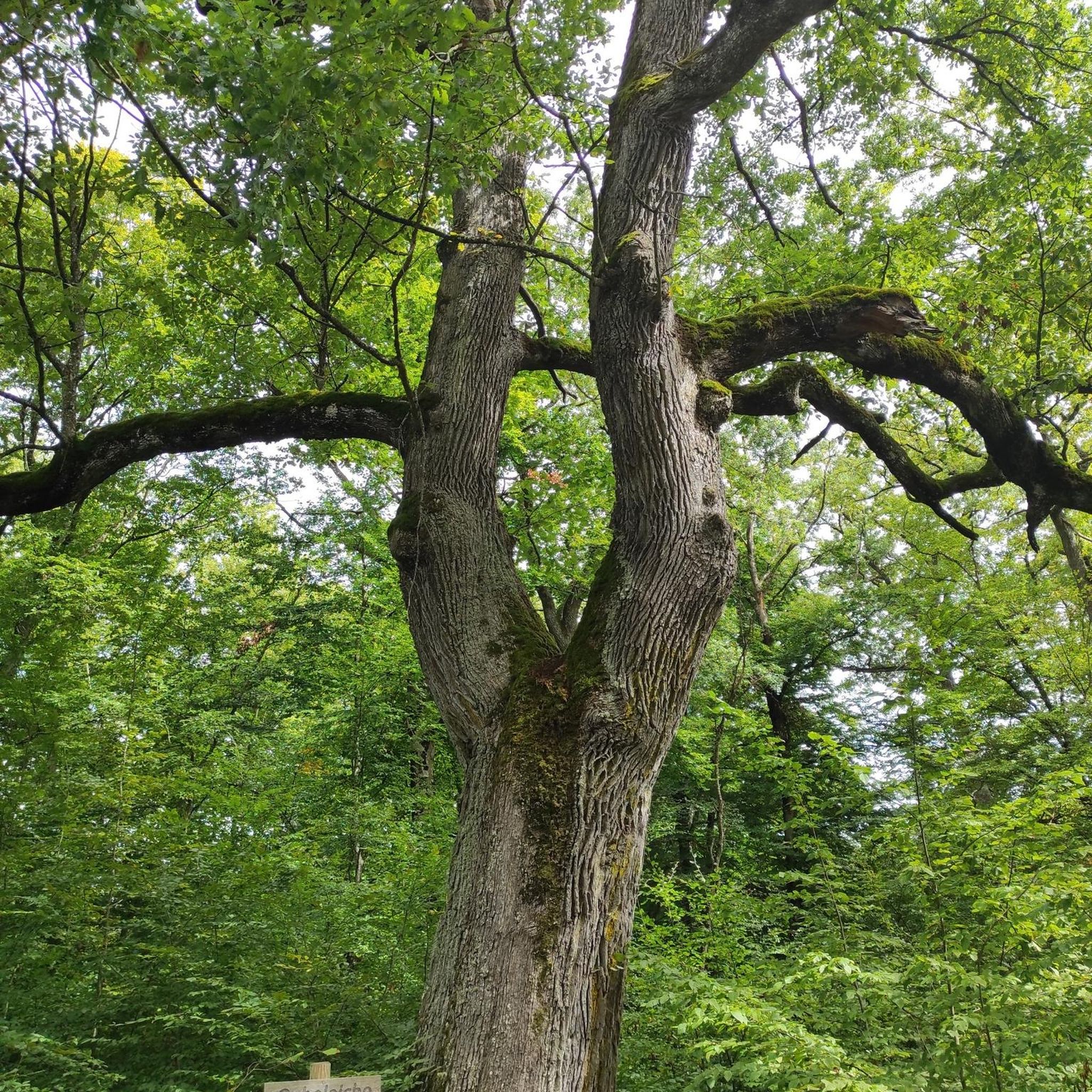
Tips from the Community

Impressive little archway, I didn't but I believe you can walk all the way up and come down a different way
0
0


19th century pleasure ground which exploited the dramatic qualities of the Derwent valley. Peter Arkwright of Willersley Castle enclosed the grounds c 1860 and constructed pedestrian paths from a new entrance on the south side approached from the bridge to Matlock Bath railway station. The entrance from Starkholmes Road was retained and could be used by carriages. A pathway was formed through Fern Cave (scheduled ancient monument) and another on a narrow ledge along part of the cliff face. In 1879 the grounds were leased to the Matlock and High Tor Recreation Grounds Company Ltd and Milner of London was retained to supervise landscaping. Arkwright's Grand Walk, also used by carriages, was created, leading south to the summit from a gateway in Pig Tree Lane, now Pic Tor Lane. A refreshment room was erected near the summit, tennis and quoit or skittle grounds were constructed close to a modified southern entrance and additional paths put in with a broad flight of steps.
0
0

Just along the hiking trails you will find several caves in the stone walls of the mountain. Nice to take a look, although it can be very busy.
0
0

The footpath along the summit is commonly known as Giddy Edge, unfenced and not recommended for small children . There is a small metal handrail afixed to the inside edge (of the cliff) totally spectacular.
4
0
Frequently Asked Questions
What are some easily accessible caves near Hognaston?
For straightforward exploration, Dove Holes Caves are a good option, located beside the River Dove. They are shallow and easy to access from the path. Reynard’s Cave and Natural Arch in Dovedale is also freely accessible for exploration, though it is located high on the bank.
Are there family-friendly caves to visit near Hognaston?
Yes, several caves in the wider Derbyshire area are suitable for families. While Mill Dale Caves are noted as family-friendly, for a more structured experience, consider show caves like Poole's Cavern in Buxton or Treak Cliff Cavern and Blue John Cavern in Castleton, which offer guided tours and unique geological features.
What historical or archaeological insights can I gain from the caves in this region?
The caves around Hognaston offer a rich historical perspective. Reynard’s Cave and Natural Arch was used as a shelter by hunters as far back as 13,000 BCE. Dove Holes Caves also show evidence of human habitation since 13,000 BC and were later used as tombs. Further afield, Creswell Crags offers significant prehistoric artifacts from Neanderthals and early Homo sapiens.
What unique geological features can be found in the caves near Hognaston?
The region's limestone geology has created numerous natural formations. Dove Holes Caves were formed by glacial meltwater approximately 350 million years ago. Show caves like Treak Cliff Cavern and Blue John Cavern in Castleton are world-renowned for their unique and extensive deposits of Blue John stone, a beautiful ornamental fluorspar, and stunning stalactite formations. Poole's Cavern also features impressive stalactites and stalagmites.
Are there any caves that offer a unique visitor experience, such as boat trips?
Yes, Speedwell Cavern in Castleton offers a unique underground boat trip. Visitors descend 106 steps to an underground canal where a boat takes them deep into a 200-year-old lead mine, leading to a 'bottomless pit'.
Can I explore caves that are part of a larger historical landscape?
Yes, Fern Cave near Matlock Bath is part of a 19th-century pleasure ground. A pathway was specifically constructed through Fern Cave, making it an accessible and interesting part of a historical landscape that harnessed the dramatic scenery of the Derwent valley.
What outdoor activities can I combine with a visit to the caves?
The area around Hognaston and the Peak District offers a variety of outdoor activities. You can find numerous running trails, such as the 'Carsington Water circular run', or explore cycling routes like the 'Carsington Water family loop'. For more options, check out the Running Trails around Hognaston or Cycling around Hognaston guides.
Are there any caves known for their impressive entrances or large chambers?
Peak Cavern in Castleton, also known as the 'Devil's Arse', boasts the largest natural cave entrance in the British Isles. Further, Great Masson Cavern at the Heights of Abraham features vast chambers, including Masson's Great Chamber, which is about 75 feet wide, 96 feet high, and 169 feet long.
What should I wear when exploring caves in the Hognaston area?
When exploring caves, especially those that are not developed show caves, it's advisable to wear sturdy footwear with good grip, as rocks can be slippery, particularly in places like Dove Holes Caves or Reynard’s Cave and Natural Arch. Layers of clothing are also recommended as cave temperatures can be cooler than outside.
Are there any caves near Hognaston that are significant prehistoric burial sites?
Yes, Carsington Pasture Cave, located near Brassington, is notable as a prehistoric burial site. Excavations there have revealed a second chamber, 'Yorick Chamber', adorned with stalactite straws and pendants, offering a glimpse into ancient practices.
What is the best time of year to visit the caves around Hognaston?
Most show caves in the Peak District are open year-round, making them a good option regardless of the season. For exploring natural, undeveloped caves like Dove Holes Caves or Reynard’s Cave and Natural Arch, drier weather is generally preferable to avoid slippery conditions, though they can be visited in winter with appropriate care and gear.
Most popular routes around Hognaston
Most popular attractions around Hognaston

Get inspired with the komoot mobile app


Explore more
Extend your search for the best caves by checking out these guides of the top ones around Hognaston:
