Attractions and Places To See around Little Eaton - Top 20
Attractions and places to see around Little Eaton, a village north of Derby, offer a blend of historical landmarks and natural beauty. Situated between the River Derwent and the Bottle Brook, the area features surrounding moors and woodland. The village preserves its industrial heritage, including remnants of the Derby Canal and the Little Eaton Gangway, one of the world's earliest railways. Visitors can explore numerous Grade II listed buildings and natural features like former quarry workings.
Best attractions and places to see around Little Eaton
- The most popular attractions is Hermitage Cave (Hermit's Wood, Derby), a cave carved by a local baker. It is an intriguing cave with an arched doorway, carved around 1130 for solitary prayer.
- Another must-see spot is Dale Abbey Arch, the magnificent arch that is all that remains of a 13th-century Premonstratensian abbey. The arch stands as a dramatic reminder of the abbey's faded grandeur.
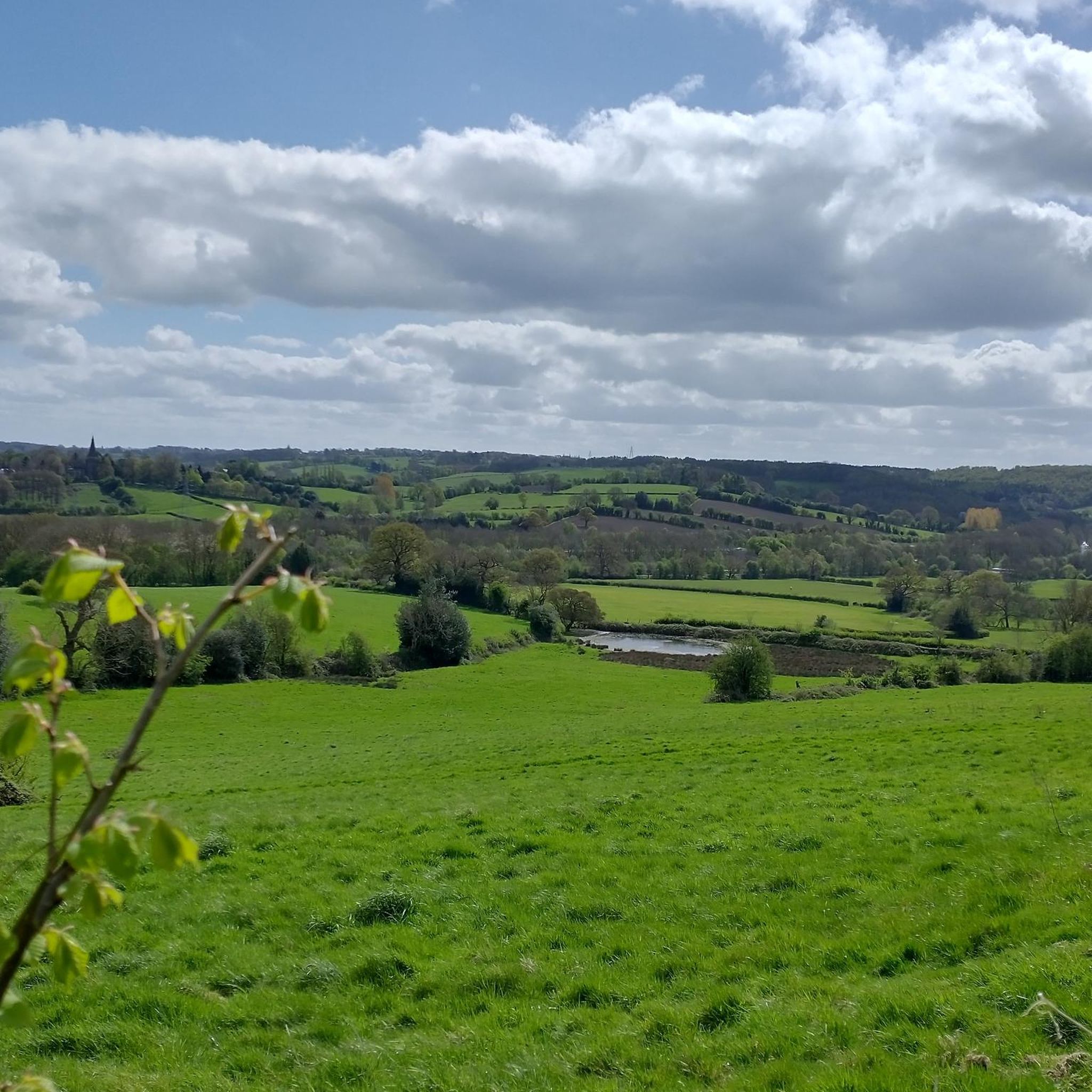
- Visitors also love Mapperley Reservoir, a peaceful body of water surrounded by bluebell woodlands and rolling farmland. This area is known for wildlife spotting, especially bird watching.
- Little Eaton is known for its historical sites, natural landscapes, and cultural points of interest. The area offers a variety of attractions to see and explore, from ancient ruins to tranquil reservoirs.
- The attractions around Little Eaton are appreciated by the komoot community, with more than 300 upvotes and 80 photos shared by visitors.
Last updated: August 29, 2026
All Saints Church, Dale Abbey
Highlight • Religious Site
See also SDR churches site
Tip by

Hermitage Cave (Hermit's Wood, Derby)
Highlight • Forest
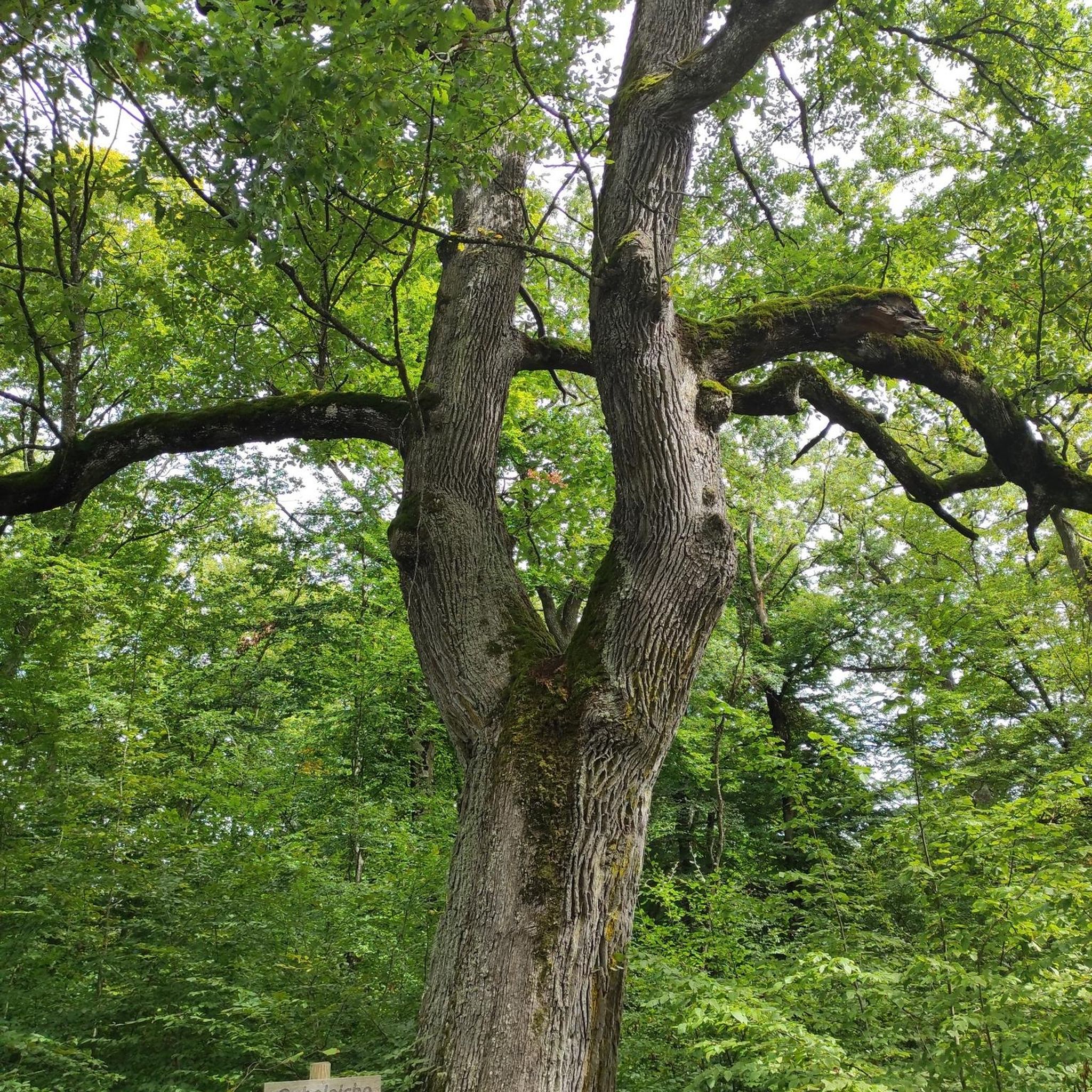
In around 1130, he was led to this spot after a vision of the Virgin Mary. She told him to come to this spot and live a life of solitary prayer. Later, he also built a small chapel on the site, one of the smallest churches in England.
Tip by

Sign up now to discover places like this
Get recommendations on the best single tracks, peaks, & plenty of other exciting outdoor places.
Sign up for free
Dale Abbey Arch
Highlight • Religious Site
Today, the magnificent arch of the east window is a dramatic sight. It is a poignant reminder of the faded grandeur of the monasteries.
Tip by
Nutbrook Coffee Shop
Highlight • Cafe
Open Fri: 9:30 - 14:30.
Sat & Sun: 9:00 - 16:00.
Tip by

Belper Volunteer Battalion Target Wall
Highlight • Historical Site
Tip by

Sign up for free to discover even more attractions around Little Eaton.
Sign up for free
Already have an account?
Start today with a free account
Your next adventure awaits.
Login or Signup
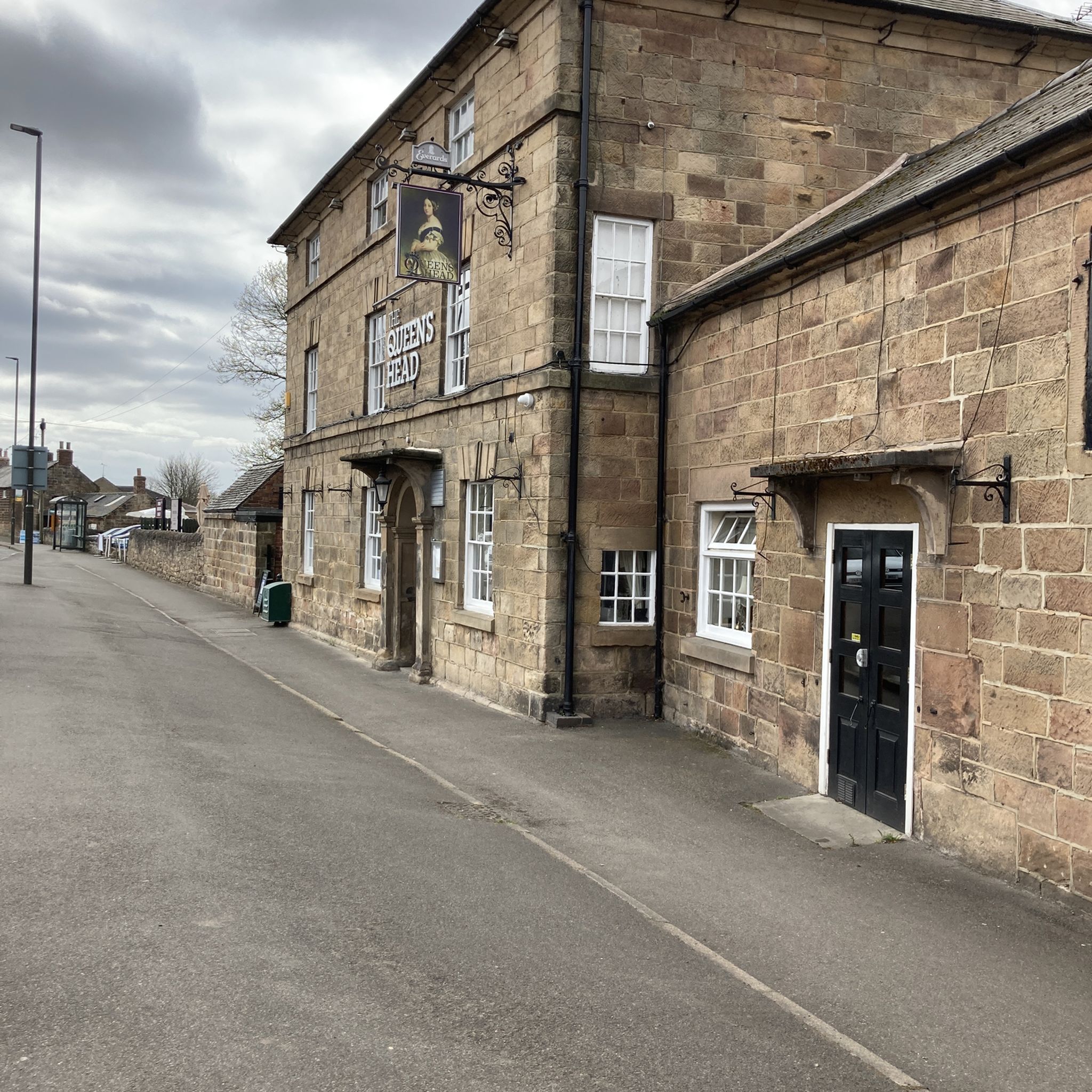
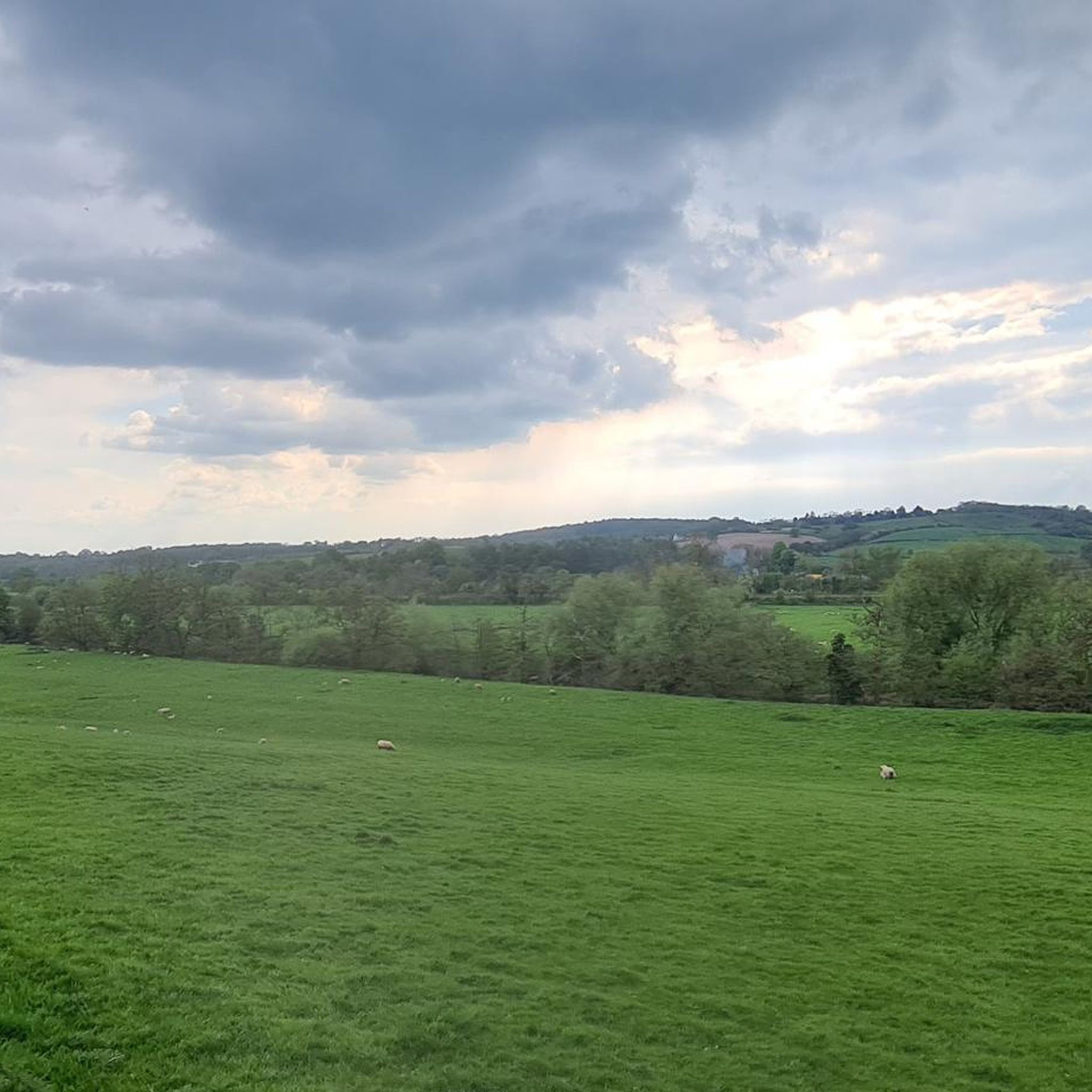
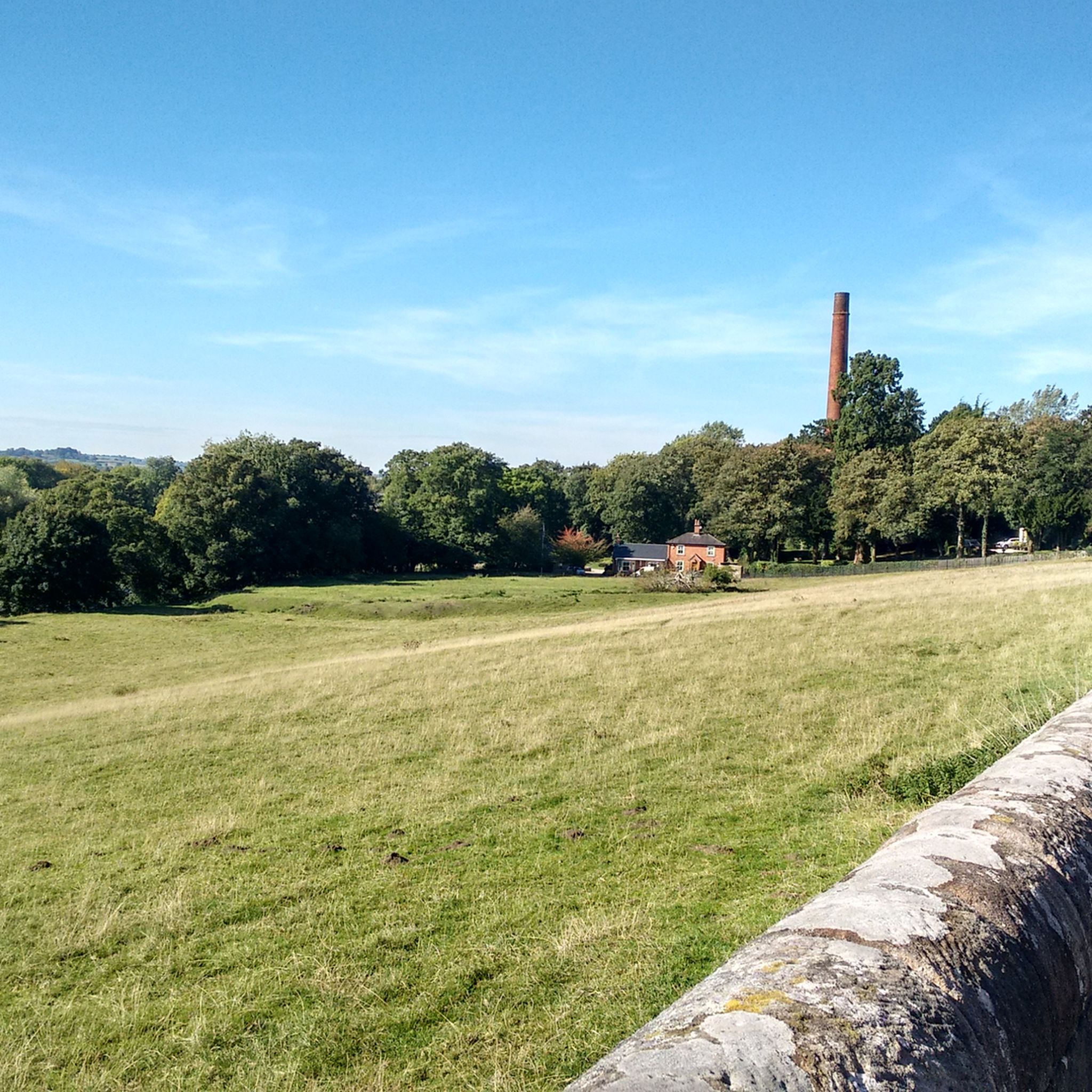
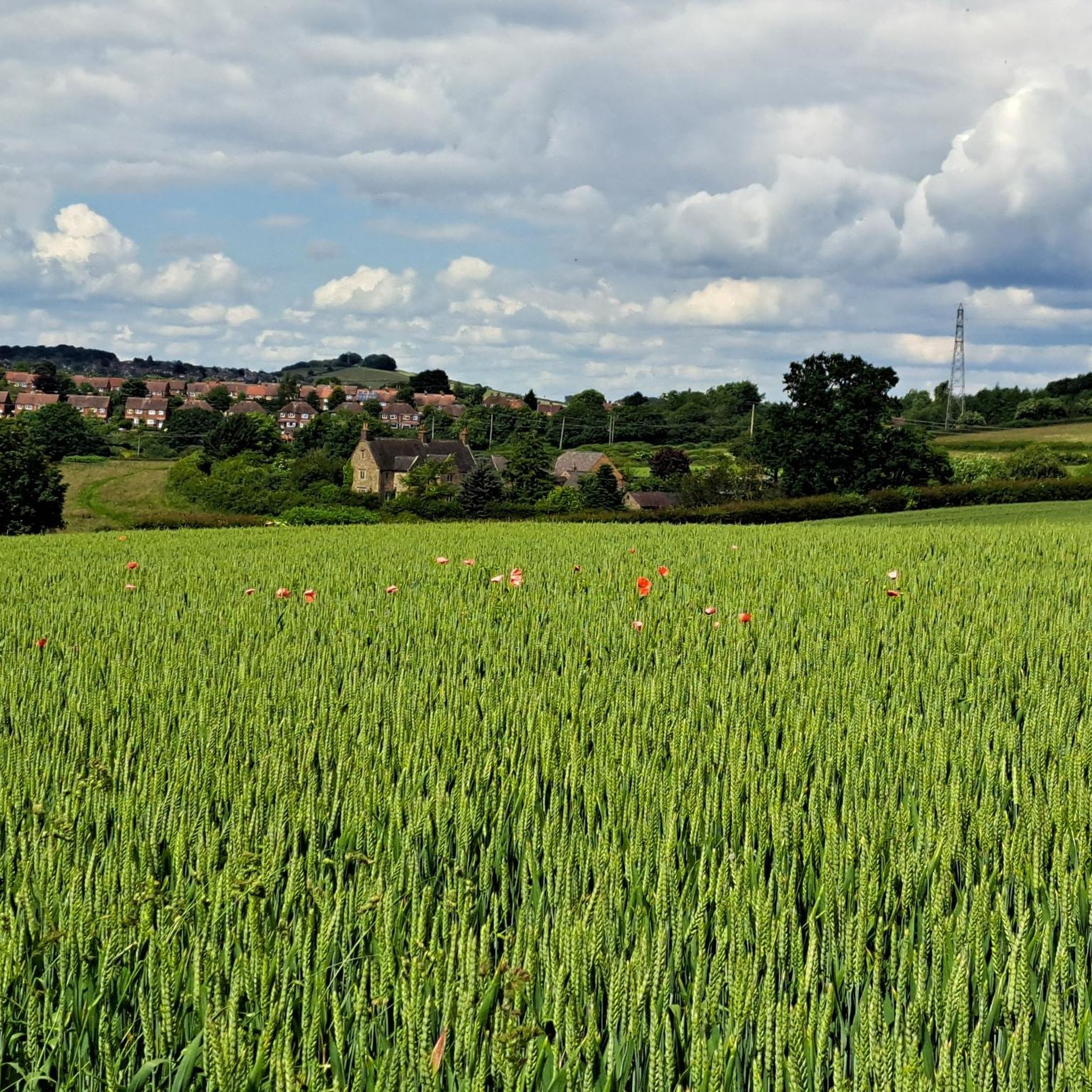
Tips from the Community

One of England’s smallest and most unique parish churches, measuring just 25 by 26 feet. Dating back to the mid-12th century, it is literally semi-detached, sharing a roof and a wall with a private, historic farmhouse. Originally functioning as the infirmary chapel for the neighboring, now-ruined medieval abbey, the adjoining house was later used as a pub called the "Blue Bell Inn". Legend has it the vicar used to change in the pub's bar and nip through a gallery door to preach. Despite its size, the interior houses well-preserved, late 13th-century wall paintings depicting the Annunciation, Visitation, and Nativity. The chapel is packed with historic character, including a prominent 1634 pulpit placed behind the altar, tiered gallery seating, and 17th-century box pews. The surrounding village and abbey ruins are famously known in folklore as the site where Allan-a-Dale married his sweetheart in the Robin Hood legend.
0
0

Nice cafe with friendly staff. Good mid walk stops while exploring the local reservoirs and Shipley Country Park. Open Fri: 9:30 - 14:30. Sat & Sun: 9:00 - 16:00.
1
0


"The wood contains the Hermitage which was made around 1130 AD by a Derby Baker called Cornelius who had a vision to worhip God here at Deepdale, as the area was formely known."
1
0

A really beautiful spot full of history! Make sure you were good hiking shoes, as there is a lot of steps on routes nearby, which can be treacherous with a mix of recent rain and wet leaves!
2
0


end 2021 update: The cafe has created a new area outside to extend the number of picnic tables with umbrellas - probably to meet the demand for outside eating due to Covid. The cafe remains a great destination for a bike ride or walk (or even horse ride).
0
0
Frequently Asked Questions
What historical landmarks can I explore in Little Eaton?
Little Eaton is rich in history. You can explore remnants of its industrial past, such as the path of the Little Eaton Gangway, one of the world's earliest railways, and the historic Derby Canal arm. Other notable sites include the 18th-century St Paul's Church, the traditional Little Eaton Smithy, and the carefully renovated Grade II listed Malt House. The village also boasts 15 listed buildings, all designated at Grade II, offering a glimpse into its architectural heritage.
Are there any ancient ruins or historical sites near Little Eaton?
Yes, a short journey from Little Eaton reveals significant historical sites. You can visit the magnificent Dale Abbey Arch, which is all that remains of a 13th-century Premonstratensian abbey. Another intriguing site is the Hermitage Cave (Hermit's Wood, Derby), a unique cave carved by a local baker in the 12th century for solitary prayer.
Where can I enjoy nature and green spaces in Little Eaton?
Little Eaton offers several natural spots. St Peter's Park provides green space and sporting facilities. The village is nestled between the River Derwent and the Bottle Brook, with surrounding moors and woodlands offering attractive views. You can also explore former quarry workings, such as those near Rigga Lane and the "Blue Mountains," known for their spring bluebells. For a tranquil experience, Mapperley Reservoir is a peaceful body of water surrounded by woodlands and farmland, ideal for nature lovers.
Are there good walking routes around Little Eaton?
Absolutely! The area around Little Eaton is excellent for walking. You can find easy hikes that offer views over the two valleys, or routes that pass by St Paul's Church and local pubs. For more detailed options, explore the easy hikes around Little Eaton guide, which includes routes like the "View Over the Two Valleys loop from Little Eaton" and the "St Paul's Church, Little Eaton – Queen's Head Pub, Little Eaton loop from Duffield Castle."
Can I go cycling near Little Eaton?
Yes, Little Eaton is a great base for cycling. There are various routes for both road cycling and touring. You can find moderate to difficult routes that take you through scenic areas like Carsington Water or past historical sites. For comprehensive cycling options, check out the Road Cycling Routes around Little Eaton and Cycling around Little Eaton guides.
Where can I spot wildlife around Little Eaton?
For wildlife spotting, Mapperley Reservoir is highly recommended. This peaceful body of water is surrounded by woodlands and farmland, making it an ideal habitat for various birds. Keep an eye out for coot, moorhen, mallard, and kingfisher. In summer, you might hear the songs of chiffchaffs, willow warblers, and blackcaps.
Are there family-friendly attractions or activities in Little Eaton?
Yes, several attractions in and around Little Eaton are suitable for families. Elvaston Castle and Gardens offers a country park with plenty of space to explore and traffic-free routes for cycling. Mapperley Reservoir is also a great spot for a family walk and bird watching. The village itself, with its historical points of interest, can be explored with maps often found locally.
Are there any unique or 'hidden gem' attractions in the Little Eaton area?
Beyond the well-known spots, the Hermitage Cave (Hermit's Wood, Derby) is a truly unique historical 'hidden gem' carved into the rock. The Little Eaton Smithy, still practicing traditional forge work in its original 18th-century location, offers a glimpse into historical craftsmanship. Exploring the paths of the former Little Eaton Gangway also provides a unique connection to the area's industrial past.
When is the best time to visit Little Eaton for outdoor activities or to see specific natural features?
The spring months are particularly beautiful for visiting Little Eaton, especially if you wish to see the bluebells that carpet the woodlands surrounding the "Blue Mountains" quarry area. For general outdoor activities like walking and cycling, the milder weather of spring and autumn is ideal. Summer also offers pleasant conditions for exploring the natural features and historical sites.
What do visitors enjoy most about the attractions around Little Eaton?
Visitors frequently appreciate the blend of history and natural beauty. For instance, the Hermitage Cave is noted as a "very interesting local feature" and a "beautiful spot full of history." The Dale Abbey Arch is described as a "dramatic sight" and part of a village with "loads of history." Many also enjoy the peaceful atmosphere and wildlife spotting opportunities at Mapperley Reservoir, highlighting it as a "peaceful body of water" great for bird watching.
Are there any grand estates or castles to visit near Little Eaton?
Yes, a short distance from Little Eaton, you can visit Elvaston Castle and Gardens. This country park features a Gothic Revival castle and encompasses 321 acres of parkland, woodlands, and historical gardens, offering plenty to explore. While you can't enter the castle itself, its impressive exterior and the extensive grounds make for a popular destination.
What is the significance of the quarries around Little Eaton?
Quarrying was a primary industry in Little Eaton, and while the quarries are now closed, their remnants are still visible and hold historical significance. You can view Rigga Lane quarry from a footbridge, and the "Blue Mountains" area, another former quarry site, is particularly known for the stunning bluebells that bloom in its surrounding woodland during spring. These sites offer a tangible connection to the village's industrial past and natural landscape.
Most popular routes around Little Eaton
Most popular attractions around Little Eaton

Get inspired with the komoot mobile app


Explore more
Still not found the Highlight you’re looking for? See guides of the top attractions in other regions:
