Top 20 Lakes around Ripley
Best lakes around Ripley offer diverse natural and man-made water bodies within a landscape characterized by woodlands, farmland, and historical industrial heritage. The region provides opportunities for exploring various aquatic environments, from tranquil reservoirs to expansive nature reserves. These areas are often integrated with walking trails and offer insights into local wildlife and history. The lakes serve as focal points for outdoor activities in the Ripley area.
Best lakes around Ripley
- The most popular lakes is Mapperley Reservoir, a lake that is a peaceful body of water surrounded by bluebell woodlands and rolling farmland. It is notable for its wildlife spotting opportunities, particularly for bird watching.
- Another must-see spot is Erewash Meadows Nature Reserve, a lake and nature reserve. Visitors can expect to find the largest area of floodplain and grassland in the Erewash Valley, serving as a refuge for grass snakes, amphibians, dragonflies, and various bird species.
- Visitors also love Mill Pond, an other man-made lake. It is special as it was originally a quarry converted into a reservoir in 1850 to supply water for machinery.
- Ripley is known for its natural lakes, reservoirs, and nature reserves. The area offers a variety of water environments to see and explore, from peaceful woodlands to significant wildlife habitats.
- The lakes around Ripley are appreciated by the komoot community, with over 170 upvotes and 51 photos shared.
Last updated: June 24, 2026
Mill Pond
Highlight • Structure
Tip by

Ogston Reservoir
Highlight • Viewpoint
The reservoir provides drinking water to the local area and is also used as a holding reservoir for Carsington Water.
Today it's managed as a water source and leisure ground. The footpaths around the reservoir are popular locally. The Ogston sailing club is known for starting off Ellen MacArthur and it's also a popular trout fishing lake.
Tip by

Sign up now to discover places like this
Get recommendations on the best single tracks, peaks, & plenty of other exciting outdoor places.
Sign up for free
Erewash Meadows Nature Reserve
Highlight • Lake
Tip by

Allestree Park
Highlight • Settlement
Tip by

Wyver Lane Nature Reserve
Highlight • Natural
It's an important wetland site and home to Canada geese, tufted ducks, little grebes, while large numbers of gulls visit in winter. The reserve is also home to otters, a glorious sight.
Tip by

Sign up for free to discover even more lakes around Ripley.
Sign up for free
Already have an account?
Start today with a free account
Your next adventure awaits.
Login or Signup
Tips from the Community


"Spring has arrived – and the sun has melted the ice on the mill pond. Its rays reach to the bottom of the pond – and tickle awake the little water sprite, who has been hibernating with his mermaid parents. And what's the first thing a curious little water sprite does? Spring cleaning with his mother? Repairing the broken roof of the water sprite's house? Wrong! Of course, the little water sprite's first priority is to meet his old friend, Cyprinus the carp... The little water sprite isn't quite as cheeky here as in the 1955 original – but Daniel Napp's little spring story has been enchantingly illustrated. A magical, endearing, and ageless reading experience for children ages 4 and up." The Stiftung Lesen (Reading Foundation) reviews a four-volume sequel to the popular "The Little Water Sprite" by Otfried Preußler (1923 to 2013), which guides children through the seasons in this children's book series.
1
0

It straddles the Derbyshire and Nottinghamshire county boundaries and is jointly owned by the two county Wildlife Trusts. In spring and summer the reserve's ponds and the wet sections of the canal are a refuge for grass snakes, amphibians and dragonflies. Butterflies and many other insects breed and feed on the wild flowers growing in the grassland. The meadows are best known for their birds. In spring lapwings can be seen performing their impressive aerial displays, while early mornings may offer the best chance of hearing the strange 'drumming' call of breeding snipe. More common breeding birds include the reed buntings with their distinctive black and white heads, and sedge warblers, more camouflaged but twice as noisy in declaring their presence. In spring and autumn the breeding birds are joined by waders, wildfowl and even birds of prey like the hen harrier. Many wildfowl stay for the winter, including a small flock of wigeon, numerous teal and a range of other species.
1
0

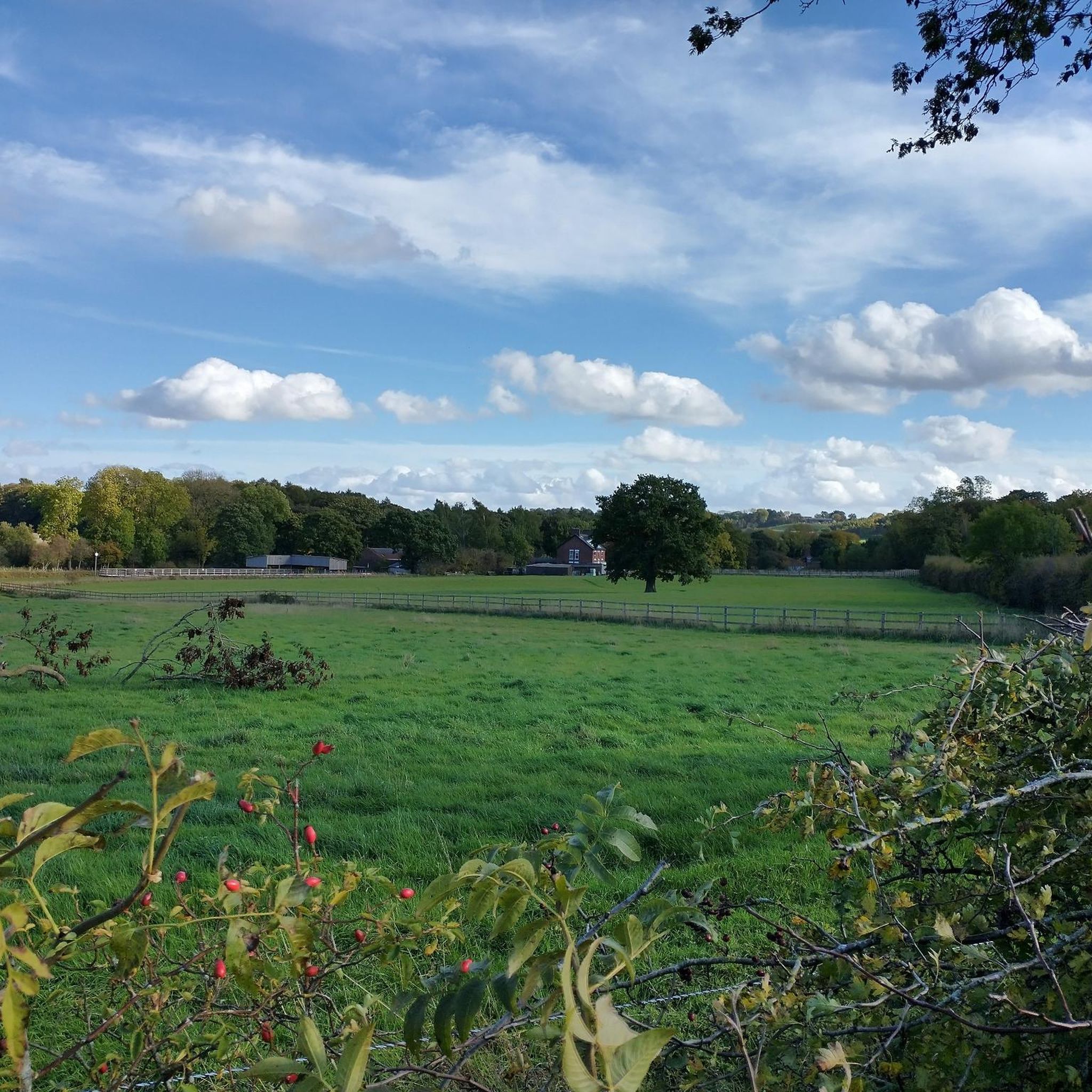
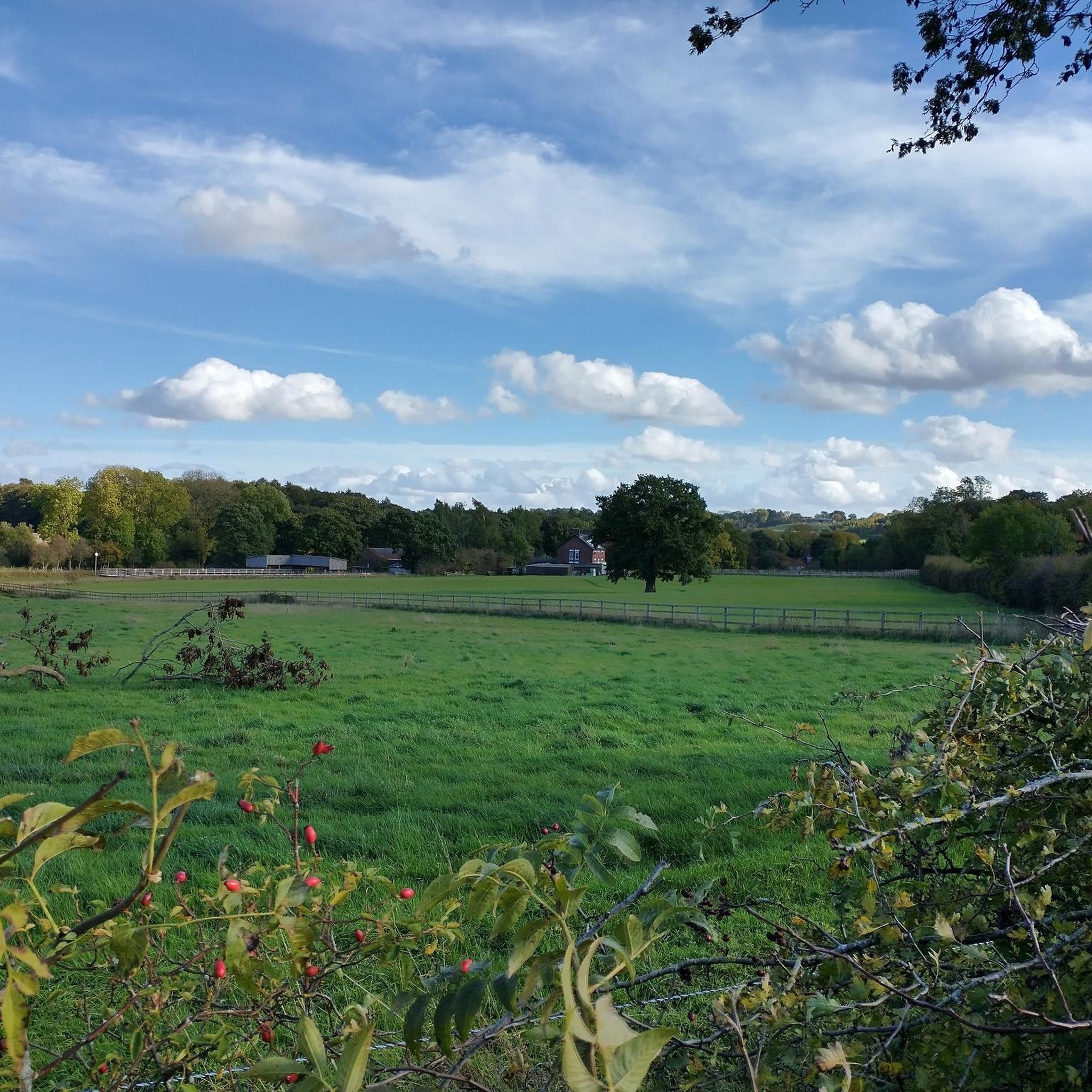
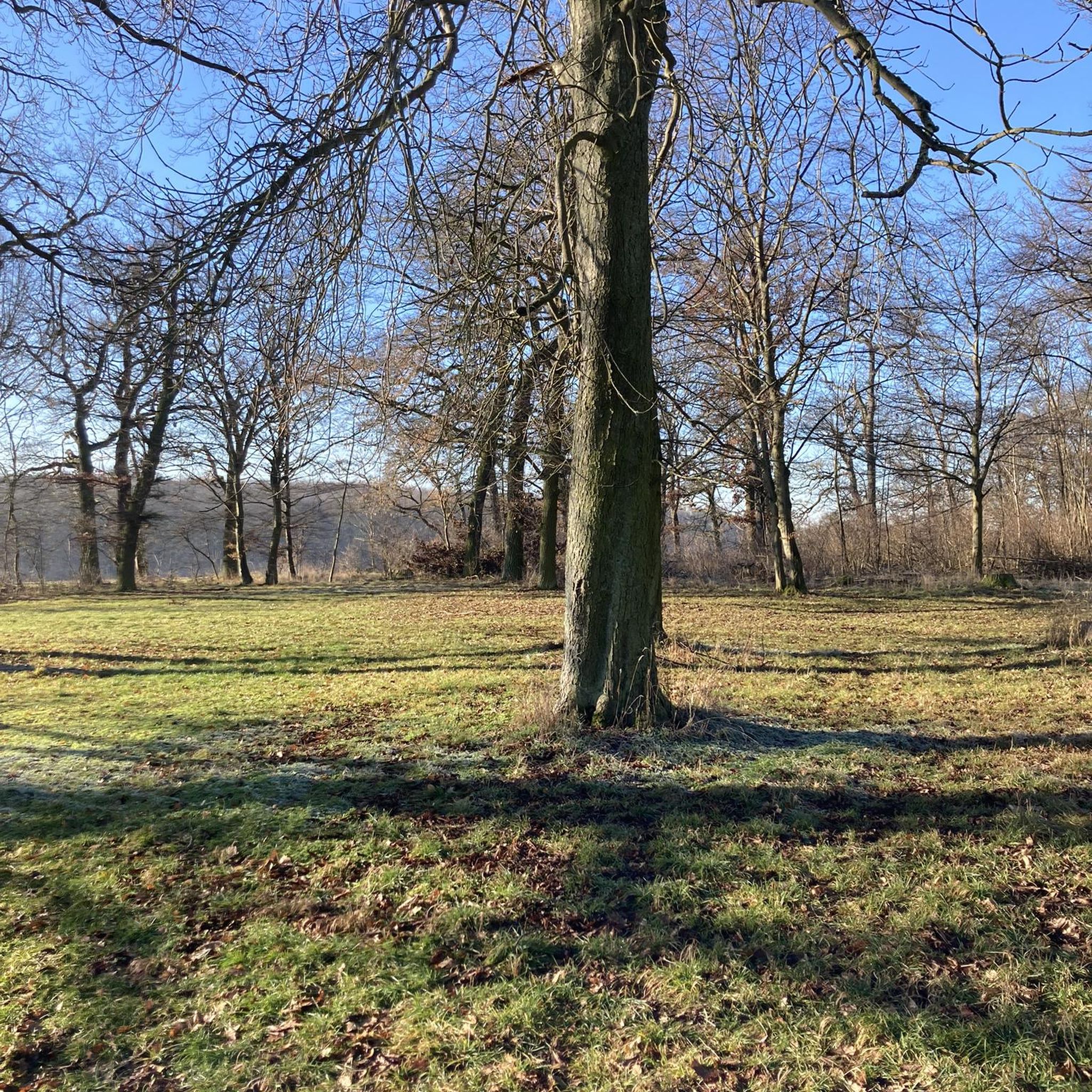
Erewash Nature Reserve is the largest area of floodplain and grassland in the Erewash Valley. It's managed by the Derbyshire Wildlife Trust. Look out for water voles and water birds.
2
1

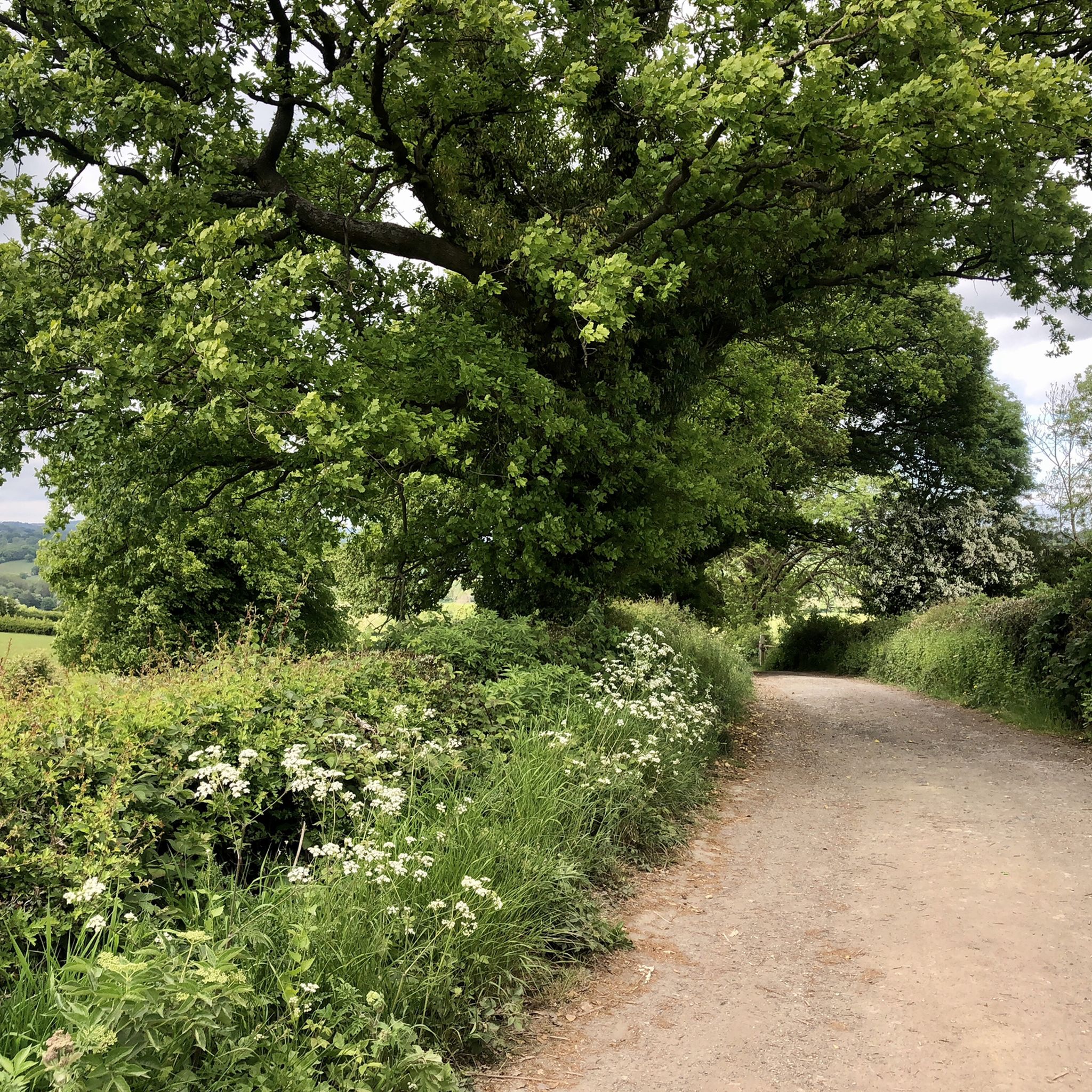
Not great to walk around unless you want to walk on the road a lot. There is no direct access to the reservoir because it is a conservation site. The car park is free and there are benches to sit on to watch the birds. Ognaston Bird Club conducts a guided bird walk on the first Saturday of each month and everyone is welcome. With them, you can access the reservoir surrounding areas to watch birds. If you want great views of the reservoir however you can combine a visit with a footpath walk up from the reservoir through fields and these are quite well signposted and accessible except from a slim squeeze with a holly hedge on one side and part of a footpath which is quite nettly - but will probably be okay by Autumn.
0
0
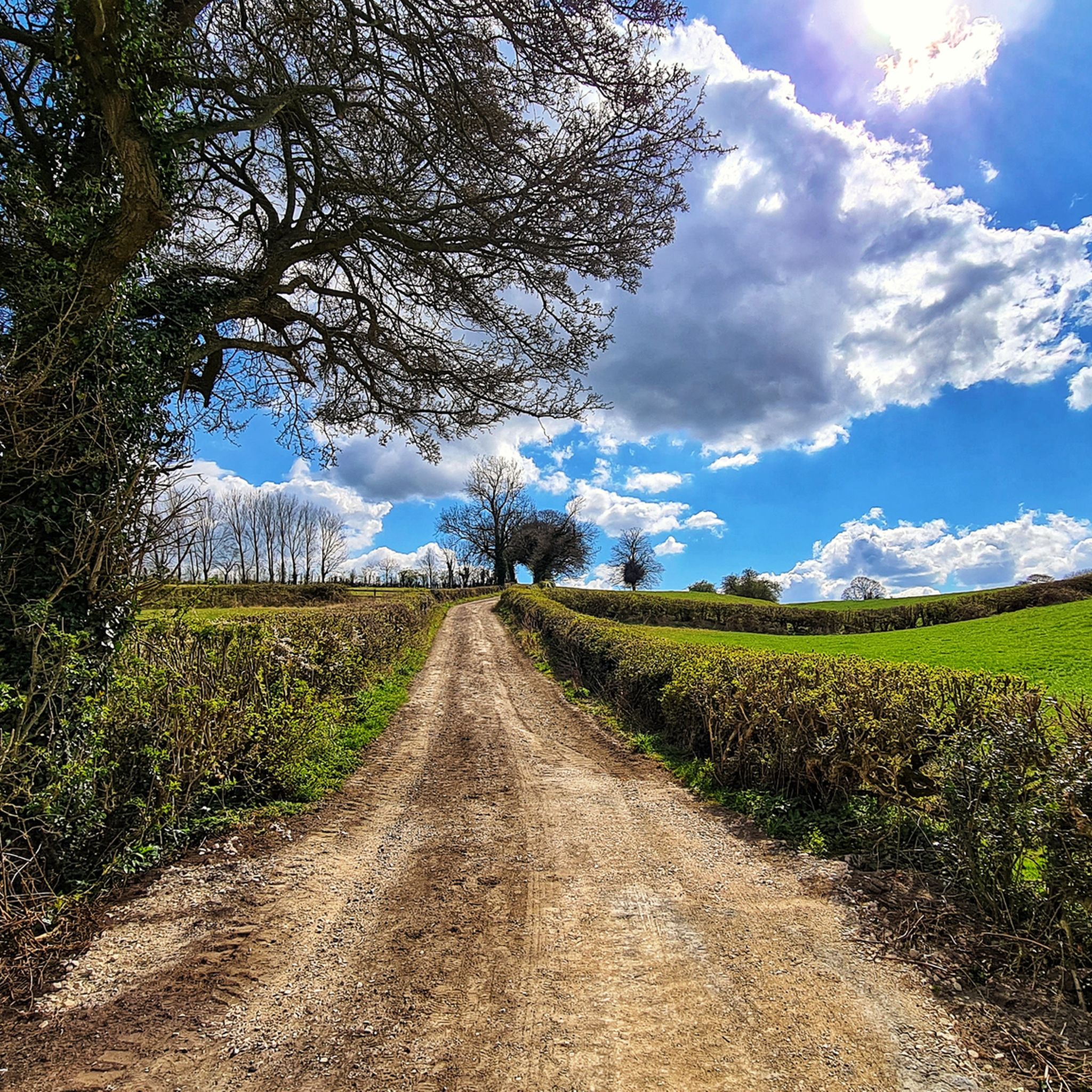
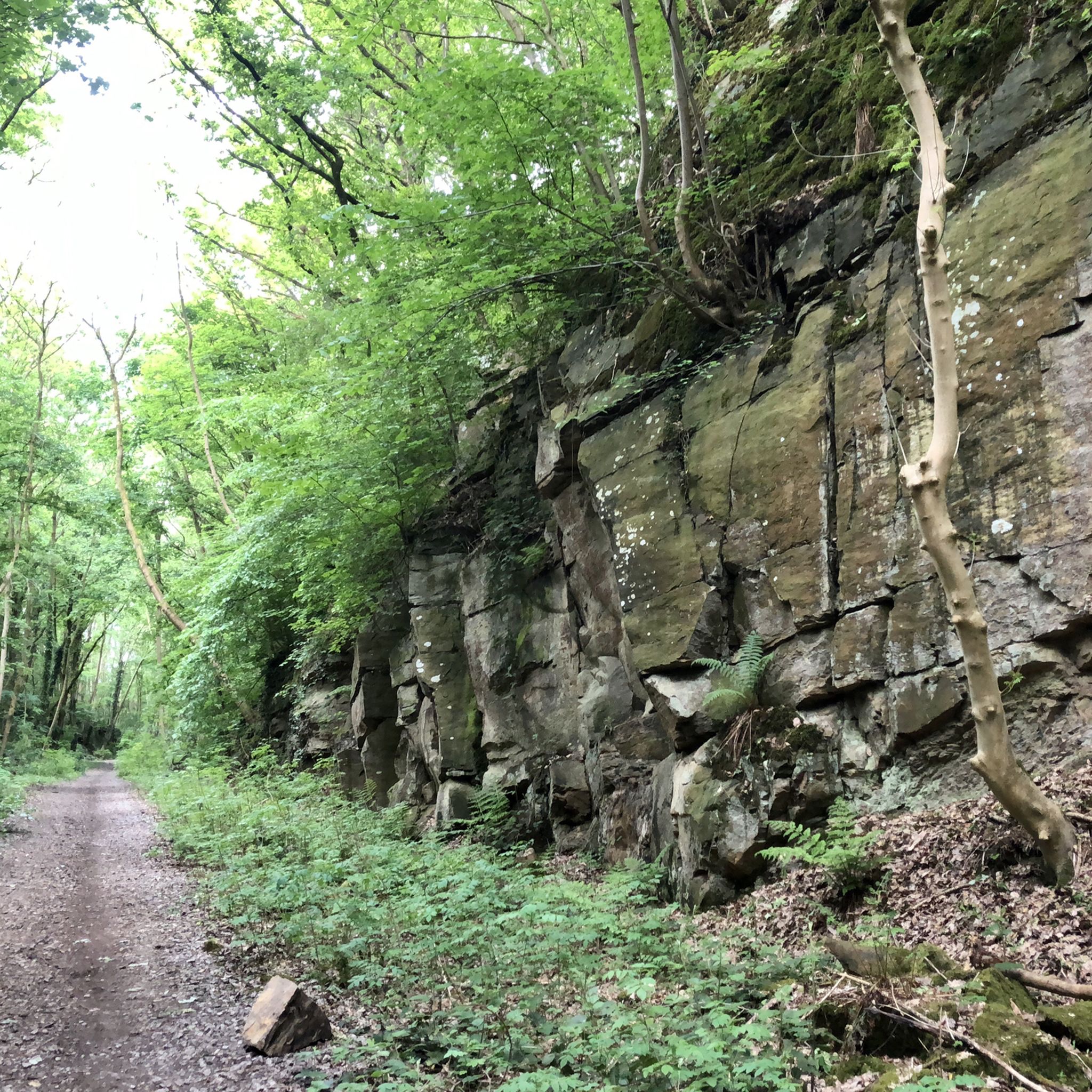
The Mill Pond (aka Lower Pond) was originally a quarry but was converted into a reservoir in 1850 to supply a continuous flow of water to power machinery.
1
0
The area known as Allestree Park was enclosed in about 1818. The house begun by Bache Thornhill was completed by John Giradot (High Sheriff of Derbyshire) with three storeys and five bays, the central three bowed with an ionic columned porch. A large part of the estate was sold for housing development in 1928. The neglected house now stands in a 300-acre (1.2 km2) wooded parkland with lake, grasslands and former golf course, owned by Derby City Council. Allestree Park is designated as a Local Nature Reserve.
0
0

The 18-hole Golf Course opened in 1955, was closed in December 2020 and has now disappeared. There are several colour-coded & waymarked walking, running & nature trails to enjoy. Allestree Park is perfect for families to enjoy some fresh air and a stroll.
1
0
Frequently Asked Questions
Which lakes near Ripley are best for wildlife spotting?
For excellent wildlife spotting, visit Mapperley Reservoir, known for coots, moorhens, mallards, and kingfishers, especially during summer when chiffchaffs, willow warblers, and blackcaps can be heard. Erewash Meadows Nature Reserve is also a prime location, serving as a refuge for grass snakes, amphibians, dragonflies, and various bird species, including lapwings and reed buntings.
Are there family-friendly lakes around Ripley?
Yes, several lakes are suitable for families. Mapperley Reservoir offers peaceful surroundings and opportunities for bird watching. Mill Pond is a pleasant spot with a historical background. Allestree Park features open grass areas, a lake, and waymarked walking, running, and nature trails, perfect for a family stroll.
What is the best time of year to visit the lakes around Ripley?
Spring and summer are ideal for experiencing the vibrant wildlife and lush scenery. In spring, Mapperley Reservoir's bluebell woodlands are in bloom, and Erewash Meadows Nature Reserve comes alive with breeding birds and insects. Summer offers excellent bird watching opportunities and pleasant weather for walks.
Are there easy or beginner-friendly walks around the lakes near Ripley?
Yes, many lakes offer accessible paths. Mapperley Reservoir provides peaceful walks through woodlands and farmland. Allestree Park has several colour-coded and waymarked walking trails suitable for various fitness levels. The footpaths around Ogston Reservoir are also popular locally, though some sections may involve walking on roads or through fields.
Can I find historical sites or learn about the region's heritage near the lakes?
Yes, the area has a rich industrial heritage. Mapperley Reservoir is surrounded by remains from the area’s coal mining history. Mill Pond was originally a quarry converted into a reservoir in 1850 to power machinery. Ogston Reservoir was created by flooding a valley, covering a village and a section of the Ashover Light Railway.
Is parking available at the lakes near Ripley?
Parking is available at some locations. For instance, Ogston Reservoir has a free car park. For other locations, it's advisable to check local signage or visitor information for specific parking arrangements.
What outdoor activities can I do near the lakes around Ripley?
Beyond walking around the lakes, the Ripley area offers various outdoor activities. You can find excellent cycling routes, including touring bicycle, mountain biking, and road cycling trails. For more details on routes, explore the guides for Cycling around Ripley, MTB Trails around Ripley, and Road Cycling Routes around Ripley.
Are there cafes or refreshment options near the lakes?
While specific cafes directly at every lake are not guaranteed, Mapperley Reservoir has a visitor centre in nearby Shipley Country Park. Allestree Park sometimes has an ice cream van near the Hall in summer, though the former golf pro shop no longer offers refreshments.
What kind of natural landscapes can I expect to see around the lakes?
The lakes around Ripley are set within diverse landscapes. You'll find tranquil bodies of water surrounded by bluebell woodlands and rolling farmland at Mapperley Reservoir. Erewash Meadows Nature Reserve features extensive floodplain and grassland. Allestree Park combines open grass areas with woodlands.
Can I go fishing in the lakes near Ripley?
Yes, fishing is an option at some lakes. Mapperley Reservoir is a very large freshwater lake known as a nice place to fish throughout the year. Ogston Reservoir is also a popular trout fishing lake.
Are there any hidden gems among the lakes near Ripley?
While not explicitly 'hidden,' Mill Pond offers a unique charm as a former quarry converted into a reservoir, providing a peaceful setting with an interesting history. Exploring the less-trafficked paths around these areas can often reveal quiet spots.
Most popular routes around Ripley
Most popular attractions around Ripley

Get inspired with the komoot mobile app


Explore more
Still not found your perfect lake around Ripley? Check out the guides of these regions to see even more beautiful places.
