The best walks and hikes around Freethorpe
4.6
(562)
3,430
hikers
253
hikes
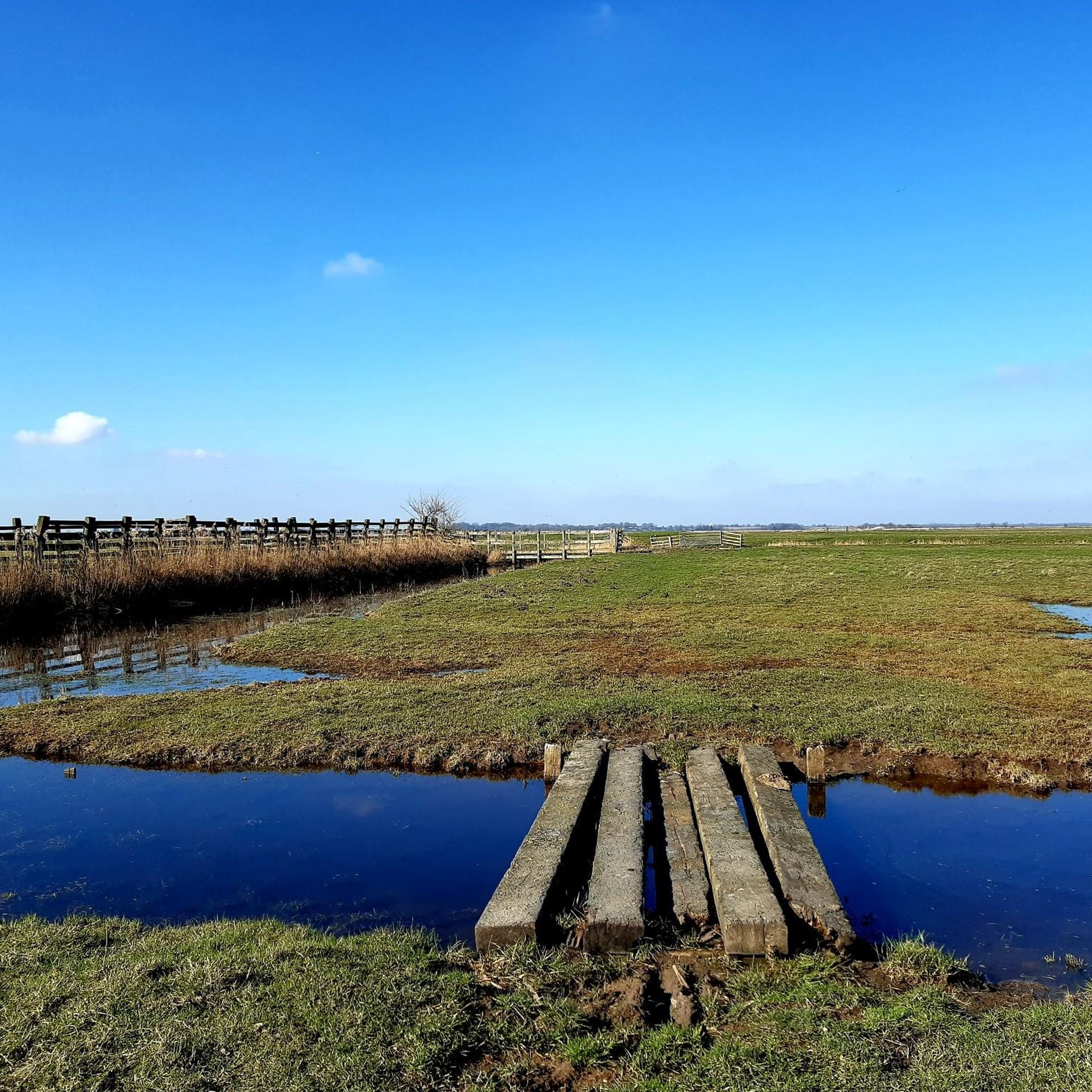
Hikes around Freethorpe explore the flat landscapes of The Broads National Park. The region is characterized by expansive marshlands, meandering rivers, and wide-open skies. Many walking trails near Freethorpe Norfolk follow country lanes and well-defined footpaths, often incorporating historic sites such as the Roman fort at Burgh Castle.
Best hiking trails around Freethorpe
- The most popular hiking route is The Weavers' Way, Berney Marshes & Breydon Water loop from Wickhampton — The Broads National Park, a 9.9 mile (15.9…
Last updated: August 9, 2026
4.5
(13)
49
hikers
Moderate hike. Good fitness required. Easily-accessible paths. Suitable for all skill levels.
4.7
(3)
16
hikers
2.86km
00:44
10m
10m
Easy hike. Great for any fitness level. Easily-accessible paths. Suitable for all skill levels.

Sign up for free
4.5
(2)
9
hikers
2.93km
00:45
10m
10m
Easy hike. Great for any fitness level. Easily-accessible paths. Suitable for all skill levels.
4.2
(5)
9
hikers
20.5km
05:12
40m
40m
Hard hike. Very good fitness required. Easily-accessible paths. Suitable for all skill levels.
5.0
(3)
23
hikers
Moderate hike. Good fitness required. Easily-accessible paths. Suitable for all skill levels.
Get access to more routes and recommendations from other explorers.
Sign up for free
Already have an account?
Our route recommendations are based on thousands of hikes, rides, and runs completed by other people on komoot.
Start today with a free account
Your next adventure awaits.
Login or Signup


Tips from the Community

These old windmills are the best proof that people were clever enough a number of centuries ago - long before the discovery of electricity and the inventions that resulted from it - to harness the power of the elements for their own purposes: no human or animal muscle power is needed for the grinding process, but the wind captured by the covered wings is enough to drive the heavy millstones and thus, for example, to grind flour from grain (grain mills) or to press oil from olives (oil mills). Often they are only technical and historical evidence of a long tradition of craftsmanship, because most of the old mills have been abandoned over time.
0
0

The Rivers Yare and Waveney are two of the Broads' great rivers, along with the River Bure. Here, these two great watercourses meet, flowing into Breydon Water. Around 2,000 years ago, this would've been part of the Great Estuary, a vast estuary with extensive mudflats. In Roman times, boats would've been able to sail down the Yare as far as Caistor St Edmund and large ships would have been able to follow the Waveney all the way to Bungay. The nearby Roman fort at Burgh Castle was built to protect this important waterway.
1
0
This pretty medieval parish church has nave walls dating back to the Saxon era and even features Roman tiles, thought to have been taken at some point from the nearby Roman fort. It's Grade-II listed and features a fine, crenellated round tower. The church is just a short walk away from where the Rivers Waveney and Yare merge into Breydon Water.
1
0
Seen across the confluence of the Rivers Yare and Waveney, Berney Arms Mill is an impressive sight. One of the tallest mills in the national park, it's also one of the best surviving. If the sight of it has you plotting a walk on the opposite side of the rivers, you might consider the Wherryman's Way long-distance trail, which visits the mill.
1
0

Reedham is a popular village situated on the lower reaches of the River Yare. Riverside is a long street running next to the Yare with benches, a pub and holiday cottages. It is also home to one of the last remaining railway swing bridges and chain ferries in the country.
0
0

Cadge's Mill is a historic watermill nestled alongside the banks of the River Yare. An information board at the site explains the history and rustic architecture of the working mill.
1
0
Reedham is a charming little village situated on the banks of the River Yare in Norfolk. The village is home to a historic 17th-century windmill, a plethora of great independent shops to browse, and a perfect country pub, The Ship Inn.
1
0
This is a gem of a pub nestled alongside the gorgeous River Waveney. The pub serves up delicious food and drink in a cosy, nautical setting - a must-visit if you're in the area.
1
0
Frequently Asked Questions
Are there many circular walks starting from Freethorpe?
Yes, the area around Freethorpe is ideal for circular hikes. The landscape of The Broads National Park, with its network of footpaths, country lanes, and riverside trails, lends itself well to loop routes. You can find numerous options that start and end in or near the village, allowing you to explore the marshes and historic sites without needing to retrace your steps.
What are the trails like for dog walking near Freethorpe?
Many trails in the Freethorpe area are suitable for walking with dogs, thanks to the open spaces and public footpaths. However, be aware that routes often cross through nature reserves like Breydon Water and farmland with grazing livestock. It's essential to keep dogs on a lead in these areas to protect wildlife and farm animals. Marston Marsh is a well-regarded spot for dog walking on the outskirts of Norwich.
Can I find any easy, family-friendly hikes?
Absolutely. The region offers several short and flat walks perfect for a family outing. For a very accessible and historic walk, consider the Burgh Castle – family walks in the Broads route. It's a gentle walk of under 3 km that allows you to explore the impressive Roman fort ruins, which is often a highlight for children.
What kind of wildlife might I see while hiking?
The marshlands around Freethorpe are a haven for wildlife, especially birds. Hikes through the RSPB Breydon Water Nature Reserve or the Halvergate Marshes offer fantastic opportunities for birdwatching. Keep an eye out for wading birds, waterfowl, and birds of prey. The dykes and rivers are also rich in dragonflies and damselflies during the warmer months.
Are there any pub walks in the area?
Yes, combining a good walk with a pub visit is a popular activity here. Several villages in the Norfolk Broads, including Reedham, have traditional pubs that can serve as the start or end point for a hike. Planning a route that passes through a village is a great way to include a stop for lunch or a refreshing drink.
What is the terrain like on the footpaths around Freethorpe?
The hiking terrain is generally flat and easygoing, typical of The Broads. Most routes follow a combination of quiet country lanes, grassy riverside footpaths, and well-defined tracks along the edges of fields. While largely flat, some paths through the marshes can be uneven and muddy after rain, so waterproof footwear is recommended.
Where is a good place to park for a walk?
Parking availability varies by route. For walks starting in villages like Reedham or near major attractions like Burgh Castle, there are often designated public car parks. For more rural routes, you may find informal lay-by or roadside parking. It's always best to check the starting point of your chosen komoot Tour for specific parking suggestions and to park considerately.
Are there any particularly scenic spots or viewpoints?
The entire region is known for its expansive, open landscapes and wide skies, which are scenic in their own right. Key points of interest include the impressive Roman ruins at Burgh Castle, which offer elevated views over the marshes and River Waveney. The area around Berney Arms Windmill also provides a classic Broads vista, showcasing the unique drainage mills of the landscape.
What do other hikers enjoy about the Freethorpe area?
The area is highly regarded by the komoot community. Hikers often praise the sense of peace and tranquility found in the vast marshlands. The combination of natural beauty, rich birdlife, and historical points of interest like the Roman fort and old windmills are frequently mentioned as highlights.
How many hiking trails are available around Freethorpe?
There is a wide selection of routes to explore, with over 250 hiking trails mapped on komoot around Freethorpe. These range from short, easy strolls of just a couple of kilometers to more challenging long-distance treks, ensuring there's a walk to suit every fitness level and interest.
Are there any long-distance paths that pass near Freethorpe?
Yes, the area is crossed by parts of two notable long-distance trails. The Weavers' Way and the Wherryman's Way both have sections that run through the nearby marshes and along the rivers. You can hike a segment of these paths as part of a circular route or tackle a longer point-to-point section.
What is a good moderate hike to see the Broads landscape?
For a great immersion into the Broads, the Berney Arms Windmill – Berney Arms Railway Station loop from Berney Arms is an excellent choice. This 12 km walk takes you through the heart of the marshes, offering classic scenery and a visit to the iconic windmill. It's a true Broads experience, accessible via a unique request stop on the train line.
Most popular attractions around Freethorpe

Get inspired with the komoot mobile app


Explore more
Browse the best Hikes in other regions.
