The best walks and hikes around Melbourne
4.3
(166)
1,480
hikers
119
hikes
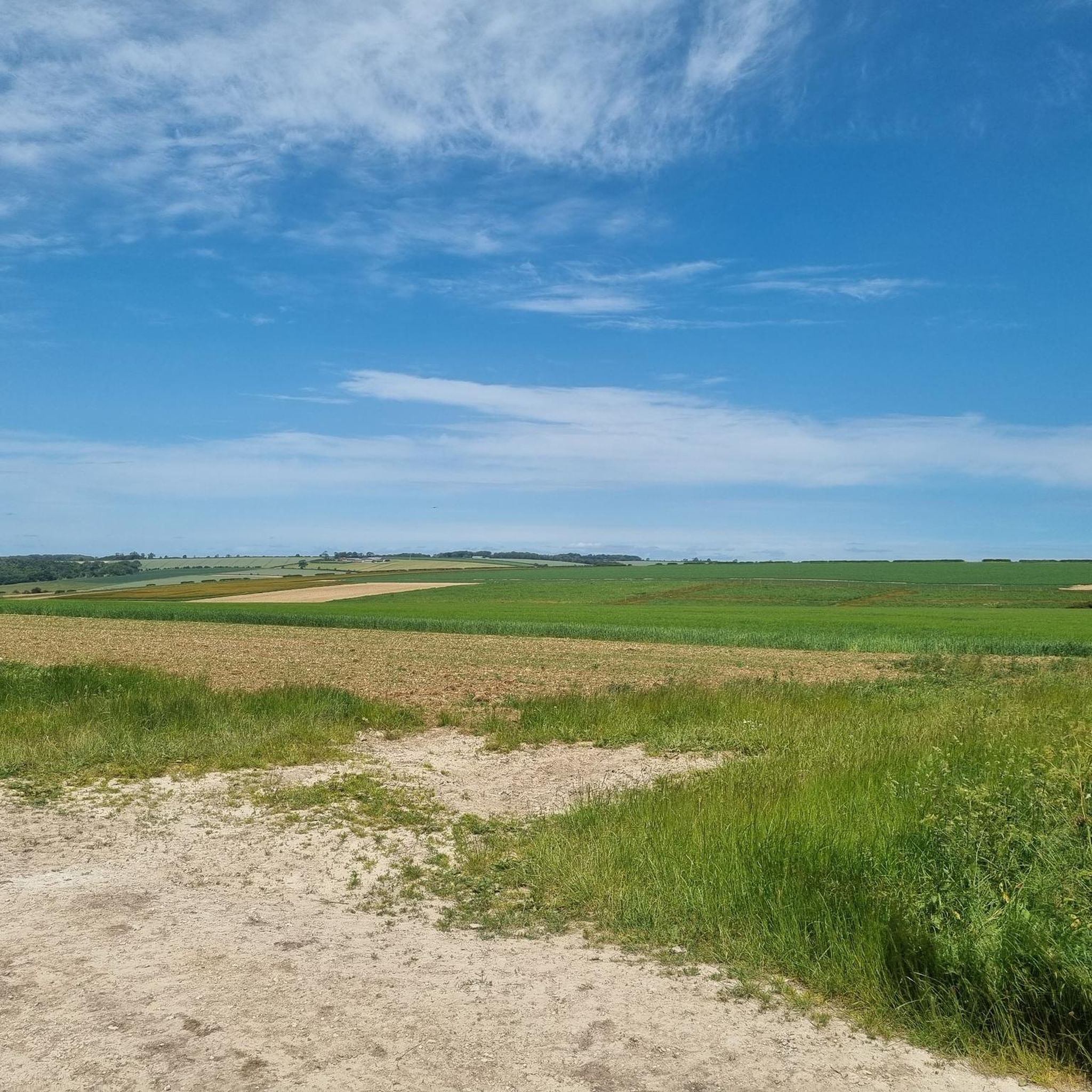
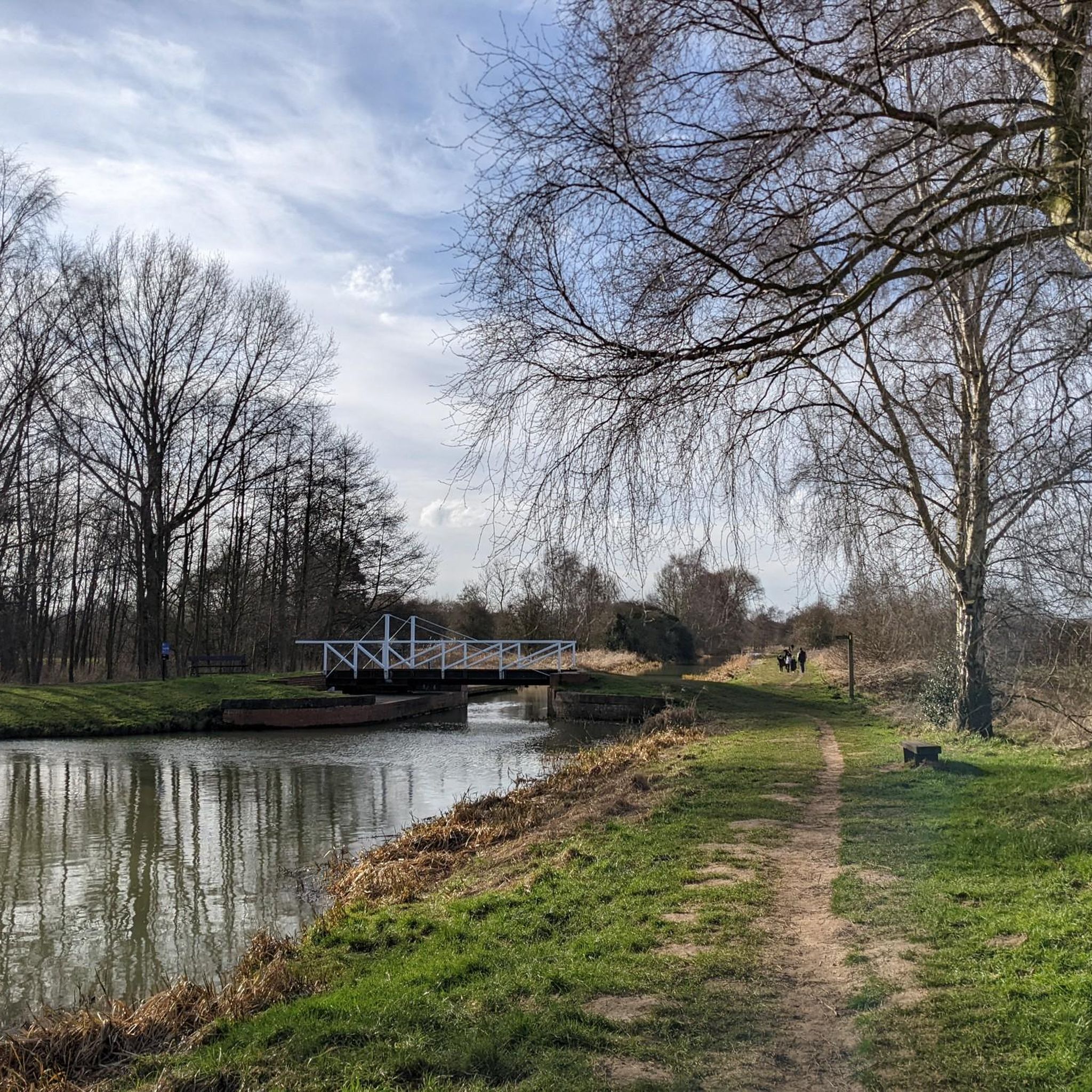
Hikes around Melbourne are characterized by gentle, rolling countryside and canal-side paths. The region offers a network of trails that navigate through agricultural fields and connect small villages. The terrain is generally flat with minimal elevation, making it accessible for walks of various lengths.
Best hiking trails around Melbourne
- The most popular hiking route is Melbourne Arms – Top Lock loop from Melbourne, a 10.9-mile (17.6 km) trail that takes about 4 hours 30 minutes to complete. This route…
Last updated: October 5, 2026
4.3
(17)
73
hikers
17.6km
04:26
30m
30m
Moderate hike. Good fitness required. Easily-accessible paths. Suitable for all skill levels.
5.0
(2)
18
hikers
5.94km
01:30
10m
10m
Easy hike. Great for any fitness level. Easily-accessible paths. Suitable for all skill levels.

4.2
(5)
28
hikers
15.6km
03:55
20m
20m
Moderate hike. Good fitness required. Easily-accessible paths. Suitable for all skill levels.
5.0
(3)
11
hikers
Moderate hike. Good fitness required. Easily-accessible paths. Suitable for all skill levels.
3.7
(3)
4
hikers
16.9km
04:17
30m
30m
Moderate hike. Good fitness required. Easily-accessible paths. Suitable for all skill levels.
Get access to more routes and recommendations from other explorers.
Already have an account?
Our route recommendations are based on thousands of hikes, rides, and runs completed by other people on komoot.
Start today with a free account
Your next adventure awaits.

Tips from the Community


The first of 5 disused locks between the canal head and Coat's Bridge. Although the next 4 (Silburn, Giles, Sandhill and Coat's Locks) are derelict, Top Lock's principal structure is relatively intact, and the lock gates and manual and hydraulic gearing mechanisms have been restored to traditional design.
2
0
Silburn Lock is the second of 5 disused locks as you walk from the canal head at Pocklington towards Coat's Bridge.
2
0
Giles Lock is quite easy to see, not as overgrown as some of the others, and the canal is but a shadow of its former self immediately south of the lock.
2
0
Very overgrown and difficult to see, this is one of 5 disused and derelict locks between the canal head at Pocklington and Coat's Bridge.
1
0
No longer used for mooring, the Bielby Arm marks the eastern limit of the canal's navigation. You can walk north to Coats Bridge on either side of the canal from the Bielby Arm.
2
0
Lock just 250m east of Church Bridge where there is some off-road parking. Grade II listed since 1987 and was restored along with Walbut Lock to create another 2 miles of navigable canal.
1
0
Carries Church Road which runs from Melbourne to Thornton. Grade II listed since 1987.
1
0
Frequently Asked Questions
What are the best places for hiking near Melbourne?
Melbourne is surrounded by excellent hiking destinations. The Dandenong Ranges National Park is a local favorite, known for its lush fern gullies and towering mountain ash trees. For more rugged terrain and rock scrambling, both Werribee Gorge State Park and the Cathedral Range State Park are highly-regarded choices offering challenging trails and dramatic scenery. Closer to the city, Darebin Parklands provides a more accessible bushland experience.
Are there any easy, family-friendly walks available?
Yes, there are many options suitable for families and beginners. A great choice is the Melbourne Arms – Swingbridge No. 6 loop from Melbourne, which is a short, flat walk along the canal. The region has over 70 easy-rated trails, many of which feature gentle terrain and are perfect for a relaxed day out.
Can I bring my dog on the hiking trails?
Dog access varies depending on the park. Many national parks, like the Dandenong Ranges and Mornington Peninsula National Park, have strict restrictions and do not permit dogs on most trails to protect native wildlife. However, some regional parks and local trails, such as Darebin Parklands, are generally dog-friendly. Always check the specific park's regulations on the Parks Victoria website before you go.
What are the options for more challenging hikes?
For experienced hikers seeking a challenge, the region offers several difficult trails. The Cathedral Ranges are famous for their steep rock scrambles and exposed ridges. For a long day out, the Melbourne Arms – Top Lock loop from Melbourne is a moderate but lengthy 17.6 km walk that requires good stamina. You can filter for 'difficult' hikes on komoot to find routes that match your fitness level.
Are there any hikes with waterfalls near Melbourne?
Yes, the Dandenong Ranges are particularly well-known for their waterfalls, especially after rainfall. Popular trails lead to Sherbrooke Falls and Olinda Falls, taking you through beautiful fern gullies. Further afield, the Great Otway National Park along the Great Ocean Road also features numerous stunning waterfalls accessible via walking tracks.
What is the best time of year for hiking around Melbourne?
Hiking is possible year-round, but spring and autumn offer the most pleasant conditions with mild temperatures and lower rainfall. Spring (September to November) is especially beautiful as wildflowers are in bloom. Summer can be very hot, so hikes should be started early in the day. Winter can be cold and wet, particularly in the ranges, but it's a great time to see waterfalls at their best and even find snow on higher peaks like Mount Donna Buang.
How can I get to the trailheads using public transport?
Some hiking areas are accessible via public transport. The Dandenong Ranges can be reached by taking a train to Belgrave or Upper Ferntree Gully, where you can connect to local buses or start walks directly. For other parks, access is more limited and often requires a car. It's best to plan your trip in advance using the Public Transport Victoria (PTV) journey planner.
Are there any good coastal walks?
The Mornington Peninsula is a premier destination for coastal hiking. The Two Bays Walking Track and the Coastal Walk in the Mornington Peninsula National Park offer spectacular clifftop views over the Bass Strait. For a truly epic coastal experience, sections of the 110km Great Ocean Walk can be tackled as day hikes, providing access to secluded beaches and dramatic limestone cliffs.
What do other hikers think of the trails around Melbourne?
The trails around Melbourne are highly rated by the komoot community, with an average score of 4.5 stars. Hikers often praise the diversity of the landscapes, from the gentle canal paths and rolling fields to the rugged gorges and lush rainforests. The accessibility of such varied nature so close to the city is a frequently mentioned highlight.
Are most of the trails circular loops?
Yes, many of the popular trails are designed as loops, allowing you to start and finish in the same location without retracing your steps. This includes routes like the Top Lock – Pocklington Canal loop from Melbourne. However, there are also fantastic point-to-point trails, like the Great Ocean Walk, which can be done in sections.
Are there any multi-day or overnight hikes available?
Absolutely. The most famous multi-day hike is the Great Ocean Walk, a 110km trail that typically takes around 8 days to complete, with campsites along the route. The Two Bays Walking Track on the Mornington Peninsula can also be done as an overnight hike. For a mountain experience, the Cathedral Range State Park offers hike-in campsites for those wanting to tackle its challenging circuits over two days.
What should I pack for a day hike in the area?
For any hike, you should carry sufficient water and snacks. Wear sturdy, comfortable walking shoes. Melbourne's weather can change quickly, so it's essential to pack layers, including a waterproof jacket, even on a sunny day. Sunscreen, a hat, and a basic first-aid kit are also crucial. For more remote trails, a map or a fully charged phone with the komoot app is highly recommended.
Most popular attractions around Melbourne

Get inspired with the komoot mobile app


Explore more
Browse the best Hikes in other regions.
