Attractions and Places To See around Barmby Moor - Top 20
Best attractions and places to see around Barmby Moor, a village in the East Riding of Yorkshire, offers a blend of local historical charm and convenient access to a variety of attractions. The area is characterized by a peaceful rural atmosphere, with landmarks and natural features nearby. Visitors can explore historical sites, scenic waterways, and architectural points of interest.
Best attractions and places to see around Barmby Moor
- The most popular attractions is Stamford Bridge Railway Viaduct, a bridge…
Last updated: April 24, 2026
Stamford Bridge Railway Viaduct
Highlight • Bridge
Once a vital link for the railway connecting …
Tip by

Pocklington Canal
Highlight (Segment) • Historical Site
Tip by

Sign up now to discover places like this
Get recommendations on the best single tracks, peaks, & plenty of other exciting outdoor places.
Sign up for free
Battle of Stamford Bridge Memorial
Highlight • Historical Site
Tip by

All Saints Church, Londesborough
Highlight • Historical Site
Tip by

Londesborough Park Deer Shelter
Highlight • Monument
The gardens were created in the late 17th century by Robert Hooke for the 1st Lord Burlington. …
Tip by
Sign up for free to discover even more attractions around Barmby Moor.
Sign up for free
Already have an account?
Start today with a free account
Your next adventure awaits.
Login or Signup
Tips from the Community

The oldest surviving cast-iron railway bridge of its kind in Britain, dating back to 1847. - The last train crossed the viaduct on 27 November 1965, after which the line was closed and the structure fell into disuse. By 1991, its condition had deteriorated so badly that East Yorkshire Borough Council planned to demolish it, estimating costs at £60,000. Thanks to local protests and rail heritage campaigners, the demolition was halted. The viaduct was restored and now forms part of the Sustrans National Cycle Network, preserving its legacy for public enjoyment.
0
0
The oldest surviving cast-iron railway bridge of its kind in Britain, dating back to 1847. - The last train crossed the viaduct on 27 November 1965, after which the line was closed and the structure fell into disuse. By 1991, its condition had deteriorated so badly that East Yorkshire Borough Council planned to demolish it, estimating costs at £60,000. Thanks to local protests and rail heritage campaigners, the demolition was halted. The viaduct was restored and now forms part of the Sustrans National Cycle Network, preserving its legacy for public enjoyment.
0
0
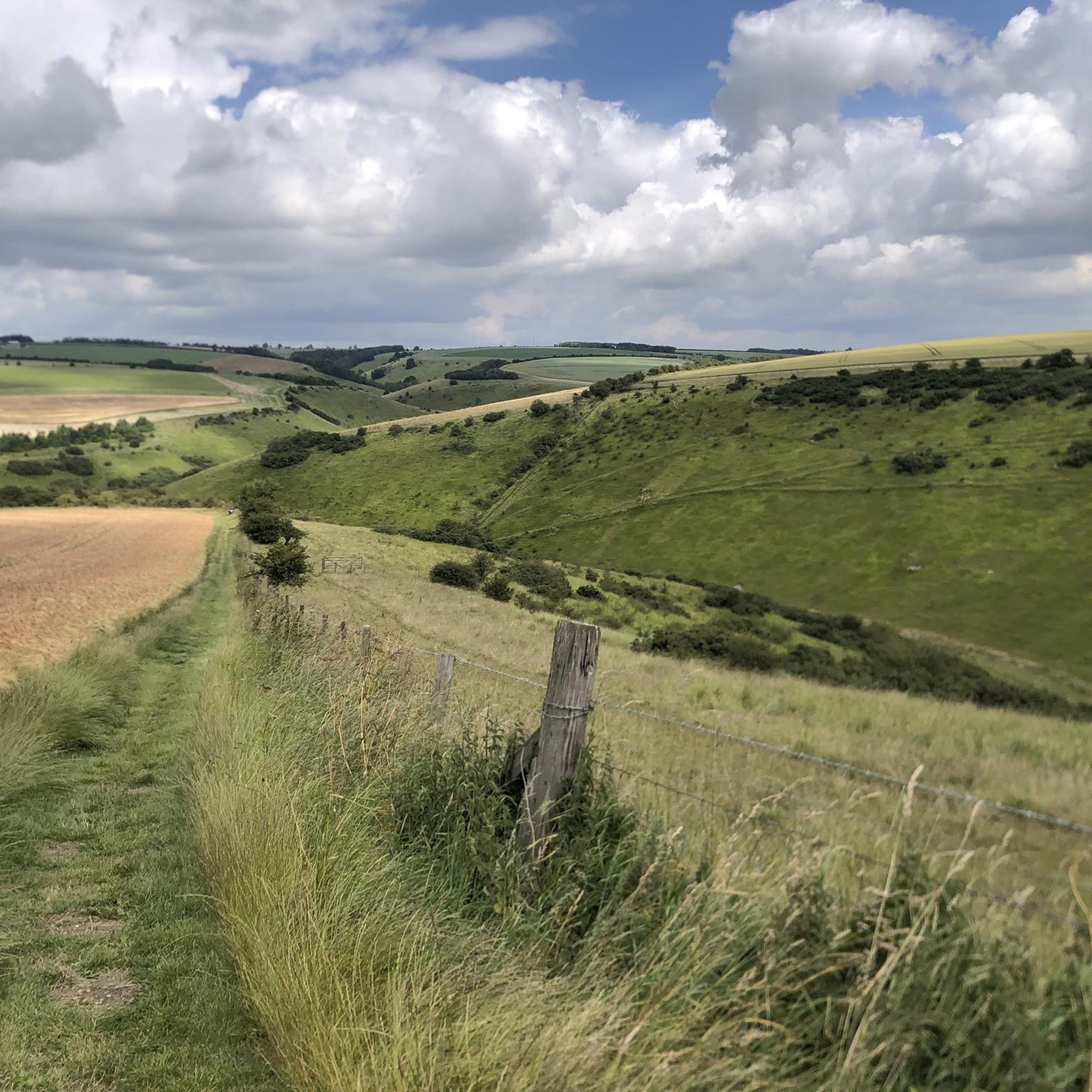
A beautiful rural canal of two halves, the upper reaches of the Pocklington Canal between Canal Head and Melbourne is characterised by un-restored locks, tree lined towpaths, and classic humpbacked bridges. Only the lower reaches of the canal is open to boats, lying in an open landscape of floodplains and meadows, rich in wildlife, and identifiable by its distinctive swing bridges. Once threatened, the canal was saved by the work of local volunteers and campaigners, and is now home to three Sites of Special Scientific Interest. Look out for Church Bridge and Swing Bridge No. 7 on the Pocklington Canal – both recently restored. Lots of history on wikipedia: https://en.wikipedia.org/wiki/Pocklington_Canal Maps (and other useful pages) on the Pocklington Canal Amenity Society website: https://www.pocklingtoncanalsociety.org/maps
2
0
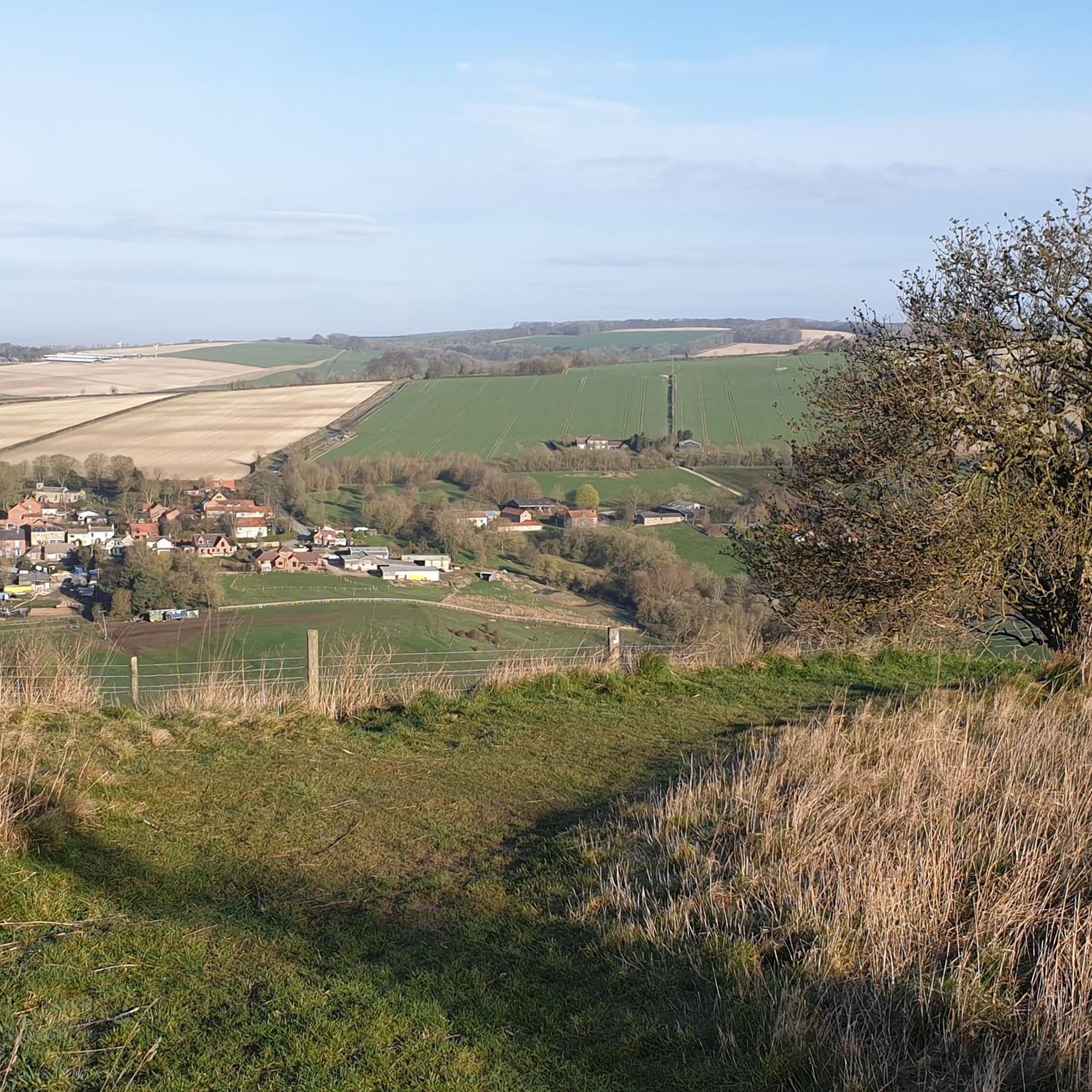
Compact and picturesque parkland that used to be part of the Archbishop of York's manor of Everingham in 1086. As you cross the park you will find it hard to miss the slightly unusual arcaded deer shelter (see photos and https://historicengland.org.uk/listing/the-list/list-entry/1000924?section=official-list-entry)
1
0
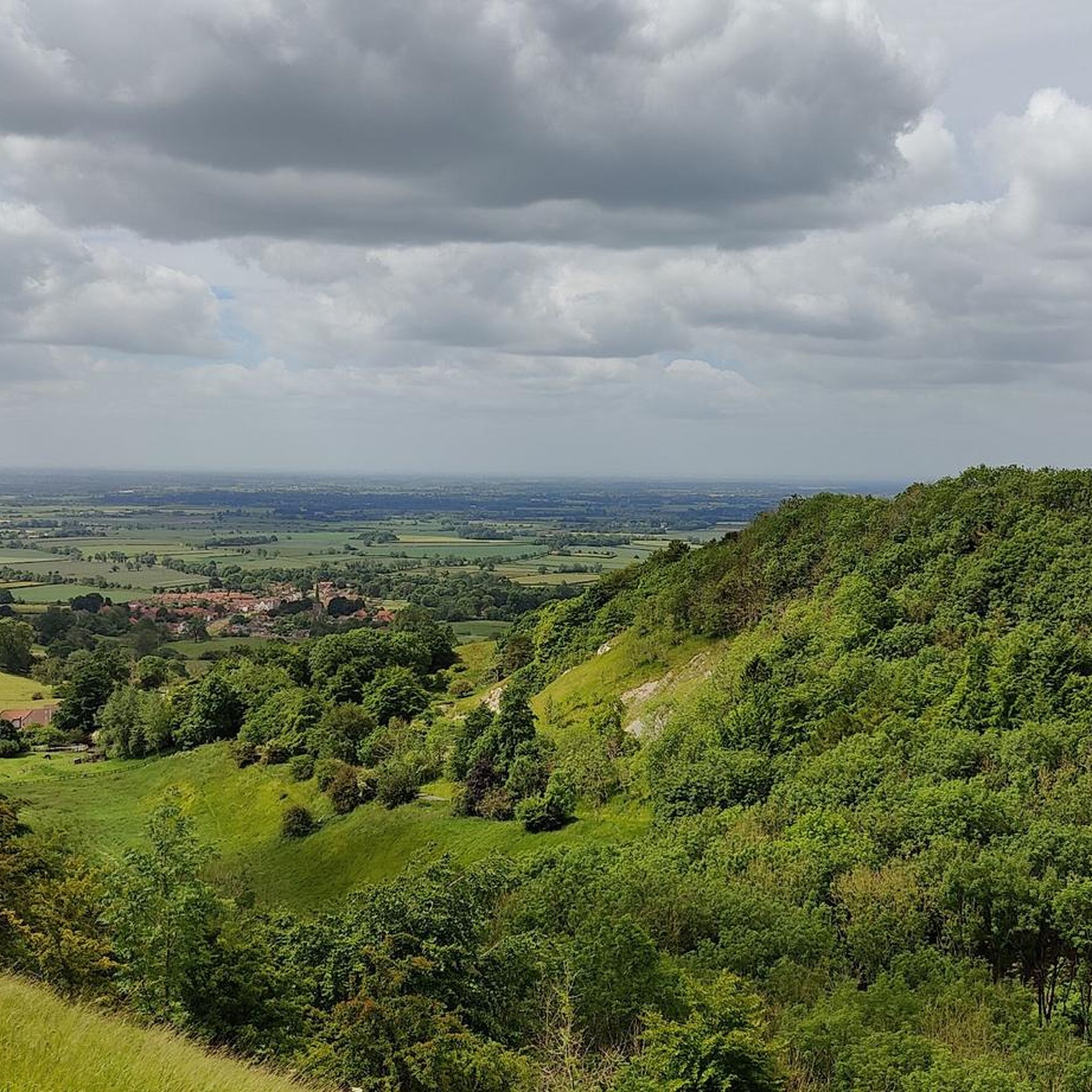
Very quiet village, the church stands opposite a row of quaint cottages, and the whole vista is quite picturesque even in winter. Couple of interesting historical summaries of the church, detailing the Anglo Danish cross head can be found at https://www.nationalchurchestrust.org/church/all-saints-londesborough , https://www.megalithic.co.uk/article.php?sid=31124
1
0

This is a beautiful rural canal that stretches 9.5 miles (15 km) between East Cottingwith and Canal Head. The canal path is lined with trees and passes by numerous original locks and elegant humpbacked bridges. It's a delightful stretch of walking – truly.
1
0
This impressive old railway viaduct that spans over the River Derwent is built from beautiful red brick and consists of 15 arches. Once a vital link for the railway connecting York and Market Weighton, this structure stands as the largest remaining remnant of that historic railway line. Today, it has transformed into a tranquil and traffic-free crossing, offering a picturesque vantage point to admire the waterway below.
1
0

The field to the north east of the road is the site of the Battle of Stamford Bridge on 25/09/1066, a turning point in English history. It was here that King Harold of England defeated the Viking King Harald Harada and Harold's own brother Tostig. This resulted in the end of the Viking era in England, such was the loss of life. Though from here, King Harold and his men had to march to Hastings on the south coast of England to meet William of Normandy who was challenging Harold's ascension to the throne. Harold's exhausted and much depleted men were defeated at the Battle of Hastings and Harold killed. This lead to the Norman Conquest of England. The Battle of Stamford Bridge is depicted in the Bayeux Tapestry. There are monuments to the Battle of Stamford Bridge in the village and on the site of battle at the end of Whiterose Drive.
0
0
Frequently Asked Questions
What historical sites can I explore near Barmby Moor?
The area around Barmby Moor is rich in history. You can visit the Battle of Stamford Bridge Memorial, marking a pivotal 1066 event. The impressive Stamford Bridge Railway Viaduct, a 15-arch red-brick structure, is another significant historical landmark. Additionally, All Saints Church, Londesborough, dating back to the late 12th century, retains many original features and is a Grade I-listed building. Within Barmby Moor itself, St. Catherine's Church and the Manor House are Grade II* listed buildings, contributing to the village's historical character.
Are there any natural attractions or scenic spots close to Barmby Moor?
Yes, several natural and scenic spots are easily accessible. The Pocklington Canal offers a beautiful rural setting with tree-lined towpaths, original locks, and distinctive swing bridges, rich in wildlife. Eastrington Ponds Nature Reserve, a short drive away, provides tranquil pathways for birdwatching and peaceful strolls. The Village Green in Barmby Moor, with a beck and quaint bridges, is also a lovely open space.
What activities are available for families with children around Barmby Moor?
Families have several excellent options. Pocklington Canal is family-friendly for walks and wildlife spotting. Burnby Hall Gardens, located about 1.7 miles away, is noted as a place for all ages. Allerthorpe Lakeland Park, approximately 1.9 miles from Barmby Moor, offers water sports and other outdoor activities. Further afield in York, Rowntree Park provides playgrounds and nature walks.
Where can I go for a walk or hike around Barmby Moor?
There are numerous walking opportunities. You can enjoy easy hikes around the Pocklington Canal, with routes like the 'Top Lock – Pocklington Canal loop' or 'Primrose Wood – Pocklington Canal Head loop'. For more options, explore the hiking routes available in the area, including those around Burnby Hall Gardens. You can find detailed guides for various hiking trails at Hiking around Barmby Moor and Easy hikes around Barmby Moor.
Are there cycling routes available near Barmby Moor?
Yes, the area offers several cycling routes. The Stamford Bridge Railway Viaduct is now part of the Sustrans National Cycle Network, providing a traffic-free crossing. You can find various cycling tours, including routes like 'Burnby Hall Gardens – Burnby Church loop from Pocklington' or 'Pasture Dale – Millington Wood Nature Reserve loop from Pocklington'. For more cycling options, refer to the guide Cycling around Barmby Moor.
What is the best time of year to visit Barmby Moor and its attractions?
The East Riding of Yorkshire generally offers pleasant conditions for outdoor activities from spring through autumn. Spring and summer are ideal for enjoying the natural beauty of places like Pocklington Canal and Burnby Hall Gardens, with blooming flora and active wildlife. The Barmby Feast, a traditional fete, is held each July in the village. While some attractions are open year-round, checking specific opening times for indoor sites during winter is advisable.
Are there any accessible attractions for visitors with mobility needs?
Eastrington Ponds Nature Reserve, located about 11.9 miles from Barmby Moor, features wheelchair and buggy-friendly pathways, making it accessible for visitors with mobility needs. The Stamford Bridge Railway Viaduct also offers a tranquil, traffic-free crossing that is generally accessible.
Can I find places to eat or drink in Barmby Moor or nearby?
In Barmby Moor itself, The Boot & Slipper pub has a history as a coaching inn and remains a local point of interest for refreshments. The nearby market town of Pocklington also offers a variety of cafes and pubs for visitors.
What do visitors particularly enjoy about the attractions near Barmby Moor?
Visitors appreciate the blend of historical significance and natural tranquility. The Stamford Bridge Railway Viaduct is admired for its impressive architecture and transformation into a peaceful crossing. The Pocklington Canal is loved for its beautiful rural setting and wildlife. The quiet charm of villages like Londesborough and its historic All Saints Church also receive positive feedback for their picturesque and peaceful atmosphere.
Are there opportunities for wildlife spotting around Barmby Moor?
Yes, the area is good for wildlife. The Pocklington Canal is rich in wildlife, with its lower reaches forming three Sites of Special Scientific Interest. You might spot swans and other waterfowl. Eastrington Ponds Nature Reserve is another excellent spot for birdwatching and observing local wildlife in a peaceful setting.
How can I reach attractions like Pocklington Canal or Burnby Hall Gardens by public transport from Barmby Moor?
While Barmby Moor is a village, public transport options to specific attractions like Pocklington Canal or Burnby Hall Gardens might be limited or require connections. It's advisable to check local bus schedules for routes connecting Barmby Moor to Pocklington, from where these attractions are more easily accessible, often within walking or a short taxi ride. Driving or cycling are often the most direct ways to reach these sites from Barmby Moor.
What is the significance of the Stamford Bridge area?
The area around Stamford Bridge holds immense historical significance as the site of the Battle of Stamford Bridge on September 25, 1066. This battle saw King Harold of England defeat the Viking King Harald Hardrada, effectively ending the Viking era in England. Monuments on the site commemorate this turning point in English history, which is also depicted in the Bayeux Tapestry.
Are there any unique historical buildings within Barmby Moor village itself?
Barmby Moor village boasts several notable historical buildings. St. Catherine's Church and the Manor House are both designated Grade II* listed buildings. The village also features the historic Boot & Slipper pub, which once served as a coaching inn, and the Old National School building, constructed in 1845, all contributing to the village's charming historical character.
Most popular routes around Barmby Moor

Get inspired with the komoot mobile app


Explore more
Still not found the Highlight you’re looking for? See guides of the top attractions in other regions:
