Attractions and Places To See around Yapham - Top 20
Best attractions and places to see around Yapham, a village in the East Riding of Yorkshire, offer a blend of historical landmarks and peaceful natural surroundings. The area is characterized by its rural English landscape, including parts of the East Yorkshire Wolds. Yapham has historical significance, being mentioned in the Domesday Book, and is surrounded by agricultural land. Visitors can explore sites that reflect both the region's past and its natural beauty.
Best attractions and places to see around Yapham
- The most popular attractions is Stamford Bridge Railway Viaduct, a bridge that spans over the River Derwent with 15 red brick arches. This structure is the largest remaining remnant of a historic railway line and now forms part of the Sustrans National Cycle Network.
- Another must-see spot is Pocklington Canal, a historical site stretching 9.5 miles (15 km). Visitors can expect tree-lined towpaths, original locks, and humpbacked bridges, with sections rich in wildlife and designated as Sites of Special Scientific Interest.
- Visitors also love Londesborough Park Deer Shelter, a man-made monument within a beautifully-landscaped park. This compact parkland features an unusual arcaded deer shelter and was originally part of the Archbishop of York's manor.
- Yapham is known for its historical sites, canals, and parklands. The area offers a variety of attractions to see and explore, from ancient monuments to tranquil waterways.
- The attractions around Yapham are appreciated by the komoot community, with more than 30 upvotes and 17 photos shared.
Last updated: August 16, 2026
Pocklington Canal
Highlight (Segment) • Historical Site
Lots of history on wikipedia: en.wikipedia.org/wiki/Pocklington_Canal
Maps (and other useful pages) on the Pocklington Canal Amenity Society website: pocklingtoncanalsociety.org/maps
Tip by

Stamford Bridge Railway Viaduct
Highlight • Bridge
Once a vital link for the railway connecting York and Market Weighton, this structure stands as the largest remaining remnant of that historic railway line. Today, it has transformed into a tranquil and traffic-free crossing, offering a picturesque vantage point to admire the waterway below.
Tip by

Sign up now to discover places like this
Get recommendations on the best single tracks, peaks, & plenty of other exciting outdoor places.
Sign up for free
Battle of Stamford Bridge Memorial
Highlight • Historical Site
Though from here, King Harold and his men had to march to Hastings on the south coast of England to meet William of Normandy who was challenging Harold's ascension to the throne. Harold's exhausted and much depleted men were defeated at the Battle of Hastings and Harold killed. This lead to the Norman Conquest of England.
The Battle of Stamford Bridge is depicted in the Bayeux Tapestry.
There are monuments to the Battle of Stamford Bridge in the village and on the site of battle at the end of Whiterose Drive.
Tip by

All Saints Church, Londesborough
Highlight • Historical Site
Tip by

Londesborough Park Deer Shelter
Highlight • Monument
The gardens were created in the late 17th century by Robert Hooke for the 1st Lord Burlington. The avenues are from the early 18th century, and the kitchen garden dates back to around 1730. The park is a picturesque place with a tranquil atmosphere.
Tip by
Sign up for free to discover even more attractions around Yapham.
Sign up for free
Already have an account?
Start today with a free account
Your next adventure awaits.
Login or Signup
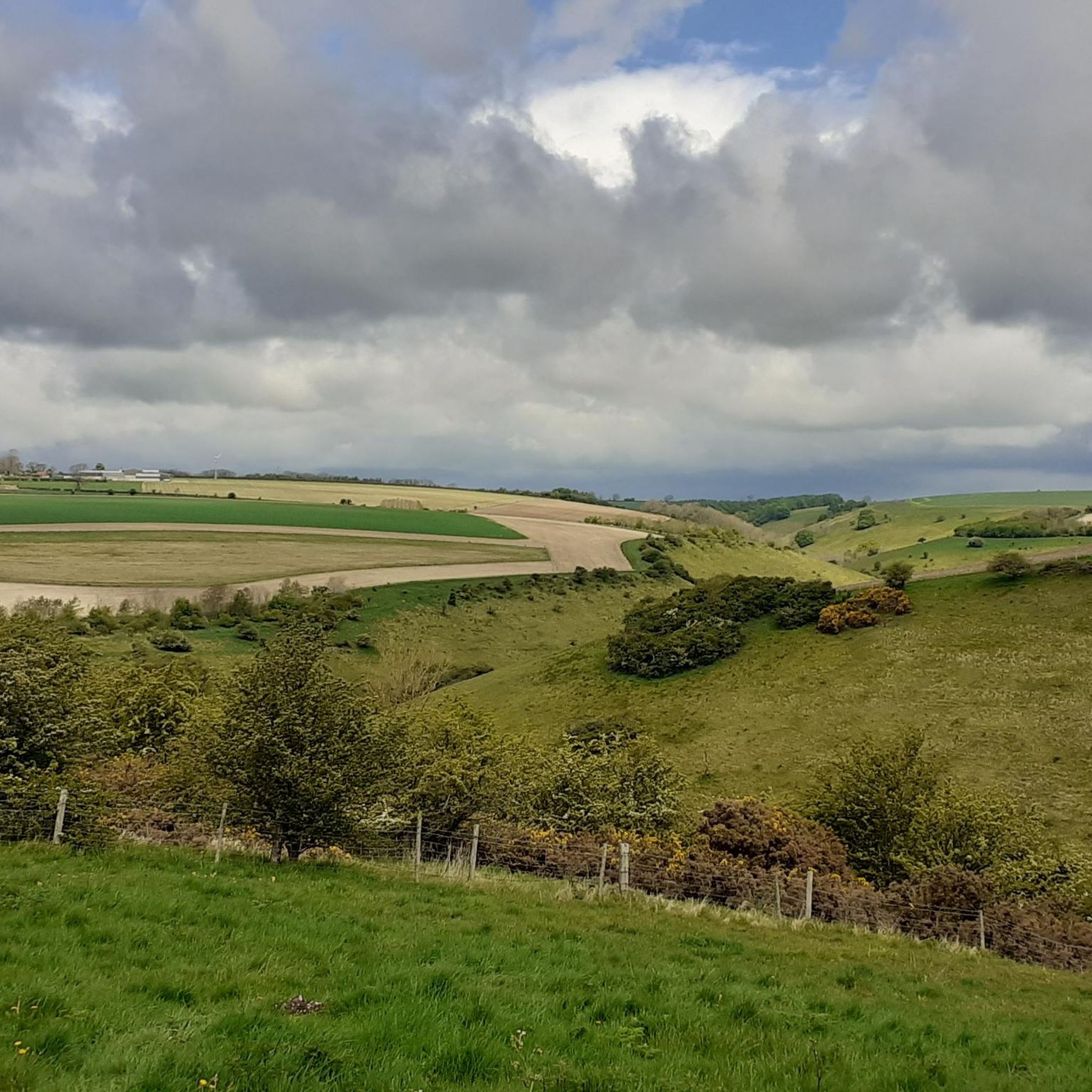
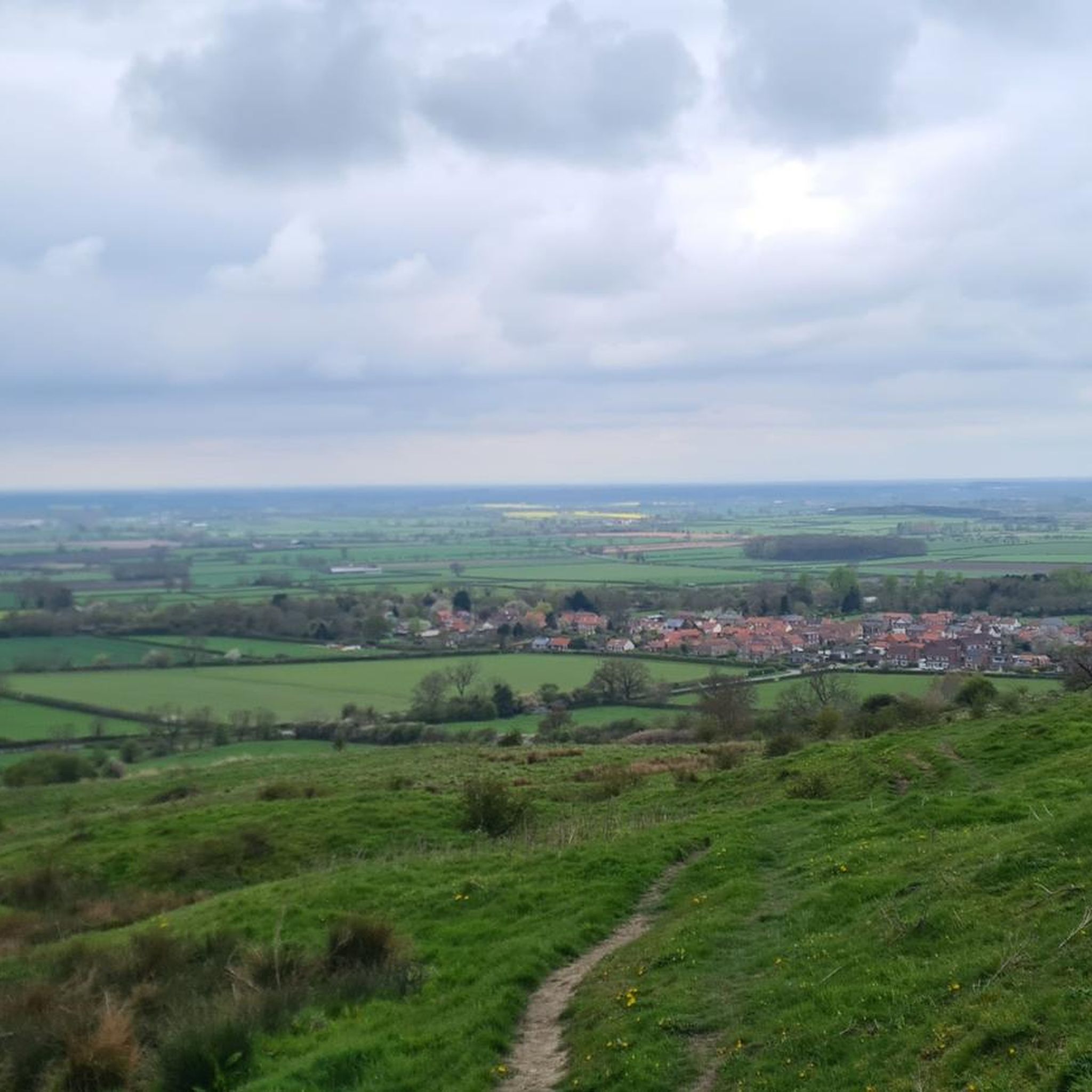
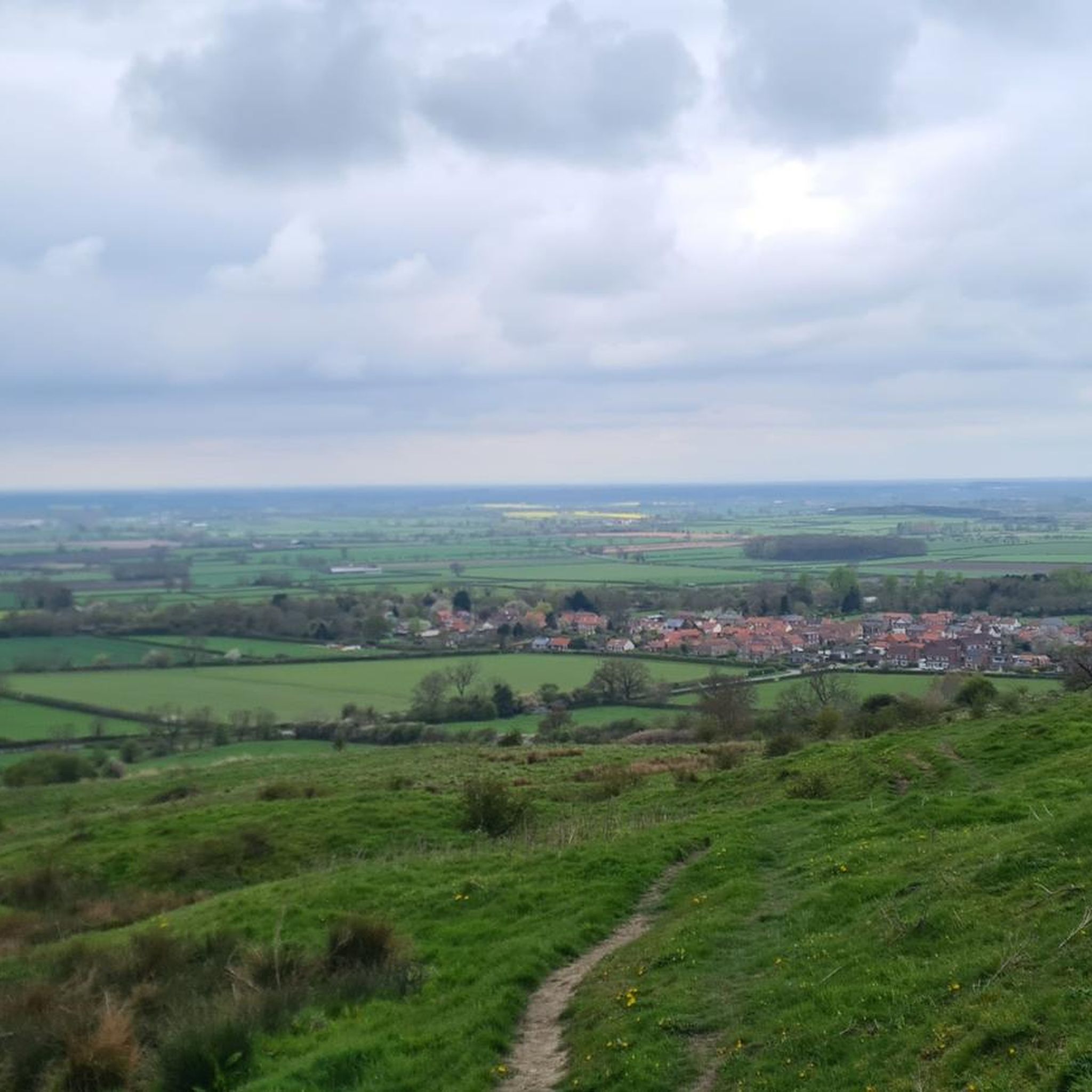
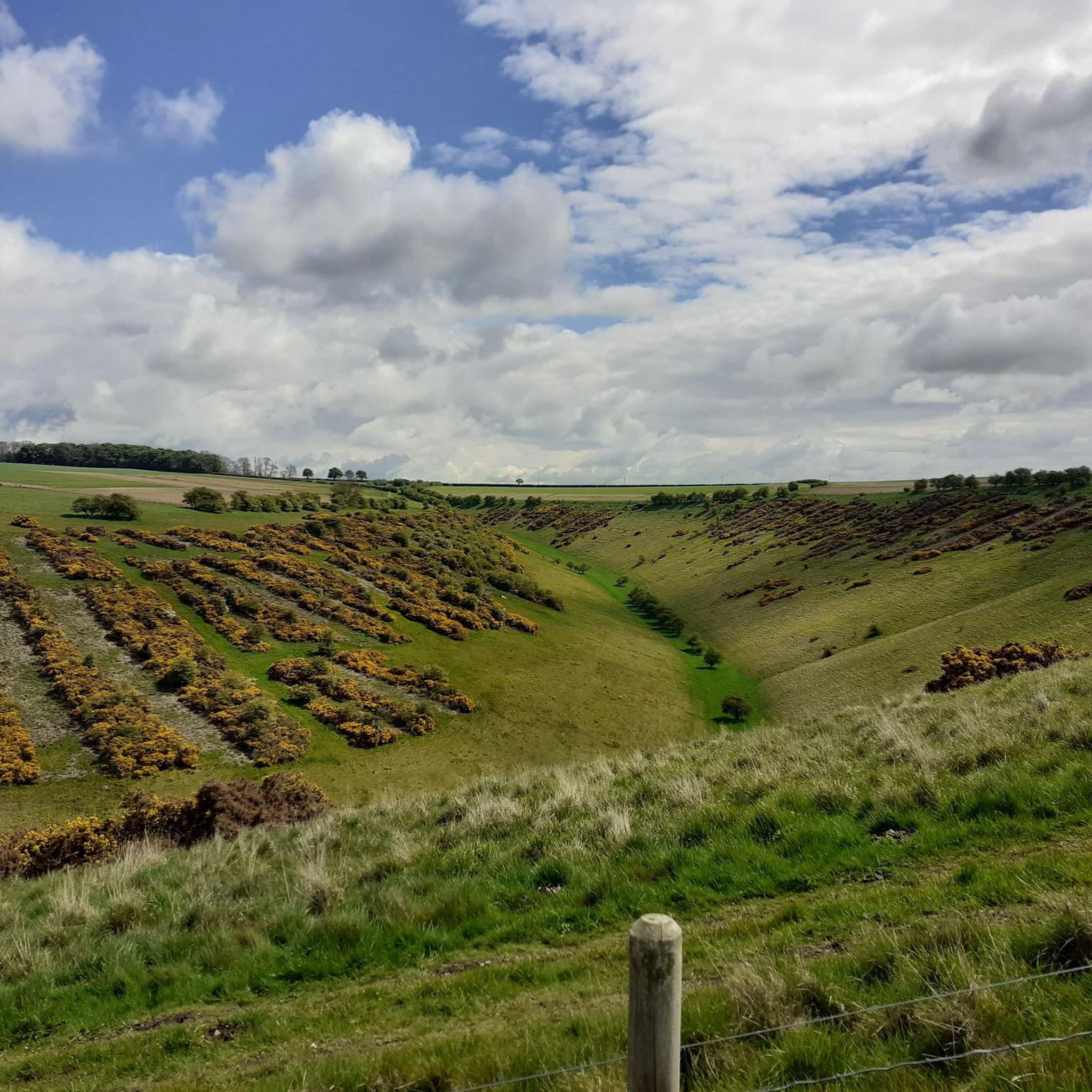
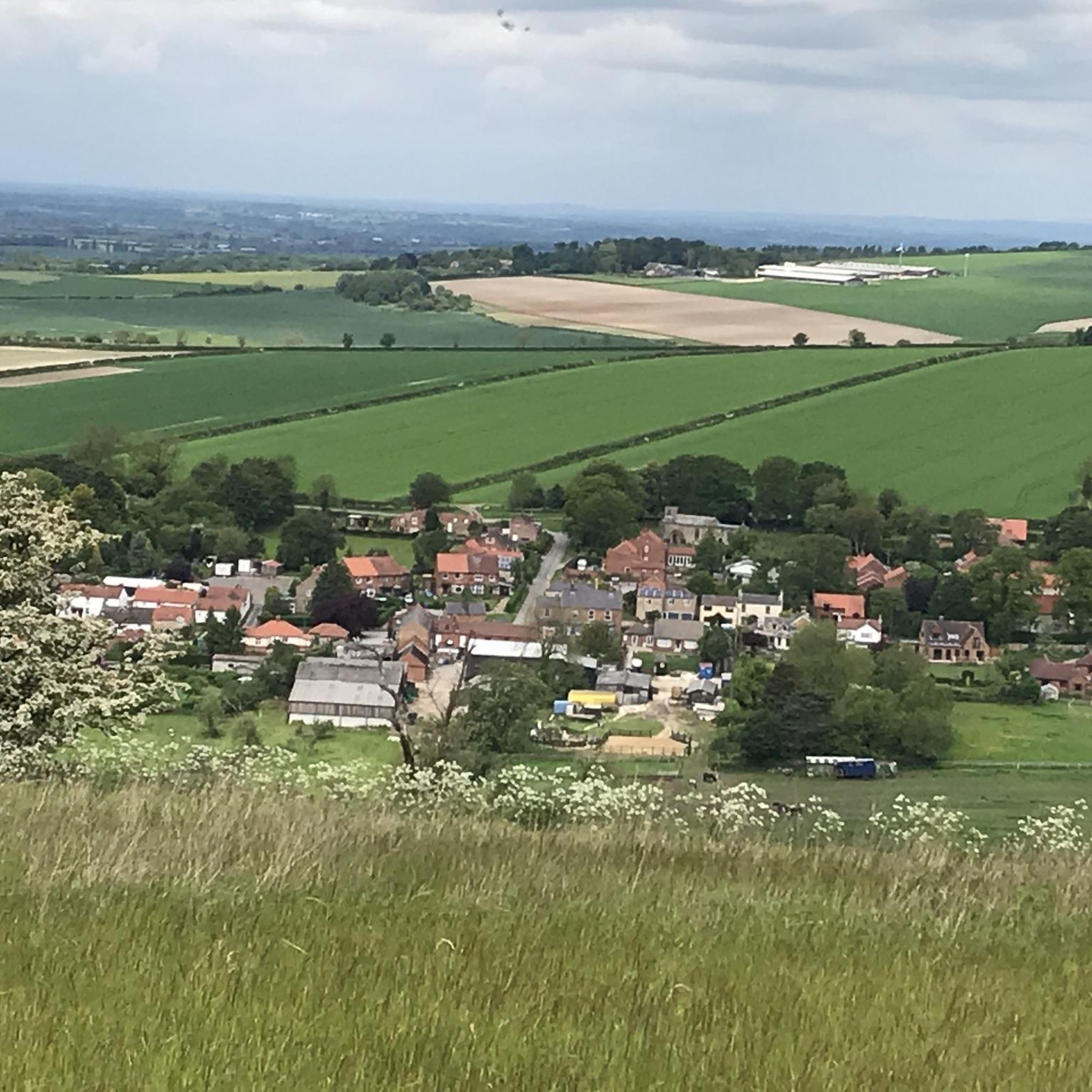
Tips from the Community

The oldest surviving cast-iron railway bridge of its kind in Britain, dating back to 1847. - The last train crossed the viaduct on 27 November 1965, after which the line was closed and the structure fell into disuse. By 1991, its condition had deteriorated so badly that East Yorkshire Borough Council planned to demolish it, estimating costs at £60,000. Thanks to local protests and rail heritage campaigners, the demolition was halted. The viaduct was restored and now forms part of the Sustrans National Cycle Network, preserving its legacy for public enjoyment.
0
0
A beautiful rural canal of two halves, the upper reaches of the Pocklington Canal between Canal Head and Melbourne is characterised by un-restored locks, tree lined towpaths, and classic humpbacked bridges. Only the lower reaches of the canal is open to boats, lying in an open landscape of floodplains and meadows, rich in wildlife, and identifiable by its distinctive swing bridges. Once threatened, the canal was saved by the work of local volunteers and campaigners, and is now home to three Sites of Special Scientific Interest. Look out for Church Bridge and Swing Bridge No. 7 on the Pocklington Canal – both recently restored. Lots of history on wikipedia: https://en.wikipedia.org/wiki/Pocklington_Canal Maps (and other useful pages) on the Pocklington Canal Amenity Society website: https://www.pocklingtoncanalsociety.org/maps
2
0
Compact and picturesque parkland that used to be part of the Archbishop of York's manor of Everingham in 1086. As you cross the park you will find it hard to miss the slightly unusual arcaded deer shelter (see photos and https://historicengland.org.uk/listing/the-list/list-entry/1000924?section=official-list-entry)
1
0
Very quiet village, the church stands opposite a row of quaint cottages, and the whole vista is quite picturesque even in winter. Couple of interesting historical summaries of the church, detailing the Anglo Danish cross head can be found at https://www.nationalchurchestrust.org/church/all-saints-londesborough , https://www.megalithic.co.uk/article.php?sid=31124
1
0

This is a beautiful rural canal that stretches 9.5 miles (15 km) between East Cottingwith and Canal Head. The canal path is lined with trees and passes by numerous original locks and elegant humpbacked bridges. It's a delightful stretch of walking – truly.
1
0
This impressive old railway viaduct that spans over the River Derwent is built from beautiful red brick and consists of 15 arches. Once a vital link for the railway connecting York and Market Weighton, this structure stands as the largest remaining remnant of that historic railway line. Today, it has transformed into a tranquil and traffic-free crossing, offering a picturesque vantage point to admire the waterway below.
1
0

The field to the north east of the road is the site of the Battle of Stamford Bridge on 25/09/1066, a turning point in English history. It was here that King Harold of England defeated the Viking King Harald Harada and Harold's own brother Tostig. This resulted in the end of the Viking era in England, such was the loss of life. Though from here, King Harold and his men had to march to Hastings on the south coast of England to meet William of Normandy who was challenging Harold's ascension to the throne. Harold's exhausted and much depleted men were defeated at the Battle of Hastings and Harold killed. This lead to the Norman Conquest of England. The Battle of Stamford Bridge is depicted in the Bayeux Tapestry. There are monuments to the Battle of Stamford Bridge in the village and on the site of battle at the end of Whiterose Drive.
0
0

Peaceful spot around the Shiptonthorpe area. Few benches around to sit and relax and take in the quietness.
0
0
Frequently Asked Questions
What historical sites can I explore around Yapham?
Yapham and its surroundings are rich in history. You can visit Battle of Stamford Bridge Memorial, commemorating a pivotal moment in English history. The village itself is home to St Martin's Church, a Grade II* listed building with parts dating back to 1777–78, and the Yapham Village Hall, originally an 1875 school. Nearby, All Saints Church, Londesborough, is a pretty church from the late 12th century. The Pocklington Canal also offers a historical journey with its original locks and humpbacked bridges.
Where can I experience the natural beauty and landscapes near Yapham?
The village is nestled within the peaceful East Yorkshire Wolds, offering scenic views and opportunities to appreciate the natural landscape. The Pocklington Canal, particularly its lower reaches, is known for its open landscape of floodplains and meadows, rich in wildlife, and designated as Sites of Special Scientific Interest. You can also find community green spaces like the Gravel Pit Allotment Association fields between Yapham and Meltonby.
Are there family-friendly attractions or activities in the Yapham area?
Yes, several attractions are suitable for families. The Stamford Bridge Railway Viaduct, now part of the Sustrans National Cycle Network, offers a traffic-free crossing with picturesque views. The Pocklington Canal provides lovely towpaths for walks, and its wildlife can be engaging for children. Londesborough Park Deer Shelter is located within a beautifully landscaped park, offering space for families to explore.
What walking or hiking opportunities are available near Yapham?
Yapham is a great base for walks. You can find various hiking routes, from easy to difficult, exploring the East Yorkshire Wolds and local paths. For example, there are easy routes like the Minster Way – The Nookers Rest loop from Millington (4.9 km) or the Woodland Path with Bluebells – Mile Café Pocklington loop from Pocklington (7.2 km). More challenging options include the Huggate, Horse Dale & Sylvan Dale loop from Millington (22.2 km). You can find more details on these and other routes in the Hiking around Yapham and Easy hikes around Yapham guides.
Are there cycling routes around Yapham?
Yes, the area offers several cycling opportunities. The Stamford Bridge Railway Viaduct is part of the Sustrans National Cycle Network, providing a traffic-free section. You can also find routes like The Balloon Tree Café – View of Wheat Fields loop from Fangfoss (48.7 km) or the Clark's Cafe – View of Wheat Fields loop from Bolton (25.5 km). Explore more options in the Cycling around Yapham guide.
What unique or lesser-known landmarks are worth visiting near Yapham?
Beyond the well-known sites, consider visiting the Londesborough Park Deer Shelter. This unusual arcaded structure is set within a picturesque parkland that was once part of the Archbishop of York's manor. It offers a glimpse into historical estate design and a tranquil atmosphere away from more crowded spots.
What local community initiatives or points of interest are there in Yapham?
Yapham has a strong community spirit. The Yapham Village Hall, originally a school from 1875, continues to serve as a central hub. The Gravel Pit Allotment Association, formed in 2009, transformed an old gravel pit into community allotments, showcasing local initiative. Additionally, the Yapham Cricket Club, with a history spanning almost a century, is a notable local institution that has played continuously through significant historical periods.
What is the significance of the <a href="https://www.komoot.com/highlight/6316330" target="_blank" rel="noopener">Stamford Bridge Railway Viaduct</a>?
The Stamford Bridge Railway Viaduct is an impressive structure with 15 red brick arches, spanning the River Derwent. It's the largest remaining remnant of a historic railway line that connected York and Market Weighton. Built in 1847, it includes one of the oldest surviving cast-iron railway bridges of its kind in Britain. After being saved from demolition, it was restored and now forms a key part of the Sustrans National Cycle Network, preserving its legacy for public enjoyment.
Can I learn about the Domesday Book history in Yapham?
Yes, Yapham has a direct connection to the Domesday Book. The village is mentioned in the Domesday Book of 1086 as "Iapun," indicating its long history. The nearby hamlet of Meltonby, part of the Yapham parish, is also recorded as "Meltebi" in the Domesday Book, with its "by" ending suggesting a Danish origin. These references highlight the area's ancient roots and historical significance.
What is special about the <a href="https://www.komoot.com/highlight/1422106" target="_blank" rel="noopener">Pocklington Canal</a>?
The Pocklington Canal is a beautiful rural waterway stretching 9.5 miles (15 km). It's characterized by tree-lined towpaths, original locks, and humpbacked bridges. The canal is divided into two distinct halves: the upper reaches with un-restored locks and the lower reaches, open to boats, featuring an open landscape rich in wildlife and designated as Sites of Special Scientific Interest. It was saved by local volunteers and campaigners, preserving its historical and ecological value.
Are there any religious buildings of historical note in the area?
Yes, St Martin's Church in Yapham is a small village church with significant historical value, designated as a Grade II* listed building. Parts of it date back to a rebuilding in 1777–78. Additionally, All Saints Church, Londesborough, is a pretty church dating to the late 12th century, retaining many original features and holding a Grade I-listing.
Most popular attractions around Yapham

Get inspired with the komoot mobile app


Explore more
Still not found the Highlight you’re looking for? See guides of the top attractions in other regions:
