The best cycling routes around Carnaby
4.3
(86)
873
riders
94
rides
Touring cycling routes around Carnaby offer a diverse landscape for riders. The region features a mix of coastal paths, rural roads, and gentle inland climbs. Terrain includes stretches along the North Sea coastline, agricultural fields, and small villages. The area provides varied cycling experiences, from flat seaside routes to more undulating paths further inland.
Best touring cycling routes around Carnaby
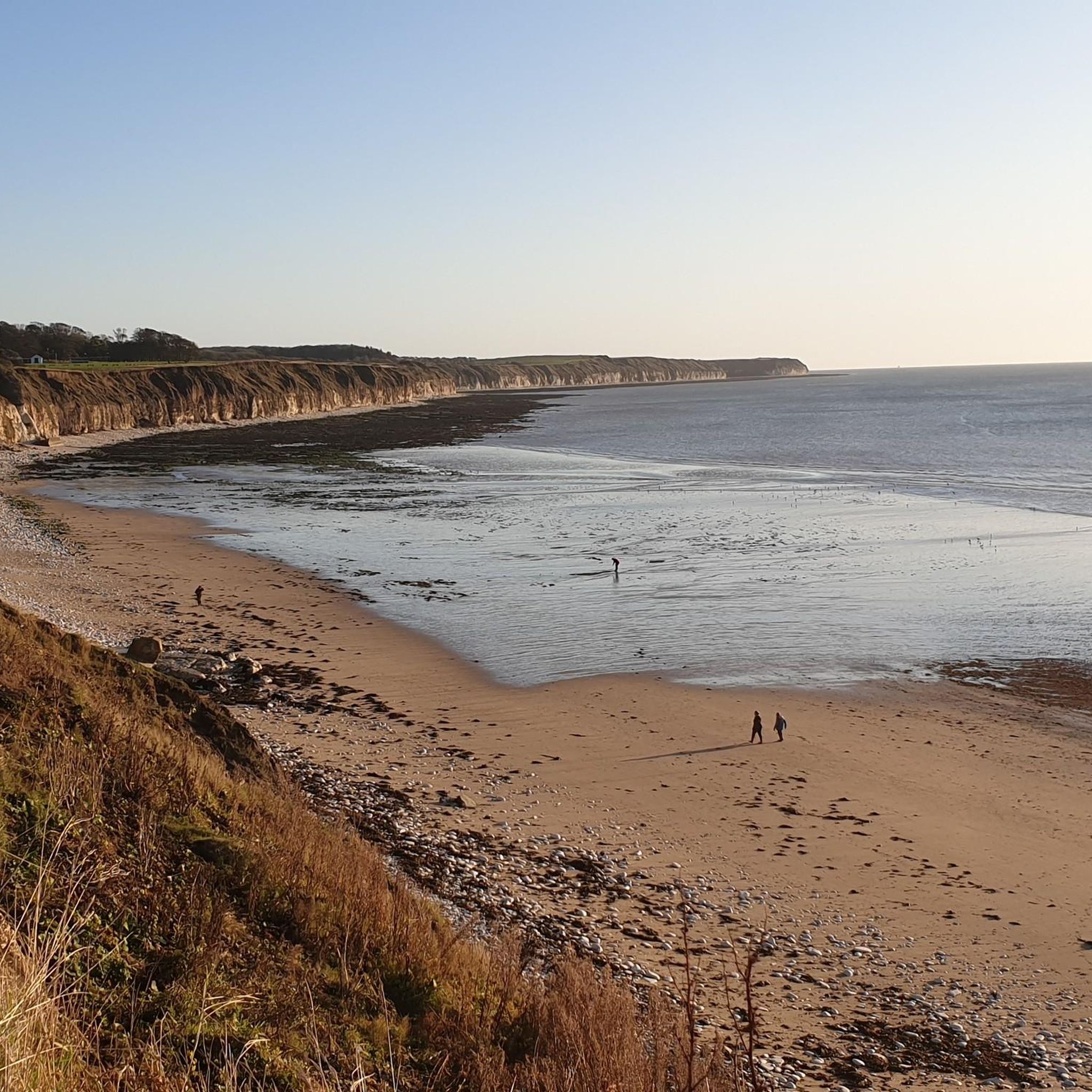
- The most popular touring cycling route is Flamborough Head, Hunmanby & Staxton loop from Bridlington, a 49.2 miles (79.2 km) trail that takes 4 hours 50 minutes to complete. This route explores coastal scenery and passes through several villages.
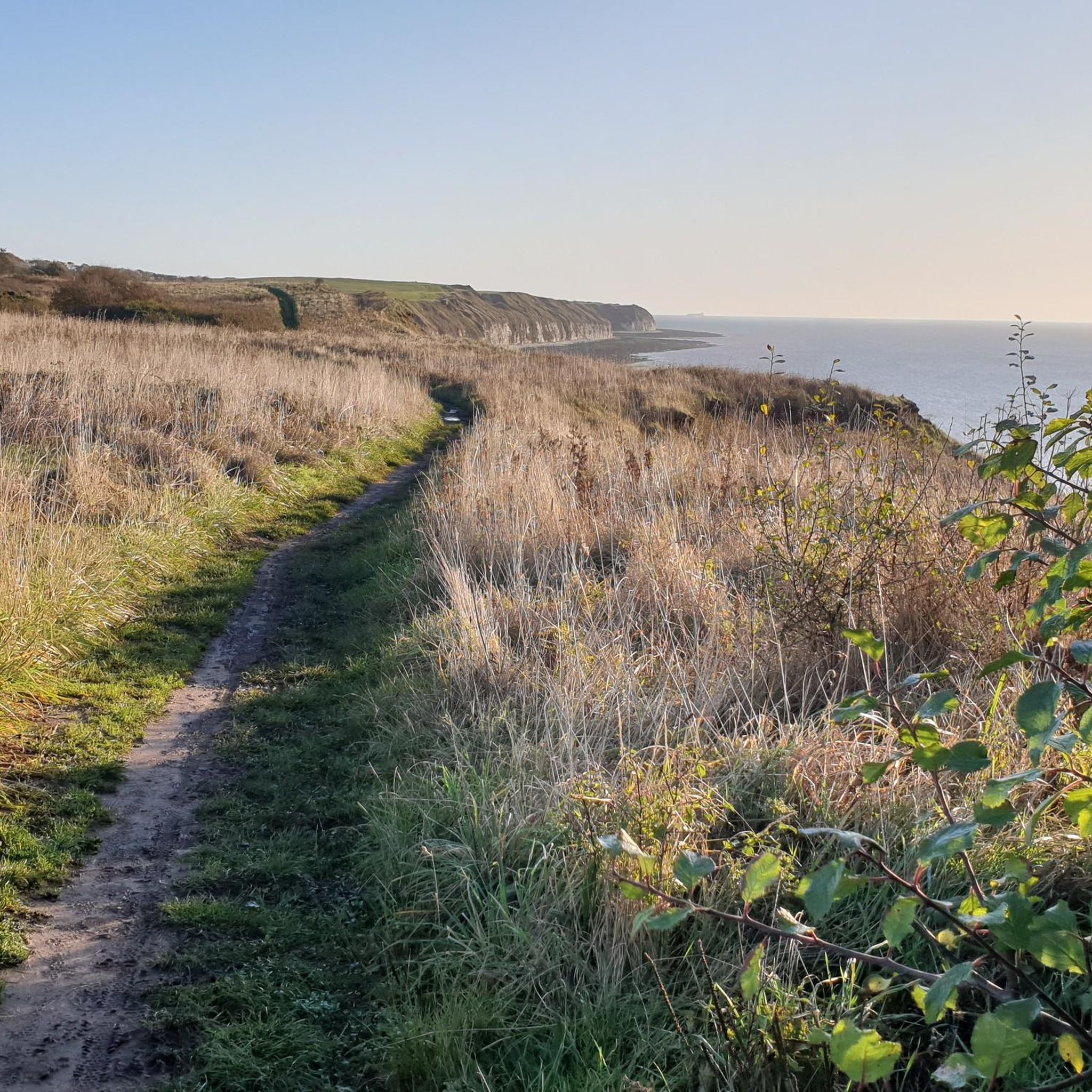
- Another top favourite among local touring cyclists is Burton Agnes Hall and Gardens – Railway Crossing loop from Bridlington, a moderate 36.7 miles (59.1 km) path. This trail navigates rural landscapes, passing by a historic stately home and agricultural areas.
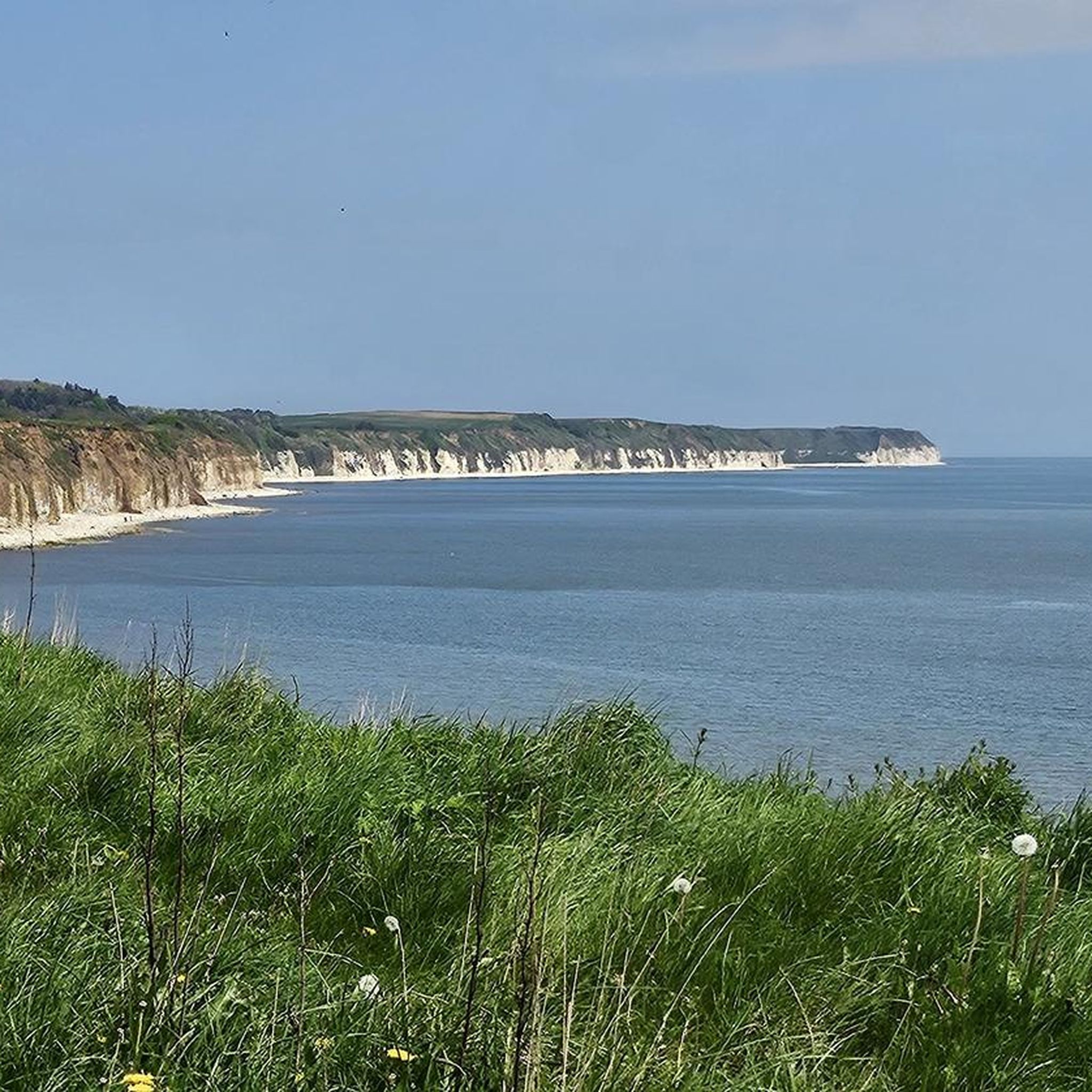
- Local touring cyclists also love the Flamborough Lighthouse – Seaside Bike Path loop from Bridlington, a 16.1 miles (25.9 km) trail leading through coastal scenery, often completed in about 1 hour 33 minutes.
- Touring cycling around Carnaby is defined by coastal paths, rural roads, and gentle hills. The network offers options for easy, moderate, and difficult routes, catering to various ability levels.
- The routes in Carnaby are highly rated by the komoot community with an average score of 4.3 stars from over 80 reviews. More than 800 touring cyclists have used komoot to explore Carnaby's varied terrain.
Last updated: June 25, 2026
79.2km
04:50
590m
590m
Hard bike ride. Very good fitness required. Mostly paved surfaces. Suitable for all skill levels.
4.2
(5)
80
riders
59.9km
03:35
300m
300m
Moderate bike ride. Good fitness required. Mostly paved surfaces. Suitable for all skill levels.

Sign up for free
3.9
(8)
59
riders
25.9km
01:33
160m
160m
Moderate bike ride. Good fitness required. Mostly paved surfaces. Suitable for all skill levels.
4.7
(3)
21
riders
53.2km
03:12
380m
380m
Moderate bike ride. Good fitness required. Mostly paved surfaces. Suitable for all skill levels.
22
riders
26.8km
01:37
180m
180m
Moderate bike ride. Good fitness required. Mostly paved surfaces. Suitable for all skill levels.
Get access to more routes and recommendations from other explorers.
Sign up for free
Already have an account?
Our route recommendations are based on thousands of hikes, rides, and runs completed by other people on komoot.
Start today with a free account
Your next adventure awaits.
Login or Signup
Tips from the Community

A beautiful old mansion with a unique interior and a lovely garden. There's also a good café next door. Ideal for a stop.
0
0

Nice snack hut. Coffee and cake a must
0
0

It's really cool that you go past the old lighthouse en route to the new one!
0
0

Lots of parking, very quiet in winter, and cracking routes along the south and north of Flamborough Head. Take the north route past North Landing and Thornwick Bay, much more scenic than the southerly route.
2
0

The Rudston monolith is the tallest prehistoric standing stone in Britain, measuring almost 8 metres high, nearly 2 metres wide, a metre thick and estimated to weigh somewhere in the region of a massive 26 tons. This giant block of grey sandstone or gritstone was errected here either in the late Neolithic or early Bronze Age and is thought to have been quarried more than 10 miles away in the Cayton Bay area south of Scarborough, although the glacial transportation of a large block of stone that was then shaped and utilised by the prehistoric residents of the area cannot be ruled out. The top of the stone has been weathered and eroded into a fluted peak similar to the stones of the Devil's Arrows and a lead cap was first added to try to preserve it in the 18th century. The churchyard of All Saints that it stands in is of course much younger and although the christianisation of the site took place around 1100AD the stone had already stood here for at least 3000 years. The monolith stands close to the Gypsey Race, an occasional stream that flows along the floor of the Great Wold Valley from close to the barrow of Duggleby Howe in the east, past another pair of barrows at Wold Newton and Willie Howe before turning south past the Argham Henge and Cursus down to Rudston itself where it bends sharply and heads eastwards to the sea at Bridlington. The whole of the Gypsey Race landscape was obviously important in prehistoric times and holds a rich selection of sites, most of which have been destroyed or badly damaged by ploughing, including many round barrows, several long barrows, four cursuses and at least one henge. It continued to retain its importance into the historic period - a major Roman villa was discovered to the southwest of Rudston village. In the corner of the churchyard is a much smaller stone presumably brought here from a local barrow and also the remains of a double cist that was removed from a nearby barrow on Rudston Beacon by the antiquarian Canon Greenwell in the late 19th century.
0
0
The old lighthouse, Flamborough, although never used, is in good condition and represents a unique survival of a 17th century monument lighthouse in England in an unaltered state. There is good historical data on its conception and construction, giving insights into the maritime economy of the period. The lighthouse was completed in 1674 by Sir John Clayton and George Blake and was made with brilliant white chalk. The duo were granted patents from Charles II to build 3 other lighthouses along the East coast including one on the Farne Islands, however, there is no evidence on the Farnes to suggest that a lighthouse was built at this time. A beacon may have been placed on Prior Castell's Tower in lieu of an actual lighthouse. it is believed that a fire may have burned in a metal basket hung from the top of the building, though there is no evidence that there was ever a fire lit. It worked as a daymark too and can be seen all along the coastline at Flamborough Head and by ships passing on the North Sea. Ships that passed in the 17th century were required to pay a tax to the architects of the lighthouse to pay for the light, however the tax was voluntary so not surprisingly many mariners refused to pay and this led to John Clayton becoming bankrupt and the end of the lighthouse. The lighthouse was given another life in the 1840s and was used by local man George Mainprize to transmit semaphore messages to passing vessels and possibly to the fort at nearby Bridlington. Now it is a grade II listed building and it opens to the public on various days during the summer months. There is usually no access inside the tower, and there is a friendly warning about flying golf balls if you dare to trespass on the Flamborough Head Golf Course.
0
0
A great stop whatever your mode of transport. A cafe at the lighthouse which offers hot and cold food and drink. Ice creams also are in high demand here so you'll not go without a classic seaside ice cream. There's public toilets for anyone needing a convenience break. Beautiful views over the cliffs and over the bay. Popular with kayaks and paddleboards, along with seals & birds.
0
0
Frequently Asked Questions
How many touring cycling routes are available in Carnaby?
Carnaby offers a diverse selection of nearly 100 touring cycling routes. These routes cater to various skill levels, with 28 easy, 59 moderate, and 10 difficult options, ensuring there's a suitable ride for every cyclist.
Are there easy touring cycling routes suitable for beginners in Carnaby?
Yes, Carnaby has 28 easy touring cycling routes perfect for beginners or those looking for a relaxed ride. These often feature flatter terrain, such as coastal paths or quiet rural roads, providing a gentle introduction to the area's scenery.
What kind of scenery can I expect on Carnaby's touring cycling routes?
The touring cycling routes around Carnaby offer a mix of coastal paths, rural roads, and gentle inland climbs. You'll experience stretches along the North Sea coastline, agricultural fields, and charming small villages. Expect views of the dramatic cliffs, expansive beaches, and the rolling countryside of East Yorkshire.
What attractions or points of interest can I visit along the touring cycling routes?
Many touring cycling routes in Carnaby pass by interesting attractions. You could explore the dramatic cliffs and seabird colonies at RSPB Bempton Cliffs Nature Reserve, discover the historic Smugglers' Caves at Thornwick Bay, or enjoy the vibrant atmosphere of Bridlington Harbour. Some routes also lead past Danes Dyke Beach and Chalk Cliffs.
What do other cyclists say about touring cycling in Carnaby?
The touring cycling routes in Carnaby are highly rated by the komoot community, with an average score of 4.3 stars from over 80 reviews. Cyclists often praise the diverse terrain, from scenic coastal paths to peaceful rural landscapes, and the variety of routes available for different abilities.
Can I find circular touring cycling routes around Carnaby?
Yes, many of Carnaby's touring cycling routes are circular, allowing you to start and finish at the same point. For example, the Burton Agnes Hall and Gardens – Railway Crossing loop from Bridlington offers a moderate ride through rural landscapes, while the Flamborough Lighthouse – Seaside Bike Path loop from Bridlington provides a coastal experience.
Are there places to stop for refreshments like cafes or pubs on the routes?
Given the mix of coastal towns and small villages along the routes, you'll find various opportunities to stop for refreshments. Bridlington, Flamborough, and other villages often have cafes, pubs, and shops where you can refuel during your ride.
What is the best time of year for touring cycling in Carnaby?
The best time for touring cycling in Carnaby is generally from late spring to early autumn (May to September). During these months, the weather is typically milder and drier, making for more pleasant riding conditions. The coastal scenery is particularly vibrant in summer.
Are there challenging touring cycling routes for experienced riders in Carnaby?
Yes, for experienced riders seeking a challenge, Carnaby offers 10 difficult touring cycling routes. An example is the Flamborough Head, Hunmanby & Staxton loop from Bridlington, which covers nearly 50 miles and includes significant elevation changes, exploring coastal scenery and inland villages.
Is public transport accessible for reaching touring cycling routes in Carnaby?
Carnaby itself is a small village, but nearby Bridlington serves as a hub with train and bus connections. Many touring cycling routes start or pass through Bridlington, making it a convenient access point for those using public transport. Check local bus and train schedules for specific route access.
Are there parking options available near the touring cycling routes?
Yes, if you're driving to the area, parking is generally available in key starting points like Bridlington and other coastal towns or larger villages. Look for designated car parks, especially near popular attractions or trailheads. Always check local signage for parking restrictions and fees.
Are there any routes that offer opportunities to see wildlife?
Absolutely. The coastal routes, particularly those near RSPB Bempton Cliffs Nature Reserve and Flamborough Head, are excellent for wildlife spotting. You can observe thousands of seabirds, including puffins, gannets, and kittiwakes, especially during nesting season. Inland routes might offer glimpses of local birdlife and small mammals in the agricultural landscapes.
Are there any less-known or 'hidden gem' touring cycling routes in Carnaby?
While popular routes like the Flamborough loops are well-loved, exploring some of the 28 easy or 59 moderate routes that venture further inland can reveal quieter, less-trafficked paths. These often wind through charming hamlets and offer a more serene cycling experience away from the main coastal attractions, such as the Seaside Bike Path – Flamborough Lighthouse loop from Bridlington which offers a different perspective.
Most popular routes around Carnaby
Most popular attractions around Carnaby

Get inspired with the komoot mobile app


Explore more
Browse the best Cycling routes in other regions.
