The best road cycling routes around Hatfield
4.2
(36)
1,250
riders
140
rides
Road cycling routes around Hatfield offer a diverse landscape for cyclists of varying abilities. The region features a mix of traffic-free paths, historic parklands, and scenic riverbanks. Cyclists can explore routes with gentle ascents through ancient woodlands and along the River Lea. The terrain includes well-paved surfaces suitable for all fitness levels, alongside connections to the National Cycle Network.
Best road cycling routes around Hatfield
- The most popular road cycling route is National Byway - Holderness Loop, a 56.9…
Last updated: August 25, 2026
7
riders
91.6km
04:17
210m
210m
Moderate road ride. Good fitness required. Mostly well-paved surfaces and easy to ride.
9
riders
75.9km
03:10
230m
230m
Moderate road ride. Good fitness required. Mostly well-paved surfaces and easy to ride.

Sign up for free
1.0
(1)
21
riders
41.4km
01:58
110m
110m
Easy road ride. Great for any fitness level. Mostly well-paved surfaces and easy to ride.
4.0
(1)
11
riders
57.2km
02:25
160m
160m
Moderate road ride. Good fitness required. Some segments of this route may be unpaved and difficult to ride.
7
riders
71.8km
02:57
220m
220m
Moderate road ride. Good fitness required. Mostly well-paved surfaces and easy to ride.
Get access to more routes and recommendations from other explorers.
Sign up for free
Already have an account?
Our route recommendations are based on thousands of hikes, rides, and runs completed by other people on komoot.
Start today with a free account
Your next adventure awaits.
Login or Signup
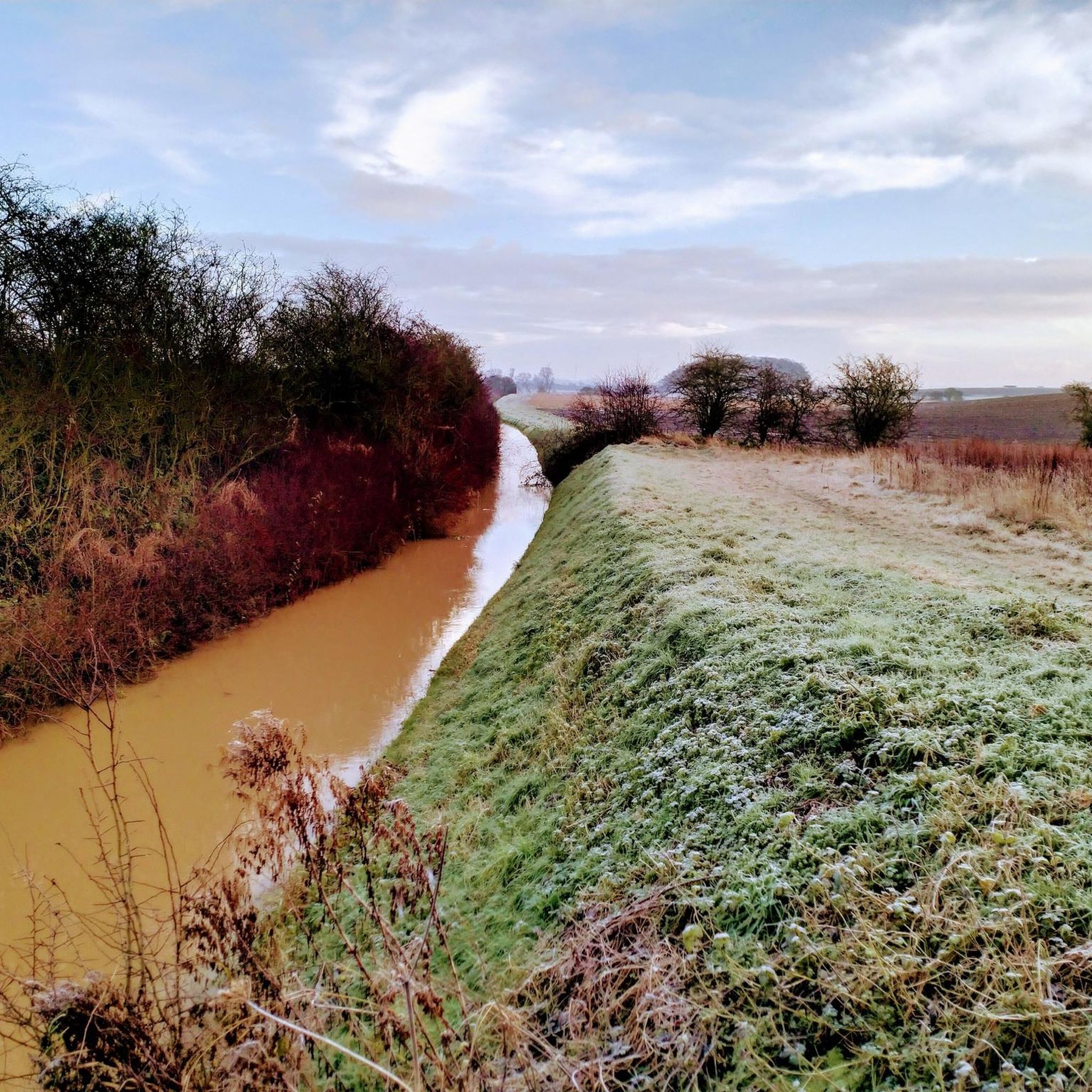
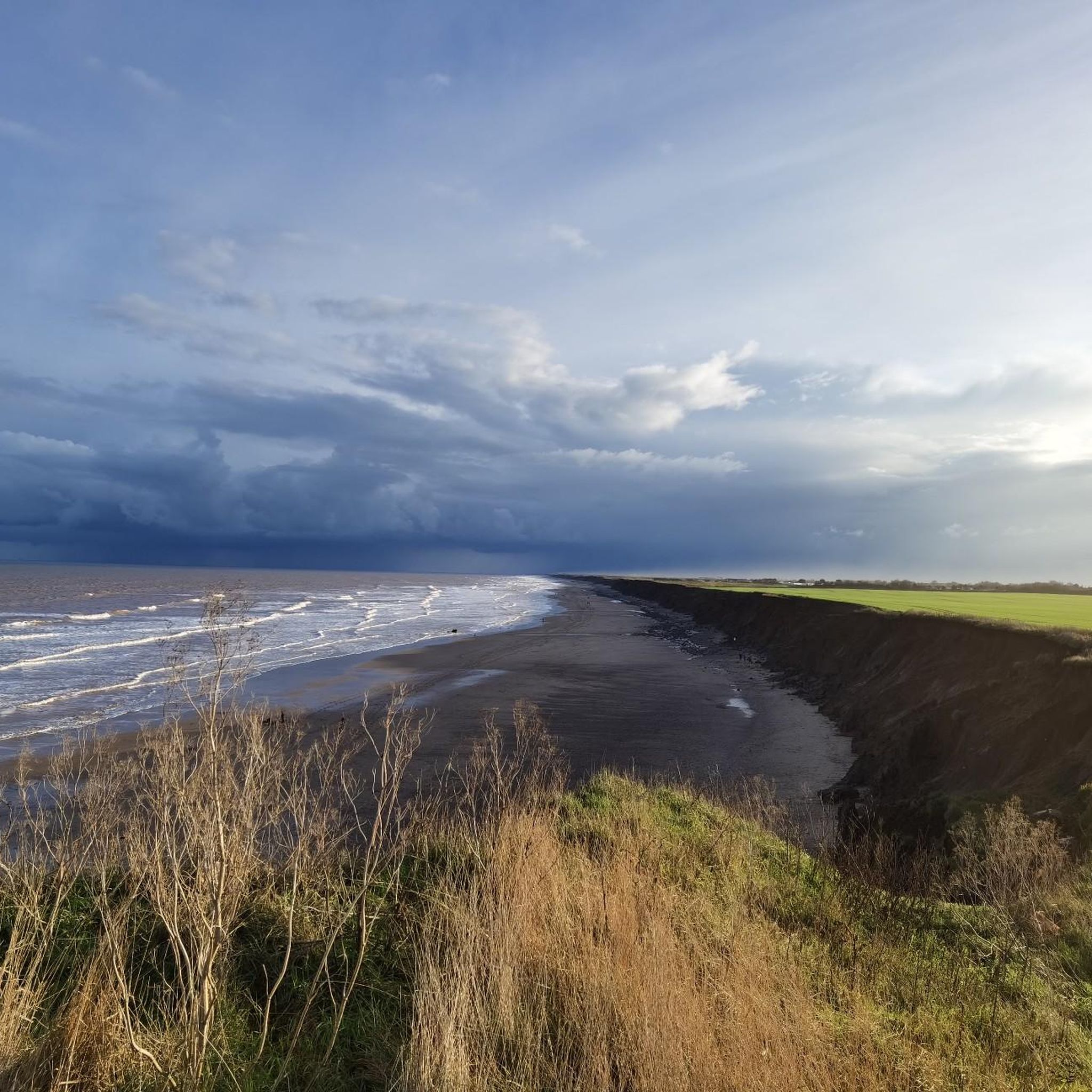
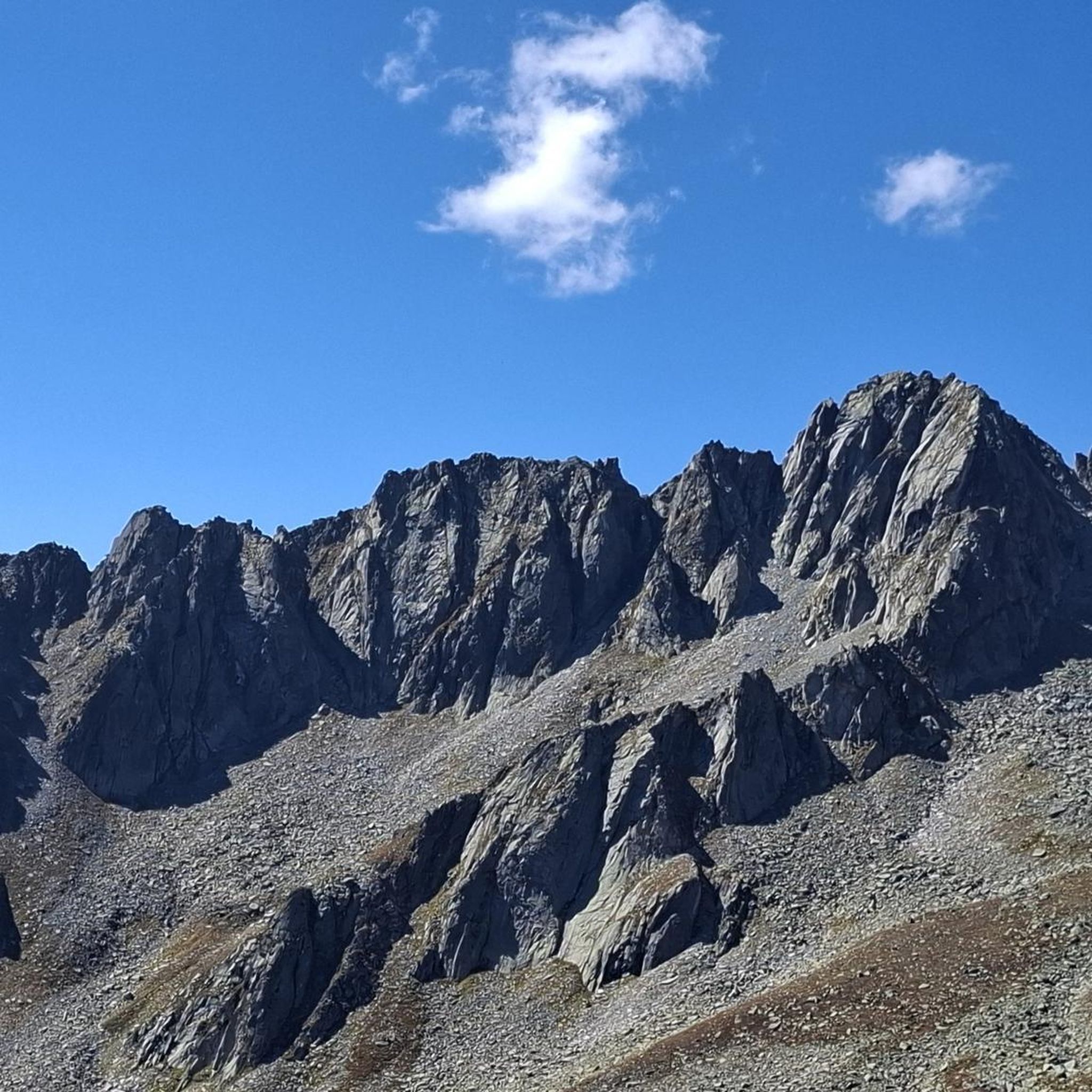
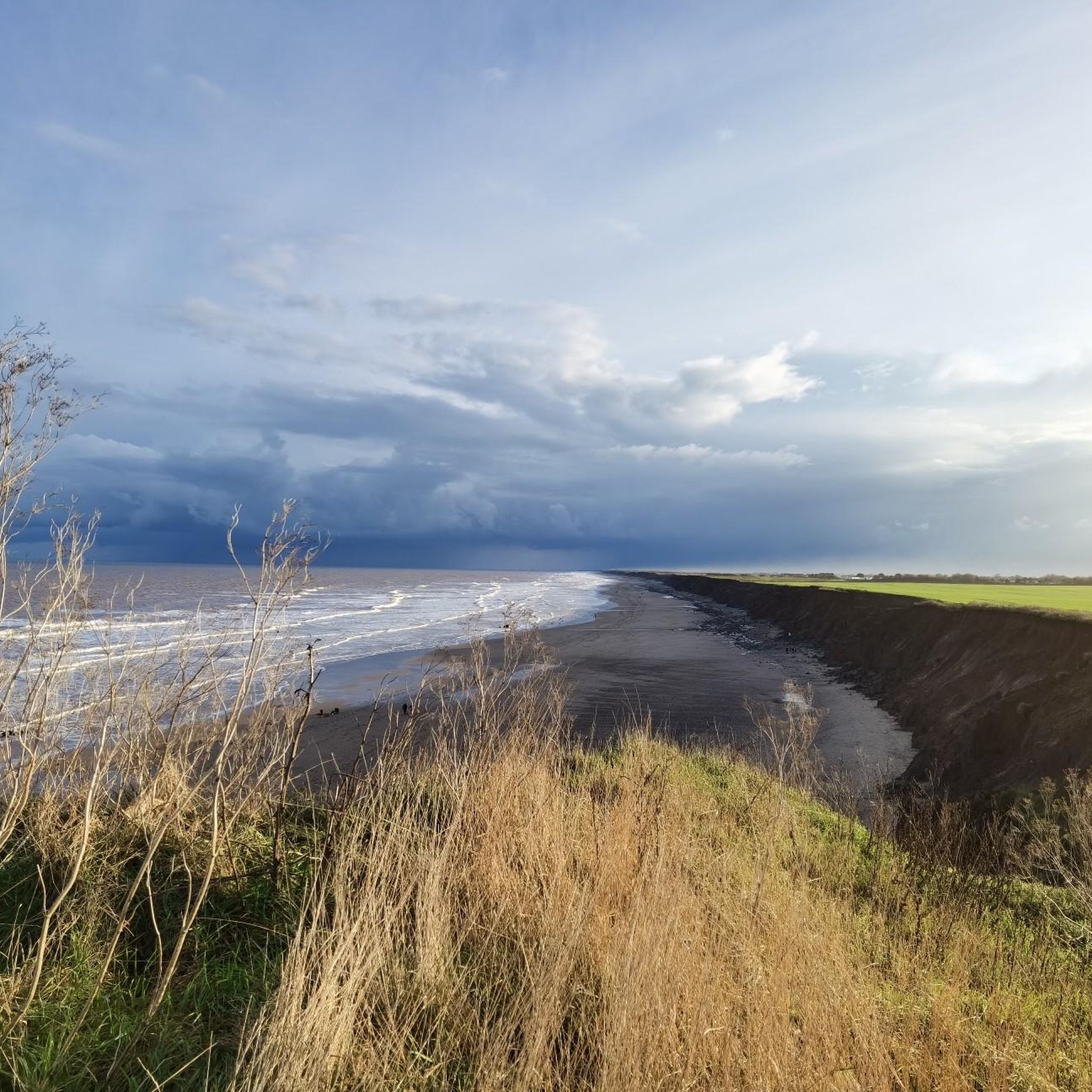
Tips from the Community


The old railway station building was derelict until 1987 - now a private residence and looks spectacular. Few information boards in the open area in front of the building.
1
0
The Hull to Hornsea railway line, developed by local timber merchant Joseph Armytage Wade, opened in 1864. It was built to serve the Holderness Plain and boost Hornsea's growth as a seaside resort. The railway lasted 100 year and was closed to passengers in 1964.
1
0
Sigglesthorne railway station had unusual staggered platforms, positioned on opposite sides of a level crossing. The site is now a private residence, but both of the original staggered platforms survive, as does the goods dock.
1
0

I have bought a state caravan, cycling weekly and carried a spared battery extremely miles on the train tracks.
0
0

Lovely sea view. Bit rough at times, at least a hybrid bike
0
0

An ancient church dating back to the 12th Century. Apparently there is a huge slab inside the gate that once was an alter.
0
0

Frequently Asked Questions
How many road cycling routes are available in Hatfield?
Hatfield offers a wide selection of road cycling routes, with over 140 options to explore. These routes cater to various abilities, including 57 easy, 88 moderate, and 1 challenging route, ensuring there's something for every cyclist.
What kind of terrain can I expect on road cycling routes around Hatfield?
Road cycling around Hatfield features diverse terrain, from well-paved, traffic-free paths like the Alban Way to routes with gentle ascents through historic parklands and along scenic riverbanks. You'll find a mix of flat sections and mild climbs, suitable for various fitness levels.
Are there any family-friendly road cycling options in Hatfield?
Yes, the region offers several family-friendly options. The Alban Way, a traffic-free route connecting St Albans to Hatfield, is particularly suitable due to its mostly flat, tarmac surface. It's part of the National Cycle Network and ideal for all types of bikes and ages.
What are some notable landmarks or attractions I can see while road cycling in Hatfield?
Many routes in Hatfield pass by significant landmarks and natural features. You can cycle towards the historic Hatfield House, explore ancient woodlands, or ride along the River Lea. Other attractions include the Hornsea Rail Trail, Burton Constable Hall, and the scenic Mappleton Cliffs.
What do other road cyclists enjoy the most about road cycling in Hatfield?
The road cycling routes in Hatfield are highly rated by the komoot community, with an average score of 4.5 stars from over 30 reviews. Cyclists often praise the region's diverse terrain, the mix of historic parklands and scenic riverbanks, and the well-maintained paths that offer enjoyable rides for all abilities.
Are there any circular road cycling routes in Hatfield?
Yes, Hatfield offers several circular road cycling routes. For example, the National Byway - Holderness Loop is a popular 56.9-mile circular route, and the Withernsea & Burton Constable Hall loop from Hornsea offers a moderate 47.1-mile ride with scenic views.
What is the best time of year to go road cycling in Hatfield?
Hatfield's road cycling routes can be enjoyed throughout much of the year. The well-paved surfaces and traffic-free paths like the Alban Way make cycling pleasant even in less favorable weather. Spring and autumn offer comfortable temperatures and beautiful scenery, while summer provides longer daylight hours.
Are there challenging road cycling routes for experienced riders in Hatfield?
While many routes are easy to moderate, Hatfield does offer some options for more experienced riders seeking a challenge. The region features routes with gentle climbs and longer distances, such as the View of Mappleton Beach – Hornsea Mere loop from Hornsea, which covers 65.5 miles with an elevation gain of over 300 meters.
Can I access road cycling routes in Hatfield using public transport?
Hatfield is well-connected, and many cycling routes, particularly those integrated into the National Cycle Network like the Alban Way, are accessible via public transport. Check local train and bus services for routes that accommodate bicycles or have stations near trailheads.
Are there any routes that connect to the National Cycle Network in Hatfield?
Yes, Hatfield benefits from its connection to the National Cycle Network. Routes like the Alban Way are part of this network, offering traffic-free or quiet road cycling opportunities. Sections of National Route 57 (the Ayot Greenway) and National Route 61 (the Cole Green Way) are also accessible in the area.
Where can I find parking for road cycling routes in Hatfield?
Many road cycling routes in Hatfield have designated parking areas at their starting points or along their paths. For routes that pass through towns or near attractions like Hatfield House, public car parks are generally available. It's advisable to check specific route details for parking information.
Are there any natural features or wildlife corridors to look out for while cycling?
Absolutely. Hatfield's routes often traverse ancient woodlands and riverbanks, providing scenic backdrops. The Alban Way, for instance, serves as a wildlife corridor, offering opportunities to spot various plants, birds, and mammals. You might also encounter the tranquil Stanborough Lakes on some routes.
Most popular attractions around Hatfield

Get inspired with the komoot mobile app


Explore more
Browse the best Road cycling routes in other regions.
