Attractions and Places To See around East Garton - Top 13
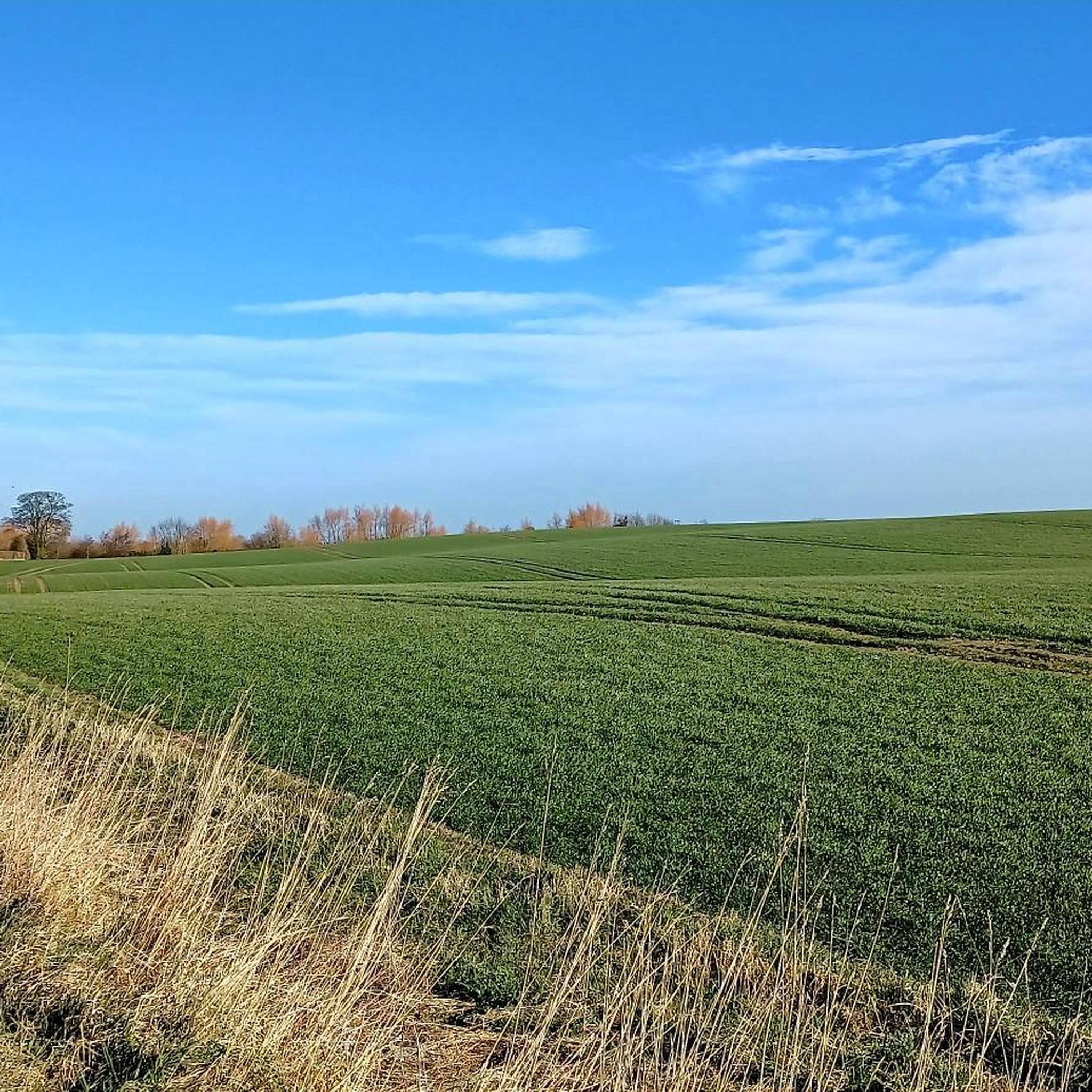
Best attractions and places to see around East Garton, a civil parish in the East Riding of Yorkshire, offer a blend of rural tranquility and coastal features. The area is characterized by rolling fields, farmland, and its proximity to the North Sea Coast, featuring steep cliffs. Notable landmarks include historic churches and significant properties like Grimston Garth, alongside natural features such as woodland and open landscapes. This region provides opportunities to explore historical sites and natural beauty.
Best attractions and…
Last updated: June 24, 2026
Hornsea Rail Trail
Highlight (Segment) • Cycleway
Tip by

Trans Pennine Trail: Old Hull to Hornsea Railway Line
Highlight • Historical Site
Tip by

Sign up now to discover places like this
Get recommendations on the best single tracks, peaks, & plenty of other exciting outdoor places.
Sign up for free
Burton Constable Hall
Highlight • Historical Site
Tip by

Withernsea Pier Entrance Towers
Highlight • Monument
Tip by

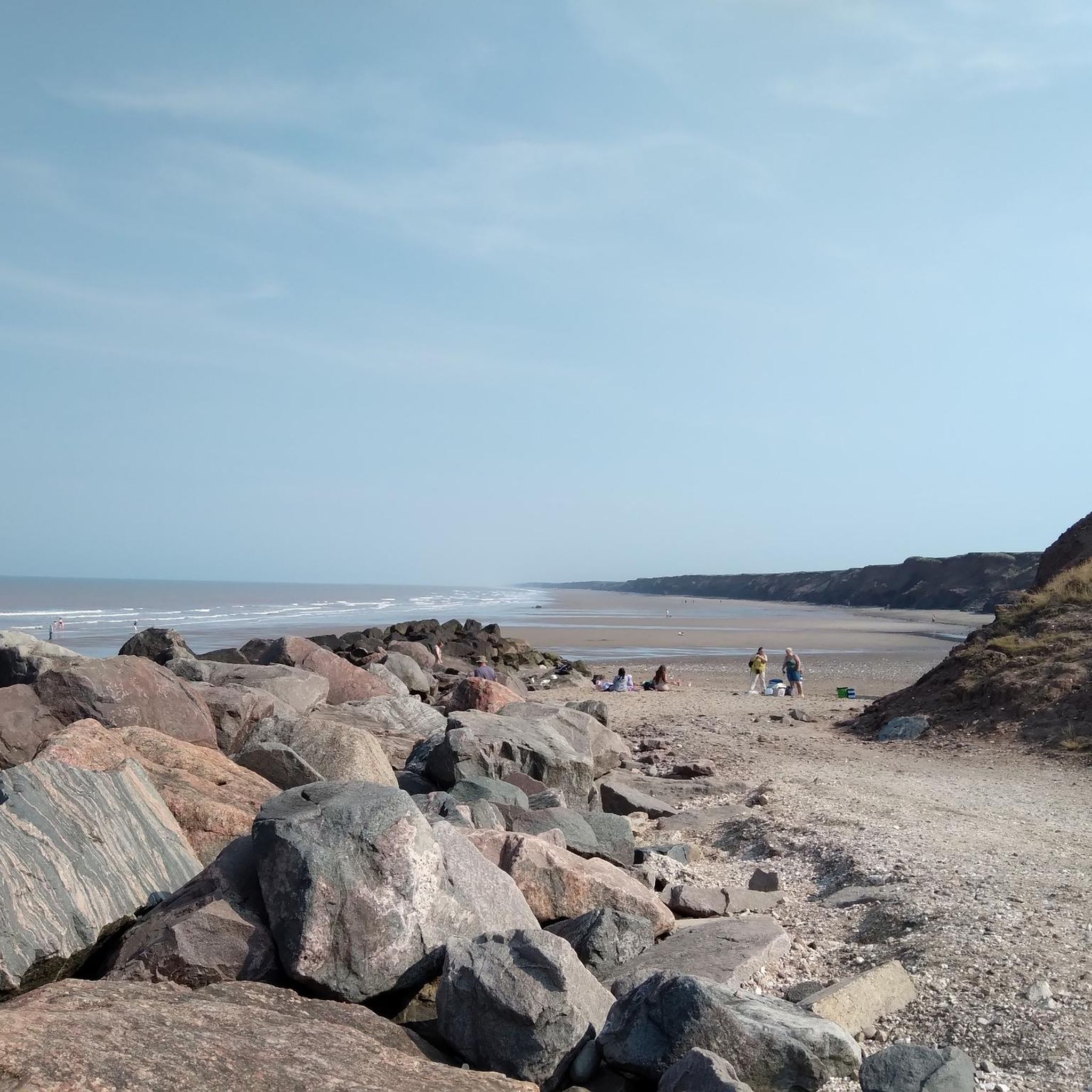
Mappleton Cliffs and Coastal Erosion
Highlight • Natural Monument
Tip by

Sign up for free to discover even more attractions around East Garton.
Sign up for free
Already have an account?
Start today with a free account
Your next adventure awaits.
Login or Signup

Tips from the Community

This is the site of Skirlaugh Rail Station, which closed to passengers on May 6, 1957, but remained in use for goods traffic until November 11, 1963. The platforms are visible alongside the rail trail.
1
0

The new Withernsea pier: technological feat and popular success Despite some damage during its construction, the 1,196-feet-long pier was completed by August 1877. Built entirely out of iron, except for the brick entrance and wooden decking, the pier used the new technology of screw piles, which were driven deep into the ground. Seating was provided along the full length of the pier and a saloon and hall for entertainment was situated at the pier head. The entrance to the pier consisted of two castellated towers, rumoured to be based on Conwy Castle in Wales. Storm damage and tragic loss of life On 28 October 1880, a devastating storm erupted which caused damage to many of Yorkshire’s piers. Withernsea Pier suffered twice when it was hit by two storm-damaged vessels. T The second vessel to hit the pier was the brig Saffron, which tore a 200-foot hole through its centre before coming to rest nearby. The Saffron had been part of a flotilla of ships which had set out from the Humber, journeying northwards. Around Flamborough Head, the wind increased rapidly to a storm force gale. The fleet was at the mercy of the elements. The pier had only just been repaired when it was damaged again on 28 March 1882, the pier head being destroyed along with the saloon above it. The pier was not repaired, but the remaining sections continued in use. The series of disasters was relentless, and on 20 October 1890, the Grimsby fishing smack Genesta hit the pier, destroying over half its length and leaving just over 300 feet remaining. Two years later even this was destroyed, when another vessel, the Henry Parr (formerly the Dido) rammed into it at the height of another storm. The remains of Withernsea pier: a landmark and memorial The history of the pier at Withernsea is both tragic and yet in some ways inspiring. The two entrance towers have survived all the devastation around them. They are a well-loved landmark in the town, even if many visitors are totally unaware that they once formed a part of a pier. They also act as a memorial to those sailors who perished in the seas around it.
0
0

Good stopping point for lunch on your way to Hornsea.
0
0

Just be respectful of caravan residents and farm animals especially in spring when there's an abundance of sheep either lambing or caring for there young
1
0

The old railway line from Hull to Hornsea which is now repurposed as the Trans Pennine Trail. A traffic free trail where you can enjoy the sights and sounds of the quintessential British countryside.
1
0

Don't forget the cafe in the old Post Office here at Mappleton. Great cakes, lovely people, garden as well as inside space. Composting toilet to boot!
1
0
Always stop at the big house for a well earned rest natter and either a cuppa from the cafe or from a flask outside at the gates plenty of cakes and coffee well worth a visit free to enter the cafe
0
0

Burton Constable Hall is a Grade I listed Elizabethan Mansion. It is open to the public, as well as its grounds which were designed by Capability Brown. It is a popular day out in the area with its cafe, Stable Kitchen, free to visit. The most unique exhibit at Burton Constable Hall has to be the skeleton of a sperm whale, which was stranded on the coast at Tunstall in 1825. It is said that the whale inspired Herman Melville, the author of Moby Dick, published in 1851.
0
0
Frequently Asked Questions
What historical sites can I visit in and around East Garton?
East Garton and its surroundings offer several historical sites. You can explore the magnificent St Michael's Church, Garton, a Grade 1 listed building with parts dating back to the 12th century. Another significant historical site is Burton Constable Hall, an Elizabethan Mansion with grounds designed by Capability Brown, featuring a unique sperm whale skeleton exhibit. The Trans Pennine Trail: Old Hull to Hornsea Railway Line also offers a glimpse into the region's past, with visible remnants of old railway stations.
Are there any natural features or scenic viewpoints to explore near East Garton?
Yes, the area boasts several natural features. The North Sea Coast adjoins East Garton, characterized by steep cliffs and boulder clay. You can witness this at Mappleton Cliffs and Coastal Erosion, one of the fastest eroding coastlines in the UK, offering fascinating geological insights and a viewpoint. The grounds of Grimston Garth also contain one of the only substantial areas of woodland along the Holderness Coast. The parish itself is largely composed of open fields and farmland, providing tranquil rural views.
What cycling opportunities are available around East Garton?
East Garton is well-suited for cycling, particularly along repurposed railway lines. The Hornsea Rail Trail, part of the Trans Pennine Trail, is a popular cycle way. While flat, sections can have a poor surface, making it more suitable for mountain or gravel bikes than road bikes. For more cycling options, you can explore various routes, including those for road cycling and touring, by visiting the Cycling around East Garton guide.
Are there family-friendly attractions in the East Garton area?
Absolutely. Burton Constable Hall is a family-friendly destination, offering extensive grounds to explore and a cafe. The Withernsea Pier Entrance Towers, located on the beachfront, are also considered family-friendly, providing a historical landmark with views of the coast. Westfield Country Park in Fitling offers lodges and is another point of interest for families.
Where can I find walking or running trails near East Garton?
The area offers several trails for walking and running. The Trans Pennine Trail: Old Hull to Hornsea Railway Line is a traffic-free path, primarily under shade, perfect for enjoying the British countryside. For a wider selection of routes, including various difficulties, you can check the Running Trails around East Garton guide.
What is the significance of Grimston Garth?
Grimston Garth is a historically significant property near the coast, once the seat of the Grimston family. The house, built between 1781-1786, features a unique triangular plan and Castle Gothick style. While largely off-limits to the public, its grounds are notable for containing one of the only substantial areas of woodland along the Holderness Coast. The property also retains historical features like an icehouse, a ha-ha, and a walled kitchen garden.
Can I see evidence of coastal erosion near East Garton?
Yes, the East Garton area is part of the Holderness Coast, which is known for being one of the fastest eroding coastlines in the UK. You can observe this phenomenon firsthand at Mappleton Cliffs and Coastal Erosion, where the cliffs are made of soft boulder clay. The impact of coastal erosion is also visible at the south end of the beachfront from the Withernsea Pier Entrance Towers.
Are there any unique exhibits or features at Burton Constable Hall?
Beyond its stunning Elizabethan architecture and Capability Brown-designed grounds, Burton Constable Hall houses a truly unique exhibit: the skeleton of a sperm whale. This whale was stranded on the coast in 1825 and is said to have inspired Herman Melville's novel, Moby Dick.
What are the hamlets of Fitling and Grimston like?
Fitling and Grimston are small hamlets within the civil parish of East Garton, offering glimpses into traditional English village life. Fitling is a scattered hamlet of farms and cottages with historical ties to the Hospital of St John. Grimston, though tiny, is considered more historic than Garton itself and was once the location of the original Grimston Garth.
What kind of terrain can I expect on trails around East Garton?
The terrain around East Garton varies. The former railway lines, such as the Hornsea Rail Trail, are generally flat but can have poor surfaces in sections. The wider parish consists of rolling fields and farmland. Along the coast, you'll encounter steep cliffs made of boulder clay, as seen at Mappleton Cliffs, with shingle and sand beaches below.
Are there any cafes or places to eat near the attractions?
Yes, there are options for refreshments. Burton Constable Hall has a cafe, the Stable Kitchen, which is free to visit. Near Mappleton Cliffs, there's a cafe in the old Post Office, known for its cakes and friendly atmosphere.
What is the best way to experience the coastal areas near East Garton?
To best experience the coastal areas, consider visiting Mappleton Cliffs and Coastal Erosion for dramatic views of the cliffs and beach. You can also visit Withernsea, where the Pier Entrance Towers stand as a historical landmark on the beachfront, offering insights into the area's maritime past and the ongoing impact of coastal erosion.
Most popular routes around East Garton

Get inspired with the komoot mobile app


Explore more
Still not found the Highlight you’re looking for? See guides of the top attractions in other regions:
