The best road cycling routes around Easington
4.9
(19)
1,109
riders
24
rides
Road cycling routes around Easington in East Riding of Yorkshire are characterized by their coastal proximity and views of the Humber Estuary and North Sea. The area features a unique sand and shingle spit, offering distinct cycling experiences along its narrow roads. Inland, quiet country lanes traverse the rolling chalk hills of the Yorkshire Wolds, providing scenic views. The landscape offers a mix of flat coastal stretches and gentle ascents, suitable for various road cycling preferences.
Best road cycling routes…
Last updated: June 25, 2026
17
riders
Easy road ride. Great for any fitness level. Mostly well-paved surfaces and easy to ride.
20
riders
33.6km
01:24
100m
100m
Moderate road ride. Great for any fitness level. Some segments of this route may be unpaved and difficult to ride.

Sign up for free
16
riders
32.4km
01:20
50m
50m
Easy road ride. Great for any fitness level. Mostly well-paved surfaces and easy to ride.
10
riders
27.1km
01:06
100m
100m
Moderate road ride. Great for any fitness level. Some segments of this route may be unpaved and difficult to ride.
7
riders
44.7km
01:47
120m
120m
Easy road ride. Great for any fitness level. Mostly well-paved surfaces and easy to ride.
Get access to more routes and recommendations from other explorers.
Sign up for free
Already have an account?
Our route recommendations are based on thousands of hikes, rides, and runs completed by other people on komoot.
Start today with a free account
Your next adventure awaits.
Login or Signup


Tips from the Community


You can't go much further south on the Holderness peninsula than Easington (if you do, you'll get wet). The church dates to the Norman period, with a 12th-century north aisle and 13th-century south aisle. There are a 14th-century clerestory and west tower, and a 15th-century chancel. Set into the wall of the north aisle is a lovely Early English doorway that may have been brought here from Birstall (Burstall) Priory, perhaps when that monastery sank into the Humber River due to erosion. Some of the north nave windows are made using Saxon grave slabs and evidence of the Saxon carvings can easily be seen.
1
0
Kilnsea Wetlands is intended to provide refuge for passage and wintering roosting waders that leave the adjacent Humber mudflats at high tide to roost. Plenty of birdwatchers around, although some of the pools were dry when I visited in November.
2
0

The new Withernsea pier: technological feat and popular success Despite some damage during its construction, the 1,196-feet-long pier was completed by August 1877. Built entirely out of iron, except for the brick entrance and wooden decking, the pier used the new technology of screw piles, which were driven deep into the ground. Seating was provided along the full length of the pier and a saloon and hall for entertainment was situated at the pier head. The entrance to the pier consisted of two castellated towers, rumoured to be based on Conwy Castle in Wales. Storm damage and tragic loss of life On 28 October 1880, a devastating storm erupted which caused damage to many of Yorkshire’s piers. Withernsea Pier suffered twice when it was hit by two storm-damaged vessels. T The second vessel to hit the pier was the brig Saffron, which tore a 200-foot hole through its centre before coming to rest nearby. The Saffron had been part of a flotilla of ships which had set out from the Humber, journeying northwards. Around Flamborough Head, the wind increased rapidly to a storm force gale. The fleet was at the mercy of the elements. The pier had only just been repaired when it was damaged again on 28 March 1882, the pier head being destroyed along with the saloon above it. The pier was not repaired, but the remaining sections continued in use. The series of disasters was relentless, and on 20 October 1890, the Grimsby fishing smack Genesta hit the pier, destroying over half its length and leaving just over 300 feet remaining. Two years later even this was destroyed, when another vessel, the Henry Parr (formerly the Dido) rammed into it at the height of another storm. The remains of Withernsea pier: a landmark and memorial The history of the pier at Withernsea is both tragic and yet in some ways inspiring. The two entrance towers have survived all the devastation around them. They are a well-loved landmark in the town, even if many visitors are totally unaware that they once formed a part of a pier. They also act as a memorial to those sailors who perished in the seas around it.
0
0
Information board and photographs depicting some of Withernsea‘s Past
0
0

A sculpture of four of the plotters, including Guy Fawkes, erected to mark the defeat of the Gunpowder Plot in 1605, commemorating East Yorkshire's links to the Gunpowder Plot. Two of the conspirators, brothers John (Jack) and Christopher (Kit) Wright, were born in the village.
0
0
Although the Meridian crosses several roads on its short journey across East Yorkshire, only two B-roads are known to be marked. The plaque dates from 2000.
0
0
An inland lighthouse which stands in the middle of the town. It ceased operation on 1 July 1976 and is now used as a museum.
0
0
Frequently Asked Questions
How many road cycling routes are available around Easington?
There are over 25 road cycling routes around Easington, offering a mix of easy and moderate rides. These routes are designed for road bikes, taking you through coastal landscapes and quiet country lanes.
What kind of terrain can I expect on road cycling routes in Easington?
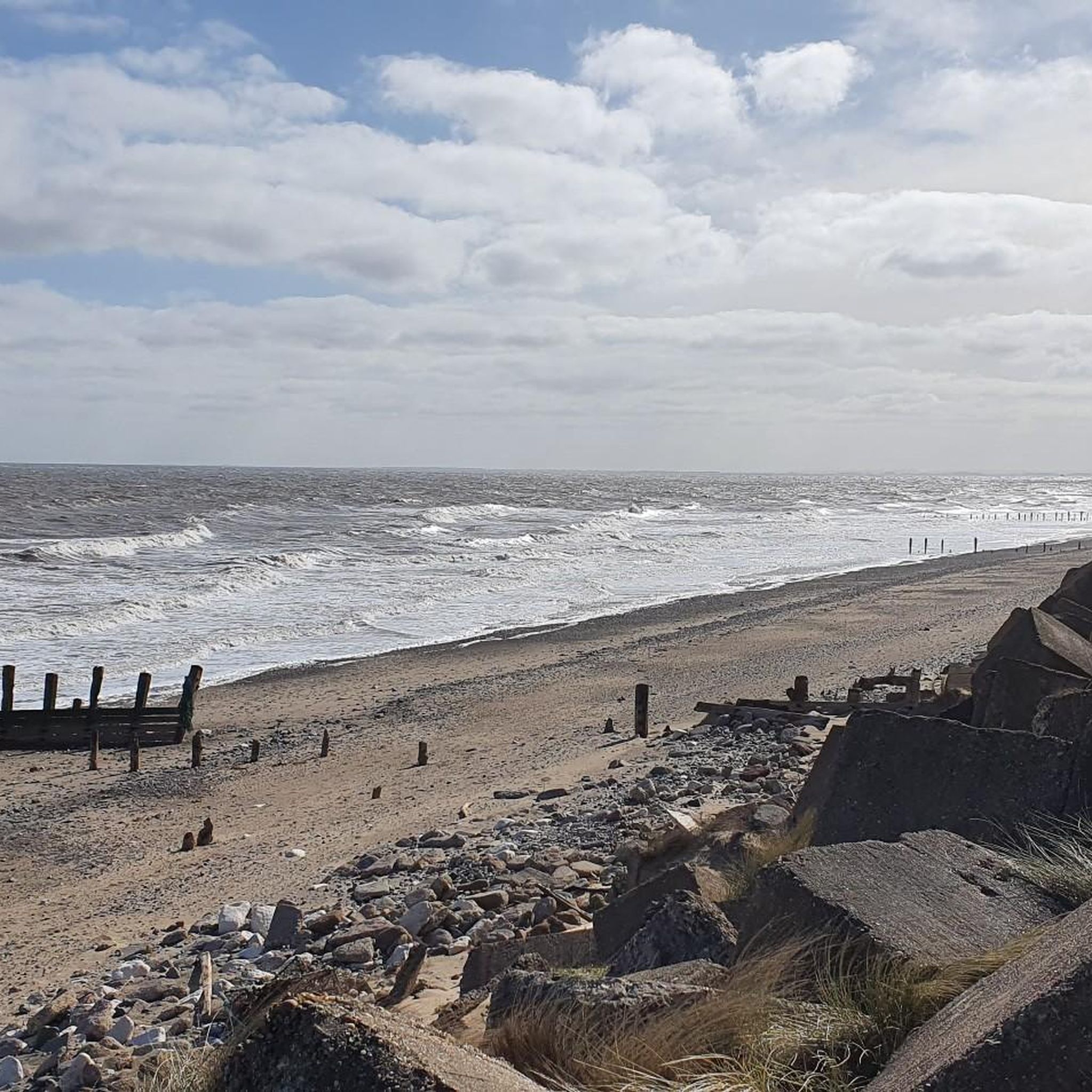
Road cycling in Easington features a diverse landscape. You'll find routes along the coast with views of the Humber Estuary and the North Sea, including unique stretches like the narrow road to Spurn Point. Inland, routes traverse the rolling chalk hills of the Yorkshire Wolds on quiet country lanes, offering scenic views and gentle ascents.
Are there any easy road cycling routes suitable for beginners in Easington?
Yes, Easington offers several easy road cycling routes. For instance, the View of the Humber Estuary – Withernsea Pier Towers loop from Kilnsea is an easy 43.2 km trail that provides expansive coastal views and is suitable for those new to road cycling in the area.
Are there any challenging road cycling routes around Easington?
While Easington's routes are generally easy to moderate, the longer distances and varied coastal conditions can offer a good challenge. Routes that venture further into the Yorkshire Wolds or explore the full length of Spurn Point, especially considering potential wind, can provide a more demanding ride.
What are some scenic viewpoints or landmarks I can see while road cycling in Easington?
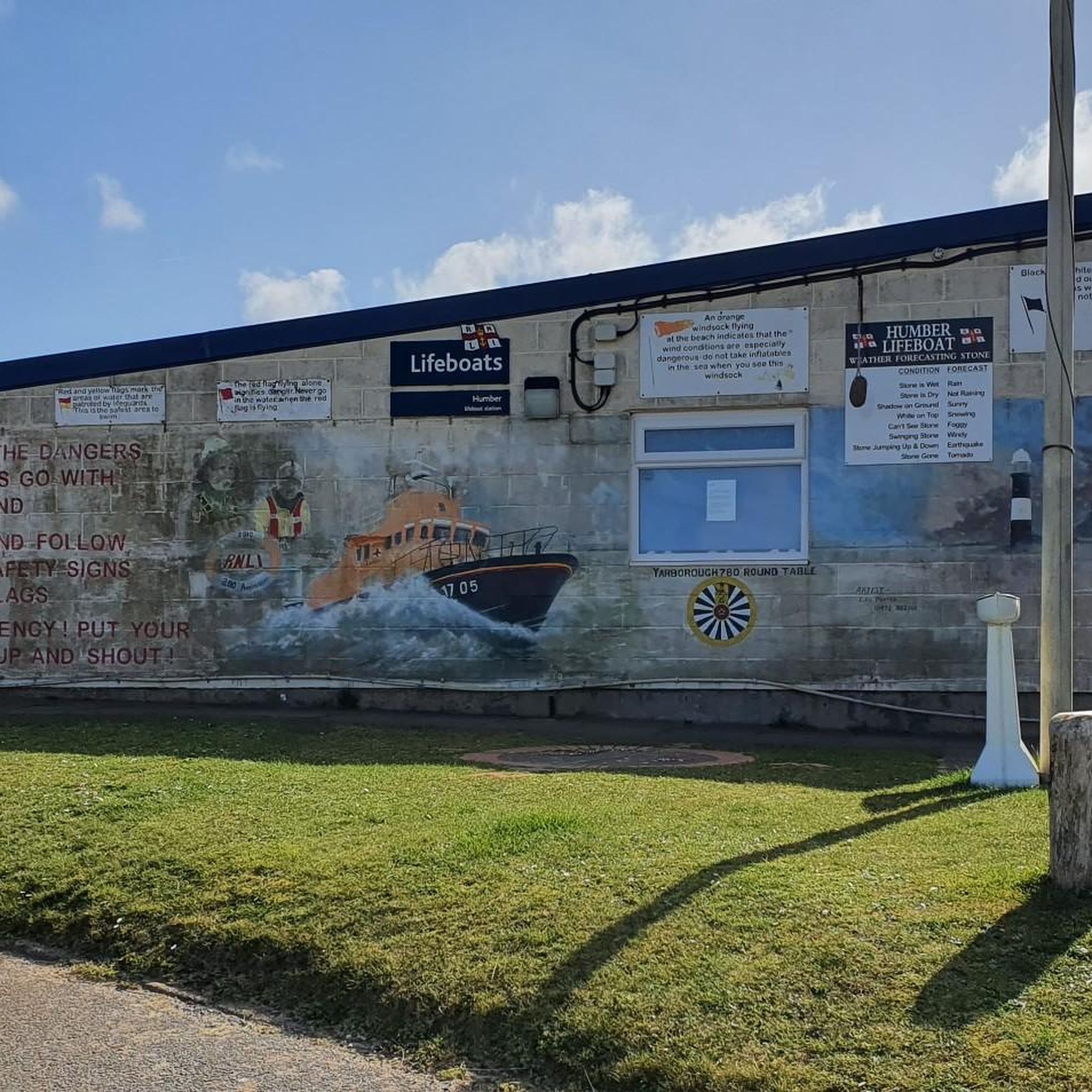
Road cycling around Easington offers numerous scenic viewpoints. You can enjoy unparalleled views of the Humber Estuary and the North Sea, especially along routes near Spurn Point. Notable landmarks include the historic Spurn Lighthouse and the Humber Lifeboat Station. The rolling hills of the Yorkshire Wolds also provide picturesque countryside vistas.
Are there any circular road cycling routes in Easington?
Many of the road cycling routes around Easington are designed as loops, allowing you to start and finish in the same location. Examples include the popular View of the Humber Estuary – Withernsea Pier Towers loop from Kilnsea and the Castle Café – Withernsea Lighthouse loop from Easington.
What is the best time of year for road cycling in Easington?
The best time for road cycling in Easington is generally from spring through autumn. During these seasons, the weather is typically milder and more predictable, making coastal rides more enjoyable. Always check local weather forecasts, especially for wind conditions, as the coastal areas can be exposed.
Are there any cafes or places to stop for refreshments along the road cycling routes?
Yes, you can find places for refreshments. For example, the Castle Café – Withernsea Lighthouse loop from Easington suggests a stop at Castle Café. Additionally, the Spurn Discovery Centre offers a cafe, which is a great stop if your route takes you to Spurn Point.
What do other road cyclists say about the routes in Easington?
The road cycling routes in Easington are highly regarded by the komoot community, with an average rating of 4.9 stars from over 20 reviews. Cyclists often praise the unique coastal scenery, the quiet country lanes, and the variety of routes suitable for different skill levels.
Is Spurn Point accessible by road bike, and what should I know?
Spurn Point offers a unique road cycling experience along its narrow, single-lane road. However, it's crucial to check tide times as high tides can cut off the peninsula. Some sections may have patches of soft sand, and you might need to walk your bike. The area is rich in wildlife and features the Spurn Lighthouse and Spurn Discovery Centre.
Are there long-distance road cycling options near Easington?
Beyond the immediate Easington area, the wider East Riding of Yorkshire offers extensive cycling opportunities. The 146-mile circular Yorkshire Wolds Cycle Route provides a moderate challenge with diverse scenery, utilizing quiet country lanes through rolling hills.
What are the parking options for cyclists in Easington?
Parking is generally available in and around Easington and nearby towns like Withernsea, which serve as common starting points for many routes. Specific parking details can often be found on individual route descriptions on komoot or local council websites.
Most popular attractions around Easington

Get inspired with the komoot mobile app


Explore more
Browse the best Road cycling routes in other regions.
