The best cycling routes around Bridlington
4.3
(89)
744
riders
26
rides
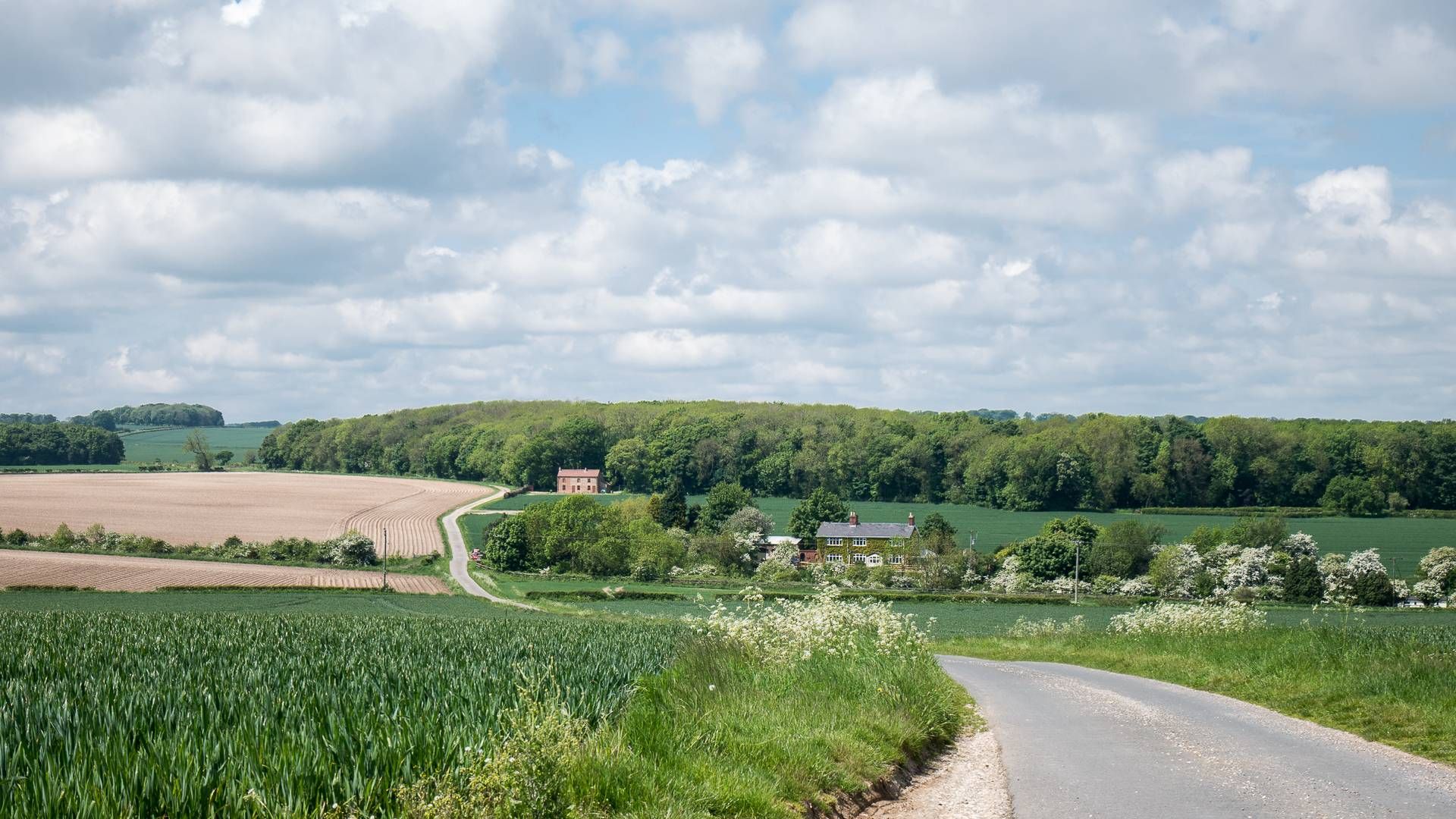
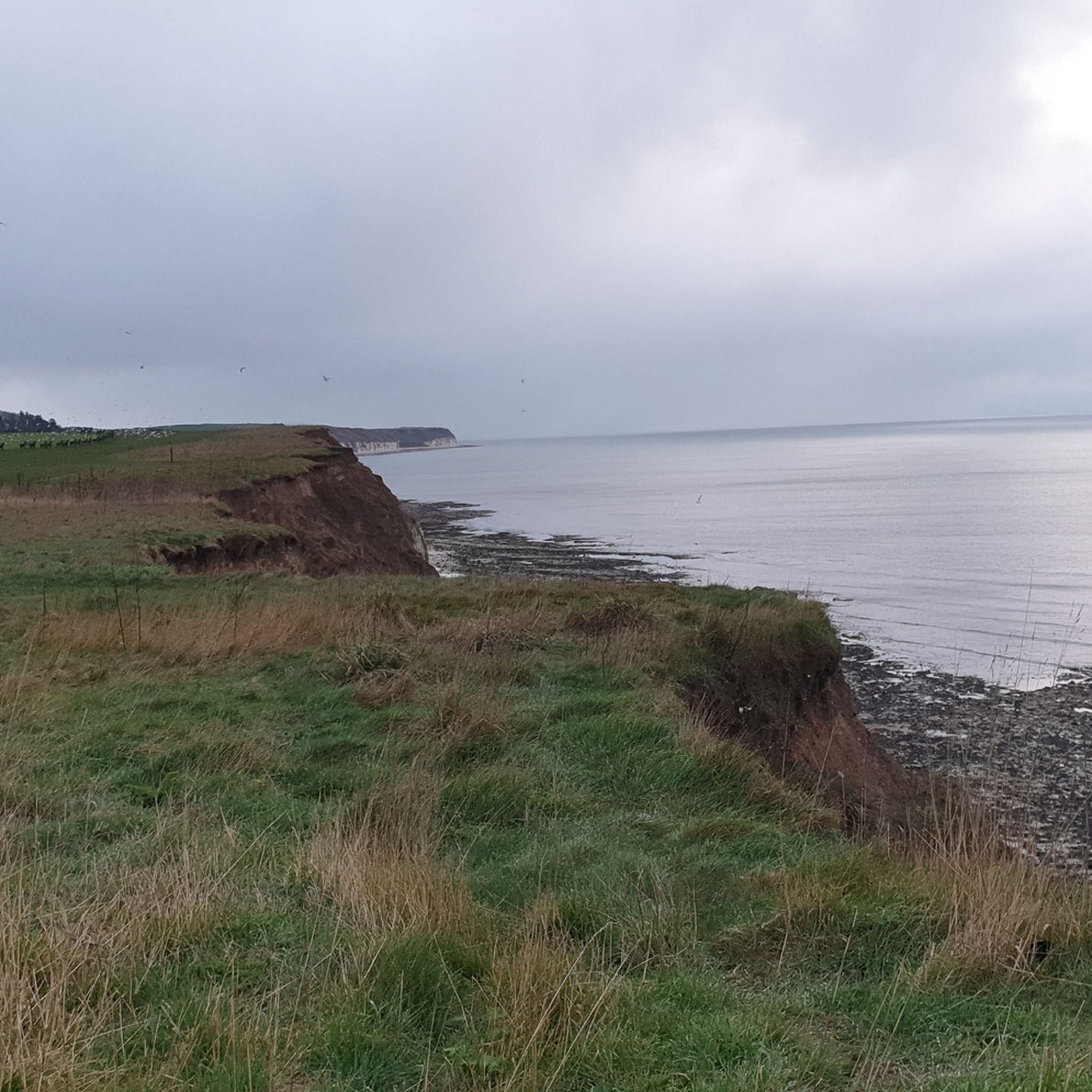
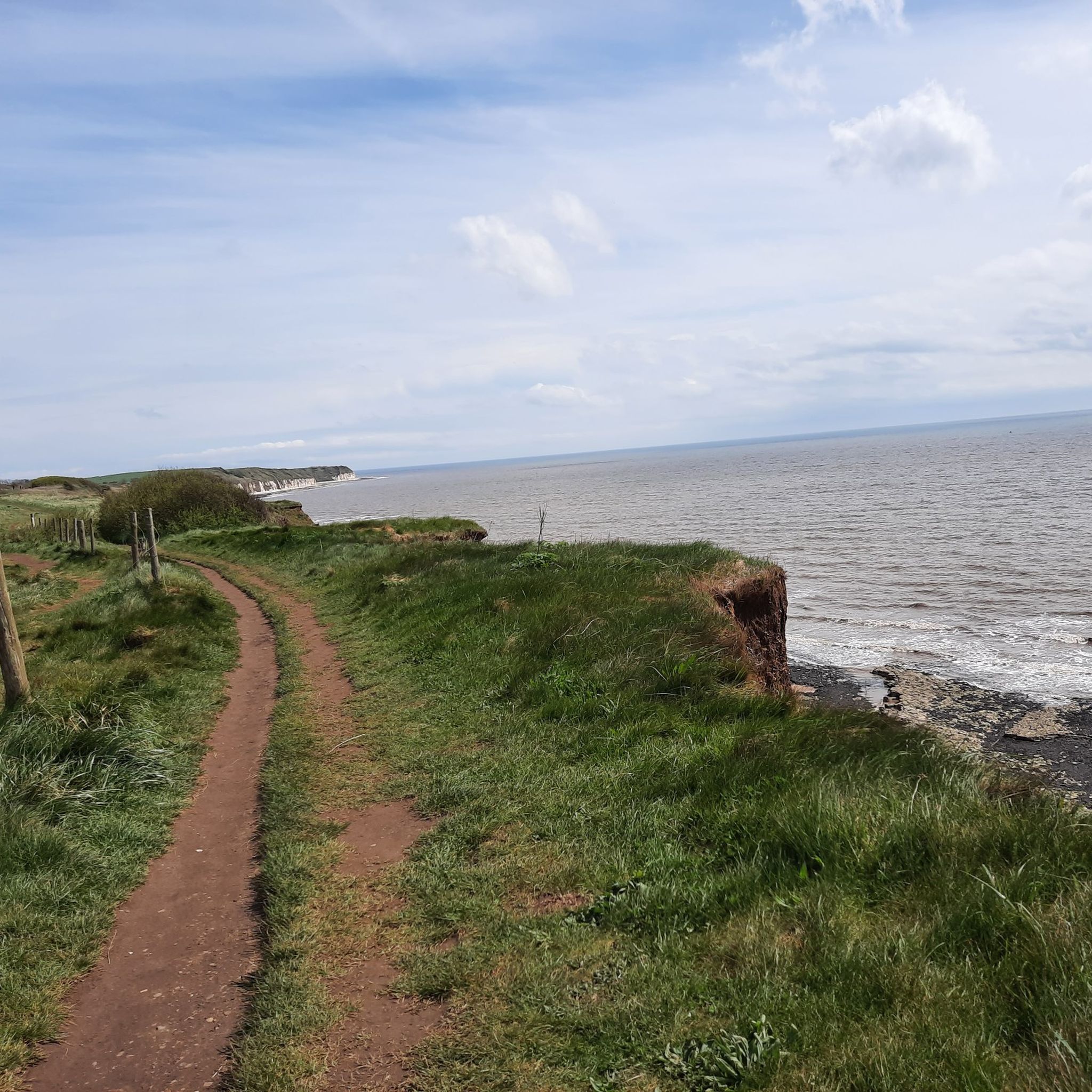
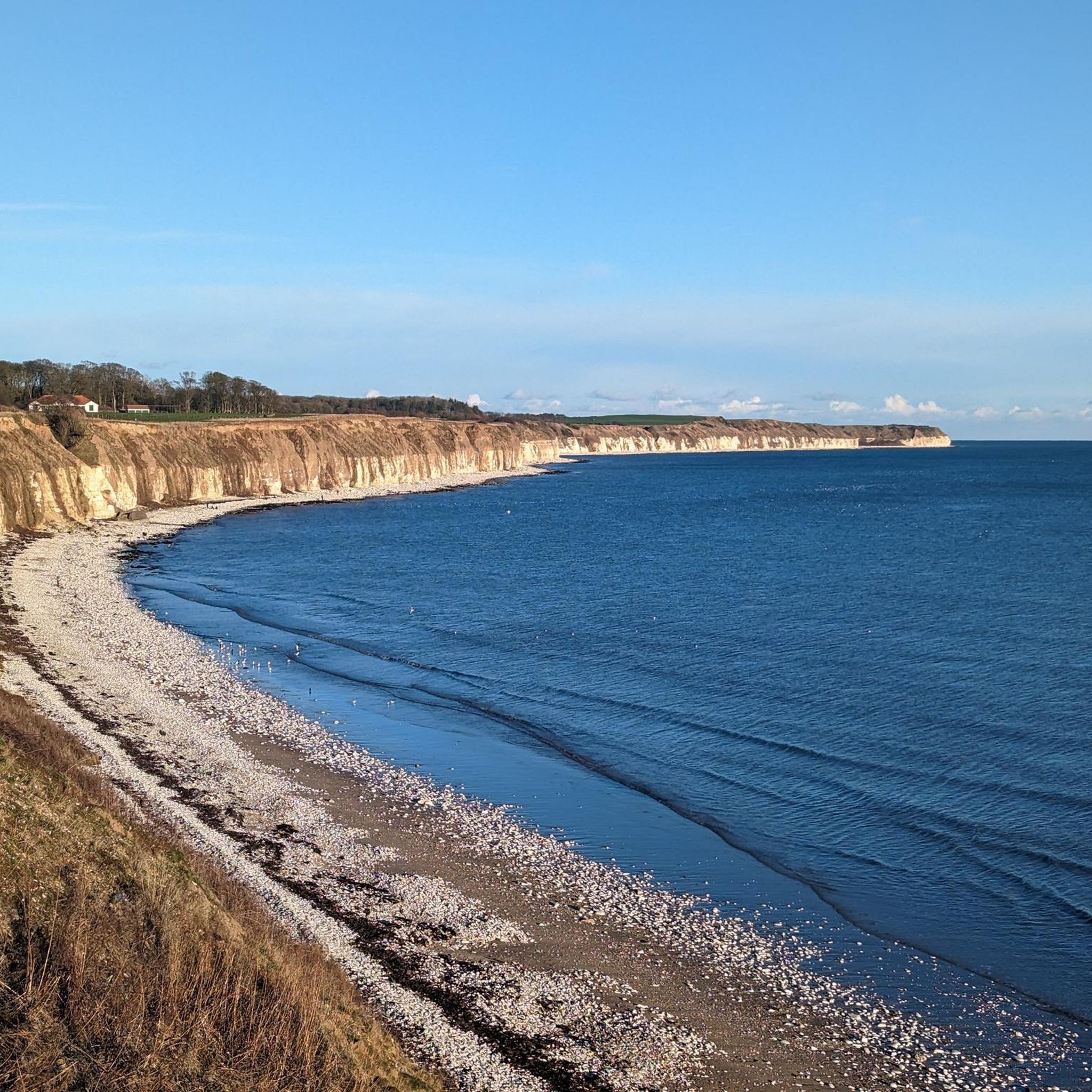
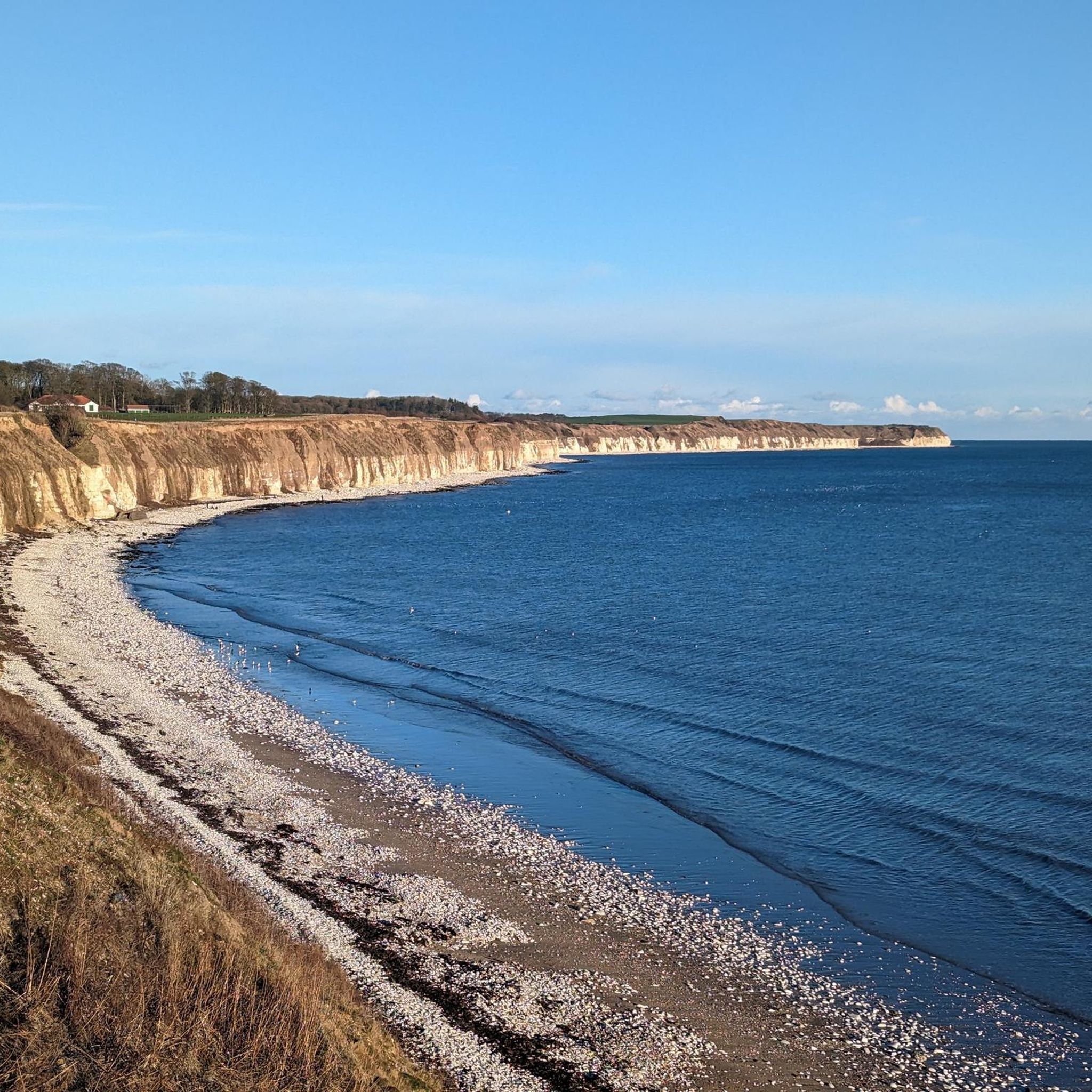
Touring cycling around Bridlington offers diverse landscapes, from dramatic coastlines to rolling countryside and charming villages. The region is characterized by significant natural features such as high chalk cliffs at Flamborough Head and extensive beaches. Inland, routes traverse picturesque rural areas, providing a variety of terrain for cyclists. This mix of coastal and inland paths makes Bridlington a compelling destination for touring cyclists of all levels.
Best touring cycling routes around Bridlington
- The most popular touring cycling route is Flamborough Head, Hunmanby & Staxton loop from Bridlington, a 49.2 miles (79.2 km) trail that takes 4 hours 49 minutes to complete. This difficult route explores the dramatic coastline and inland villages.
- Another top favourite among local touring cyclists is Burton Agnes Hall and Gardens – Railway Crossing loop from Bridlington, a moderate 36.7 miles (59.1 km) path. This route winds through the countryside, passing historic estates and rural landscapes.
- Local touring cyclists also love the Flamborough Lighthouse – Seaside Bike Path loop from Bridlington, a 16.1 miles (25.9 km) trail leading through coastal paths and past the iconic Flamborough Lighthouse, often completed in about 1 hour 33 minutes.
- Touring cycling around Bridlington is defined by coastal paths, high chalk cliffs, and rolling countryside, with routes suitable for both leisurely riders and seasoned cyclists. The network offers options for different ability levels, from easy seafront rides to more challenging loops.
- The routes in Bridlington are highly rated by the komoot community with an average score of 4.3 stars from over 20 reviews. More than 300 touring cyclists have used komoot to explore Bridlington's varied terrain.
Last updated: August 23, 2026
79.2km
04:50
590m
590m
Hard bike ride. Very good fitness required. Mostly paved surfaces. Suitable for all skill levels.
4.3
(6)
80
riders
59.9km
03:35
300m
300m
Moderate bike ride. Good fitness required. Mostly paved surfaces. Suitable for all skill levels.

Sign up for free
4.0
(9)
61
riders
25.9km
01:33
160m
160m
Moderate bike ride. Good fitness required. Mostly paved surfaces. Suitable for all skill levels.
4.7
(3)
22
riders
52.9km
03:11
380m
380m
Moderate bike ride. Good fitness required. Mostly paved surfaces. Suitable for all skill levels.
21
riders
26.8km
01:37
180m
180m
Moderate bike ride. Good fitness required. Mostly paved surfaces. Suitable for all skill levels.
Get access to more routes and recommendations from other explorers.
Sign up for free
Already have an account?
Our route recommendations are based on thousands of hikes, rides, and runs completed by other people on komoot.
Start today with a free account
Your next adventure awaits.
Login or Signup

Tips from the Community

A beautiful whitewashed lighthouse and chalk cliffs with a natural arch, and Atlantic grey seals visit
0
0
Situated on a golf course so be careful but a nice old lighthouse with some historical facts on a board
0
0

Even in stormy weather you can look out at the sea here, and in good weather, of course, it's also fun. There are many benches to rest on if you simply want to stay a little longer.
0
0

A beautiful old mansion with a unique interior and a lovely garden. There's also a good café next door. Ideal for a stop.
0
0

Nice snack hut. Coffee and cake a must
0
0

It's really cool that you go past the old lighthouse en route to the new one!
0
0
Frequently Asked Questions
What kind of terrain can I expect when touring cycling around Bridlington?
Touring cycling around Bridlington offers a diverse mix of landscapes. You'll find dramatic coastal paths with breathtaking sea views, especially around Flamborough Head, alongside rolling countryside and charming inland villages. Routes vary from flat, easy seafront sections to more challenging loops with moderate elevation changes through rural areas.
How many touring cycling routes are available in the Bridlington area?
There are over 25 touring cycling routes around Bridlington documented on komoot, catering to various skill levels. This includes 9 easy routes, 16 moderate routes, and 2 more challenging options.
Are there any challenging touring cycling routes for experienced riders?
Yes, for experienced riders seeking a challenge, the area offers routes with significant elevation and distance. A notable difficult route is the Flamborough Head, Hunmanby & Staxton loop from Bridlington, which covers 49.2 miles (79.2 km) and includes over 590 meters of ascent.
What natural landmarks and viewpoints can I see along the cycling routes?
The routes around Bridlington feature several impressive natural landmarks. You can cycle past the dramatic high chalk cliffs of Flamborough Head, explore the historic Flamborough Lighthouse, and potentially spot seabirds at the renowned RSPB Bempton Cliffs Nature Reserve. Other highlights include Smugglers' Caves at Thornwick Bay and the impressive High Stacks Natural Arch.
Are there any circular touring cycling routes around Bridlington?
Yes, many of the touring cycling routes around Bridlington are designed as loops, allowing you to start and finish in the same location. Examples include the moderate Burton Agnes Hall and Gardens – Railway Crossing loop from Bridlington and the coastal Flamborough Lighthouse – Seaside Bike Path loop from Bridlington.
What do other touring cyclists enjoy most about cycling in Bridlington?
The area is highly rated by the komoot community, with an average score of 4.3 stars from over 20 reviews. Cyclists often praise the diverse terrain, from stunning coastal views to peaceful inland villages, and the variety of routes suitable for different abilities.
When is the best time of year to go touring cycling in Bridlington?
The best time to cycle in Bridlington is generally during the spring, summer, and early autumn months (April to October) when the weather is milder and daylight hours are longer. This allows for more comfortable riding conditions and better enjoyment of the coastal scenery and inland trails.
Are there family-friendly cycling options in Bridlington?
Bridlington offers several easy routes suitable for families, particularly along the seafront and quieter roads. The town also features an 'All Ride' scheme, providing adapted bikes to make cycling accessible for individuals with additional needs and mobility issues, ensuring everyone can enjoy the local paths.
Can I find cafes or pubs along the touring cycling routes for a break?
Yes, many routes around Bridlington pass through or near charming villages and coastal towns where you can find cafes, pubs, and other refreshment stops. The town of Bridlington itself has a historic harbor area with various eateries, and routes around Flamborough Head will lead you to options in that vicinity.
What are some notable attractions near the cycling routes?
Beyond the natural beauty, you can visit Flamborough Lighthouse, a historic landmark. The nearby Sewerby Hall and Gardens also offer a pleasant setting for a stroll and occasionally host events, providing a cultural stop close to some cycling paths.
Is there public transport available to access the cycling trails in Bridlington?
Bridlington is well-connected by public transport, including train services, making it accessible for cyclists. Once in Bridlington, many routes start directly from the town center or are easily reachable, allowing you to begin your ride without needing a car.
Are there any moderate touring cycling routes that explore the countryside?
Absolutely. A popular moderate route that winds through the countryside and past historic estates is the Burton Agnes Hall and Gardens – Railway Crossing loop from Bridlington. This 36.7-mile (59.1 km) path offers a pleasant journey through rural landscapes.
Most popular routes around Bridlington
Most popular attractions around Bridlington

Get inspired with the komoot mobile app


Explore more
Browse the best Cycling routes in other regions.
