Attractions and Places To See around Rugby - Top 20
Best attractions and places to see around Rugby, a historic market town in Warwickshire, England, include notable landmarks, cultural sites, and natural features. The town is recognized as the birthplace of rugby football. Visitors can explore a diverse landscape encompassing urban green spaces, nature reserves, and significant historical locations.
Best attractions and places to see around Rugby
- The most popular attraction is Draycote Water, a lake that functions as an artificial reservoir and leisure park. It offers a 5-mile circular path for walking and cycling, and is popular for sailing, windsurfing, and fishing.
- Another must-see spot is Elephant Sculpture at Ryton Pools, a man-made monument. These sculptures remind visitors of the geological history of Ryton Pools, where remains of straight-tusked elephants were found.
- Visitors also love Sand Martin Nesting Wall, Ryton Pools Country Park, an other natural feature. This purpose-built structure provides a nesting habitat for Sand Martins and other birds, with an information board for visitors.
- Rugby is known for its historical sites, natural parks, and cultural venues. The area offers a variety of attractions to see and explore, from ancient woodlands to significant landmarks.
- The attractions around Rugby are appreciated by the komoot community, with more than 200 upvotes and 60 photos shared.
Last updated: September 27, 2026
Draycote Water
Highlight • Lake
Translated by Google •
Tip by

Elephant Sculpture at Ryton Pools
Highlight • Monument
These massive creatures roamed this area half a million years ago and the life size sculptures bring to life the ancient history of the park.
Tip by

Sign up now to discover places like this
Get recommendations on the best single tracks, peaks, & plenty of other exciting outdoor places.
Sand Martin Nesting Wall, Ryton Pools Country Park
Highlight • Natural
As well as providing a large and safe nesting habitat, the 15m long structure also has a number of pre-formed swallow nest sites and a rear door inspection hatch so that the rangers can keep an eye on the nesting progress and carry out any necessary maintenance. To prevent predation by other wildlife such as stoats, an anti-predator baffle has been installed below the tunnels which have been constructed of plastic pipes. We also helped create the new information board which has been installed opposite the nesting wall to inform the local visitors to the country park about the new nesting site. It’s hoped that grizzled skipper butterflies will also benefit from the new structure as one of the food plants of the larvae stage – strawberries – are to be planted on the aggregate roof in the near future!
Sand Martins are gregarious and therefore tend to nest in large colonies. They are Europe’s smallest hirundine (martins and swallows) and the insectivorous birds are summer visitors to the UK, over-wintering in Africa.
Tip by

Ryton Wood
Highlight • Natural
Finding coppiced, small-leaved lime stools is evidence to support this. Once the most common tree 5,000 years ago, the species is no longer so common. Huge ditches also indicate the wood’s ancient, medieval boundaries. Forty or so species of tree and shrub have been identified, with oak the dominant tree. An abundance of honeysuckle, our county flower, scrambles through the lower-growing hazel - enjoy its sweet perfume on summer days.
Tip by
St John the Baptist Church
Highlight • Historical Site
The chancel is built of a mixture of limestone and sandstone rubble patched with bricks and tiles and has a modern steep-pitched tiled roof, modern coping and cross finial, and rebuilt buttresses. It is lighted on the east by a modern window of three pointed lights with a hood-mould and head-stops. The south side has a central buttress, and west of it are two restored lancet windows with a narrow doorway between them. The lancet to the west is divided by a transom to form a low side window. The doorway has a restored pointed arch, the splay carried down the jambs. The north side has a central buttress and another butting against the aisle wall, with a restored lancet window between them. The south aisle is built of red sandstone ashlar with a plinth of one splay, stepped down to conform with the slope of the ground. The wall is diminished in thickness by a weathered offset at sill level. It has a low-pitched lead-covered roof with a plain low parapet, with a moulded coping projected on a moulded stringcourse. The east gable is lighted by a partly restored traceried window of three cinquefoil lights under a hollow-moulded four-centred head. The south wall has buttresses at the angles, two intermediately, and a porch towards the western end. It is lighted between the buttresses by three windows similar to the one in the east wall. The porch has been rebuilt in brick and stone with a tiled roof and the entrance blocked to form a vestry. The south door, which has a four-centred arch under a square head, has been mutilated. The west end is similar to the east, but the coping is carried up as a lean-to instead of a gable. The buttress at the angle is diagonal, splayed to a point. The north aisle is built of rubble similar to the chancel and has a lean-to roof covered with lead, a battlemented parapet with trefoil panelled pinnacles at each end and crocketed finials. Originally there were two intermediate pinnacles, of which only the bases remain. The north side has diagonal buttresses at the angles, one intermediate and, towards the west, a porch. It is lighted by two three-light traceried windows with splayed fourcentred heads, the centre light trefoiled, the two outer cinquefoil; by a similar window on the east; and on the west by a trefoiled single light with a square head. The porch is timber-framed with a tiled roof, and the entrance has been fitted with a pair of modern doors. On both sides the timbering has been concealed, externally with roughcast and internally with plaster. The front retains its timbering, the entrance having a heavy moulded frame and four-centred head, carved spandrels and lintel, and a timber-framed gable plastered between the timbers. The door has a moulded four-centred head, square hood-mould, carved spandrels, and trefoil-panelled soffit and reveals which have been badly mutilated. In the centre of the hood-mould there is a shield with three swords (for Clarke).
The tower is built of light-coloured sandstone ashlar with a moulded plinth and battlemented parapet on a coved string-course; at each angle there are bases for pinnacles. It rises in four stages, diminished at each stage by weathered offsets on the north and south, and on the east and west at the first and half-way up the third only. At the angles there are diagonal buttresses rising in five stages and splayed off to a sharp edge, except at the third stages on the west side which have gabled trefoiled niches. The west doorway, in a deep wave-moulded splay, is constructed of red sandstone and has a moulded four-centred arch under a square head, with carved spandrels. It is flanked by wall aracading in two tiers of trefoil-headed roll-moulded panels. Above the doorway is a tall pointed traceried window of three cinquefoil lights with a hood-mould, the tracery and mullions being modern, and in the second stage a clock dial. The tower staircase is in the south-west angle, with a loop-light to each stage and a square-headed doorway opening on to the aisle roof. The belfry is lighted on each face by pointed traceried windows of two trefoil lights, and the ringing chamber by similar windows on the north and south.
Internally the floor of modern tiles has been laid to a continuous fall from east to west, probably taking the place of a series of steps, as the bases of the arcade pillars and windows are stepped down following the slope. The walls, except the arcades and tower, are plastered, the plaster being finished round all the aisle windows with scalloped edges.
The chancel (28 ft. 4 in. by 15 ft. 6 in.) has four steps from the nave and three to the altar in addition to the slope of the floor. The east wall has a dado of modern coloured embossed tiles, and the window a segmental pointed rear-arch. At the east end of the south wall there is a shallow recess with a segmental pointed stop-chamfered head, probably a blocked piscina. The lancet windows have splayed recesses with square heads, and the doorway a segmental pointed rear-arch. The roof is a modern hammer-beam, its trusses supported on carved stone corbels. It is continued under the chancel arch with twin trusses, panelled between with pierced panels and supported on slender stone shafts with carved capitals and moulded bases resting on moulded corbels.
The nave (48 ft. 3 in. by 17 ft. 7 in.) has a modern open roof with curved trusses resting on moulded timber corbels. Both arcades consist of five bays of pointed arches, of two splayed orders, supported on lozenge-shaped roll-moulded pillars, the arch splays dying out on the mouldings, which terminate in splayed stops on plain lozenge-shaped pedestals. At the junction of the south arcade with the chancel there is a circular stair up to a square-headed doorway which gave access to a rood, and half-way up there is a pointed opening to the aisle. It is lighted from the east by a small square-headed two-light window. The chancel arch is a modern pointed one, of two splayed orders, dying out on the north wall and on the south resting on a floriated corbel. The tower has a pointed arch of two splays to the tower and three to the nave, the inner order supported on three-quarter-round responds with moulded capitals and bases. The arch is of red sandstone with capitals of a light-coloured stone, and on the tower side in the apex there is a carving of an angel. The south-west angle is corbelled out in three steps for the tower staircase, the upper step being trefoiled, and below it there is a square-headed doorway. The pulpit and reading desk, of stone, are modern.
The south aisle (49 ft. by 12 ft. 9 in.) has a lowpitched open roof of five bays with moulded members and carved bosses in the centres of the tie-beams. It probably dates from the early 16th century; the boarding and some rafters are modern. The trusses rest on stone corbels on the south wall, and on the north the outer roll mouldings of the arcade pillars are carried up with capitals in place of corbels. At the east end, the north-east angle is splayed to accommodate the staircase to the rood. The windows have hollowmoulded reveals with four-centred rear-arches, the window to the east having its arch extended eastwards and carried down to form a recess. The east wall has an offset at sill level with a chamfered stone capping, and the window reveals are carried down as a recess. In the east window there are some fragments of early coloured glass consisting of two chalices and parts of a canopy.
The north aisle (45 ft. 7 in. by 9 ft. 11 in.) has a lean-to roof of five bays, of which two retain some of their original moulded members, probably early-16thcentury. The trusses are supported on stone corbels on the north wall and on square blocks of stone as capitals to the outer roll moulding of the arcade pillars. Over the door there is a painted coat of arms of George IV. The font, with a lead-lined basin, is built into the west side of the north arcade pillar opposite the door. It is of stone, with an octagonal moulded basin with paterae, and octagonal stem and base which has been rendered in cement. It has been re-dressed but is probably contemporary with the arcade. Near the door there is a small 17th-century oak chest with three hasps and fitted with lifting rings at each end. In the centre and east windows there are a few fragments of early glass, including a peacock and portions of a castle.
The tower (15 ft. 10 in. by 13 ft.) has a window with widely splayed reveals, and a rear-arch of two splayed orders; the recess is carried down to include the doorway.
In the chancel and aisles there are a number of 18thand 19th-century wall memorials.
There are five bells, all of 1705, by Joseph Smith of Edgbaston.
The registers begin in 1558.
Tip by
Hillmorton Locks
Highlight • Rest Area
Tip by

The Boat Inn
Highlight • Restaurant
Tip by

Wolston War Memorial
Highlight • Monument
There was a difference of opinion as to where the Memorial should be located and the people subscribing to it were asked to choose between a site on the Derry next to the village pump and sign-post and the site opposite what we now call the Old Post Office.
The location chosen, away from the hustle and bustle of the Derry, on the piece of land opposite the Old Post Office near to the entrance to the road to the Church allowed people to stand to read the names and contemplate the sacrifice made in peaceful surroundings.
Tip by
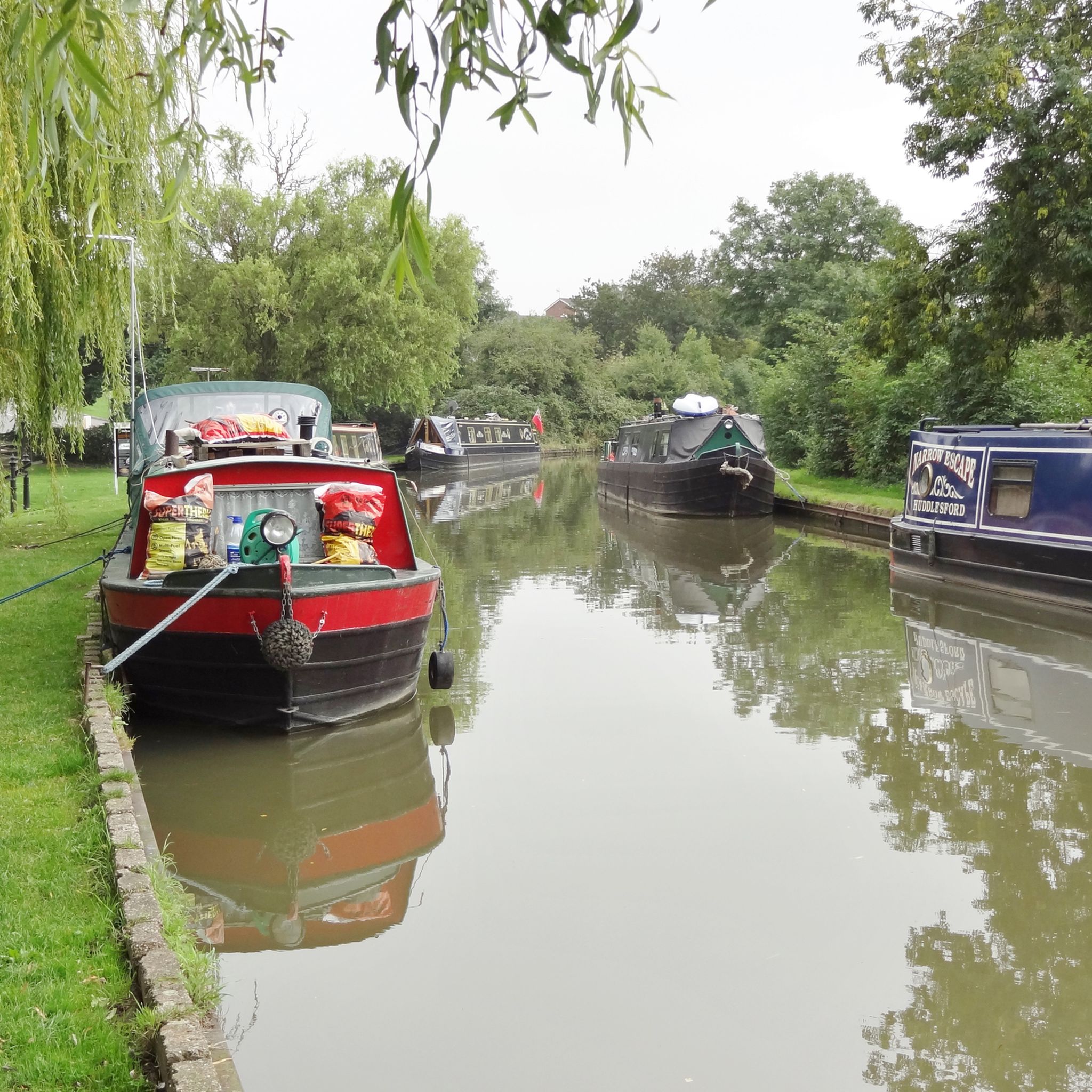
Oxford Canal Locks and Narrowboats
Highlight • Structure
canalrivertrust.org.uk/enjoy-the-waterways/canal-and-river-network/oxford-canal
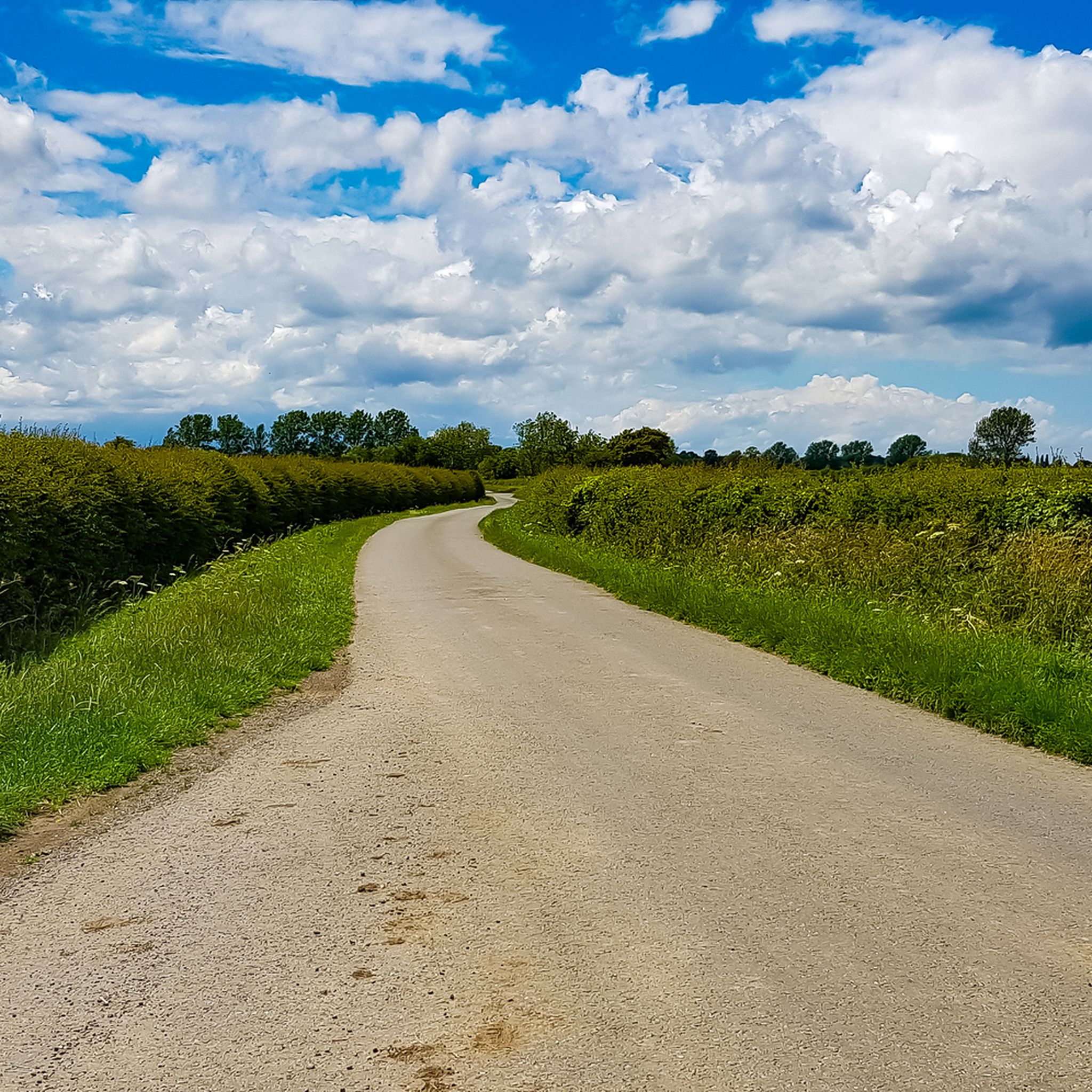
Great cycle way and/ or pathway from Rugby to Braunston
google.co.uk/maps/dir/52.3892348,-1.2524688/52.353078,-1.2023153/52.3401376,-1.2207475/52.3154839,-1.2348238/52.2928375,-1.2185159/Admiral+Nelson/@52.2900026,-1.2107912,15z/data=!4m23!4m22!1m0!1m0!1m0!1m0!1m10!3m4!1m2!1d-1.2188647!2d52.2890597!3s0x48773e60d46e0089:0x8a04422f8724ffa!3m4!1m2!1d-1.2019483!2d52.289051!3s0x48773e6b3e93dd7b:0x52c782c89348f7ca!1m5!1m1!1s0x0:0xdc4226d41cebe428!2m2!1d-1.196714!2d52.288669!3e2
Tip by

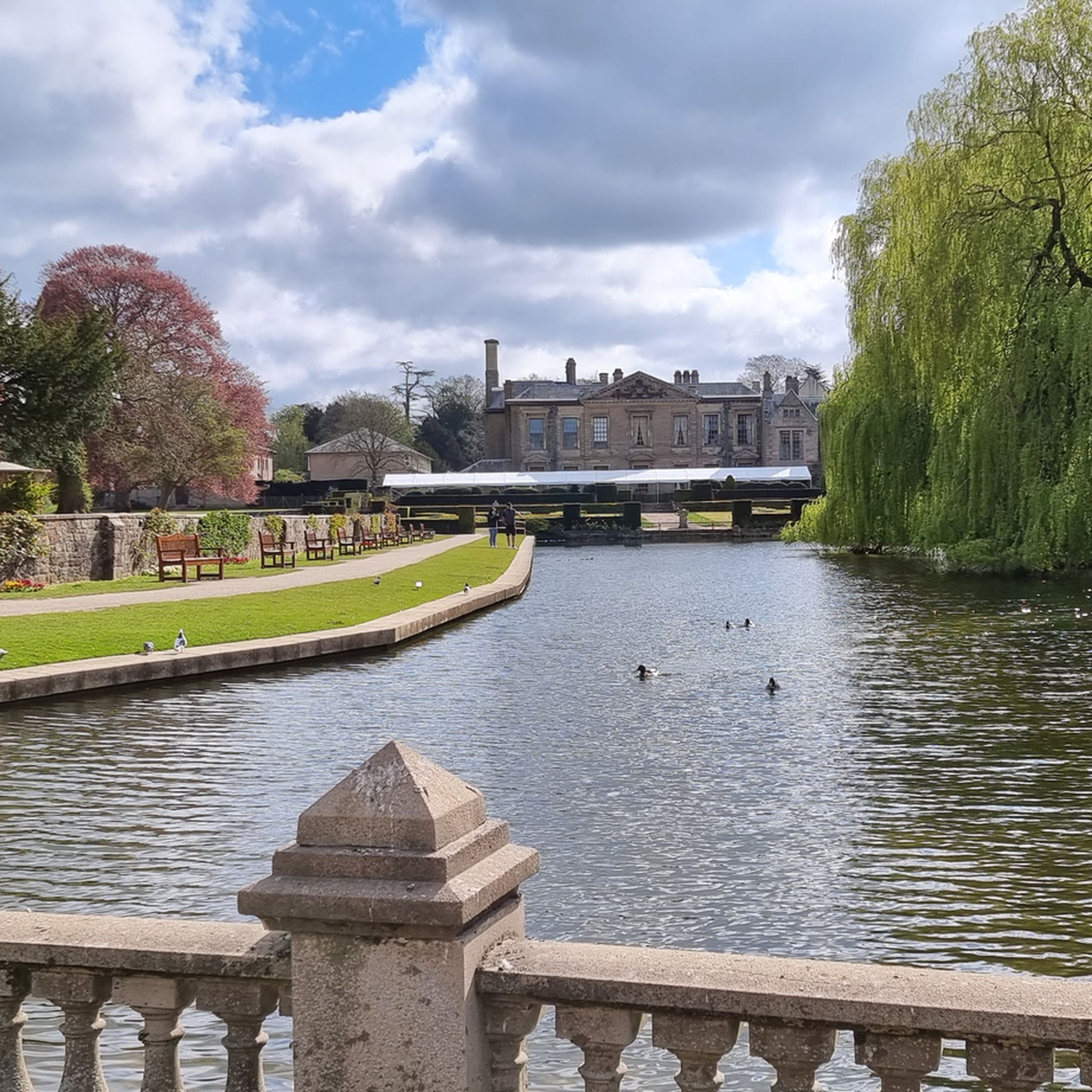
Coombe Abbey
Highlight • Religious Site
Tip by

Sign up for free to discover even more attractions around Rugby.
Already have an account?
Start today with a free account
Your next adventure awaits.

Tips from the Community

The church isn't level inside! It's well worth popping in. The VE Day memorial is very well done and worth a closer look.
0
0


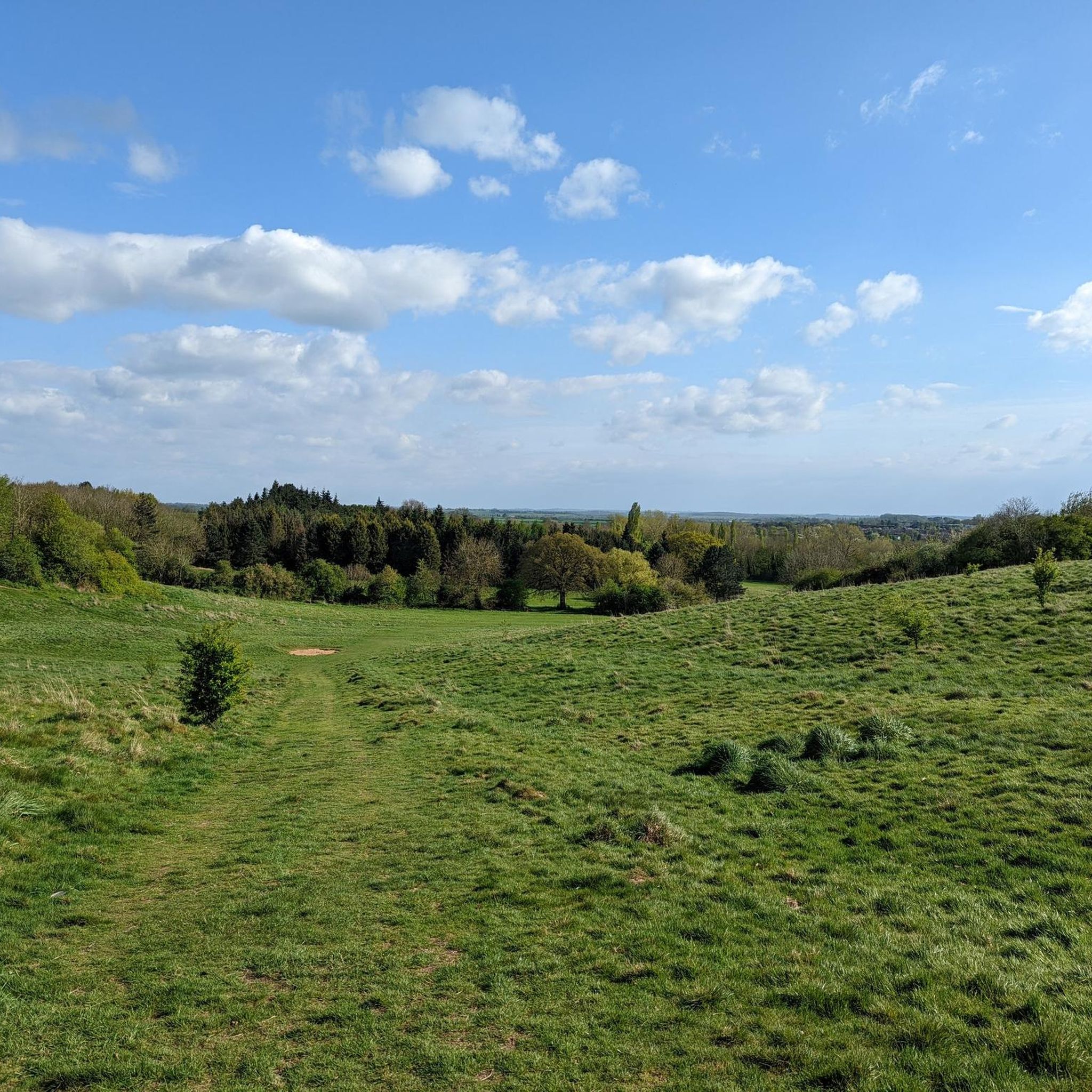
Draycote Water is an artificial reservoir (23 million m3), which was completed in 1969. In addition to its function as a water reserve, it is a leisure park u.a. for anglers, sailors, hikers. The rich bird life invites also to observations. Swimming is not allowed in the lake.
1
0

These sculptures were created to remind visitors of the rich geological history of the Ryton Pools where pieces of neck, tooth and tusk of the straight-tusked elephant were found in the local sand quarries. These massive creatures roamed this area half a million years ago and the life size sculptures bring to life the ancient history of the park.
1
0

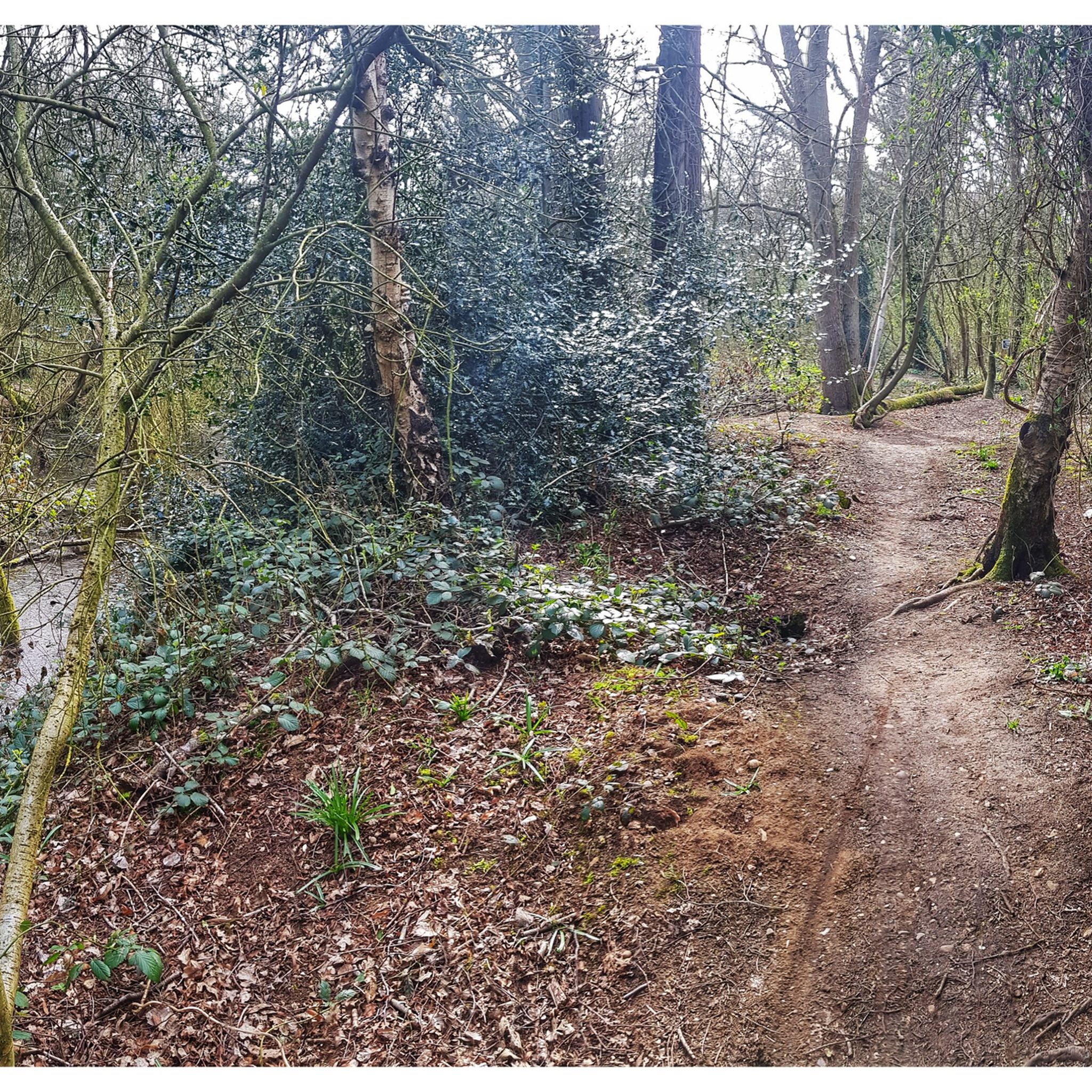
Although part of Ryton Wood was lost to sand and gravel extraction in the 1960s, the wood has been returned to its present excellence though traditional management practices, and is one of the county's largest surviving semi-natural ancient woodlands. Arguably the best of the Princethorpe Woods, Ryton Wood covers 85 hectares, has been designated as an SSSI and boasts an extensive list of notable species. Parts of Ryton Wood date back to the 11th century, so the land may have been wooded since the end of last ice age. Finding coppiced, small-leaved lime stools is evidence to support this. Once the most common tree 5,000 years ago, the species is no longer so common. Huge ditches also indicate the wood’s ancient, medieval boundaries. Forty or so species of tree and shrub have been identified, with oak the dominant tree. An abundance of honeysuckle, our county flower, scrambles through the lower-growing hazel - enjoy its sweet perfume on summer days.
1
0

Frequently Asked Questions
What natural attractions can I explore around Rugby?
Rugby offers several natural attractions for outdoor enthusiasts. You can visit Draycote Water, a large reservoir popular for walking, cycling, sailing, and birdwatching. Other options include Newbold Quarry Park, a serene nature reserve known for its alkali-friendly plants and butterflies, and Swift Valley Nature Reserve, which features woodlands, marshes, and a disused arm of the Oxford Canal. Ryton Pools Country Park, home to Ryton Wood, also provides conserved old countryside for exploration.
Are there good walking or cycling routes near Rugby's attractions?
Yes, there are numerous routes for walking and cycling. Draycote Water has a popular 5-mile circular path ideal for both. For cycling, you can find routes like the 'Draycote Water – Pathway in Park loop from Rugby' or 'Oxford Canal Aqueduct – Brownsover Cycleway Tunnel loop from Rugby'. Running enthusiasts can explore trails such as the 'Ryton Pool loop from Ryton-on-Dunsmore'. You can find more options in the Cycling around Rugby, Running Trails around Rugby, and Gravel biking around Rugby guides.
Where can I go for wildlife spotting near Rugby?
For wildlife spotting, Draycote Water is excellent for bird life. Newbold Quarry Park attracts many butterflies in summer. Swift Valley Nature Reserve offers a diverse habitat for various species. Additionally, Ryton Pools Country Park features the Sand Martin Nesting Wall, a purpose-built structure providing habitat for Sand Martins and other birds, with an information board for visitors.
What historical sites related to the sport of rugby can I visit?
Rugby is the birthplace of the sport. You can visit Rugby School and Museum, where the game originated, and explore its archives. The Webb Ellis Rugby Football Museum, located in the town center, is dedicated to the sport's history and features memorabilia from its development.
Beyond rugby, what other historical or cultural places are there?
Beyond the sport, Rugby offers a rich history. St Andrew's Church, dating back to the 13th century, showcases Gothic Revival architecture. The Rugby Art Gallery and Museum houses a diverse collection of art, archaeology, and local history, including artifacts from the Romano-British town of Tripontium. You can also see the Jubilee Clock Tower in the historic Market Place. Nearby, Coombe Abbey, a former Cistercian abbey with gardens designed by Capability Brown, is another significant historical site.
Are there any notable architectural sites in Rugby?
Yes, Rugby boasts several architectural gems. Rugby School features buildings designed by the eminent Gothic Revival architect William Butterfield, including its chapel and new quadrangle. St Andrew's Church, with its striking 182-foot spire and stained-glass windows, is another example of Gothic Revival architecture, largely due to an 1877 restoration by Butterfield.
What are some family-friendly attractions in the Rugby area?
Many attractions around Rugby are suitable for families. Draycote Water offers a playground and plenty of space for outdoor activities. Ryton Pools Country Park is home to the Elephant Sculpture at Ryton Pools, which brings to life the area's ancient geological history, and the Sand Martin Nesting Wall. Caldecott Park in the town center has a children's play area and open green spaces. Coombe Abbey also provides extensive parkland for families to enjoy.
Are there attractions suitable for young children or toddlers?
Absolutely. Caldecott Park in Rugby town center features a dedicated children's play area. Draycote Water also has a playground and wide, flat paths suitable for strollers. Ryton Pools Country Park, with its engaging Elephant Sculpture and nature trails, can be an exciting place for younger children to explore.
Are there any wheelchair-accessible attractions around Rugby?
While specific accessibility details vary, some sites offer better access. The Wolston War Memorial is noted as wheelchair accessible. Many of the paths around Draycote Water are flat and well-maintained, making them suitable for wheelchairs. It's always advisable to check with individual venues for their specific accessibility provisions.
What are some unique or lesser-known points of interest near Rugby?
Beyond the main highlights, you might enjoy exploring the Oxford Canal Locks and Narrowboats, offering a glimpse into traditional canal life. The Elephant Sculpture at Ryton Pools is a unique artistic and historical installation. For nature lovers, New Close Wood is a beautiful oak woodland with diverse flora, including bluebells and wood anemones.
What do visitors particularly enjoy about the attractions around Rugby?
Visitors frequently appreciate the diverse offerings, from the historical significance of Rugby School and the Webb Ellis Museum to the natural beauty of Draycote Water. The komoot community particularly enjoys the well-maintained paths for walking and cycling, the rich bird life, and the family-friendly facilities like playgrounds and BBQ areas. The blend of cultural sites and serene natural spaces is a common highlight.
Can I find places for a short walk or easy outing near Rugby?
Yes, there are several options for short and easy outings. Caldecott Park in the town center is perfect for a leisurely stroll. The 5-mile circular path at Draycote Water can be enjoyed in sections, and Newbold Quarry Park offers gentle trails. For a quick nature fix, New Close Wood provides pleasant woodland paths.
Are there any ancient woodlands or forests to visit?
Yes, the area around Rugby features ancient woodlands. Ryton Wood, part of Ryton Pools Country Park, is one of the county's largest surviving semi-natural ancient woodlands, with parts dating back to the 11th century. New Close Wood is another beautiful oak woodland worth exploring.
Most popular routes around Rugby
Most popular attractions around Rugby

Get inspired with the komoot mobile app


Didn’t find what you were looking for?
Are you keen on exploring more awesome places nearby? Browse our guides:
Explore more
Still not found the Highlight you’re looking for? See guides of the top attractions in other regions:
