Top 5 Castles in West Devon
Best castles in West Devon are situated within a region characterized by its rich history and diverse natural landscapes, including the edge of Dartmoor National Park. This area features a blend of ancient settlements, medieval fortifications, and picturesque river valleys. West Devon offers a historical journey through centuries of architectural heritage, from Norman origins to 20th-century constructions. The region's castles are often set amidst scenic woodland and moorland, providing opportunities for exploration.
Best castles in West Devon
- The most popular…
Last updated: July 1, 2026
Lydford Castle and Saxon Town
Highlight • Historical Site
Tip by

Castle Drogo
Highlight • Historical Site
Tip by

Sign up now to discover places like this
Get recommendations on the best single tracks, peaks, & plenty of other exciting outdoor places.
Sign up for free
Okehampton Castle Ruins
Highlight • Historical Site
Tip by
Wooden steps leading to Castle Drogo
Highlight • Trail
Translated by Google •
Tip by

Start today with a free account
Your next adventure awaits.
Login or Signup
Popular around West Devon
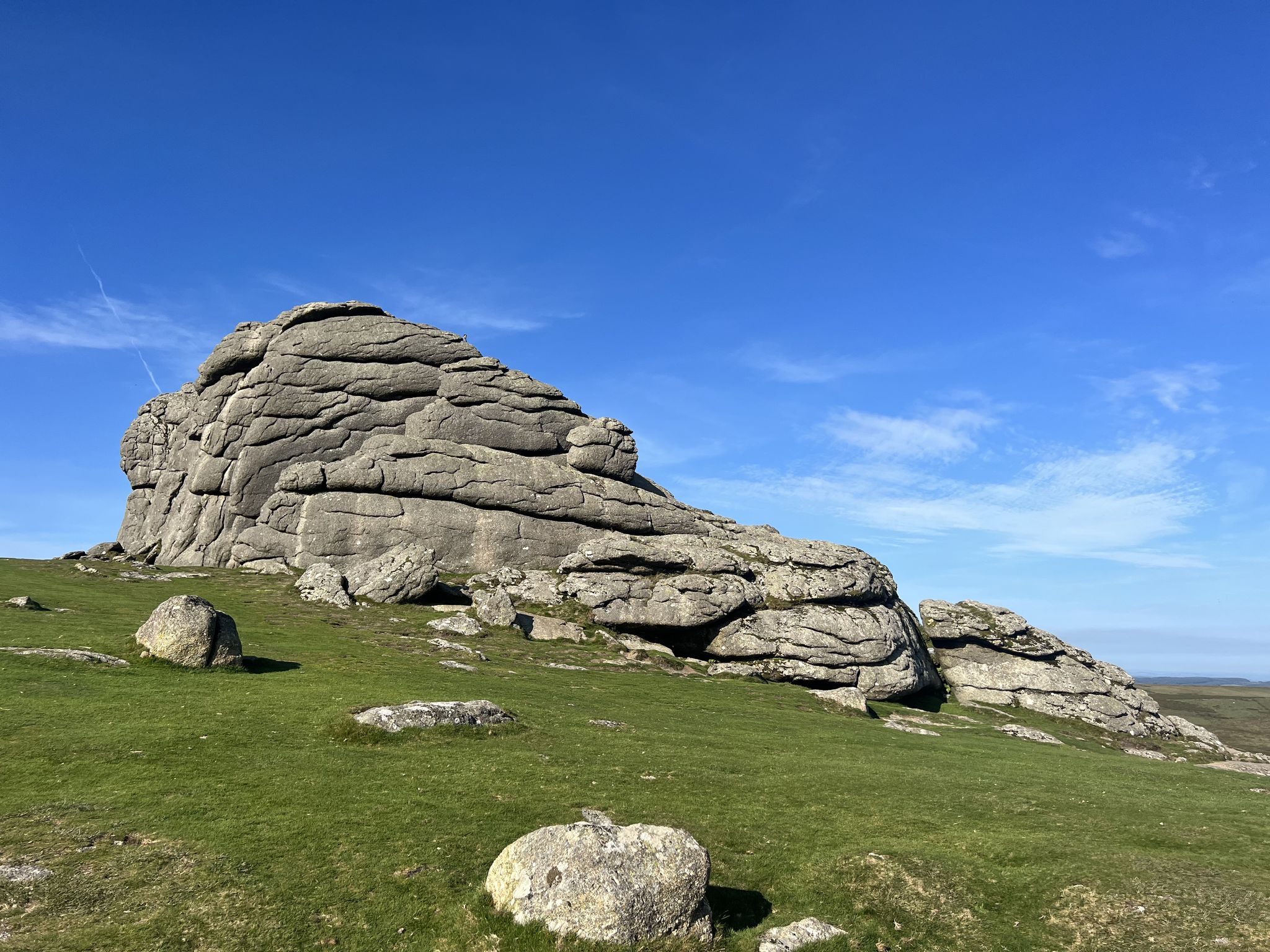
Dartmoor National Park – A Walk in the Parks
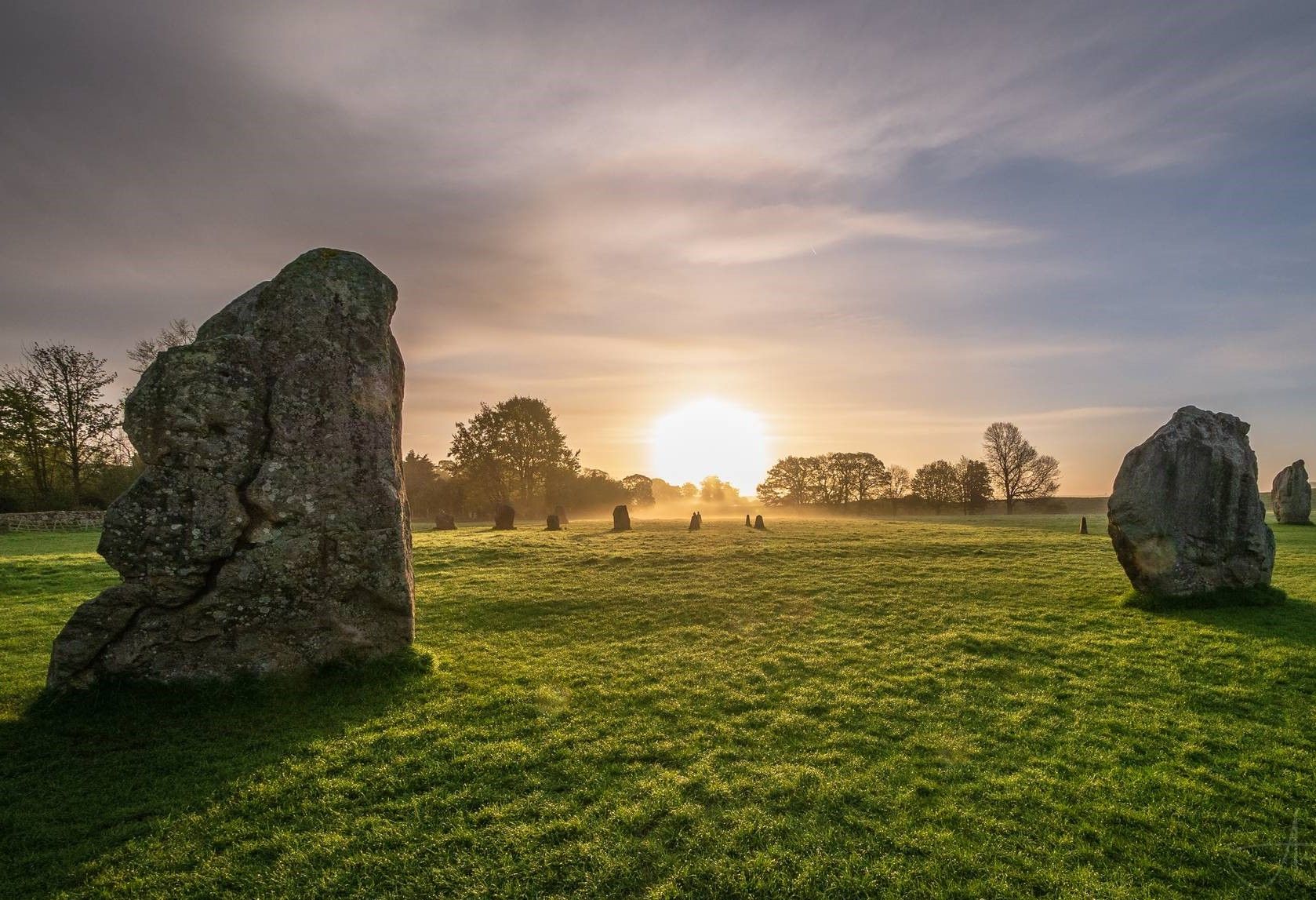
Celtic Way — An epic pilgrimage through prehistory and wild beauty
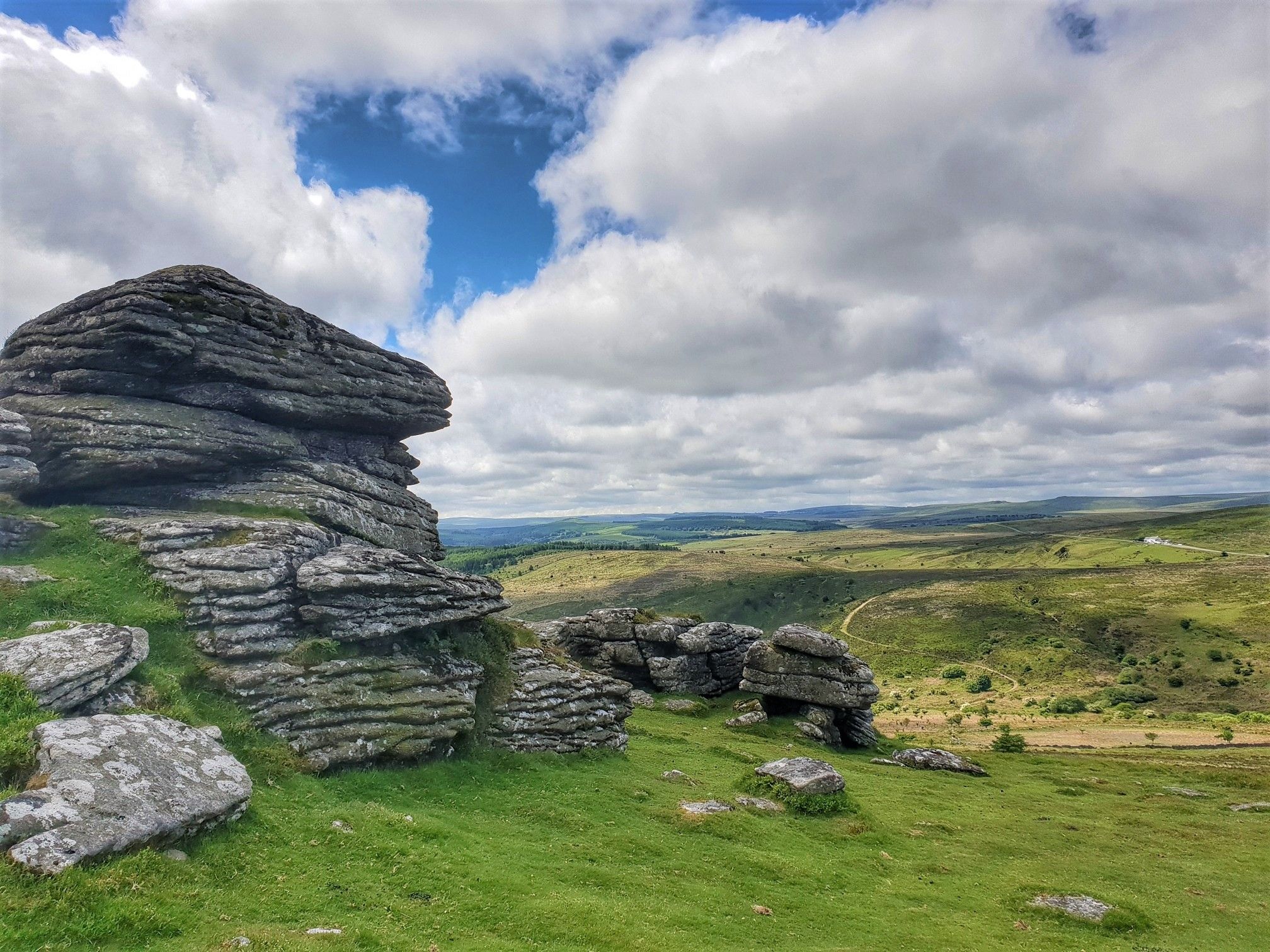
Two Moors Way — Wild coast-to-coast over Dartmoor and Exmoor
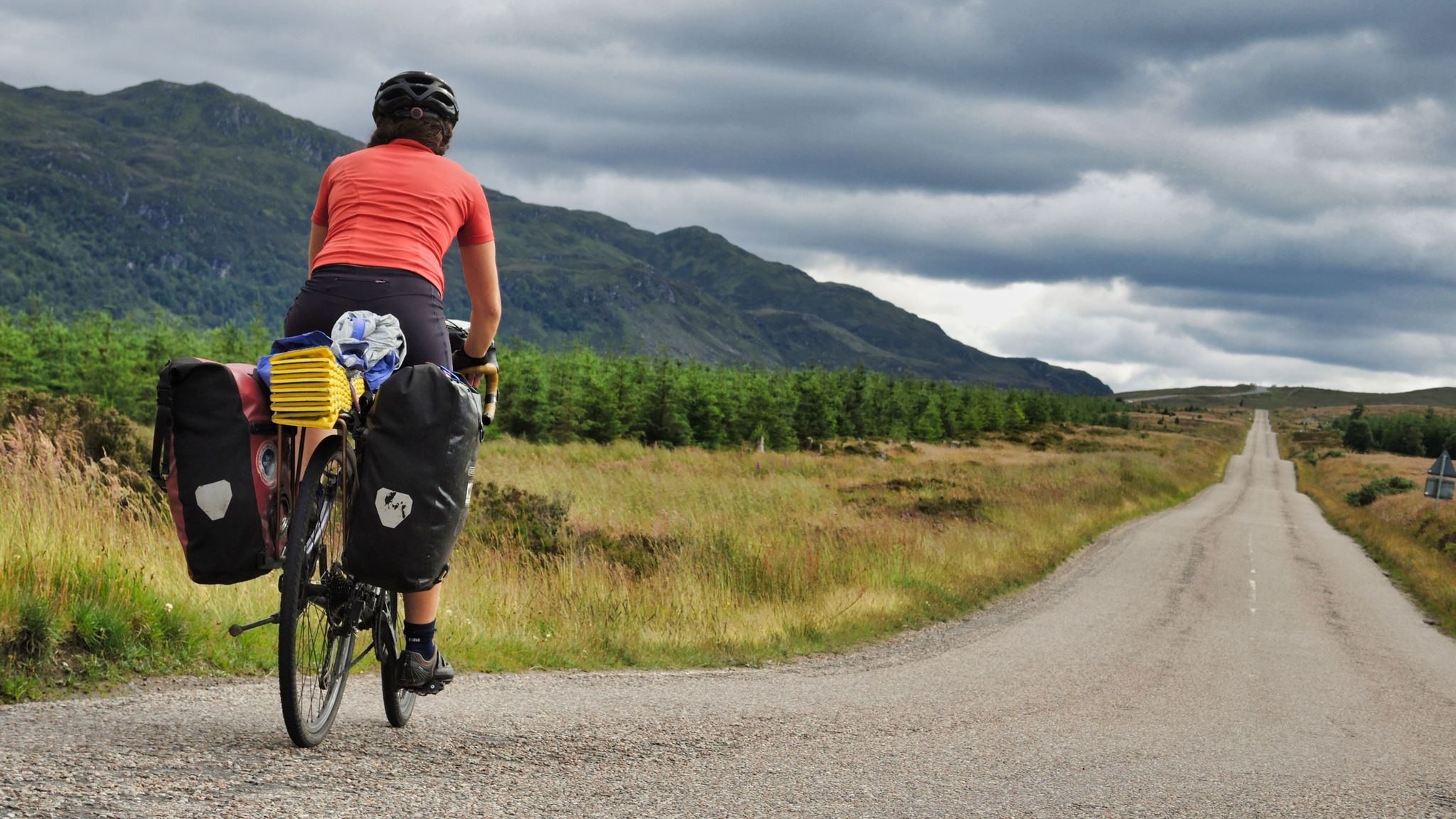
Land's End to John O'Groats – an unforgettable ride
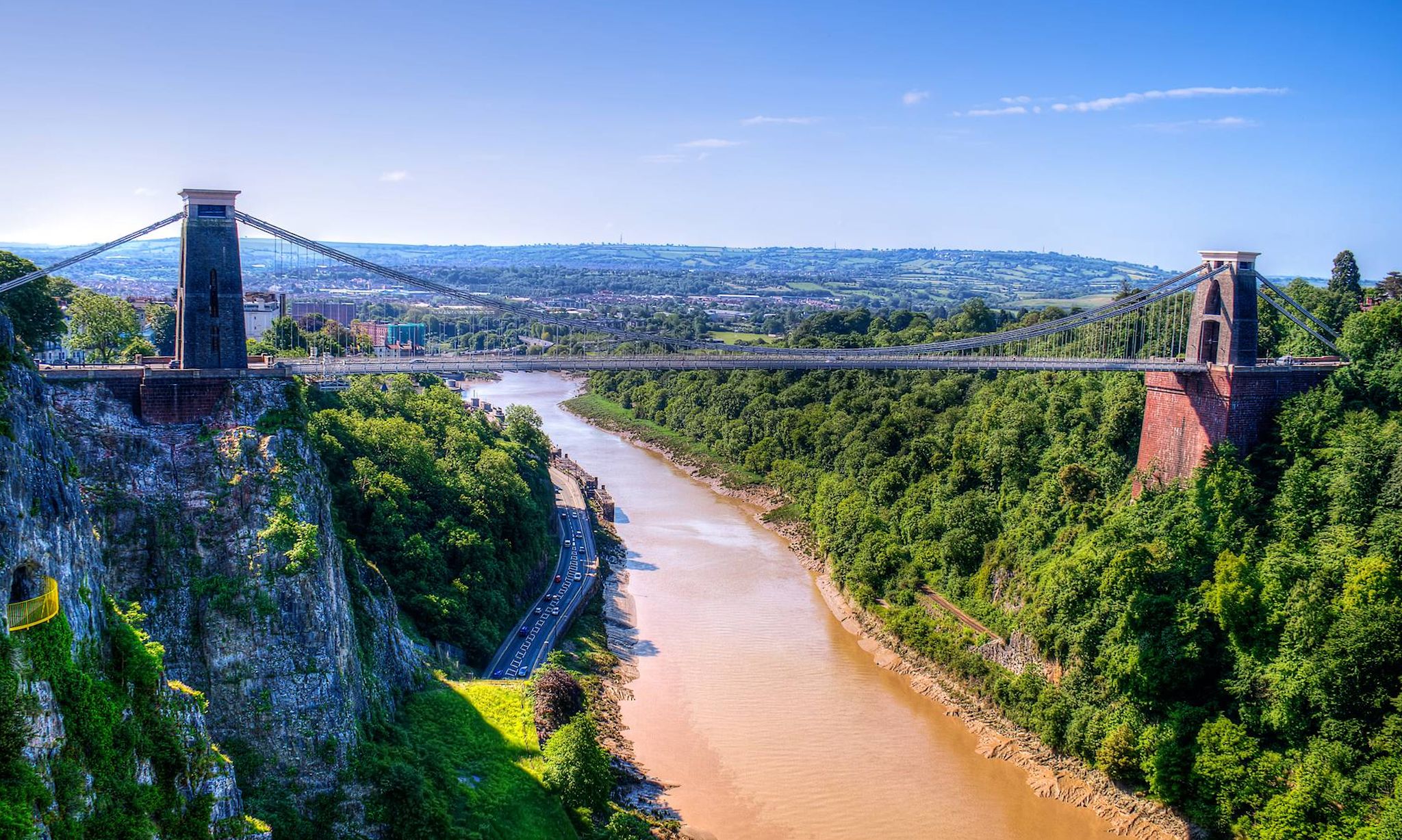
West Country Way – Vibrant cities and emerald hills

Devon Coast to Coast – Pristine beaches to vast moorlands
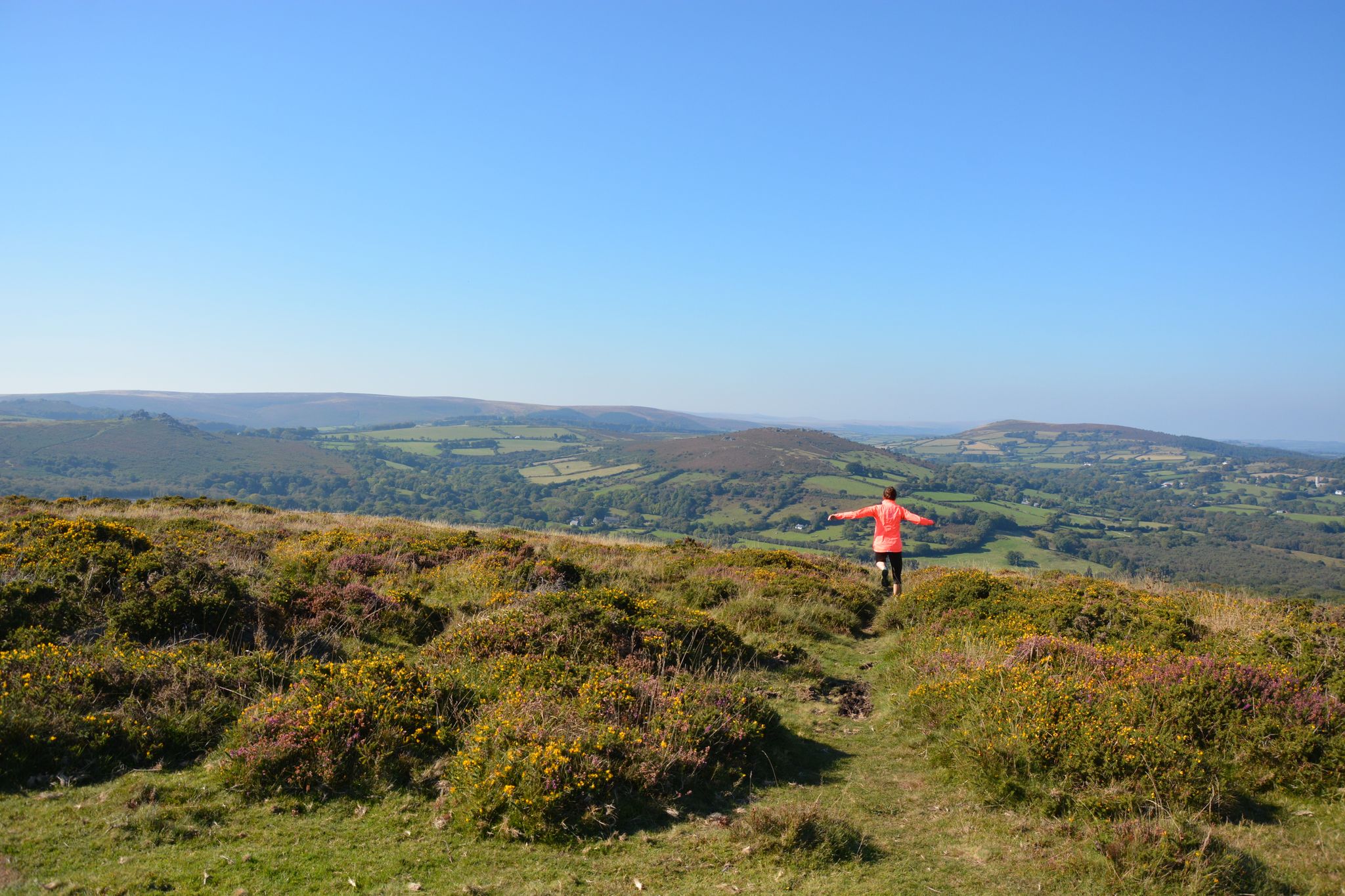
Footsteps through time – trail running in Dartmoor National Park
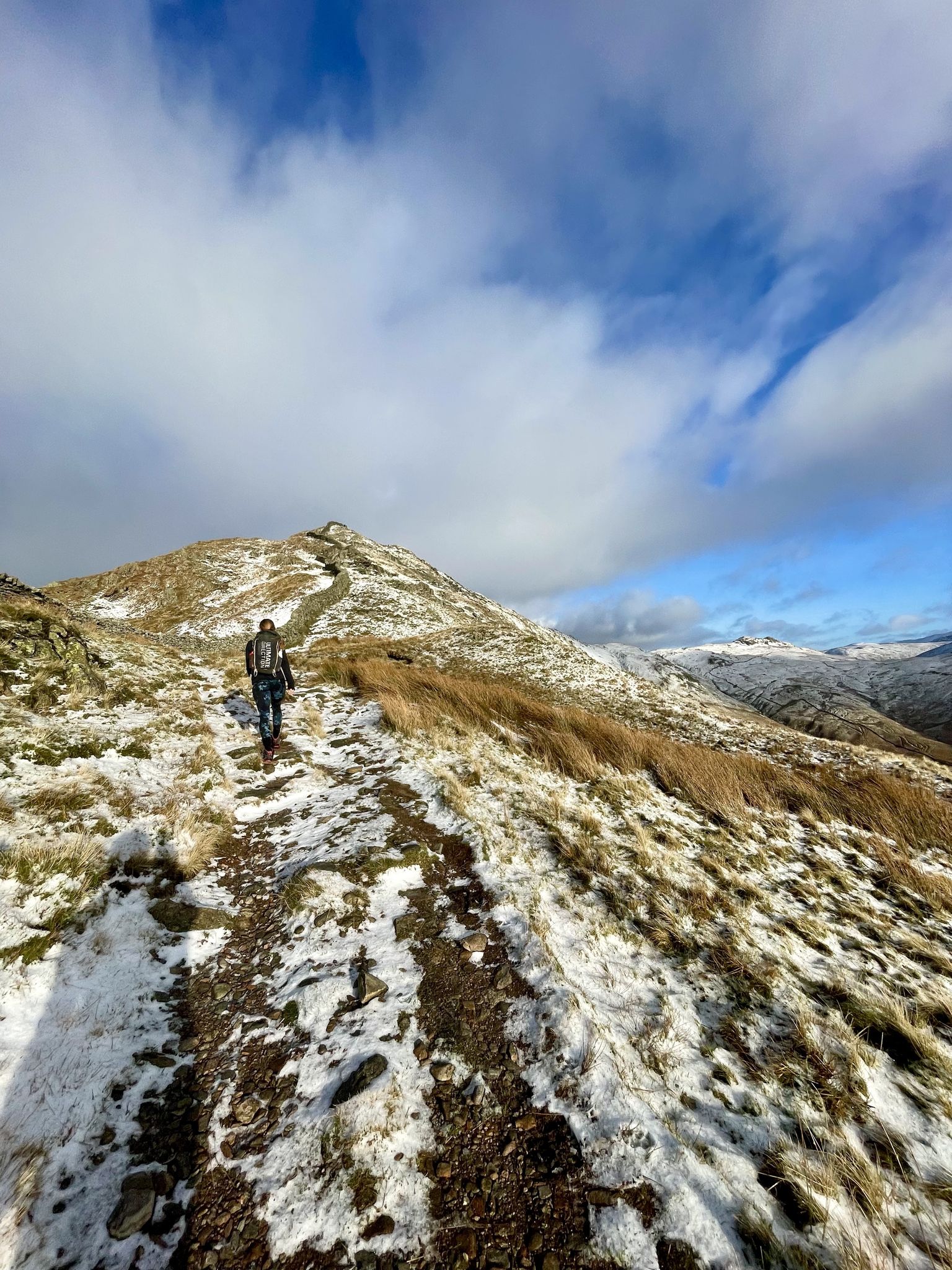
Walk Britain – 90 car-free adventures in England, Wales and Scotland
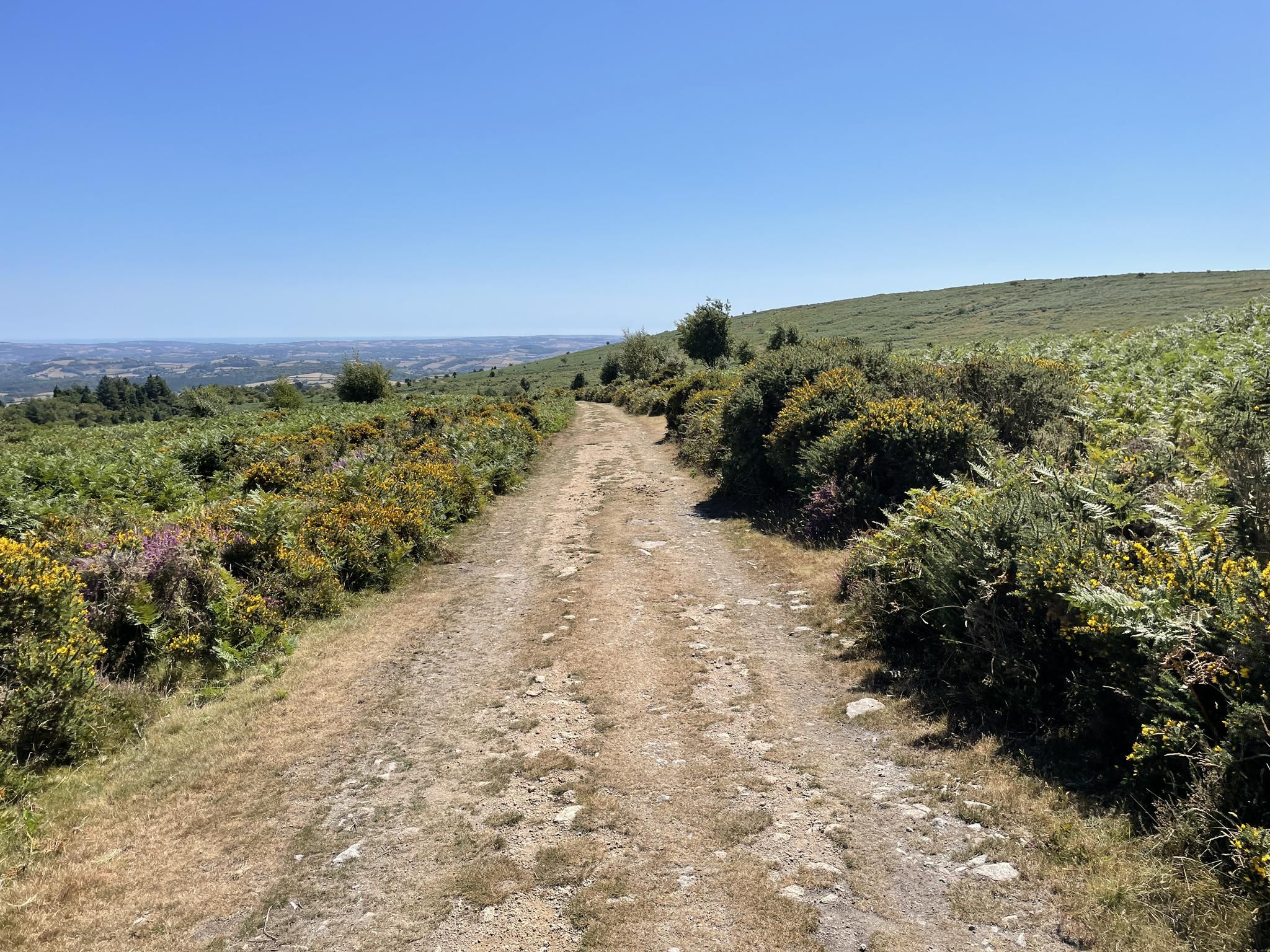
Accessible adventures for all – Dartmoor Miles Without Stiles
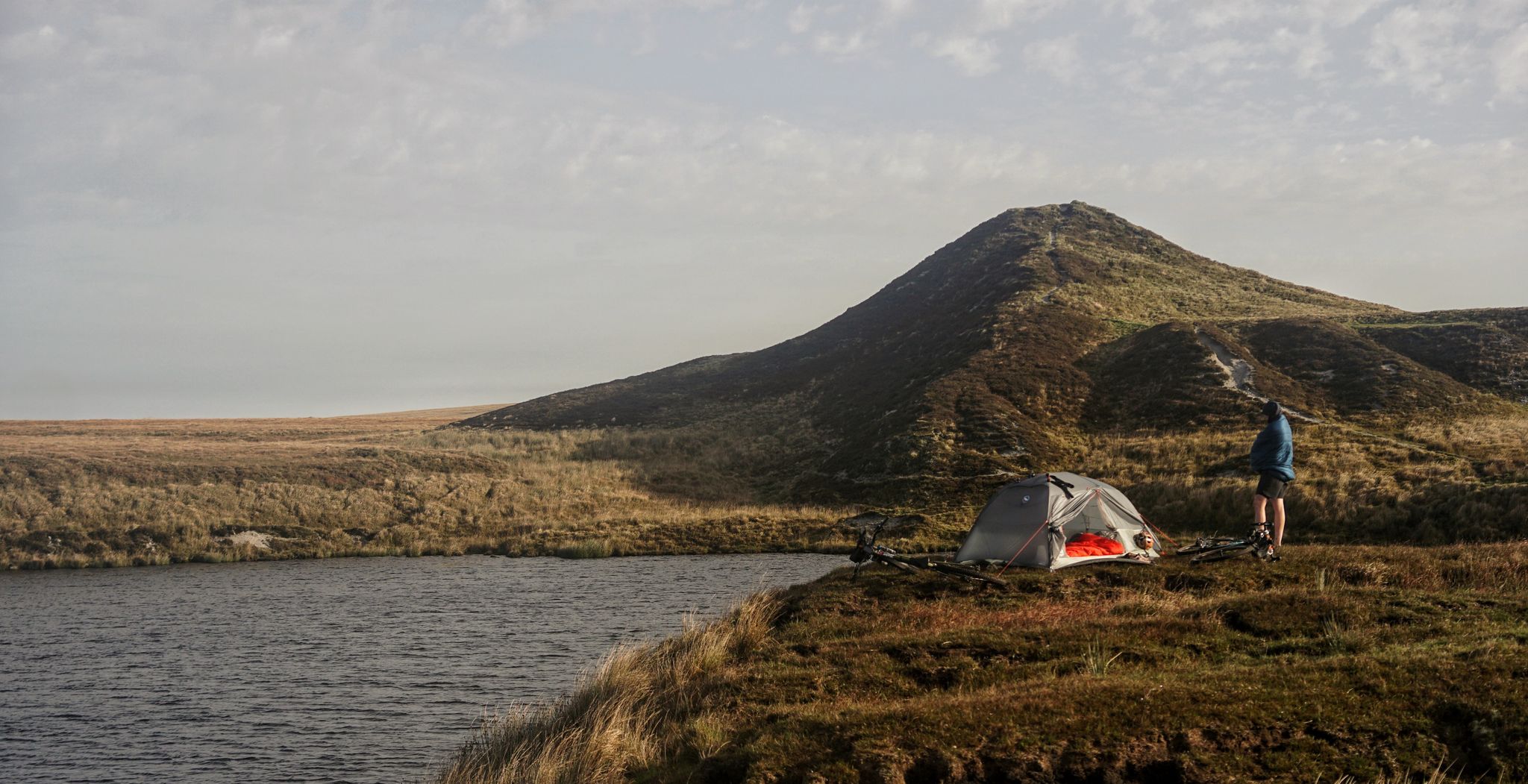
A classic South Dartmoor off-road loop – Red Lake overnighter
Other adventures in West Devon


Tips from the Community

The "last castle in England" was only completed in 1930. It's something completely different and although it's not (yet) picturesquely dilapidated, it offers many interesting insights into life between the wars. Lovingly looked after by the National Trust and definitely worth a visit.
1
0


These stairs take you to Drogo Castle, which you can of course visit. However, you can also take a break in the castle garden.
1
0

Excellent pizza and undercover, outdoor seating at the Castle Inn! No issues taking our bikes into the garden.
0
0

Lydford is a pretty little village on the edge of Dartmoor National Park and hides, within its boundaries, several amazing features. One of these is its castle, of Norman origin that was rebuilt in the late 12th century with the tower being renovated in the 13th century. Consistently used over the centuries and repeatedly overhauled, it eventually fell into disuse in the 19th century. Free to enter, you can enjoy its large, sloping lawn after you've had a nose about the tiny building. A perfect picnic spot, the castle sits in utter tranquillity.
1
0


Lydford is a small ancient village on the banks of the river Lyd established by King Alfred late in the 9th century as a fortification to defend the country from the Vikings and the Cornish. The village became famous for its silver pennies mined and minted locally and the stunning Lydford Gorge with the White Lady Waterfall. Lydford has also been home to two medieval castles, one of which still remains. It was built in the year 1195 at a reported cost of £32 originally as a Royal castle given by King John to William Bruere in 1216 and then by King Henry III to his brother, Richard, Earl of Cornwall, in 1337. Throughout the centuries the castle was notoriously known as ‘a strong house for keeping prisoners’, and by the 18th century, it was used purely as a court of law and gaol being described as ‘being a place most odious, filthy and vile...'. The court and prison earned a grim reputation for hanging defendants in the morning and passing judgement in the afternoon. In 1900 S. Baring-Gould mentioned in his 'A book of Dartmoor' a poem attributed to William Browne in 1644:- "I oft have heard of Lydford Law, How in the morn they hang and draw, And sit in judgment after: At first I wondered at it much, But soon I found the matter such As it deserved no laughter. They have a castle on a hill; I took it for some old wind-mill, The vanes blown off by weather. Than lie therein one night 'tis guessed 'Twere better to be stoned or pressed Or hanged, ere you come thither." Lydford Castle's role continued right up until the early nineteenth century when it was abandoned in preference to a new prison built at Princetown to house French prisoners of war. This has since become the infamous Dartmoor Prison.
2
0

The impressive ruins of Okehampton Castle, Devon’s largest, stand tall on a wooded spur above the River Okement. Built soon after the Norman Conquest as a motte and bailey, it was converted into a lavish residence in the 14th century by Hugh Courtenay, Earl of Devon. After the last Courtenay owner fell foul of Henry VIII in 1539, the castle collapsed into ruins. These days, you can wander around the castle and enjoy a riverside picnic area and beautiful woodland that is rich in flora and fauna. For opening times and more information, visit: https://www.english-heritage.org.uk/visit/places/okehampton-castle/.
4
0
Frequently Asked Questions
Which castles in West Devon are free to enter?
You can visit Lydford Castle and Saxon Town for free. It offers a fascinating journey through Anglo-Saxon settlement, Norman fortification, and medieval justice, and is a perfect picnic spot.
Are there family-friendly castles to visit in West Devon?
Yes, all three main castles in West Devon are considered family-friendly. Lydford Castle and Saxon Town, Okehampton Castle, and Castle Drogo all offer engaging experiences for families, often with expansive grounds for exploration.
What kind of historical significance do West Devon castles hold?
West Devon's castles showcase diverse historical periods. Lydford Castle and Saxon Town features remains from a 9th-century Saxon town and a 13th-century tower infamous as a prison for Stannary Laws. Okehampton Castle is a significant Norman motte and bailey castle, later transformed into a grand residence. Castle Drogo is unique as England's last castle, built in the early 20th century with a blend of medieval aesthetics and modern design.
Are there walking routes near Okehampton Castle?
Yes, Okehampton Castle is set in a picturesque woodland area above the River Okement, offering scenic riverside and woodland walks. You can find various cycling routes in the wider area, including 'Lydford & Peter Tavey — Granite Way loop from Okehampton' and 'Lydford, Princetown & Chagford loop from Okehampton', which are part of the Cycling in West Devon guide.
What natural features can I explore near West Devon castles?
The castles are often situated on the edge of Dartmoor National Park. Near Lydford Castle, you can visit Lydford Gorge and its stunning White Lady Waterfall. Castle Drogo offers dramatic views over the Teign Gorge, with numerous walking opportunities along the gorge, teeming with wildlife. Okehampton Castle provides panoramic views over the surrounding moorland and is nestled above the River Okement.
Can I bring my dog to the castles in West Devon?
While specific dog access policies vary, many outdoor areas around the castles are dog-friendly. For example, the tranquil setting of Lydford Castle is suitable for walks, and the expansive grounds around Castle Drogo and the Teign Gorge are popular for dog walking. Always check individual site rules for interior access.
What is the best time of year to visit West Devon castles?
The castles are enjoyable year-round, but spring and summer offer the best weather for exploring the extensive grounds and nearby natural attractions like Lydford Gorge and Teign Gorge. Autumn provides beautiful foliage, especially around Castle Drogo and its gardens. Check individual castle websites for winter opening hours, as some may have reduced schedules.
Are there cafes or pubs near the West Devon castles?
Yes, there are amenities available. Castle Drogo has a cafe and other facilities on-site. The village of Lydford, where Lydford Castle is located, has local pubs. Okehampton, near Okehampton Castle, also offers various cafes and pubs.
What unique architectural features can I find among West Devon's castles?
Lydford Castle is notable for its 10-foot-thick walls and being a two-part site with both an early Norman fort and a later 13th-century tower keep. Okehampton Castle is a prime example of a Norman motte and bailey castle, later converted into a grand residence. Castle Drogo stands out as England's last castle, designed by Sir Edwin Lutyens in a mixed-revivalist style using local granite, blending medieval fortress aesthetics with early 20th-century modernity.
Can I find hiking trails that combine castle visits with natural scenery?
Absolutely. For instance, near Lydford Castle, you can explore routes like 'Lydford Castle & Whitelady Waterfall loop of Lydford Gorge' or 'Lydford Castle and Saxon Town – Whitelady Waterfall loop from Lydford', which are featured in the Waterfall hikes in West Devon guide. These routes allow you to combine historical exploration with stunning natural beauty.
How long should I allocate for visiting the castles in West Devon?
The time needed varies by castle. Lydford Castle can be explored in an hour or two, especially if combined with a visit to Lydford Gorge. Okehampton Castle might take 2-3 hours to explore the ruins and enjoy the surrounding walks. Castle Drogo, with its unique interiors, gardens, and extensive Teign Gorge walks, could easily fill half a day or more.
Are there any castles in West Devon that offer panoramic views?
Yes, Okehampton Castle allows visitors to climb to its keep for panoramic views over the town and surrounding moorland. Castle Drogo is perched high above the Teign Gorge, offering dramatic views of the landscape from its grounds and certain points within the castle.
Most popular routes in West Devon
Most popular attractions in West Devon

Get inspired with the komoot mobile app


Didn’t find what you were looking for?
Explore West Devon’s best castles region by region:
Explore more
Looking for the best castles somewhere else? Discover other guides in West Devon:
