Attractions and Places To See in North Dorset - Top 20
Best attractions and places to see in North Dorset encompass a region of rolling hills, ancient market towns, and charming villages. This area is characterized by its tranquil landscapes and rich heritage, offering a blend of history and natural beauty. Visitors can explore well-preserved Iron Age hillforts, historic sites, and picturesque countryside. The region provides a peaceful escape into the English countryside with diverse points of interest.
Best attractions and places to see in North Dorset
- The most popular attractions is Shillingstone Railway Station & Museum, a historical site that features a restored station with some rolling stock and engines. Volunteers have worked to restore the station, which now functions as a museum and plans to extend its heritage railway service.
- Another must-see spot is Zig Zag Hill Climb, a challenging climb offering views from the top at Wingreen Hill. This road cycling climb provides rewarding views across Dorset, resembling an Alpine switchback.
- Visitors also love Hambledon Hill Iron Age hill fort, an impressive Iron Age hillfort and National Nature Reserve. It offers panoramic views over the Blackmore Vale and River Stour, and is considered one of the best-preserved Iron Age hill forts in Britain.
- North Dorset is known for its historic sites, natural landscapes, and charming market towns. The region offers a variety of attractions to see and explore, from ancient ruins to scenic walking and cycling paths.
- The attractions in North Dorset are appreciated by the komoot community, with over 50 upvotes and 30 photos contributing to the guide's content.
Last updated: October 9, 2026
Shillingstone Railway Station & Museum
Highlight (Segment) • Historical Site
The cafe and shop are open when the station is open, currently Open on Wednesdays, Saturdays and Sundays 10am-4pm.
Tip by

Hambledon Hill Iron Age hill fort
Highlight • Viewpoint
Tip by

Sign up now to discover places like this
Get recommendations on the best single tracks, peaks, & plenty of other exciting outdoor places.
Zig Zag Hill Climb
Highlight (Segment) • Viewpoint
Tip by

Gold Hill, Shaftesbury
Highlight • Climb
Tip by
North Dorset Trailway
Highlight (Segment) • Trail
Tip by

Blandford Railway Arches and Footbridge
Highlight (Segment) • Historical Site
Blandford station remained open until 7 March 1966, when the entire line from Bath to Bournemouth closed to passengers. Goods traffic continued for a further three years, but the station was finally closed and the track lifted in 1969. Following the closure, the Damory railway bridges, on the southern approach to the station, were eventually demolished in 1978.
Tip by

Hod Hill
Highlight • Viewpoint
Hod Hill has deep ramparts making it a fun place to walk, especially for children. Grassy and abounding in insects, butterflies and plantlife, spring and summer bring out the best of the landscape here.
The Stour Valley Way path goes right through the centre of the fort, providing fantastic views on this mostly low-lying trail.
Tip by

Milton Abbas Village
Highlight • Historical Site
The village is particularly interesting as it features 36 near-identical houses. It's very pretty and has a pub, perfect for a lunch stop.
Tip by
Shaftesbury Abbey — Ruins and Gardens
Highlight • Historical Site
Today everything lies in ruins, but is lovingly cared for and managed by a trust. Admission is free, but donations are requested. With a souvenir shop, many benches and toilets. We liked it!
Translated by Google •
Tip by

Hambledon Hill Ramparts
Highlight • Historical Site
Tip by

Sign up for free to discover even more attractions in North Dorset.
Already have an account?
Start today with a free account
Your next adventure awaits.
Popular around North Dorset
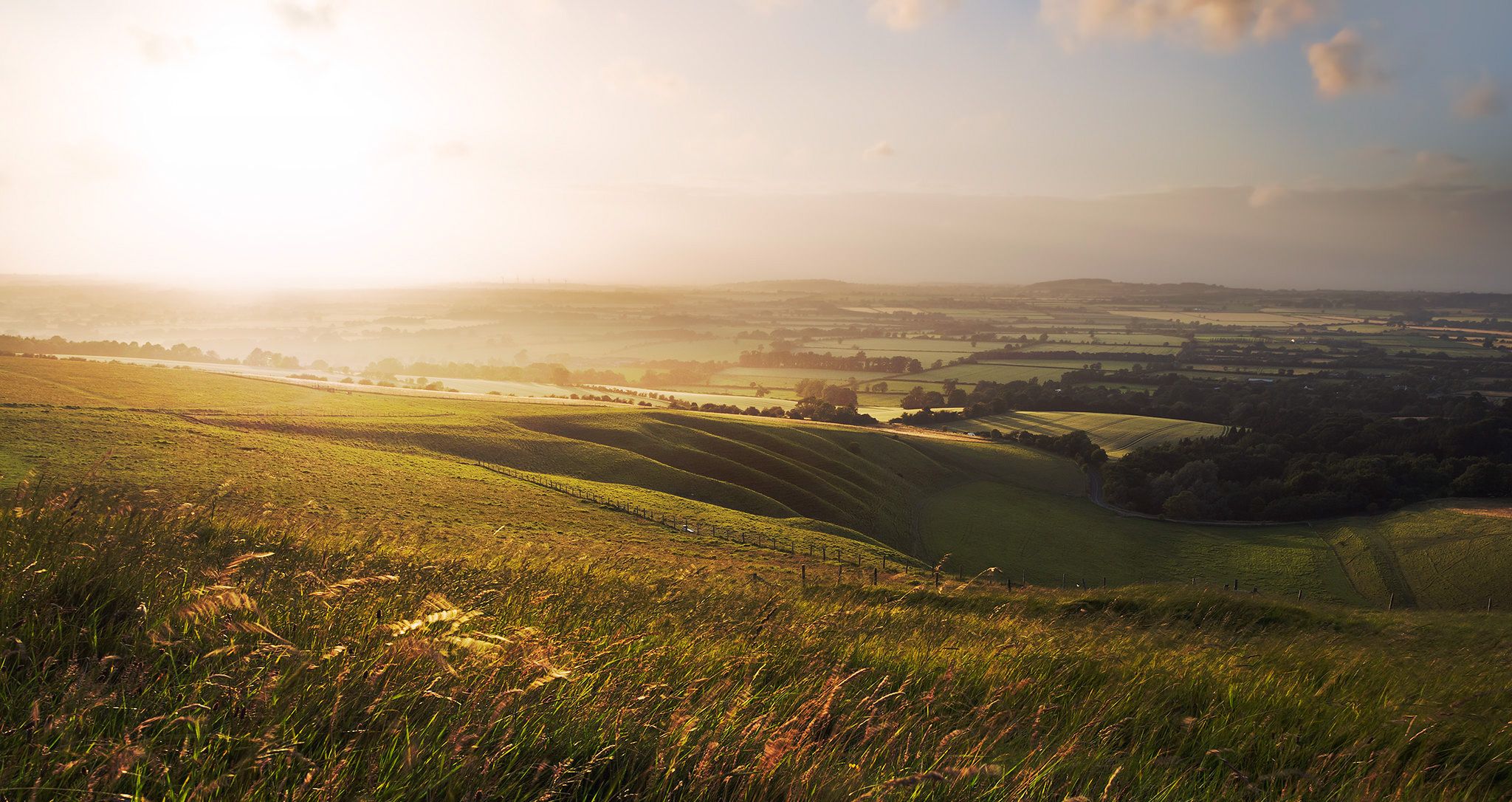
Hiking the Greater Ridgeway — Following Roman roads across England
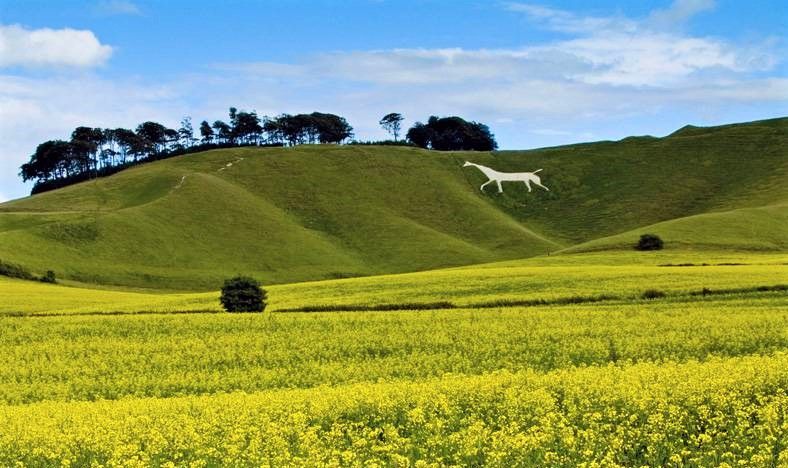
Wessex Ridgeway — An ancient and beautiful ridge hike
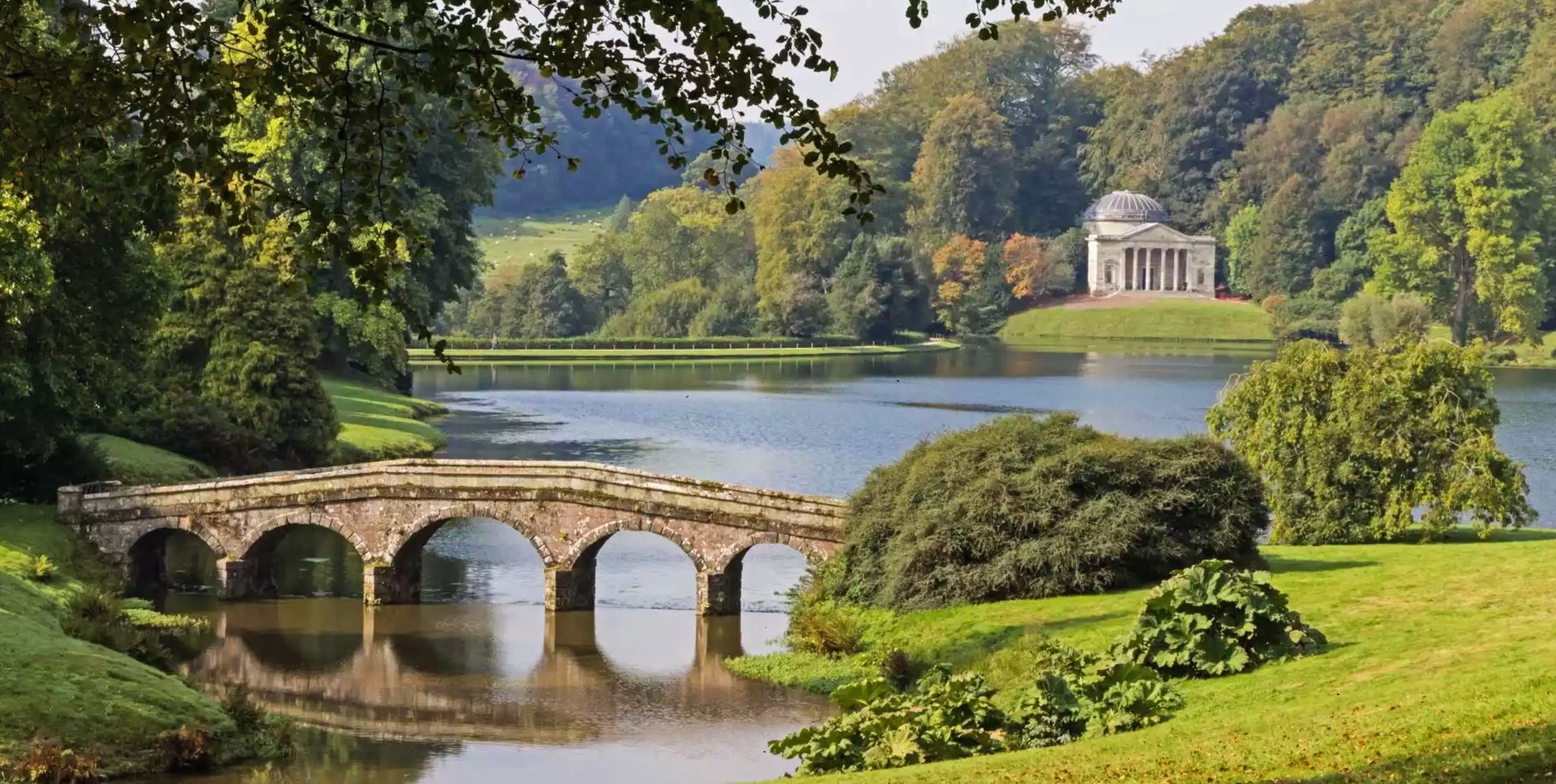
Wiltshire Cycleway – Cycle through 5,000 years of history
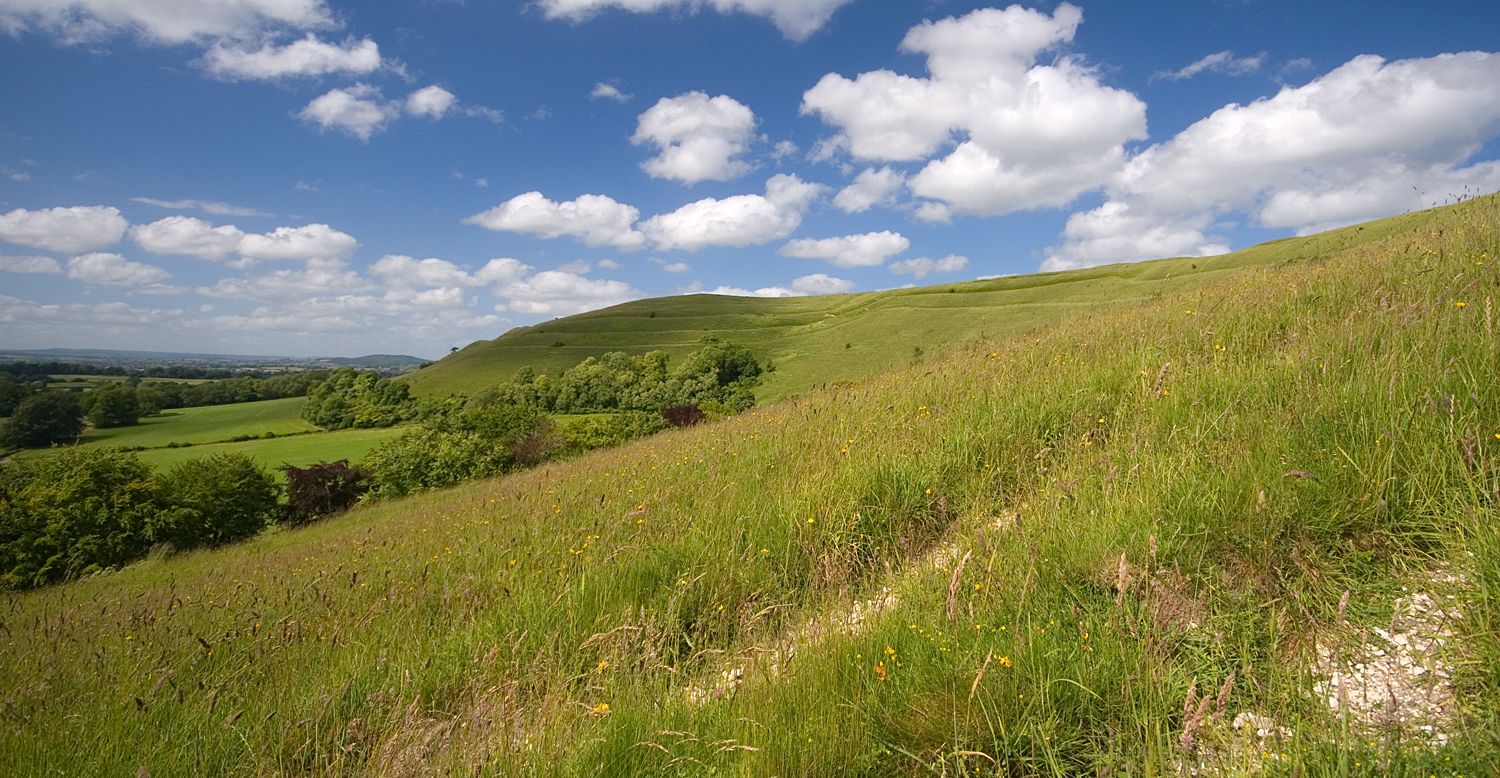
Roaming the ramparts of Dorset's hillforts — National Trust
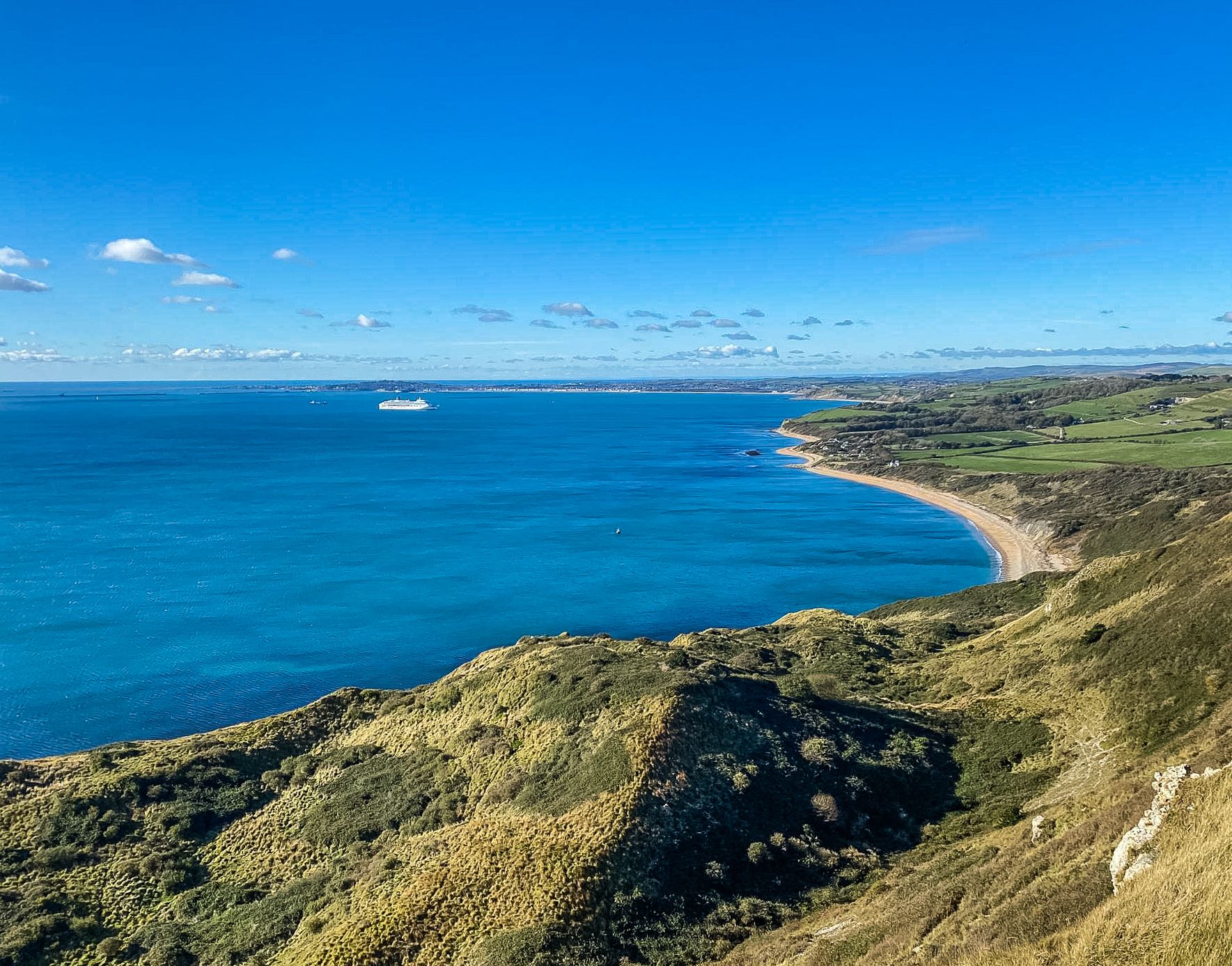
20 fantastic trails in North & West Dorset — National Trust
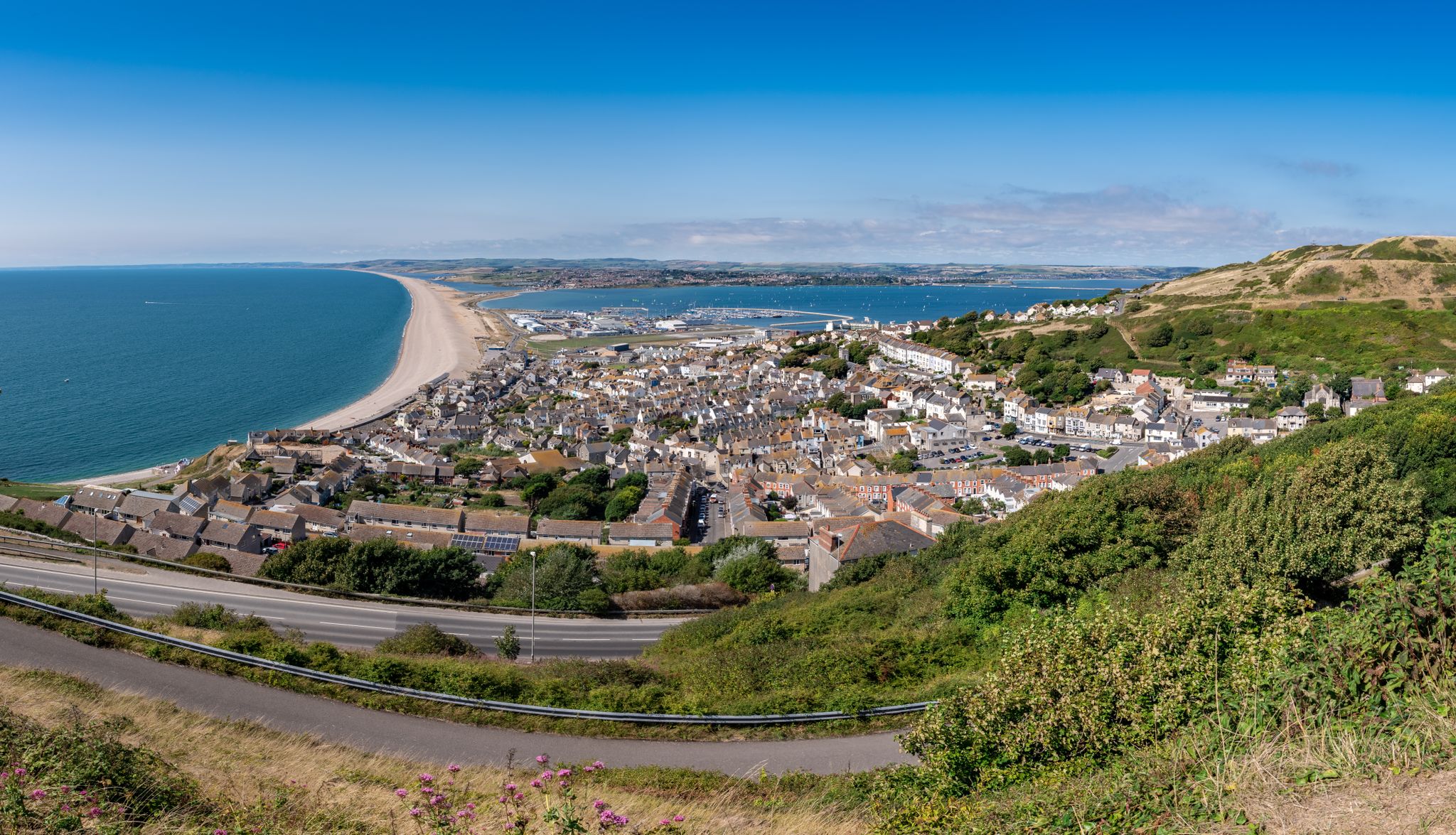
The county’s finest road rides — Dorset style
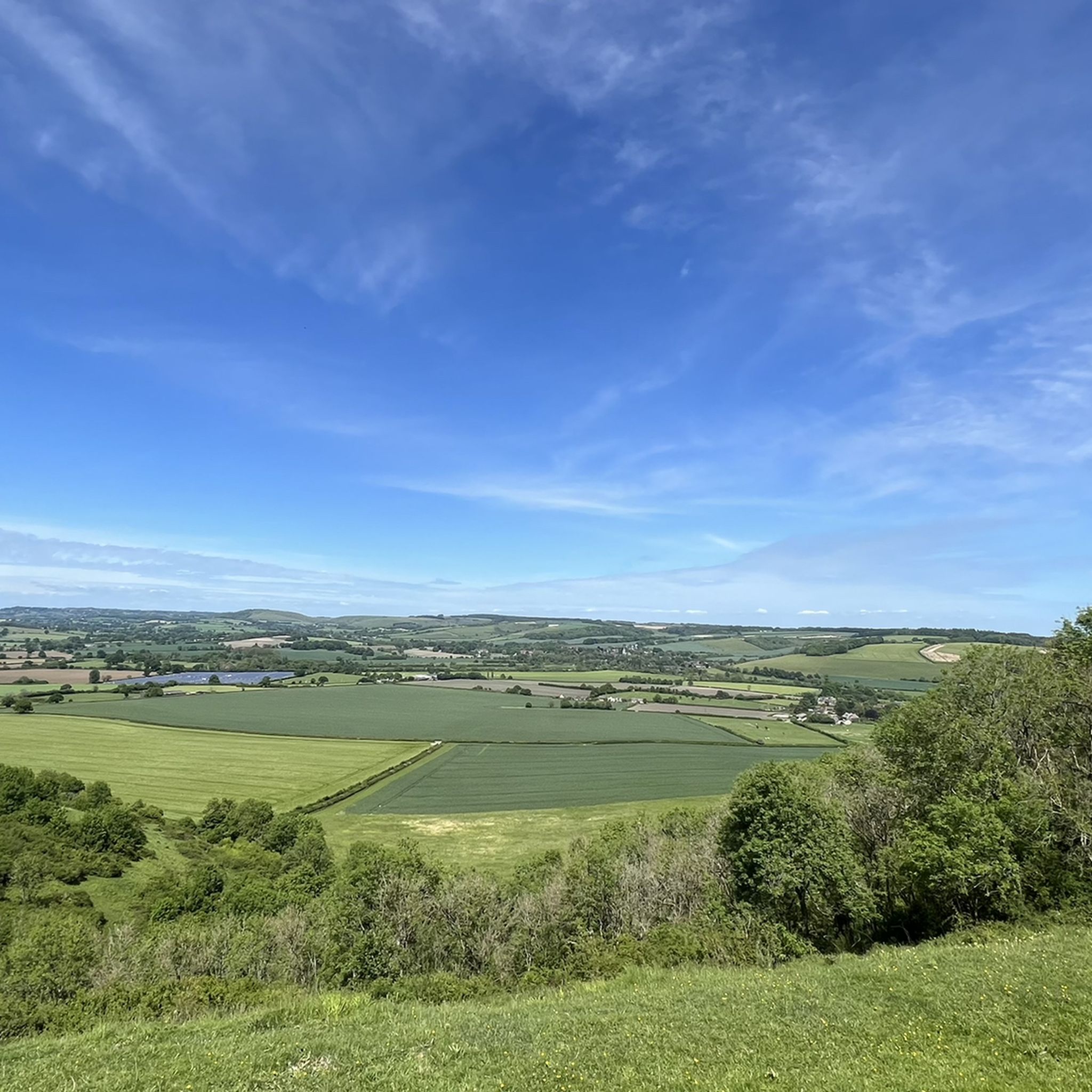
Hiking in North Dorset
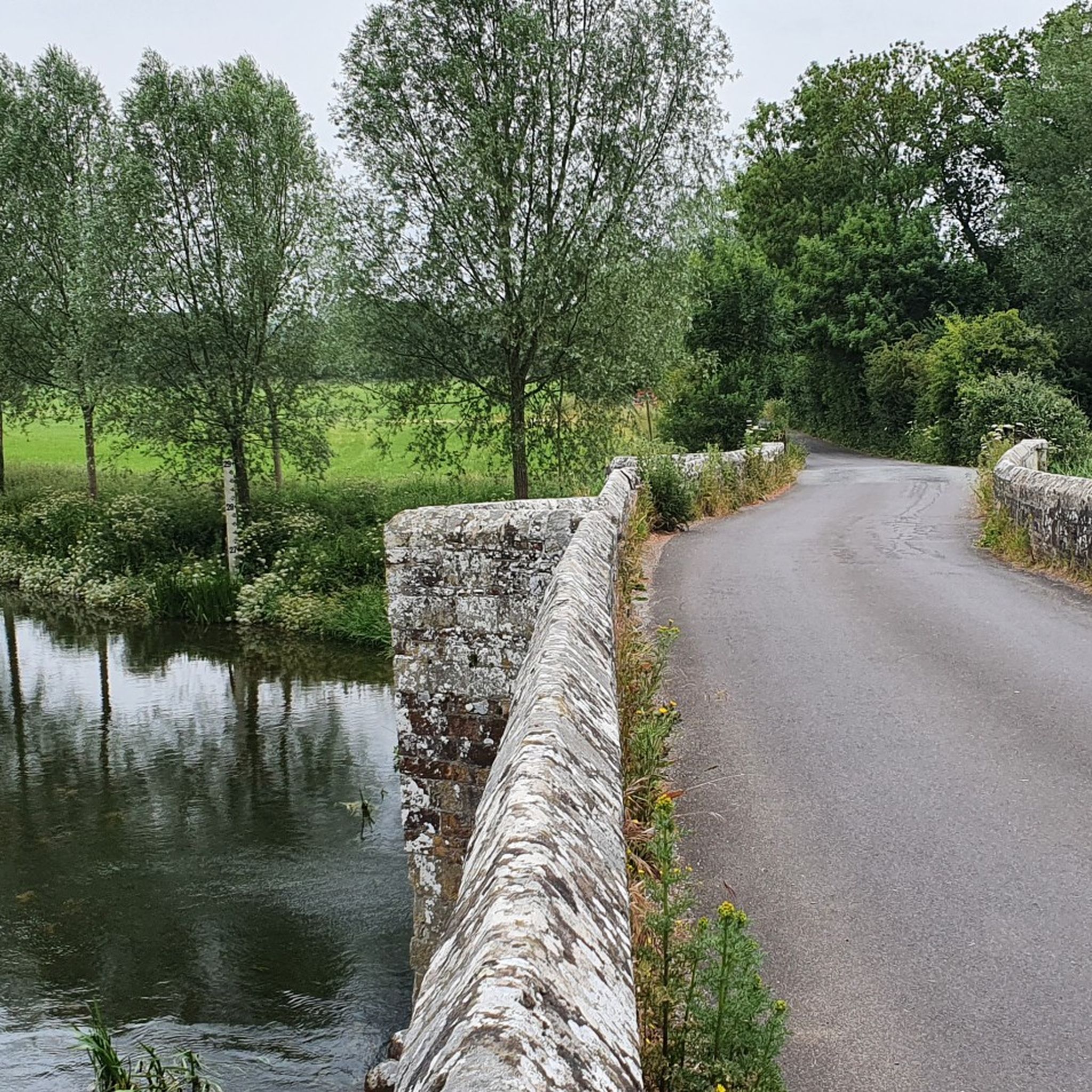
Road Cycling Routes in North Dorset
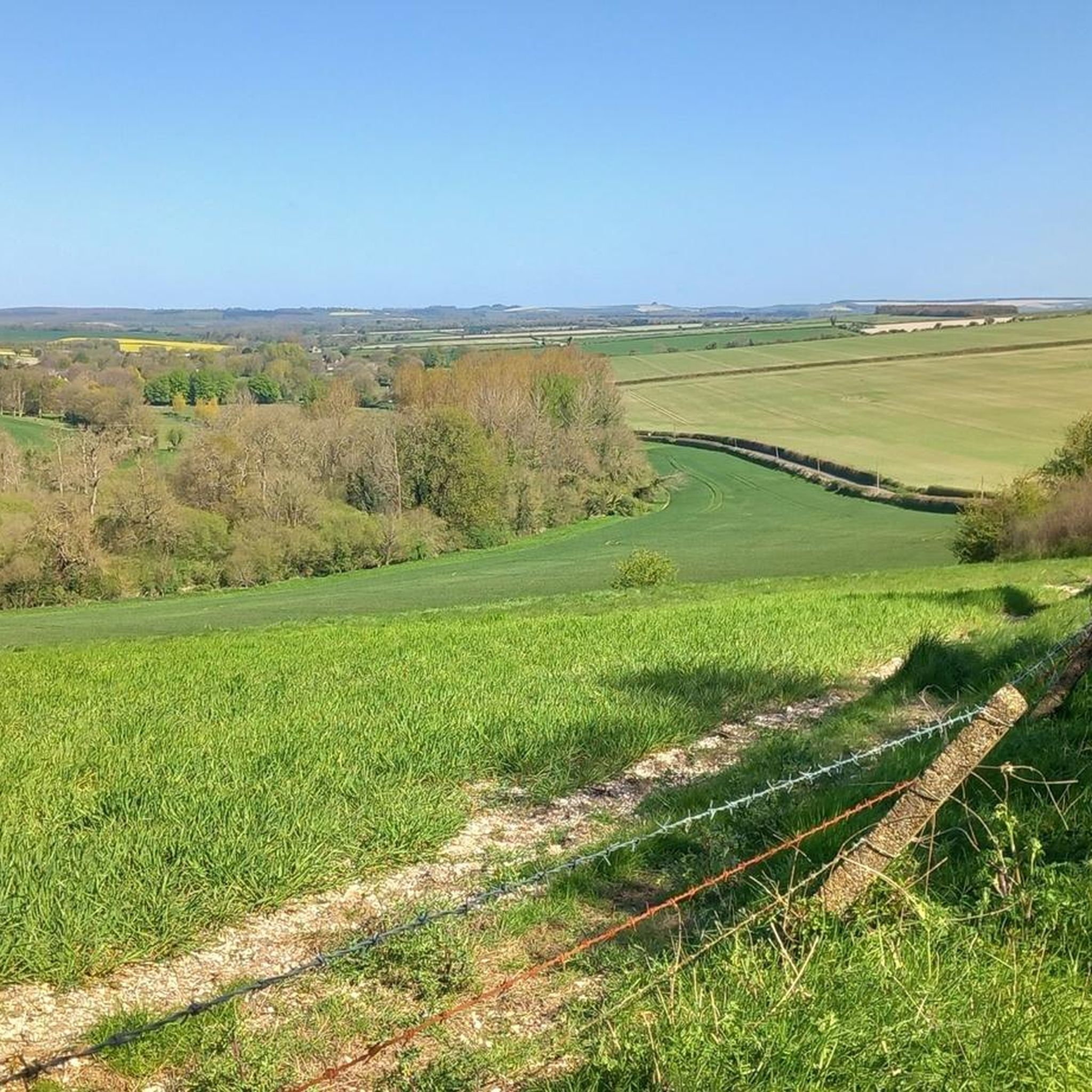
Cycling in North Dorset
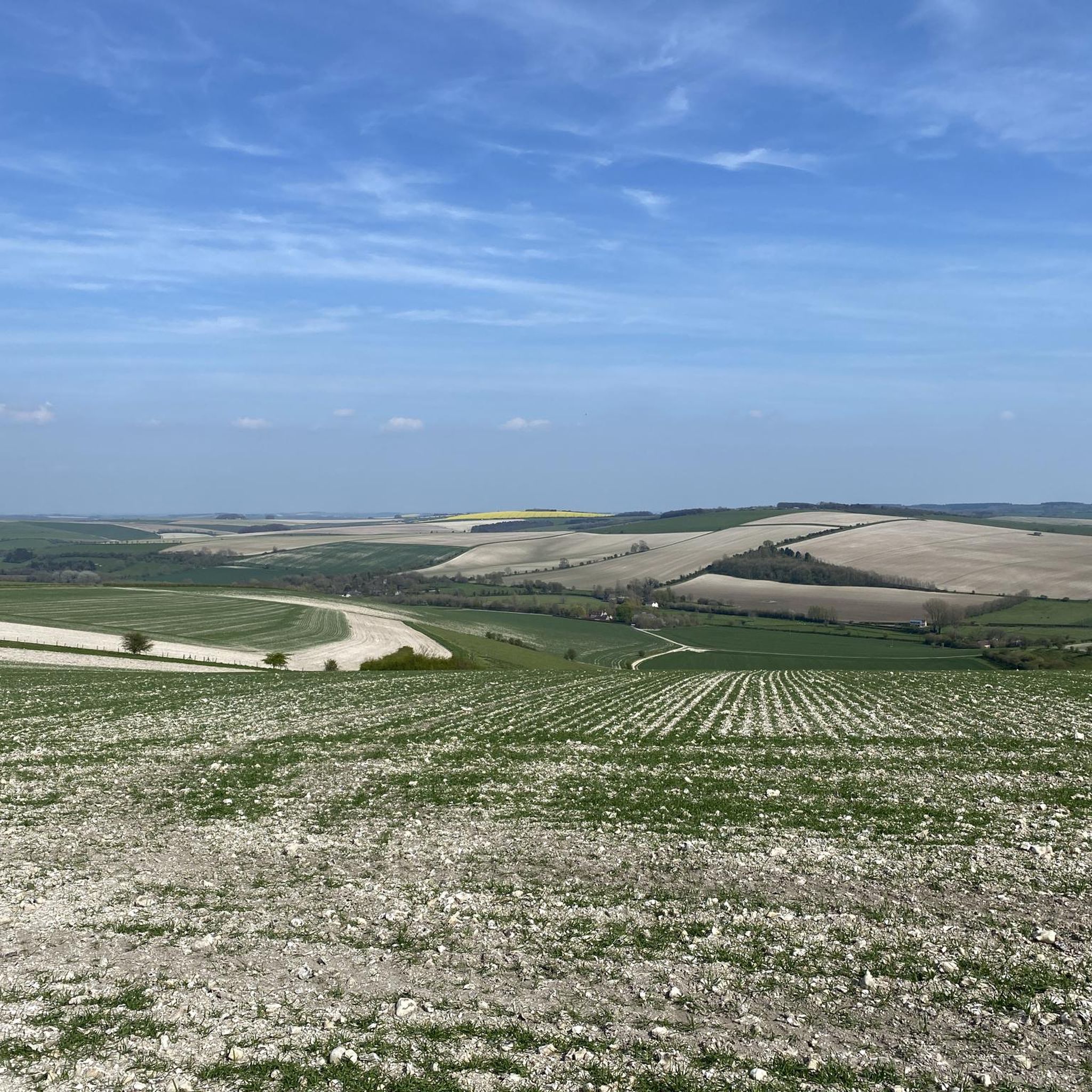
Running Trails in North Dorset
Other adventures in North Dorset


Tips from the Community

Once one of the most important and wealthiest nunneries in England. The abbey's ruins, consisting mainly of its foundations and remnants of walls, are located in a peaceful walled garden next to the famous Gold Hill. Shaftesbury Abbey was founded by King Alfred the Great in 888 AD. It was the first religious house in England established exclusively for women, and Alfred's daughter, Æthelgifu, was its first abbess. The abbey grew in wealth and importance, particularly after it became the burial site and shrine of St Edward the Martyr, a Saxon king who was murdered at Corfe Castle in 978 AD. His shrine attracted a large number of pilgrims, which brought significant income to the abbey. By the time of the Dissolution of the Monasteries under King Henry VIII in 1539, Shaftesbury Abbey was the second wealthiest nunnery in the country. It was the last abbey to be dissolved, and its buildings were systematically destroyed, with locals taking the stone for their own buildings. The ruins we see today are the excavated foundations of the church and other parts of the abbey complex. Entry is free, and the lovely volunteers are happy to offer a little tour with some details on the Abbey. It must have looked mightily impressive in its day.
0
0
notable for being one of the first planned settlements in England. In the 1770s, the owner of Milton Abbey, Joseph Damer (later Lord Milton and Earl of Dorchester), decided the original village of Middleton was spoiling his view and commissioned architect Sir William Chambers and landscape gardener Capability Brown to design a new village in a nearby wooded valley. The old village was demolished, and most of its residents were relocated to this new model village, now known as Milton Abbas. The village is characterized by its single, sinuous main street lined with 36 almost identical whitewashed and thatched cottages. These were originally designed to house two families each.
0
0

Pop into the cricketers pub before or after your hike it’s in the village (shroton)
0
0

In addition to the main rail bridge spanning the river, smaller bridges were built to allow traffic and pedestrians to cross the cuttings and track as it travelled north-west. Three bridges were built for this purpose and all of them remain integral to the navigation of the town today. Arguably the most distinctive of them is the Alexandra Street pedestrian footbridge, above the site of the dismantled station. Constructed from iron and now partially supported by four narrow legs, the bridge stands at what was once the northern end of the station, where the single-line section to Templecombe began. Blandford station remained open until 7 March 1966, when the entire line from Bath to Bournemouth closed to passengers. Goods traffic continued for a further three years, but the station was finally closed and the track lifted in 1969. Following the closure, the Damory railway bridges, on the southern approach to the station, were eventually demolished in 1978.
1
0
What a beautiful place to ride a bike! Nothing too demanding along this route. A mixture of cyclists, dog walkers, hikers and pushchair parents. highly recommend this route.
1
0
Frequently Asked Questions
What are some notable historical sites to visit in North Dorset?
North Dorset is rich in history. You can explore the impressive Iron Age hillforts like Hambledon Hill Iron Age hill fort, known for its panoramic views and Neolithic significance, or Hod Hill, which also contains a Roman fort. The iconic Gold Hill in Shaftesbury offers a glimpse into a historic market town, and you can visit the ruins and gardens of Shaftesbury Abbey. For a unique experience, the Shillingstone Railway Station & Museum features a restored station and rolling stock.
Where can I experience North Dorset's natural beauty and go for a walk?
The region is characterized by its tranquil landscapes. The Cranborne Chase Area of Outstanding Natural Beauty (AONB) offers rolling hills and ancient woodlands, with numerous walking routes. You can also explore the Fontmell and Melbury Downs for spectacular trails and wildlife spotting, or enjoy the picturesque Blackmore Vale. Hambledon Hill and Hod Hill are excellent for walks with breathtaking views.
Are there any unique cultural attractions in North Dorset?
Beyond historical sites, North Dorset offers cultural gems. Visit Sturminster Newton Mill, a working ancient flour mill offering insights into traditional milling. The picturesque estate village of Milton Abbas Village is known for its thatched cottages. Blandford Forum, a Georgian market town, is home to the Hall and Woodhouse Brewery, which offers guided tours, and the Blandford Fashion Museum.
What are some family-friendly attractions in North Dorset?
Many attractions in North Dorset are suitable for families. The North Dorset Trailway is ideal for family cycling and walking. Children will enjoy exploring the deep ramparts of Hod Hill. The Shillingstone Railway Station & Museum provides an engaging historical experience with its restored trains. Visiting Sturminster Newton Mill also offers informal guided tours that can be interesting for all ages.
What is the best time of year to visit North Dorset for outdoor activities?
Spring and summer are particularly rewarding for outdoor activities in North Dorset. The chalk downs and hillforts like Hod Hill abound in insects, butterflies, and plant life during these seasons. The Cranborne Chase AONB is excellent for walking and stargazing, with clearer skies often found in spring and autumn. However, the region's natural beauty can be enjoyed year-round, with each season offering a different charm.
Are there good cycling routes in North Dorset?
Yes, North Dorset offers excellent cycling opportunities. The North Dorset Trailway is a popular cycling path following a disused railway line, suitable for families. For road cyclists, the Zig Zag Hill Climb offers a challenging ascent with rewarding views. You can find various road cycling routes, including loops through Cranborne Chase, on the Road Cycling Routes in North Dorset guide.
Where can I find mountain biking trails in North Dorset?
North Dorset has several mountain biking trails. You can explore routes that take you past historical sites like Hod Hill and Hambledon Hill from Sturminster Newton. Other trails include loops around Tarrent Rawston and Witchampton from Blandford Forum, or singletrack near Shaftesbury. For detailed routes, refer to the MTB Trails in North Dorset guide.
Are there running trails available in North Dorset?
Yes, North Dorset provides a variety of running trails. Popular options include the Stour Valley Way and Blandford Forum Loop, or longer routes like the Melbury Beacon, Win Hill & Tollard Royal loop within Cranborne Chase. You can also find running trails that incorporate Hod Hill and Hambledon Hill. Discover more options in the Running Trails in North Dorset guide.
What kind of walking trails can I find in North Dorset?
North Dorset offers diverse walking trails, from easy, family-friendly paths to more challenging hill climbs. The North Dorset Trailway is a flat, accessible option. For more strenuous walks with rewarding views, explore the trails around Hambledon Hill and Hod Hill. The Cranborne Chase AONB also features numerous routes across rolling hills and chalk downs, including paths to Melbury Beacon.
Can I visit the famous Gold Hill in Shaftesbury?
Absolutely! Gold Hill in Shaftesbury is a must-see. This iconic, steep, cobbled street is famous for its appearance in the Hovis bread advert and offers stunning panoramic views over the Blackmore Vale. The town of Shaftesbury itself is charming, with independent shops and tearooms, and you can also visit the nearby Shaftesbury Abbey Museum.
Are there any ancient chalk figures in North Dorset?
Yes, the famous Cerne Abbas Giant, an ancient and giant chalk sculpture, overlooks the village of Cerne Abbas. Its age is uncertain, but it is thought to date back centuries and is often associated with fertility. It's a unique landmark maintained by the National Trust.
What is special about Hambledon Hill?
Hambledon Hill Iron Age hill fort is considered one of the best-preserved Iron Age hill forts in Britain and an iconic Neolithic landscape in Europe. It offers breathtaking views over the Blackmore Vale and River Stour. As a National Nature Reserve, it's also home to many rare plant and animal species, making it a significant site for both history and nature enthusiasts.
Are there any less crowded attractions in North Dorset?
For a quieter experience, consider exploring some of the smaller villages or less-trafficked walking routes within the Cranborne Chase AONB. While popular, the extensive nature of sites like Hod Hill and Hambledon Hill allows for peaceful exploration, especially outside peak hours. The Shillingstone Railway Station & Museum and Sturminster Newton Mill offer unique historical insights in a more intimate setting.
Most popular routes in North Dorset
Most popular attractions in North Dorset

Get inspired with the komoot mobile app


Didn’t find what you were looking for?
Are you keen on exploring more awesome places nearby? Browse our guides:
Explore more
Still not found the Highlight you’re looking for? See guides of the top attractions in other regions:
