Top 4 Castles around Carlisle
Best castles around Carlisle are situated in a region with a rich historical past, strategically located near the Anglo-Scottish border. This area served as a significant Roman administrative and military center, with its roots stretching back nearly 2,000 years. The city is home to Carlisle Castle, a prominent medieval stronghold that exemplifies the region's turbulent history. The surrounding landscape features various historical sites, reflecting centuries of Anglo-Scottish conflicts and border defense.
Best castles around Carlisle
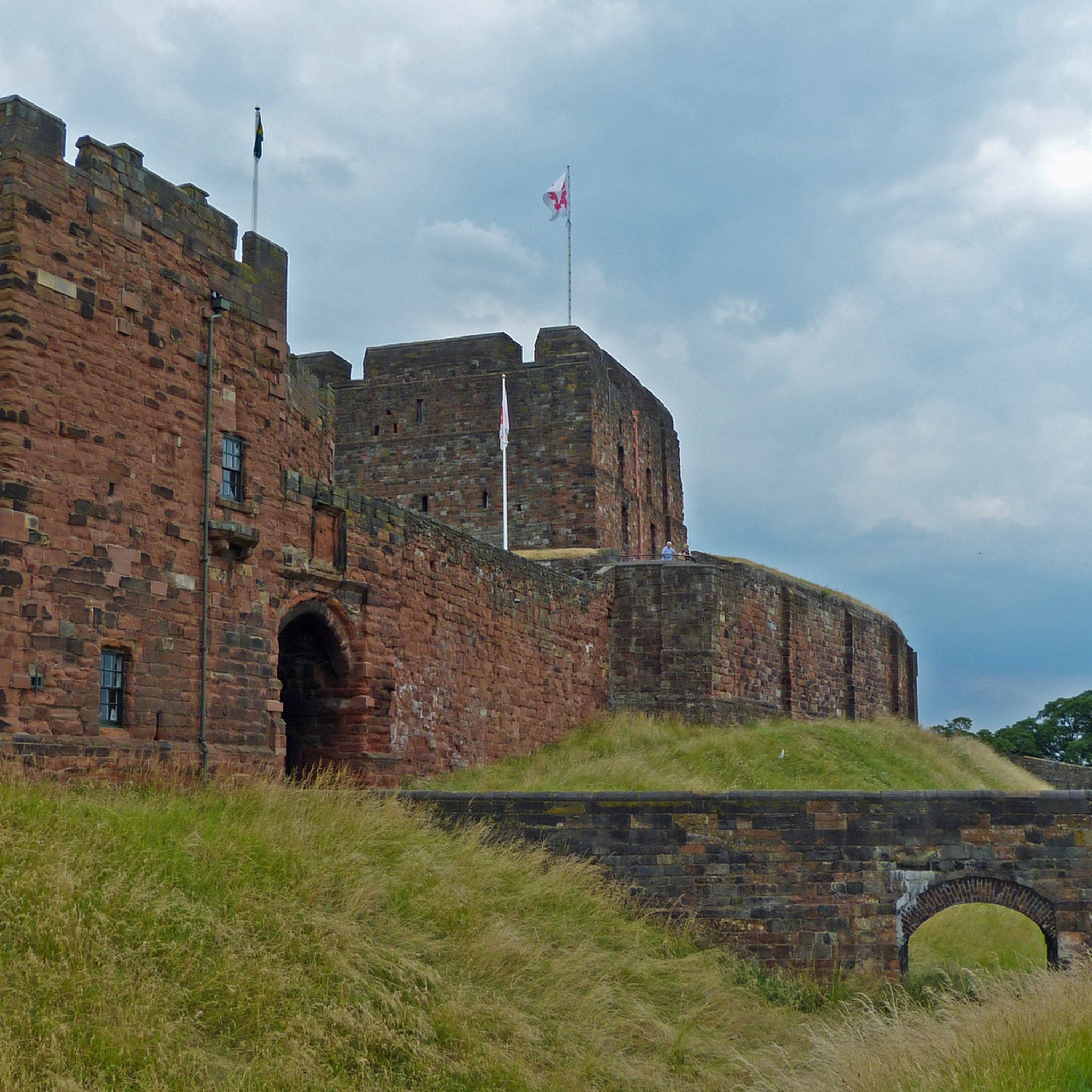
- The most popular castles is Carlisle Castle, a historical site and castle that served as a main fortress on England’s northwestern border with Scotland. It is known for enduring numerous sieges and for imprisoning Mary Queen of Scots in 1568.
- Another must-see spot is Ruins of Bewcastle Castle, a castle that served as a border defense against Scottish incursions. These ruins are located on the site of an old Roman fort and played a role in conflicts with the Border Reivers.
- Visitors also love Naworth Castle, a historical site and castle built in the 13th century. This medieval castle has hosted various nobles throughout its history and is still inhabited today.
- Carlisle is known for medieval fortresses, fortified manor houses, and border defense castles. Visitors can explore structures ranging from well-preserved keeps to significant historical ruins.
- The castles around Carlisle are appreciated by the komoot community, with more than 60 upvotes and over 40 photos shared.
Last updated: October 4, 2026
Carlisle Castle
Highlight • Historical Site
Tip by

Askerton Castle
Highlight • Castle
In the 16th century, the complex was expanded with a stable block and additional wings for troop accommodation. A third tower on the northwest corner is believed to have been lost, possibly to fire, but traces of its stonework and staircases are still visible in the walls. The structure contains impressive oak beams, dated between 1494 and 1510, and shows clear stages of architectural evolution—from a simple hall to a military stronghold.
Although the castle is not open to the public, it is now part of the Askerton Castle Estate, an organic farm that produces beef, lamb, pork, and poultry. The building is a Grade I listed building, indicating its exceptional historical value.
Translated by Google •
Tip by

Sign up now to discover places like this
Get recommendations on the best single tracks, peaks, & plenty of other exciting outdoor places.
Naworth Castle
Highlight • Other
Tip by

Carlisle Castle and Cathedral
Highlight • Castle
Tip by

Lanercost Bridge
Highlight • Bridge
Translated by Google •
Tip by
Start today with a free account
Your next adventure awaits.
Popular around Carlisle
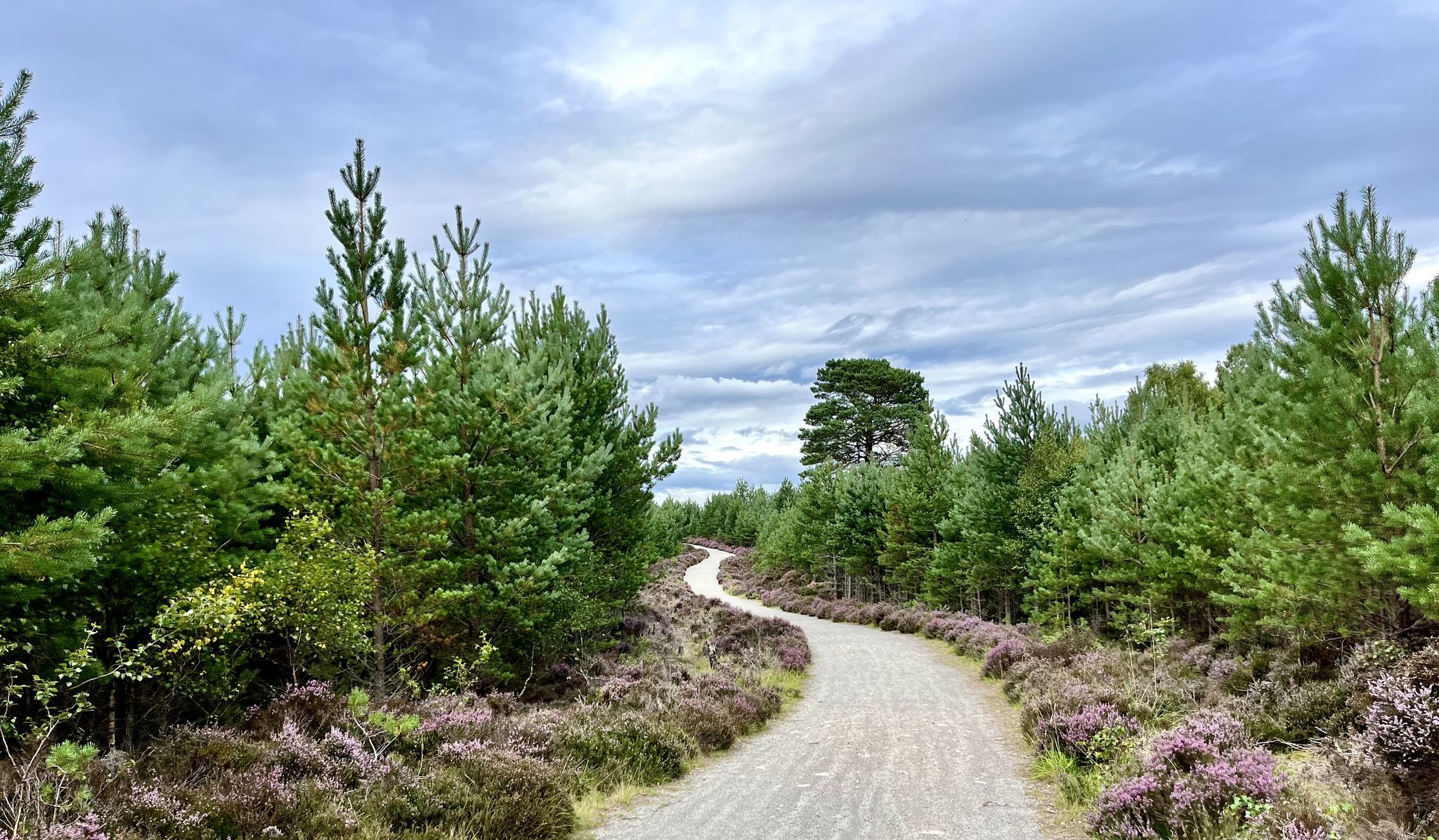
National Cycle Network Route 7 – Sunderland to Inverness
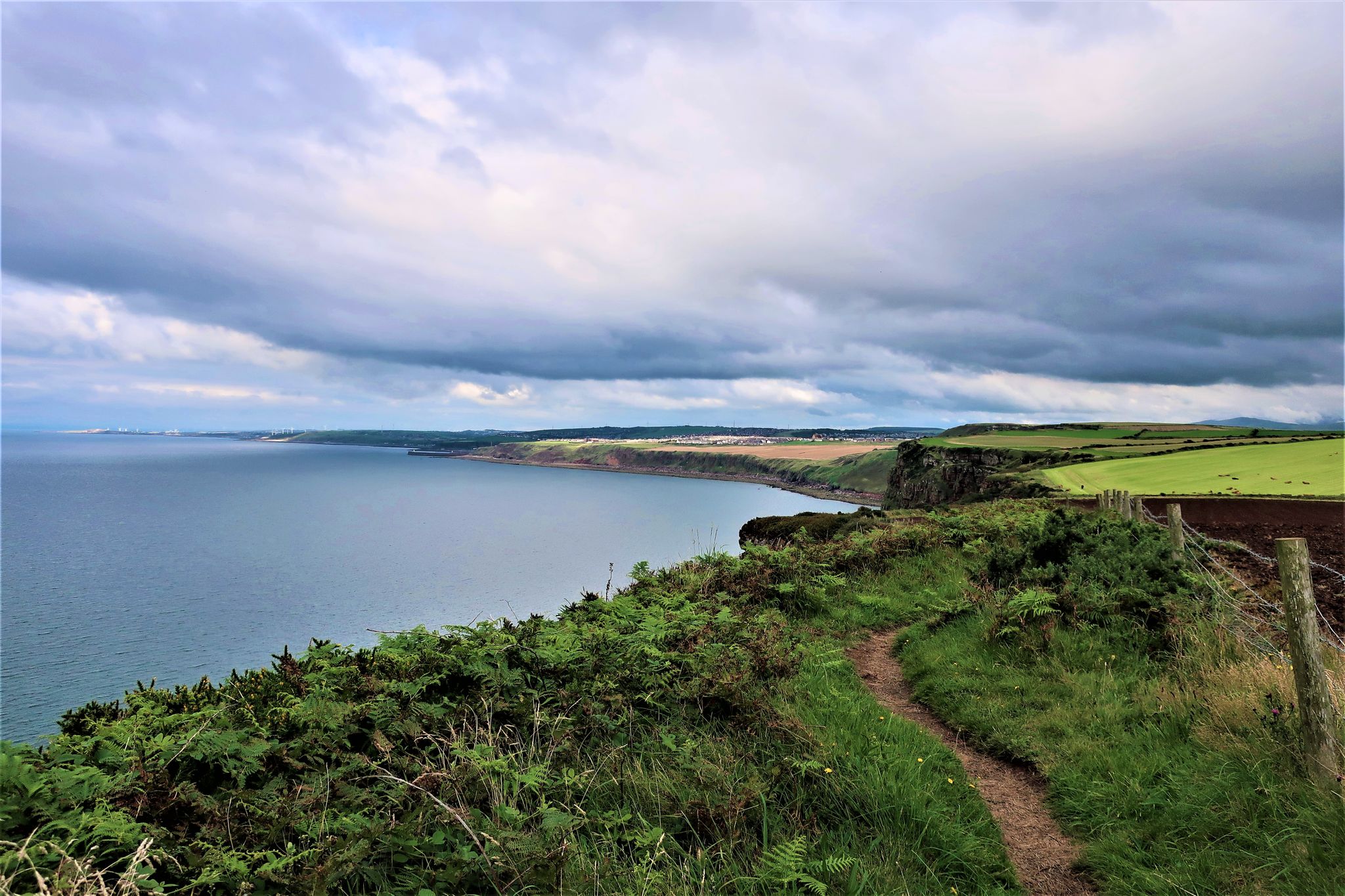
The Cumbria Coastal Way — Hike vibrant estuaries and historic coastline
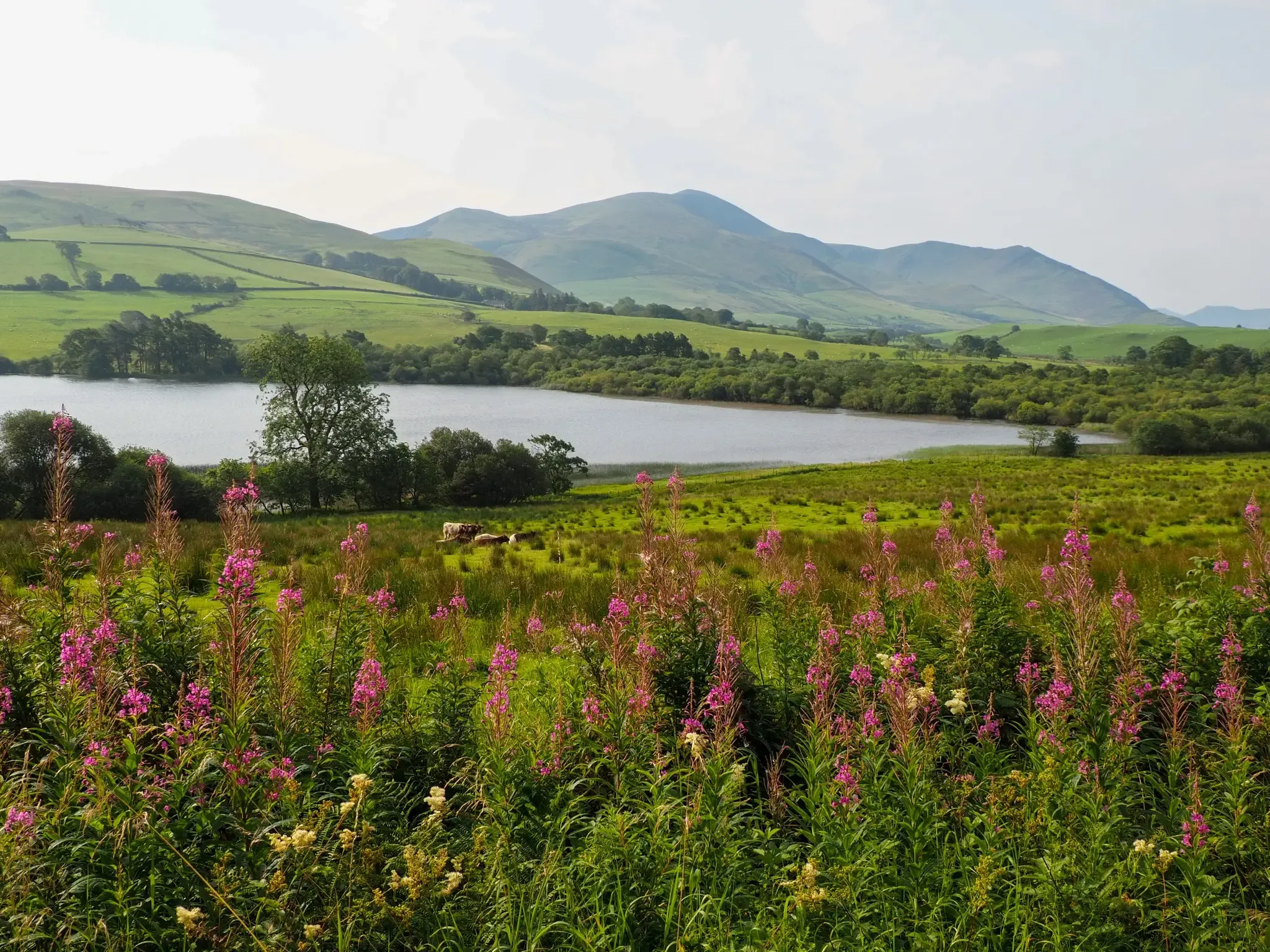
Reivers Cycle Route – Lakes, legends & lovely landscapes
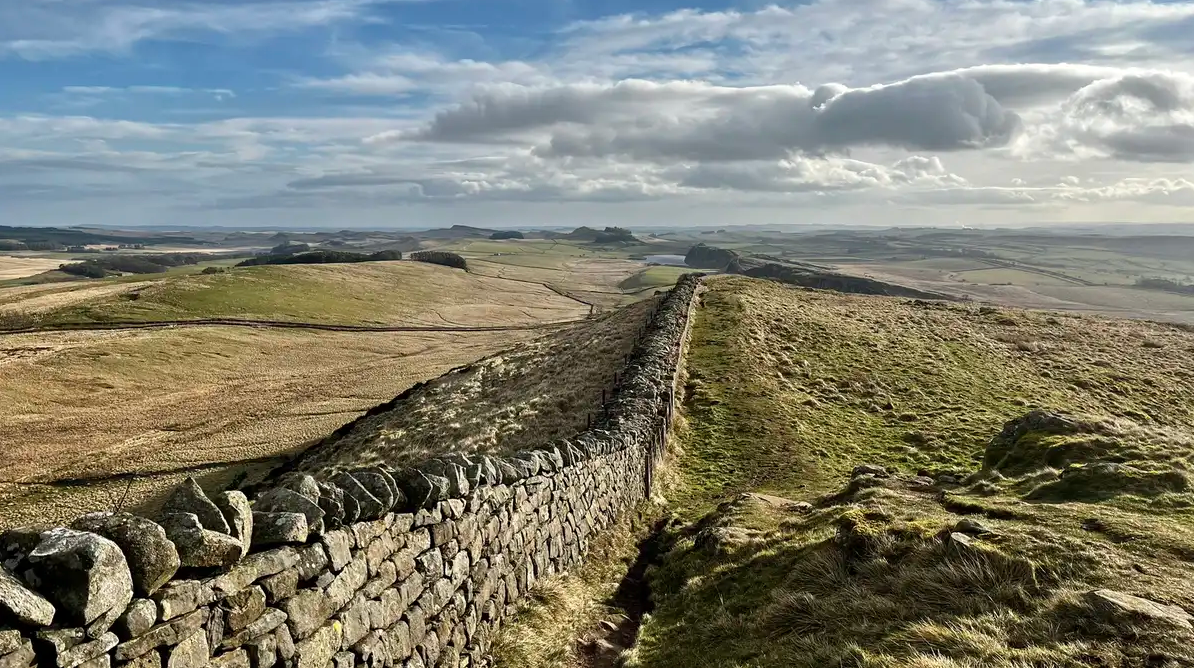
Hadrian's Wall Path — Hike the historic frontier of the Roman Empire
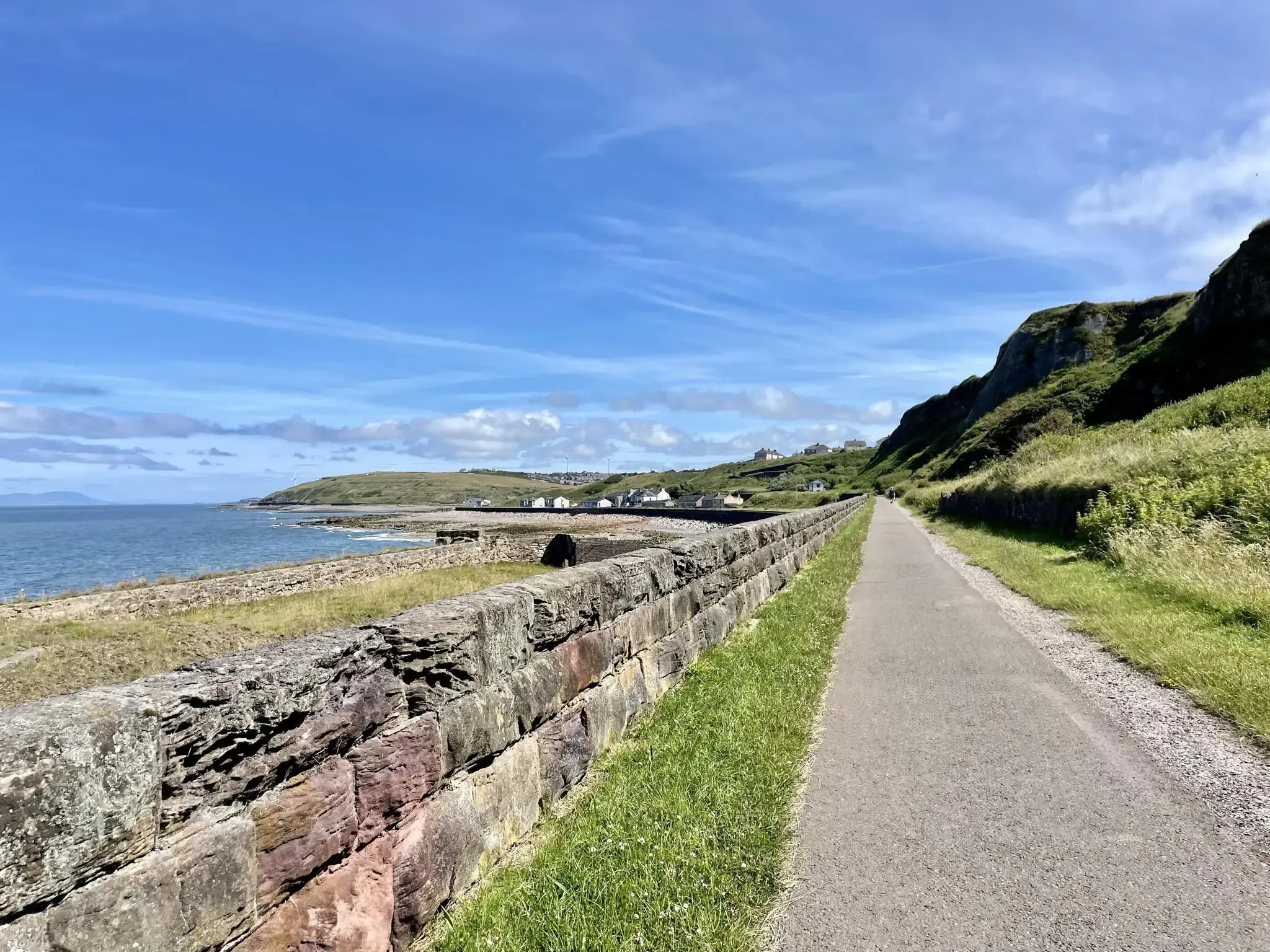
Hadrian's Cycleway – Crumbling turrets and beautiful landscapes
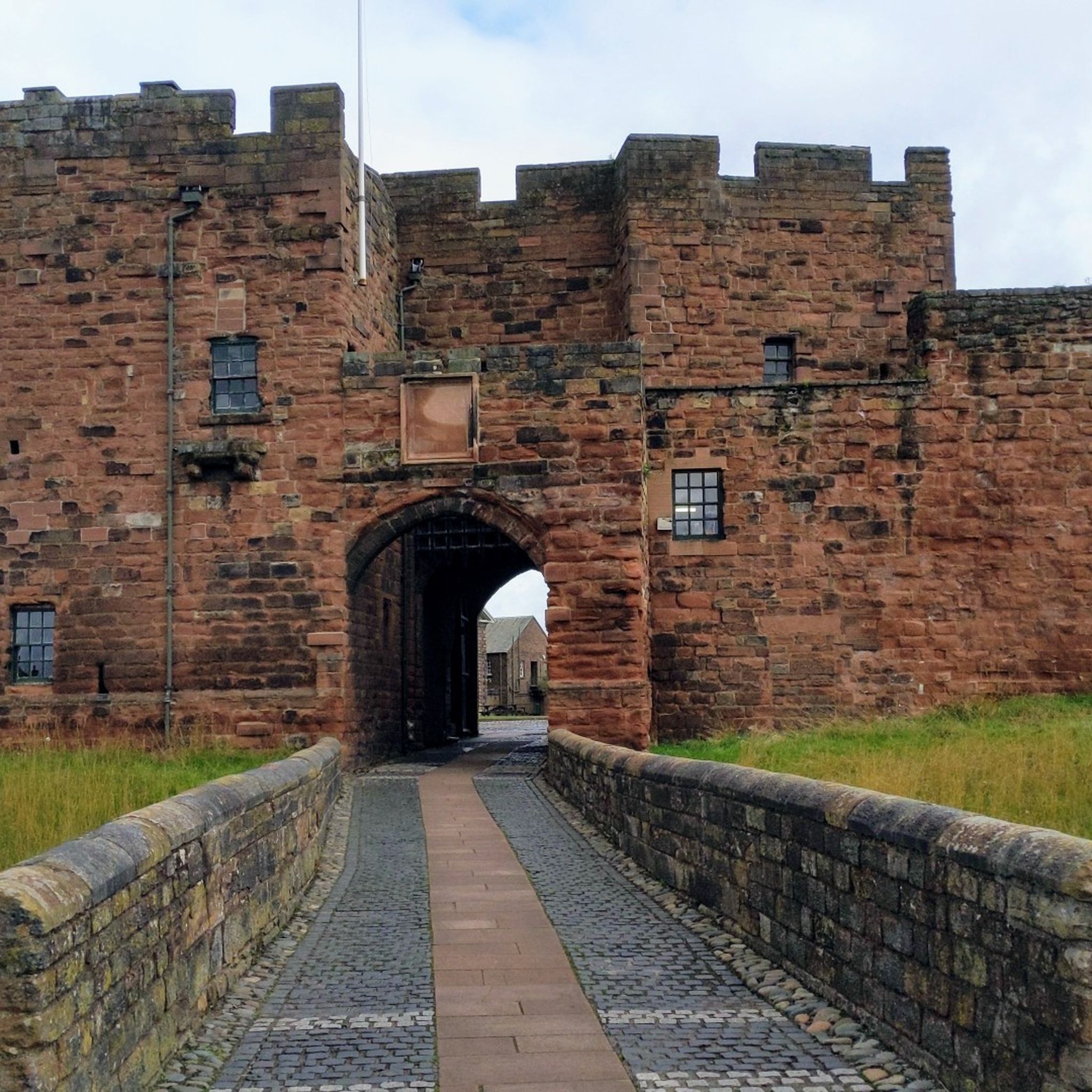
Hiking around Carlisle
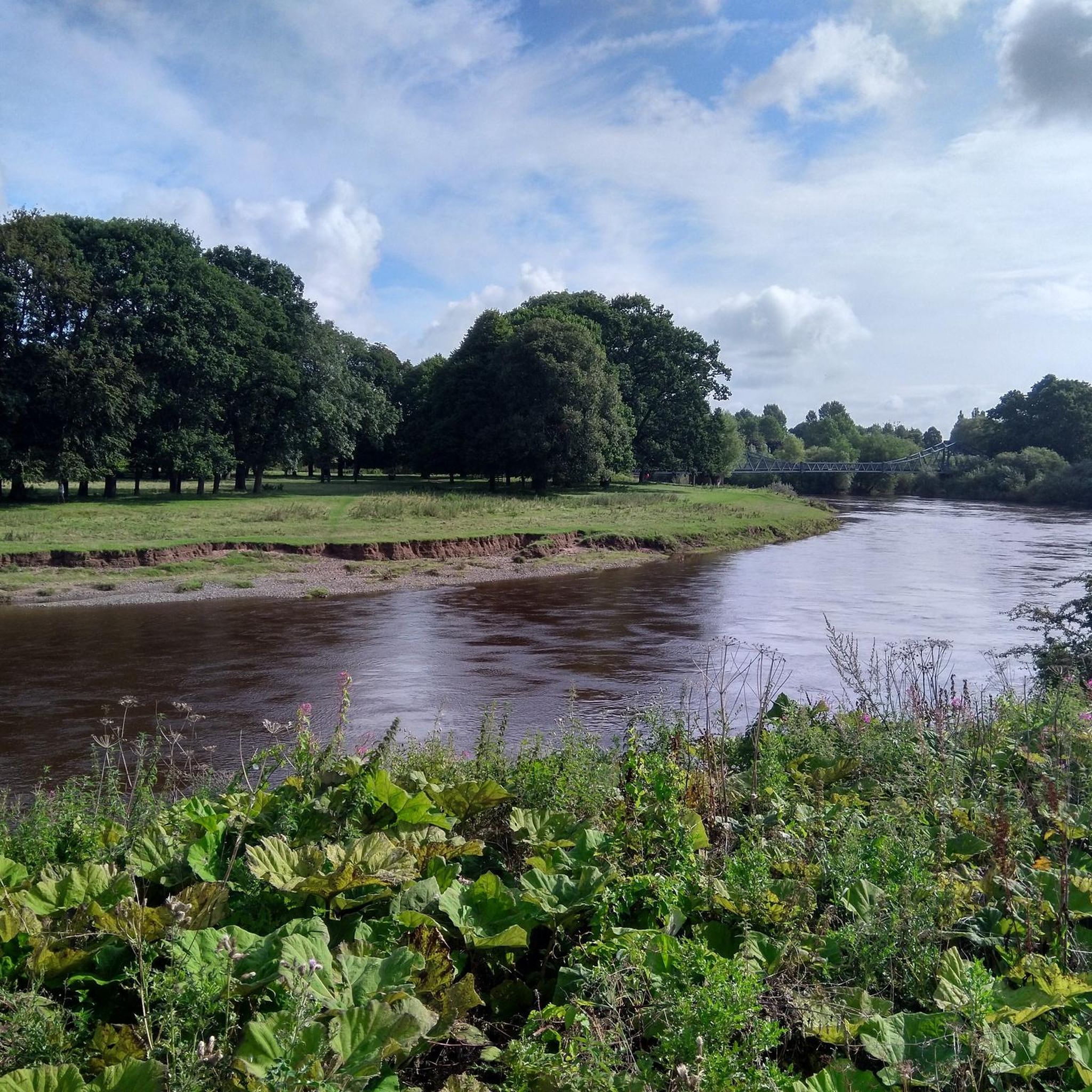
Running Trails around Carlisle
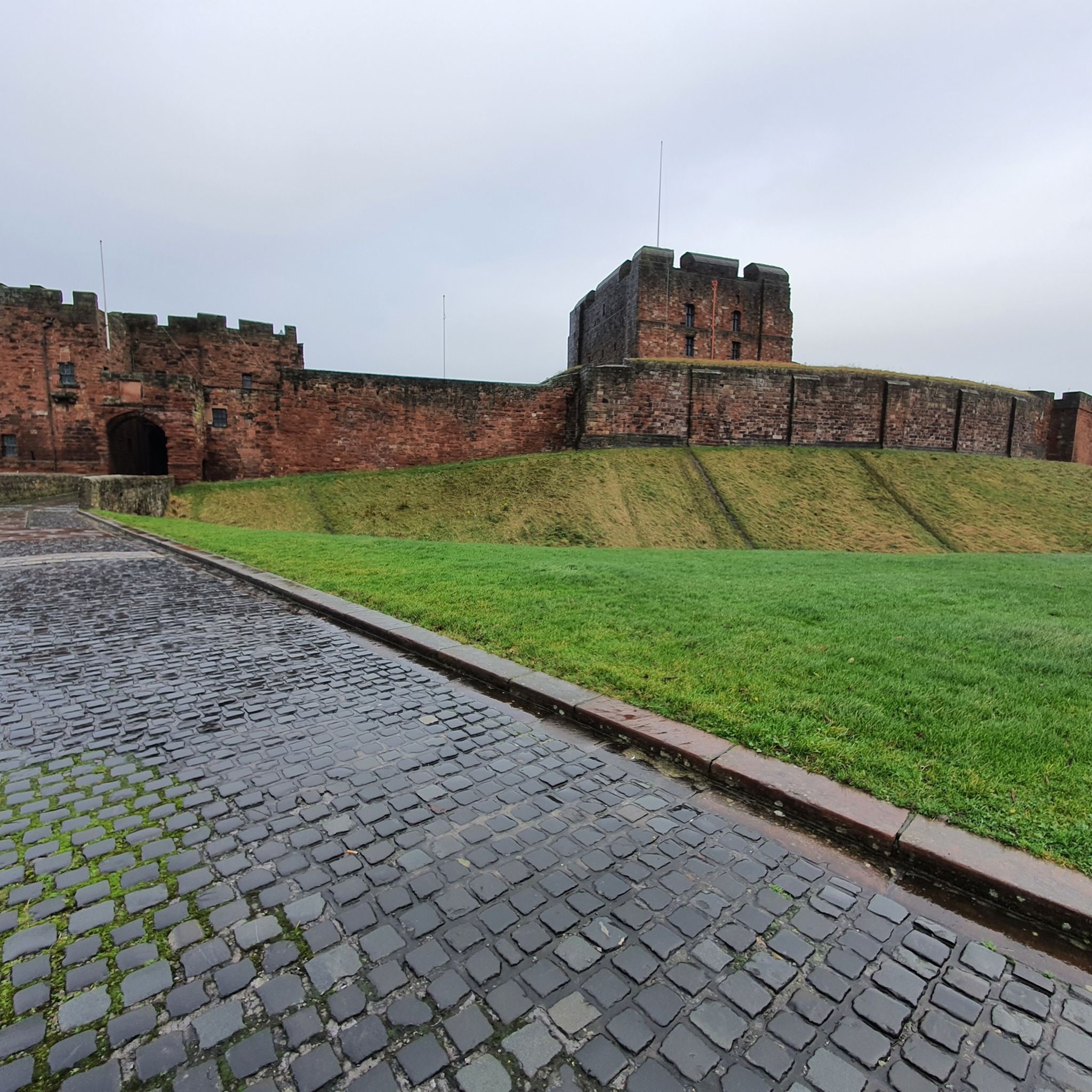
Road Cycling Routes around Carlisle
Cycling around Carlisle
MTB Trails around Carlisle
Other adventures around Carlisle


Tips from the Community

Built in 1724 by four local masons, this bridge replaced earlier wooden structures that had been destroyed by flooding. The bridge consists of two segmental arches: one over the river and one over the old Abbey Mill stream. The red sandstone, the triangular cutwaters, and the gently curving shape give it an authentic character.
11
0
Carlisle Castle, built in 1092 by William II, is an imposing medieval fortress on the edge of Carlisle city center, near Hadrian's Wall. The castle played a key role in the Anglo-Scottish conflict, withstanding at least seven sieges between 1174 and 1461. In 1568, Mary Queen of Scots was imprisoned here, and during the Jacobite Rising of 1745, it was the last English fortress to be besieged. Visitors can explore the 12th-century gatehouse, the Tudor gun platform, and the keep with its 15th-century carvings. Also within its walls is Cumbria's Museum of Military Life, which chronicles 300 years of military history.
6
0
Askerton Castle is a rare example of a fortified medieval manor house, situated in remote north Cumbria, about three miles north of Hadrian's Wall. The original building was constructed around 1290 as an unfortified hall, but in the late 15th century, two battlemented towers—the Dacre Tower and the Dovecot Tower—were added by Thomas, Lord Dacre, as part of a border defense against the notorious Border Reivers. In the 16th century, the complex was expanded with a stable block and additional wings for troop accommodation. A third tower on the northwest corner is believed to have been lost, possibly to fire, but traces of its stonework and staircases are still visible in the walls. The structure contains impressive oak beams, dated between 1494 and 1510, and shows clear stages of architectural evolution—from a simple hall to a military stronghold. Although the castle is not open to the public, it is now part of the Askerton Castle Estate, an organic farm that produces beef, lamb, pork, and poultry. The building is a Grade I listed building, indicating its exceptional historical value.
7
0


Carlisle is a wonderful place to begin or end a ride. There are a number of impressive landmarks, including Carlisle Castle & Carlisle Cathedral, as well as a wealth of independent shops, cafés, restaurants and bars.
2
0


Worth a visit inside castle and opposite main road Tullie house
1
0

Frequently Asked Questions
Which castles around Carlisle are most historically significant?
Carlisle is rich in history, with Carlisle Castle standing out as the most prominent. It has over 930 years of history, was built on an old Roman fort, and played a crucial role in Anglo-Scottish conflicts, enduring numerous sieges. It also famously held Mary Queen of Scots prisoner. The Ruins of Bewcastle Castle are also historically significant, serving as a border defense against Scottish incursions and built on the foundations of a Roman fort.
Are there any family-friendly castles to visit near Carlisle?
Yes, Carlisle Castle is considered family-friendly. It offers a deep dive into history with its well-preserved keep, gatehouse, and the Cumbria's Museum of Military Life located within its grounds. The Ruins of Bewcastle Castle are also listed as family-friendly, offering an atmospheric historical site, though parts may be inaccessible due to their ruined state.
What unique architectural features can I see at Carlisle Castle?
Carlisle Castle boasts several unique architectural elements. You can explore its 12th-century gatehouse, the Tudor gun platform, and the remarkably well-preserved keep, which features intriguing 15th-century carvings on its second floor. The castle also contains dungeons where the famous 'licking stones' can be seen.
Can I visit Cumbria's Museum of Military Life at Carlisle Castle?
Yes, Cumbria's Museum of Military Life is located within the grounds of Carlisle Castle. The museum chronicles 300 years of Cumbria's army regiments, offering further insight into the region's military past alongside your castle visit.
What is the best time of year to visit castles around Carlisle?
The best time to visit castles around Carlisle is generally during the spring, summer, and early autumn months (April to October) when the weather is milder and more conducive for exploring. This allows for comfortable outdoor exploration of sites like Carlisle Castle and the Ruins of Bewcastle Castle, and for enjoying nearby walks.
Are there any castles near Carlisle that are not open to the public?
Yes, Askerton Castle is a notable example. It is a fortified medieval manor house that is now part of an organic farm and is not open to the public. Similarly, Naworth Castle is still inhabited today and generally not open for public tours, though its exterior can be appreciated.
What outdoor activities can I do near the castles around Carlisle?
The region around Carlisle offers various outdoor activities. You can find numerous running trails, such as those around Talkin Fell or Castle Carrock Reservoir. For mountain biking, there are routes around Talkin Tarn and Simmerson Hill. Road cycling enthusiasts can explore longer routes like The Solway Coast & Caldbeck loop. You can find more details on these activities in the running, MTB, and road cycling guides for Carlisle.
Are there any accessible castles for visitors with mobility needs?
Carlisle Castle, managed by English Heritage, generally strives to be as accessible as possible. While specific details on wheelchair accessibility for all areas should be checked directly with English Heritage, the main grounds and some lower levels are typically more accessible. The Ruins of Bewcastle Castle, being ruins, may have limited accessibility due to uneven terrain.
How can I get to Carlisle Castle by public transport?
Carlisle Castle is conveniently located within Carlisle city center, making it easily accessible by public transport. Carlisle Railway Station (Carlisle Railway Station) is a short walk away, and local bus services also serve the city center, providing good connections to the castle.
What is the history of the Border Reivers in relation to castles near Carlisle?
The castles around Carlisle, particularly those near the Anglo-Scottish border, were deeply impacted by the Border Reivers. The Ruins of Bewcastle Castle, for instance, played a significant role in conflicts with these notorious groups. Askerton Castle was also fortified in the late 15th century specifically as a border defense against the Reivers.
Where can I find information on opening hours and tickets for Carlisle Castle?
For the most up-to-date information on opening hours and ticket prices for Carlisle Castle, it is best to check the official English Heritage website directly. You can find details at english-heritage.org.uk.
Are there any pubs or cafes near the castles in Carlisle?
Yes, as Carlisle Castle is located in the city center, there are numerous pubs, cafes, and restaurants within easy walking distance. For castles further afield, such as the Ruins of Bewcastle Castle, options may be more limited and require a short drive to nearby villages.
Most popular routes around Carlisle
Most popular attractions around Carlisle

Get inspired with the komoot mobile app


Didn’t find what you were looking for?
Explore Carlisle’s best castles region by region:
Explore more
Looking for the best castles somewhere else? Discover other guides around Carlisle:
