Attractions and Places To See around Fræna - Top 20
Best attractions and places to see around Fræna, now part of Hustadvika Municipality, encompass a diverse range of natural wonders and historical sites. The region features a mountainous interior, coastal areas, and the Frænfjorden, providing varied terrain for exploration. Visitors can discover a blend of rugged natural beauty and insights into Norwegian heritage.
Best attractions and places to see around Fræna
- The most popular attractions is Trollkyrka - First Cave with underground waterfall, a cave that features an impressive…
Last updated: August 16, 2026
Trollkyrka - First Cave with underground waterfall
Highlight • Cave
Be sure to pack warm clothing and a flashlight to enter the cave.
Surefootedness Required!!
Translated by Google •
Tip by

Trollkyrkja - Third Cave Entrance and Waterfall
Highlight • Cave
Translated by Google •
Tip by

Sign up now to discover places like this
Get recommendations on the best single tracks, peaks, & plenty of other exciting outdoor places.
Sign up for free
Romsdal Museum
Highlight • Historical Site
Translated by Google •
Tip by

The Atlantic Road (Atlanterhavsvegen)
Highlight (Segment) • Bridge
Tip by

Waterfalls on the Trail to Trollkirka
Highlight • Waterfall
Translated by Google •
Tip by

Sign up for free to discover even more attractions around Fræna.
Sign up for free
Already have an account?
Start today with a free account
Your next adventure awaits.
Login or Signup
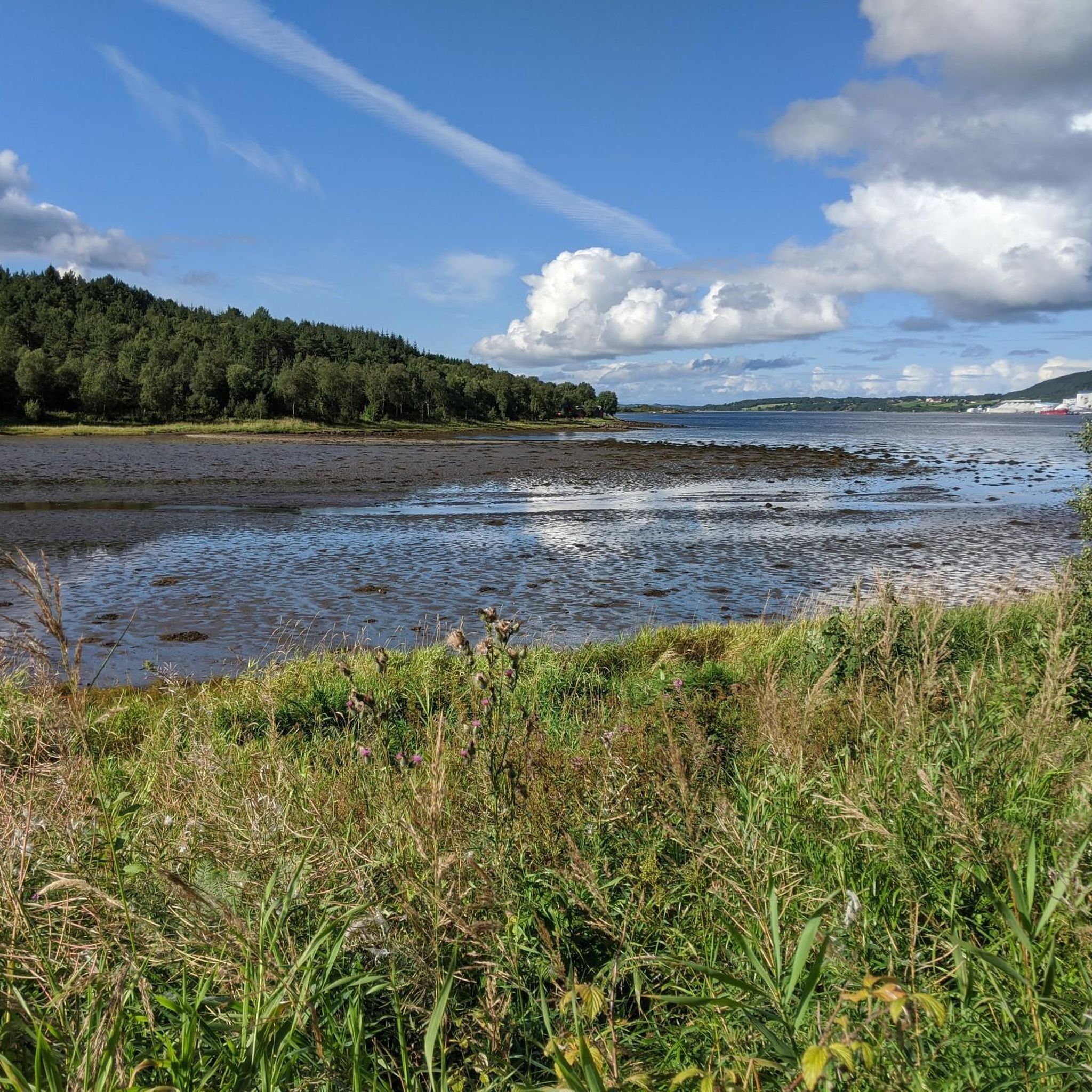
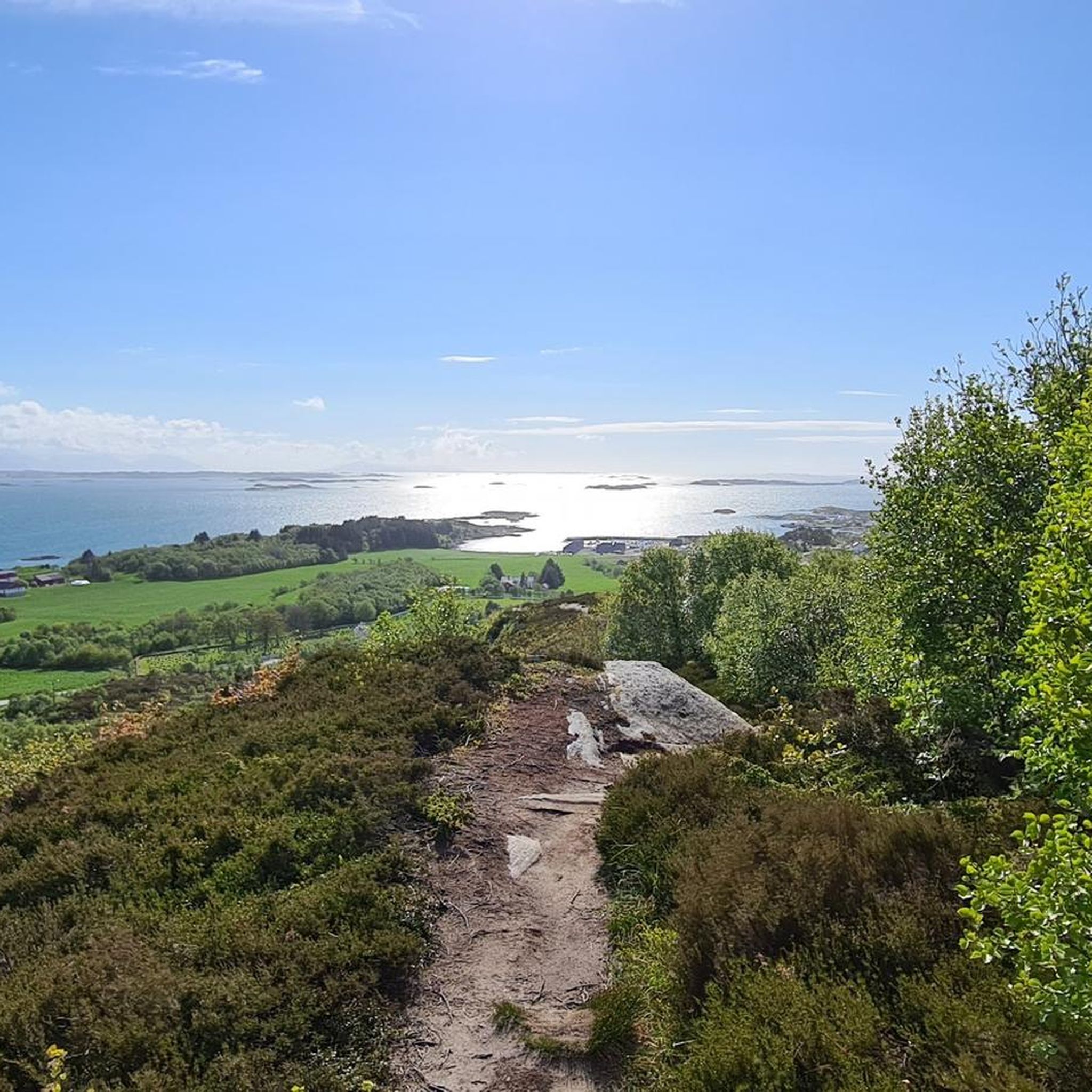
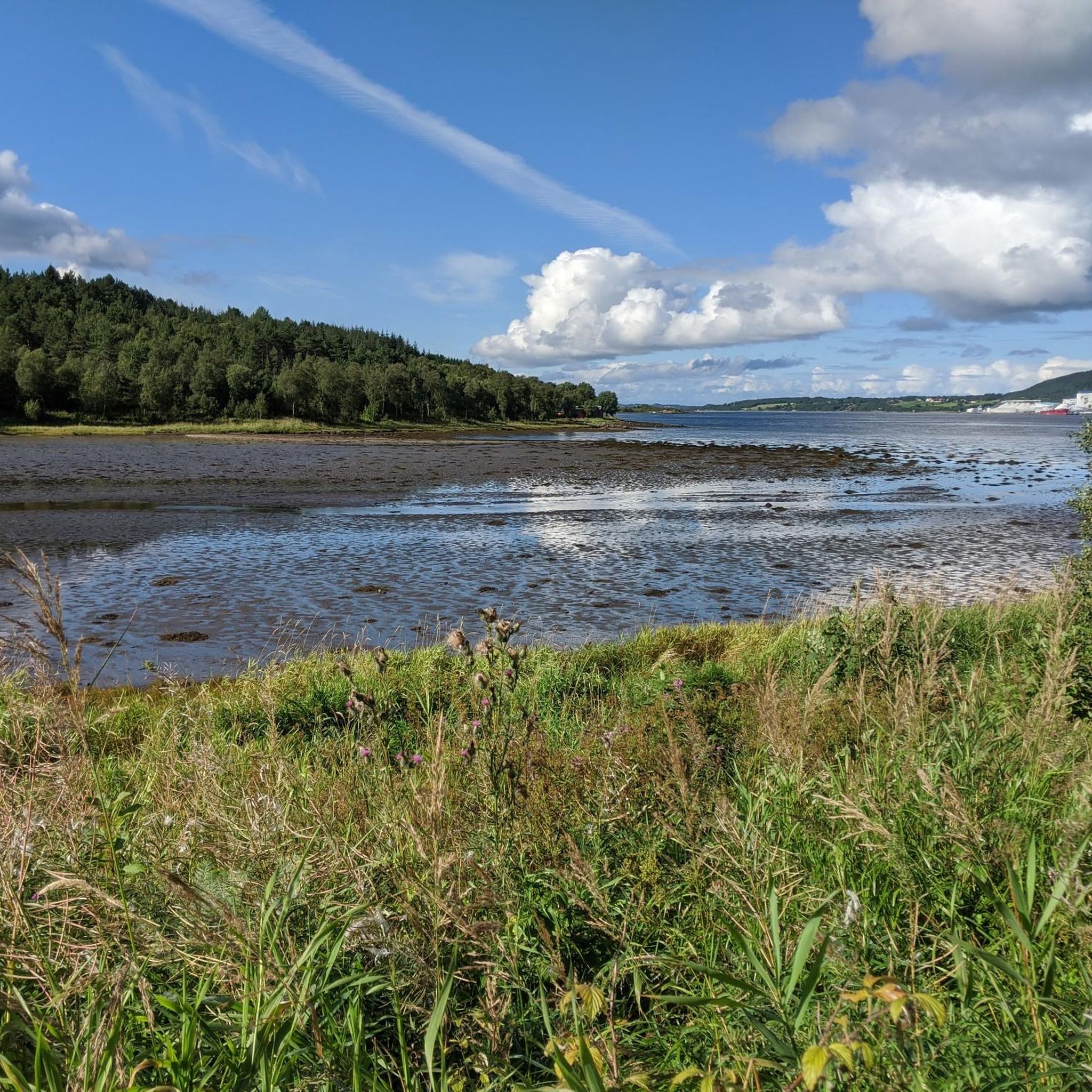
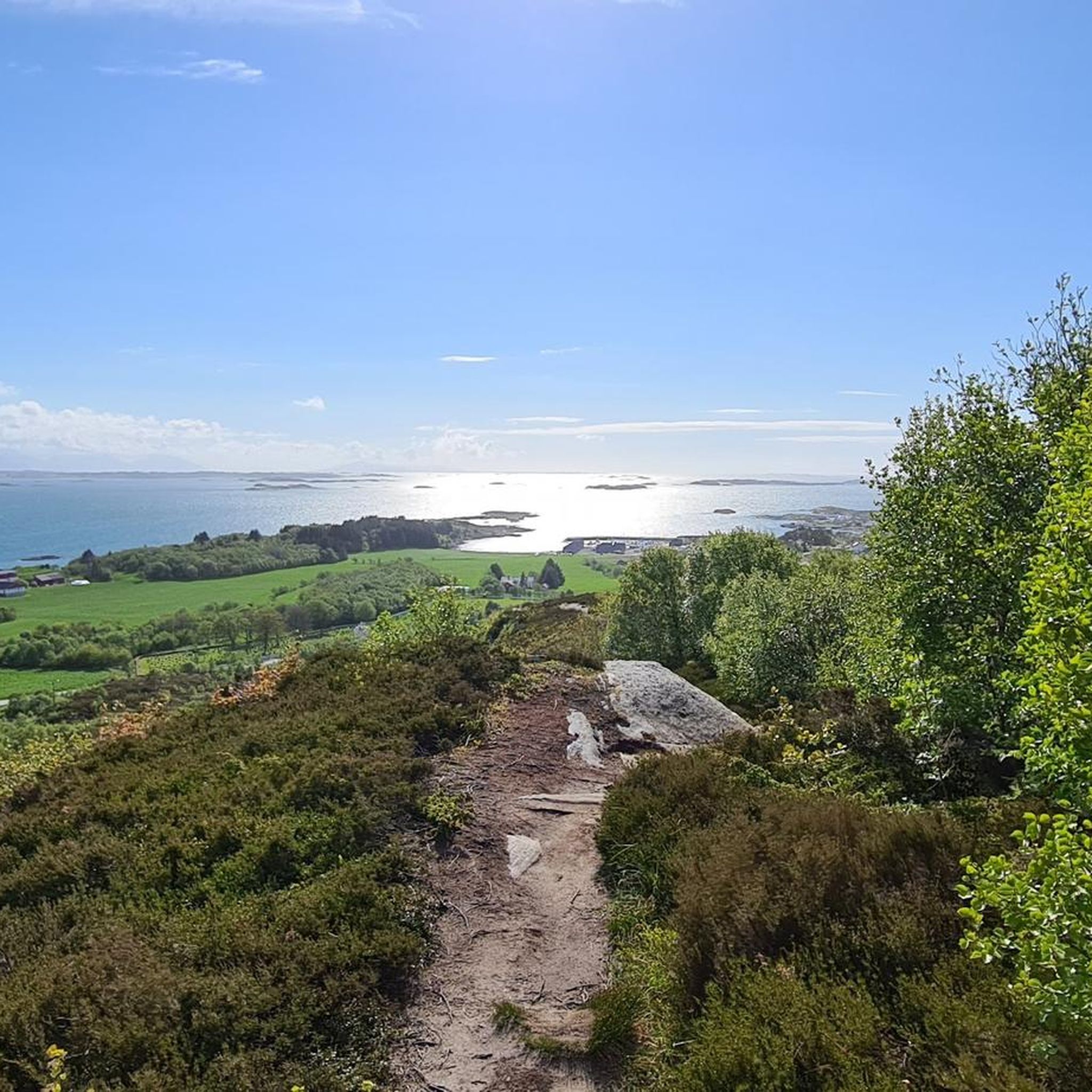
Tips from the Community

In fact the 3rd cave and not much too see, but the water droplets are beautiful. Dont go too deep you just get dirty lol
0
0

Take water with you for the journey!
0
1

Don't make the mistake of letting the entrance scare you off. It's worth it :)
0
0

There is least traffic early in the morning or late in the evening😉
0
0

The Romsdal Museum in Molde is one of Norway's most important open-air museums and was founded in 1912. It impressively tells the story of the Romsdal region and provides insights into everyday life from the 16th to the early 20th century. The extensive grounds are home to over 40 historic buildings – farms, granaries, houses, and workshops – that were brought here from various parts of the region. A modern exhibition building complements the open-air museum and offers changing special exhibitions, including topics such as folk art, medicine, childhood, and regional cultural history. The Romsdal Museum is not only a place of history, but also a lovingly designed place to linger, learn, and marvel.
0
0
The Romsdal Museum, founded in 1912, is one of Norway's largest and most important folk museums. It is idyllically situated in a park on the outskirts of Molde and tells the story of the Romsdal region in a striking way. The modern "Krona" visitor center impresses with its distinctive wooden architecture and houses interactive exhibitions, a café, a museum shop, and a studio for traditional Norwegian costumes (bunads). Here, Norwegian craftsmanship comes to life. In the adjoining open-air museum, over 40 historic buildings – farmhouses, workshops, and a reconstructed town street from ancient Molde – invite you to take a journey back in time. Especially in summer, the grounds come alive with demonstrations, music, and hands-on activities for all ages. The Romsdal Museum is a place to marvel, learn, and linger – perfect for anyone who wants to experience Norwegian culture with all their senses.
0
0

Hard to find if you don't know your way around.
0
1
Small waterfalls and ponds along the hiking trail to the caves.
0
0
Frequently Asked Questions
What natural attractions can I explore around Fræna?
The region offers several impressive natural features. A must-see is Trollkyrkja - First Cave with underground waterfall, an ingenious cave system with an underground waterfall. You can also find beautiful Waterfalls on the Trail to Trollkirka, which are part of the challenging hike to the caves. The area is also characterized by its mountainous interior, with peaks like Kvannfjellet and Jendemsfjellet offering excellent hiking and views.
Are there any historical or cultural sites to visit in the area?
Yes, you can delve into the region's history and culture. The Romsdal Museum, located near Molde, is one of Norway's largest folk museums, featuring over 40 historic buildings and interactive exhibitions. Additionally, the Ergan Coastal Fort, a restored WWII German fort near the fishing village of Bud, serves as a war memorial museum.
What are the best outdoor activities to do around Fræna?
Fræna, now part of Hustadvika, is ideal for outdoor enthusiasts. You can enjoy scenic drives along The Atlantic Road (Atlanterhavsvegen), which also offers opportunities for exploring beaches. Hiking is very popular, with trails leading to natural wonders like Trollkyrkja. For more specific routes, you can find various hiking trails around Fræna, including challenging loops to the Trollkyrkja Valley.
Are there family-friendly attractions or activities available?
Absolutely. The Atlantic Road (Atlanterhavsvegen) is a family-friendly scenic drive with places to stop and explore. The Romsdal Museum offers an open-air museum experience with demonstrations and hands-on activities, especially in summer, making it engaging for all ages. Many of the easier coastal walks are also suitable for families.
What kind of hiking trails can I find, and what are their difficulty levels?
The hiking trails around Fræna vary in difficulty. You'll find challenging routes, such as the path to Trollkyrkja, which requires surefootedness and can be wet and muddy. There are also moderate and easy trails, including coastal paths like 'The coastal path in Bud at the foot of Gulberget'. For a comprehensive list, check out the hiking guide for Fræna.
What should I know before visiting Trollkyrkja (Troll's Church Cave)?
When visiting Trollkyrkja, it's highly recommended to bring a headlamp for exploring the caves. The path can be wet, muddy, and steeper than expected, so wear appropriate footwear and be prepared for some climbing over boulders. Surefootedness is essential, especially inside the caves where you'll navigate a creek bed.
Can I go cycling near the attractions?
Yes, cycling is a great way to experience the region. The Atlantic Road (Atlanterhavsvegen) is a popular cycle way, offering unique views of the ocean. There are various cycling routes around Fræna, ranging from easy to difficult, including scenic tours along the Frænfjorden. You can explore more options in the cycling guide for Fræna.
What is the best time of year to visit Fræna for outdoor activities?
The summer months are generally best for outdoor activities around Fræna, offering pleasant weather for hiking, cycling, and exploring. However, the region's natural beauty can be enjoyed in other seasons too. For specific hiking conditions, especially to places like Trollkyrkja, checking local weather and trail conditions is advisable, as paths can be wet and challenging.
Are there any viewpoints offering panoramic scenery?
Yes, the mountainous interior of Fræna, with peaks like Kvannfjellet, Jendemsfjellet, Høgheitinden, and Lågheiane, provides excellent opportunities for panoramic views. The Atlantic Road (Atlanterhavsvegen) also offers numerous spots to stop and enjoy breathtaking ocean vistas and the unique coastal landscape.
What do visitors enjoy most about the attractions around Fræna?
Visitors frequently praise the unique blend of rugged natural beauty and historical insights. The ingenious caves and underground waterfall at Trollkyrkja are a highlight for adventurers, while the stunning engineering and ocean views of The Atlantic Road are widely appreciated. The region's diverse terrain for hiking and the rich cultural experience at the Romsdal Museum also receive high acclaim.
Are there opportunities for running or jogging in the area?
Yes, the varied terrain around Fræna offers several options for runners. You can find running trails that take you through scenic landscapes, including loops with views of the Norwegian fjords or challenging routes around Trollkyrkja. For detailed information on distances and difficulty, refer to the running trails guide for Fræna.
What is the Frænfjorden, and can I visit it?
The Frænfjorden is a significant geographical feature that cuts into the middle of the former Fræna municipality. While not a specific 'attraction' in itself, it forms a beautiful backdrop to many areas and offers scenic views. You can experience the fjord by exploring nearby coastal areas or by cycling routes that run along its shores, such as those found in the cycling guide.
Most popular attractions around Fræna

Get inspired with the komoot mobile app


Explore more
Still not found the Highlight you’re looking for? See guides of the top attractions in other regions:
