The best road cycling routes around Ørskog
5.0
(1)
113
riders
9
rides
Road cycling around Ørskog, located in Norway's Møre og Romsdal region, offers diverse terrain ranging from serene fjord-side routes to challenging mountainous ascents. The landscape is characterized by the dramatic Sunnmørsalpene mountain range, with peaks rising directly from the fjords, and ancient, deep inlets carved by glaciers. Roads often follow the water's edge or wind through the mountains, providing varied cycling experiences. The region features both flat sections along the waterfront and winding trails with significant elevation changes.
Best road…
Last updated: June 28, 2026
5.0
(1)
47
riders
68.4km
03:14
820m
820m
Moderate road ride. Good fitness required. Mostly well-paved surfaces and easy to ride.
15
riders
71.0km
03:16
720m
720m
Moderate road ride. Good fitness required. Some segments of this route may be unpaved and difficult to ride.

Sign up for free
8
riders
25.4km
01:10
280m
280m
Easy road ride. Great for any fitness level. Mostly well-paved surfaces and easy to ride.
4
riders
51.1km
02:28
700m
700m
Moderate road ride. Good fitness required. Mostly well-paved surfaces and easy to ride.
5
riders
48.3km
02:15
580m
580m
Moderate road ride. Good fitness required. Mostly well-paved surfaces and easy to ride.
Get access to more routes and recommendations from other explorers.
Sign up for free
Already have an account?
Our route recommendations are based on thousands of hikes, rides, and runs completed by other people on komoot.
Start today with a free account
Your next adventure awaits.
Login or Signup
Tips from the Community

Secondary road with nice view of the nature around, a good spot to enjoy the landscape.
0
0
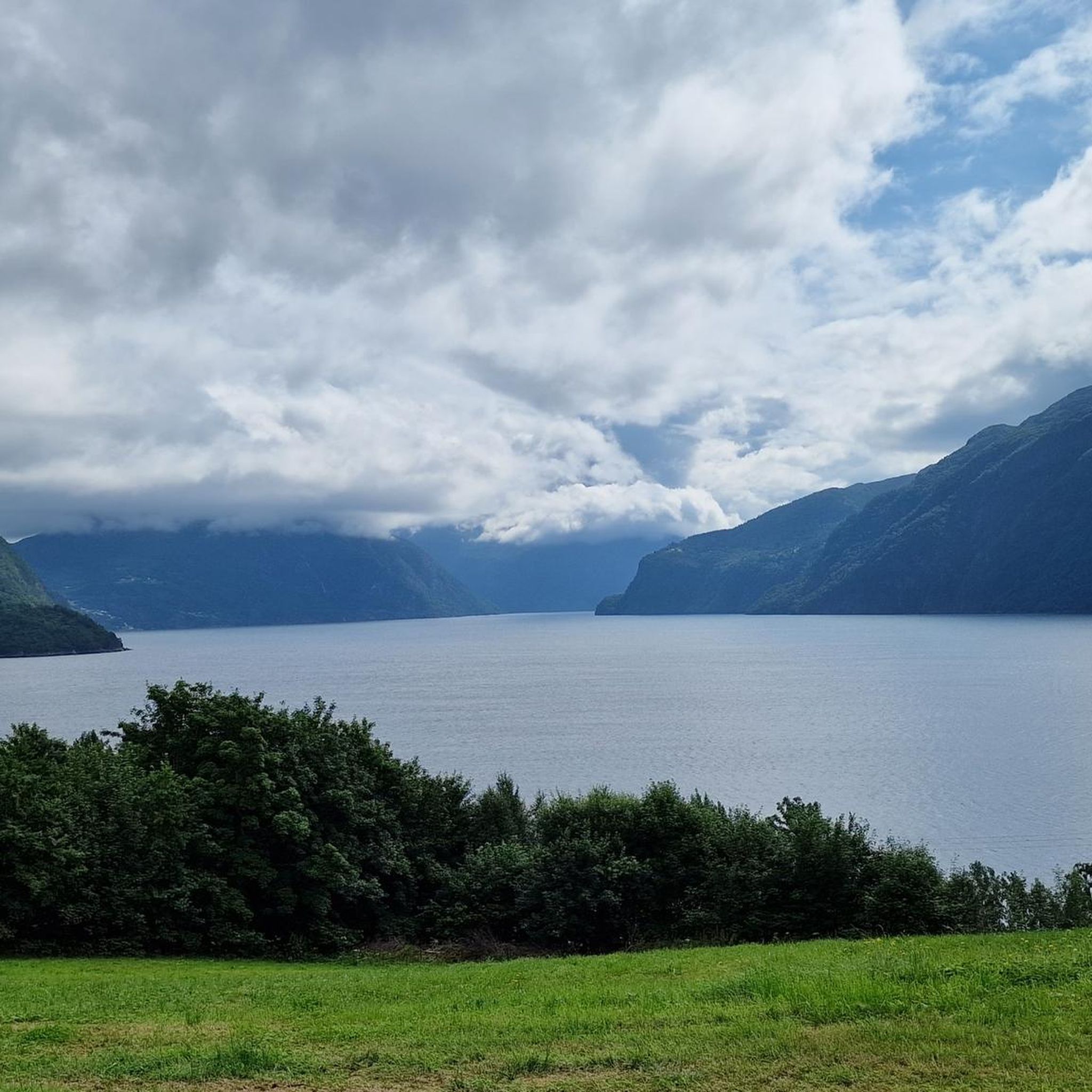
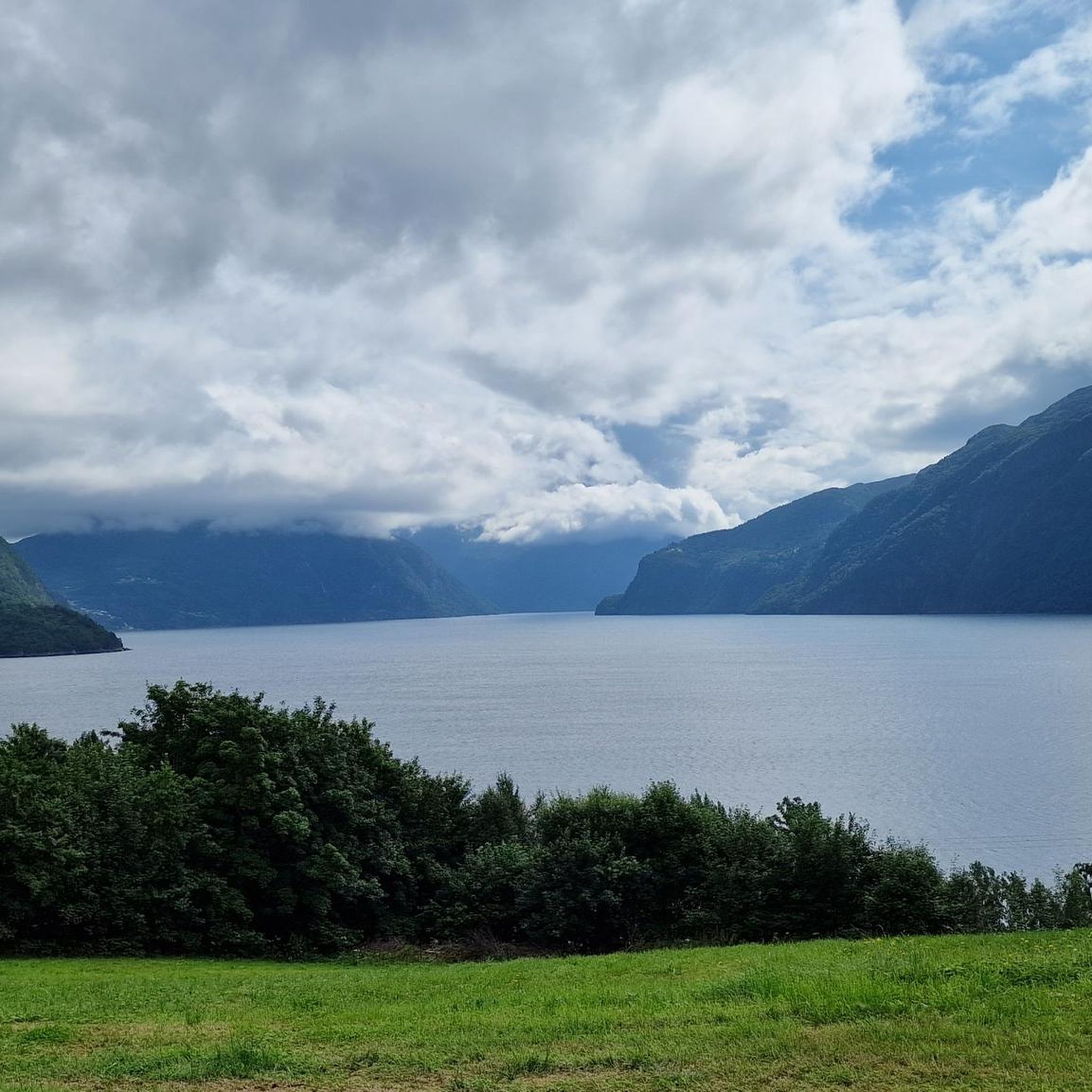
From Sjøholt, you have a terrific view of Storfjorden, with spectacular mountains surrounding the area and framing the water year-round. The landscape blends majestic mountains, serene fjords, and lush forests, offering both alpine scenery and sweeping coastal views.
0
0

Lillevannet lies like a calm sheet of water, backed by dark, rounded hills and a ribbon of greenery along the shore. The surface is wide and reflective—perfect for a slow pause, especially where the grassy bank meets the path. Nearby houses peek through the trees, so the mood stays peaceful but never isolated. On clear moments, the valley views open up and the whole lake feels sheltered and still.
0
0

Don’t miss the Midsummer Fire at this famous spot if you are around at that time of the year. It holds a World Record under the Guiness Book. Alternatively watch it on TV.
0
0

Sildekona (German: Herring Woman) depicts an elderly woman processing herring in a slightly bent position over boxes and a barrel. The sculpture was created by Tore Björn Skjölsvik and unveiled in 1991. The sculpture commemorates the women who worked in herring processing, an important industry for Alesund.
2
0
Fiskergutten is the German word for "fisherman's boy." The sculpture was created in 1967 by sculptor Knut Skinnarland and is intended to symbolize youthful anticipation of the future.
2
0

Fiskergutten is a sculpture in the Norwegian city of Ålesund. It was created in 1967 by the sculptor Knut Skinnarland and is intended to symbolize youthful expectations of the future. Fiskergutten, meaning "fisherman's boy" in English, stands on the Apotekertorget square in the city center, directly on the shore of the Ålesundet. To the west is the Svaneapoteket, used as an Art Nouveau center. While today the name "fisherman's boy" is common, Skinnarland originally used a name meaning "greenhorn" to express youthful zeal and expectations of the future.[1] A copy of the sculpture is located in Akureyri, Iceland, one of Ålesund's twin cities. In the immediate vicinity is the sculpture Sildekona, reminiscent of the herring women. [Source: https://de.wikipedia.org/wiki/Fiskergutten ]
1
0
The young town of Ålesund got its own church in 1855. It was a stone church with Heinrich Ernst Schirmer (1814-1887) as architect. He was also the architect for the churches in Ørsta, Vartdal and Hareid - and from 1857 for Strøm Church. Strøm Church near Skarnes at Kongsvinger is very similar to the church that fell victim to the town fire on January 23, 1904. Neighbouring wooden houses were preserved after the fire, while the stone church burned! The explanation is that the tower hatches were left open so that the sound of the church bells warning of the fire could reach as far as possible among the people in the town. 850 houses burned, 10,000 people were left homeless - and the town had no church. In a busy period of reconstruction, when one might think that every family had enough for their own needs, work to build a new church was nevertheless given high priority. An architectural competition was announced as early as the summer of 1904. 63 proposals were received! The proposal by architect Sverre Knudsen from Oslo won. The old church, as is usual for Norwegian churches, had the choir facing east – towards the sunrise and the direction of Jesus' return. To take advantage of the topography and have a beautiful entrance from Øwregata, sheltered from the western weather, the end of the church was turned and the main entrance was facing east. This way the choir façade – with stained glass – had plenty of space facing the wide Aspøgata. The foundation stone was laid by the new king on 13 July 1906. King Haakon 7 was then on his first visit to Ålesund after being crowned king in Nidaros Cathedral. A reminder for us of the change that was taking place in our country at exactly that time – Norway became a free nation in 1905. The church is built of natural stone (Ålesund Wall) and clad with marble stone from Lyngstad in Eide municipality in Nordmøre. 2,000 square meters of marble stone cover the church façade – the stone has shades of pink, gray and black in the white, but still: it is marble! Stones from the same quarry can be found, for example, in Rønnebergbua, Fladmarkhuset and the narrow house in Kongensgate. The church was consecrated on September 15, 1909. [ Source: https://www.visitnorway.de/listings/%C3%85lesund-kirche/30031/ ]
2
0
Frequently Asked Questions
What types of road cycling routes can I find in Ørskog?
Ørskog offers a diverse range of road cycling experiences, from serene fjord-side routes with minimal traffic to more challenging mountainous terrain. You'll find both flat roads hugging the waterfront and winding trails with significant elevation changes, all set against the stunning backdrop of the Norwegian fjords and the Sunnmørsalpene mountains.
Are there any easy or family-friendly road cycling routes in Ørskog?
Yes, Ørskog has options suitable for various skill levels. While many routes involve elevation, you can find easier sections, particularly along the fjords. The region is known for calm, relaxing, and scenic routes. For a moderate option, consider the Ramnhammaren – Kvennhushammaren loop from Skinstadreset naturreservat, which is rated easy and covers 25.4 km.
When is the best time of year for road cycling in Ørskog?
Summer is an ideal time for road cycling in Ørskog, especially for enjoying the fjord-side routes. The weather is generally favorable, allowing riders to experience the tranquility and scenic beauty. Spring and autumn also offer beautiful landscapes with lush forests or colorful foliage, though conditions can be more variable.
What are some notable natural features or scenic viewpoints along the road cycling routes?
Road cycling in Ørskog is defined by its breathtaking natural beauty. You'll encounter the dramatic Sunnmørsalpene mountain range, with peaks soaring directly from the fjords, and ancient, deep inlets carved by glaciers. Routes often follow the water's edge, providing continuous panoramic vistas of the fjords and surrounding mountains.
Are there any circular road cycling routes available in Ørskog?
Yes, several routes in the area are loops, allowing you to start and end at the same point. Examples include the Kvennhushammaren – Ramnhammaren loop from Skodje kyrkje (67.3 km) and the more challenging Kvennhushammaren – Nausthamaren loop from Skodje kyrkje (87.9 km).
What do other road cyclists say about their experience in Ørskog?
The road cycling routes around Ørskog are highly rated by the komoot community, with an average score of 5.0 stars from over 1 review. More than 140 road cyclists have used komoot to explore Ørskog's varied terrain, often praising the stunning fjord and mountain views and the diverse cycling opportunities.
Are there any cafes or places to eat along the road cycling routes in Ørskog?
Sjøholt, a local hub within Ørskog, provides amenities such as cafés that serve homemade pastries, which can be a welcome stop during or after your ride. While specific cafes directly on every route are not guaranteed, Sjøholt offers convenient options for refreshments.
Can I find bike rental services in Ørskog or nearby Sjøholt?
While the guide focuses on routes, for specific bike rental services in Ørskog or Sjøholt, it's recommended to check local tourism information or sports shops in advance, as availability can vary seasonally.
What are the most challenging road cycling routes in Ørskog?
For experienced cyclists seeking a challenge, Ørskog offers routes with substantial climbing and mountainous landscapes. The Kvennhushammaren – Nausthamaren loop from Skodje kyrkje is a difficult 87.9 km path with significant elevation gain, winding through demanding terrain.
Are there opportunities for long-distance road cycling near Ørskog?
The region's extensive network of roads along fjords and through mountains provides excellent opportunities for longer rides. Routes like the Kvennhushammaren – Nausthamaren loop from Skodje kyrkje (87.9 km) offer substantial distances for those looking for an extended cycling adventure.
Is public transport available for cyclists in Sjøholt or Ørskog?
For information on public transport options that accommodate bicycles in Sjøholt or the wider Ørskog area, it's best to consult local transport authorities or bus operators directly, as policies for carrying bikes can vary.
What kind of road surfaces can I expect on the cycling routes in Ørskog?
The road cycling routes in Ørskog primarily feature paved surfaces, suitable for road bikes. You can expect well-maintained roads that either hug the fjord edges or wind through the mountainous landscapes, offering a smooth riding experience.
Most popular routes around Ørskog
Most popular attractions around Ørskog

Get inspired with the komoot mobile app


Explore more
Browse the best Road cycling routes in other regions.
