Top 20 Castles around Halle-Vilvoorde
Castles around Halle-Vilvoorde are a prominent feature of this region in Flemish Brabant, Belgium. The area is characterized by a rich history, with numerous castles reflecting centuries of architectural evolution. These historical sites are often set within expansive parks and natural landscapes, offering visitors a blend of cultural exploration and outdoor activity. The region's flat to gently rolling terrain makes it accessible for various types of exploration.
Best castles around Halle-Vilvoorde
- The most popular castles is Gaasbeek Castle, a…
Last updated: August 25, 2026
Gaasbeek Castle
Highlight • Castle
Translated by Google •
Tip by

Groenenberg Castle
Highlight • Castle
Translated by Google •
Tip by

Sign up now to discover places like this
Get recommendations on the best single tracks, peaks, & plenty of other exciting outdoor places.
Sign up for free
Hoeilaart Castle
Highlight • Castle
Translated by Google •
Tip by
Meise Botanic Garden
Highlight • Natural
Translated by Google •
Tip by

Het Steen or the Rubens Castle
Highlight • Castle
Translated by Google •
Tip by

The Prinsen Castle
Highlight • Castle
Translated by Google •
Tip by

Ter Rijst Castle Estate
Highlight • Castle
Translated by Google •
Tip by

Ter Rijst Castle
Highlight • Castle
Translated by Google •
Tip by
Groenenberg castle and park
Highlight • Castle
Translated by Google •
Tip by
The Little Mermaid of the Lake
Highlight • Monument
Last Sunday June 30 (2019), it was the inauguration of the Little Mermaid of Lake Genval. A Little Mermaid, like the one …
Translated by Google •
Tip by
Sign up for free to discover even more castles around Halle-Vilvoorde.
Sign up for free
Already have an account?
Start today with a free account
Your next adventure awaits.
Login or Signup
Popular around Halle-Vilvoorde
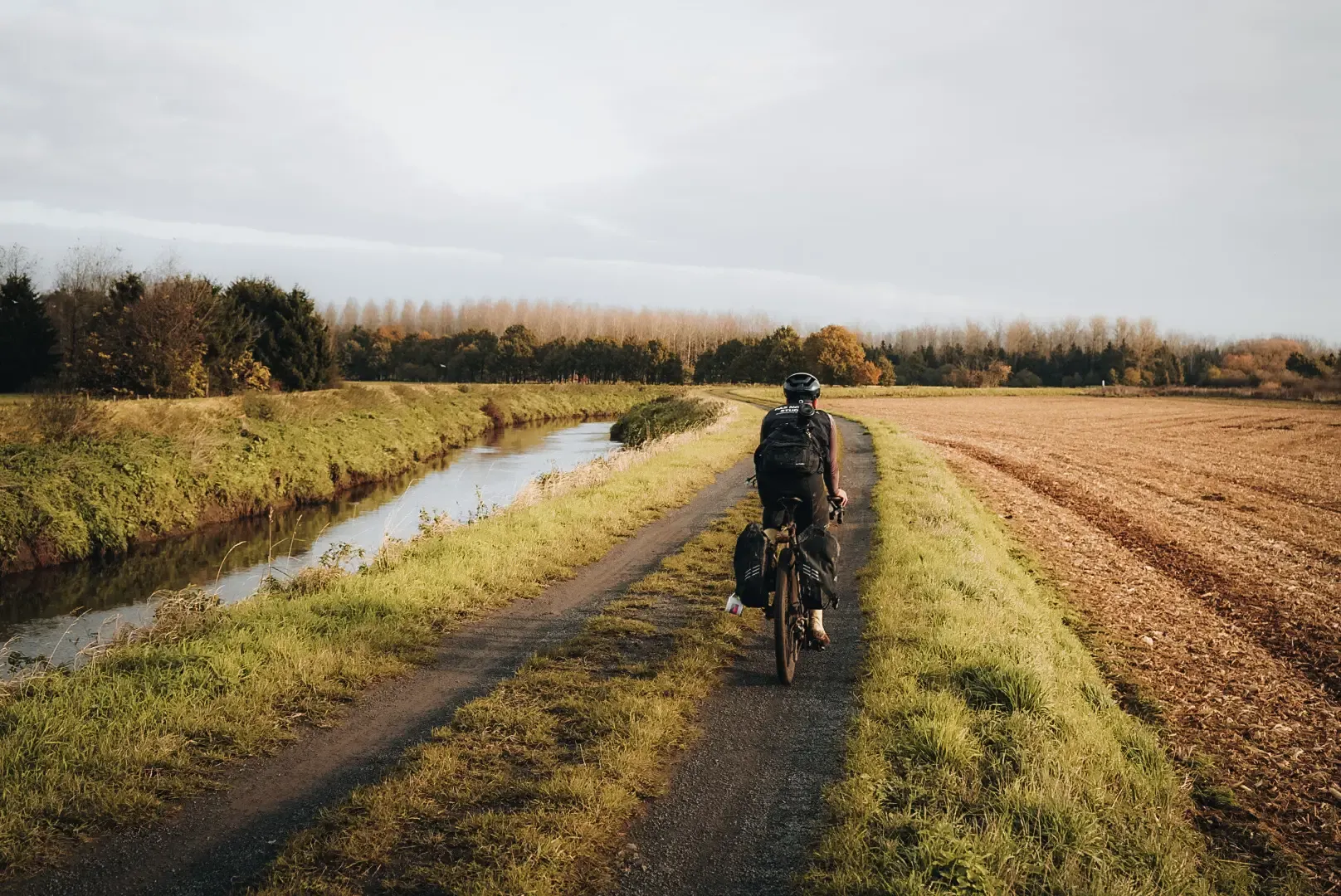
Flanders Divide - Across Flanders
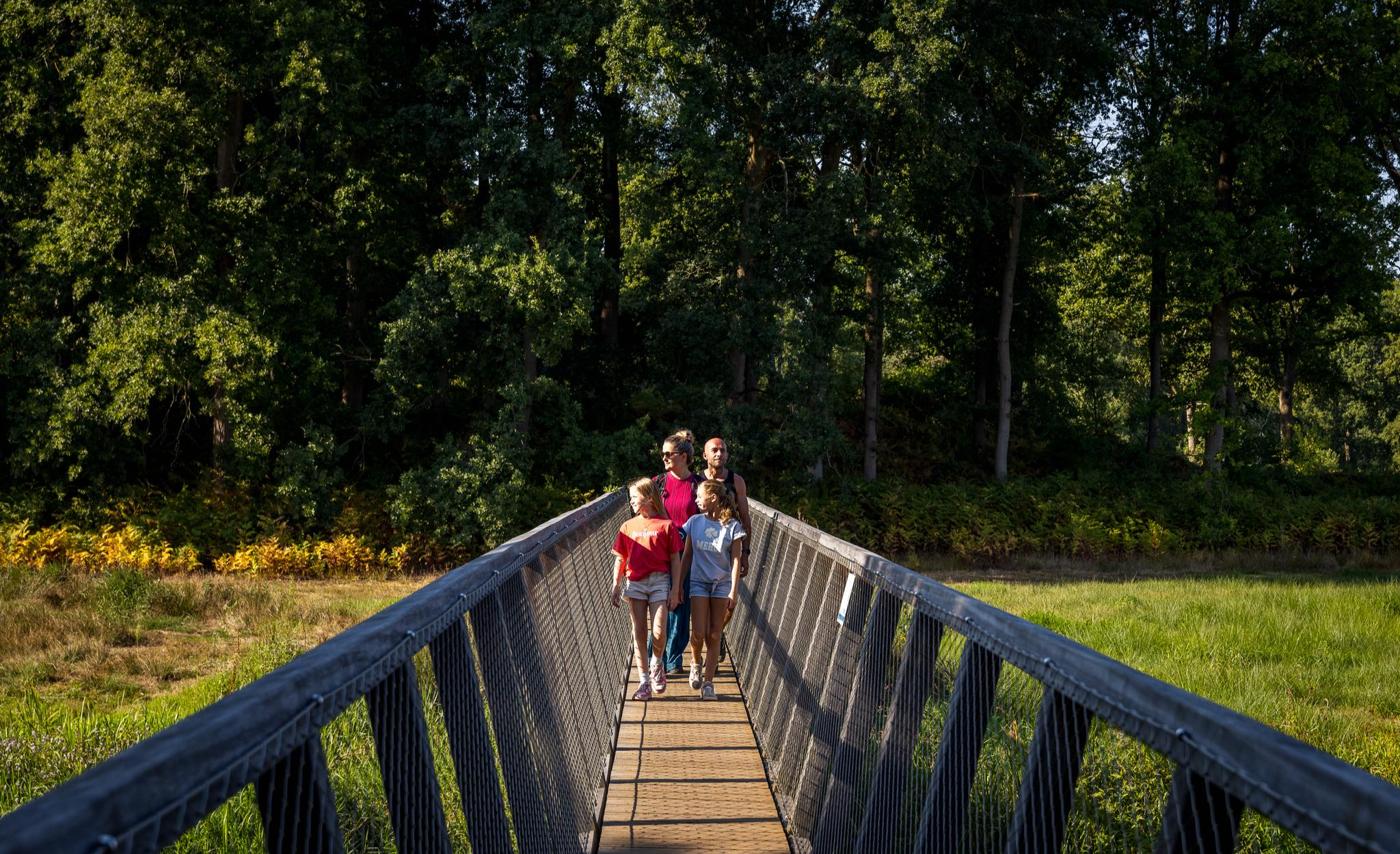
Flanders’ Finest Hiking Routes
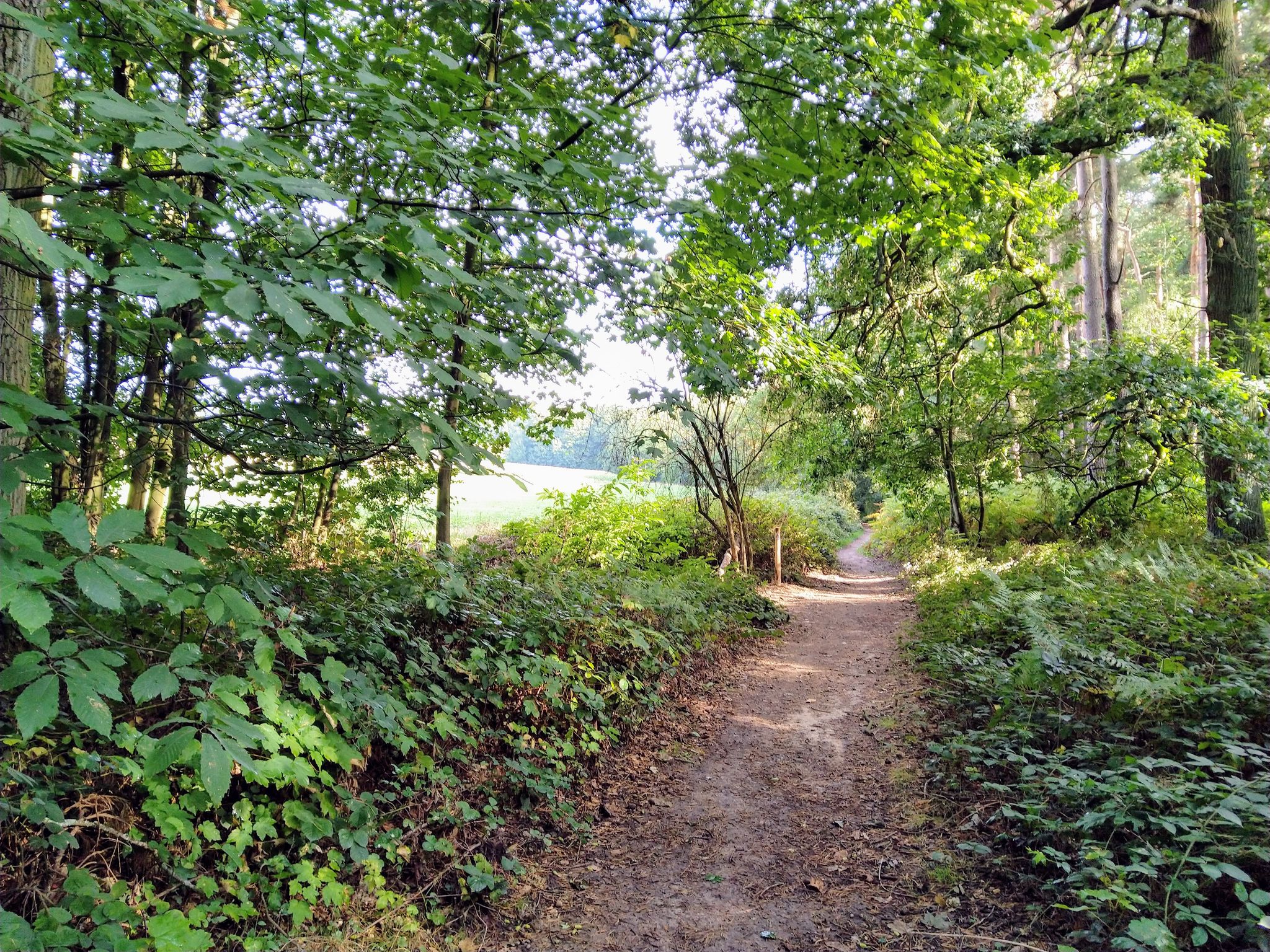
MTB Challenge – the Frans Claes route
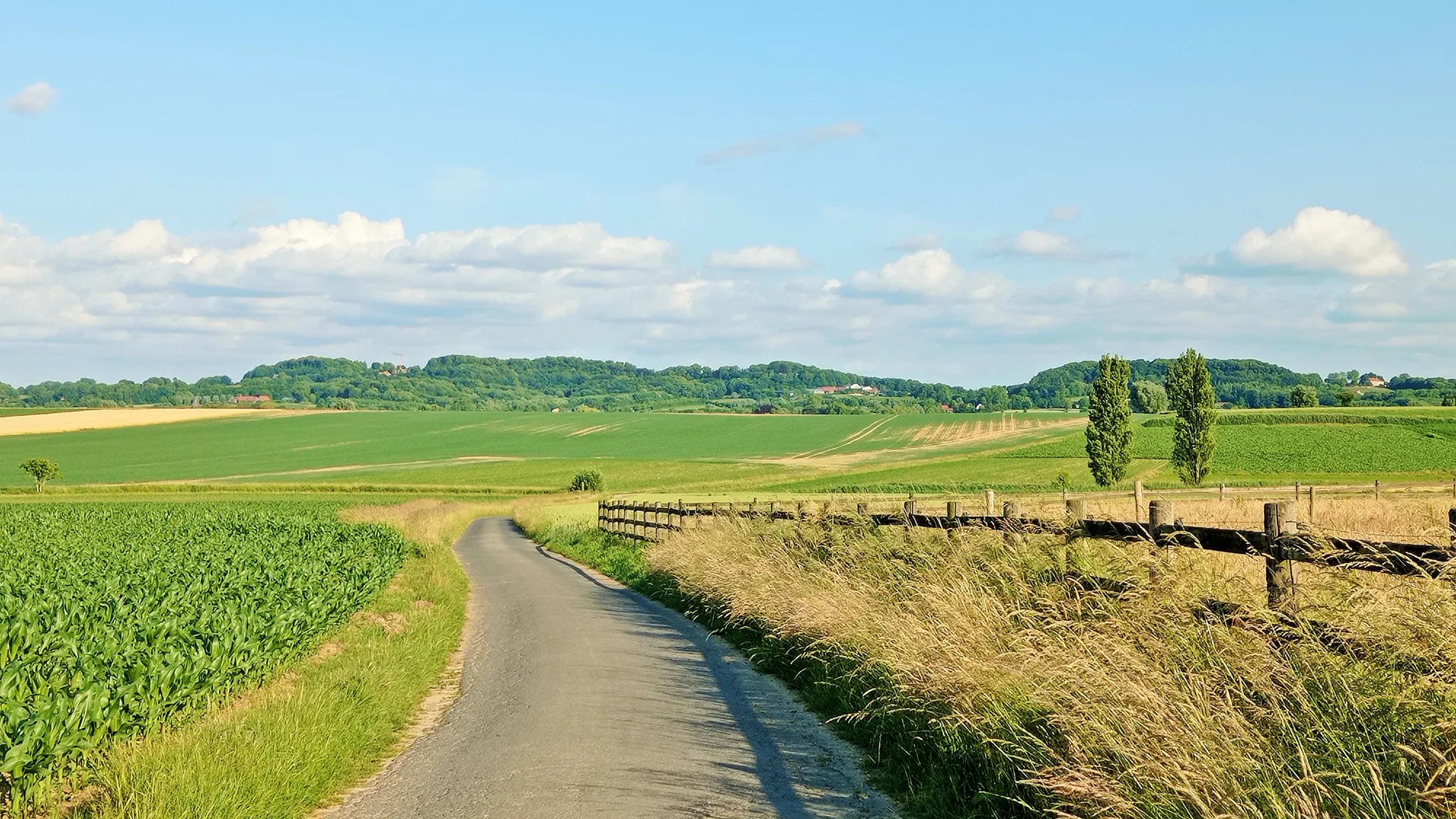
Seven-day Cycling tour through the South-Flemish hills – Hilly Route
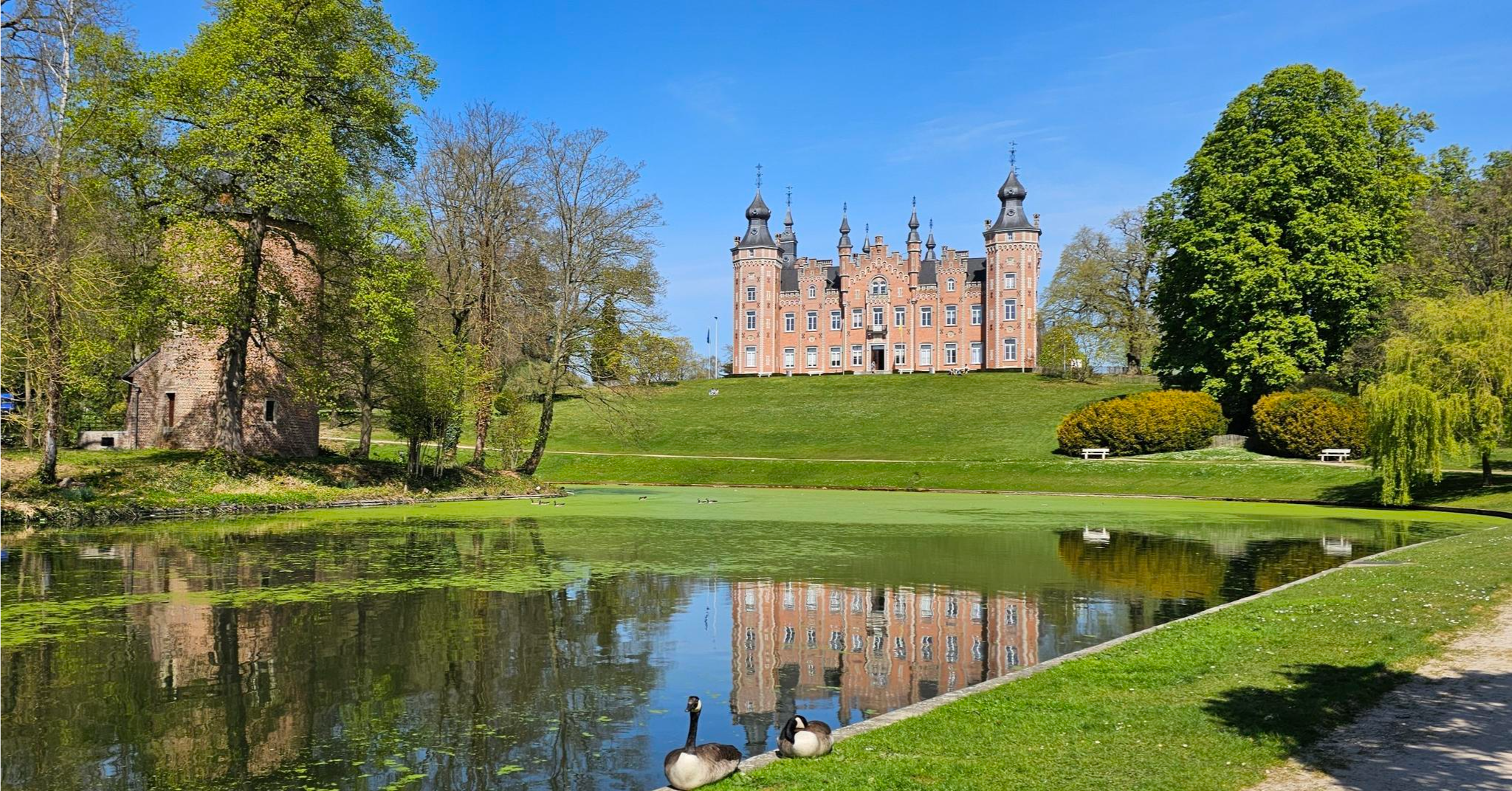
Tour around Brussels – Streek-GR Groene Gordel
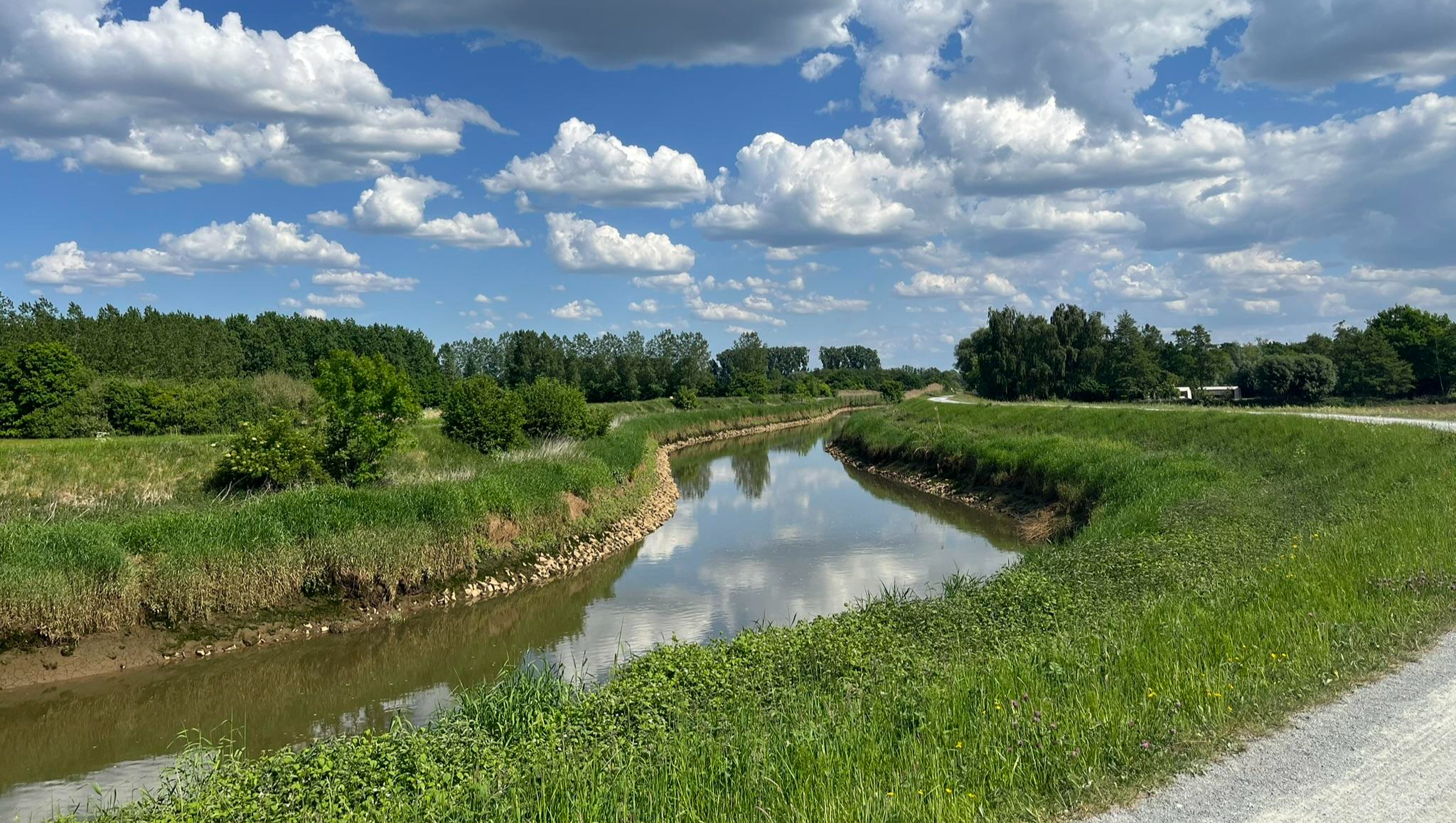
Through the valley of the Dijle – Streek-GR Dijleland
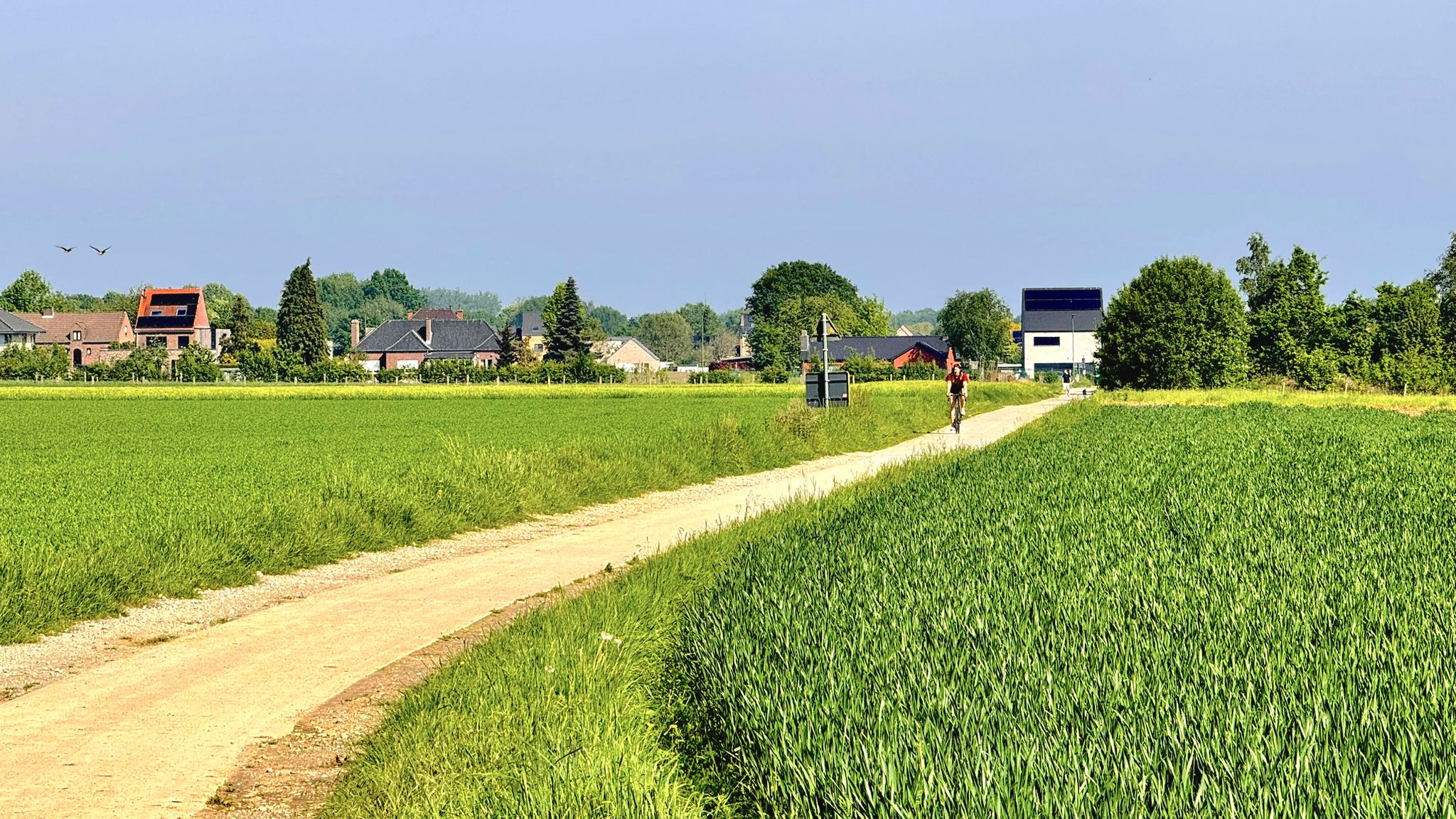
Cycling around Brussels – Green Belt Route
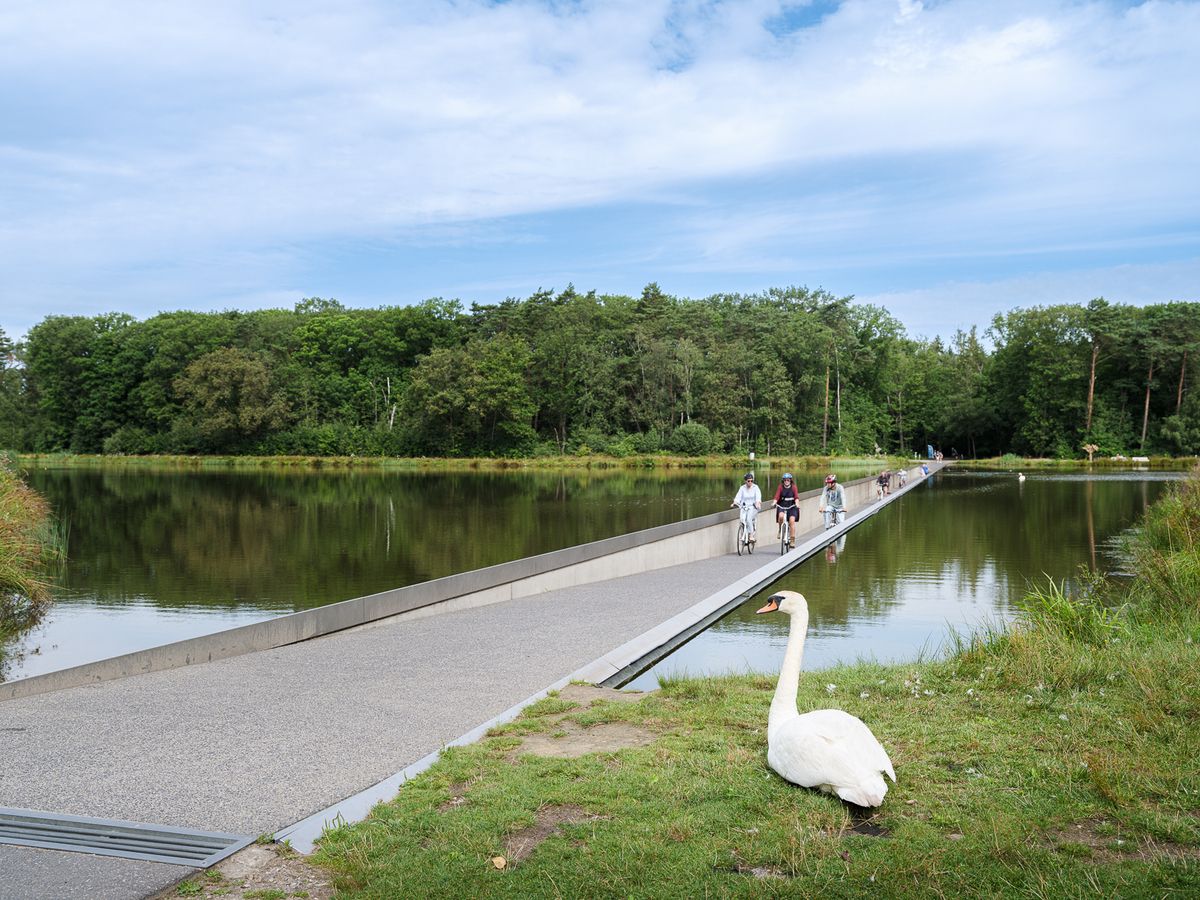
Flanders' Finest Cycle Routes: routes to discover Flemish nature and heritage
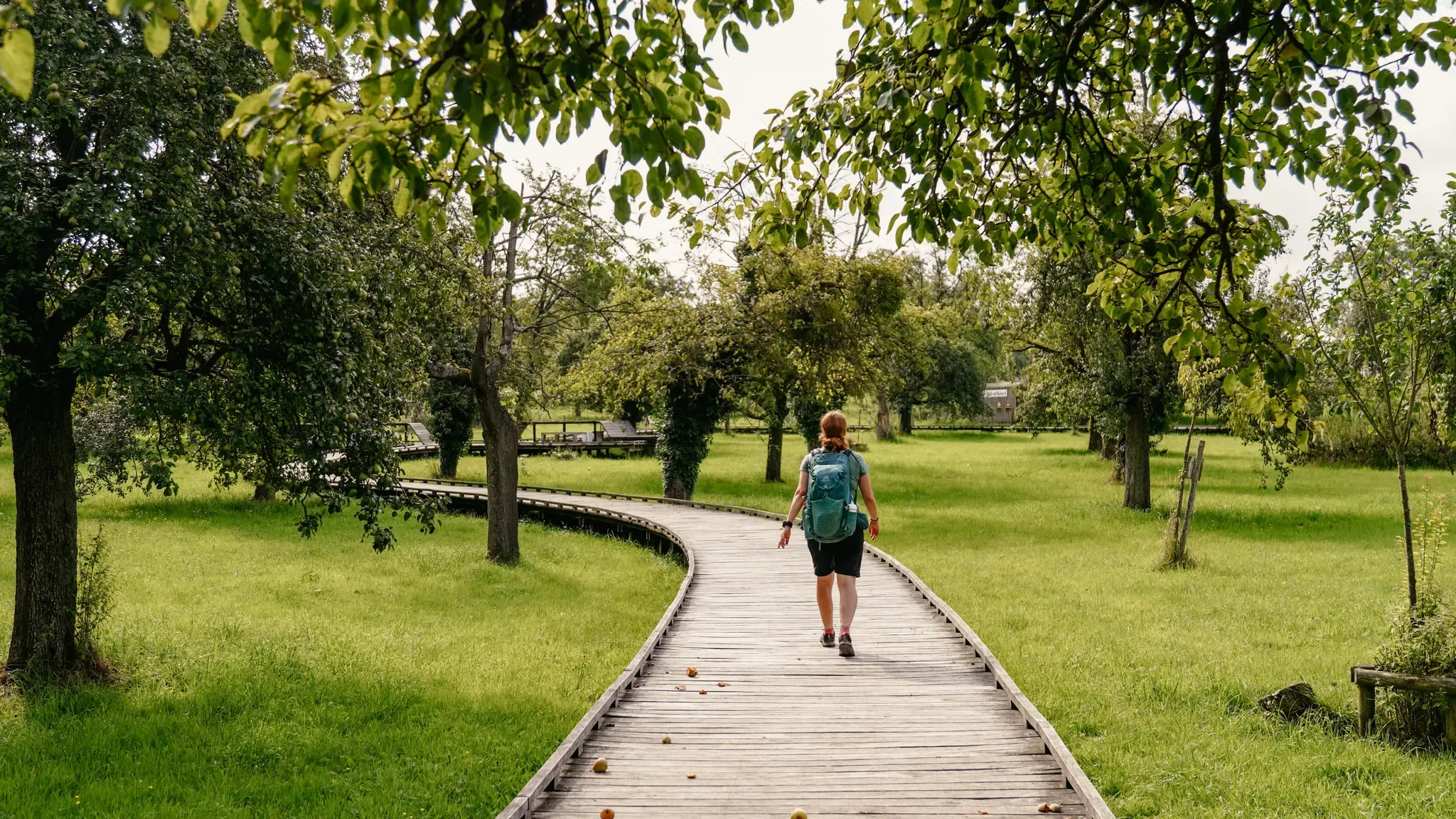
Hiking in Flanders – between dunes, forest and the scenic Meuse
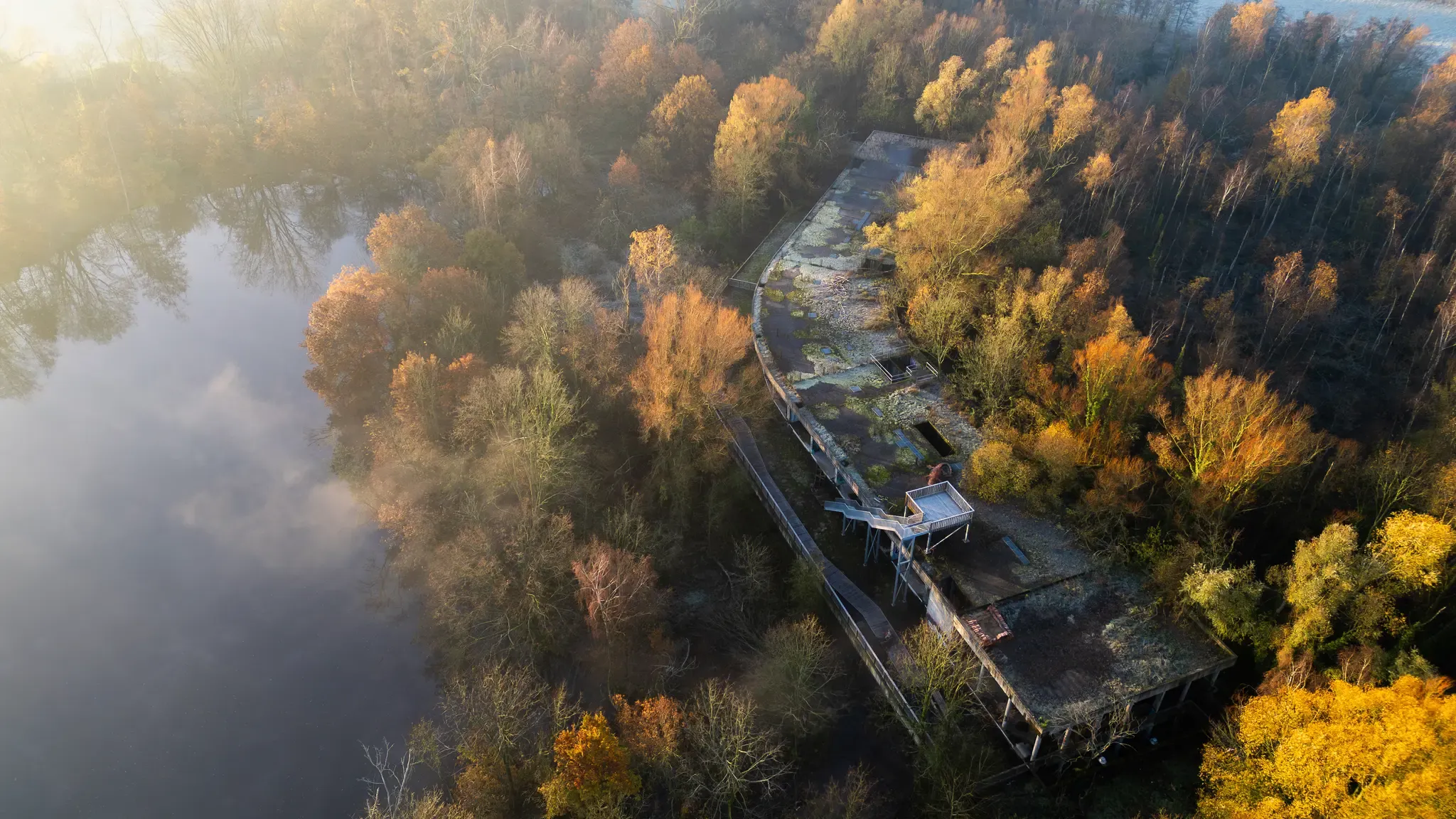
Treinstappers – from station to station in Flanders
Other adventures around Halle-Vilvoorde


Tips from the Community

Two important lordships formed the basis of the current Hoeilaart: the lordship of Ter Heyde south of the IJse on the one hand, and the lordship of Holaer or Hoeilaart north of the IJse on the other. Here once stood the castle of the Ter Heyde lordship from the fifteenth century. That lordship ceased to exist after the abolition of the ancien régime. The current castle was built in 1858 on the orders of baron Jean de Man d’Attenrode (mayor of Hoeilaart from 1854-1878) and his wife Maria Carolina d’Ormesson. It is therefore not a remnant of the old lordship. BUT: the chapel and former closed farm next to it are. This building has now, as others have mentioned, been given a different function and dominates the view in the park. Inventory of Immovable Heritage: Kasteel van Hoeilaart, https://id.erfgoed.net/erfgoedobjecten/39785
6
0

Excellent quality hotel and restaurant
0
0

Once a sturdy motte castle from the 11th century, Het Steen grew into a beautiful Renaissance castle that played a key role in the defense of Brabant against the Mechelaars for centuries. The castle is picturesquely situated in a meander of the Barebeek, surrounded by old moats and close to the Zenne, and breathes history - from knightly battles to Spanish garrisons. The most famous resident was Peter Paul Rubens, who spent his last summers here, painted, partied with artist friends such as Van Dyck and Teniers, and immortalized the surrounding nature on canvas.
0
0

superb, well-maintained and very varied park
1
0
Het Steen and appurtenances (Steendreef 77): protected monument (28/10/1948) in Flemish Renaissance style. Only the facades and roofs of the main building and outbuildings, with the exception of the stables and sheds from the first half of the 19th century, are protected. On the left in front of 't Steen, popularly known as 'Het Rubenskasteel', our attention goes to the second frame. Here we are looking in the direction of Perk where Rubens' friend David Teniers lived. Is that how Rubens saw it in his time? The castle grew out of a motte, a heavy stone residential tower on a hill, surrounded by water. The oldest known owner of the first castle was probably Rudolf van Wilre, who had the Steenvaart or the connection between the Barebeek and the Zenne dug in 1259. Later this was filled in and is now the toevaartdreef. In a deed from 1304 there was mention of a castle in white stone. It was a feudal castle, with towers and moats, like most castles from that time, comparable to the Steen in Antwerp or the Kantersteen in Brussels. As an advanced defense position it played its role for centuries in the wars between the people of Mechelen and Brussels.
1
1
Le Château du Lac is best known today as a 5-star hotel. Events are also often organised there and that is why I know it from a professional long-gone past. But the building, whether you call it a castle or rather a glorified villa, it does have a fairly intense past. In the past, the mineral water of Genval was collected and bottled here. Together with the source of Bonne Fontaine, the Château du Lac was the true symbol of Genval-les-Eaux. The Etablissement des Eaux, as it was originally called, was built between 1905 and 1907 by the architect Julien Wendrickx, the future production director of the Compagnie Internationale des Eaux Minérales, to house the collection of sources and the bottling of the mineral water of Genval. After the First World War and the receivership of the companies that managed the Genval site, the castle became the property of an English company before being taken over by the Princes of Merode, who leased the facilities to Schweppes Belgium. The Belgian branch was then managed by John Martin, an English brewer based in Antwerp, who had been importing beers from Great Britain and Ireland to the continent since 1909, including the famous Guinness. He obtained the exclusive production rights for the Schweppes range, which he transferred to Genval in 1952 following the deterioration in the quality of Antwerp's drinking water, which was now pumped into the Albert Canal. Since the divestment of Schweppes in 1988, the John Martin group has further diversified its range, with speciality beers (Timmermans, Gordon, etc.), soft drinks (Orangina) and fruit juices (Looza). After the Schweppes factory moved to Rue du Cerf, the château, now owned by the Martin family, was converted into the five-star Château du Lac Source: https://www.parismatch.be/lifestyle/voyages/2020/08/23/le-lac-de-genval-et-ses-villas-2D3Q25DBTVANBFBV5WXJG3R2NI/
8
0
The Genval lake is located in the Zilverbeek valley. The artificial lake is located for the most part on the territory of Overijse and was constructed by order of lawyer and businessman Gustave Smets - Mondez. The 18 ha lake was constructed in 1904 in an area with a series of spring-rich ponds and marshes through which the Zilverbeek or the Argentine flowed. The Zilverbeek still flows along the lake on the Overijse side. The area attracted many tourists from the very beginning. Around 1900, the urban development plans were also drawn up for the construction of the park on the Walloon side. Several impressive villas were built here that were reminiscent of copies of buildings from Versailles and monuments on the Swiss Lake Lucerne. On the Overijse side, there was less interest in the construction, which is why the slopes are less developed than on the Walloon side, where it was promoted as a spa. After the First World War, the lake was sold to John Martin (1886-1966), an English brewer from Antwerp. He would establish the Schweppes factory here (Belgian license) in the "Château du Lac" (until 1981). The lake is still in the hands of his heirs. On the Meerlaan there are still a few cottage-style villas overlooking the lake. These villas are depicted on various old postcards and are still recognizable today but have been heavily modified. Inventory of Immovable Heritage: Maleizen, https://id.erfgoed.net/themas/14294
8
0
Frequently Asked Questions
What are some of the most historically significant castles in Halle-Vilvoorde?
The Halle-Vilvoorde region is rich in history. Gaasbeek Castle, for instance, has a history stretching back to 1240 and has been rebuilt multiple times, now serving as a national museum. Beersel Castle, originating around 1300, is considered one of Belgium's best-preserved medieval water castles. Het Steen or the Rubens Castle also has origins as an 11th-century motte castle and was later home to Peter Paul Rubens.
Are there family-friendly castles to visit in the Halle-Vilvoorde region?
Yes, several castles in the region are suitable for families. Gaasbeek Castle offers expansive parks and walking trails, while Groenenberg Castle is situated within a 45-hectare park with diverse nature collections. The Coloma Estate, featuring an 18th-century moated castle and the largest rose garden in Europe, is also a great family destination.
What kind of outdoor activities can I do near the castles in Halle-Vilvoorde?
Many castles are surrounded by natural landscapes perfect for outdoor activities. You can find various routes for mountain hiking, gravel biking, and general hiking. For example, there are mountain hikes like the 'Drowned Children Ponds – Sonian Forest loop' and gravel biking routes such as the 'Flemish Brabant loop'. You can explore more options in the Mountain Hikes around Halle-Vilvoorde or Gravel biking around Halle-Vilvoorde guides.
Which castles offer unique architectural styles or features?
The castles in Halle-Vilvoorde showcase a variety of architectural styles. Gaasbeek Castle is known for its Neo-Gothic chateau appearance with medieval-looking exteriors and Neo-Classical interiors. Beersel Castle stands out as a brick-built medieval water castle with unique circular towers. Groot-Bijgaarden Castle features classic motte and bailey architecture and Flemish Renaissance style from its 17th-century reconstruction.
Is there a castle known for its gardens or natural surroundings?
Yes, Gaasbeek Castle is renowned for its expansive 50-hectare park and Museum Garden, complete with serene forests, ponds, and walking trails. Groot-Bijgaarden Castle is famous for being the enchanting backdrop to Floralia Brussels, an annual flower show with extravagant displays of tulips, daffodils, and hyacinths.
What is the best time of year to visit the castles in Halle-Vilvoorde?
The best time to visit often depends on your interests. Spring is ideal for seeing the floral displays at Groot-Bijgaarden Castle during Floralia Brussels. The expansive parks and gardens of castles like Gaasbeek and Groenenberg are beautiful during spring and summer. For specific events or exhibitions, it's best to check the castle's official website, such as kasteelvangaasbeek.be for Gaasbeek Castle's program.
How long should I plan for a visit to a castle like Beersel Castle?
Beersel Castle is considered a perfect half-day trip from Brussels. Visitors can explore its elaborate interiors and unique medieval military architecture. Allow a few hours to fully appreciate the castle and its surroundings, including the moat.
Are there any castles that offer indoor activities for bad weather?
Gaasbeek Castle serves as a national museum, housing impressive art collections, antique furniture, tapestries, paintings, and sculptures across its twenty rooms. This makes it an excellent option for indoor exploration, offering a glimpse into the daily lives of its past inhabitants, even on a rainy day.
What do visitors appreciate most about the castles in Halle-Vilvoorde?
Visitors often appreciate the blend of cultural exploration and outdoor activity. The komoot community has shared over 300 photos and given more than 300 upvotes across various castle highlights, indicating a strong appreciation for the historical significance, architectural beauty, and the peaceful, natural settings these castles offer. The well-preserved nature of sites like Beersel Castle and the extensive restorations of others like Diepensteyn Castle are frequently highlighted.
Are there any lesser-known or 'hidden gem' castles worth exploring?
While not as widely known as Gaasbeek or Beersel, Diepensteyn Castle in Steenhuffel is a beautifully restored medieval moated castle with a history dating back to the 13th century. Its comprehensive restoration and affiliation with Palm Brewery make it an interesting example of the region's heritage. The Prinsen Castle and Ter Rijst Castle Estate also offer unique historical and natural experiences.
Can I find cafes or restaurants near the castles?
Yes, some castle estates offer amenities. For example, at the Ter Rijst Castle Estate, you have the opportunity to have a drink or snack at T-Rest. The Coloma Estate also features the tavern "De Koetsier" which was originally a coach house.
Most popular routes around Halle-Vilvoorde
Most popular attractions around Halle-Vilvoorde

Get inspired with the komoot mobile app


Didn’t find what you were looking for?
Explore Halle-Vilvoorde’s best castles region by region:
Explore more
Looking for the best castles somewhere else? Discover other guides around Halle-Vilvoorde:
