Attractions and Places To See around Mechelen - Top 20
Best attractions and places to see around Mechelen include a variety of historical landmarks, cultural sites, and natural spaces. Situated between Brussels and Antwerp, the city is characterized by its rich history and its location along the Dijle river. Visitors can explore a compact historic center, numerous green areas, and significant architectural sites. The region offers diverse opportunities for exploration, from urban walks to riverside paths.
Best attractions and places to see around Mechelen
- The most popular attractions is St. Rumbold's Cathedral, Mechelen, a religious building that is a UNESCO World Heritage site. Its 97-meter-high tower offers panoramic views.
- Another must-see spot is Mechelen, a settlement known for its Flemish architecture and the Dijle river. Visitors can discover the city's historic core, including the Hof van Busleyden and Kazerne Dossin.
- Visitors also love Zennegat, a river area where the Zenne, Leuven-Dijle canal, and Dijle flow together. This area provides opportunities for walks along the banks and cycling on dedicated paths.
- Mechelen is known for its historical sites, natural areas, and cycle paths. The region offers a mix of urban exploration, cultural institutions, and tranquil green spaces to see and explore.
- The attractions around Mechelen are appreciated by the komoot community, with over 780 upvotes and more than 100 photos shared.
Last updated: October 9, 2026
Blue Cycle Bridge over the Dijle
Highlight • Bridge
Bridges connect people and landscapes. Know that it is quite busy here on weekends.
Translated by Google •
Tip by

Netekanaal Cycle Path
Highlight (Segment) • Cycleway
Translated by Google •
Tip by

Sign up now to discover places like this
Get recommendations on the best single tracks, peaks, & plenty of other exciting outdoor places.
Temse Scheldt Bridge
Highlight • Bridge
The bridges connect landscapes and people.
Trains, cars, cyclists and walkers make daily use of this beautiful building designed by Gustave Eiffel. At 374 meters, the Scheldt Bridge is the longest bridge over water in Belgium and is also the last bridge over the Scheldt, downstream, towards the sea.
The first bridge was designed by Eifel and was completed in 1870.
She served in the railway connection between Mechelen and Terneuzen.
Because there were no cars or bicycles driving around at that time, it was only accessible to railway traffic and pedestrians.
With a length of 343 m (in 1870), it was immediately the longest bridge in Belgium.
During the First World War, the bridge suffered serious damage.
She was restored. Because she was and still is an important connection.
In 1940, however, it was blown up by French and Belgian engineers for strategic reasons.
After the war, the construction of a new bridge was given priority. The first pile was placed on June 2, 1949.
The solemn inauguration by King Baudouin followed on 19 December 1955.
The current bridge is 365 meters long.
In April 1994 the movable part was replaced by a new roller bascule bridge; the solemn reopening of the bridge took place on April 29, 1994.
On the side of Temse are two monumental statues by Karel Aubroeck: The Scheldt and The Waves. These were placed in 1958 and 1964.
Enjoy this horizontal work of art while pedaling or walking…
Translated by Google •
Tip by
Blue Pedestrian Bridges at the Three Rivers Point
Highlight • Bridge
Two hundred meters away is a cozy terrace, De Drie Rievieren, where you can satisfy your thirst and hunger.
In good weather you sometimes have to be lucky to get a place, it can sometimes be busy.
Translated by Google •
Tip by
Zennegat
Highlight • River
Translated by Google •
Tip by

Schelde Bend at Sint-Amands
Highlight • River
Did you know that you can do ‘bank hopping’ here? With the triangular ferry Mariekerke - Moerzeke - Sint-Amands you will be on the other side in no time. In short: it is pure enjoyment in Puurs-Sint-Amands!
Need more triggers to discover the Scheldt region? Click through to scheldeland.be/puurs-sint-amands
Translated by Google •
Tip by
Kesselse Heath
Highlight • Forest
Translated by Google •
Tip by

Mechelen
Highlight • Settlement
Translated by Google •
Tip by

Cyclists' Bridge over the Zenne
Highlight • Bridge
Translated by Google •
Tip by
Fort Kessel
Highlight • Historical Site
Translated by Google •
Tip by

Sign up for free to discover even more attractions around Mechelen.
Already have an account?
Start today with a free account
Your next adventure awaits.
Popular around Mechelen
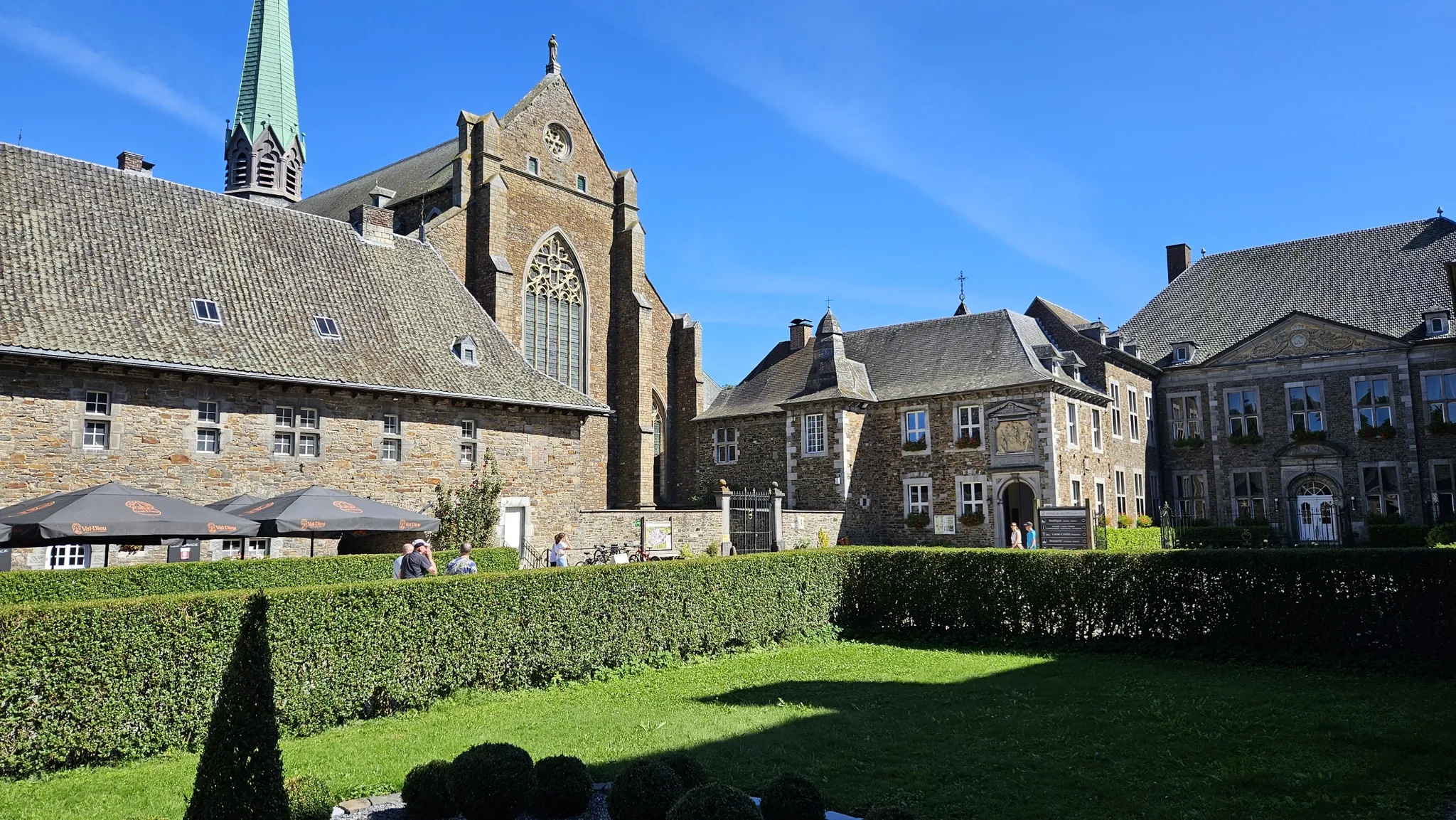
Trappist abbeys cycle route – Between beers and heritage
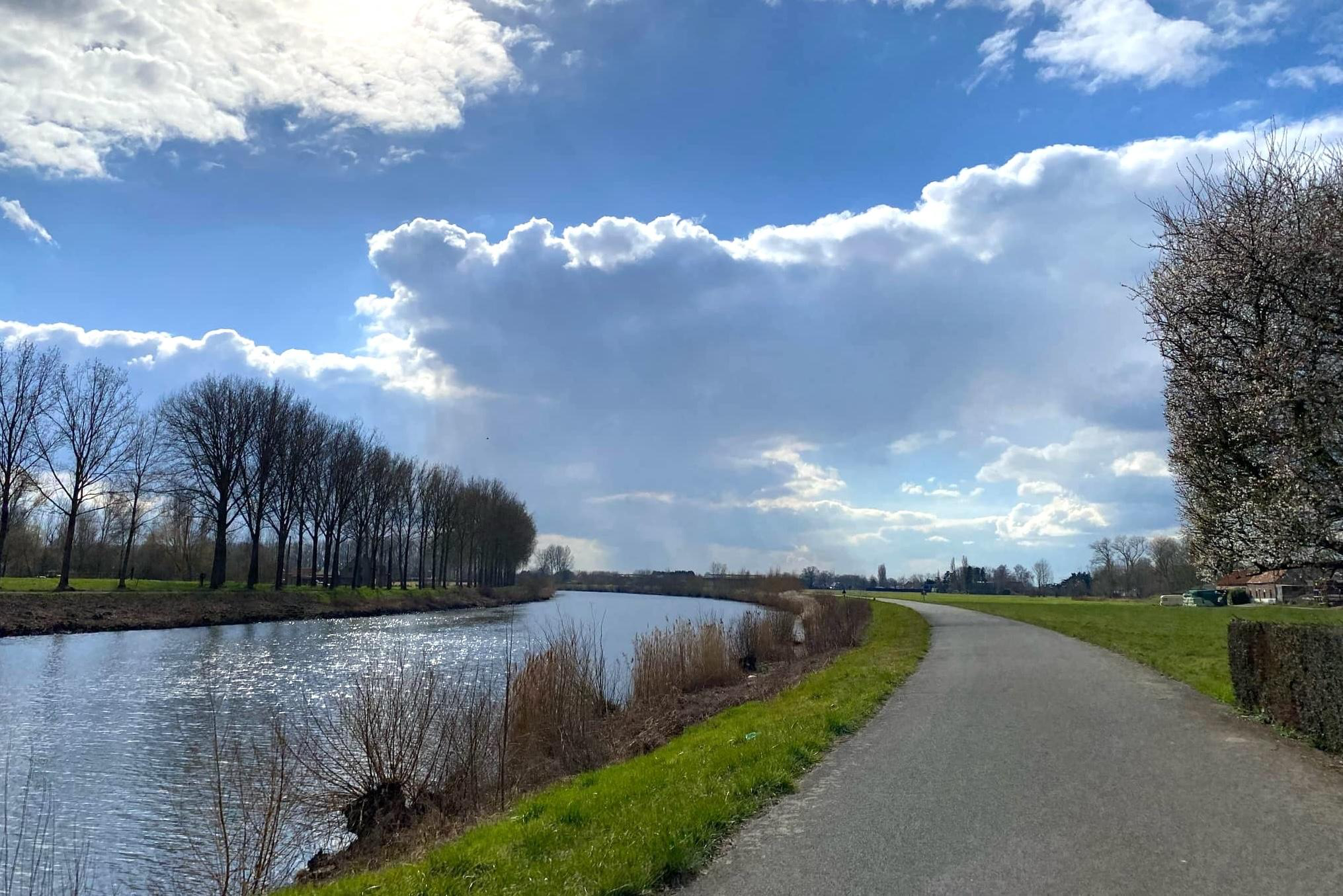
Three days of pure cycling pleasure from Spiere to Zandvliet – Schelderoute
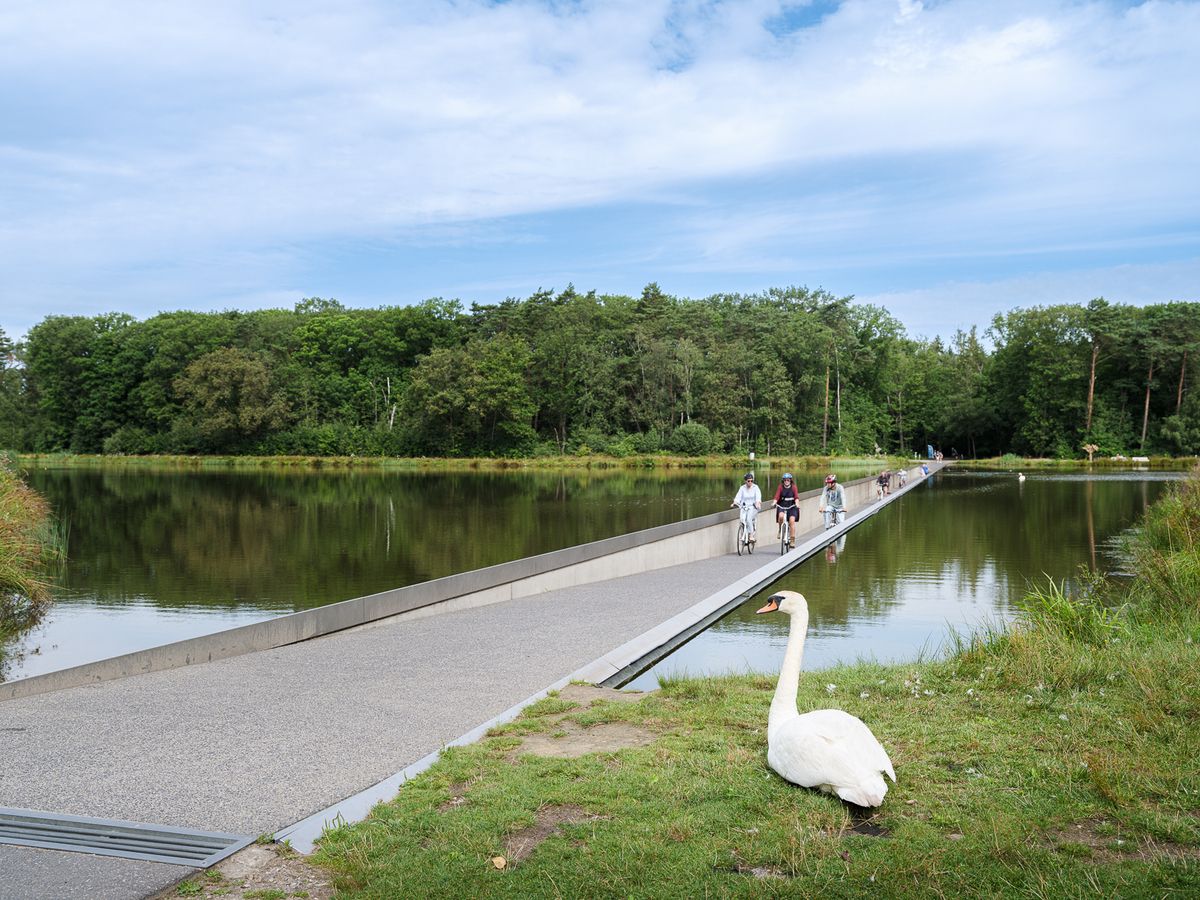
Flanders' Finest Cycle Routes: routes to discover Flemish nature and heritage
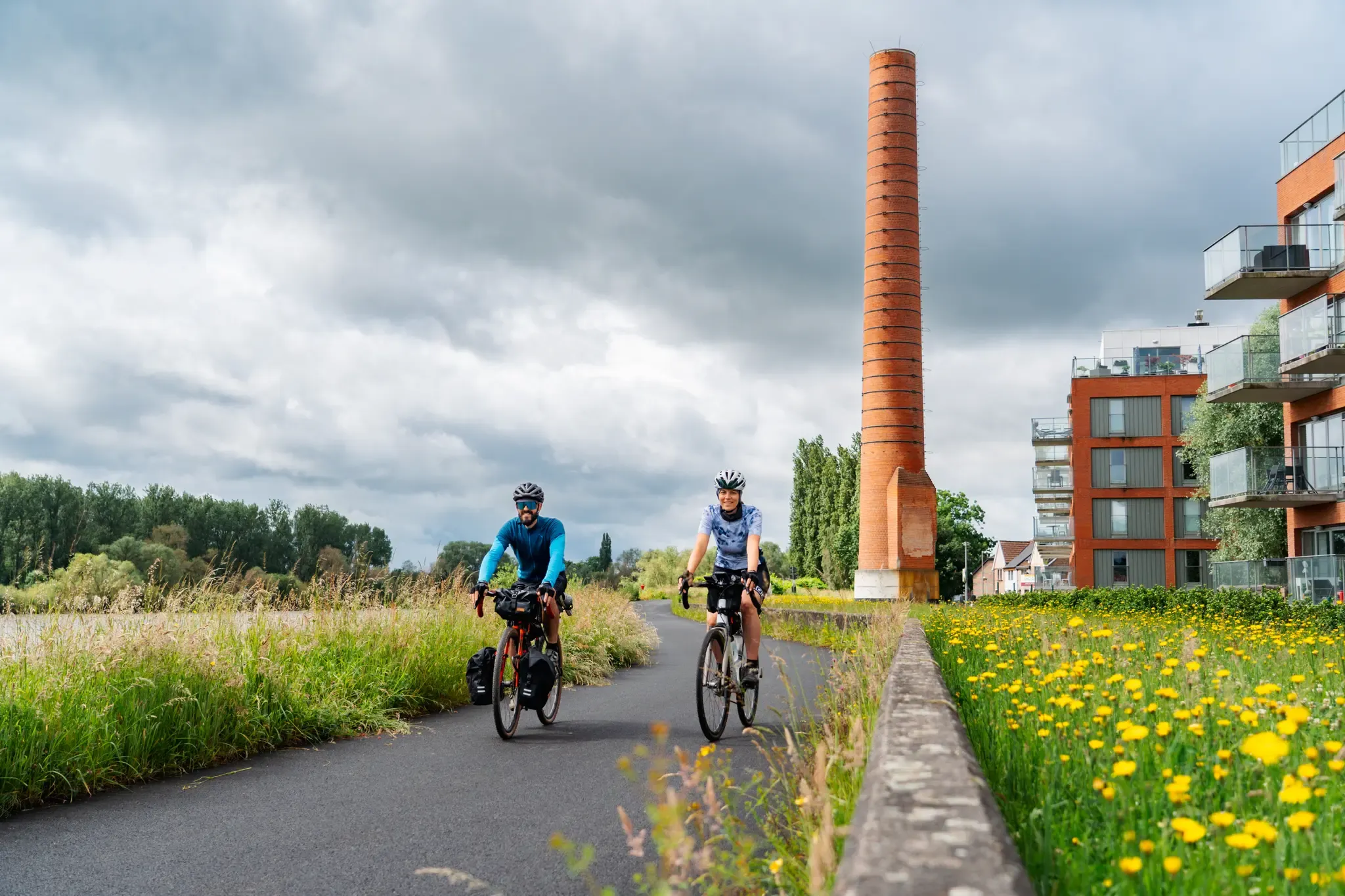
Fries, nature and beer – experience Flanders by bike
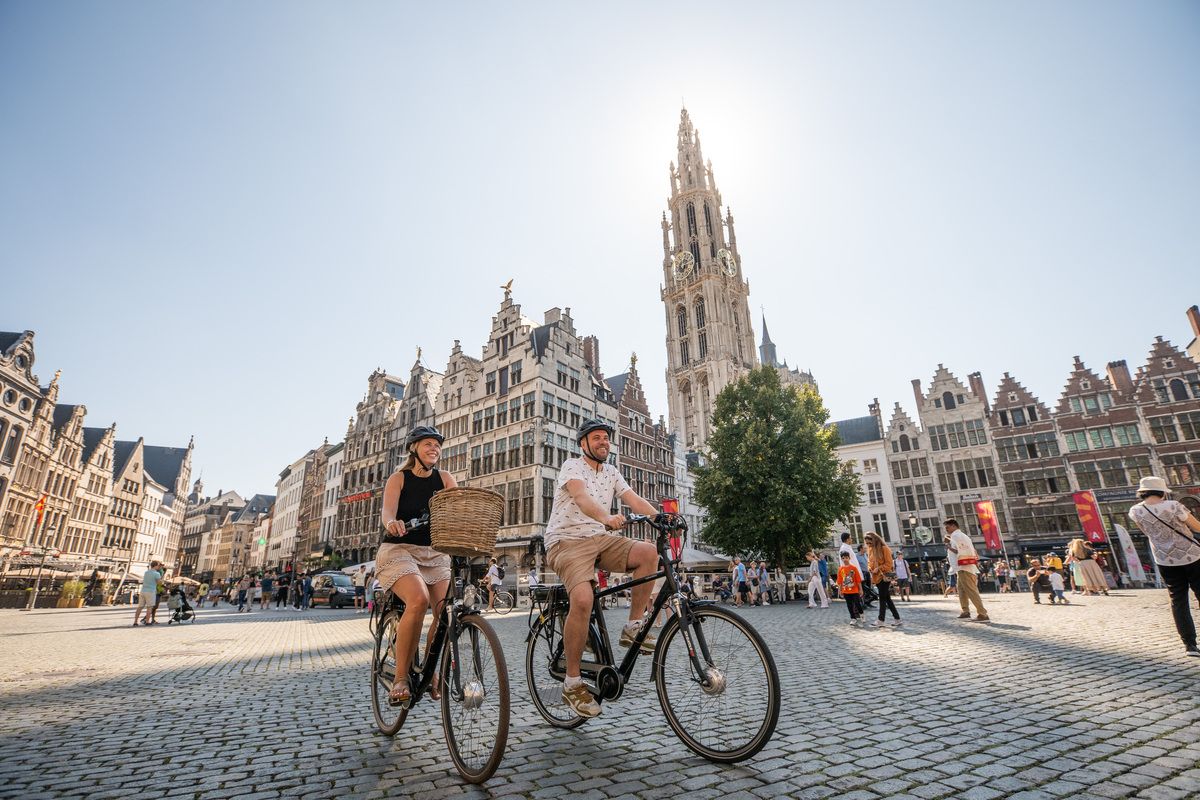
Flanders' Finest Cycle Routes: routes around the Flemish art cities
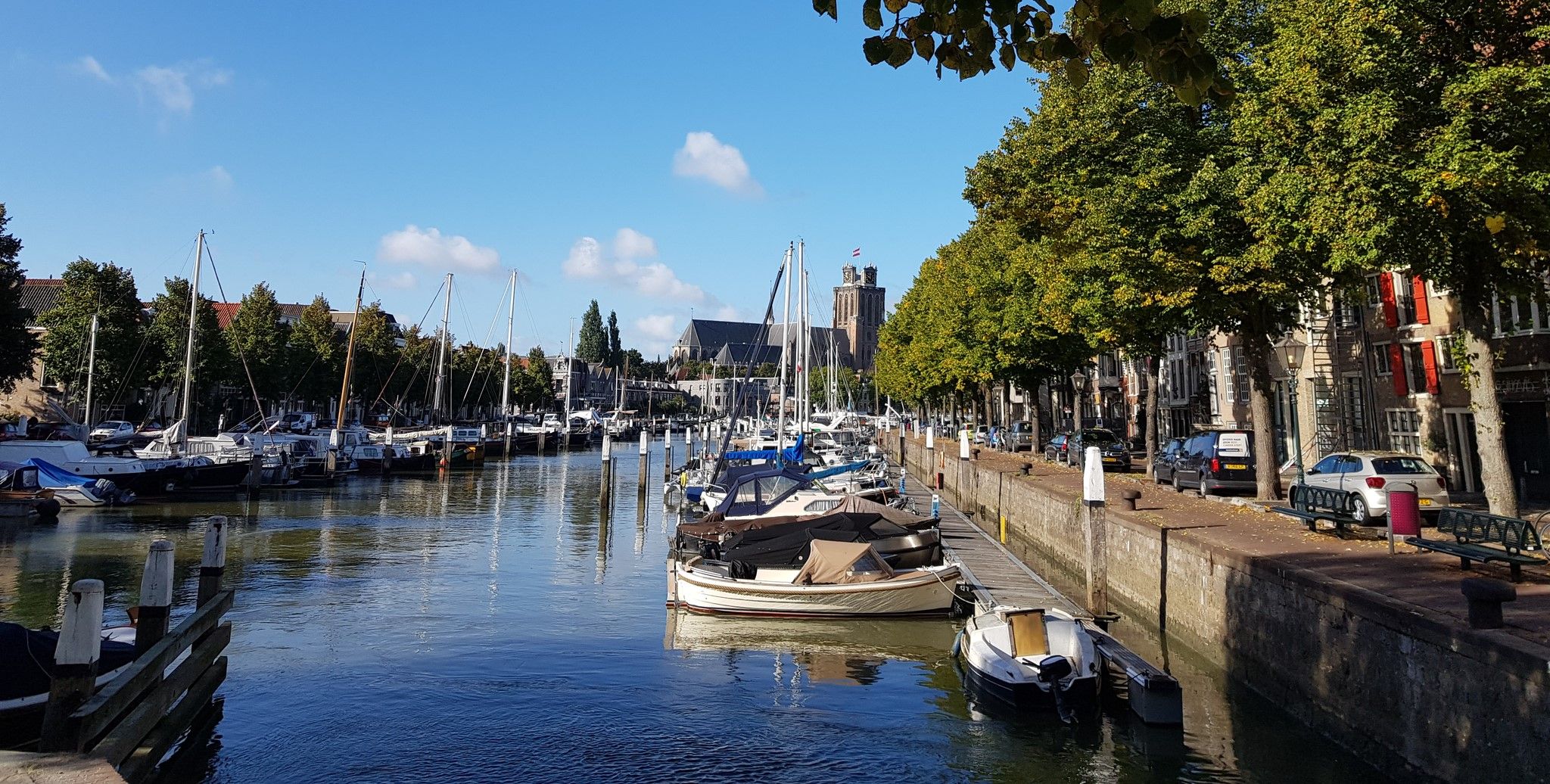
From canals to the Grote Markt – Stedenroute (City Route)
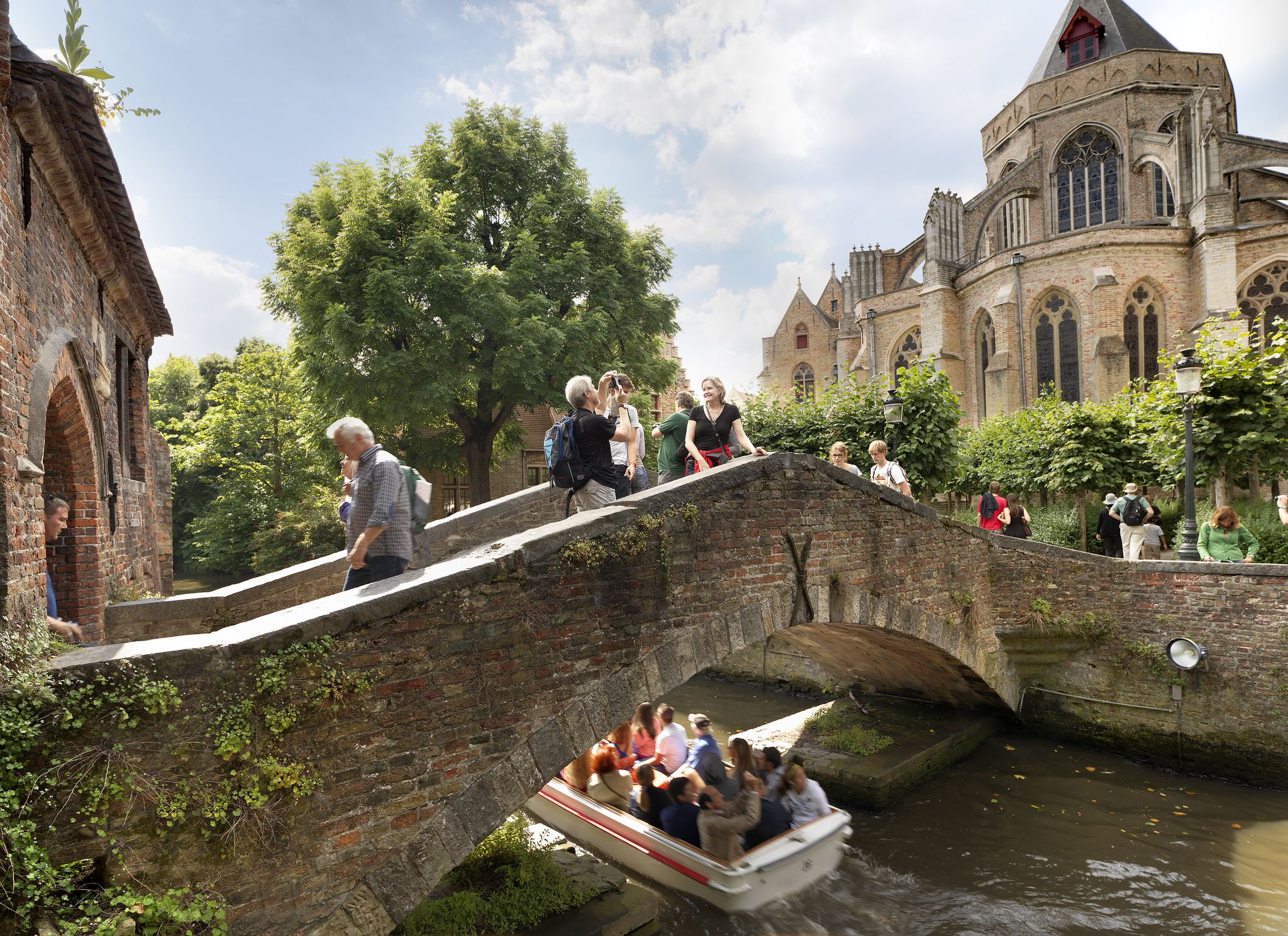
10,000 steps through Flanders' Art Cities
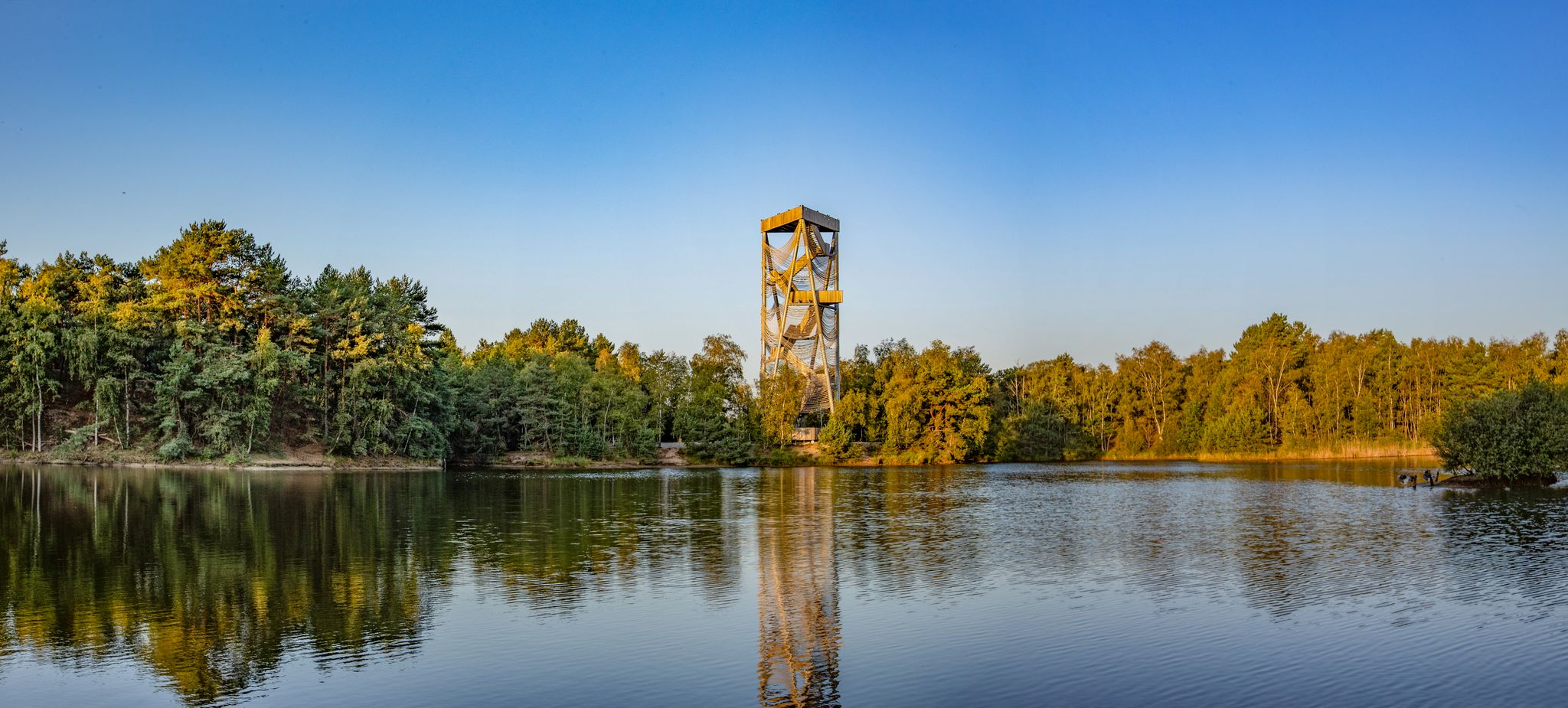
Art, culture and more – hiking in Belgium’s Flanders
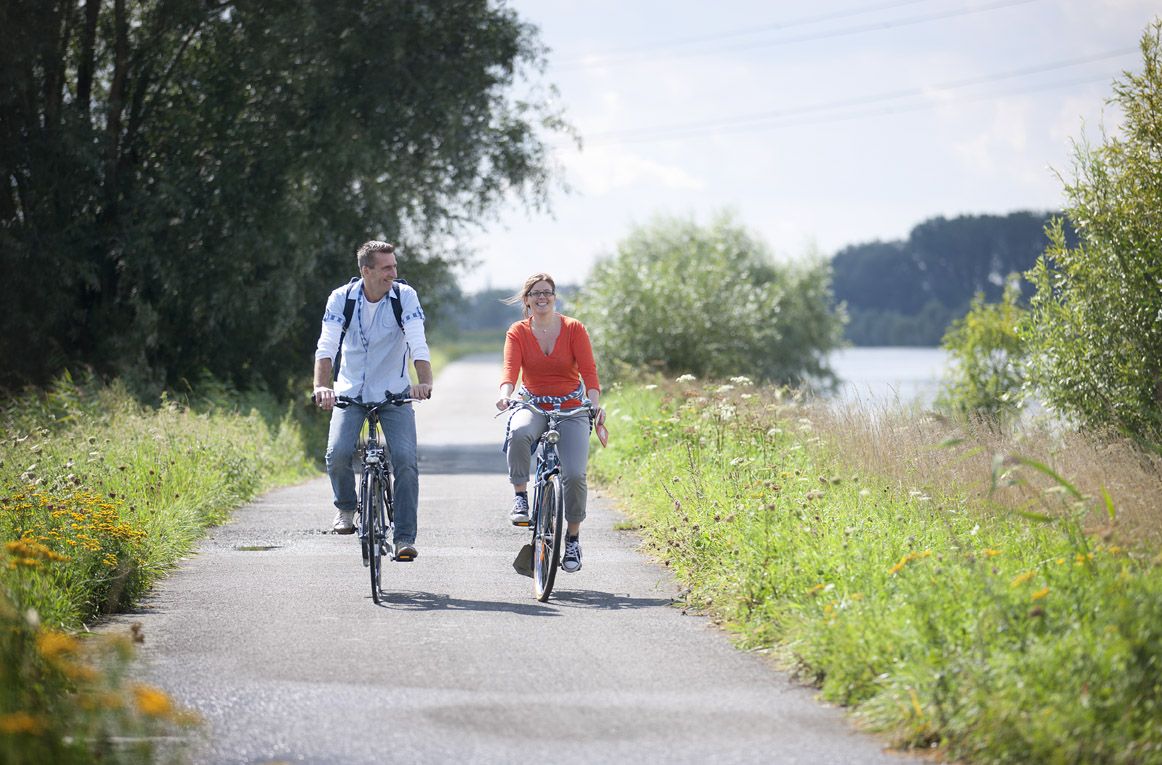
Flanders by bike: cycling along the water
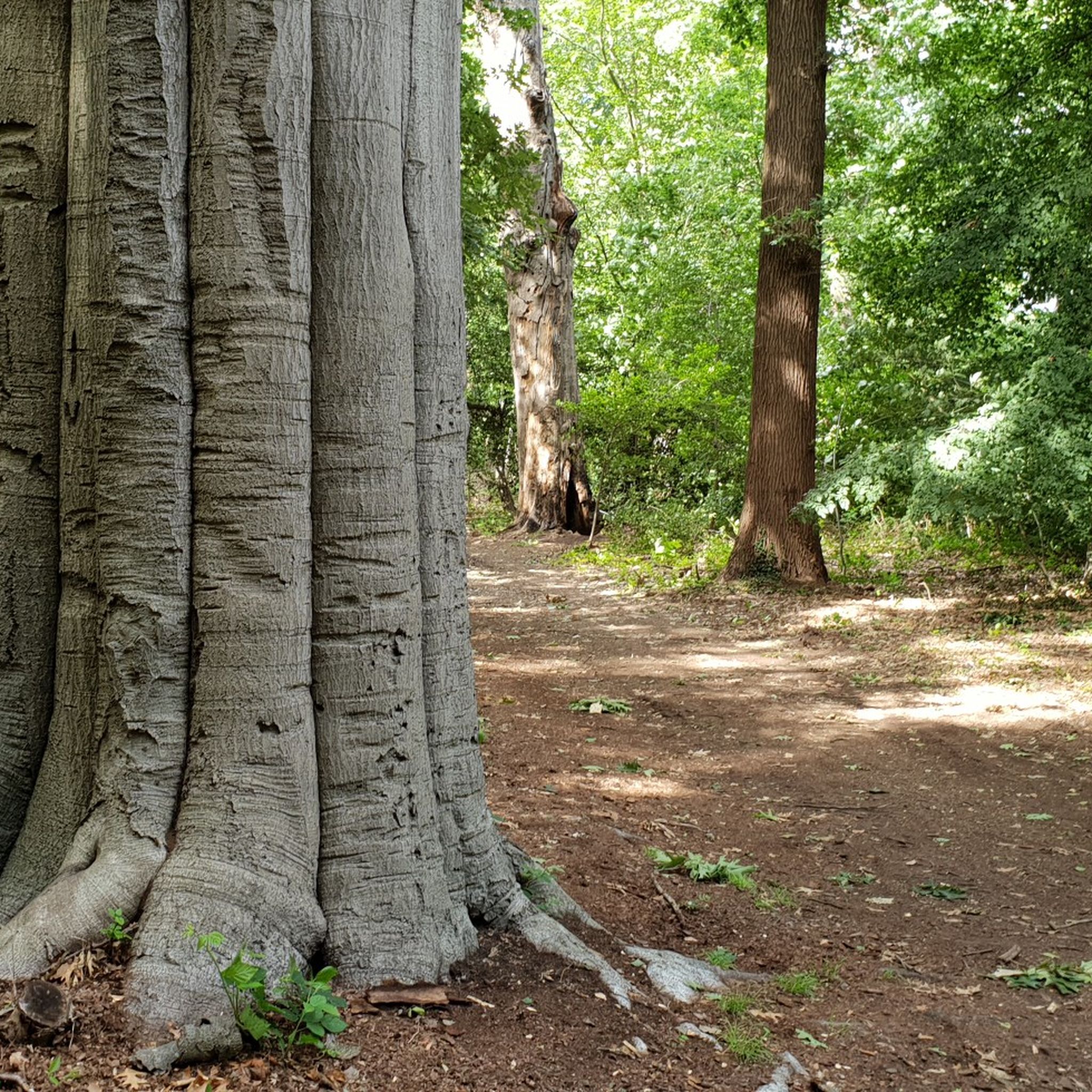
Hiking around Mechelen
Other adventures around Mechelen


Tips from the Community

Is indeed. the most beautiful bend of the Scheldt in Flanders/Belgium
0
0

Bridges connect one side to the other side...
3
0

Beautiful view of the surroundings
0
0

The Kesselse Heide is a provincial green space covering 79 hectares, 61 of which are open to the public. The initial acquisition took place in 1978, and it has been expanded since then. The entrance is located in Nijlen, at Vaerestraat 4. The space is freely accessible daily from sunrise to sunset. There are two ponds in the area. These old wells not only provide a pleasant change of scenery but are also a boon for the many plants and animals. Since 1996, the Kesselse Heide has been a protected landscape. It is one of the few remaining remnants of the once vast Kempen heathlands. The heath is a living community created in our region by humans. Historical agricultural practices created a landscape that has been preserved through human intervention: grazing by sheep, burning the heath, and sod cutting. Sod cutting is the removal of the topsoil and vegetation. A dug-out sod of plants and their roots is a sod. If heathland is left untreated, it will evolve into oak and birch forests, and the typical species associated with a heathland habitat will disappear. In the mid-19th century, the Kesselse Heide—like many other parts of the Kempen region—was afforested with Scots pine, a valuable timber for mining. However, during both World Wars, these sod-covered forests were felled, and from then on, the heathland was able to expand again. Current management consists of removing trees and mechanically cutting sods to give the open heathland every chance to thrive. https://youtu.be/NoPf0HSeFz8
6
0

The Kesselse Heide-Het Goor area consists of a variety of nutrient-poor meadows, pastures, marshes, and ponds, bordered and crisscrossed by enclosed landscape types, and contains numerous landscape elements. The area is characterized by a richly varied and sometimes rare flora. Several historic farm buildings can be found within the area. The Kesselse Heide-Het Goor area, with an area of approximately 2,620 hectares, is located between the villages of Nijlen and Kessel, north of the Lier-Herentals road. The northern border of this area is along Vogelzangstraat, the eastern border along Achterbist, Kannaertsstraat, and Goorstraat. The Grote Steenweg forms the southern border, and the western border is formed by Heidestraat and Vaerestraat. The landscape includes the following topographical areas: "Kannaerdsche Heyde," "Kesselse Heide," "Mol Heide," "Achterbiest," "Het Hoog Bosch," "De Hooge Heide," "Het Armveld," "De Schommers" or "Vissen Eynde," "Het Goor," "Het Goorkasteel," and "Hoge Heyde." Several streams traverse the area, specifically the Goorkantloop, the Elstbeek, the Paddenloop, Blauwe Hoekloop, and the Visbeek. The elevation within the area varies from approximately 5 meters +TAW to approximately 10 meters +TAW. Inventory of Immovable Heritage: Kesselse Heide-Het Goor, https://id.erfgoed.net/erfgoedobjecten/302886
7
0

Fort Kessel is a concrete armored fort built shortly before the First World War. Along with 29 other fortifications, it forms the outer fortification belt of the Antwerp fortress. The fort was built between 1909 and 1914 and modified during the interwar period (1934 and 1939). Until 1940, it played a role in the Belgian army's military defense strategy, first as an artillery stronghold and later as an infantry support point. The fort was demilitarized in 1947. Today, it is an important wintering site for bats. (Inventory of Immovable Heritage) And there is much more to do in and around the fort. Information can be found at https://fortvankessel.be
15
0

This bridge (and others in the region) weren't there when I was a kid. Now, you can enjoy lovely, scenic, and short walks and bike rides from the charming Zennegat. Be careful in wet weather, though, as they can be a bit slippery.
0
0

Frequently Asked Questions
What natural features can I explore around Mechelen?
Mechelen offers several natural escapes. You can walk along the unique floating wooden walkway of the Dyle Path (Dijlepad), which starts from the historic port of Haverwerf and leads towards the Botanical Gardens. The Zennegat area, where the Zenne, Leuven-Dijle canal, and Dijle rivers converge, provides opportunities for pleasant walks and cycling along the banks. For a larger green space, Vrijbroekpark features walking trails and floral gardens, while Mechels Broek offers a natural expanse along the Dijle River with grasslands and bird-watching spots. Don't miss the Kesselse Heath, a provincial green domain with a mix of heather, forests, and sandy plains.
Are there any historical sites or landmarks to visit in Mechelen?
Mechelen is rich in history. The iconic St. Rumbold's Cathedral, a UNESCO World Heritage site, is a must-see. The Grote Markt (Main Square) is surrounded by historic buildings like the Mechelen City Hall. You can also explore the beautifully restored 16th-century Hof van Busleyden Museum, offering insights into Mechelen's 'golden age'. The Large and Small Beguinages, also UNESCO World Heritage sites, are charming historic areas with picturesque houses. For a poignant historical experience, visit the Kazerne Dossin Memorial and Museum.
What are some family-friendly activities or attractions in Mechelen?
Families visiting Mechelen have plenty to do. The Toy Museum Mechelen (Speelgoedmuseum) offers a fascinating collection of toys from different eras. Technopolis is a hands-on science museum perfect for curious minds, and Planckendael Zoo allows visitors to see over 200 species from around the world. Many of the city's natural areas are also family-friendly, such as the Zennegat area and Kesselse Heath, which offer easy walking and cycling paths. The Blue Pedestrian Bridges at the Three Rivers Point are also popular with families.
Where can I enjoy panoramic views of Mechelen?
For breathtaking panoramic views, climb the 97-meter-high tower of St. Rumbold's Cathedral. After ascending 538 steps to the Skywalk, you can see as far as Brussels, Antwerp, and Leuven on a clear day.
Are there opportunities for cycling or walking along the water in Mechelen?
Absolutely! Mechelen is known for its riverside paths. The Dyle Path (Dijlepad) offers a unique floating wooden walkway experience along the Dijle River. You can also cycle along the Netekanaal Cycle Path, known for its smooth surface and scenic views. The Zennegat area provides footpaths and cycle paths along the canals and river. Several bridges, like the Blue Cycle Bridge over the Dijle and the Cyclists' Bridge over the Zenne, are popular spots for cyclists and walkers.
What kind of outdoor activities can I do near Mechelen's attractions?
Beyond exploring the city, Mechelen offers diverse outdoor activities. You can find numerous routes for road cycling, gravel biking, and mountain biking. For road cyclists, popular routes include the 'Duvel Cycling Route' and loops along the Nete River. Gravel biking enthusiasts can explore routes like the 'Hombeek Plateau Blue Loop'. Mountain bikers have trails such as the 'Berentrodepad' and the 'Putte Blue MTB Loop'. You can find more details and routes in the Road Cycling Routes around Mechelen, Gravel biking around Mechelen, and MTB Trails around Mechelen guides.
Are there any unique cultural experiences in Mechelen?
Mechelen boasts unique cultural experiences. You can take a tour and tasting at Het Anker Brewery, home to the famous Gouden Carolus beer. The city is also renowned for its carillon culture, highlighted by the Royal Carillon School "Jef Denyn". The Winter Garden of the Ursuline Nuns offers a stunning year-round spring experience under a stained-glass roof. Additionally, the De Vleeshalle is a vibrant food hall where you can sample local delicacies.
What is the best time of year to visit Mechelen's attractions?
Mechelen is enjoyable year-round, but the best time to visit for outdoor activities and comfortable exploration is typically during the spring (April-May) and early autumn (September-October) when the weather is mild and pleasant. Summer (June-August) is also popular, offering warm temperatures ideal for boat trips on the Dijle River and enjoying outdoor cafes. During these seasons, the city's parks and gardens are in full bloom or display beautiful autumn colors.
Are there any attractions in Mechelen that are accessible for wheelchairs?
Yes, several attractions and areas in Mechelen offer good accessibility. The Blue Cycle Bridge over the Dijle, the Netekanaal Cycle Path, and the Cyclists' Bridge over the Zenne are all categorized as wheelchair accessible, providing smooth paths for enjoyment. Many of the city's modern museums and public spaces are also designed with accessibility in mind. It's always recommended to check specific venue websites for detailed accessibility information before your visit.
What do visitors enjoy most about Mechelen?
Visitors frequently praise Mechelen for its compact, walkable historic center, allowing easy exploration of its rich history and Flemish architecture. The city's blend of medieval grandeur and contemporary vitality, along with its serene natural spaces like the Dijle River and various parks, is highly appreciated. Many enjoy the unique perspective offered by the Dyle Path and the vibrant atmosphere of the Grote Markt. The friendly, child-friendly atmosphere and the presence of significant cultural institutions also contribute to a memorable experience.
Can I find places to eat or drink near Mechelen's main attractions?
Yes, Mechelen offers numerous options for dining and refreshments, especially around its main attractions. The Grote Markt (Main Square) is lined with cafes and restaurants, perfect for enjoying local cuisine or a drink. The De Vleeshalle is a popular food hall in the city center. Additionally, near the Blue Pedestrian Bridges at the Three Rivers Point, you'll find a cozy terrace called De Drie Rivieren, a great spot to satisfy your thirst and hunger after a walk or cycle.
Are there any dog-friendly walking areas in Mechelen?
Mechelen offers several green spaces suitable for walks with dogs. Extensive parks like Vrijbroekpark and natural areas such as Mechels Broek provide ample space for leisurely strolls. The paths along the Dijle River and canals, including those around Zennegat, are generally dog-friendly, though it's always advisable to keep dogs on a leash and be mindful of local regulations regarding pet access in specific areas or nature reserves.
Most popular routes around Mechelen
Most popular attractions around Mechelen

Get inspired with the komoot mobile app


Didn’t find what you were looking for?
Are you keen on exploring more awesome places nearby? Browse our guides:
Explore more
Still not found the Highlight you’re looking for? See guides of the top attractions in other regions:
